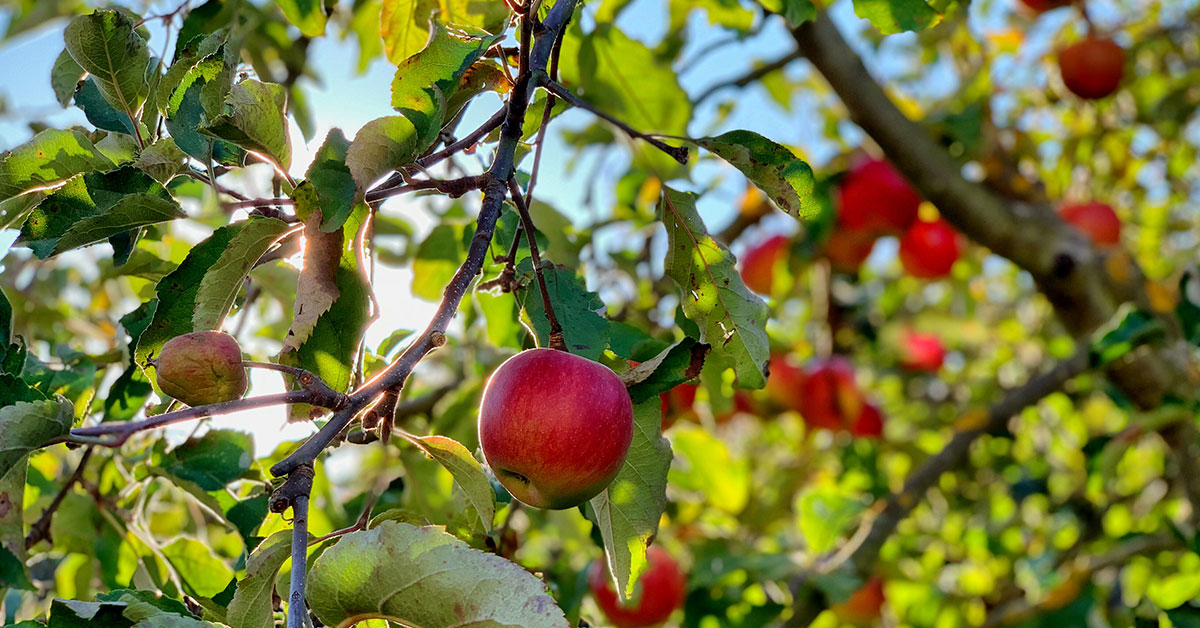

Welcome to our comprehensive guide on the best fruit trees to grow in Kansas! With its diverse climate and fertile soil, Kansas offers a fantastic opportunity for fruit tree enthusiasts to cultivate a bountiful harvest. Whether you’re a seasoned gardener or a beginner looking to embark on a fruitful journey, this article will provide you with valuable insights into the top fruit trees that thrive in the Kansas region.
From the deliciously sweet peaches to the versatile apple varieties, we will explore the ideal fruit trees for Kansas, taking into account their adaptability to the local climate, disease resistance, and overall productivity. So, let’s dig in and discover the perfect fruit trees to transform your Kansas garden into a fruitful oasis!
The best fruit trees to grow in Kansas
The climate and soil conditions in Kansas make it an ideal region for growing a variety of fruit trees. However, it is important to choose the best fruit trees to grow in Kansas that can withstand the state’s hot summers, cold winters, and occasional droughts. Here are some fruit trees that thrive in Kansas:
- Apple Trees: Apples are a popular choice for Kansas gardeners due to their adaptability to different soil types. Varieties such as ‘Arkansas Black,’ ‘Honeycrisp,’ and ‘Jonathan’ are known to do well in the state’s climate. Apples require full sun and well-drained soil to produce a bountiful harvest.
- Peach Trees: Peaches are another excellent choice for Kansas gardens. Varieties like ‘Redhaven,’ ‘Elberta,’ and ‘Reliance’ are known for their delicious flavor and ability to withstand Kansas’ cold winters. Peach trees require a sunny location and well-drained soil to thrive.
- Cherry Trees: Both sweet and sour cherry trees can be successfully grown in Kansas. Varieties like ‘Montmorency’ (sour cherry) and ‘Bing’ (sweet cherry) are popular choices. Cherry trees require full sun, well-drained soil, and protection from late spring frosts to ensure a successful harvest.
- Plum Trees: Plums are well-suited for Kansas’ climate and can be a rewarding addition to any garden. Varieties such as ‘Methley,’ ‘Santa Rosa,’ and ‘Stanley’ are known for their excellent flavor and productivity. Plum trees prefer full sun and well-drained soil.
- Pear Trees: Pears can also be grown successfully in Kansas, although they may require some extra care. Varieties like ‘Bartlett,’ ‘Moonglow,’ and ‘Kieffer’ are recommended for their adaptability to the state’s climate. Pear trees need full sun, well-drained soil, and proper pruning to ensure healthy growth and fruit production.
When selecting fruit trees for your Kansas garden, it is essential to consider factors such as disease resistance, chilling requirements, and pollination needs. Consulting with local nurseries or agricultural extension offices can provide valuable insights into the best fruit tree varieties for your specific location. With proper care and attention, these best fruit trees to grow in Kansas can provide you with a bountiful harvest for years to come.
Avoid growing these fruit trees in Kansas
When it comes to growing fruit trees in Kansas, it is important to choose varieties that are well-suited to the region’s climate and soil conditions. While there are several fruit trees that thrive in Kansas, there are also some varieties that should be avoided due to their inability to withstand the state’s harsh weather conditions.
Citrus trees, such as oranges, lemons, and grapefruits, should generally be avoided in Kansas. These trees require a warm and tropical climate, which is not typically found in the state. Kansas experiences cold winters and fluctuating temperatures, making it challenging for citrus trees to survive and produce fruit consistently.
Peach trees can also be problematic in Kansas. While there are some cold-hardy peach varieties available, the state’s unpredictable weather patterns, including late spring frosts, can damage the delicate blossoms and reduce fruit production. However, with careful selection of cold-hardy peach varieties and proper protection during frost events, it is still possible to grow peaches successfully in certain parts of Kansas.
Another fruit tree to approach with caution in Kansas is the cherry tree. While cherries can be grown in the state, they are susceptible to various diseases and pests, such as brown rot and cherry fruit fly. These challenges, combined with the state’s weather conditions, can make it difficult to achieve consistent and high-quality cherry harvests.
It is important to note that while these fruit trees may not be ideal for Kansas, there are still many other options that can thrive in the state’s climate. By selecting the best fruit trees to grow in Kansas, gardeners can enjoy a bountiful harvest and minimize potential challenges.
Fruit tree growing tips for Kansas
Growing fruit trees in Kansas can be a rewarding experience, as the state’s climate and soil conditions are suitable for a variety of fruit tree species. Here are some tips and best practices to help you successfully grow the best fruit trees in Kansas:
- Select the right fruit tree species: When choosing fruit trees for your Kansas garden, consider those that are well-suited to the state’s climate. Some of the best fruit trees to grow in Kansas include apple trees, peach trees, cherry trees, pear trees, and plum trees. These species are known to thrive in the region’s weather conditions.
- Consider disease resistance: Kansas experiences a range of weather conditions, including hot summers and cold winters. To ensure the health and longevity of your fruit trees, select varieties that are resistant to common diseases and pests found in the area. Disease-resistant cultivars can help minimize the need for chemical treatments and increase the chances of a successful harvest.
- Plant at the right time: Timing is crucial when planting fruit trees in Kansas. It’s generally recommended to plant fruit trees in early spring or late fall when the soil is workable. This allows the trees to establish their root systems before the extreme temperatures of summer or winter arrive. Be sure to check the specific planting recommendations for the fruit tree species you choose.
- Provide proper sunlight and soil conditions: Fruit trees require full sun exposure to thrive and produce abundant fruit. Ensure that your chosen planting location receives at least 6-8 hours of direct sunlight daily. Additionally, Kansas soils can vary, but most fruit trees prefer well-draining soil with a slightly acidic to neutral pH. Conduct a soil test to determine the pH and nutrient levels, and amend the soil accordingly to create optimal growing conditions.
- Adequate watering and mulching: Proper watering is essential for the healthy growth of fruit trees. Newly planted trees require regular watering to establish their root systems. Once established, fruit trees generally need about 1 inch of water per week, either from rainfall or supplemental irrigation. Mulching around the base of the tree helps retain soil moisture, suppress weeds, and regulate soil temperature. Apply a layer of organic mulch, such as wood chips or straw, but ensure it doesn’t touch the trunk to prevent rot.
- Pruning and training: Regular pruning is necessary to maintain the shape, size, and overall health of fruit trees. Prune during the dormant season (late winter or early spring) to remove dead or diseased branches, improve airflow, and promote fruit production. Proper training, such as removing competing branches and maintaining a central leader, helps create a strong tree structure and facilitates easier harvesting.
- Pest and disease management: Fruit trees in Kansas can be susceptible to various pests and diseases, including apple maggots, codling moths, peach leaf curl, and fire blight. Monitor your trees regularly for signs of infestation or disease, and take appropriate measures to manage them. This may include using organic pest control methods, such as insecticidal soaps or horticultural oils, and practicing good sanitation by removing fallen fruit and debris.
By following these tips and best practices, you can successfully grow the best fruit trees in Kansas and enjoy a bountiful harvest for years to come. Remember to consult local gardening resources and extension services for specific recommendations based on your location within the state.