
Welcome to our comprehensive guide on the best fruit trees to grow in Iowa! If you’re an avid gardener or simply looking to enhance your backyard with delicious homegrown fruits, you’ve come to the right place. Iowa’s climate and soil conditions make it an ideal location for cultivating a variety of fruit trees.
In this article, we will explore the top fruit trees that thrive in Iowa’s unique environment, providing you with valuable insights and tips to ensure a successful and fruitful harvest. Whether you’re a seasoned gardener or a beginner, get ready to discover the best fruit trees that will transform your Iowa garden into a bountiful oasis.
The best fruit trees to grow in Iowa
When it comes to growing fruit trees in Iowa, it is essential to choose varieties that are well-suited to the region’s climate and growing conditions.
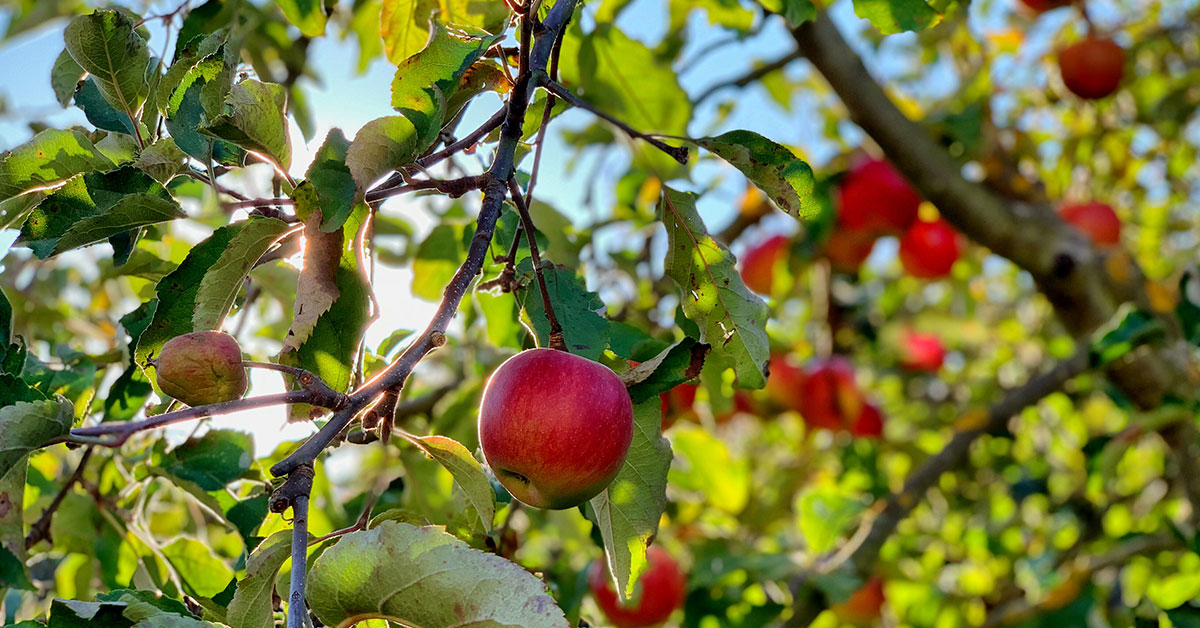
Apple trees are among the best fruit trees to grow in Iowa due to their adaptability and ability to withstand cold winters. Varieties such as Honeycrisp, Gala, and Jonathan are popular choices for their delicious flavor and ability to thrive in Iowa’s climate. Another excellent fruit tree option for Iowa is the
pear tree. Varieties like Bartlett, Anjou, and Bosc are known to perform well in the state. Pear trees are relatively low-maintenance and can produce abundant harvests of juicy and flavorful fruits.
For those looking to add some variety to their orchard, cherry trees can be a great choice. Tart cherries, such as Montmorency, are particularly well-suited to Iowa’s climate.
These trees are not only beautiful when in bloom but also provide an abundance of cherries that can be used for baking, canning, or enjoying fresh. If you have a sunny spot in your garden, consider planting a peach tree.
While peaches can be a bit more challenging to grow in Iowa due to their sensitivity to late spring frosts, there are some hardy varieties that can thrive in the state. Cold-hardy peach varieties like Reliance and Contender have been successful in Iowa and can reward you with sweet and juicy fruits.
Lastly, plum trees are another excellent choice for Iowa gardeners. Varieties such as Stanley and Methley are known to do well in the state’s climate. Plum trees are relatively easy to grow and can produce a bountiful harvest of delicious fruits that are perfect for eating fresh or making into jams and preserves.
Remember, when selecting fruit trees for your Iowa garden, it is crucial to choose varieties that are suitable for your specific USDA hardiness zone. Additionally, proper care and maintenance, including regular pruning and pest control, will help ensure the success of your fruit trees and maximize your harvest.
Avoid growing these fruit trees in Iowa
When it comes to growing fruit trees in Iowa, it is essential to choose varieties that are well-suited to the state’s climate and growing conditions. While there are several fruit trees that thrive in Iowa, there are also some varieties that should be avoided due to their susceptibility to diseases, pests, or unsuitability for the region.
Citrus trees, such as oranges, lemons, and grapefruits, should generally be avoided in Iowa. These trees require a warm and tropical climate, which is not typically found in the state. Iowa’s cold winters and shorter growing season make it challenging for citrus trees to survive and produce fruit.
Avocado trees are another fruit tree variety that should be avoided in Iowa. Avocado trees are native to warm regions and require a long growing season with mild winters. The cold temperatures experienced in Iowa can severely damage or even kill avocado trees.
Banana trees are also not recommended for Iowa gardens. Similar to citrus and avocado trees, bananas require a warm and tropical climate to thrive. The cold winters in Iowa make it nearly impossible for banana trees to survive outdoors.
Additionally, olive trees are not well-suited for Iowa’s climate. Olive trees prefer a Mediterranean climate with mild winters and hot, dry summers. The cold temperatures and high humidity levels in Iowa can cause significant damage to olive trees and hinder their fruit production.
By avoiding these fruit tree varieties, gardeners in Iowa can focus on selecting trees that are better adapted to the state’s climate and growing conditions.
Fruit tree growing tips for Iowa
Growing fruit trees in Iowa can be a rewarding and fruitful experience. To ensure success, here are some tips and best practices to follow:
- Choose the right fruit trees: When selecting fruit trees for your Iowa garden, consider varieties that are well-suited to the region’s climate and soil conditions. Some of the best fruit trees to grow in Iowa include apple trees, cherry trees, pear trees, and plum trees. These trees are hardy and can withstand the state’s cold winters and hot summers.
- Plant in the right location: Fruit trees require a sunny location with well-drained soil. Choose a spot in your garden that receives at least 6-8 hours of direct sunlight daily. Avoid low-lying areas that may collect excess water, as this can lead to root rot. Additionally, ensure there is enough space for the tree to grow and spread its branches.
- Prepare the soil: Before planting your fruit trees, prepare the soil by removing any weeds or grass and loosening it with a garden fork or tiller. Incorporate organic matter, such as compost or well-rotted manure, to improve soil fertility and drainage. Conduct a soil test to determine the pH level and make any necessary adjustments to ensure optimal growing conditions.
- Planting and spacing: Dig a hole that is wide and deep enough to accommodate the tree’s roots without crowding or bending them. Place the tree in the hole, ensuring that the bud union (the swollen area where the tree was grafted onto the rootstock) is above the soil line. Backfill the hole with soil, gently firming it around the roots. Space fruit trees according to their mature size, typically 15-20 feet apart, to allow for proper air circulation and sunlight exposure.
- Watering and mulching: Newly planted fruit trees require regular watering to establish strong root systems. Water deeply, providing enough moisture to reach the roots, but avoid overwatering, as this can lead to root rot. Apply a layer of organic mulch, such as wood chips or straw, around the base of the tree to conserve moisture, suppress weed growth, and regulate soil temperature.
- Pruning and training: Pruning fruit trees is essential for maintaining their health, shape, and productivity. Prune during the dormant season (late winter or early spring) to remove dead, damaged, or crossing branches. Additionally, train young trees by selectively pruning to encourage a strong framework of branches and an open center, allowing sunlight to penetrate the canopy.
- Fertilizing and pest control: Fruit trees benefit from regular fertilization to ensure healthy growth and abundant fruit production. Apply a balanced fruit tree fertilizer according to the manufacturer’s instructions in early spring and again in late spring or early summer. Monitor for pests and diseases, such as apple maggots, codling moths, or fungal infections, and take appropriate measures, such as using organic insecticides or fungicides, to protect your trees.
By following these tips and best practices, you can successfully grow the best fruit trees in Iowa and enjoy a bountiful harvest for years to come. Remember to stay attentive to your trees’ needs and provide proper care throughout the growing season.