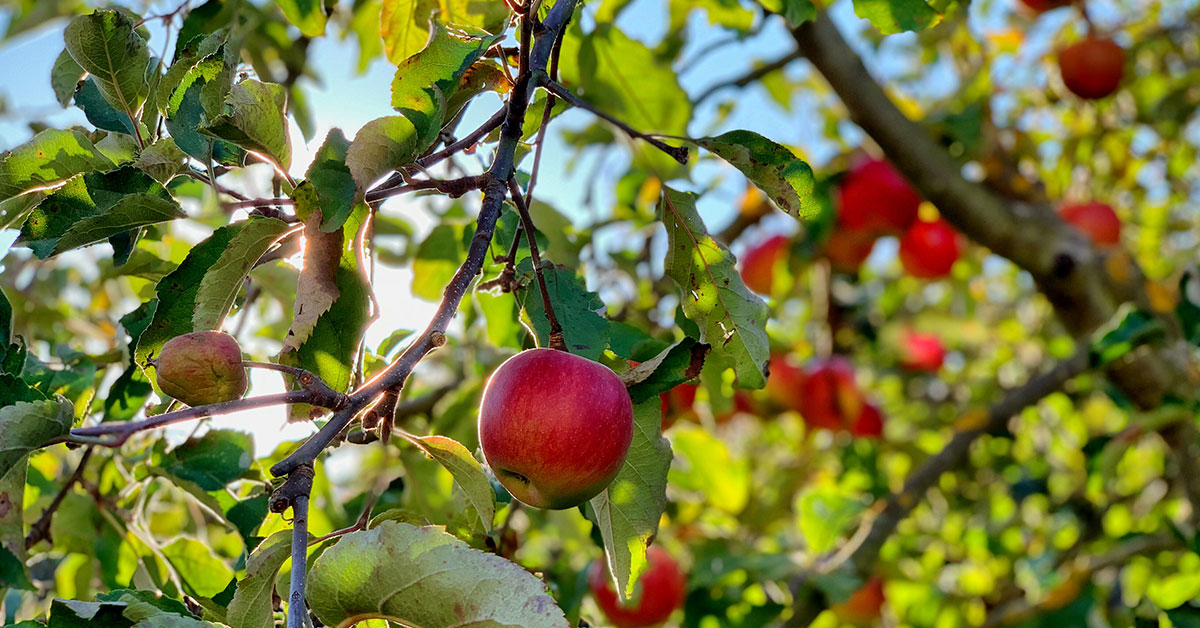

Welcome to our comprehensive guide on the best fruit trees to grow in Illinois! If you are a gardening enthusiast or simply someone who appreciates the joy of harvesting your own fresh fruits, you’ve come to the right place. Illinois, with its diverse climate and fertile soil, offers an ideal environment for growing a wide variety of fruit trees.
Whether you have a spacious backyard or a small urban garden, there are fruit trees that can thrive in your Illinois landscape. In this article, we will explore the top fruit trees that are well-suited to the unique conditions of Illinois, providing you with valuable insights and tips to help you successfully cultivate your own fruitful oasis. So, let’s dive in and discover the best fruit trees to grow in Illinois!
The best fruit trees to grow in Illinois
Best Fruit Trees to Grow in Illinois When it comes to growing fruit trees in Illinois, it is essential to choose varieties that are well-suited to the region’s climate and growing conditions. The following fruit trees are known to thrive in Illinois and offer a bountiful harvest:
- Apple Trees: Apples are a classic choice for Illinois gardens. Varieties such as Honeycrisp, Gala, and Jonathan are well-adapted to the state’s climate. They require full sun and well-drained soil. Apples are not only delicious but also versatile, making them a popular choice for cooking, baking, and fresh eating.
- Peach Trees: Despite their reputation for being finicky, peaches can be successfully grown in Illinois. Varieties like Redhaven, Elberta, and Reliance are known for their cold hardiness and excellent flavor. Peach trees require a sunny location, fertile soil, and proper pruning to ensure a healthy crop.
- Pear Trees: Pears are another excellent choice for Illinois gardens. Varieties such as Bartlett, Anjou, and Moonglow are well-suited to the state’s climate. Pear trees prefer full sun and well-drained soil. They require regular pruning and thinning to promote healthy fruit development.
- Cherry Trees: Cherries are a delightful addition to any Illinois garden. Varieties like Montmorency, Balaton, and Bing are known for their adaptability to the state’s climate. Cherry trees thrive in full sun and well-drained soil. They require proper pruning and protection from birds to ensure a successful harvest.
- Plum Trees: Plums are a lesser-known but equally rewarding fruit tree option for Illinois. Varieties such as Stanley, Methley, and Santa Rosa are well-suited to the state’s climate. Plum trees require full sun and well-drained soil. Regular pruning and thinning are necessary to maintain tree health and encourage fruit production.
- Apricot Trees: While apricots can be more challenging to grow in Illinois due to their susceptibility to late spring frosts, some varieties can still thrive. Varieties like Moorpark, Goldcot, and Sungold are known for their cold hardiness and delicious flavor. Apricot trees require a sunny location, well-drained soil, and protection from late frosts.
Remember, successful fruit tree cultivation in Illinois also depends on proper care, including regular watering, fertilization, and pest management. It is crucial to select disease-resistant varieties and consult local gardening resources for specific guidance on growing fruit trees in your area. With the right selection and care, you can enjoy a fruitful harvest of fresh, homegrown fruits from your own backyard.
Avoid growing these fruit trees in Illinois
When it comes to growing fruit trees in Illinois, it is important to choose varieties that are well-suited to the climate and growing conditions of the region. While there are several fruit trees that thrive in Illinois, there are also some varieties that should be avoided due to their susceptibility to diseases, pests, or unfavorable weather conditions.
Peach trees are one fruit tree variety that can be challenging to grow in Illinois. Peaches are highly susceptible to a fungal disease called peach leaf curl, which is prevalent in the humid climate of the state. Additionally, late spring frosts can damage the delicate blossoms, leading to poor fruit set. While it is possible to grow peaches in Illinois with careful selection of disease-resistant varieties and frost protection measures, it is generally recommended to choose other fruit trees that are better adapted to the region.
Another fruit tree variety to avoid in Illinois is the apricot tree. Apricots also tend to suffer from late spring frosts, which can damage the blossoms and reduce fruit production. Additionally, apricots are prone to a range of diseases, including bacterial canker and brown rot, which can be challenging to manage in the humid conditions of Illinois.
Citrus trees, such as oranges, lemons, and limes, should also be avoided in Illinois. These trees require warm and tropical climates to thrive, and the cold winters of Illinois make it difficult to provide the necessary conditions for their growth. While it is possible to grow citrus trees in containers and move them indoors during the winter months, it can be a challenging and labor-intensive process.
Lastly, olive trees are not recommended for Illinois due to their preference for a Mediterranean climate. Olive trees require long, hot summers and mild winters, which are not typically found in the state. The cold temperatures and fluctuating weather patterns of Illinois can cause damage to olive trees and inhibit their fruit production.
By avoiding these fruit tree varieties and focusing on those that are better adapted to the Illinois climate, gardeners can increase their chances of success and enjoy a bountiful harvest.
Fruit tree growing tips for Illinois
Growing fruit trees in Illinois can be a rewarding and fruitful experience. However, it is important to choose the right fruit trees that are well-suited to the climate and growing conditions of the region. Here are some tips and best practices for successfully growing fruit trees in Illinois:
- Choose the right fruit trees: The best fruit trees to grow in Illinois are those that are cold-hardy and can withstand the region’s harsh winters. Some popular fruit trees that thrive in Illinois include apple trees, pear trees, cherry trees, and plum trees. It is advisable to select disease-resistant cultivars to minimize the risk of pests and diseases.
- Consider pollination requirements: Many fruit trees require cross-pollination to produce fruit. When selecting fruit tree varieties, ensure that you choose trees that can pollinate each other. For example, apple trees require a different apple variety for cross-pollination. Be sure to plant compatible varieties within close proximity to ensure successful pollination.
- Planting location: Fruit trees require a sunny location with well-drained soil. Choose a spot in your garden that receives at least 6-8 hours of direct sunlight daily. Avoid low-lying areas that may be prone to frost pockets or poor drainage. Adequate air circulation is also important to prevent diseases, so avoid planting fruit trees too close together.
- Soil preparation: Prior to planting, prepare the soil by removing any weeds or grass and loosening it with a garden fork or tiller. Incorporate organic matter, such as compost or well-rotted manure, to improve soil fertility and drainage. Conduct a soil test to determine the pH level and adjust it if necessary to meet the specific requirements of the fruit tree variety you are planting.
- Planting and spacing: Dig a hole that is wide and deep enough to accommodate the tree’s root system. Place the tree in the hole, ensuring that the graft union (the swollen area where the tree was grafted onto the rootstock) is above the soil line. Backfill the hole with soil, gently firming it around the roots. Space fruit trees according to their mature size, typically 15-20 feet apart, to allow for proper growth and airflow.
- Watering and mulching: Newly planted fruit trees require regular watering to establish their root system. Water deeply and thoroughly, ensuring that the soil is evenly moist but not waterlogged. Apply a layer of organic mulch around the base of the tree, leaving a gap around the trunk to prevent rot. Mulching helps conserve moisture, suppress weeds, and regulate soil temperature.
- Pruning and maintenance: Prune fruit trees during their dormant season (late winter or early spring) to remove dead, damaged, or diseased branches. Pruning also helps shape the tree and improve airflow, reducing the risk of diseases. Regularly inspect your fruit trees for pests and diseases, and take appropriate action if necessary.
- Fertilizing: Fruit trees benefit from regular fertilization to promote healthy growth and fruit production. Apply a balanced fertilizer in early spring and again in late spring or early summer, following the manufacturer’s instructions. Avoid over-fertilizing, as this can lead to excessive vegetative growth at the expense of fruit production.
By following these tips and best practices, you can successfully grow the best fruit trees in Illinois and enjoy a bountiful harvest for years to come. Happy gardening!