
Welcome to our comprehensive guide on the best fruit trees to grow in Colorado! Nestled in the heart of the Rocky Mountains, Colorado’s unique climate poses both challenges and opportunities for fruit tree enthusiasts. With its high elevation, cold winters, and arid conditions, selecting the right fruit trees becomes crucial for a successful harvest.
In this article, we will explore a variety of fruit trees that are well-suited to Colorado’s climate, providing you with valuable insights and tips to help you cultivate a fruitful garden. Whether you are a seasoned gardener or a beginner, get ready to discover the best fruit trees that will thrive in the beautiful state of Colorado.
The best fruit trees to grow in Colorado
Best Fruit Trees to Grow in Colorado When it comes to growing fruit trees in Colorado, it is essential to choose varieties that are well-suited to the region’s unique climate and growing conditions. The following fruit trees have proven to be successful in Colorado and are highly recommended for home gardeners:
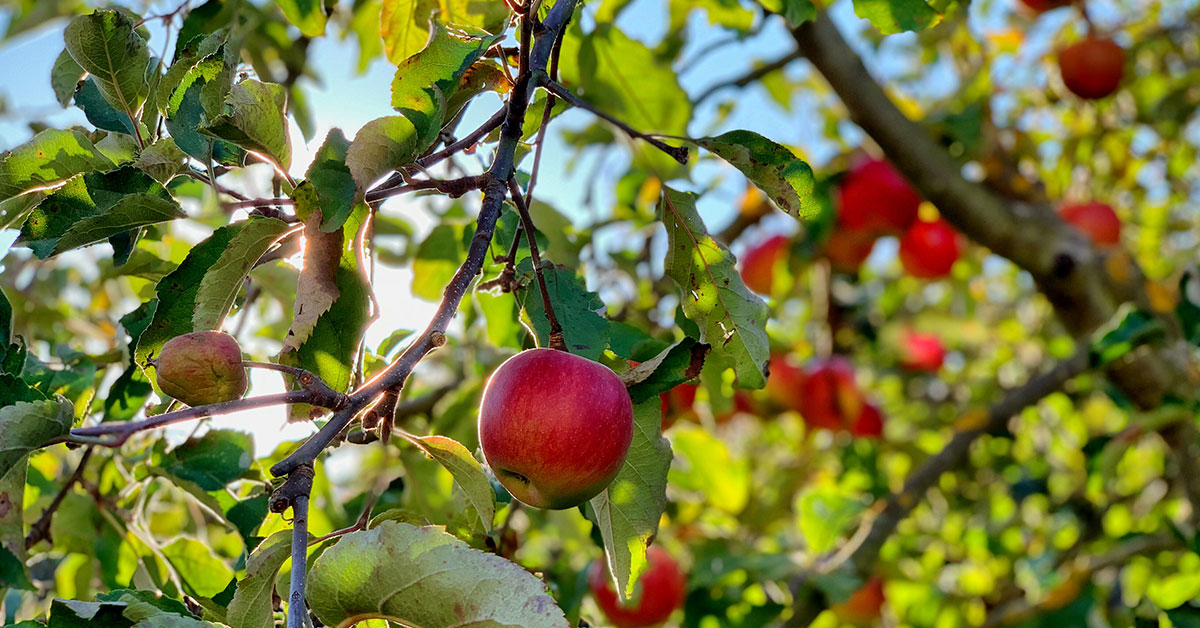
- Apple Trees: Apples are a popular choice for Colorado gardens due to their adaptability and ability to withstand cold temperatures. Varieties such as Honeycrisp, Gala, Granny Smith, and Jonathan are known to thrive in the state’s diverse climates.
- Cherry Trees: Colorado’s cool nights and warm days create an ideal environment for cherries. Tart cherries, like Montmorency, and sweet cherries, such as Bing and Rainier, are excellent options for Colorado gardeners. Ensure you choose self-pollinating varieties or plant multiple trees for cross-pollination.
- Peach Trees: Despite the challenges of late spring frosts, peaches can be successfully grown in Colorado. Varieties like Redhaven, Elberta, and Reliance are known for their cold hardiness and ability to produce delicious fruits with proper care and protection.
- Plum Trees: Plums are a great addition to any Colorado garden, as they are relatively low-maintenance and can tolerate a wide range of soil conditions. Popular plum varieties for Colorado include Santa Rosa, Stanley, and Methley.
- Pear Trees: Pears can thrive in Colorado’s climate, especially in areas with well-drained soil and full sun exposure. Varieties like Bartlett, Anjou, and Bosc are known to perform well and produce abundant harvests.
- Apricot Trees: Although apricots can be more challenging to grow in Colorado due to late spring frosts, some varieties have shown success. Hardy varieties like Moorpark, Sungold, and Goldcot are recommended for their ability to withstand colder temperatures.
- Nectarine Trees: Nectarines, a close relative of peaches, can also be grown in Colorado with proper care. Varieties such as Red Gold, Fantasia, and Independence are known for their cold hardiness and delicious fruits.
When selecting fruit trees for your Colorado garden, it is crucial to consider factors such as cold hardiness, disease resistance, and pollination requirements. Additionally, providing adequate winter protection, proper pruning, and regular maintenance will help ensure the success of your fruit trees. Consulting with local nurseries or agricultural extension offices can provide valuable guidance on specific varieties that are best suited for your specific location within Colorado.
Avoid growing these fruit trees in Colorado
When it comes to growing fruit trees in Colorado, it is important to choose varieties that are well-suited to the region’s unique climate and growing conditions. While there are several fruit trees that thrive in Colorado, there are also some varieties that should be avoided due to their inability to withstand the state’s cold winters and fluctuating temperatures.
Citrus trees, such as oranges, lemons, and grapefruits, should generally be avoided in Colorado. These trees are highly sensitive to cold temperatures and require a consistently warm climate to thrive. The harsh winters and occasional frost in Colorado make it challenging for citrus trees to survive and produce fruit.
Similarly, tropical fruit trees like mangoes, avocados, and bananas are not suitable for Colorado’s climate. These trees require a long, warm growing season and cannot tolerate freezing temperatures or frost. Attempting to grow tropical fruit trees in Colorado would likely result in disappointment and frustration.
Peach trees can be a bit tricky in Colorado, as the state’s climate can be harsh on these trees. While there are some peach tree varieties that can withstand the cold winters, the late spring frosts that are common in Colorado can damage or kill the blossoms, resulting in a poor or non-existent harvest. However, with careful selection of cold-hardy peach tree varieties and proper frost protection measures, it is still possible to grow peaches successfully in certain areas of Colorado.
In general, it is best to avoid fruit trees that are not specifically adapted to Colorado’s climate. Instead, focus on selecting cold-hardy fruit trees that can withstand the state’s cold winters, fluctuating temperatures, and occasional late spring frosts. By choosing the right fruit trees, you can ensure a bountiful harvest and enjoy the beauty and benefits of growing your own fruit in Colorado.
Fruit tree growing tips for Colorado
Growing fruit trees in Colorado can be a rewarding and fruitful experience, but it’s important to choose the right varieties that are well-suited to the region’s unique climate and growing conditions. Here are some tips and best practices for successfully growing fruit trees in Colorado:
- Choose the right fruit tree varieties: Opt for fruit tree varieties that are known to thrive in Colorado’s climate. Some of the best fruit trees to grow in Colorado include apple trees (such as Honeycrisp, Gala, and Granny Smith), cherry trees (such as Montmorency and Bing), plum trees (such as Stanley and Santa Rosa), and pear trees (such as Bartlett and Anjou). These varieties have proven to be more resistant to Colorado’s cold winters and fluctuating temperatures.
- Consider rootstock and cold hardiness: When selecting fruit trees, pay attention to the rootstock used. Look for rootstocks that are cold hardy and can withstand Colorado’s freezing temperatures. Dwarf or semi-dwarf rootstocks are often preferred as they are more adaptable to Colorado’s shorter growing season and can be easier to manage.
- Plant in the right location: Choose a sunny and well-drained location for your fruit trees. Colorado’s fruit trees require at least six hours of direct sunlight daily to thrive and produce abundant fruit. Ensure that the soil is well-drained to prevent waterlogged roots, which can lead to root rot and other diseases. If your soil is heavy clay, consider amending it with organic matter to improve drainage.
- Provide proper irrigation: Fruit trees in Colorado require consistent and adequate irrigation, especially during dry spells. Deep watering is crucial to encourage deep root growth and drought tolerance. Water your fruit trees deeply once or twice a week, depending on the weather and soil conditions. Avoid frequent shallow watering, as it promotes shallow root growth and makes trees more susceptible to drought stress.
- Protect against late spring frosts: Colorado’s unpredictable weather can bring late spring frosts, which can damage blossoms and reduce fruit production. Consider using frost protection measures, such as covering your fruit trees with frost blankets or using sprinklers to create a protective layer of ice during freezing temperatures. Additionally, planting fruit trees in locations with good air drainage can help minimize frost damage.
- Prune and thin fruit trees: Regular pruning is essential for maintaining the health and productivity of fruit trees. Prune during the dormant season to remove dead, damaged, or crossing branches. Thinning the fruit during the growing season helps promote larger and healthier fruits by reducing competition and allowing better air circulation. Follow proper pruning techniques and avoid over-pruning, as it can stress the tree.
- Monitor and manage pests and diseases: Colorado’s fruit trees can be susceptible to various pests and diseases. Regularly inspect your trees for signs of pests like aphids, mites, and codling moths. Implement integrated pest management strategies, including using organic insecticides or attracting beneficial insects to control pest populations. Additionally, practice good sanitation by removing fallen leaves and fruits to prevent the spread of diseases.
By following these tips and best practices, you can successfully grow and enjoy a bountiful harvest from your fruit trees in Colorado. Remember to stay informed about specific care requirements for the fruit tree varieties you choose and adapt your practices accordingly. Happy gardening!