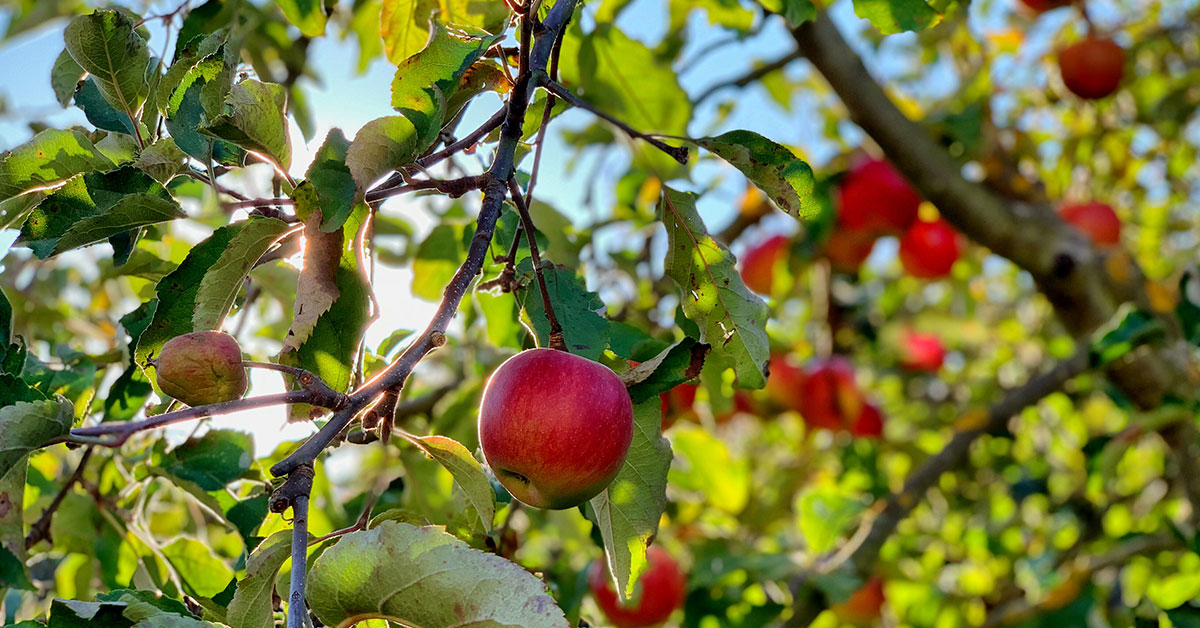

Arkansas, with its fertile soil and moderate climate, offers an ideal environment for growing a variety of fruit trees. Whether you are an avid gardener or simply looking to enhance your backyard with delicious, homegrown fruit, choosing the right fruit trees is crucial. In this article, we will explore the best fruit trees to grow in Arkansas, taking into consideration factors such as adaptability to the region, disease resistance, and overall fruit quality.
From the classic apple and peach trees to more unique options like figs and persimmons, we will provide you with a comprehensive guide to help you select the perfect fruit trees for your Arkansas garden. So, grab your gardening tools and get ready to enjoy the bountiful harvest that awaits you!
The best fruit trees to grow in Arkansas
When it comes to growing fruit trees in Arkansas, there are several varieties that thrive in the state’s climate and soil conditions. Whether you are an experienced gardener or just starting out, choosing the best fruit trees to grow in Arkansas will ensure a bountiful harvest and a successful orchard. Here are some top recommendations:
- Apple Trees: Arkansas is known for its apple production, and there are numerous apple tree varieties that flourish in the state. Popular choices include ‘Arkansas Black,’ ‘Pink Lady,’ ‘Fuji,’ and ‘Granny Smith.’ These trees require full sun and well-drained soil.
- Peach Trees: Peaches are another excellent choice for Arkansas gardeners. Varieties such as ‘Redhaven,’ ‘Elberta,’ ‘Belle of Georgia,’ and ‘Contender’ are well-suited to the state’s warm summers and mild winters. Peach trees thrive in full sun and prefer slightly acidic, well-drained soil.
- Plum Trees: Plums are a delicious and relatively low-maintenance fruit tree option for Arkansas. Varieties like ‘Methley,’ ‘Santa Rosa,’ ‘Ozark Premier,’ and ‘Shiro’ are well-adapted to the state’s climate. Plum trees prefer full sun and well-drained soil.
- Pear Trees: Pears are a versatile fruit that can thrive in Arkansas. Varieties such as ‘Bartlett,’ ‘Moonglow,’ ‘Kieffer,’ and ‘Orient’ are well-suited to the state’s conditions. Pear trees require full sun and well-drained soil.
- Cherry Trees: Although cherries can be challenging to grow in Arkansas due to the state’s high humidity, some varieties can still be successful. ‘Stella,’ ‘Bing,’ ‘Montmorency,’ and ‘Black Tartarian’ are among the best cherry tree options for Arkansas. Cherry trees require full sun and well-drained soil.
- Fig Trees: Figs are a unique fruit tree option that can thrive in Arkansas. Varieties like ‘Celeste,’ ‘Brown Turkey,’ ‘Chicago Hardy,’ and ‘Texas Everbearing’ are well-adapted to the state’s climate. Fig trees prefer full sun and well-drained soil.
Remember, proper care and maintenance are essential for the success of any fruit tree. Regular watering, fertilization, pruning, and pest control will help ensure healthy growth and abundant fruit production. Additionally, it is crucial to select disease-resistant varieties and consider pollination requirements when planning your orchard.
By choosing the best fruit trees to grow in Arkansas and providing them with the necessary care, you can enjoy a fruitful harvest and the satisfaction of growing your own delicious fruits right in your backyard.
Avoid growing these fruit trees in Arkansas
When it comes to growing fruit trees in Arkansas, there are a few varieties that are best avoided due to the region’s specific climate and soil conditions. While Arkansas offers favorable conditions for many fruit trees, some may struggle to thrive or produce a bountiful harvest. Here are a few fruit trees that should be avoided in Arkansas:
- Citrus Trees: Citrus trees, such as oranges, lemons, and grapefruits, require a warm and tropical climate to flourish. Arkansas’s colder winters and fluctuating temperatures make it challenging for citrus trees to survive. While it is possible to grow them in containers and protect them during the winter, it can be a labor-intensive process with limited success.
- Peach Trees: Although peaches are a popular fruit in many regions, they can be challenging to grow in Arkansas. The state’s humid climate and frequent spring frosts can lead to disease and damage to peach trees. Additionally, peaches require a certain number of chill hours during winter, and Arkansas’s milder winters may not provide enough cold temperatures for optimal peach tree growth.
- Apricot Trees: Similar to peaches, apricot trees also require a significant number of chill hours during winter. Arkansas’s mild winters may not provide the necessary cold temperatures for apricot trees to thrive. Additionally, apricots are susceptible to late spring frosts, which can damage blossoms and reduce fruit production.
- Cherry Trees: While cherries can be successfully grown in some parts of Arkansas, they are generally not the best fruit trees to grow statewide. Cherries have specific soil and climate requirements, including well-drained soil and a certain number of chill hours. Arkansas’s humid climate and variable winter temperatures can make it challenging to provide the ideal conditions for cherry trees.
- Avocado Trees: Avocado trees are tropical plants that require a warm and frost-free climate to grow. Arkansas’s colder winters and fluctuating temperatures make it nearly impossible to grow avocado trees outdoors. However, if you have a greenhouse or a protected indoor space, you may be able to grow avocado trees as houseplants.
While these fruit trees may not be the best choices for Arkansas, there are plenty of other fruit trees that thrive in the state. Some excellent options include apple trees, pear trees, plum trees, fig trees, and blackberry bushes. These fruit trees are better suited to Arkansas’s climate and can provide a delicious and fruitful harvest for gardeners in the region.
Fruit tree growing tips for Arkansas
Growing fruit trees in Arkansas can be a rewarding and fruitful experience. The state’s climate and soil conditions are suitable for a variety of fruit trees. Here are some tips and best practices to help you successfully grow the best fruit trees in Arkansas:
- Choose the Right Varieties: When selecting fruit trees for your Arkansas garden, consider varieties that are well-suited to the region’s climate. Some of the best fruit trees to grow in Arkansas include apple trees (such as Arkansas Black and Ozark Gold), peach trees (such as Elberta and Redhaven), pear trees (such as Bartlett and Kieffer), and plum trees (such as Methley and Santa Rosa).
- Site Selection: Fruit trees require a location that receives full sun for at least six to eight hours a day. Choose a spot with well-draining soil to prevent waterlogging, as excessive moisture can lead to root rot. Additionally, consider planting fruit trees in a location that is protected from strong winds, as they can damage the trees and reduce fruit production.
- Soil Preparation: Prior to planting, prepare the soil by removing any weeds or grass and loosening it to a depth of at least 12 inches. Conduct a soil test to determine its pH level and nutrient content. Most fruit trees prefer a slightly acidic soil with a pH range of 6.0 to 6.5. If necessary, amend the soil with organic matter, such as compost or well-rotted manure, to improve its fertility and drainage.
- Planting and Spacing: Dig a hole that is wide and deep enough to accommodate the tree’s root system. Place the tree in the hole, ensuring that the bud union (the swollen area where the tree was grafted onto the rootstock) is above the soil line. Backfill the hole with soil, gently firming it around the roots. Space fruit trees according to their mature size, typically 15 to 25 feet apart, to allow for proper air circulation and sunlight penetration.
- Watering and Mulching: Newly planted fruit trees require regular watering to establish their root systems. Water deeply, providing enough moisture to reach the entire root zone. Once established, fruit trees generally require about 1 inch of water per week, either from rainfall or irrigation. Mulching around the base of the tree with organic materials, such as wood chips or straw, helps conserve moisture, suppress weeds, and regulate soil temperature.
- Pruning and Training: Pruning is essential for maintaining the health, shape, and productivity of fruit trees. Prune during the dormant season (late winter to early spring) to remove dead, damaged, or crossing branches. Additionally, training young trees by selectively pruning and shaping them helps establish a strong framework for future fruit production.
- Pest and Disease Management: Regularly monitor your fruit trees for common pests, such as aphids, codling moths, and plum curculios. Implement integrated pest management practices, which may include physical barriers, beneficial insects, and targeted sprays, to manage pest populations. Similarly, be vigilant for signs of diseases like apple scab, fire blight, and peach leaf curl. Proper sanitation, regular inspections, and appropriate fungicide applications can help prevent and control these diseases.
- Fertilization: Fruit trees benefit from regular fertilization to support healthy growth and fruit production. Conduct a soil test to determine the nutrient requirements of your trees. Generally, apply a balanced fertilizer in early spring before new growth begins. Follow the recommended application rates based on the tree’s age and size, and avoid over-fertilization, as it can lead to excessive vegetative growth at the expense of fruit production.
By following these tips and best practices, you can enjoy a bountiful harvest of the best fruit trees to grow in Arkansas. Remember to adapt your care routine based on the specific needs of each fruit tree variety and consult local gardening resources for additional guidance.