
Welcome to our comprehensive guide on the best fruit trees to grow in Alaska! While Alaska’s harsh climate may seem challenging for fruit tree cultivation, there are several varieties that can thrive in this unique environment.
With the right selection and care, you can enjoy a bountiful harvest of delicious fruits right in your Alaskan backyard. In this article, we will explore the top fruit trees that are well-suited for Alaska’s cold temperatures, short growing season, and limited sunlight.
Whether you are a seasoned gardener or a beginner, this guide will provide you with valuable insights and practical tips to successfully grow fruit trees in the Last Frontier. So, let’s dive in and discover the best fruit trees to bring a taste of sweetness to your Alaskan garden!
The best fruit trees to grow in Alaska
Best Fruit Trees to Grow in Alaska When it comes to growing fruit trees in Alaska, it is essential to select varieties that are well-suited to the challenging climate and shorter growing seasons. While the cold temperatures and long winters may seem daunting, there are several fruit tree options that can thrive in Alaska’s unique conditions. Here are some of the best fruit trees to grow in Alaska:
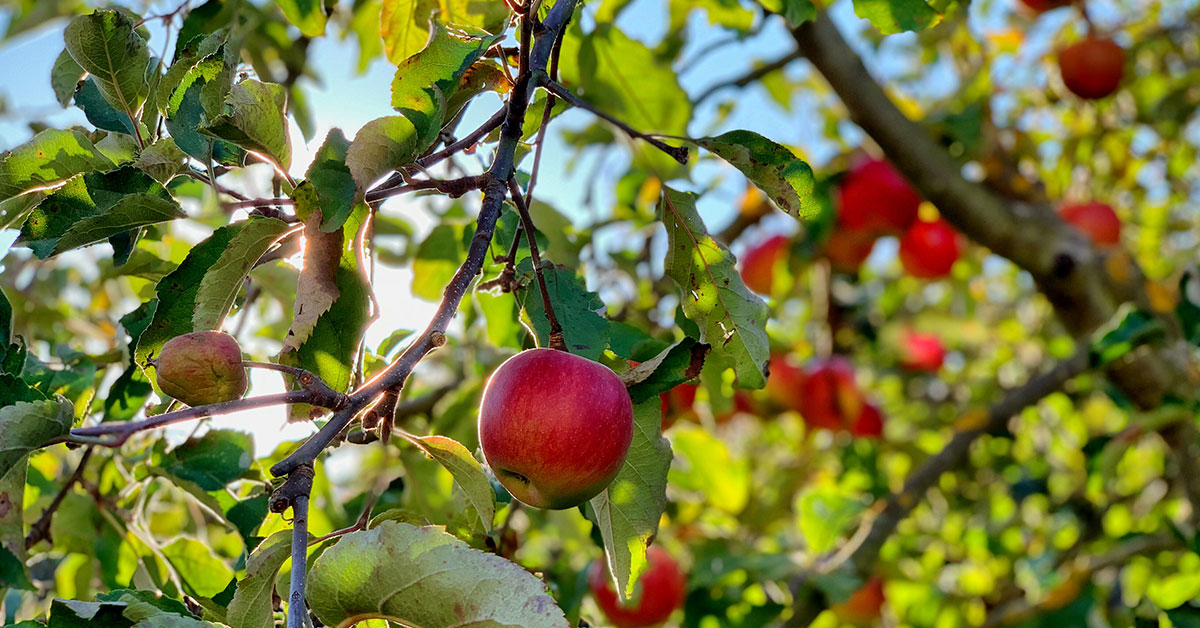
- Apple Trees: Apples are a popular choice for Alaskan gardeners due to their versatility and ability to withstand cold temperatures. Look for varieties such as ‘Norland,’ ‘Parkland,’ and ‘Goodland,’ which are known for their cold hardiness and ability to produce delicious fruit even in Alaska’s challenging climate.
- Cherry Trees: While cherries may require some extra care and protection, certain varieties can still be successfully grown in Alaska. Look for cold-hardy varieties like ‘Carmine Jewel’ or ‘Cupid,’ which are specifically bred to withstand colder climates and produce sweet, flavorful cherries.
- Plum Trees: Plums are another excellent choice for Alaskan gardeners. Varieties like ‘Toka’ and ‘Alderman’ are known for their cold hardiness and ability to produce abundant fruit. These trees can add a touch of beauty to your garden with their delicate blossoms and provide you with delicious plums to enjoy.
- Pear Trees: Pears can also be grown in Alaska, although they may require some extra attention and protection during the colder months. Look for varieties such as ‘Ure’ or ‘Parker’ that are known for their cold hardiness and ability to produce flavorful pears even in colder climates.
- Currant and Gooseberry Bushes: While not technically trees, currant and gooseberry bushes are excellent fruit-bearing options for Alaska. These hardy shrubs can withstand the cold temperatures and produce an abundance of berries. Varieties like ‘Red Lake’ currant or ‘Pixwell’ gooseberry are well-suited to Alaska’s climate.
- Raspberry and Blackberry Bushes: Raspberry and blackberry bushes are also suitable for Alaskan gardens, as they can tolerate colder temperatures. Varieties like ‘Boyne’ raspberry or ‘Chester’ blackberry are known for their cold hardiness and ability to produce flavorful berries.
When selecting fruit trees for your Alaskan garden, it is crucial to consider factors such as cold hardiness, disease resistance, and the number of growing days required. Additionally, providing proper care, such as winter protection and regular pruning, will help ensure the success of your fruit trees in Alaska’s unique climate.
Avoid growing these fruit trees in Alaska
When it comes to growing fruit trees in Alaska, it is important to choose varieties that are well-suited to the challenging climate conditions. While there are several fruit trees that can thrive in Alaska’s unique environment, there are also some varieties that should be avoided due to their inability to withstand the cold temperatures and short growing seasons.
Citrus trees, such as oranges, lemons, and grapefruits, should generally be avoided in Alaska. These trees are highly sensitive to cold temperatures and require a longer growing season than what Alaska can provide. The extreme cold can damage or even kill citrus trees, making them unsuitable for cultivation in this region.
Similarly, avocado trees should be avoided in Alaska. Avocado trees are native to tropical and subtropical regions and require a warm and frost-free climate to thrive. The cold temperatures in Alaska can severely damage or kill avocado trees, making them unsuitable for growth in this area.
Peach trees are another fruit tree variety that may struggle in Alaska’s climate. While some cold-hardy peach tree varieties have been developed, they still require a longer growing season and warmer temperatures to produce a good crop. The short summers and cool temperatures in Alaska may not provide the ideal conditions for peach trees to flourish.
Lastly, fig trees are not recommended for cultivation in Alaska. Fig trees are typically grown in Mediterranean climates and prefer warm temperatures and a longer growing season. The cold winters in Alaska can cause significant damage to fig trees, making them unsuitable for successful growth.
To ensure successful fruit tree cultivation in Alaska, it is best to focus on varieties that are specifically bred for cold climates and have a shorter growing season.
Fruit tree growing tips for Alaska
Growing fruit trees in Alaska can be a rewarding and fruitful experience, despite the challenging climate. With proper care and attention, you can successfully cultivate a variety of fruit trees that are well-suited to the Alaskan environment. Here are some tips and best practices to help you get started:
- Choose the right fruit trees: When selecting fruit trees for your Alaskan garden, it’s crucial to opt for varieties that are cold-hardy and can withstand the region’s harsh winters. Some of the best fruit trees to grow in Alaska include apple trees (such as the ‘Parkland’ or ‘Norland’ varieties), cherry trees (‘Carmine Jewel’ or ‘Cupid’), plum trees (‘Toka’ or ‘Mount Royal’), and pear trees (‘Ure’ or ‘Early Gold’). These varieties have been specifically bred to thrive in colder climates.
- Site selection: Select a location in your garden that receives maximum sunlight exposure. Fruit trees require at least six to eight hours of direct sunlight daily to produce healthy and abundant fruit. Additionally, choose a spot that is sheltered from strong winds, as they can damage the delicate blossoms and young fruit.
- Soil preparation: Prior to planting, ensure that the soil is well-drained and rich in organic matter. Add compost or well-rotted manure to improve soil fertility and drainage. Conduct a soil test to determine the pH level and make necessary adjustments to create an ideal growing environment for your fruit trees.
- Planting and spacing: Plant your fruit trees during the spring or fall when the soil is workable. Dig a hole that is wide and deep enough to accommodate the tree’s root system. Ensure that the graft union (the swollen area where the tree was grafted onto the rootstock) is above the soil level. Proper spacing between trees is crucial to allow for adequate air circulation and sunlight penetration. Follow the recommended spacing guidelines provided by the nursery or horticultural experts.
- Watering and mulching: Adequate watering is essential for the establishment and growth of fruit trees. Provide deep, thorough watering once or twice a week, especially during dry spells. Apply a layer of organic mulch around the base of the tree to conserve moisture, suppress weeds, and regulate soil temperature. Avoid piling mulch against the trunk to prevent rot and disease.
- Pruning and training: Prune your fruit trees during the dormant season to remove dead, damaged, or diseased branches. Proper pruning helps maintain tree shape, improves air circulation, and promotes fruit production. Train young trees to a central leader or open center system, depending on the tree’s growth habit, to ensure a strong and balanced framework.
- Pest and disease management: Regularly inspect your fruit trees for signs of pests and diseases. Common pests in Alaska include aphids, codling moths, and apple maggots. Utilize organic pest control methods such as insecticidal soaps, horticultural oils, or biological controls to manage infestations. Disease prevention involves maintaining good sanitation practices, proper pruning to improve air circulation, and applying appropriate fungicides if necessary.
- Winter protection: Alaskan winters can be harsh, so it’s crucial to protect your fruit trees from extreme cold temperatures. Wrap the trunks with tree wraps or burlap to prevent sunscald and frost cracks. Apply a layer of mulch around the base of the tree to insulate the roots. Consider using tree shelters or constructing windbreaks to shield young trees from strong winds and cold drafts.
By following these tips and best practices, you can successfully grow and enjoy a bountiful harvest from your fruit trees in Alaska. Remember, patience and consistent care are key to the long-term success of your orchard.