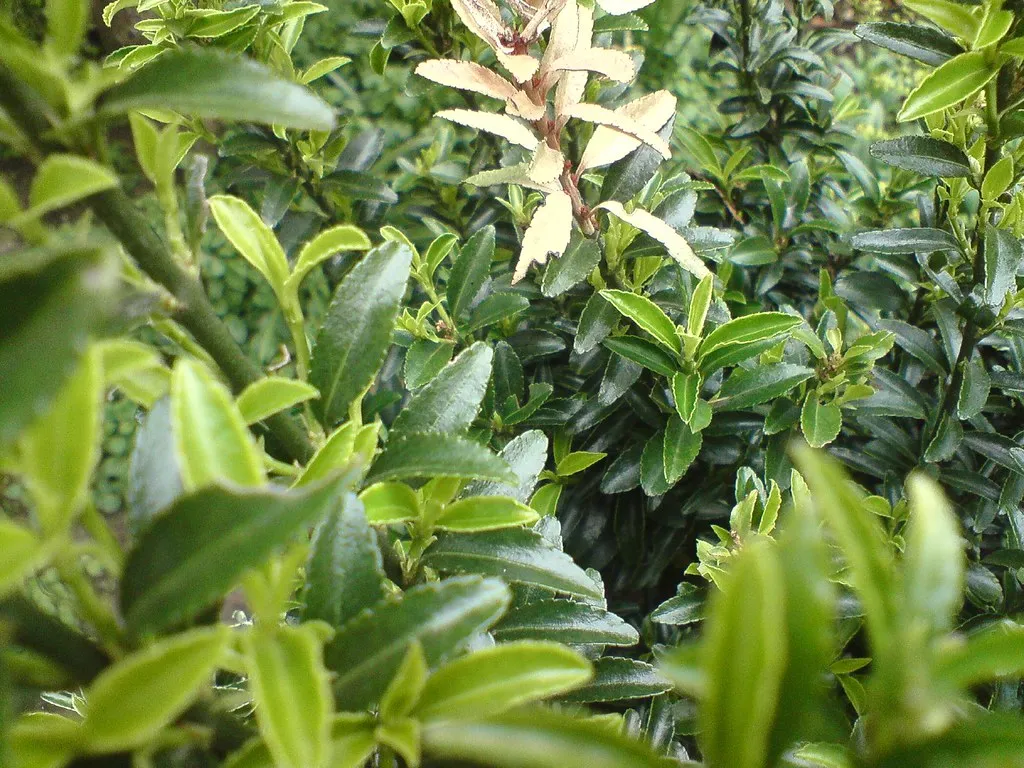

Most people who want more privacy in their yard reach for a fence or a row of arborvitae without a second thought. There’s nothing wrong with that, but you’re leaving something on the table. A border that also feeds you, attracts birds, supports pollinators, and changes beautifully with the seasons is just a smarter use of space.
If you have an area in your yard where you want to create a border between property lines, reduce noise from busy streets, or soften a fence line, a hedgerow is your answer. Hedgerows, also known as shelter belts, windbreaks, or privacy screens, are living fences of trees, shrubs, and vines strategically planted to act as a barrier. The edible version of that concept takes the idea one step further, and the plant choices available today make it easier than ever to pull off.
Why Edible Privacy Hedges Make More Sense Than You Think
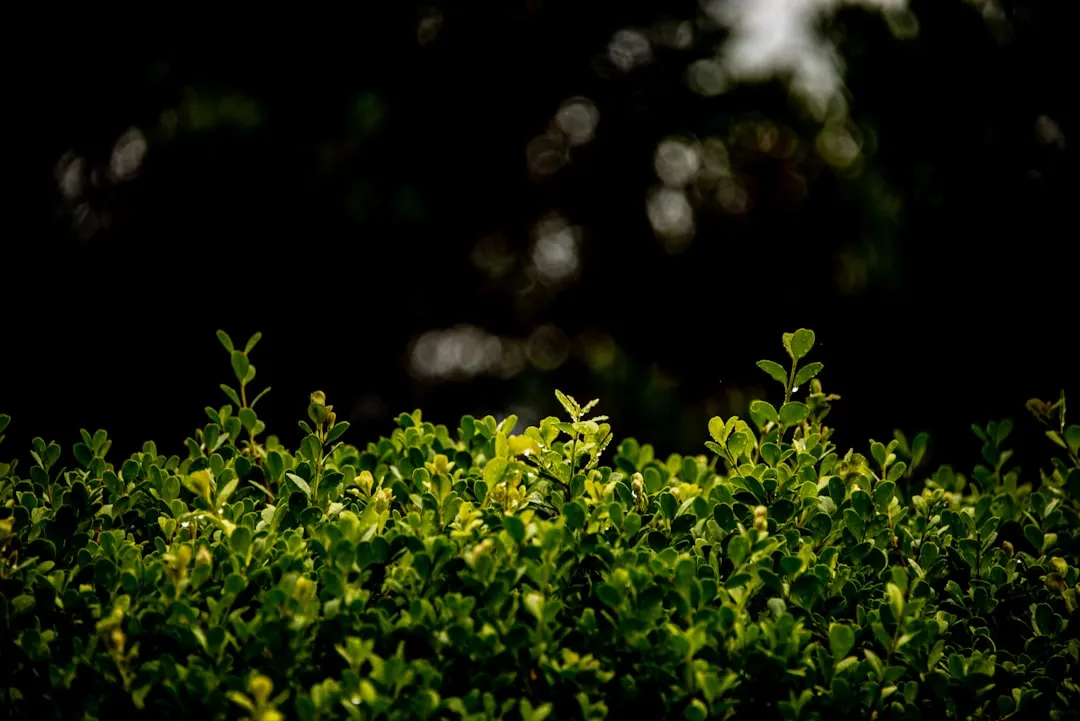
Plants are a great alternative to fencing that provides a visual separation and may also require less maintenance than a traditional fence. They also act as a great buffer to wind, noise, and dust reaching your house.
Fruiting hedgerows take things a step further by feeding people and pollinators alike. With thoughtful planning, hedge trees and shrubs bring both function and beauty, season after season.
A hedgerow of native shrubs is an excellent way to create privacy in your landscape while supporting birds and pollinators at the same time. Hedgerows offer nesting sites and shelter for foraging birds, while the flowering shrubs offer a bounty of nectar for pollinators. Native shrubs are also host to a variety of butterfly and moth caterpillars, a critical food source for birds as they raise their young.
Highbush Blueberry: The Classic Edible Border Plant
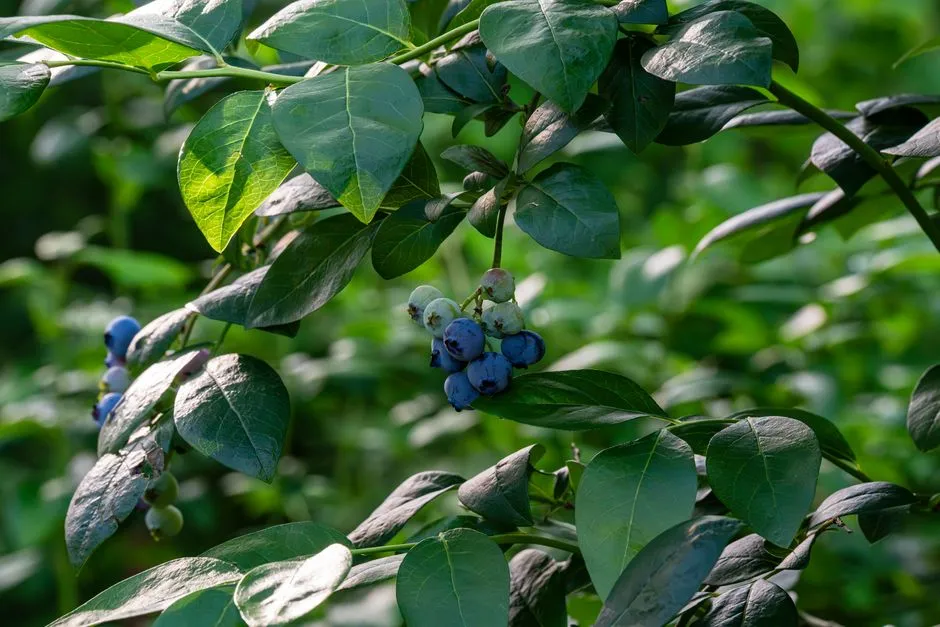
Highbush blueberry is a beautiful shrub in every season: white bell-shaped flowers in spring, heavy berry clusters in summer, and blazing red-orange foliage in fall. As a hedge plant, a row of mature highbush blueberries creates a soft, attractive screen that earns its space many times over.
When selecting blueberry varieties for hedges, consider highbush types for a uniform look. The height of approximately six feet not only offers screening but also a significant harvest. They need acidic, well-drained, organic-rich soil with a pH between 4.5 and 5.5.
Blueberry bushes grow up to six feet tall, providing both beauty and privacy while yielding fruit for up to 50 years, significantly more than scattered plants. For better pollination and higher yields, it’s recommended to plant two to three different complementary varieties to increase crop yield.
American Elderberry: Fast Growth with a Real Harvest
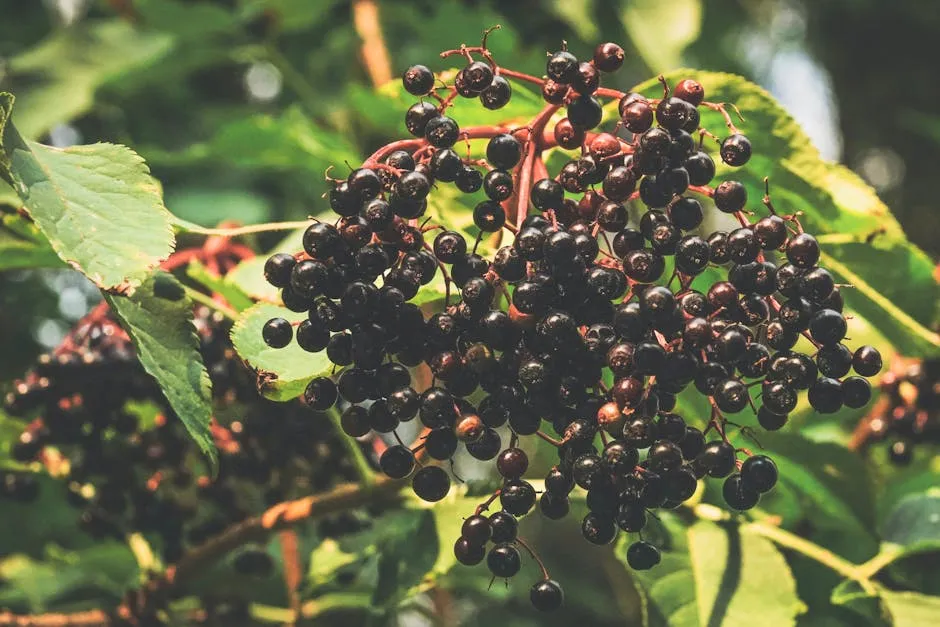
American elderberry, Sambucus canadensis, is a native shrub that can grow six to twelve feet tall and wide, sometimes even larger in good conditions. It spreads by suckering, which means it will slowly fill in a hedge line on its own over time.
Walk past an elderberry in full bloom and you will notice it right away. The broad, flat-topped clusters of tiny white flowers smell faintly sweet and attract pollinators by the dozen. By late summer, those flower heads become heavy with dark purple-black berries that droop on wine-red stems.
Elderberry grows quickly and can reach eight to twelve feet, making it easy to maintain at six feet with pruning. Its growth is somewhat upright and can become leggy if ignored, so cutting it back hard every couple of years encourages bushier regrowth. Planted in a row, it forms a fast living screen that fills in within a few seasons.
American Hazelnut: Nuts, Privacy, and Wildlife Habitat All in One
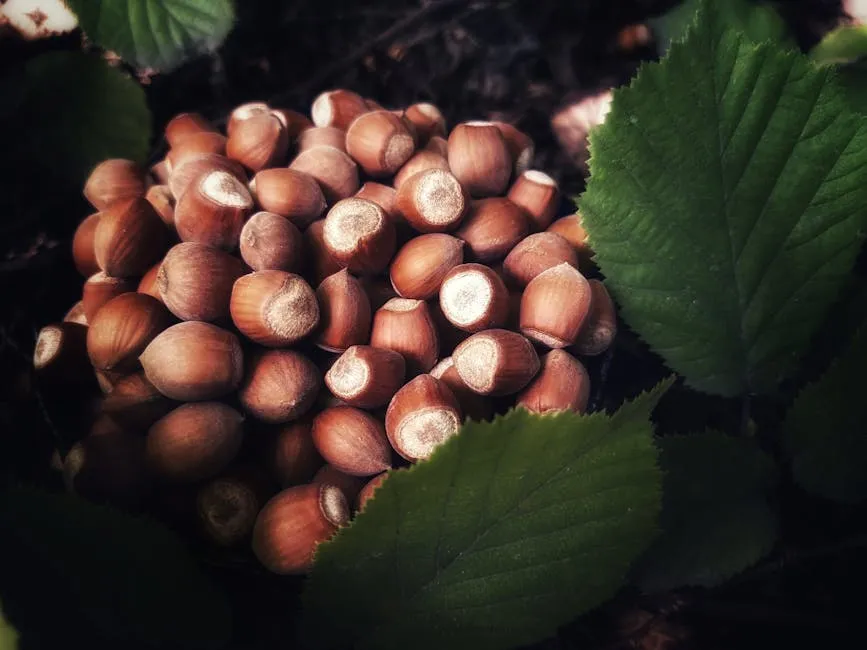
Hazelnut is the perfect edible hedge. They don’t mind a bit of neglect, growing well in most conditions. There are several varieties of hazelnut to choose from, but the American Hazelnut (Corylus americana) is unbelievably easy to care for. Hazelnut plants are dense shrubs that grow to about ten feet tall, easily becoming a screen for privacy and protection.
American hazelnut naturally grows as a multi-stem thicket. Planted two to three feet apart, the shrubs knit together over time and form a dense wall of stems and foliage. Left alone, they can exceed ten feet, but maintaining them at six to eight feet is practical. With annual shaping, they respond by sending out more branching, which improves the density.
Hazelnut hedges don’t have many downsides – they’re disease resistant, cold hardy, and continue to flourish with little care. American hazelnuts self-pollinate too, so you’ll only need one variety for a fruitful harvest. They thrive in USDA zones 4 through 8, depending on the variety.
Serviceberry: One of the First to Bloom, One of the Best to Harvest
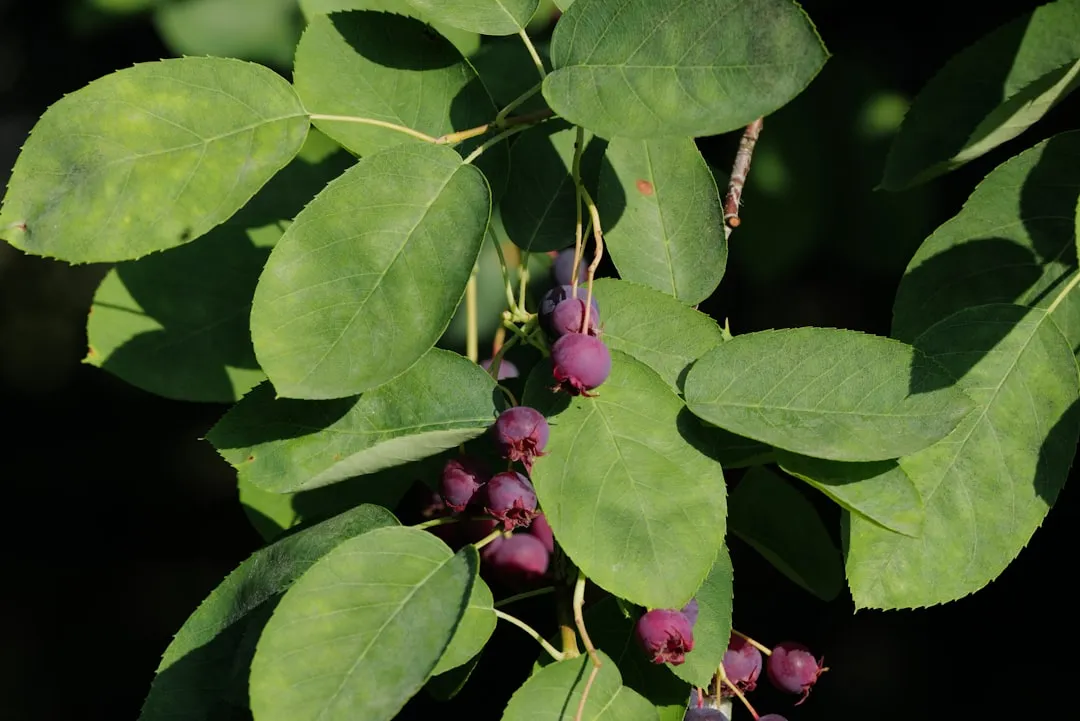
Few shrubs put on a show quite like serviceberry in spring. Before most trees have even leafed out, serviceberry bursts into clouds of white blossoms that light up the yard. Those flowers fade into small, sweet berries by early summer, and the whole plant turns shades of orange and red come fall.
Serviceberry is perfectly suited for mass planting so that you can line them up as a border all around your fence line. Plus, the berries are edible and taste similar to blueberries. The berries taste somewhat like blueberries with a hint of almond and are excellent fresh, in pancakes, jams, or baked into muffins.
Serviceberry works beautifully as part of a loose, natural hedge or woodland-edge screen. It will not give you the tight, clipped wall that arborvitae would, but it creates a layered, multi-season border that is genuinely lovely. Depending on the species, plants can reach anywhere from eight to twenty feet tall, so give them room and plant them in a staggered row for a more natural look.
Gooseberry: Dense, Thorny, and Surprisingly Productive
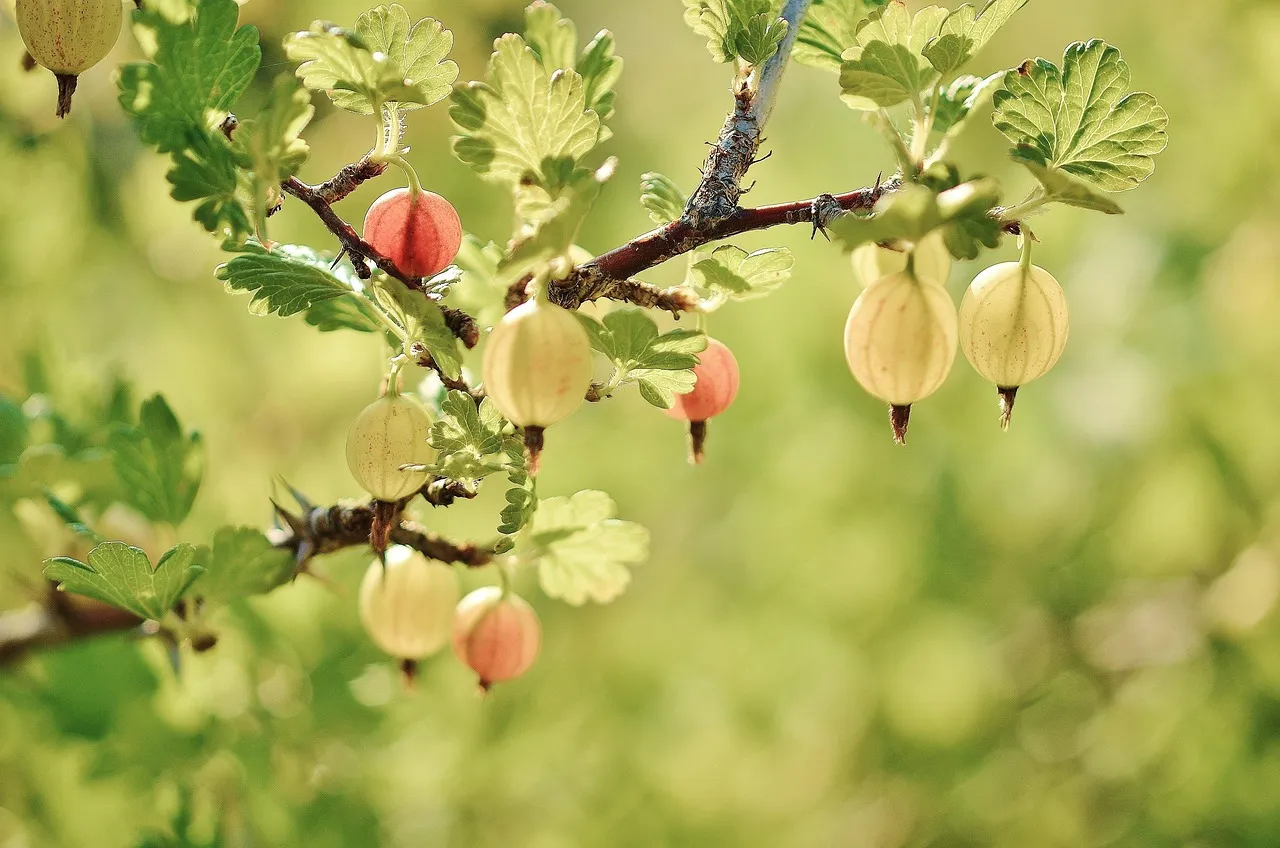
Yes, gooseberries have prickly thorns. But this is what makes them an excellent hedge shrub. Grow them in a tight row and you’ve got yourself an impenetrable fortress. Few plants do double duty as a security barrier and a food source this effectively.
Gooseberry shrubs do well in full sun as well as part shade, but what they can’t handle is extended periods of hot afternoon sun. They also need a winter chill of around forty days to fruit well the following year.
There are new cultivars with a much higher sugar content for gardeners who can’t handle the tartness. Recommended varieties include ‘Darling’ and ‘Hinnonmaki.’ Gooseberries are generally self-fertile, although the presence of another variety nearby will improve pollination and increase fruit production.
Black Currant: Compact, Manageable, and Intensely Flavorful
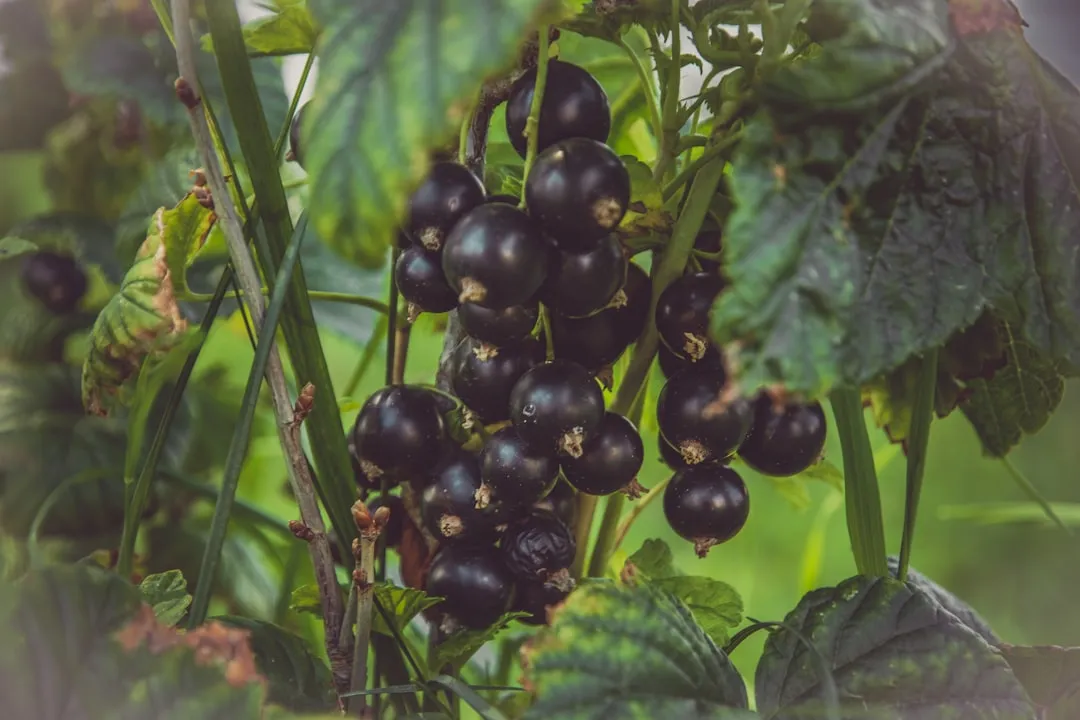
Black currant is the edible hedge option for gardeners working with tighter spaces who still want real fruit production. A mature black currant bush typically reaches four to six feet tall and wide. That makes it manageable in a mixed hedge, a property-line planting, or even a large foundation bed with enough sun.
The berries are intensely flavored, dark, and rich, with a deep tartness that is not for everyone fresh off the bush. Cooked down into jam, syrup, cordial, or baked into a crumble, though, black currants are extraordinary. They have a long history in European gardens and are gaining more attention in American edible landscapes as interest in unusual fruits grows.
Before planting currants, it’s worth checking your local regulations. Currants and gooseberries were historically restricted in some states because they can serve as an alternate host for white pine blister rust. Many states have since lifted those bans, but it pays to verify first.
Rosemary: The Evergreen Culinary Hedge for Warmer Climates
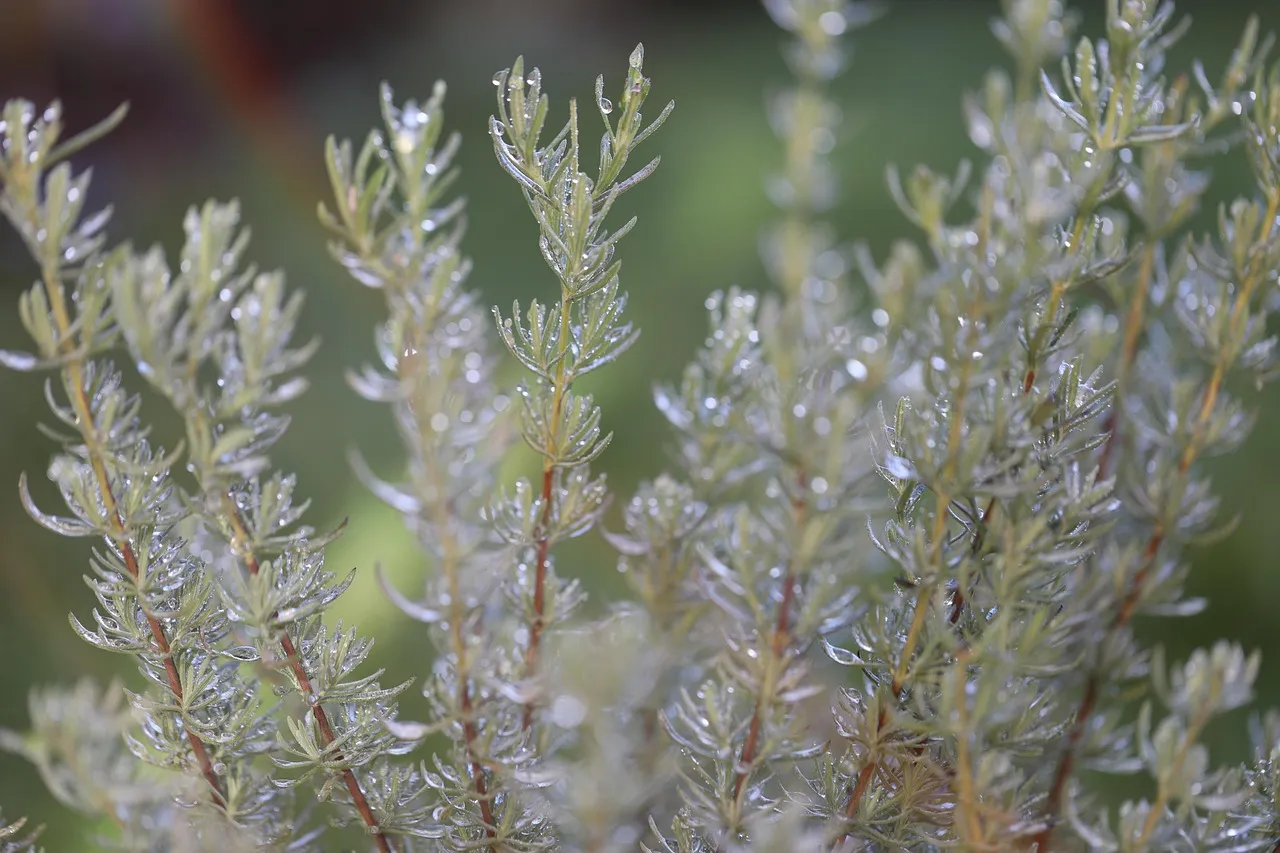
The dark green, highly aromatic foliage of rosemary is valued as a flavorful culinary seasoning while also forming a dense screen of evergreen foliage. It can be clipped into a formal hedge or topiary forms and is drought-tolerant in the landscape once established.
Rosemary bushes are extremely dense, making them excellent privacy screen hedges. They also act as a decent windbreaker. Rosemary sprigs are extremely versatile in the kitchen, making them a unique and highly useful edible hedge.
Rosemary is an evergreen perennial that can easily live for years with little worry. It is hardy down to zone 8, thriving in hot climates with moderate humidity levels. They’re also relatively drought-tolerant plants and can flourish in poor quality soil if it’s well-draining.
Quince: A Forgotten Gem for a Dense, Beautiful Screen
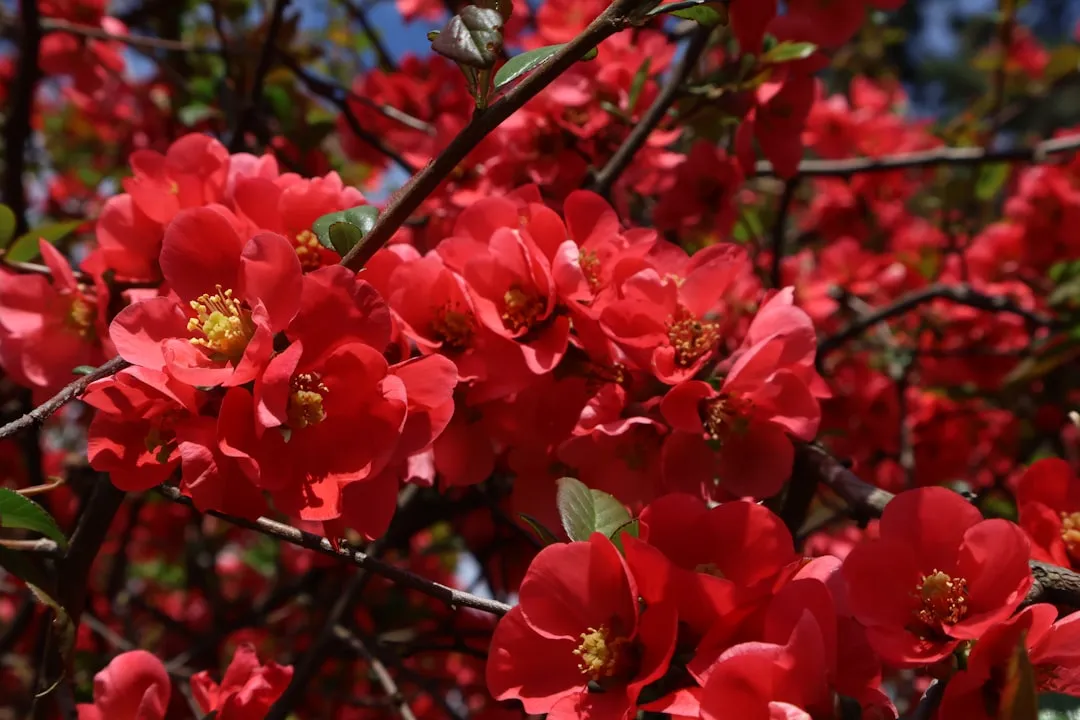
Fruiting quince makes a wonderful addition to your garden, especially as an edible hedge. Its yellow fruit is delicious, a cross between an apple and a pear. Quince also creates a wonderful spectacle throughout spring when its pretty blossoms are on full display.
There are two types of quinces: the fruiting quince (Cydonia oblonga) and the Japanese quince (Chaenomeles species). Japanese quince is more often grown as an ornamental feature, but it also produces fruit, although it is smaller and more tart. Quinces make wonderful screening hedges with their dense foliage and can grow anywhere between five and ten feet in width and height.
Quince responds well to pruning, especially if done in winter. Quince self-fruits, but to improve yield, you will need more than one tree. This will encourage cross-pollination, resulting in a much larger harvest. Japanese quince also has thorned branches, making it a better option for those seeking some added security.
Rugosa Rose: Fragrant, Thorny, and Surprisingly Edible
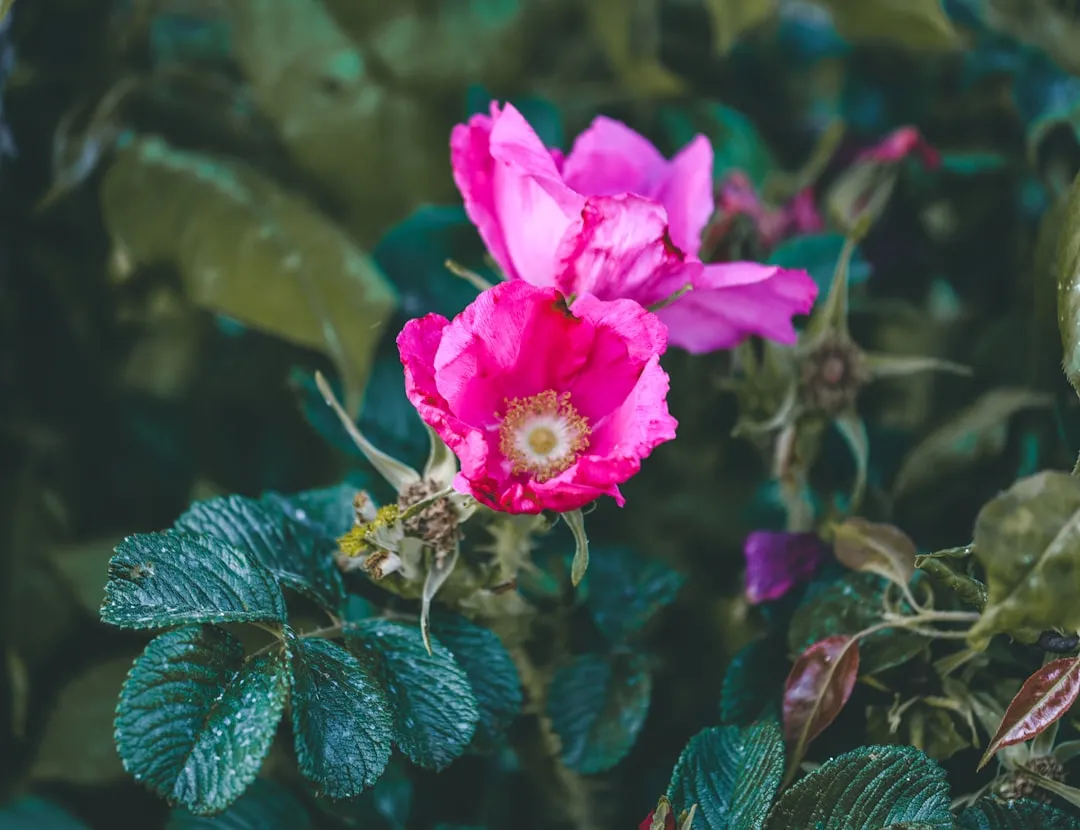
Rugosa rose has a way of defining a boundary clearly. It grows to about five or six feet and forms a thick, thorny hedge. Planted closely, it becomes difficult to see or move through. For ground-level privacy along a property line, it works well.
The edible element comes from the rose hips. After the flowers fade, round hips develop and ripen into late summer and fall. They can be dried for tea or cooked down for syrup. They are high in vitamin C and add value beyond ornamental appeal.
Rose petals are also edible, and rose hips are good for teas, jellies, and liqueurs. Whatever you do, don’t put a hybrid tea rose or a fussy floribunda rose in your edible hedge. Opt for a disease-resistant shrub rose instead.
Honeyberry (Haskap): The Early-Season Bonus Plant
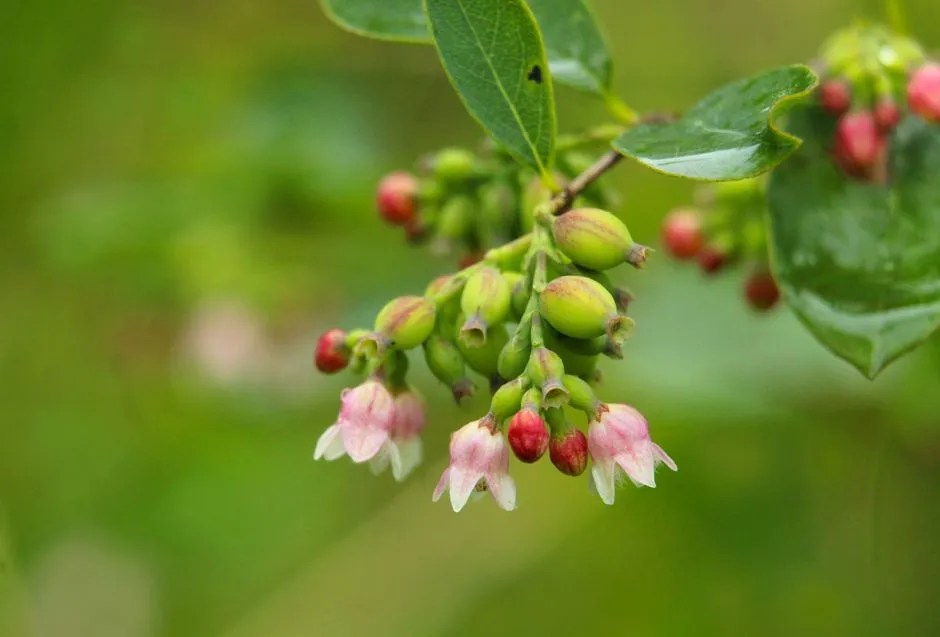
In spring, honeyberries produce an abundance of creamy white flowers delicately scented. The flowers morph into clusters of vitamin-rich fruit that are ready for picking in May and June. The honeyberries taste like blueberries and are packed with antioxidants.
Planting two or three shrubs together will improve their pollination rates and therefore their fruiting. Honeyberries only grow to about four to five feet in height, so they’re suitable for a shorter hedge or perhaps planted alongside an existing fence.
Haskap (Lonicera caerulea) is a very cold-hardy bush with fruit that looks like elongated blueberries. They’re a great fit in a mixed planting such as an edible hedge because they’re the first fruit of the summer, usually ready at the same time as strawberries. That makes them a smart companion plant in a layered border where later-ripening species like elderberry and blueberry take over the harvest season.
Planning and Planting Your Edible Border for Long-Term Success
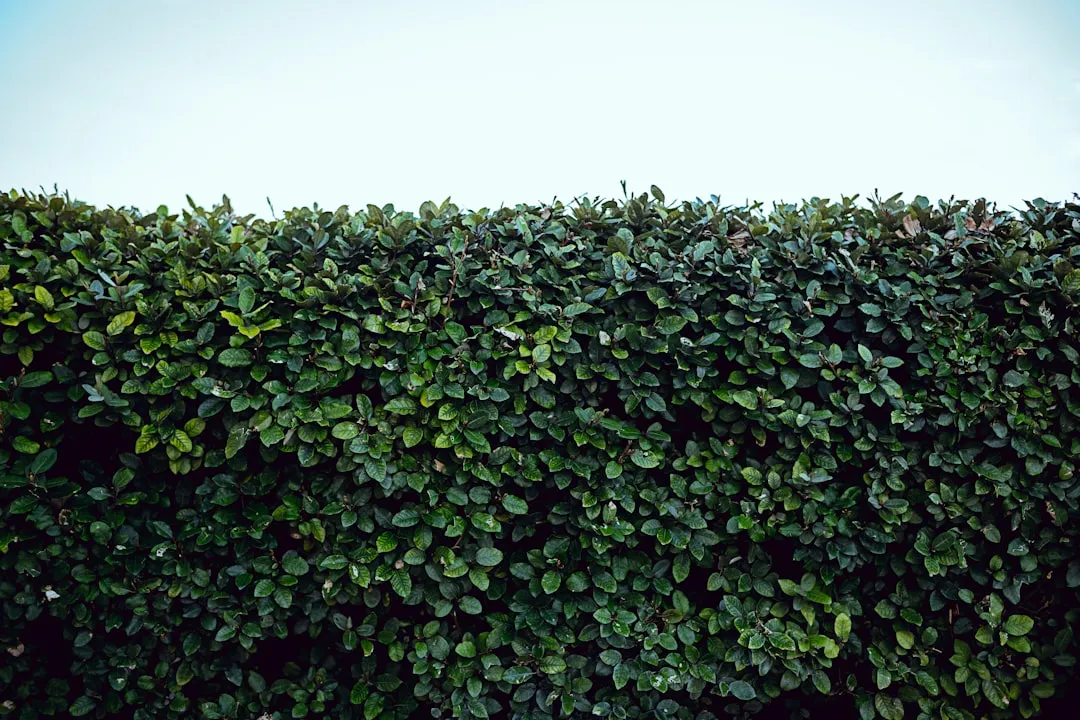
Planting your hedging plants in two staggered rows is a great idea, as this will give great privacy and ensure a dense structure once the plants have matured. Plant spacing will depend on the plants and varieties you choose. Combining a mixture of evergreen and deciduous plants, planted relatively densely, means you won’t lose all privacy when fall arrives.
Rich, well-draining soil forms the foundation of your edible living fence success. Test your soil pH and amend with compost, aged manure, or organic matter to create the ideal growing environment. Most edible hedge plants thrive in slightly acidic to neutral soil with a pH between 6.0 and 7.0.
Living fences offer an incredible opportunity to transform boring property lines into vibrant ecosystems that feed both your family and local wildlife. By choosing the right mix of fruiting shrubs, nut trees, and flowering plants, you create natural barriers that provide food, shelter, and nesting sites for birds, bees, and beneficial insects. The planning and establishment process takes some patience, but the rewards multiply year after year as your edible border matures into a self-sustaining habitat.
A fence defines a line. An edible hedge builds something that actually gives back – season after season, harvest after harvest, for decades. That’s a trade worth making.AI Disclaimer: This article was created with the assistance of AI tools and reviewed by a human editor.