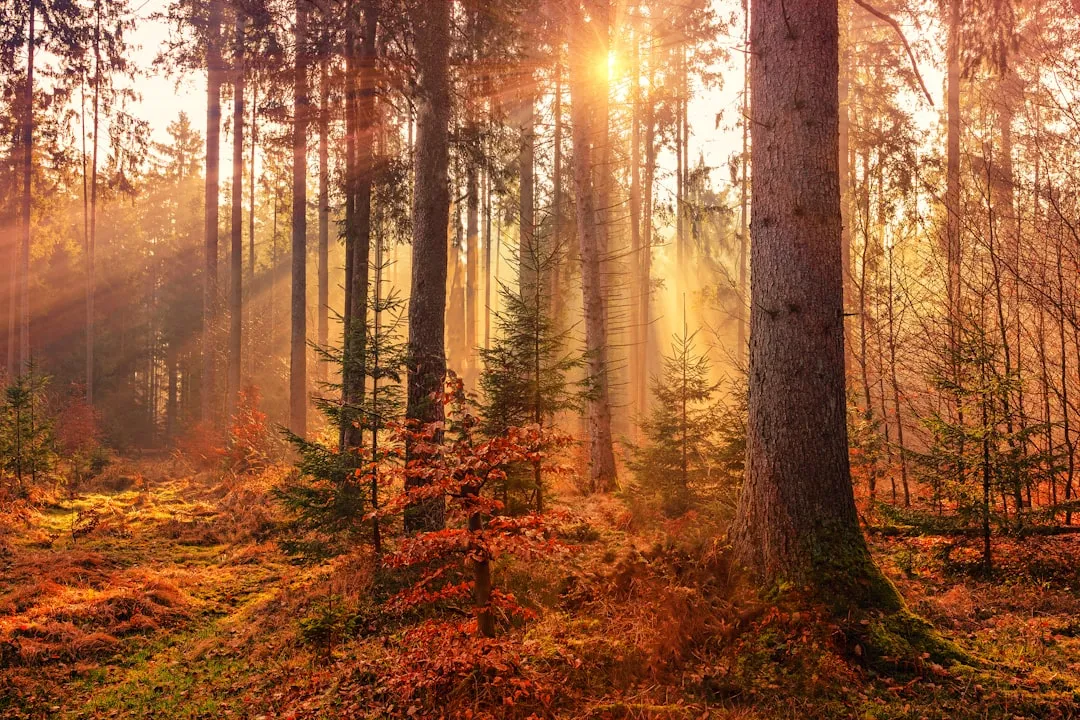

There’s a narrow window every year when the American landscape does something genuinely extraordinary. Trees that spent months blending into the background suddenly ignite with color, turning ridgelines into paintings and forest floors into carpets of gold and crimson. It doesn’t last long, and the best spots fill up fast.
Leaves can start changing colors as early as mid-September and continue through early November, with the Old Farmers’ Almanac noting that the second and third weeks of October are typically the peak times, though prime foliage schedules shift depending on location and local weather conditions. If you’re planning to hike any of the trails below, start booking sooner than feels necessary.
Franconia Ridge Loop, New Hampshire
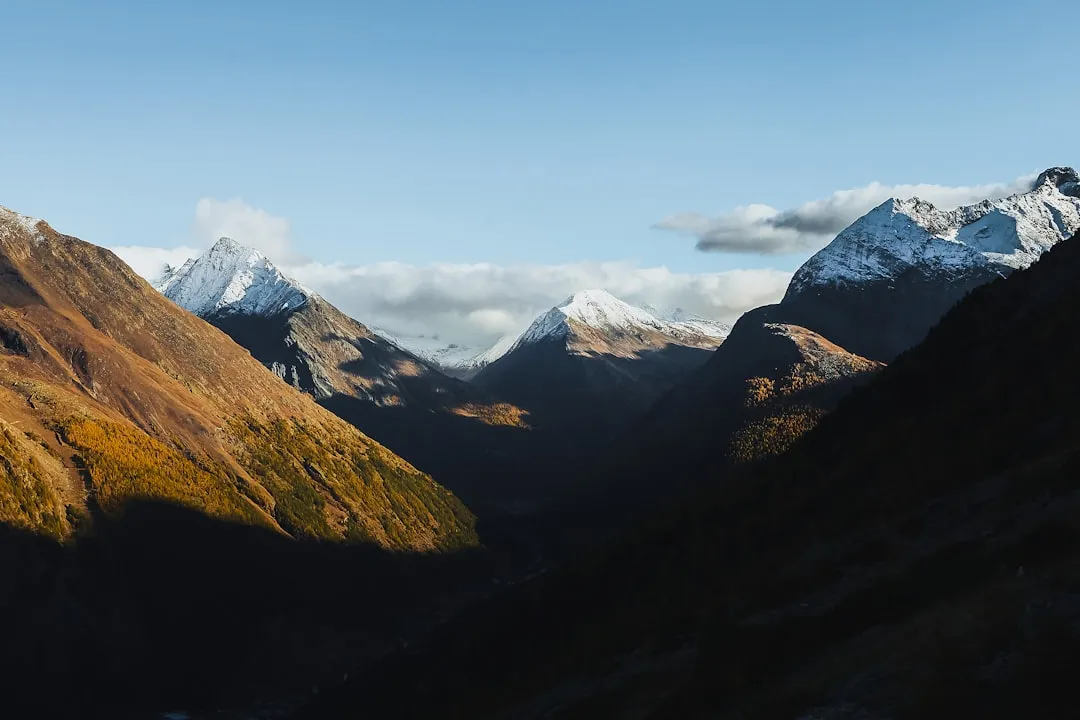
This popular 9.1-mile loop delivers some of New England’s most breathtaking fall foliage, typically at its best in mid-October. The trail summits Mount Lafayette, Mount Lincoln, and Little Haystack, weaving past waterfalls and rugged ridges before descending from Lafayette.
Be ready for rapidly changing weather, rocky terrain, and crowds during peak season. The exposed ridge section rewards hikers with sweeping panoramic views in every direction, a payoff that’s hard to match anywhere else in the White Mountains. Book lodging in the Franconia Notch area well ahead of your trip.
Great Smoky Mountains, Tennessee and North Carolina
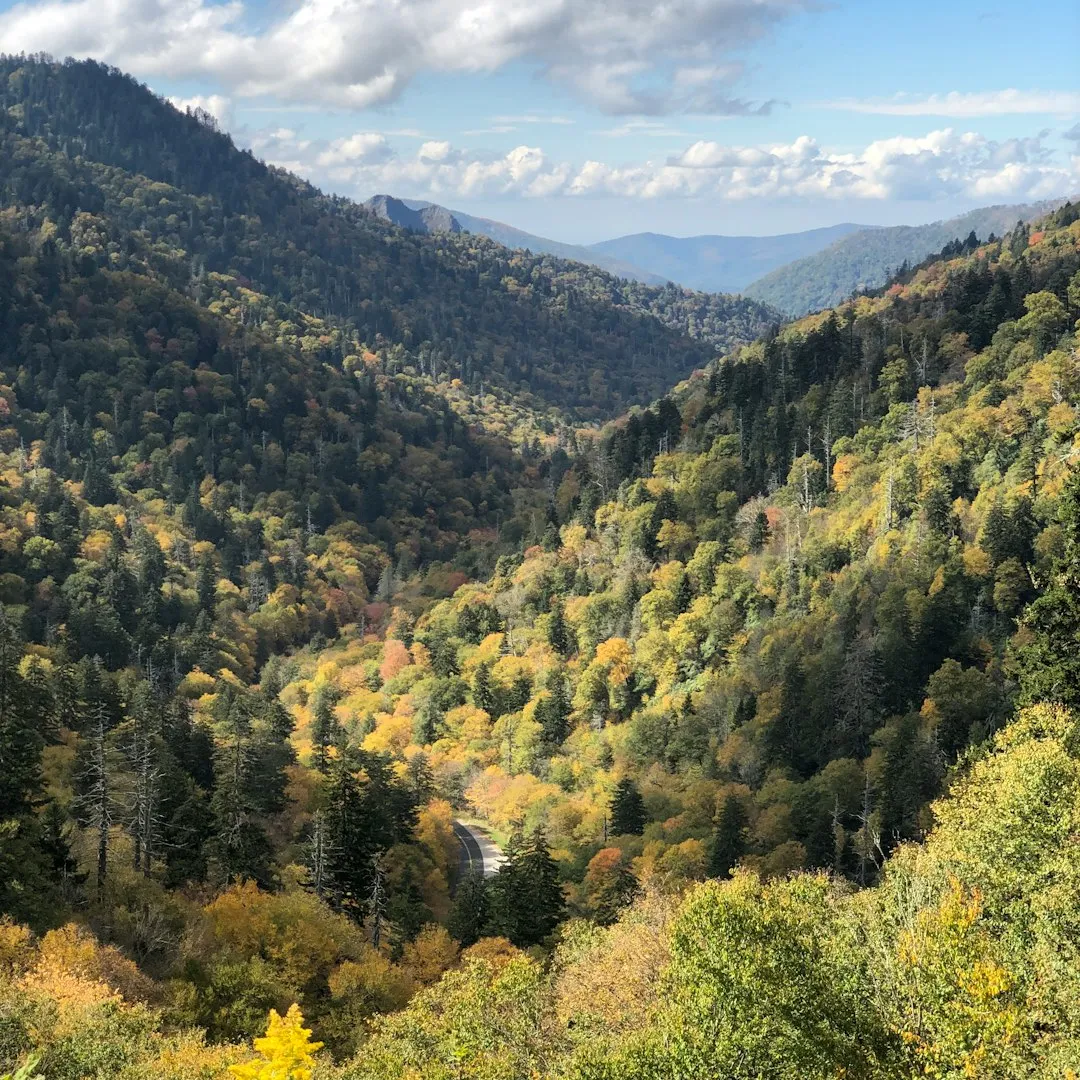
Nearly 20 million people visited the park between the months of September and November over the past five years, collectively spending more than 132 million hours exploring the park’s iconic ridgelines and forests. That number reflects just how powerful the draw really is.
The park’s wide range of elevations and ecosystems supports a remarkable diversity of native deciduous trees, including American beech, mountain maple, red maple, and pin cherry, with the fall color display changing as the season progresses, starting at higher elevations and gradually moving downward, offering weeks of vibrant scenery.
With over 800 miles of hiking trails throughout the park, the Smoky Mountains provide plenty of opportunities to spend time in the great outdoors. Great Smoky Mountains National Park has logged more than 1.5 million visits in every October since 2020, making it the busiest month of the year. Plan accordingly and arrive early.
Maroon Bells, Colorado
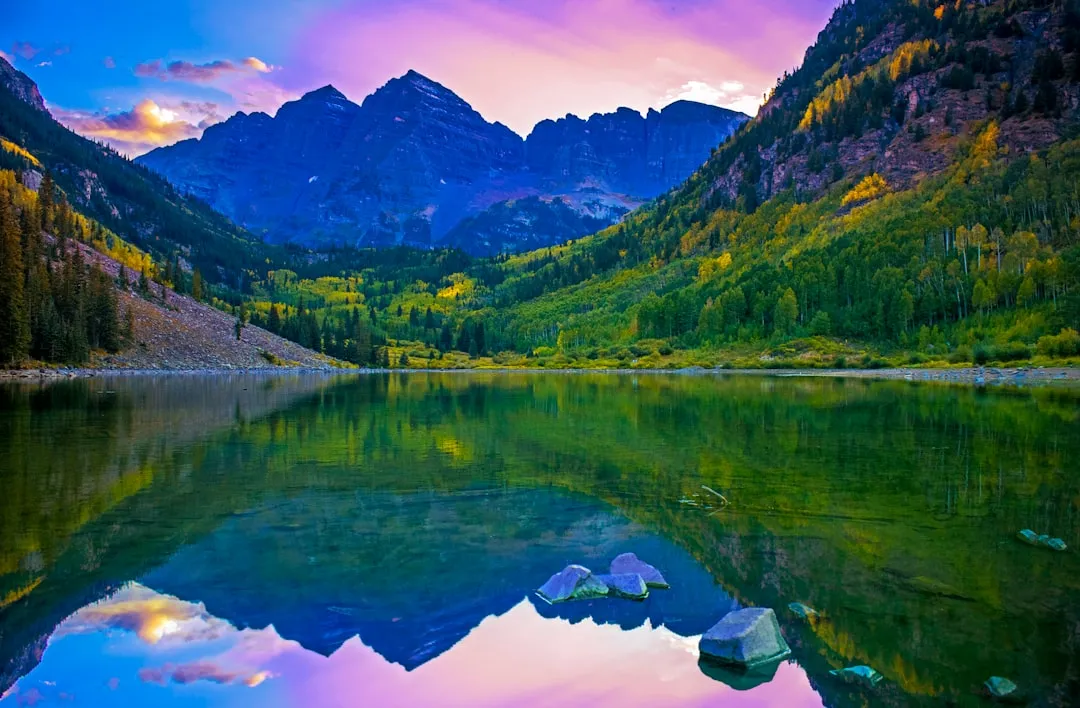
The Maroon Bells, a series of distinctively bell-shaped, wine-colored peaks rising to over 14,000 feet above sea level, tower above the pristine glacial Maroon Creek Valley and offer some of the most spectacular natural views in the world. From meadows of vibrant wildflowers to airy groves of aspen trees to summit-based alpine tundra, the Maroon Bells promise a variety of natural habitats.
Leaf peepers should visit September to mid-October, with peak foliage often occurring in the third week in September, though it varies year to year. Reservations are required to access the Maroon Bells Scenic Area and related amenities. This is not a place where you can just show up and hope for the best.
Hotels in Aspen book up months in advance for late September and early October, so if you know your dates, reserve early so you don’t miss out on staying close to the action.
Mount Greylock, Massachusetts

Rising 3,491 feet, Mount Greylock is the highest point in Massachusetts and a longtime muse for writers like Thoreau and Hawthorne. Hike the Bellows Pipe Trail to the summit, where fall color floods the hills in every direction and views stretch from Vermont to the Catskills.
By analyzing current conditions and data from past years, Massachusetts DCR forestry staff can predict approximately when the leaves in each area will change color. Most of the state sees peak colors in mid-October, with certain areas in Western Massachusetts peaking slightly earlier. Greylock tends to peak on the early side of that window given its elevation.
Indian Head, Adirondacks, New York
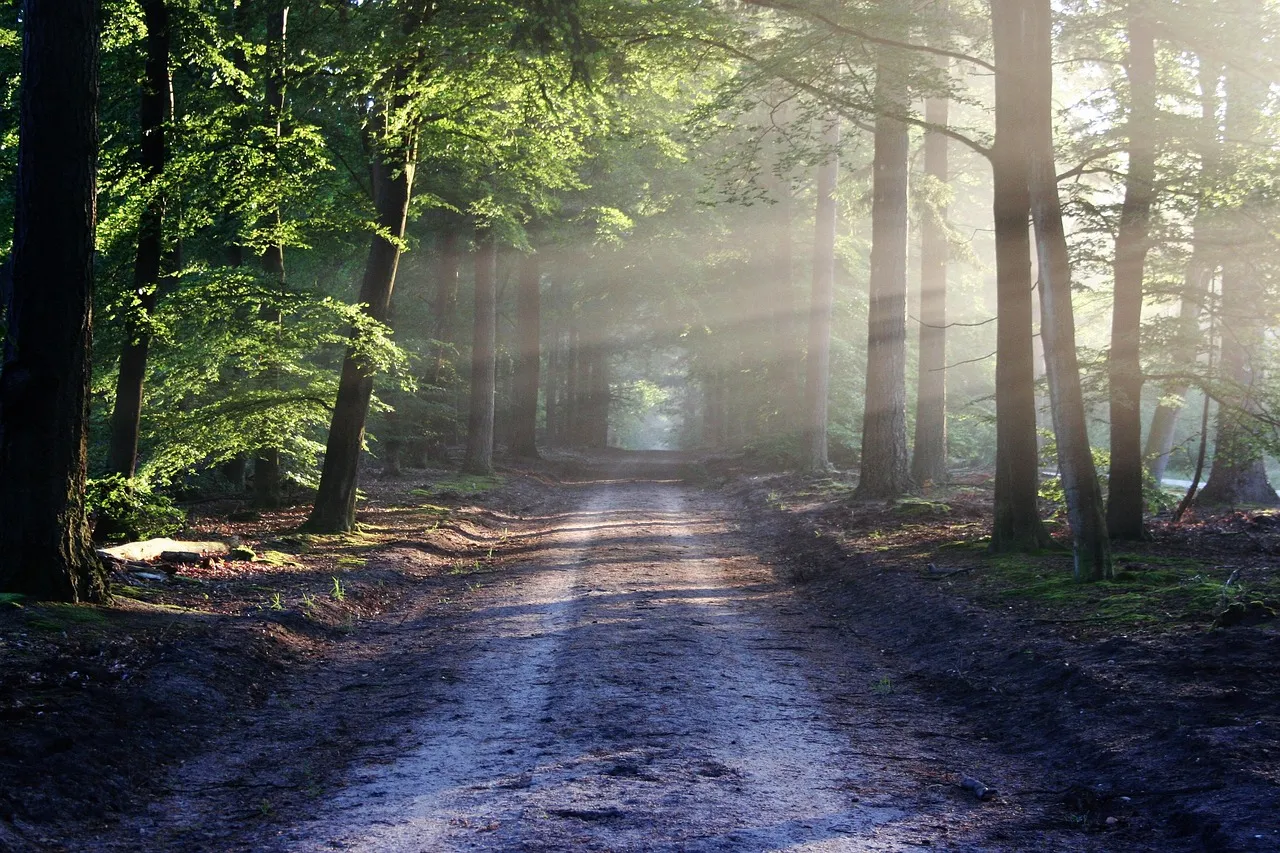
Widely considered one of the best fall treks not just in the Adirondacks, but possibly the entire country, Indian Head definitely lives up to the hype. The trail sits inside the Catskill region and offers dramatic exposed ledges with layered valley views that are particularly stunning when the canopy below is in full color.
Peak season comes earlier in the Adirondacks and Catskills, around late September or early October, while it comes later in the areas that are in the middle and southern regions of the state. Timing your visit carefully can make the difference between good and genuinely unforgettable.
Mount Mansfield, Vermont
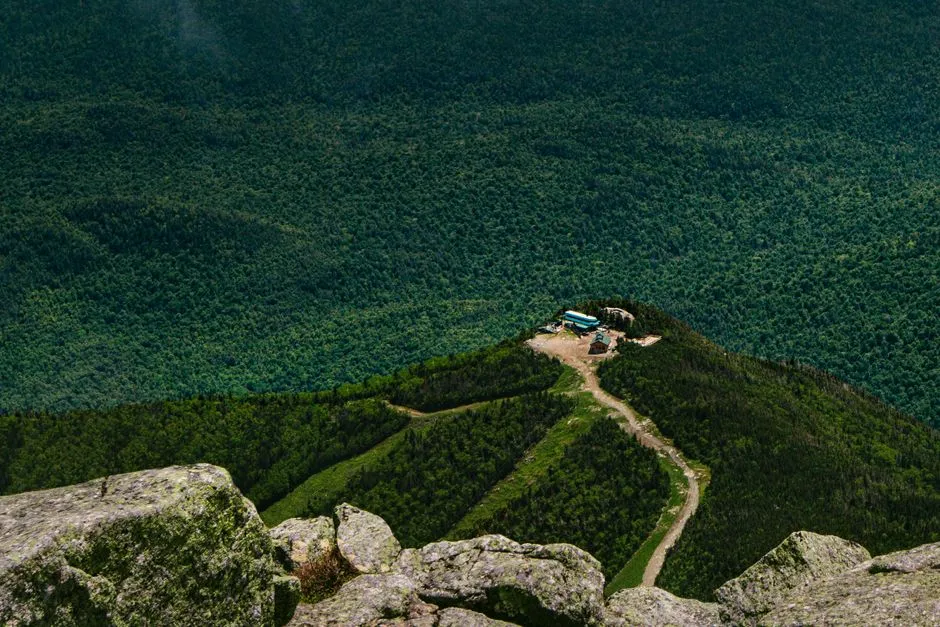
The Mount Mansfield Trail leads to Vermont’s highest peak, with ridge-line views and alpine terrain that earned recognition for its fall foliage display. It is also a National Natural Landmark with a rare Arctic-alpine tundra. The combination of tundra-like terrain at the summit and an explosion of color on the surrounding slopes is a contrast you won’t see on many trails.
This is a more secluded trail, so it should be less busy during the peak fall months, which is genuinely welcome news given how crowded Vermont gets in October. The relative quiet makes Mount Mansfield worth considering if the idea of hiking shoulder-to-shoulder at more famous spots doesn’t appeal to you.
Hudson Valley Trails, New York

A travel booking site analyzed hotel searches between October 10 and 24 in regions famous for fall colors, and one spot came out on top: New York’s Hudson Valley. Spanning 10 counties and more than 7,000 square miles just north of New York City, the Hudson Valley is practically autumn’s headquarters.
Mohonk Preserve is located on Shawangunk Ridge in New York’s Hudson Valley, offering hikers a picturesque view of fall foliage that scored highly for its gorgeous colors. The ridge trails are accessible to a wide range of fitness levels, making the Hudson Valley a solid option whether you’re a seasoned hiker or simply someone who wants a memorable afternoon walk in the leaves.
Blue Ridge Parkway Trails, North Carolina
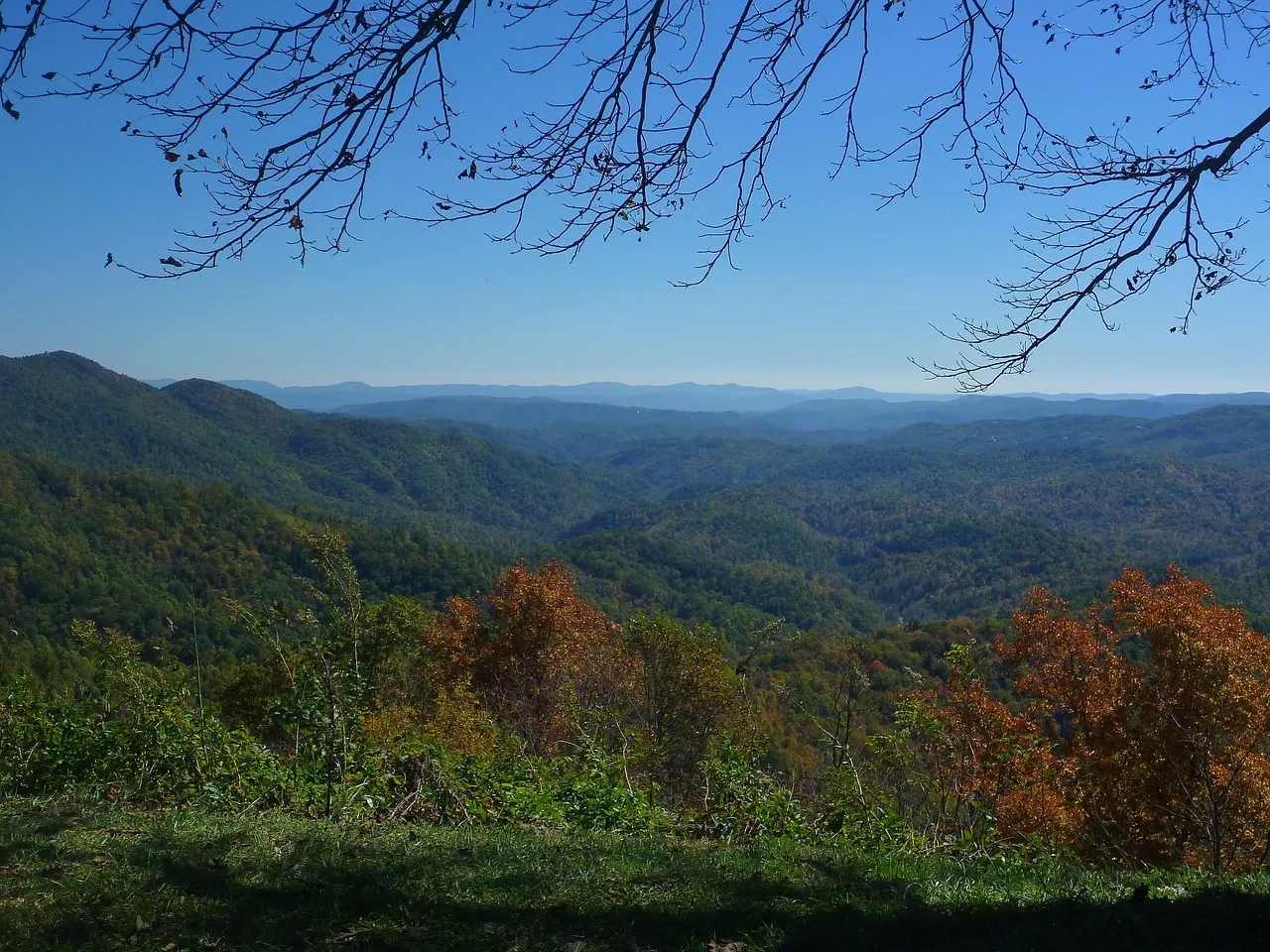
From winding, scenic stretches of the Blue Ridge Parkway to grassy mountain balds capped with historic fire towers on the Appalachian Trail in North Carolina, these hikes offer ample autumn beauty. The parkway itself stretches for nearly 470 miles and is one of the most visited stretches of road in the country during October.
Graveyard Fields and Black Balsam Knob along the Blue Ridge Parkway offer early color, waterfalls, and accessible hikes, while Richland Balsam Overlook at over 6,000 feet represents the Parkway’s highest overlook. The Highlands Plateau offers a mix of trails, waterfalls, and overlooks glowing in early autumn hues.
Zion National Park, Utah
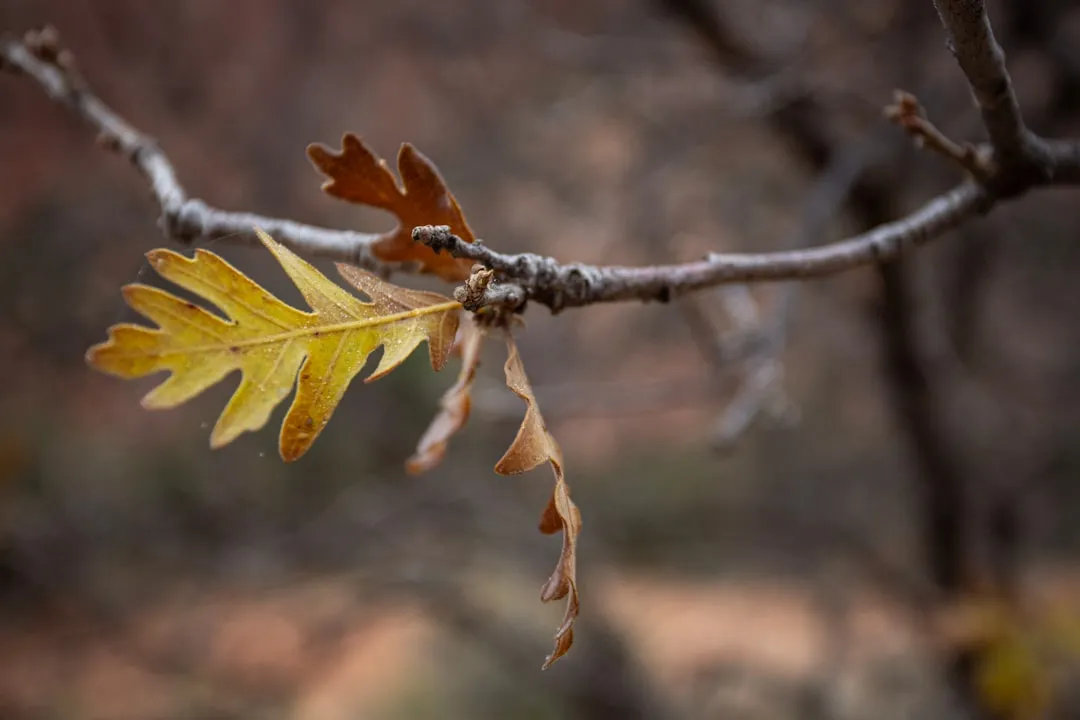
Utah’s unearthly landscapes may be best known for their sandstone cliffs and gravity-defying arches, but they’re also great places to enjoy the fall foliage of canyon maple, scrub oak, and more in mid-to-late October. The autumnal light illuminates the red rocks spectacularly.
Zion rounded out the top five in a study ranking the most popular US national parks for autumn visitors, with breathtaking seasonal scenery. The combination of warm canyon tones and the cooler palette of turning leaves creates a visual contrast that’s almost impossible to capture adequately in a photograph, though many try.
Columbia River Gorge, Oregon
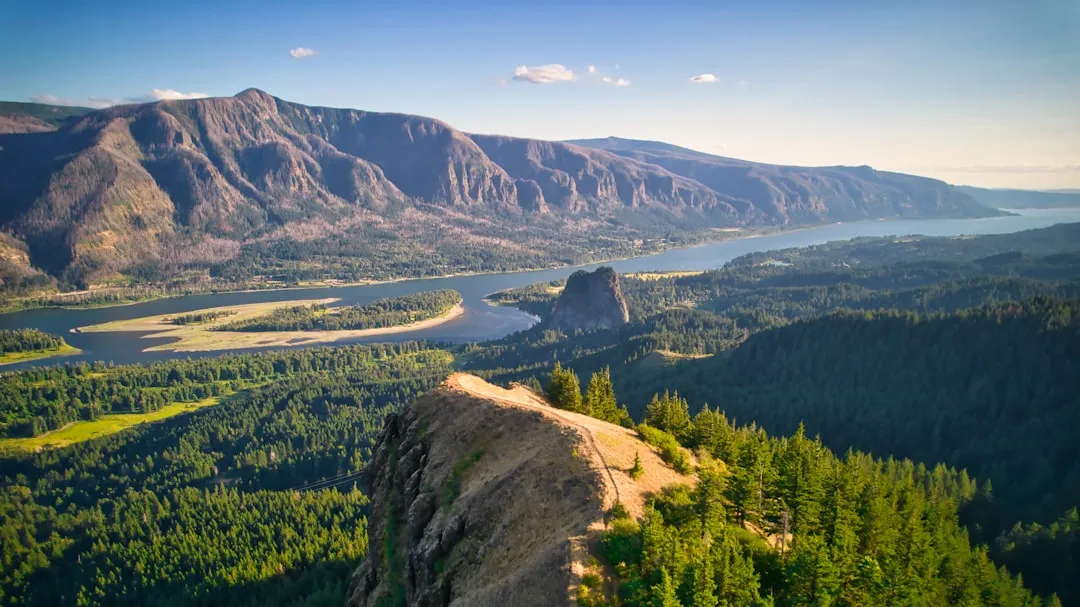
The area surrounding Portland, Oregon, is renowned for its scenery, and Oregon’s wild landscapes explode with bursts of color at every turn. Portland’s foliage is expected to peak in mid-October to early November. The gorge itself carves through some of the most photogenic terrain in the Pacific Northwest.
Two primary factors control the timing of fall foliage: daylight and temperature, meaning that the further north and the higher in elevation a tree is, the earlier it will reveal its colorful canopy. The gorge’s layered elevation changes mean that color often sweeps through over several weeks, extending the window for a rewarding hike.
The Broader Picture: When and How to Plan
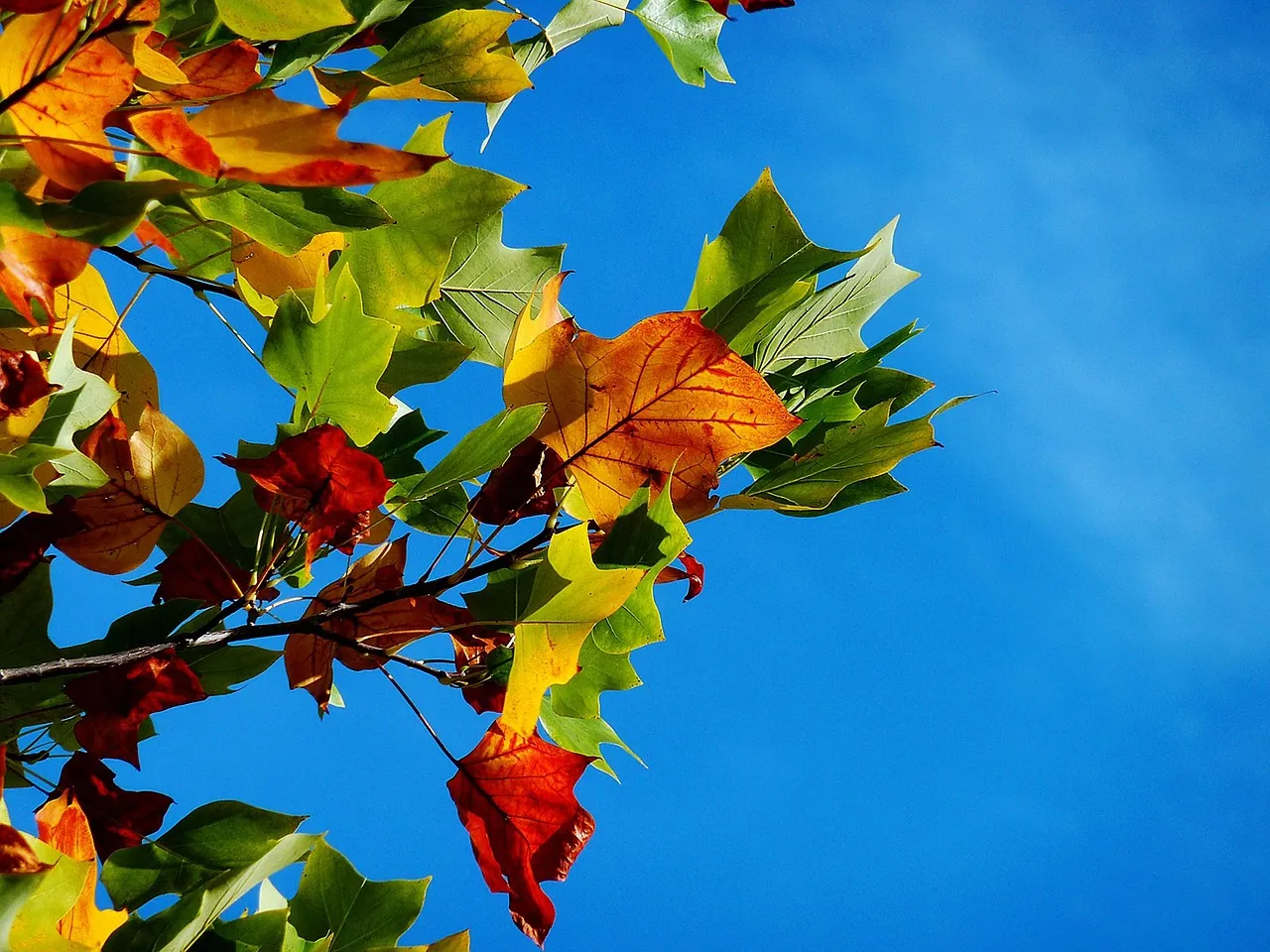
Where and when the foliage will be most colorful depends on location, altitude, and weather, with leaves turning earlier in places with higher elevations and lower temperatures. This makes early research essential, not optional, if you want to catch genuine peak color rather than the tail end of the season.
If you’re looking to beat the crowds, consider going to popular locations very early in the morning, before the majority of people arrive. That simple shift in timing can completely change how a well-known trail feels, and it often comes with the bonus of better light for photography.
The window for peak autumn foliage is short almost everywhere in the US, rarely more than two or three weeks in any given location. The trails listed here range from family-friendly loops to demanding summit climbs, but they all share one thing: they reward those who plan ahead. The color doesn’t wait, and neither should your booking.
AI Disclaimer: This article was created with the assistance of AI tools and reviewed by a human editor.