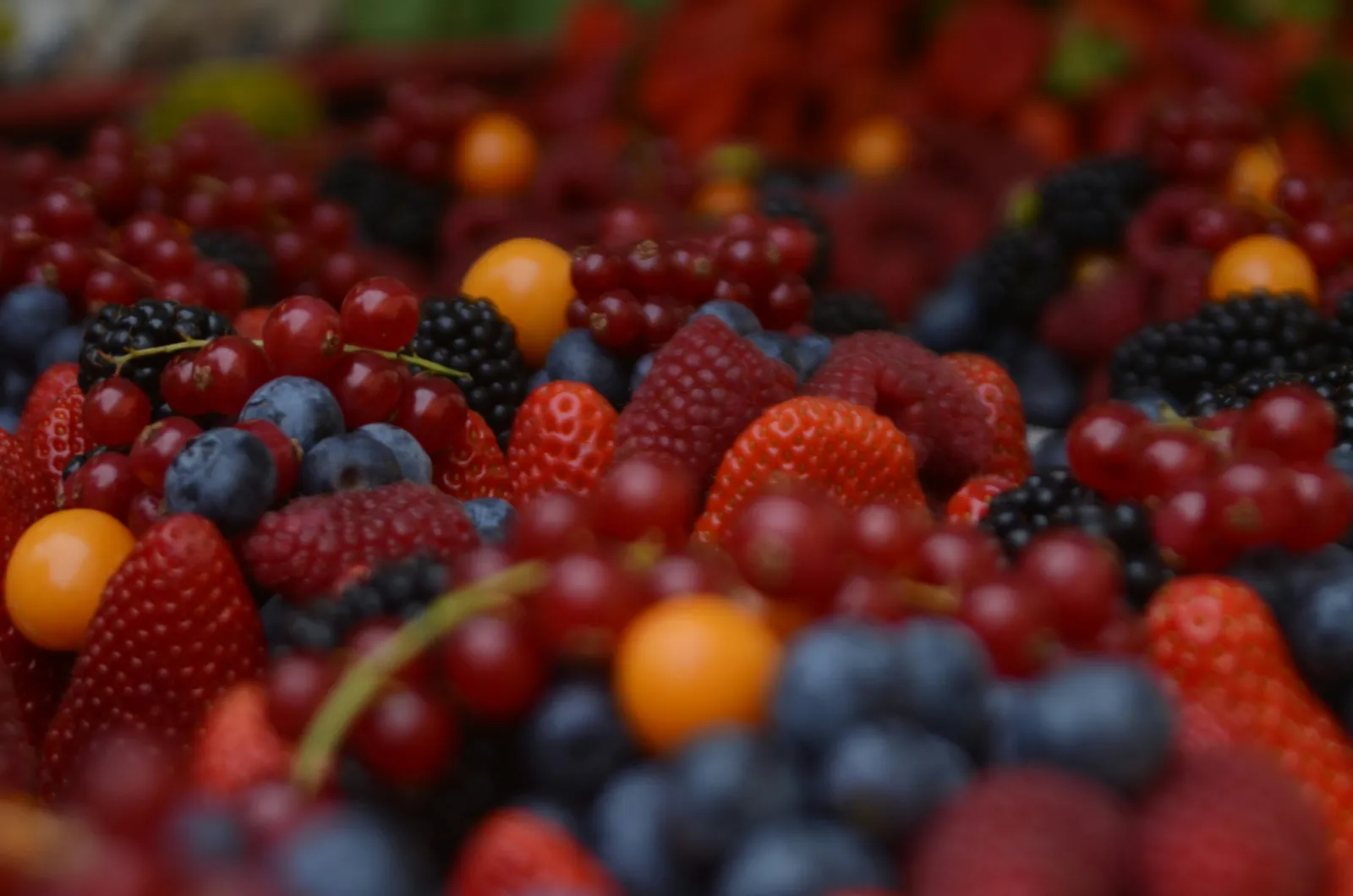

Shoppers often return home with vibrant cartons of berries only to discover mold within a day or two. The culprit is rarely the fruit itself. Instead, a routine step performed too soon introduces the exact condition that accelerates spoilage. Adjusting that single habit can shift results dramatically during peak summer season.
Moisture Sets the Stage for Rapid Mold
Berries carry thin skins that allow water to linger on the surface. Mold spores already present on most fruit need that moisture to grow. Washing before refrigeration supplies the missing element and shortens usable time from weeks to days in many cases. Keeping berries dry from the moment they enter the kitchen removes the primary trigger for early decay.
Tests and repeated home comparisons show the same pattern. Unwashed berries stored cold consistently outlast washed ones. The difference appears within forty-eight hours when moisture remains on the fruit. This holds true across strawberries, blueberries, raspberries, and blackberries alike.
Four Steps That Protect Freshness Right Away
Sorting comes first. Any soft, leaking, or visibly moldy berry should leave the carton immediately because one compromised piece spreads spores to its neighbors through direct contact. A paper towel placed in the bottom of the container then absorbs stray condensation that forms during storage. Placement on a middle refrigerator shelf rather than the crisper drawer follows, since the crisper’s higher humidity speeds breakdown. Finally, the berries stay unwashed until the moment they reach the plate.
These actions require only minutes yet address the main reasons cartons fail quickly. Raspberries and blackberries benefit most from prompt attention because of their delicate structure. Blueberries tolerate minor delays better thanks to thicker skins. Checking the container every day or two allows early removal of any berry that begins to soften.
Storage Methods by Berry Type
Strawberries respond well to an optional vinegar soak when extra time is available. A brief dip in a one-to-three vinegar-to-water solution followed by thorough rinsing and complete drying can push their refrigerator life toward two weeks. The rinse step removes any trace of vinegar taste. Blueberries need little beyond the basic dry-and-cold approach and often remain firm for a full fourteen days.
Raspberries and blackberries remain more fragile. They typically hold for two to five days under ideal conditions. A single layer in a vented container lined with paper towel helps limit bruising. When larger quantities arrive, the same vinegar method used for strawberries can add a few extra days for these softer varieties as well.
| Berry | Fridge (unwashed) | Fridge (vinegar method) | Frozen |
|---|---|---|---|
| Strawberries | 3–7 days | Up to 2 weeks | Up to 1 year |
| Blueberries | Up to 2 weeks | Up to 2 weeks | Up to 1 year |
| Raspberries | 2–3 days | Up to 5 days | 6–12 months |
| Blackberries | 2–5 days | Up to 5 days | Up to 1 year |
Freezing Extends the Season
Any berries that cannot be used within their fresh window move easily into the freezer. Washing, thorough drying, and a single-layer flash freeze on a baking sheet prevent clumping. Once firm, the berries transfer to an airtight bag labeled with the date. Quality remains high for up to a year when used in smoothies, sauces, or baked goods.
Freezing at peak ripeness captures the best flavor and texture. Berries that have already begun to soften still work for cooked applications after thawing. The process preserves nutritional value even when fresh eating is no longer practical.
What matters now: Summer berry season brings abundant supply. Applying these storage adjustments prevents waste and keeps fruit available for daily use without repeated store trips.
Small changes in handling produce outsized results. Berries that once lasted only a couple of days now remain usable for a week or more in many households. The payoff appears on the plate rather than in the trash.
AI Disclaimer: This article was created with the assistance of AI tools and reviewed by a human editor.