
Winter often tightens the constraints of indoor living, making it challenging to maintain a lush and vibrant garden within the limited space of your home. However, vertical gardening offers a brilliant solution to this problem, allowing you to maximize your indoor greenery without sacrificing precious floor space. By utilizing walls, shelves, and other vertical structures, you can create stunning plant displays that not only save space but also enhance the aesthetic appeal of your living environment. Imagine a cascading garden of herbs and flowers adorning your kitchen walls, bringing life and color into your home even when outdoor gardening becomes less feasible!
I understand how frustrating it can be when your indoor space feels cramped and your plants struggle to thrive during the winter months. Limited sunlight and reduced space can make it difficult to keep your garden flourishing, but vertical gardening can transform this challenge into an opportunity for creativity and efficiency. Whether you’re a seasoned gardener or just starting out, embracing vertical gardening practices can help you maintain a healthy and beautiful indoor garden all winter long. Let’s explore the myriad benefits of vertical gardening and discover how you can implement these strategies to save space and keep your plants thriving during the colder season!
Enhanced Air Circulation and Light Exposure
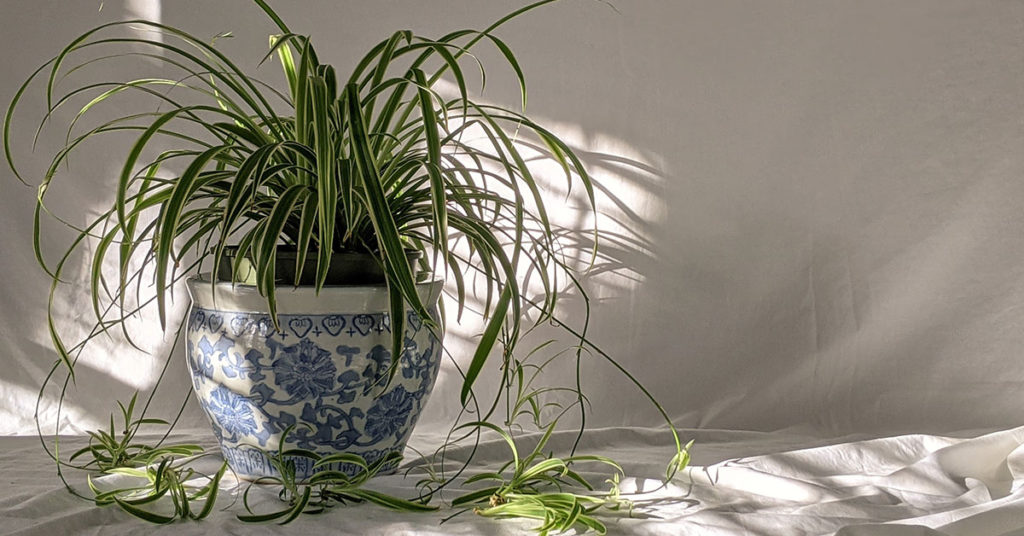
One of the standout benefits of vertical gardening is the enhanced air circulation it provides for your plants. By elevating plants off the ground and spreading them out vertically, you reduce the risk of overcrowding, which can lead to poor air flow and increased susceptibility to pests and diseases. Improved air circulation helps prevent mold and mildew, common issues in indoor gardens during winter when humidity levels can fluctuate. For instance, plants like the Spider Plant (Chlorophytum comosum), native to South Africa, thrive in well-ventilated environments and can benefit immensely from vertical arrangements that promote healthy air movement.
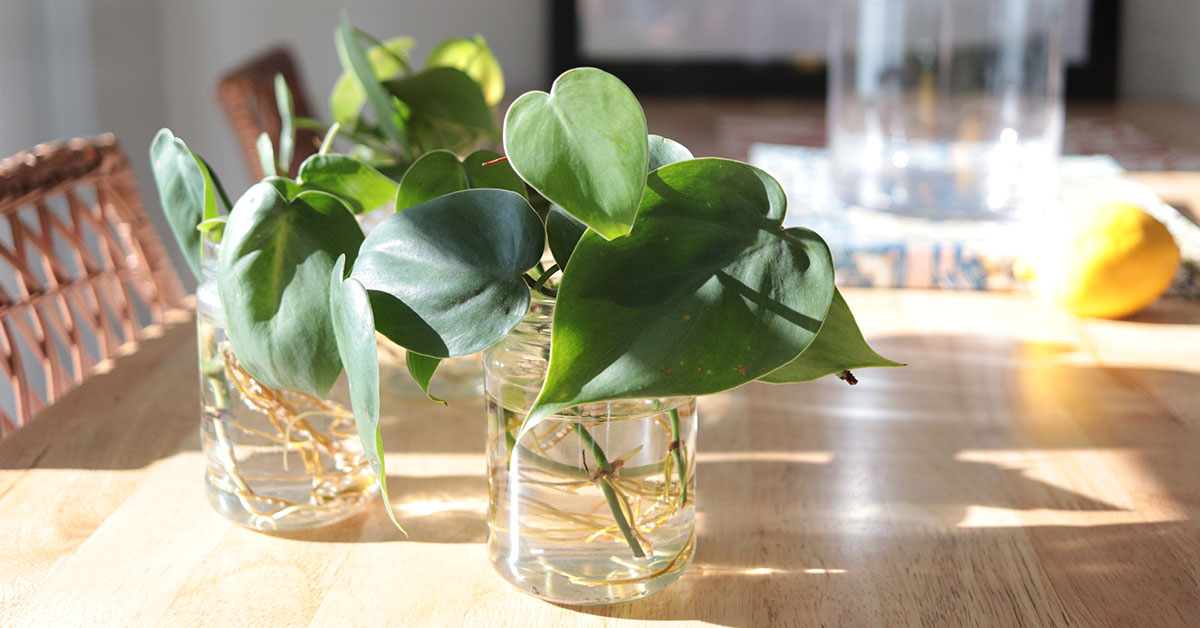
Additionally, vertical gardening ensures that each plant receives adequate light exposure, a critical factor for growth and blooming, especially during the shorter days of winter. By positioning plants at different heights and angles, you can maximize the available natural light, allowing even those placed further from windows to receive sufficient illumination. Plants such as the Pothos (Epipremnum aureum), native to the Solomon Islands, are excellent for vertical gardens as their trailing vines can spread out beautifully, capturing light from various directions. This strategic placement not only supports robust plant health but also creates a dynamic and visually appealing display that brightens up your indoor space.
Space Optimization and Increased Plant Variety
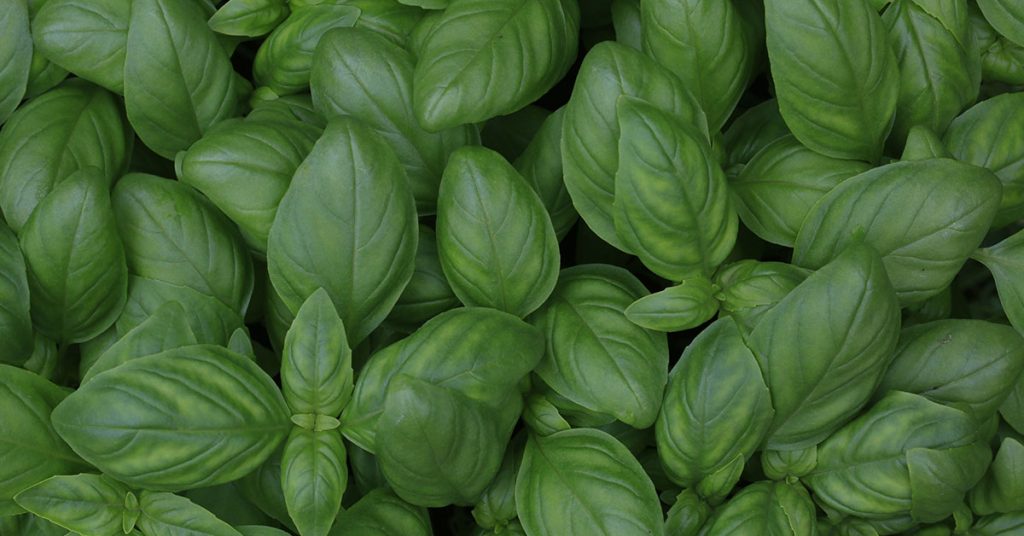
Vertical gardening is a game-changer when it comes to optimizing limited indoor spaces, especially during winter when room for sprawling plants can be scarce. By utilizing vertical structures like shelves, trellises, and wall-mounted planters, you can cultivate a diverse range of plants without compromising on living space. This approach is particularly beneficial for small apartments or homes where floor space is at a premium. For example, stacking tiered plant stands allows you to grow multiple herbs like Basil (Ocimum basilicum) and Mint (Mentha spp.), which are native to tropical regions and are not considered invasive, ensuring a safe and efficient use of vertical space.
Moreover, vertical gardening encourages the cultivation of a wider variety of plants that might otherwise be difficult to accommodate in a traditional horizontal setup. Plants with climbing or trailing habits, such as Philodendrons (Philodendron spp.) and Ficus elastica (Rubber Plant), flourish in vertical gardens, adding layers of greenery and texture to your indoor environment. This diversity not only enhances the aesthetic appeal of your space but also supports a healthier indoor ecosystem by introducing different plant species that contribute to air purification and overall well-being. By embracing vertical gardening, you can create a lush, multi-layered indoor garden that maximizes space and showcases an impressive array of plant life during the winter season!
Improved Plant Health and Growth
Vertical gardening can significantly enhance the health and growth of your indoor plants, especially during winter when environmental conditions are less than ideal. By elevating plants and providing ample space between them, you reduce competition for light, water, and nutrients, allowing each plant to thrive independently. This separation minimizes the risk of disease transmission and pest infestations, common issues in crowded indoor gardens. For instance, the Snake Plant (Sansevieria trifasciata), native to West Africa, benefits from vertical placement as it can grow tall and upright without being overshadowed by other plants, promoting stronger and more resilient growth.
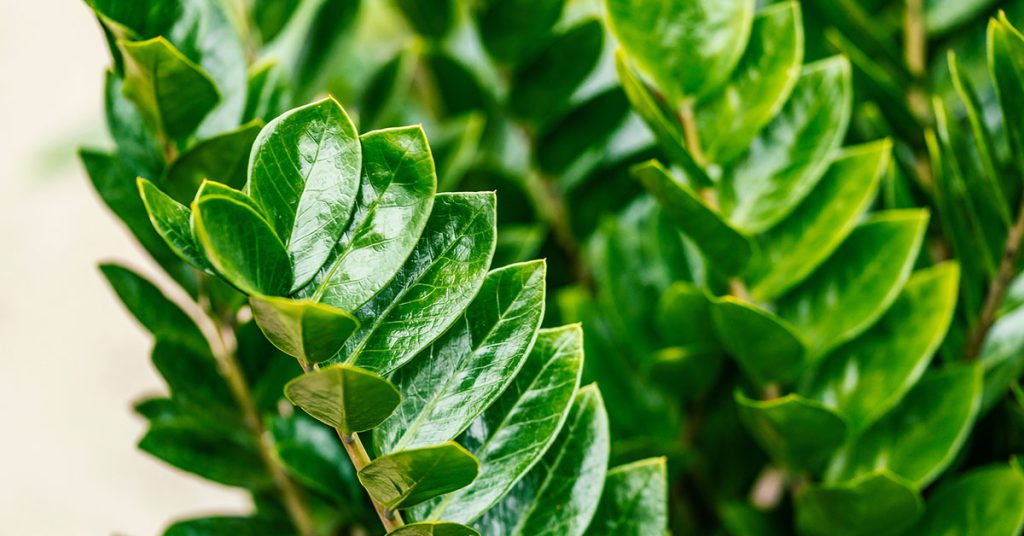
Furthermore, vertical gardening facilitates better water management, ensuring that each plant receives the appropriate amount of moisture without excess runoff. Using vertical planters with integrated drainage systems can help maintain optimal soil moisture levels, preventing waterlogging and root rot, which are prevalent problems during the dry winter months. Plants like the ZZ Plant (Zamioculcas zamiifolia), native to Eastern Africa, thrive in well-draining environments and can benefit from vertical setups that support their robust and waxy leaves. By improving the overall plant health and growth conditions, vertical gardening ensures that your indoor garden remains vibrant and flourishing, even when outdoor gardening is limited by winter weather.
Enhanced Aesthetic Appeal and Interior Design

Vertical gardening not only serves a practical purpose but also significantly enhances the aesthetic appeal of your indoor spaces, making it a perfect addition to your winter decor. The vertical arrangements create a striking visual impact, turning plain walls and empty corners into lush, green displays that add depth and character to your home. Plants like the Monstera deliciosa, native to the tropical forests of Central America, with their large, fenestrated leaves, look stunning when arranged vertically, becoming a focal point in any room and bringing a touch of tropical elegance to your winter indoor garden.
Incorporating vertical gardens into your interior design can also complement various styles, from modern minimalist to cozy rustic. Utilizing different materials and textures for vertical planters, such as wooden shelves, metal trellises, or ceramic wall-mounted pots, can add a unique and personalized touch to your decor. Additionally, combining plants with decorative elements like fairy lights, hanging ornaments, or seasonal decor items can create a cohesive and enchanting display that reflects the spirit of winter. The versatility of vertical gardening allows you to experiment with creative layouts and design elements, ensuring that your indoor garden not only saves space but also enhances the overall beauty and ambiance of your home during the winter season!
Sustainability and Eco-Friendliness

Adopting vertical gardening practices contributes to sustainability and eco-friendliness, aligning your indoor gardening efforts with environmentally conscious living. Vertical gardens make efficient use of space, reducing the need for extensive horizontal plantings and minimizing the environmental footprint of your indoor garden. By maximizing the vertical area, you can cultivate more plants in a smaller footprint, which is particularly beneficial in urban settings where space is limited. Additionally, vertical gardening can incorporate recycled or repurposed materials, such as using old pallets or mason jars as vertical planters, promoting a sustainable approach to gardening.
Moreover, vertical gardens support biodiversity by allowing you to grow a wider variety of plants, which can attract beneficial insects and promote a balanced indoor ecosystem. Plants like the Ficus pumila (Creeping Fig), native to East Asia, and the Tradescantia zebrina (Wandering Jew), native to Mexico and Central America, add layers of green that support air purification and overall environmental health. By integrating sustainable practices into your vertical gardening routine, you not only enhance the beauty and functionality of your indoor garden but also contribute to a healthier and more sustainable planet. This eco-friendly approach ensures that your winter indoor garden is not only a source of joy and beauty but also a testament to your commitment to environmental stewardship!
Easy Maintenance and Accessibility
Vertical gardens offer the advantage of easy maintenance and accessibility, making indoor gardening more manageable, especially during the winter months when time and resources may be limited. By organizing plants vertically, you can streamline your care routine, making it simpler to water, prune, and inspect each plant without having to navigate a crowded horizontal garden. This organized approach reduces the likelihood of neglecting any single plant, ensuring that all your green friends receive the attention they need to thrive.
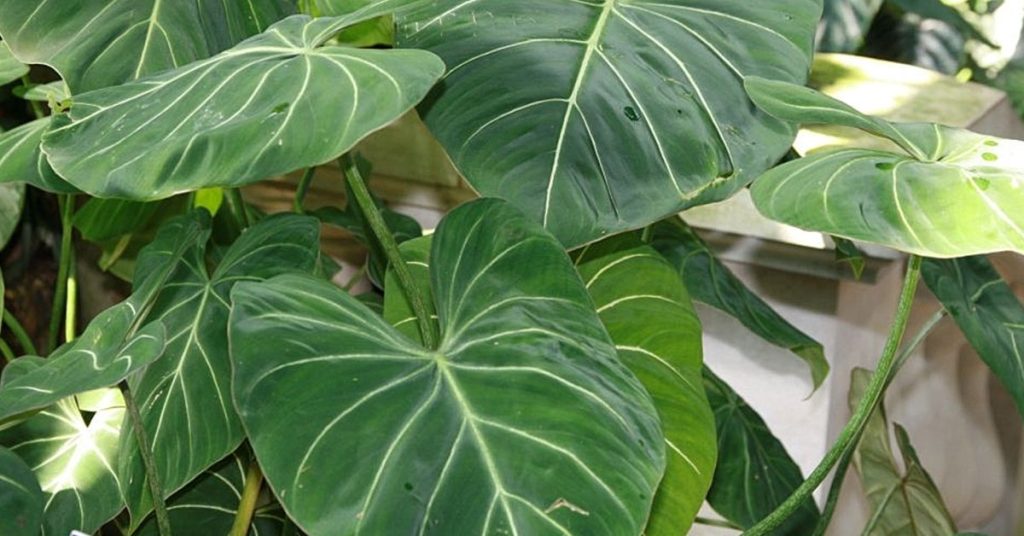
Furthermore, vertical gardening can make it easier to access plants, particularly those placed higher up on walls or shelves. This accessibility is beneficial for incorporating ergonomic design into your indoor garden, reducing the strain of reaching and bending while caring for your plants. Plants like the English Ivy (Hedera helix), native to Europe and western Asia, and the Philodendron scandens (Heartleaf Philodendron), native to South America, can be easily tended to in a vertical setup, allowing for effortless maintenance and fostering a healthy, sustainable indoor garden. By simplifying the maintenance process, vertical gardening ensures that your indoor garden remains a source of joy and beauty throughout the winter season, without adding extra stress to your routine!
Incorporating Technology for Efficient Vertical Gardening

Embracing technology can further enhance the efficiency and sustainability of your vertical gardening practices during winter. Smart irrigation systems, for example, can automate watering schedules based on the specific needs of your plants, ensuring optimal moisture levels without the risk of overwatering. These systems can be particularly useful during winter when plants’ water requirements may fluctuate, providing consistent care even when you’re busy or away from home. Additionally, using grow lights with adjustable settings allows you to customize the light spectrum and intensity, supporting healthy plant growth despite the limited natural light.
Integrating technology into your vertical garden can also include monitoring tools like soil moisture sensors and environmental control systems that track temperature and humidity levels. These tools provide real-time data and alerts, enabling you to make informed adjustments to your indoor gardening setup and maintain the ideal conditions for your plants. Plants like the String of Pearls (Senecio rowleyanus), native to South Africa, and the Pothos (Epipremnum aureum), native to the Solomon Islands, benefit from precise care facilitated by technological advancements, ensuring they remain healthy and vibrant throughout the winter months. By leveraging technology, you can create a highly efficient and sustainable vertical garden that maximizes plant health and minimizes environmental impact, making your winter indoor gardening experience both enjoyable and eco-friendly!
Community and Sharing in Vertical Gardening

Vertical gardening can also foster a sense of community and sharing, enhancing the overall experience of indoor gardening during winter. Joining online forums, local gardening groups, or social media communities dedicated to vertical gardening allows you to exchange tips, share successes, and seek advice from fellow enthusiasts. These communities provide valuable support and inspiration, helping you overcome challenges and discover new ideas for your vertical garden. For instance, sharing photos of your String of Hearts (Ceropegia woodii), native to South Africa, and receiving feedback can motivate you to try different arrangements and care techniques, ensuring your plants remain healthy and your garden remains beautiful.
Additionally, sharing resources and plant cuttings within your vertical gardening community promotes sustainability and reduces waste. Exchanging plants with friends or neighbors allows you to diversify your indoor garden without purchasing new plants, supporting a circular and eco-friendly gardening practice. Plants like the Hoya carnosa (Wax Plant), native to Eastern Asia, and the Spider Plant (Chlorophytum comosum), native to Southern Africa, can be easily propagated and shared, fostering a collaborative and supportive indoor gardening environment. By engaging with a community of vertical gardeners, you enhance your own gardening journey while contributing to a collective effort towards sustainable and thriving indoor gardens during the winter season!