

As September rolls in, there’s no better time to give your garden a little extra care with organic mulch! This simple addition can work wonders for your garden, providing numerous benefits that keep your plants healthy and thriving as the cooler months approach. I know it might not sound like the most exciting garden task, but trust me, it’s one of those small steps that brings big rewards. Organic mulch helps protect your plants, improves soil health, and even makes your garden more attractive — what’s not to love?
I totally understand if you’re feeling overwhelmed by all the different types of mulch out there. Should you go for shredded leaves, straw, wood chips, or something else entirely? Don’t worry — I’ve been there, too! Let me guide you through some of the wonderful benefits of using organic mulch in your garden this September, and you’ll see just how easy and effective it can be!
Retains Moisture in the Soil

One of the biggest advantages of using organic mulch is its ability to retain moisture in the soil. By adding a thick layer of mulch, you create a protective barrier that reduces evaporation and keeps the soil cool, ensuring that your plants stay hydrated for longer. This is especially important in September when temperatures can still be high, but rain is less predictable. It’s such a relief not to have to worry about constantly watering during those dry spells!
Plus, organic mulches like straw, shredded leaves, and wood chips break down slowly over time, which improves the soil structure and enhances its ability to hold water. I’ve noticed a remarkable difference in my garden since I started using organic mulch — my plants are healthier, and I’m spending a lot less time dragging the hose around! It’s such a simple way to make a big impact on your garden’s overall health.
Suppresses Weeds
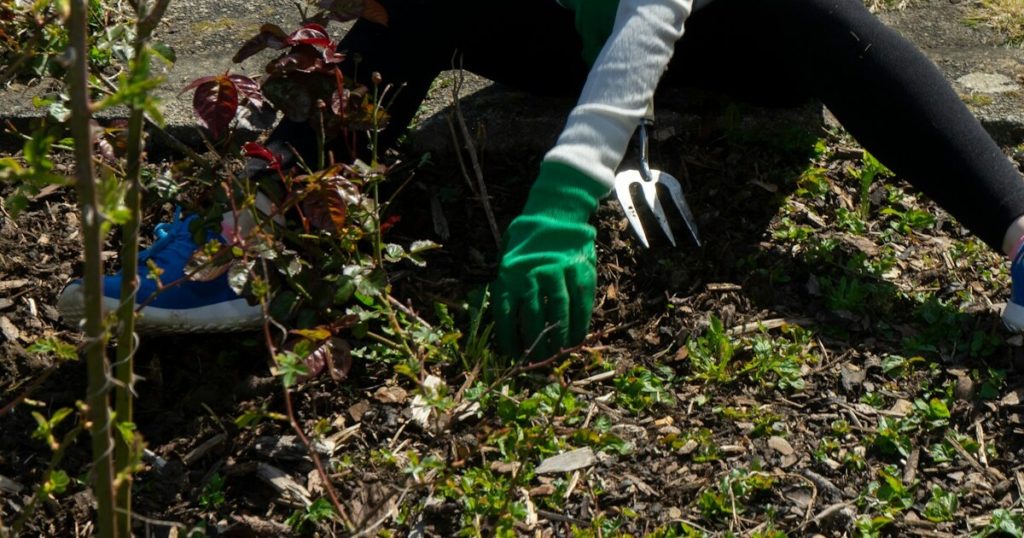
Nothing can be more frustrating than spending hours weeding, only to see new weeds popping up seemingly overnight. That’s where organic mulch comes to the rescue! A good layer of mulch helps suppress weeds by blocking sunlight from reaching the soil, which prevents weed seeds from germinating. I can’t tell you how satisfying it is to see a garden bed with hardly a weed in sight, all thanks to a bit of mulch!
Mulching also makes any weeds that do manage to sprout much easier to pull, as the mulch keeps the soil beneath it softer and more workable. I always find that my fall cleanup is so much easier when I’ve mulched in September. Plus, it’s a great way to minimize the need for herbicides, keeping your garden safe for pollinators, pets, and people. Your plants get to thrive, and you get to spend more time enjoying your garden rather than battling weeds!
Improves Soil Health
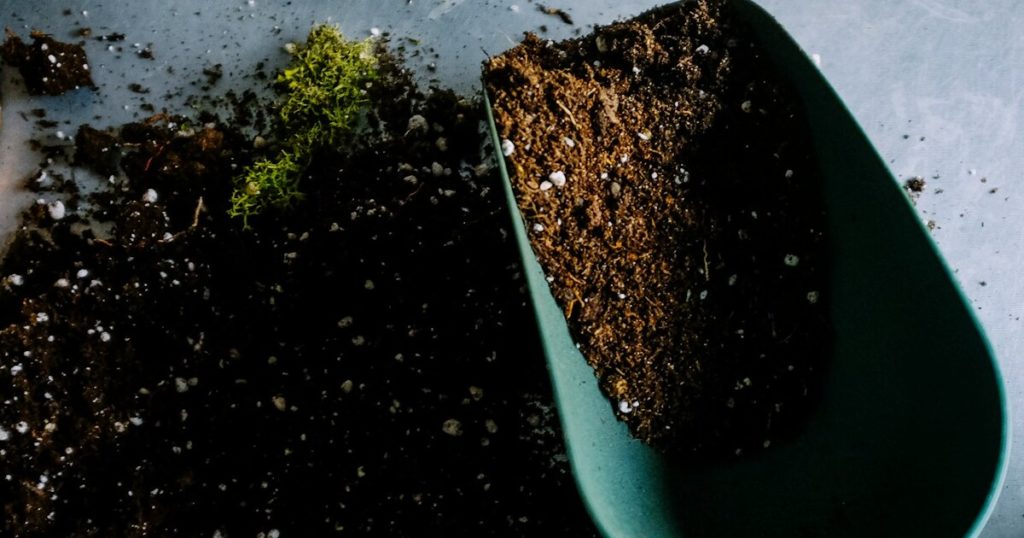
Organic mulch does more than just sit on the surface; it actually works its magic beneath the soil, too! As it breaks down, mulch adds valuable organic matter to the soil, which improves its structure and fertility. This, in turn, helps create a better environment for plant roots to grow strong and healthy. I’ve found that my plants seem to have more robust growth and richer blooms since I started mulching regularly.
Moreover, mulch supports the life of beneficial soil organisms, such as earthworms and microorganisms, that help decompose organic material and release nutrients back into the soil. This natural process enriches the soil without the need for synthetic fertilizers. It feels like a wonderful cycle — you’re nourishing your garden in a sustainable way, creating a thriving ecosystem right in your backyard!
Protects Plant Roots from Temperature Fluctuations

September can bring unpredictable weather, with warm days followed by chilly nights. These temperature swings can stress plant roots, but mulch helps create a buffer, keeping the soil temperature more stable. A layer of mulch acts like a cozy blanket for your plants, insulating their roots from both the heat of the day and the cool of the night. I’ve noticed that plants mulched in September seem to transition into winter much more smoothly.
This protection is particularly important for perennials and young plants that are still establishing their root systems. Without that extra layer, roots can become exposed or damaged by freezing and thawing cycles. By mulching in September, you’re setting your plants up for success through the fall and into the next growing season. It’s one of those small tasks that has long-lasting benefits!
Attracts Beneficial Insects

One of the unexpected benefits of using organic mulch is that it can attract beneficial insects to your garden. Many insects, like ground beetles and predatory mites, thrive in the cool, moist environment provided by a layer of mulch. These insects play a crucial role in keeping pest populations in check, helping to reduce the need for chemical pesticides. I always get a little thrill when I see these helpful critters in my garden — they’re like tiny, hard-working allies!
Additionally, mulch provides a habitat for creatures like spiders and centipedes, which feed on aphids, slugs, and other common garden pests. Encouraging these natural predators can create a healthier, more balanced garden ecosystem. So, by mulching, you’re not just helping your plants; you’re also fostering a welcoming environment for the good guys who keep the bad guys at bay!
Enhances Garden Aesthetics

Let’s not forget the visual appeal of mulch! A fresh layer of organic mulch gives your garden a tidy, finished look that enhances the overall aesthetic. Whether you’re using dark bark mulch, light straw, or colorful shredded leaves, mulch can complement your plants and add a beautiful contrast to the garden beds. I always love how my garden looks right after I mulch — it’s like putting on a brand-new outfit!
Beyond just looking pretty, mulch also helps define garden paths, borders, and edges, making the entire space look more intentional and cared for. And let’s be honest — we all want our gardens to look their best, especially when we’ve put so much hard work into them! Mulching is a quick and easy way to make your garden feel fresh and polished.
Supports Sustainable Gardening Practices

Using organic mulch is a great way to practice sustainable gardening. Many types of mulch, like shredded leaves, grass clippings, and straw, are often byproducts that would otherwise go to waste. By repurposing these materials in your garden, you’re reducing waste and making the most of what’s available. It’s an environmentally friendly choice that aligns perfectly with a sustainable lifestyle.
Moreover, organic mulch reduces the need for chemical fertilizers and herbicides, which can harm the environment and pollute waterways. I always feel good knowing that I’m doing my part to take care of the earth while also taking care of my garden. And the best part? Sustainable gardening practices often lead to healthier, more resilient gardens that are a joy to tend!
Encourages Earthworms

Earthworms are the unsung heroes of the garden! They help break down organic matter, aerate the soil, and improve its structure. Mulch creates an ideal environment for earthworms, keeping the soil cool and moist, which they love. Every time I mulch, I seem to notice more of these wiggly friends in my garden beds, and that’s a great sign of healthy soil!
Having a healthy earthworm population means that your soil is being constantly enriched and aerated. This makes it easier for plant roots to grow and access nutrients. Plus, earthworms help with drainage, reducing the risk of soil compaction and waterlogging. It’s amazing how such a small creature can have such a big impact on your garden’s health!
By using organic mulch in your September garden, you’re not just giving your plants a protective covering; you’re setting the stage for a thriving, resilient garden that will thank you in countless ways. So grab that mulch and spread the love around your garden beds!