

September can be such a pivotal month in the garden. The long, hot days of summer are winding down, and you can feel the chill of autumn starting to creep in. This is the perfect moment to think ahead and prepare your beds for what’s coming. One of the best things you can do right now is mulch! Mulching in September not only protects your plants as they transition into cooler weather, but it also sets up your soil for a healthier, more productive spring.
I know how overwhelming late-season garden chores can be. You’re still harvesting, maybe still planting cool-weather crops, and suddenly the list feels endless. But I can’t emphasize enough how much mulching helps—it’s like giving your garden a protective coat before winter hits. Let me walk you through all the reasons why mulching in September is worth the effort and how it benefits your plants, soil, and even the wildlife that calls your garden home.
Protecting Roots From Temperature Fluctuations
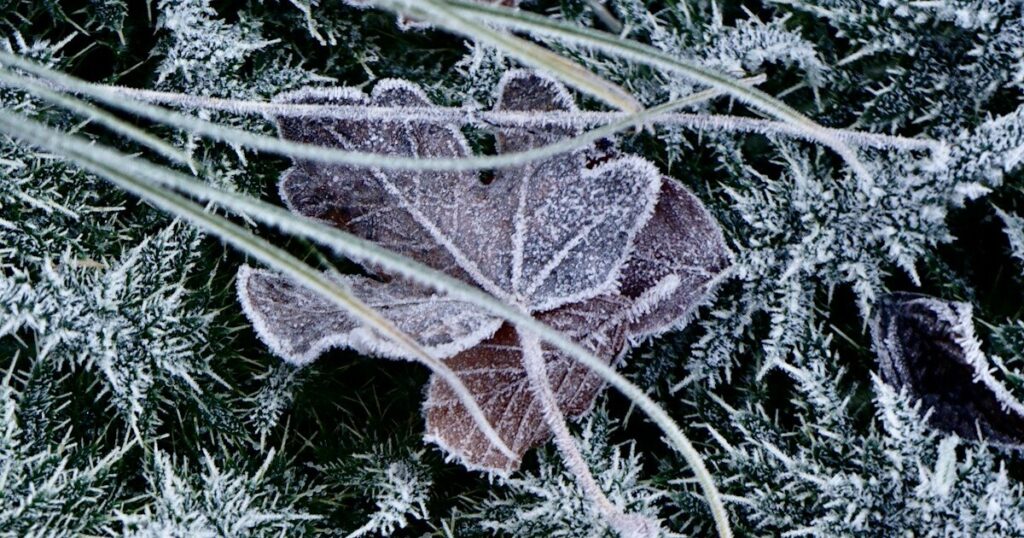
As the nights get colder, soil temperatures can start to swing wildly between day and night. These fluctuations can stress plant roots, especially for perennials and late-season vegetables. Mulch acts like insulation, keeping soil temperatures more consistent.
In nature, fallen leaves provide this same service, protecting roots through layers of organic matter. By applying mulch, you’re simply recreating that protective blanket in a more intentional way. This stability helps your plants conserve energy, ensuring they’re stronger when winter truly arrives.
Preserving Soil Moisture

Even in cooler weather, soil can dry out quickly, especially during September winds. Mulching locks in moisture by reducing evaporation, which means less watering for you and less stress for your plants. I’ve noticed how much longer my raised beds stay hydrated once I lay down a good layer of straw or shredded leaves.
Plants native to arid regions, like lavender or rosemary, naturally rely on mulch-like ground cover in their habitats to retain moisture. By mimicking this, you help even thirsty crops like broccoli or kale hold onto water when they need it most. This becomes especially important for fall plantings that need consistent moisture to establish quickly.
Encouraging Beneficial Insects
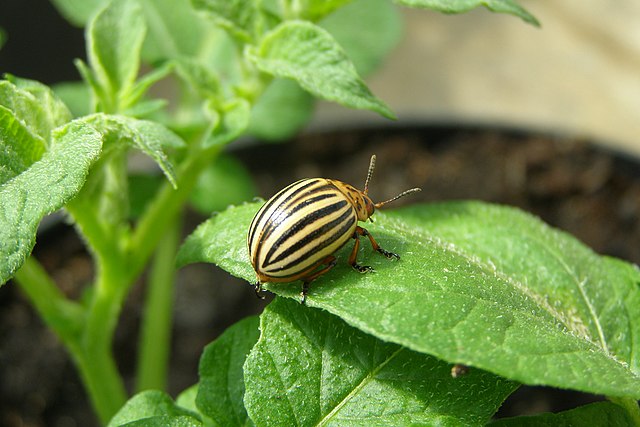
One of the less obvious benefits of mulch is that it creates habitat for beneficial insects. Ground beetles, lacewings, and even predatory spiders often overwinter in mulch layers. These allies wake up in spring ready to patrol your beds and keep pests in check.
I’ve seen ladybugs tucked in under my leaf mulch, waiting for warmer days. It’s such a comfort knowing they’ll be there early next season, helping fight aphids before they get out of control. Mulching, in this way, isn’t just about protecting plants—it’s about building an entire ecosystem that supports natural balance.
Feeding the Soil Naturally

As mulch decomposes, it adds valuable organic matter back into the soil. This improves structure, increases microbial life, and enriches nutrient content. September is ideal for laying mulch because it gives microbes time to start working before the deep freeze of winter.
Forests thrive on this principle—layers of fallen leaves and plant matter feed the soil over centuries. When you mulch, you’re tapping into that same process on a smaller scale. It’s a quiet but powerful way of nourishing your garden from the ground up.
Reducing Weed Pressure in Fall and Spring
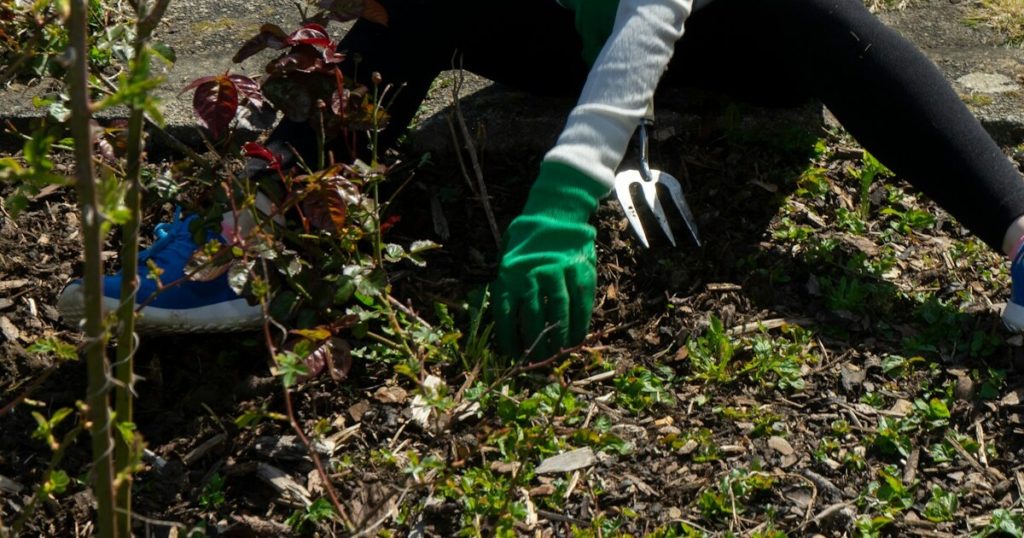
Weeds don’t quit just because the temperatures cool down! Mulch smothers weed seedlings in September, making it harder for them to establish before winter. Come spring, you’ll notice fewer weeds competing with your crops, which is a huge relief during busy planting times.
Weeds are opportunistic, and many of them are native pioneers that thrive in bare soil. By covering the ground, you stop them from germinating in the first place. This means more nutrients and water go to your chosen plants, not unwanted invaders.
Extending the Growing Season
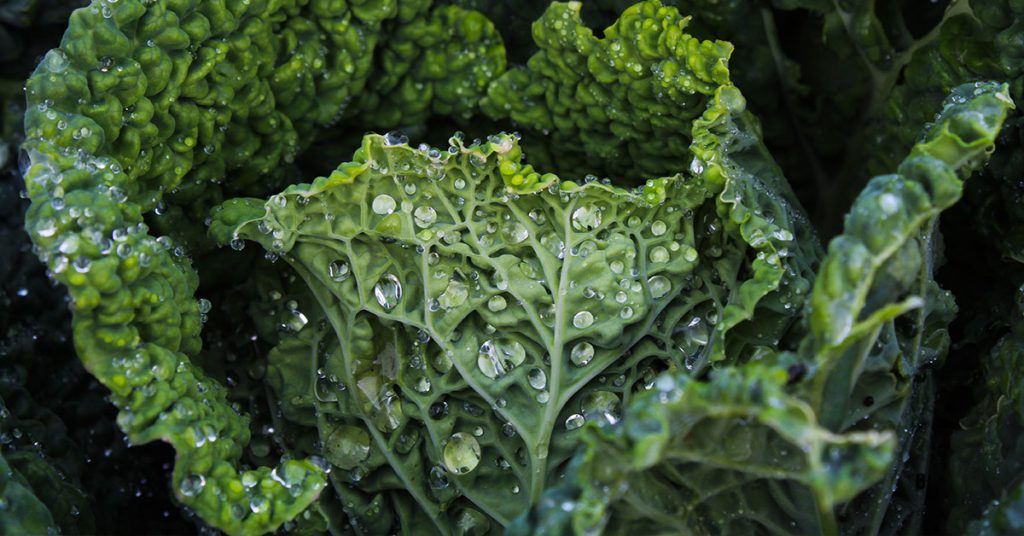
If you’re growing cool-weather crops like carrots, spinach, or kale, mulch can help extend your harvest. By moderating soil temperatures, it keeps roots warmer for longer, preventing frost from wiping out your crops too early.
This technique mirrors what happens in nature, where fallen debris allows hardy plants to survive longer into cold weather. With mulch, you’re giving yourself a chance to enjoy fresh produce well into late fall—sometimes even into early winter with the right conditions.
Protecting Perennials for Winter
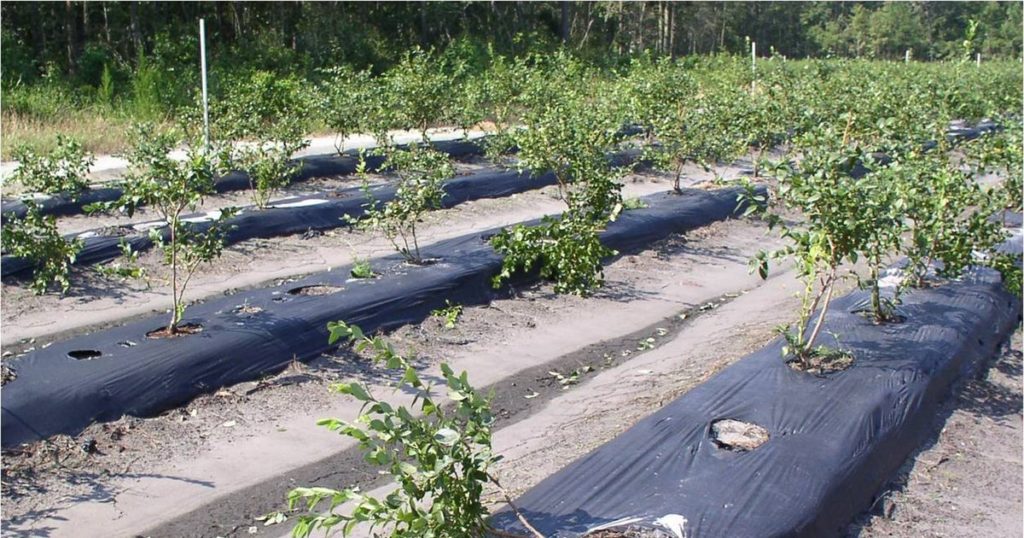
Perennials like peonies, daylilies, and hostas benefit enormously from fall mulching. Covering their root zones with mulch helps them withstand winter’s harsh freezes and prevents frost heaving, which can push roots up out of the soil.
These plants evolved in climates where natural leaf litter protected them, and without that cover, they’re vulnerable in a tidy yard. By mulching in September, you help them enter dormancy safely and ensure stronger growth when they return in spring.
Supporting Soil Microbes

Healthy soil is alive, teeming with fungi, bacteria, and other microscopic organisms that all play a role in supporting your plants. Mulch provides these microbes with food and a protective environment. Without it, bare soil can become compacted and lose much of its living community.
When I pull back mulch in spring, I often find rich, dark earth filled with worm castings and fungal threads—a clear sign of life. Supporting microbes is like giving your plants a secret underground army working to keep them nourished.
Preventing Soil Erosion
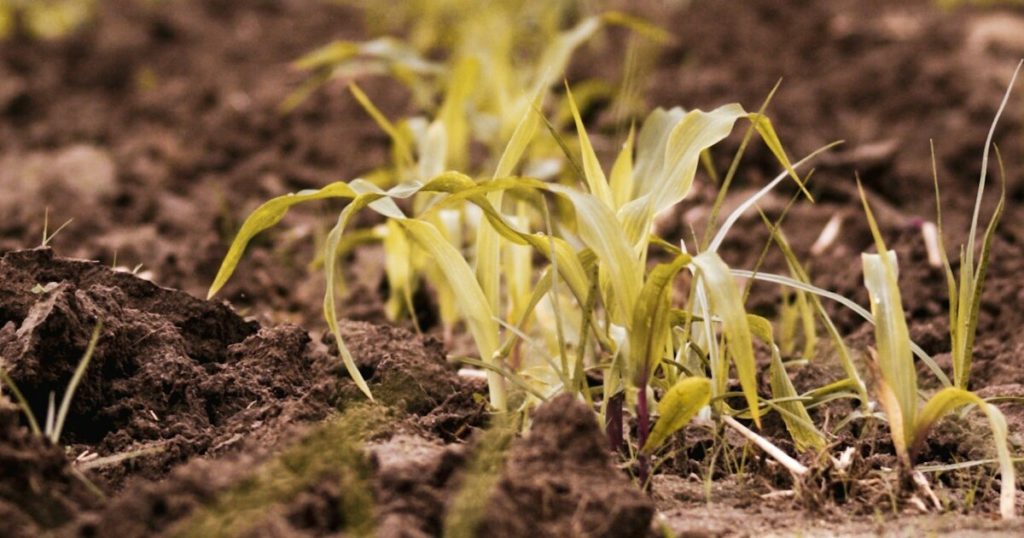
September rains and autumn winds can easily strip soil of its valuable top layer. Mulch provides a protective cover, anchoring soil particles and preventing erosion. This is especially important on sloped areas where soil can wash away quickly.
In their native environments, plants rely on fallen organic matter to hold the earth in place. By mulching, you’re ensuring your garden beds remain intact, with nutrients staying right where your plants can use them. It’s such a simple step with long-term benefits.
Creating a Cleaner Winter Garden
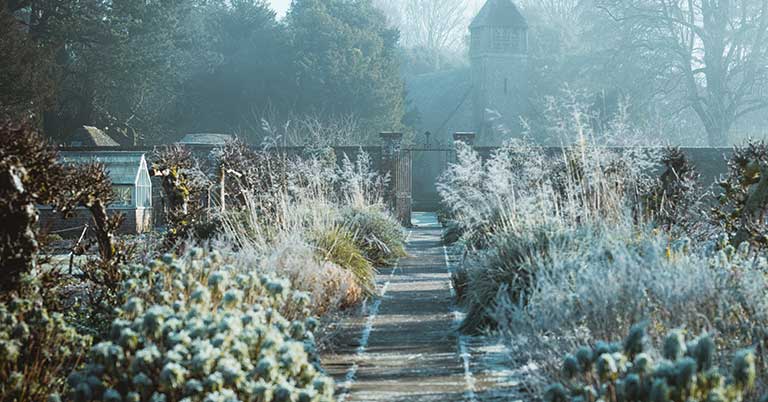
Bare soil often turns muddy and messy once frost sets in, but mulched beds stay tidier and easier to manage. This makes it more pleasant to walk through your garden and keeps your pathways defined.
I appreciate how much easier it is to transition into spring when the garden looks cared for, even in the dead of winter. Mulching provides that sense of order while still serving countless practical functions. It’s a gardener’s way of putting things to bed with love.