

Hormonal Shifts Quietly Rewrite Your Digestion

Menopause bloating is usually caused by hormonal fluctuation, which plays an essential role in maintaining the health of the digestive system. As oestrogen declines, several digestive issues appear that then cause bloating, nausea, and constipation. This isn’t simply inconvenience; it’s a physiological shift happening across your entire gut.
Your digestive system responds to hormonal fluctuations. Both estrogen and progesterone can alter how quickly food moves through your digestive tract, which can cause bloating. Slower transit time means food ferments longer in the gut, producing more gas as a byproduct.
In a UK study of nearly 600 women ages 44 to 73, presented at The Menopause Society’s 2025 meeting, 94% reported digestive symptoms. Bloating led the list at 77%, followed by constipation, stomach pain, and acid reflux. That’s not a minor footnote. It’s a near-universal experience that still gets too little clinical attention.
Your Gut Microbiome Is Going Through Its Own Menopause

In a study of 2,300 adults, researchers publishing in mSystems found that postmenopausal women trended toward lower gut microbiome diversity, with a microbiome more similar to men’s. A review in the International Journal of Women’s Health reached a similar conclusion, while noting that more research is needed.
A less diverse microbiome means less resilience in digestion. Certain beneficial bacteria that help break down complex carbohydrates decline, allowing more gas-producing bacteria to dominate. The result is bloating that feels unpredictable and hard to pin on any single food.
As we age, digestion naturally slows down, meaning food spends longer in the gut and produces more gas. Combined with declining microbial diversity, this creates a gut environment that’s simply more prone to discomfort than it was twenty years ago.
Persistent Bloating Can Be an Early Warning Sign of Ovarian Cancer

In women over 50, persistent or frequent bloating that is new can occasionally be an early sign of ovarian cancer. NICE guidance for doctors says that if a woman has bloating that is persistent or occurs more than around twelve times a month, particularly with a feeling of fullness, loss of appetite, pelvic or tummy pain, or needing to pass urine more often, she should be checked, usually with a blood test called CA125 and sometimes an ultrasound scan.
Target Ovarian Cancer has campaigned on this precisely because awareness is low: their research found that far fewer women would seek an urgent appointment for persistent bloating than for symptoms such as an unexplained lump. That gap in urgency is genuinely dangerous.
Persistent bloating is one of the symptoms of ovarian cancer that NICE asks doctors to take seriously. In most women the cause turns out to be benign, but checking early is the right thing to do, and a simple examination and blood test can be reassuring.
Thyroid Dysfunction Is a Common and Overlooked Culprit

Thyroid hormone helps set the pace of your entire digestive tract. When thyroid function drops, everything slows down, including the muscular contractions that move food and waste through your intestines. Bloating, constipation, and a persistent sense of fullness follow almost inevitably.
People with hypothyroidism show significantly higher levels of small intestinal bacterial overgrowth (SIBO) and key bacterial distinctions than those without the thyroid condition. In the REIMAGINE cohort, SIBO prevalence in hypothyroid patients was more than double that of healthy controls: 33% versus 15%.
Hypothyroidism becomes considerably more common in women after 50, making it one of the most underdiagnosed contributors to chronic bloating in this age group. A simple thyroid panel can rule it in or out, yet many women go years without having one ordered in the context of their digestive complaints.
Small Intestinal Bacterial Overgrowth (SIBO) Rises With Age

SIBO significantly affects and interacts with the hormonal changes during perimenopause and menopause through complex pathways involving gut health, immune function, and systemic inflammation. It’s not a fringe diagnosis. It’s an increasingly recognized contributor to midlife digestive misery.
SIBO occurs when bacteria that normally live in the large intestine migrate and proliferate in the small intestine, where they don’t belong. They ferment food prematurely, producing hydrogen and methane gases that stretch the intestinal wall and cause significant bloating, often within minutes of eating.
A one-week course of rifaximin cleared SIBO in about 70% of hypothyroid patients who tested positive, with significant improvement in bloating and abdominal discomfort. That kind of treatment response underscores how diagnosable and manageable this condition is, once it’s properly identified.
Constipation Is More Consequential Than It Sounds

Constipation is one of the most common causes of bloating in older adults. Contributing factors may include reduced physical activity, inadequate fluid intake, certain medications, low dietary fiber intake, and chronic medical conditions. After 50, these factors tend to compound one another, making the problem cyclical and stubborn.
Seniors may experience constipation due to slower bowel movements or inadequate fiber intake. The accumulation of stool in the intestines can cause bloating and discomfort. The bloating, in turn, can reduce appetite, leading to even less fiber intake, and the cycle continues.
Chronic constipation is rarely just a lifestyle nuisance after a certain age. It can signal motility disorders, pelvic floor dysfunction, or medication side effects that deserve proper evaluation rather than repeated doses of over-the-counter laxatives.
Diverticular Disease Tends to Emerge Right Around This Age
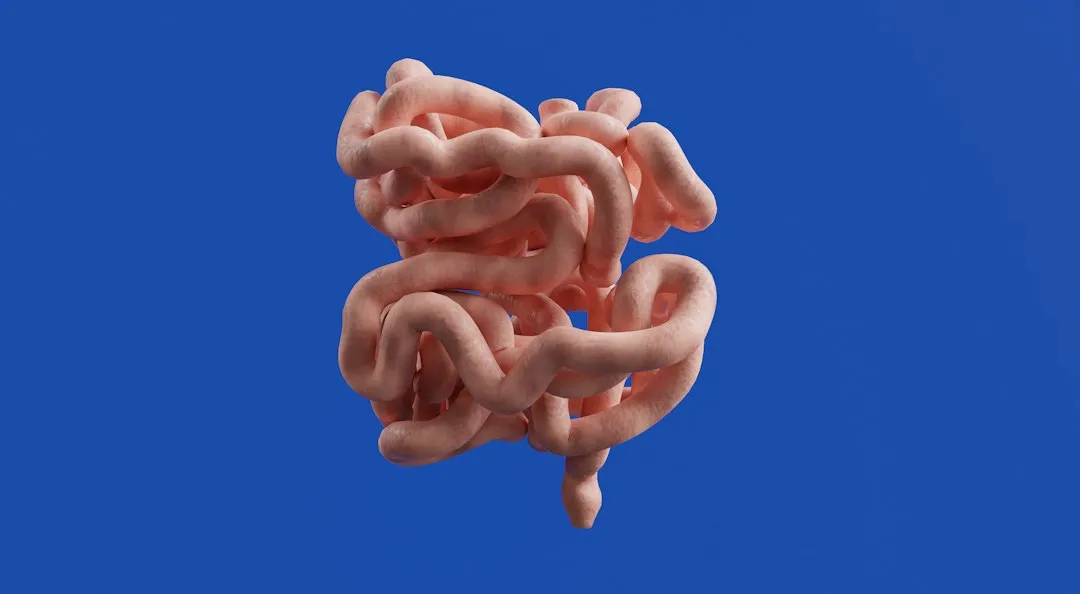
Diverticular disease, otherwise known as diverticulitis, can occur when small out-pouches push through the outer wall of the colon into the colon lining. They are frequently found in the lower intestines and can become worse with age. It can lead to bathroom issues as well as increased gas and bloating.
Small sacs that form in the wall of the colon, known as diverticulosis, are more common with age, affecting roughly half of people above 60, according to WebMD. It is often asymptomatic but can cause gas, bloating, and cramping.
The tricky thing about diverticular disease is that it can mimic general digestive discomfort for a long time before it becomes more acute. Inflammation or infection of these pouches, called diverticulitis, can escalate quickly and may require medical intervention, including antibiotics or, in some cases, surgery.
Certain Medications Accumulate Their Damage Over Decades

Throughout your life, you may have taken a large number of NSAIDs, either over the counter or by prescription. These are commonly used because they have few side effects. Unfortunately, over time, they can begin to cause damage to your upper digestive tract. By the time you reach your fifties, you may begin to feel the side effects of these medications, such as a higher risk of ulcers, increased stomach acid, bloating, and digestive issues.
Medication side effects are a real factor: some drugs used to treat conditions such as blood pressure, reflux, and pain can affect gut motility and bacteria. This is especially relevant for women over 50 who are often managing multiple health conditions simultaneously and taking several medications at once.
Ascites and Unexplained Weight Loss Are Red Flags, Not Footnotes

Ascites is an abnormal buildup of fluid in the abdomen or pelvis and it can cause bloating, weight gain, and a rapidly expanding waistline. Ascites is usually caused by liver disease, but roughly one in ten times cancer is the culprit. A large amount of ascites can make you look and feel like you’re several months pregnant.
Weight loss is one of the main warning signs for serious bloating. If you find yourself losing more than a few pounds without changing your diet or starting a new exercise regimen, that should be cause for concern, especially if it’s around ten percent or more of your body weight.
You should see a doctor soon if you have unexplained weight loss, rectal bleeding, black stools, or a change in bowel habit that lasts more than about six weeks. A strong family history of ovarian or bowel cancer is also a reason to act quickly. Persistent tiredness or pallor may point to anaemia, which itself warrants investigation.
Bloating Paired With Jaundice, Pelvic Pain, or Urinary Changes Needs Urgent Attention

The combination of bloating and jaundice, which turns the eyes and skin yellow, can be a sign of cancer that’s spread to the liver, although it can also occur with more benign forms of liver disease like hepatitis. Neither possibility is something to wait out at home.
Bloating that comes with pelvic or abdominal pain, feeling full quickly, loss of appetite, or needing to pass urine more often should prompt a doctor’s visit. These symptoms taken together form a recognizable pattern that clinicians are now trained to treat as a potential ovarian cancer signal.
Severe abdominal pain and bloating that occur suddenly, especially if accompanied by nausea and vomiting, may be a sign of a bowel obstruction from scar tissue or a tumor pressing on the bowel. Immediate medical attention is necessary to avoid complications like bowel perforation, which can be fatal.
The Takeaway
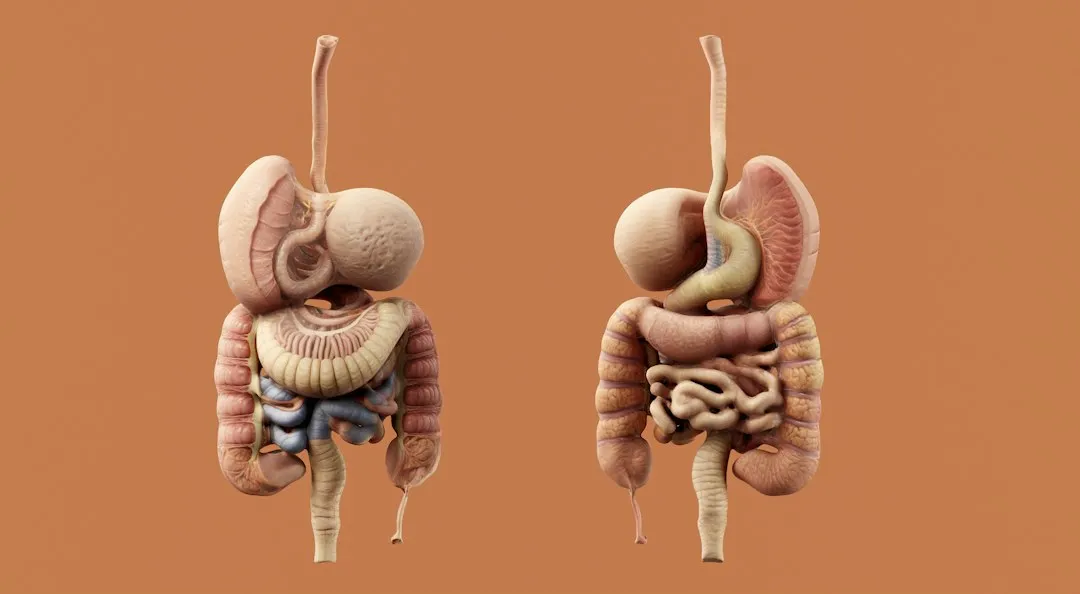
Bloating after 50 is common, genuinely common, but common and dismissible are not the same thing. Persistent bloating isn’t a normal part of aging. Ongoing digestive issues as we age often stem from constipation, food intolerances, medication side effects, gastrointestinal conditions, or natural changes in gut function over time. Each of those causes is worth identifying.
You should always discuss problems with bloating and gas with your doctor if they come on suddenly, are extreme or very painful, result in weight loss, cause severe diarrhea or constipation, or lead to a disruption in your life. That guidance isn’t overcautious. It’s just sensible medicine.
The body rarely shouts. It tends to speak in signals that are easy to rationalize away, especially when you’ve been told for years that certain discomforts just come with age. Bloating that persists, worsens, or arrives alongside new symptoms is worth one conversation with a doctor. That conversation costs very little. Missing it can cost a great deal more.
AI Disclaimer: This article was created with the assistance of AI tools and reviewed by a human editor.