
Most dog owners focus a lot on feeding schedules, exercise, and training. Nighttime, though, is where some of the most consequential habits quietly take shape. What you do in the hour before lights-out can affect your dog far more than you might expect.
The research is growing and, in some cases, genuinely surprising. Dogs are not just passive passengers in your evening routine. They read it, react to it, and carry its effects into the next day. Here are ten bedtime habits worth reconsidering.
1. Keeping an Erratic Bedtime Schedule
If your dog seems restless, irritable, or unusually clingy, the problem might not be training or temperament. According to veterinarians, inconsistent or overstimulating bedtime routines are a common but overlooked source of stress for dogs.
Dogs are creatures of habit. They thrive on consistency, so erratic bedtime habits can become a genuine stressor. Going to bed at different times or changing pre-bed activities can leave dogs unsettled, and an inconsistent bedtime can make them feel uncertain about their meal or walk schedule as well.
Dogs thrive on routine. An inconsistent sleep and wake schedule can lead to poor sleep for your dog, who simply won’t know when it’s time to wind down or perk up.
2. Playing Rough or Exciting Games Right Before Bed
Overstimulation before bed is a frequent and underappreciated issue for dogs. Ideally, dogs should be kept calm prior to bedtime, with owners avoiding excessive play and high-energy walks in the final stretch of the evening.
A calming evening ritual provides the gentle wind-down dogs need. A consistent night routine creates predictability that builds trust, reduces overstimulation, and fosters long-term emotional balance.
3. Feeding Your Dog Too Late at Night
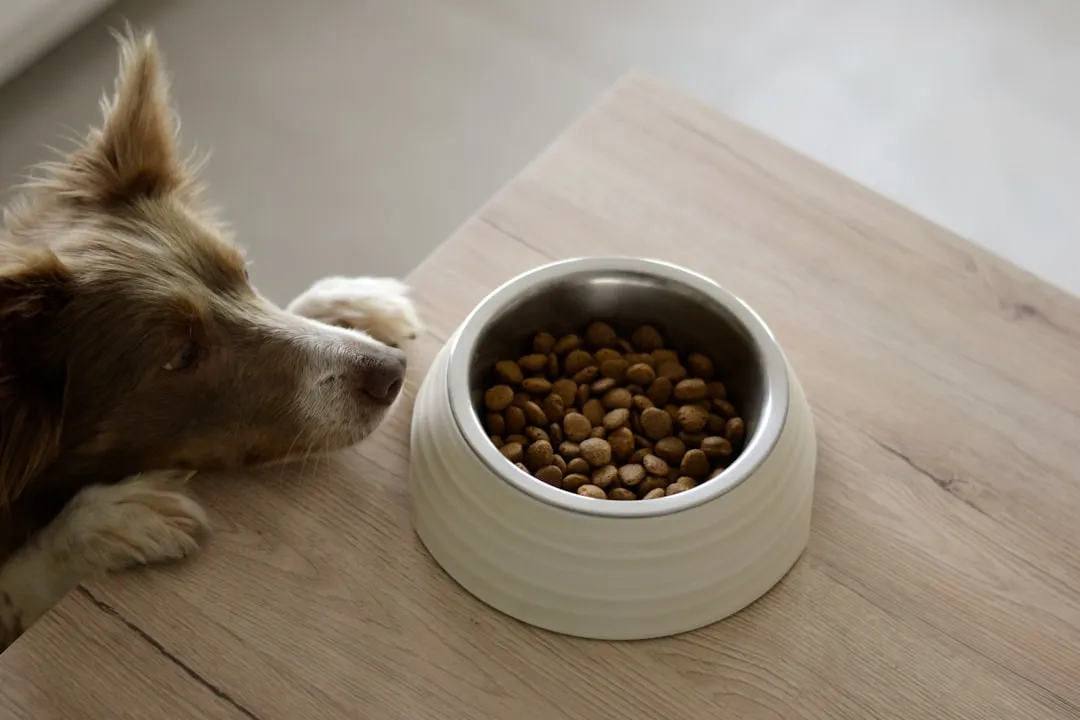
Feeding a dog too late at night, typically past 7 or 8 PM, can disrupt their digestion and sleep, leading to accidents or restlessness. Feeding time plays a crucial role in your dog’s overall health, mood, and behavior.
Feeding your dog late in the evening can lead to nighttime bathroom needs, disrupting both their sleep and yours. Avoiding late-night meals can help ensure uninterrupted rest for everyone.
Research has shown that feeding times and frequency of feeding had a significant impact on dogs’ sleep. Shifting from a single daily feed to being fed twice daily resulted in an earlier onset of sleeping bouts at night, a shorter latency to sleep, and affected the number of sleep bouts during the day.
4. Letting Your Dog Sleep in Your Bed (When It Disrupts Their Rest)
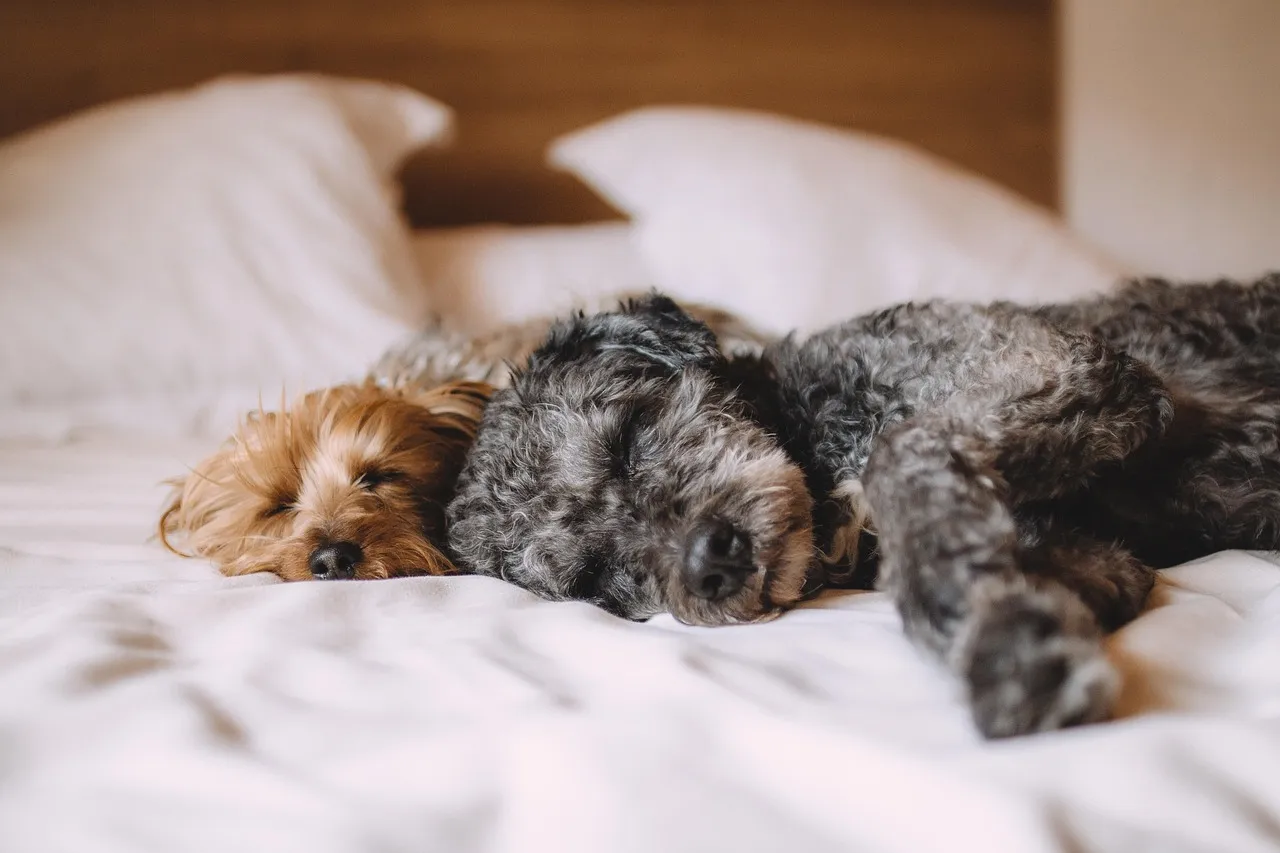
A 2025 polysomnography study published in Animals provided the first evidence that dogs manifest different sleep patterns when sleeping in the presence versus in the absence of their owners. Sleeping together with the owner resulted in dogs’ shortened sleep onset time, increased sleep efficiency, and more time spent in deep sleep.
Research has found associations between human and dog movement over sleep periods, and that dogs influenced human movement more than humans influenced dog movement. Humans were largely unaware of their dog’s nighttime movements, and rarely reported that their dog had actually awakened them.
A 2024 research paper in Scientific Reports found that sleeping with your dog in the same room could be negatively affecting your sleep quality. Participants who co-slept with pets had poorer sleep quality and more insomnia symptoms, findings that persisted even after accounting for demographic differences. Notably, a negative effect on sleep was found specifically with dogs, but not with cats.
5. Leaving Bright Lights On in Your Dog’s Sleep Space
Darkness offers a more natural, calming environment that helps regulate your dog’s internal clock and promotes better sleep. Too much light can interfere with melatonin production and lead to restlessness or disrupted sleep cycles.
If your dog startles easily or seems unsettled in total darkness, a soft, warm-toned nightlight placed away from their sleep area can offer subtle reassurance without being overstimulating. Overhead or harsh lighting should be avoided, as it can keep your dog alert when they should be winding down.
6. Skipping the Pre-Bed Bathroom Break

The final meal should ideally come at least three hours before bedtime. Creating a predictable routine that includes bathroom breaks before sleep is one of the most straightforward steps owners can take.
A dog’s bladder, especially in younger dogs, cannot hold for as long as owners often assume. If they go to sleep on a full stomach and bladder, it won’t be long before they’re restless and awake. Veterinary guidance suggests not feeding in the three hours before bedtime and limiting water in the final hour.
7. Ignoring the Signs of Sleep Deprivation
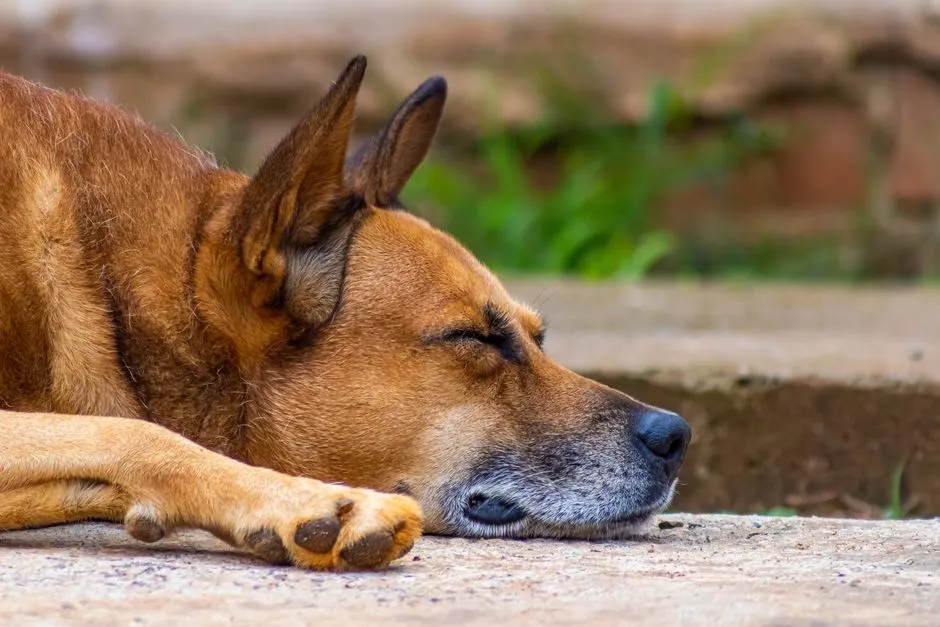
Dogs need more sleep than many owners realize, usually around 12 to 14 hours a day for adult dogs and 18 to 20 hours for puppies and seniors. Poor sleep doesn’t always look like fatigue. It often shows up as irritability, increased reactivity, difficulty settling, pacing, clinginess, or suddenly worsening anxiety behaviors.
Yawning, irritability, clumsiness, and slower reactions are among the most common signs of sleep deprivation in dogs. They may also struggle to focus during training or play and seem less interested in activities they normally enjoy.
Overtired dogs may become irritable, hyperactive, anxious, or less responsive to training, and sleep deprivation can also weaken the immune system over time. Just like people, consistently missing out on rest can lead to increased stress and difficulty regulating emotions.
8. Allowing Separation Anxiety to Go Unaddressed at Night
Loud noises such as fireworks or thunderstorms are a common trigger for nighttime anxiety in dogs. Separation from sleeping in a different area of the house can also affect a dog’s sleep. Senior dogs can even experience nighttime separation anxiety when near their owner, potentially viewing sleep itself as a form of isolation.
Insomnia in dogs usually has an underlying behavioral or medical cause. Common causes include canine cognitive dysfunction, anxiety, stress, pain, and excessive itchiness. Dogs with insomnia will often pace, whine, bark, or act confused at night.
9. Ignoring How Daytime Exercise Shapes Nighttime Sleep

Excess energy is one of the key disruptors of canine sleep. Dogs generally require 30 to 60 minutes of intense activity each day to maintain healthy sleep patterns.
Sleep-deprived dogs may act restless, pacing non-stop, barking excessively, or chewing on things they shouldn’t. Tired dogs often act much like under-exercised dogs dealing with pent-up energy. It resembles a toddler who missed their nap, getting into mischief when what they really need is rest.
10. Assuming Your Dog’s Sleep Looks After Itself
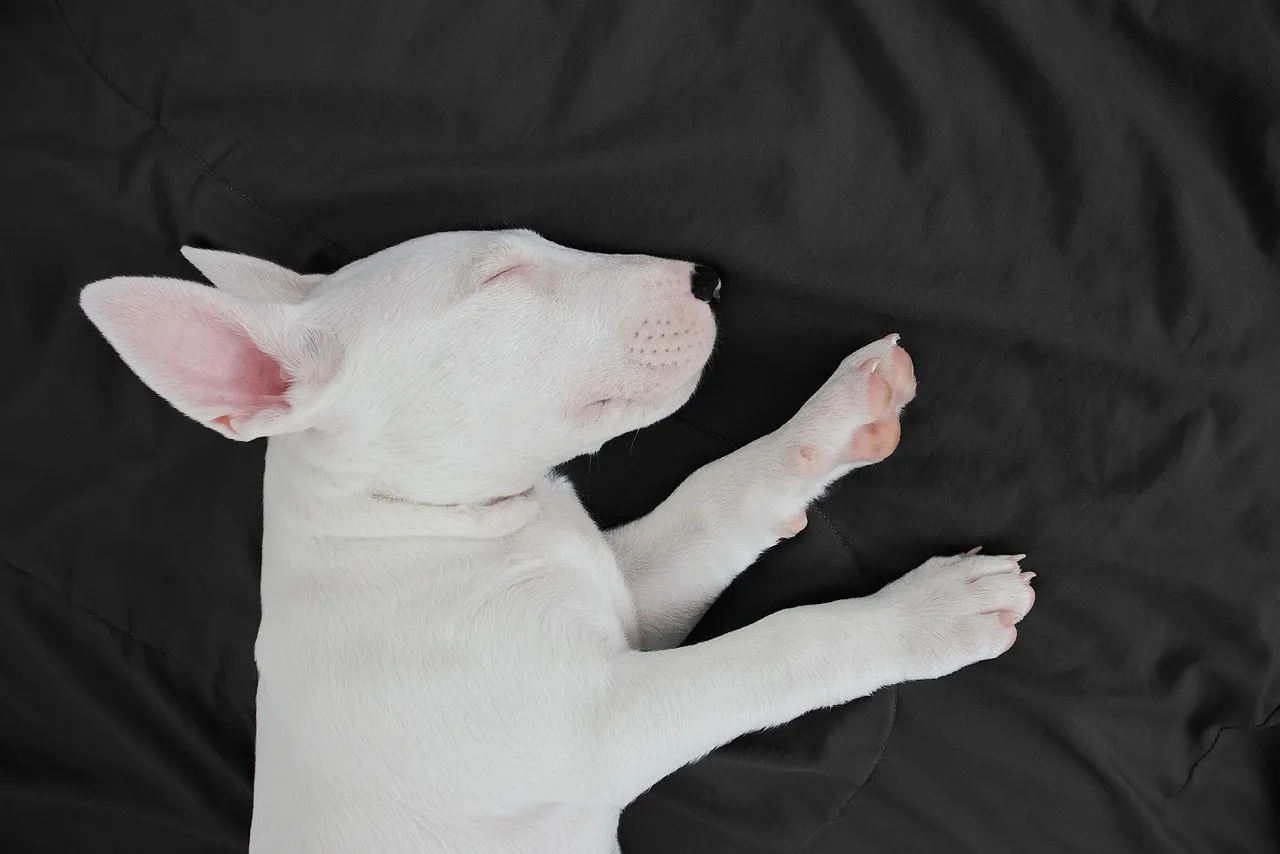
Sleep loss in dogs affects activity patterns, increases anxiety-like behaviors, decreases cognitive performance, and is associated with depressive states. Despite this, relatively little attention has been given to the effects of sleep loss on canine behavior compared to other aspects of their care.
A lack of sleep can cause irritability, anxiety, and difficulty focusing in dogs. A sleep-deprived dog may become easily frustrated or reluctant to engage in activities they normally enjoy. In severe cases, chronic sleep deprivation can even lead to behavioral changes such as aggression.
The good news is that improving your dog’s sleep routine doesn’t require a complete overhaul. Simple changes to daily routines, activity levels, and sleep environments can make a meaningful difference.
What This All Comes Down To

Your dog is paying far more attention to your evening habits than you probably realize. The erratic schedule, the late dinner, the rough play before lights-out – these aren’t small things from your dog’s perspective. They ripple into behavior, mood, and health the following day.
Consistency and calm aren’t just good for a tidy household. For dogs, they’re genuinely restorative. A quieter, more predictable bedtime routine costs almost nothing to establish, and the difference it makes for your dog’s quality of rest can be substantial. That might be the simplest thing worth changing tonight.
AI Disclaimer: This article was created with the assistance of AI tools and reviewed by a human editor.