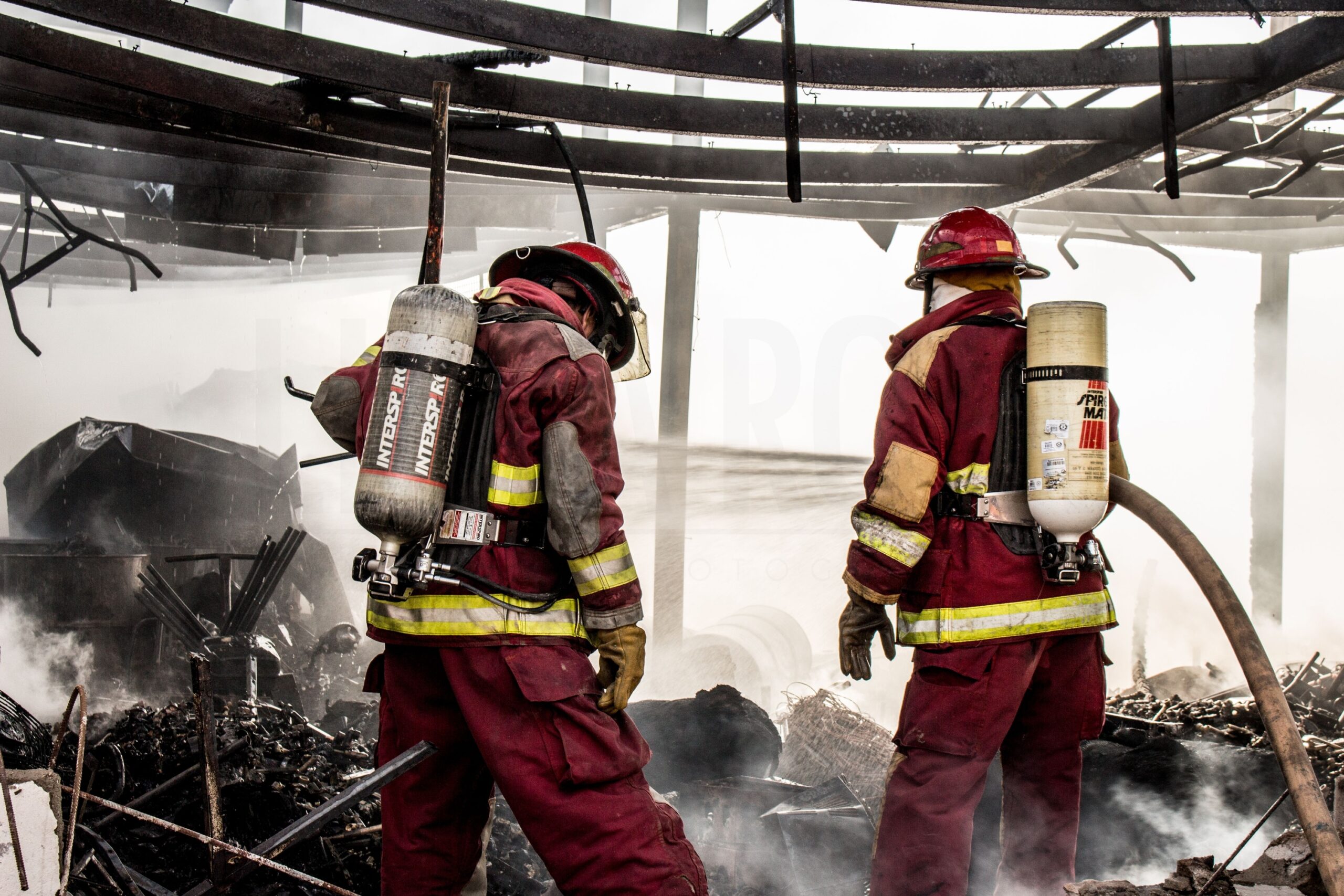

The Core Problem: Thermal Runaway Nobody Sees Coming
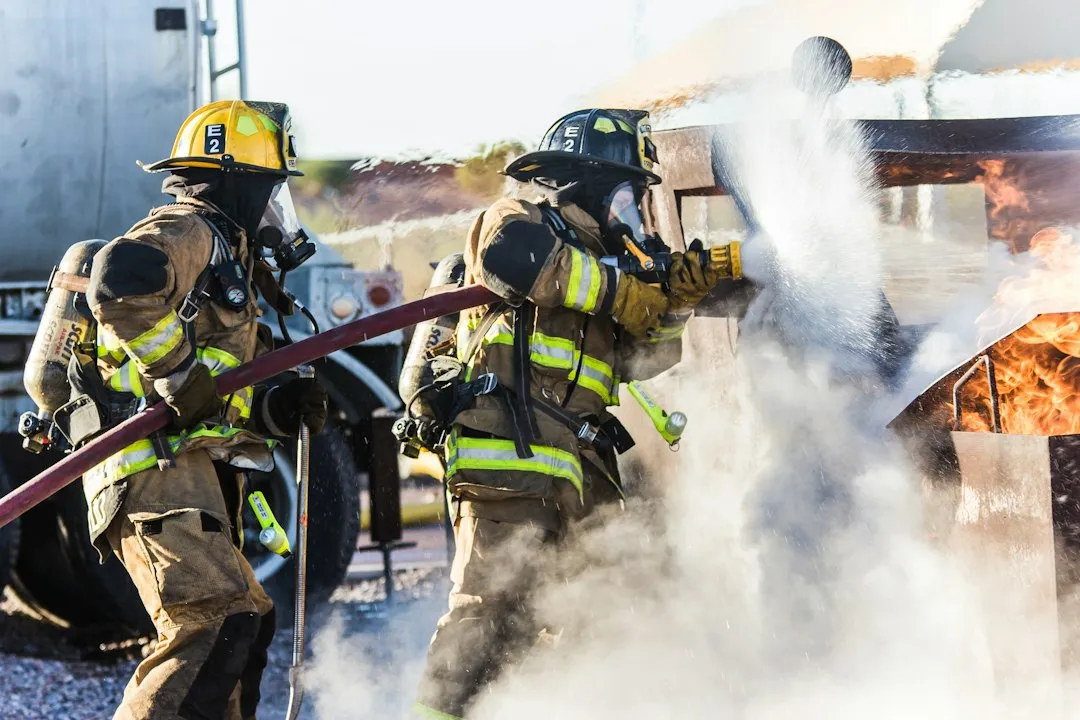
Most fires in battery energy storage systems start with thermal runaway, a process where an overheated battery cell sets off a chain reaction that overheats neighboring cells. During normal operation, a battery’s lithium-ion cells generate a small amount of heat that usually safely dissipates. However, if a battery is overcharged, short circuits, is defective, or sustains mechanical damage, that heat may not dissipate and the temperature inside the cells can rise uncontrollably beyond operational limits.
The triggers for thermal runaway can include manufacturing defects, electrical malfunctions, inadequate cooling systems, or physical damage. Once this chain reaction begins, it creates a volatile situation that presents serious challenges for firefighting efforts. The problem is compounded by the fact that the process can start deep inside a sealed pack, invisible to anyone standing in the room.
Wrong Placement Inside the Home
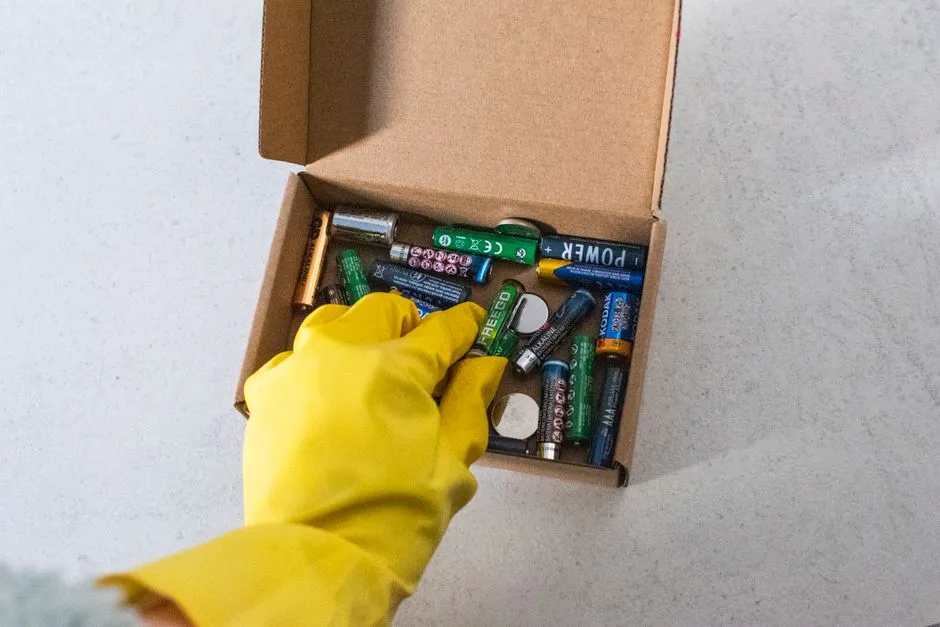
The placement of a battery system matters enormously. According to NFPA 855, the standard for the installation of stationary energy storage systems, batteries should not be installed in living areas like bedrooms. Recommended locations include attached or detached garages, utility closets, or outdoors.
Improper installation of battery energy storage systems can create serious fire hazards. If a system is not installed properly, it can lead to incorrect wiring, overloading of circuits, or improper ventilation, all of which can cause overheating and thermal runaway. If the storage system is not installed in a location with appropriate fire protection measures, a fire can spread quickly and cause significant damage.
Ignoring Ventilation Requirements

Batteries naturally generate heat during charging and discharging cycles. Without sufficient airflow, that heat becomes trapped, raising the battery’s internal temperature. Elevated temperatures accelerate battery degradation and dramatically increase the risk of thermal runaway. Installers must respect the manufacturer’s clearance requirements, ensuring adequate space around all sides of the battery for natural convection to dissipate heat.
One of the recurring factors in documented BESS fire incidents is the absence of safe ventilation, which allows flammable gas to build up. Industry best practices recommend mechanical ventilation of not less than one cubic foot per minute to reduce the potential for excessive heat that can lead to thermal runaway. That’s a technical detail many homeowners installing systems themselves simply miss.
Undersized Wiring and Incorrect Cable Sizing
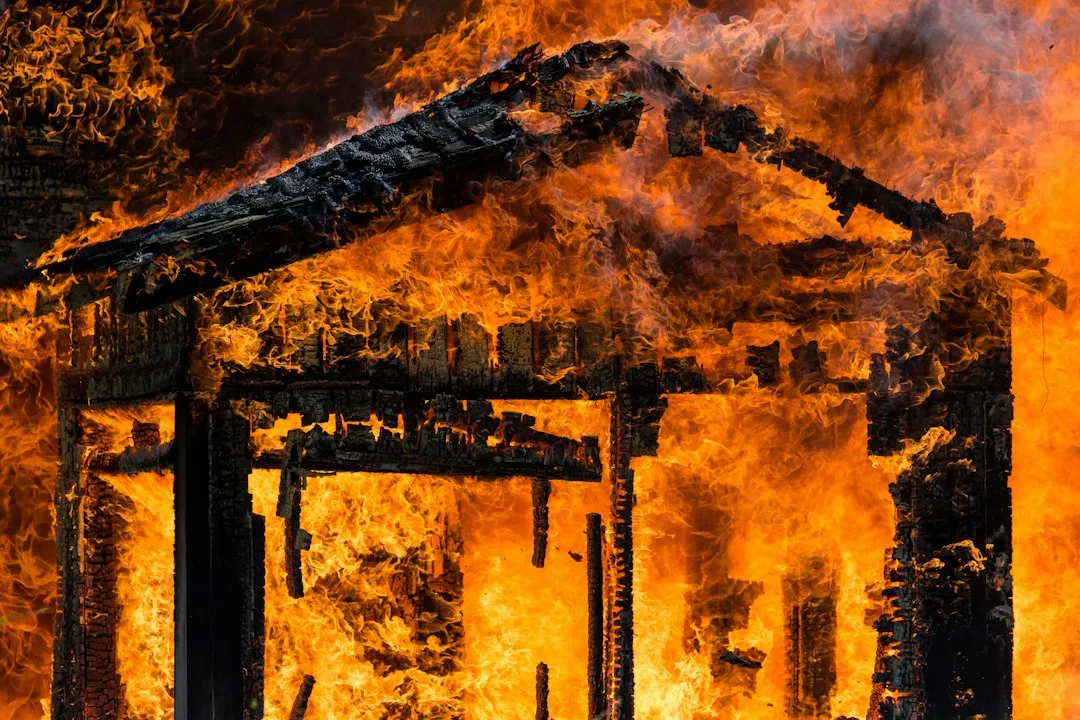
One of the most frequent and dangerous errors is using wires that are too small for the electrical current they need to carry. Undersized cables overheat under load, which can melt the wire’s insulation and create a short circuit, a direct cause of fires. Cables should always be selected with a gauge rated to handle the maximum continuous current of the system, factoring in a safety margin.
Incorrect practices can result in mechanical damage to components and cells, faulty wiring, and improper ventilation, leading to overheating of the system and abuse of the cells within the system. This is the kind of mistake that doesn’t show up immediately. A system can run for months before the wiring degrades enough to cause a problem, which is part of what makes it so dangerous.
Overcharging: A Slow and Silent Risk
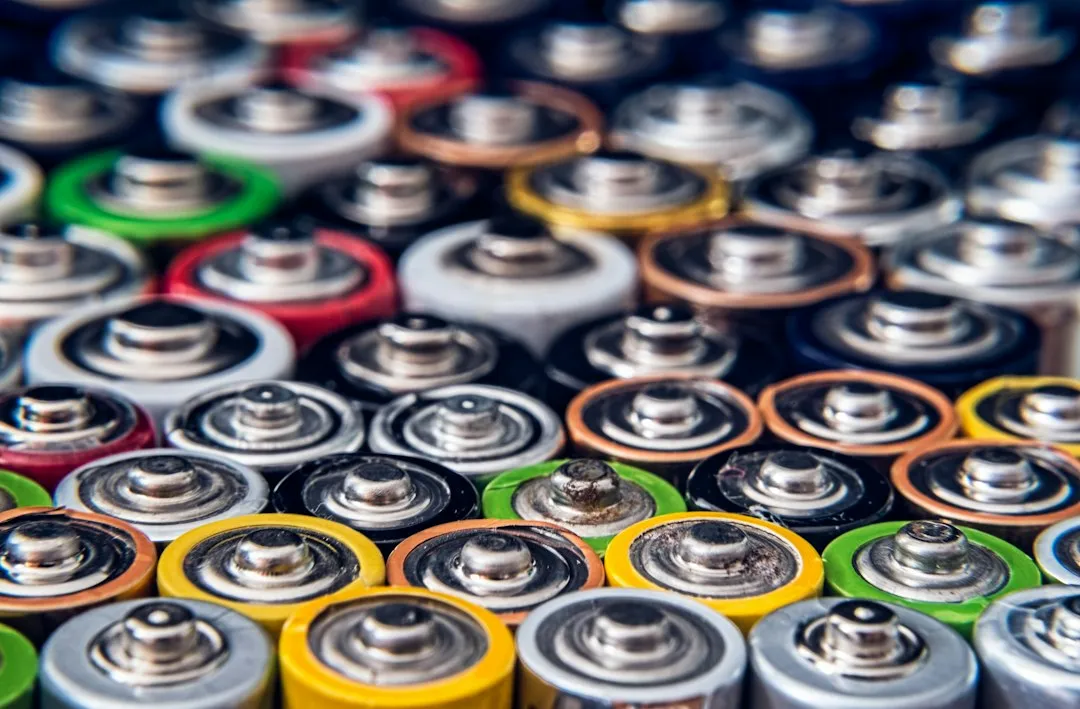
Failures in the battery management system can lead to inadequate monitoring, overcharging, or overdischarging of cells, increasing the risk of fire or cell thermal runaway due to lack of temperature, charging, and discharging control. Although severe overcharge will lead to cell thermal runaway quickly, repeated slight overcharge of a cell may not cause a failure for an extended timeframe, but can eventually result in thermal runaway.
A battery management system is a critical component that monitors and controls the charging and discharging of the batteries. It can help to prevent overcharging and over-discharging, which can lead to thermal runaway. Systems that lack a functioning BMS, or have one that’s been misconfigured, present a much higher risk than most owners realize.
Poor Installation Timing: The First Six Months Are Critical
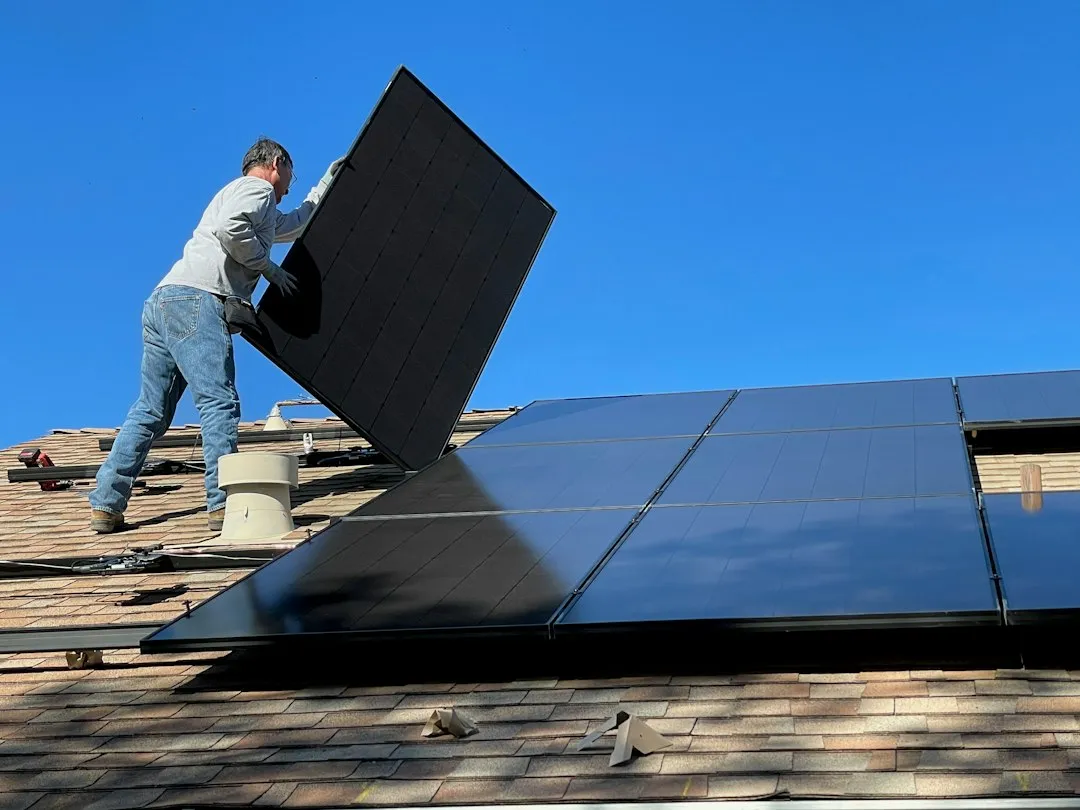
An analysis published by the Clean Power Association in March 2025 found that among 35 large-scale BESS fires recorded in the United States between 2012 and 2024, roughly half of the cases for which the system’s operational age was known occurred within six months of commissioning. That points directly to installation quality and early-stage integration failures as a primary risk factor.
Additionally, nearly seven out of ten incidents occurred during operation, with causes more often traced to system integration, installation, or assembly issues rather than the battery chemistry itself. The takeaway is straightforward: how a system is installed matters as much as what it’s made of.
Why Water Doesn’t Always Work
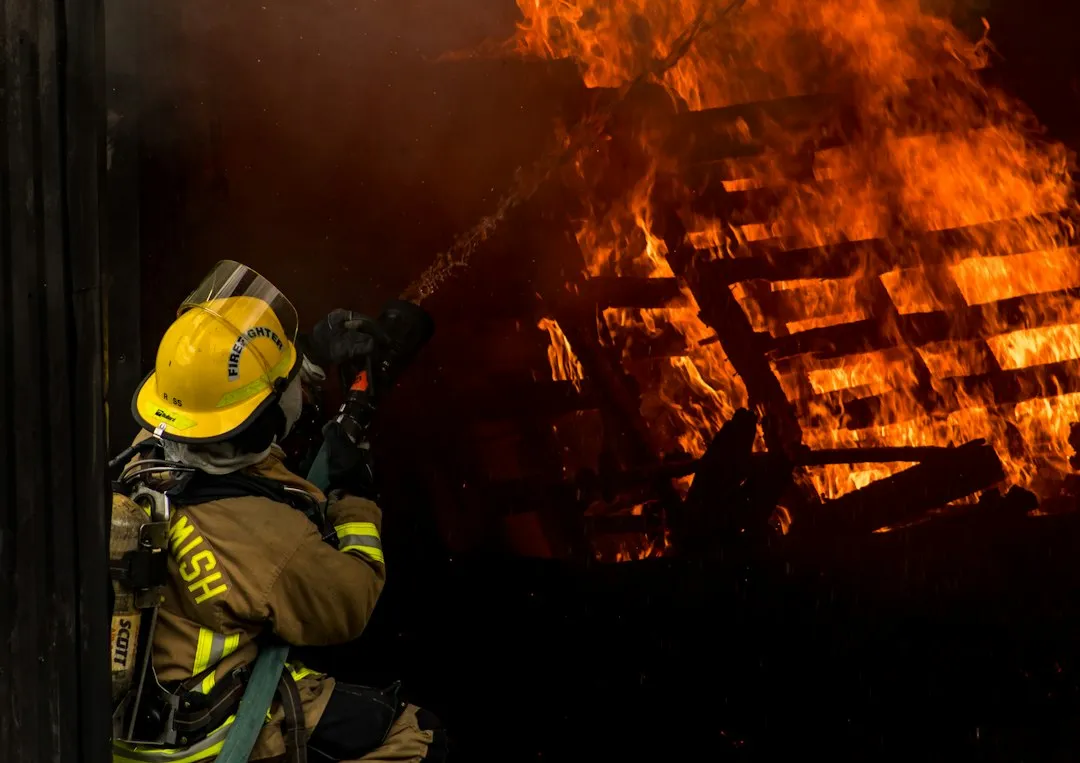
Water cools, but it does not reach the reaction driving runaway deep inside a sealed pack, and lithium-ion fires reignite from energy still trapped in the cells. When firefighters respond to lithium-ion battery incidents, they should consider rapid fire growth, explosion hazards, and the potential for unburned battery gas in a ventilation-limited fire to increase the flammability of smoke, which can increase the risk of backdraft.
Thermal runaway, toxic off-gassing, stranded energy, and re-ignition risk can keep damaged systems hazardous long after flames subside. Firefighters are advised to avoid opening containers or panels and to prioritize exposure protection, real-time monitoring, and operator-guided decisions. Those are hard instincts to override in the heat of a call, which is exactly why pre-planning matters so much.
Toxic Gas: The Danger Hiding in the Smoke

Lithium-ion cells can release significant quantities of hydrogen fluoride per watt-hour of capacity in a fire, according to research published in Scientific Reports. Toxic gases like hydrogen fluoride and carbon monoxide endanger workers and responders. These gases don’t always smell strongly, and by the time crews are aware of them, exposure may already have occurred.
The explosion risk usually arrives after the fire, not with it, and that timing is what catches experienced crews off guard. When cells vent, the flammable gas does not always ignite immediately. Hydrogen fluoride can be present below the level you can smell, making full respiratory protection essential for anyone working downwind.
What Real Incidents Tell Us
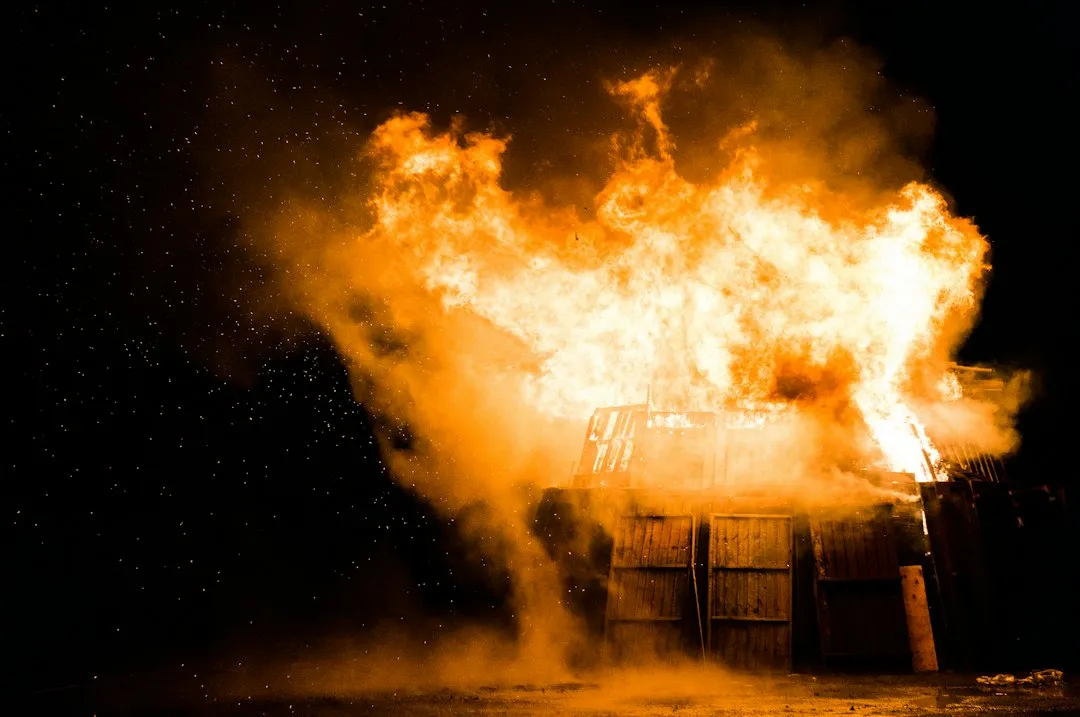
On May 15, 2024, the Gateway Energy Storage Facility in San Diego, California, experienced a BESS fire with continued flare-ups for seven days following the fire. The facility held about 15,000 nickel manganese cobalt lithium-ion batteries. The fire burned for five days due to continuous reignition from the batteries.
On January 16, 2025, the 300-MW Moss Landing battery system, holding roughly 100,000 lithium-ion batteries, caught fire, prompting evacuations. The EPA issued a federal response notice on January 22 and oversaw battery removal, with the facility reigniting on February 18. About 55% of the batteries were damaged, and roughly 1,200 nearby residents were placed under evacuation orders for more than 24 hours.
How the Standards Are Responding
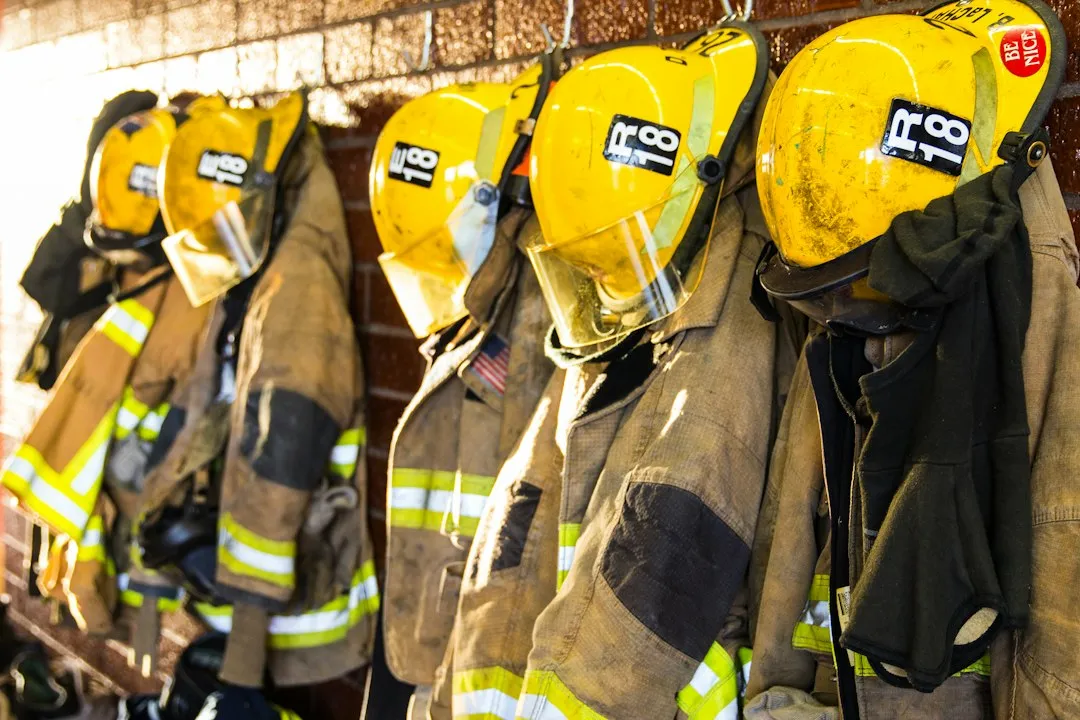
Standards like NFPA 855 and state-specific fire codes are actively evolving to address these risks. Despite some high-profile incidents, improvements in BESS quality and design have led to a decrease in the number of failure incidents per gigawatt hour deployed. In recent years, first responder and industry associations have developed guidance to help communities identify focus areas when planning a BESS installation, including how to work with local responders to improve incident preparedness.
The International Association of Fire Fighters, in partnership with UL Solutions and the Underwriters Laboratory’s Fire Safety Research Institute, released guidance on considerations for fire service response to residential battery energy storage system incidents. The report was based on four large-scale tests sponsored by the U.S. Department of Energy. That kind of real-world testing is starting to reshape how departments train and respond.
The Actual Fire Risk in Perspective
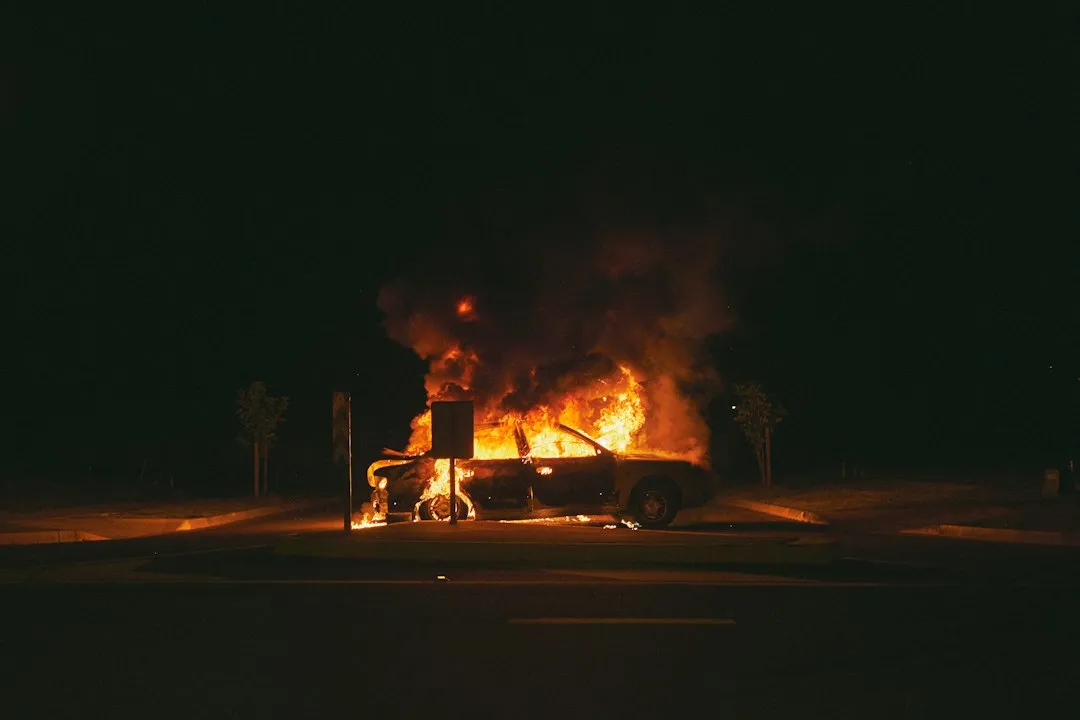
The probability of a home storage system fire is very low, at around 0.005 percent, and is 50 times lower than for a general house fire. All home appliances have a generally low probability of catching fire, which is also true for home battery storage systems. Only roughly 0.3% of battery storage projects experienced a failure that led to a fire with potential safety concerns in 2024, according to EPRI data.
Since 2020, BESS failure incidents have decreased, though some recent fires have gained significant attention in the media. The broader picture is one of a maturing technology, with a falling rate of serious incidents even as total deployments have surged. The risk isn’t high in absolute terms, but the consequences when things do go wrong make the preventable mistakes all the more worth avoiding.
Final Thoughts
AI Disclaimer: This article was created with the assistance of AI tools and reviewed by a human editor.