
The Power Grid Is Less Reliable Than Most People Think
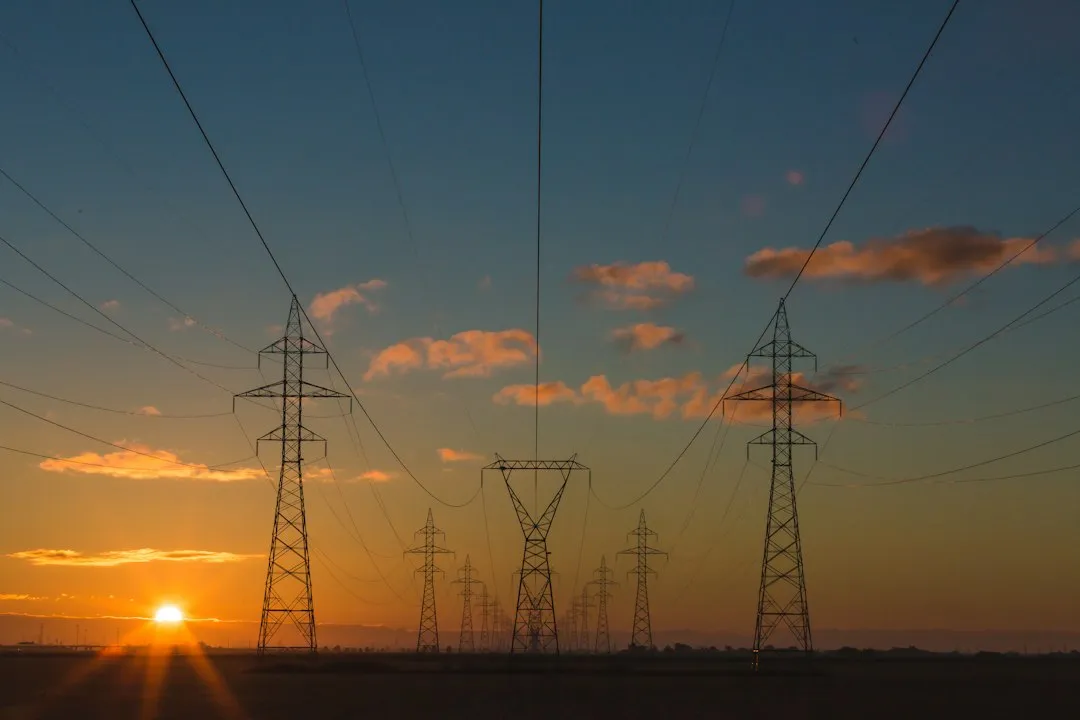
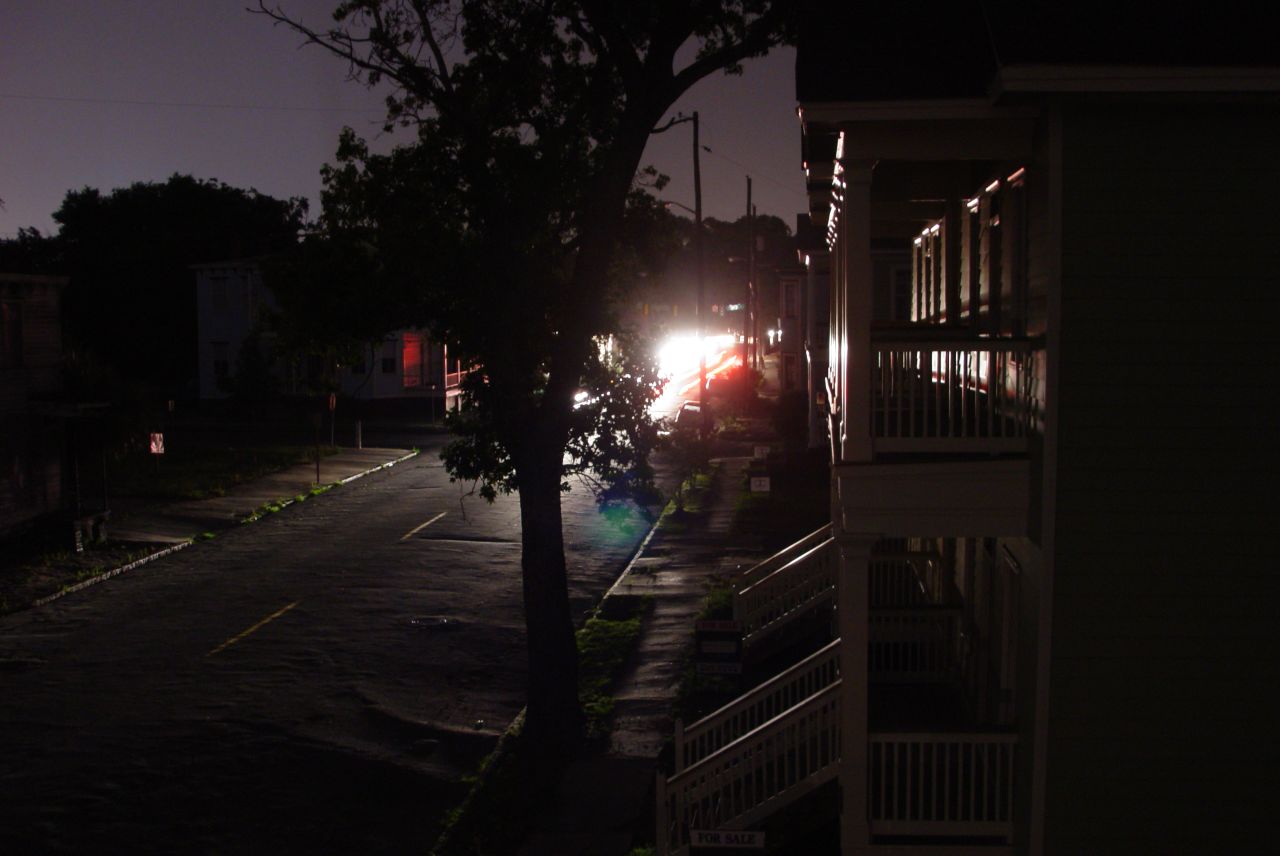
Americans lost more electricity access in 2024 than in any year in the past decade. U.S. electricity customers experienced an average of 11 hours of electricity interruptions in 2024, nearly twice as many as the annual average experienced in the decade before. That number only tells part of the story.
Hurricanes Beryl, Helene, and Milton alone drove roughly eighty percent of all 2024 outage hours. These weren’t scattered, minor inconveniences. In July, Hurricane Beryl left 2.6 million customers without power in Texas. In September, Hurricane Helene left 5.9 million customers without power across 10 states.
The trend isn’t reversing either. Of the 865 reports utilities filed with the Department of Energy from 2015 to 2025 for outages affecting more than 50,000 customers, 841 (97%) gave weather or natural disaster as the cause. When weather hits hard, the grid tends to follow.
Why Your Smartphone Isn’t Enough in a Real Emergency
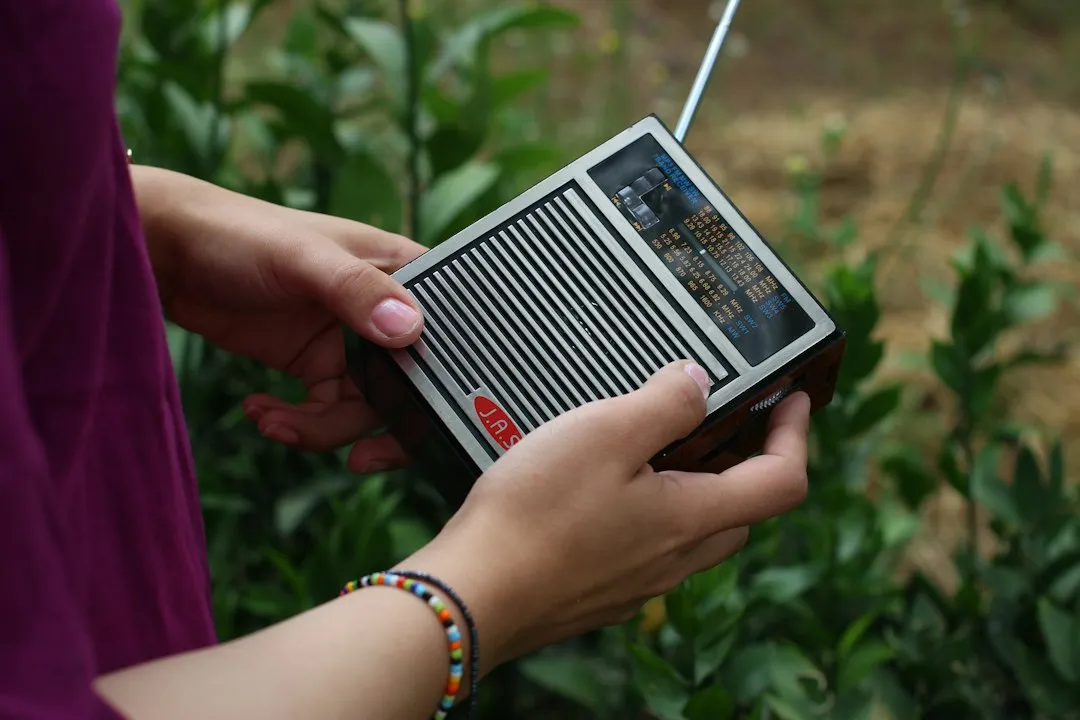
Smartphones are powerful tools, but they rely on cellular towers, internet connectivity, power availability, and application stability. NOAA Weather Radio operates independently of commercial networks. That independence is the entire point.
A smartphone is useful, but its battery won’t last longer than a day. During a multi-day outage with no way to recharge, that timeline shrinks fast. If there’s no power for multiple days or your cell service is compromised, an emergency radio can keep you abreast of important weather updates and evacuation plans.
Cell towers also get physically damaged during major storms. Even if your phone has battery left, there may simply be no signal. A battery-powered radio doesn’t depend on any tower but the one already broadcasting from a federal weather station.
The NOAA Weather Radio Network and What It Actually Does
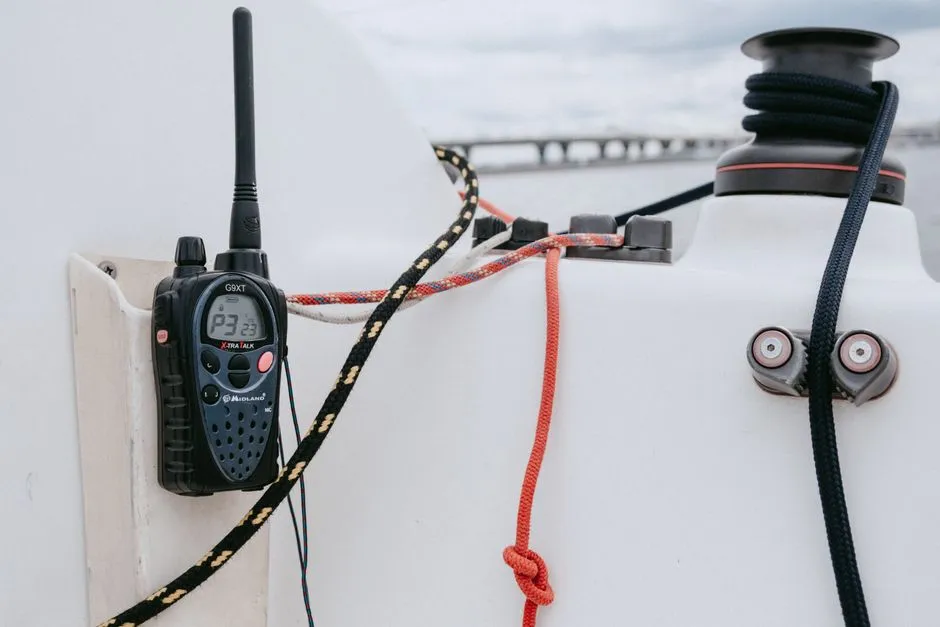
Known as the “Voice of the National Weather Service,” NOAA Weather Radio All Hazards is a nationwide network of radio stations broadcasting continuous weather information directly from the nearest National Weather Service office. It runs every hour of every day, regardless of conditions.
NOAA Weather Radio broadcasts official warnings, watches, forecasts, and other hazard information 24 hours a day, 7 days a week, even in the event of a power outage. In conjunction with federal, state, and local emergency managers, NOAA Weather Radio also broadcasts warning and post-event information for all types of hazards, including natural, environmental, and public safety.
There are more than 480 NOAA Weather Radio stations across the 50 states and near adjacent coastal waters, Puerto Rico, the U.S. Virgin Islands, and U.S. Pacific Territories. The system covers over 95% of the U.S. population through more than 1,000 transmitters. Coverage is genuinely broad.
It Goes Beyond Weather: The All-Hazards Network
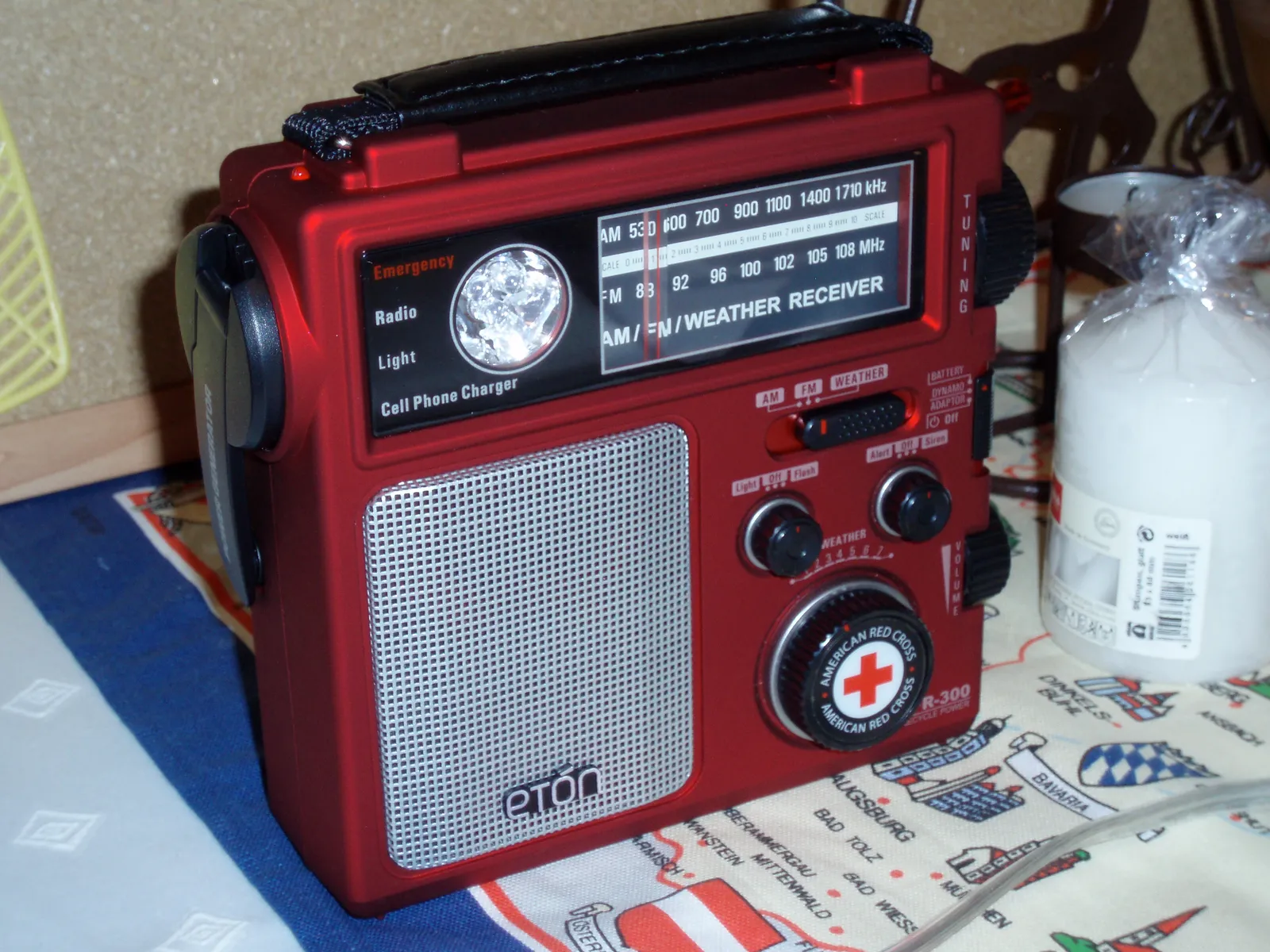
The National Weather Service has teamed up with the U.S. Department of Homeland Security to broadcast critical all-hazards messages via NOAA Weather Radio. Such messages can include warnings of terrorist strikes, nuclear accidents, toxic chemical spills, and 911 outages.
Local, state, and federal government officials, emergency managers, and first responders rely on NOAA Weather Radio for weather-related emergency readiness, preparation, and response. NOAA Weather Radio supports the commercial broadcast industry as a source to activate the Emergency Alert System and is recognized by FEMA and the American Red Cross as an emergency preparedness toolkit essential.
Think of it less as a weather tool and more as a full emergency broadcast system in a small, affordable device. The scope of what it transmits covers far more than just rain forecasts.
What FEMA, the Red Cross, and Ready.gov Actually Recommend
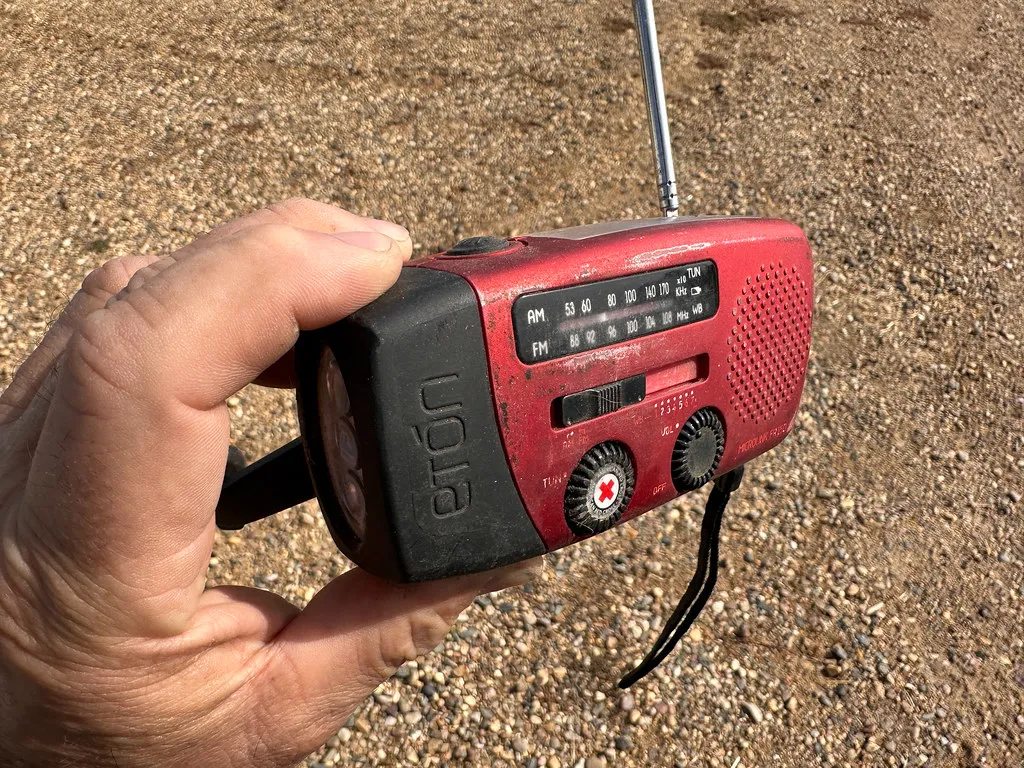
The Federal Emergency Management Agency (FEMA) specifically recommends having a battery-powered or hand-crank radio in every emergency kit. This isn’t a vague suggestion buried in a footnote. It’s a consistent, explicit item on official preparedness checklists.
NOAA Weather Radio carries official warnings, watches, forecasts, and other hazard information around the clock, which is why Ready.gov and the American Red Cross recommend a battery-powered or hand-crank radio. Multiple agencies land on the same answer independently.
All emergency agencies including FEMA, CDC, and CERT agree that every family should have one. The convergence of recommendations across different federal and nonprofit organizations carries real weight.
How Battery Life and Power Options Work on Modern Emergency Radios
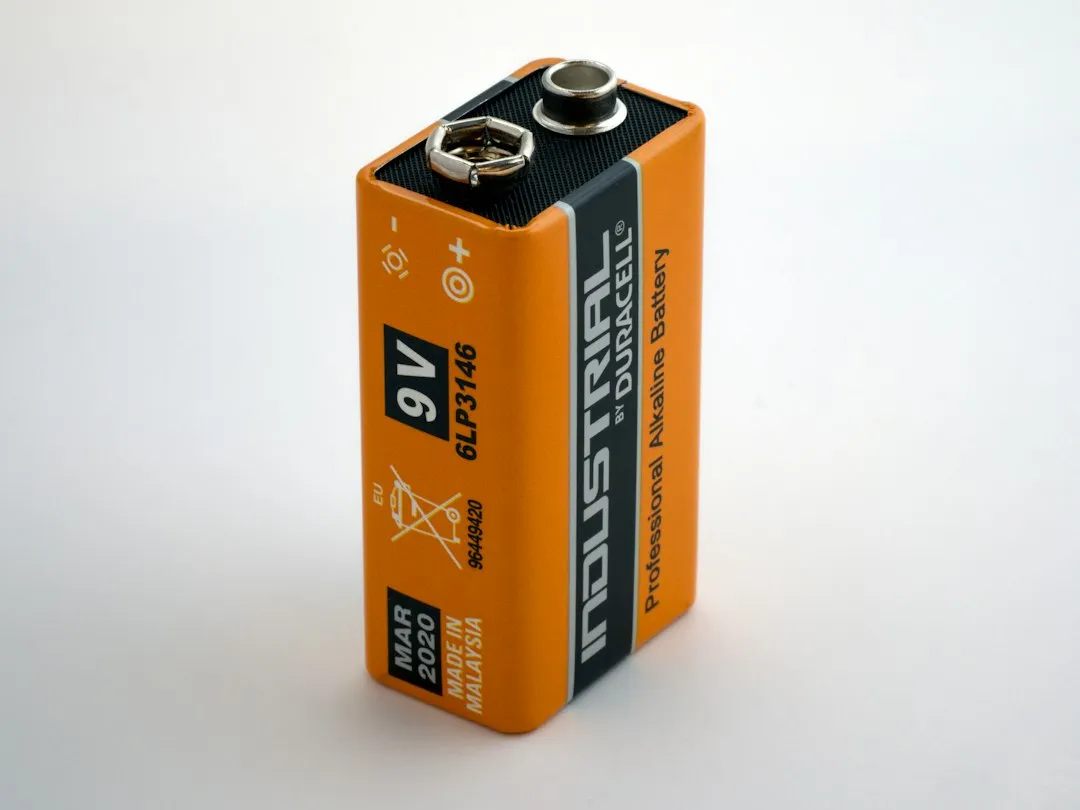
A typical emergency radio can operate for 15 to 20 hours on a set of AA batteries when used moderately. More advanced models push considerably further than that. The Midland ER310 can run from its rechargeable lithium-ion battery, six AA batteries, the hand crank, or a small solar panel. Midland rates the current 3,500 mAh battery for up to 45 hours of normal use.
Emergency radios now come with rechargeable batteries, solar, and crank power as standard options. The hand crank is a genuinely useful backup. One minute of hand cranking yields roughly 10 to 15 minutes of listening, and a set of charged low-self-discharge rechargeable batteries provides silent backup when the sun isn’t out.
Regular batteries are what most people truly depend on during infrequent emergency use. Solar charging works as a supplement but isn’t always reliable as a primary power source. Keeping a fresh set of AA batteries stored with the radio is still the most dependable failsafe.
The Specific Alert Features That Make a Radio Worth Buying

Weather radios equipped with a special alarm tone feature can sound an alert and give immediate information about a life-threatening situation. This means the radio wakes you up. You don’t have to be actively listening to get warned.
Specific Area Message Encoding (SAME) allows you to program your radio to alert only for your county. Without this, a radio covering a broad region might ping you for severe weather dozens of miles away. SAME filtering keeps alerts relevant and prevents alert fatigue.
All Hazards Radio lets you program your location so that alerts for other locations are screened out. The radio is also battery-operated and portable, making it reliable during times of power outages or evacuations. These two features together are what separate a useful emergency radio from a novelty gadget.
Extreme Weather Is Increasing, and So Is the Risk to Households
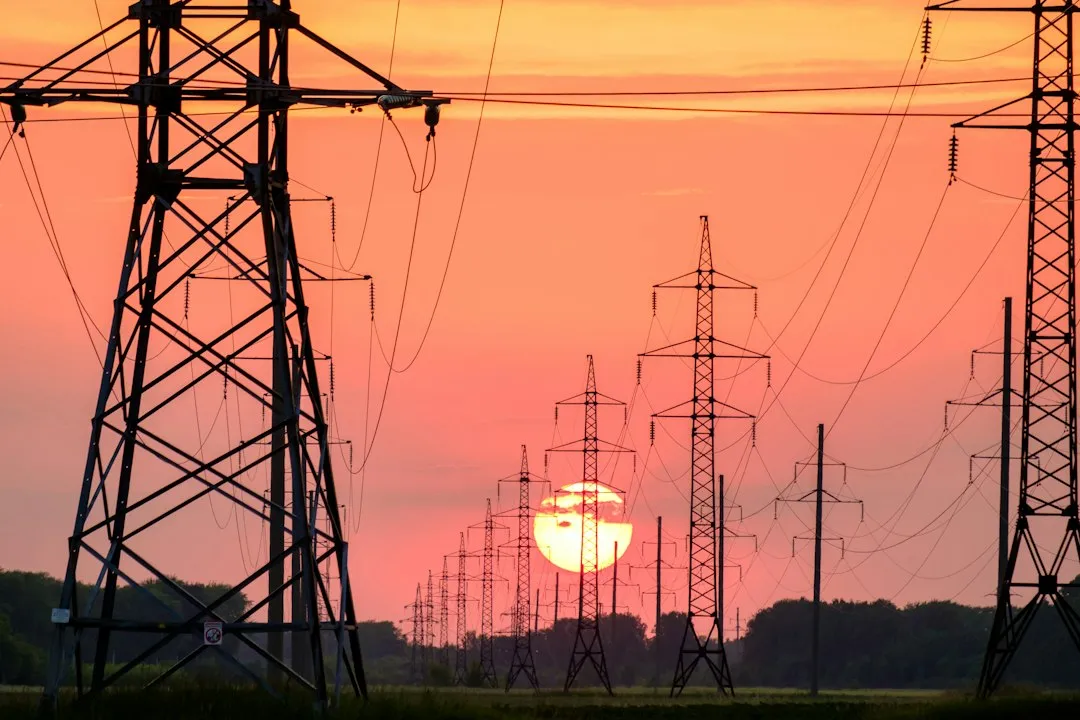
NOAA counted 27 separate billion-dollar weather and climate disasters in 2024, the second-highest annual count in its 45-year record. These aren’t abstract statistics. They represent millions of households cut off from normal communication for extended periods.
Overall, nearly half of utility customers nationwide reported experiencing a power outage in the first half of 2025. Of those outages, roughly half were due to extreme weather such as a hurricane, ice or snowstorm, thunderstorm, wind, tornado, or fire.
These extreme weather events were so violent that roughly one in six customers affected by a natural disaster had to evacuate their homes. A radio that travels with you and runs on batteries is exactly the kind of tool that works whether you’re at home or not.
Tornado Risk and Why Speed of Warning Matters
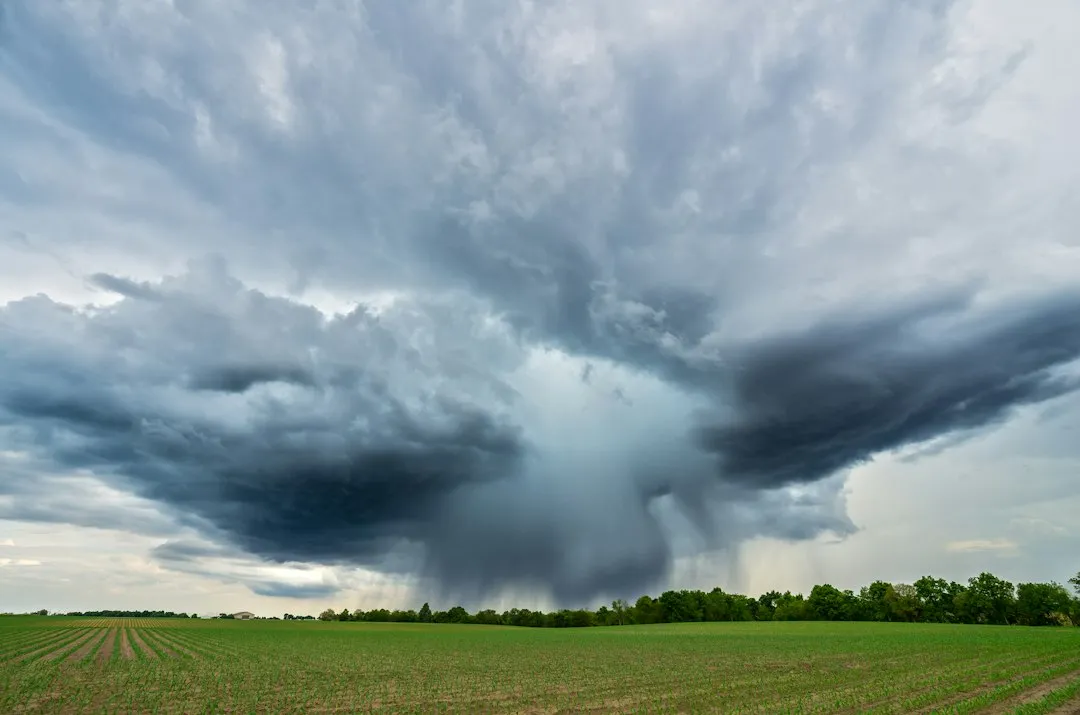
Weather radios serve as critical tools for emergency preparedness, providing immediate alerts on severe weather conditions directly from NOAA. The United States averages about 1,000 tornadoes annually, making access to real-time weather updates a matter of life and death in many parts of the country.
Every second matters in times of emergency, and NOAA Weather Radio is one of the most reliable ways to stay informed in the event of hazardous weather. A push notification on your phone may not arrive if the network is overloaded. NOAA broadcasts don’t go through the same bottlenecks.
Tornado warnings, in particular, demand immediate action. A radio with a tone alert that sounds automatically, even while you’re asleep, can be the difference between getting to shelter in time and not.
Maintenance, Storage, and Making It Ready Before You Need It
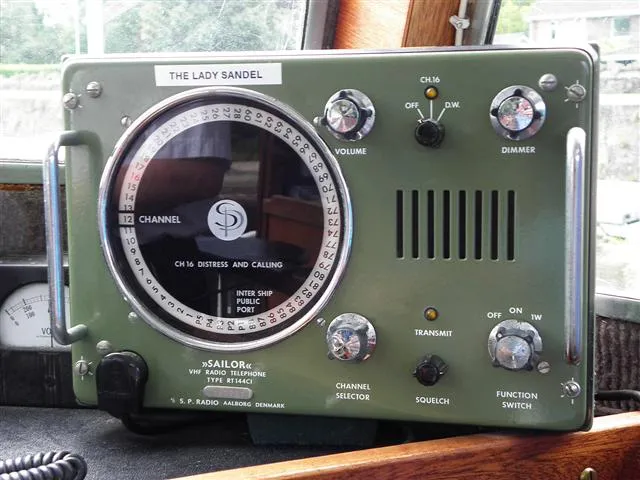
Like all emergency preparedness equipment, emergency radios require occasional maintenance to ensure reliable performance. The good news is that this takes very little time. Checking batteries once or twice a year and keeping the radio in a dry, accessible spot is usually all that’s needed.
NOAA conducts a routine weekly test of the NOAA Weather Radio SAME technology and alert tones. This provides listeners with an opportunity to verify that their NOAA Weather Radio is functioning properly and is correctly programmed. Listening for that test once in a while is a simple way to confirm everything is working.
Emergency radios should be stored in emergency preparedness kits or accessible household locations. A kit that’s buried in a closet under boxes won’t help anyone at two in the morning during a fast-moving storm. Keep it somewhere you can grab in thirty seconds.
The Takeaway
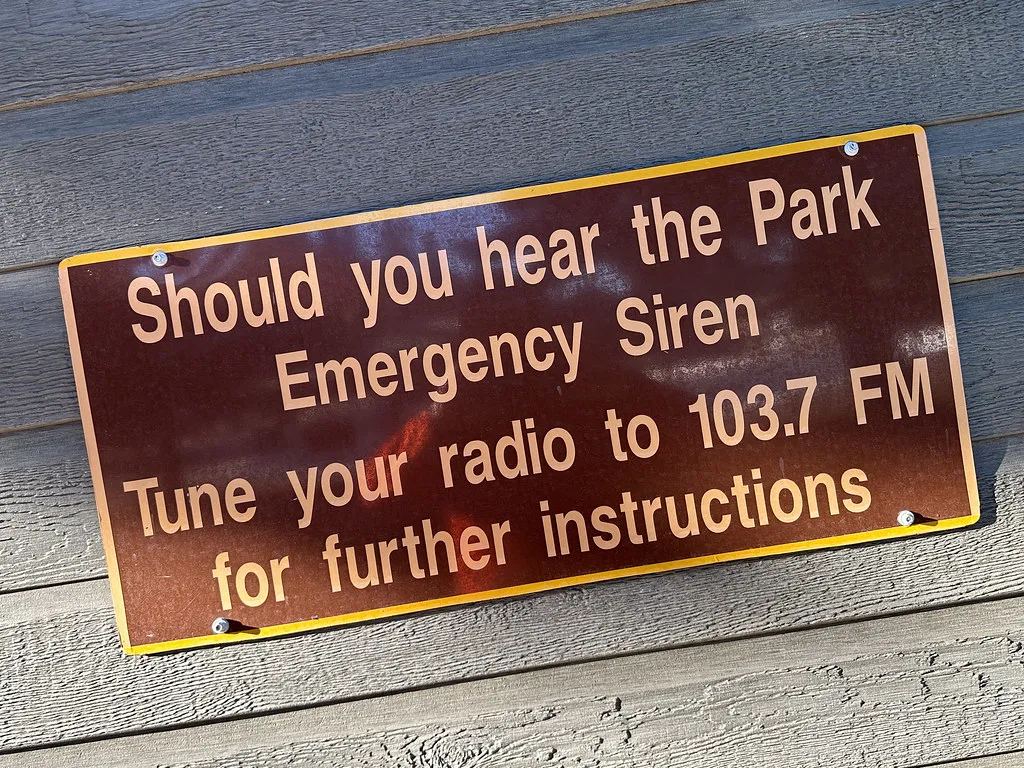
Battery-powered radios aren’t relics. They’ve simply been overshadowed by shinier devices that, it turns out, don’t perform well in the exact moments when reliable information matters most. The case for owning one isn’t about being pessimistic about modern infrastructure. It’s about knowing its limits.
The data from 2024 and 2025 makes those limits clear. Major storms pushed average outage time to record highs, and weather remains responsible for virtually all large-scale grid failures. Meanwhile, NOAA’s nationwide broadcast network keeps running through all of it, waiting to be received by anyone with a battery and a small antenna.
A radio that costs between twenty and sixty dollars, stored in a kitchen drawer or emergency bag, is one of the most straightforward investments in household preparedness available. Its value is zero until the moment it’s everything.
AI Disclaimer: This article was created with the assistance of AI tools and reviewed by a human editor.