

Most people assume that having a bathroom exhaust fan is enough. They flip it on during a shower, maybe leave it running for a minute or two afterward, and consider the job done. What actually happens inside those walls, ceilings, and ducts tells a very different story.
The real problem isn’t always the absence of ventilation. It’s the way ventilation gets used, or more precisely, the way it gets misused. One quiet, persistent mistake sets off a chain of conditions that mold finds perfectly hospitable, and most homeowners don’t realize it’s happening until the damage is already visible.
Turning the Fan Off Too Soon
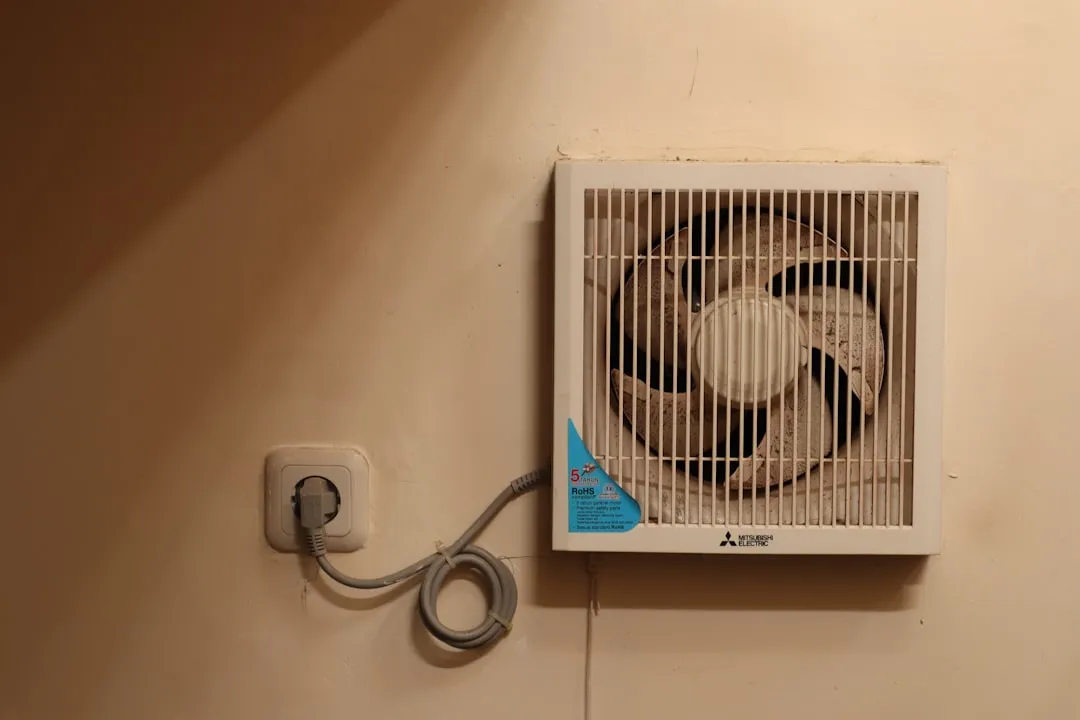
The single most common mistake is switching the bathroom fan off the moment the shower ends. Moisture doesn’t vanish when the water stops; it lingers in the air, settles on cool surfaces, and begins working its way into grout lines, drywall, and ceiling cavities. According to the U.S. Environmental Protection Agency, indoor relative humidity should stay between 30 and 50 percent to discourage mold growth, and a bathroom after a hot shower can spike well above 80 percent. Running the fan for at least 15 to 20 minutes after a shower is the standard recommendation from building science professionals, not just during it. That extra runtime makes a meaningful difference in how much moisture actually leaves the room.
Venting Directly Into the Attic

A surprisingly common installation error involves ducting the exhaust fan up into the attic rather than routing it all the way outside through a roof or wall cap. When warm, humid bathroom air is discharged into an attic, it meets the cooler attic air and condenses on wood framing, insulation, and sheathing, creating exactly the damp environment that mold and wood rot need. Building codes in most U.S. jurisdictions require exhaust fans to terminate outdoors, yet improperly vented fans remain a widespread issue found during home inspections. The attic effectively becomes a moisture trap, and the problem can go undetected for years until structural damage becomes visible or a musty odor travels into living spaces.
Using an Undersized Fan for the Room

Fan capacity is measured in cubic feet per minute, commonly written as CFM, and matching that number to the size of the bathroom matters more than most homeowners realize. A fan rated too low for the square footage simply cannot move enough air to clear steam and humidity before moisture begins settling on surfaces. The Home Ventilating Institute recommends a minimum of one CFM per square foot for standard bathrooms, with higher rates advised for rooms that have enclosed showers, jetted tubs, or poor natural airflow. Installing a quiet, affordable fan and assuming it’s adequate is one of the subtler mistakes, because the fan runs, appears to work, and still leaves the room chronically damp.
Skipping Regular Cleaning of the Fan Grill and Housing
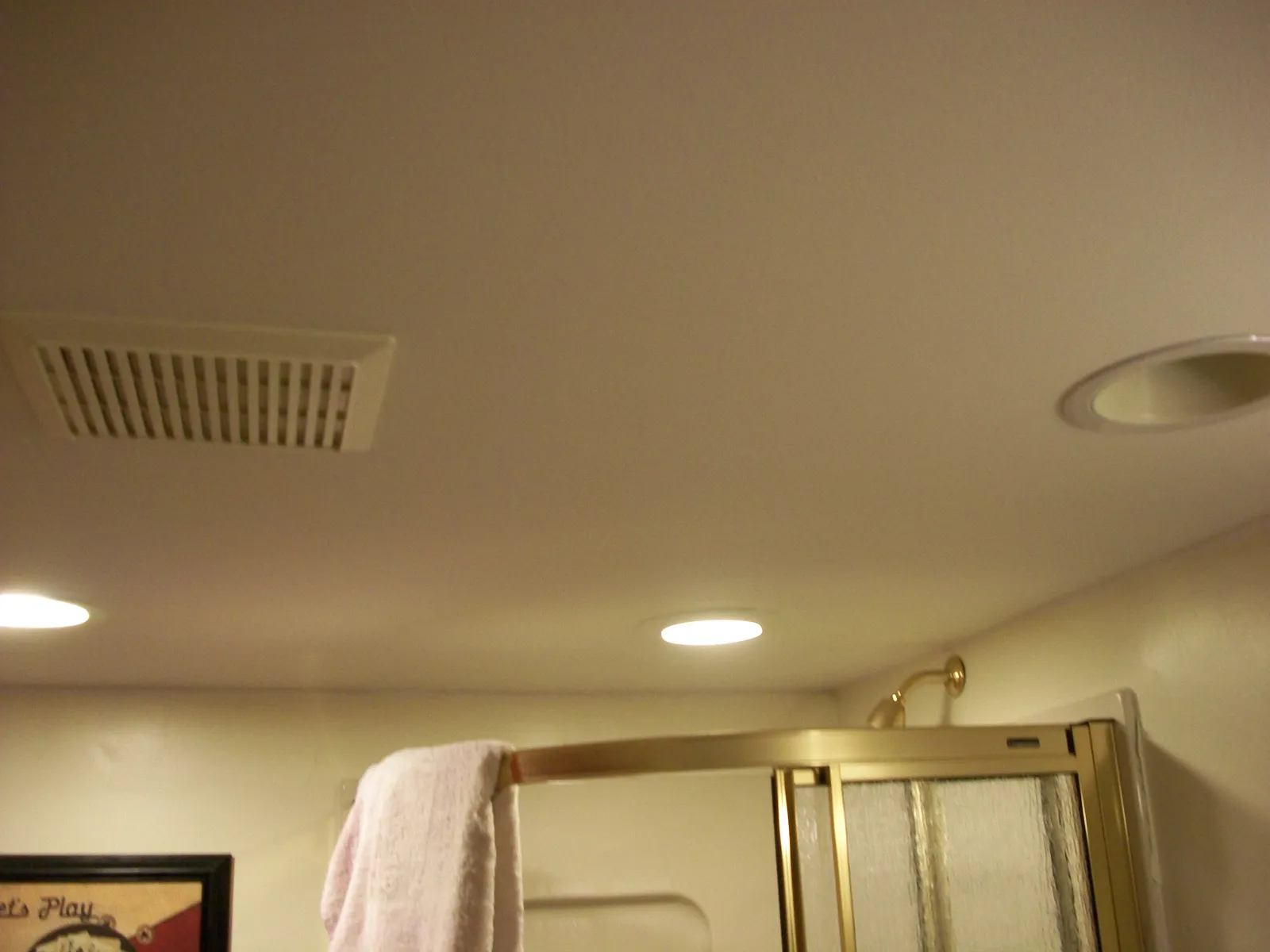
Dust accumulates on bathroom fan grills faster than most people expect, and a thick layer of debris on the grill or inside the housing significantly reduces the unit’s ability to pull air through. Reduced airflow means humidity stays elevated longer after every shower, compounding over weeks and months into persistently damp wall and ceiling conditions. Cleaning the fan grill every few months takes only a few minutes, but it’s one of those maintenance tasks that rarely makes anyone’s mental checklist. When the grill is visibly coated in dust, the fan may be operating at a fraction of its rated capacity, even though it sounds completely normal from inside the room.
Installing the Fan in the Wrong Location
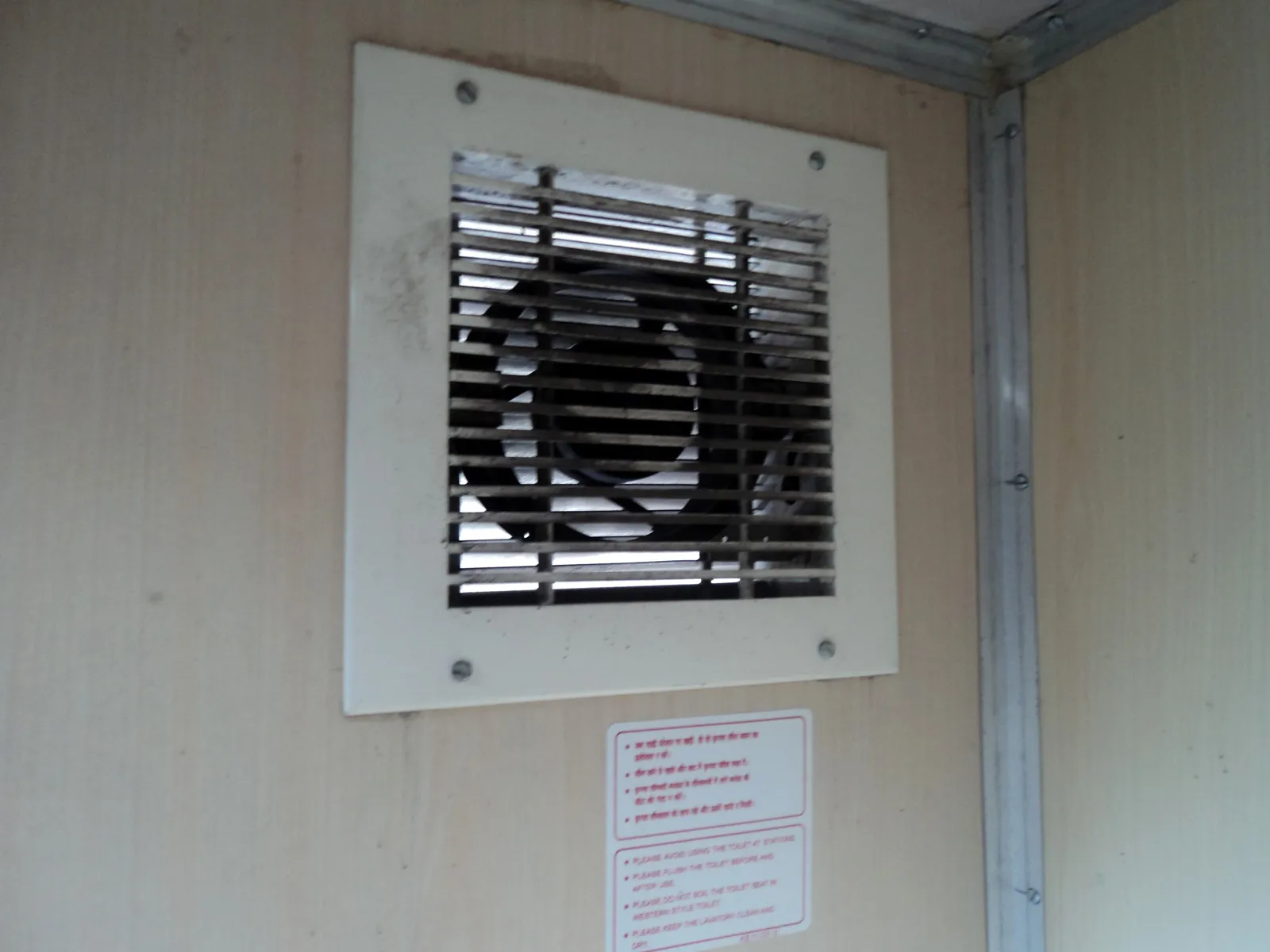
Placement matters considerably. A fan mounted near the bathroom door rather than directly above or adjacent to the shower and toilet pulls relatively dry hallway air across the room instead of drawing steam-laden air out at its source. The damp air simply never reaches the fan efficiently, and pockets of high humidity persist near the shower walls and ceiling. Ideally, the exhaust point should be as close to the primary moisture source as possible, which is why many building professionals recommend positioning the fan directly over the shower stall or at least centered in the room away from air supply vents. A well-placed fan outperforms a higher-rated fan in the wrong spot.
Relying on the Fan Alone in a Poorly Sealed Bathroom
Exhaust fans work on pressure: they pull air out, which draws replacement air in from somewhere else. If the bathroom door has a tight seal at the bottom with no gap or undercut, the fan starves for makeup air and its effective airflow drops sharply. This is a detail that often gets overlooked during renovations when new, well-fitted doors are installed without adjusting the bottom clearance. A gap of roughly half an inch to three quarters of an inch under the bathroom door allows adequate makeup air to enter while the fan exhausts humid air. Without that path, even a properly sized, correctly placed, and well-maintained fan underperforms significantly.
Ignoring Duct Length and Bends
The duct connecting the fan housing to the exterior termination point has real friction losses, and every bend or elbow in that duct reduces the effective airflow reaching the outside. A fan rated at 110 CFM at the housing may deliver noticeably less air movement by the time the path includes two 90-degree elbows and a long horizontal run through a cold attic. The Home Ventilating Institute publishes guidelines for derating fan capacity based on duct length and the number of fittings, and most installations never account for this. Flexible duct, which is common in retrofits, adds even more resistance than rigid metal duct and should be kept as straight and short as possible to preserve performance.
Leaving the Exhaust Duct Uninsulated in Cold Climates

In colder regions, an uninsulated exhaust duct running through an attic or exterior wall cavity creates a condensation problem inside the duct itself. Warm, humid bathroom air traveling through a cold pipe loses temperature quickly, and the moisture it carries condenses on the interior duct walls, sometimes dripping back toward the fan or pooling at low points and eventually growing mold within the duct. Over time that moisture can deteriorate flexible duct, corrode metal fittings, and introduce mold spores directly into the air stream being “exhausted.” Insulating the duct with a minimum R-value appropriate for the local climate, and ensuring the exterior termination cap closes tightly when the fan is off, addresses both the condensation and the cold-air backdraft issue.
Not Using the Fan During Baths or Any Hot Water Use

Some people only associate the exhaust fan with showers and overlook running it during long baths, which generate nearly as much steam and humidity as a shower does. Even running hot water at the sink for an extended period, particularly in a small bathroom, raises moisture levels enough to matter over time. The cumulative effect of skipping the fan during these smaller moisture events adds up across hundreds of uses per year. Mold doesn’t need a dramatic flood; it only needs surfaces that stay damp slightly longer than they should, repeatedly, and that’s exactly what inconsistent fan use provides.
Assuming Newer Means Better Without Checking Performance
There’s a tendency to assume that a recently installed fan is working correctly simply because it’s new. However, installation errors, including improper duct connections, missing exterior caps, or ducts that were never fully connected at the fan housing collar, can leave a brand-new unit performing at a fraction of its designed capacity. Home inspectors routinely find exhaust fans that discharge into open attic space, have disconnected ducts, or were installed with the wrong size duct reducing the airflow significantly. Verifying that air is actually moving through the exterior termination point, something you can check with a tissue held near the grill or by stepping outside to feel airflow at the cap, takes seconds and confirms what the fan’s operation sounds cannot.
The Takeaway

Bathroom mold rarely arrives all at once. It builds slowly, quietly, in the spaces where humidity lingers a little too long after every shower. Most of the contributing mistakes are small, each one individually forgivable, but together they create conditions that mold is well-adapted to exploit. The exhaust fan is genuinely one of the most effective tools available for keeping a bathroom dry and healthy, but only when it’s properly sized, correctly installed, well maintained, and used long enough to actually do the job. Getting those basics right is less about renovation and more about understanding what the fan is actually trying to accomplish.
AI Disclaimer: This article was created with the assistance of AI tools and reviewed by a human editor.