

They Didn’t Shower Every Single Day
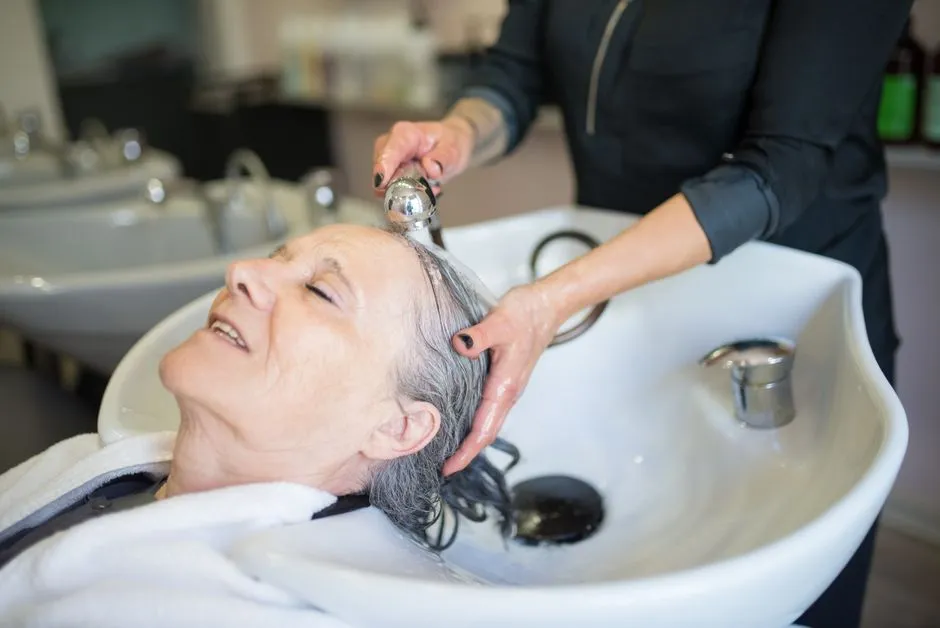
Daily showering is a modern habit that became culturally embedded in places like the United States, but it was far from universal for earlier generations. Around two-thirds of Americans reportedly shower daily. The older generation often bathed two or three times a week, and it turns out that approach may have been healthier.
Showering every day is not necessary for everyone. In fact, some individuals may benefit from bathing less frequently. For older adults especially, those with more fragile skin often require a gentler approach. Because aging skin tends to be thinner and more prone to dryness and irritation, reducing shower frequency can help preserve natural oils and maintain the skin’s protective barrier.
For elderly adults, one shower every two to three days is sufficient, since skin tends to be drier and frequent bathing can exacerbate it, according to University Hospitals. Grandparents were simply ahead of this curve without knowing it.
They Used Lukewarm Water, Not Scalding Hot
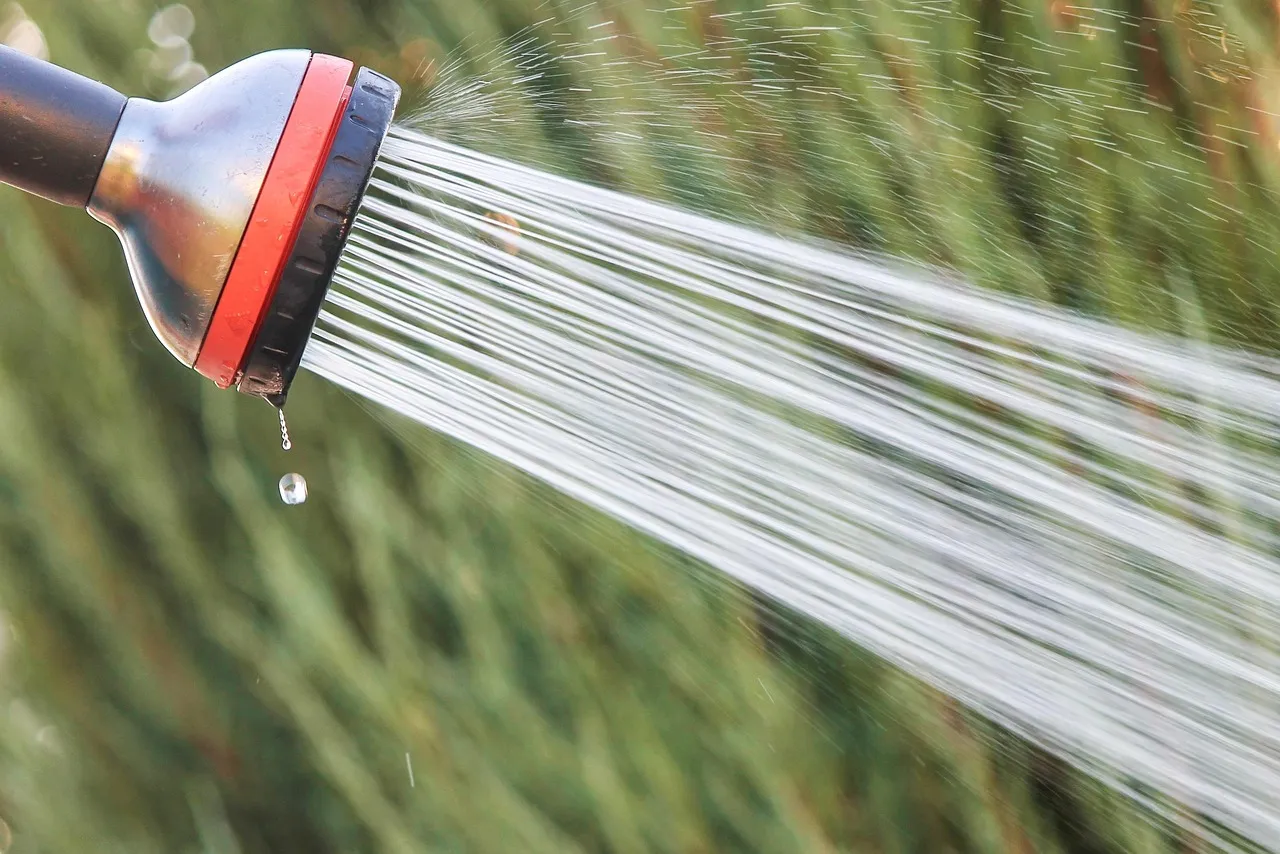
Hot showers may feel satisfying, especially in winter, but they come with a real cost to your skin. A good shower routine starts with using lukewarm water. Hot water can strip your skin of its natural oils. Although it may feel relaxing, hot water can cause dryness, irritation, and flares of certain skin conditions like eczema, according to dermatologists at Baylor College of Medicine.
Lukewarm water, around 32 to 37 degrees Celsius, cleans just as well without damaging your barrier. Older generations who heated water on a stove or used shared baths naturally defaulted to temperatures that were comfortable rather than extreme.
Lukewarm water is a much better option if you’re aiming to keep your skin hydrated. It’s gentle on the skin and doesn’t strip away essential natural oils as quickly as hot water does. What felt like a modest habit was quietly preserving skin health across decades.
They Kept Baths Short and Purposeful

Grandparents rarely lingered in the tub for half an hour at a stretch. Bathing was something you did deliberately and then finished. That restraint, it turns out, is exactly what dermatologists now advise.
Keep showers short, ideally under ten minutes. Spending long periods soaking in water can actually dry out the skin. Aim for shorter baths or showers, ideally ten to fifteen minutes, to avoid stripping away moisture.
Long showers and baths can strip your skin’s natural oils. Your daily shower or bath should ideally last five to ten minutes. The brief, efficient bath of previous generations was not a product of limited time alone. It turned out to be genuinely protective.
They Didn’t Soap Every Inch of Their Body

Older generations tended to wash the parts that needed it, not every inch of skin from head to toe. That targeted approach is something modern dermatologists now actively recommend. Unless you’ve been mud wrestling, you probably don’t need to soap your entire body every day. Generally, the only areas you need to consistently wash are your face, armpits, and groin area, says Dr. Khetarpal of the Cleveland Clinic.
The logic is straightforward. Soap disrupts the skin’s microbial balance, and applying it broadly every single day can do more harm than good. Because normal skin needs a layer of oils and normal bacteria to maintain its barrier, bathing too frequently can lead to dry and itchy skin, especially if the water you’re bathing in is too hot.
Spot-cleaning, which was a cornerstone of the older generation’s routine, is now a recognized and sensible strategy. It works with your skin rather than stripping it clean every day.
They Used Simple, Unscented Soap
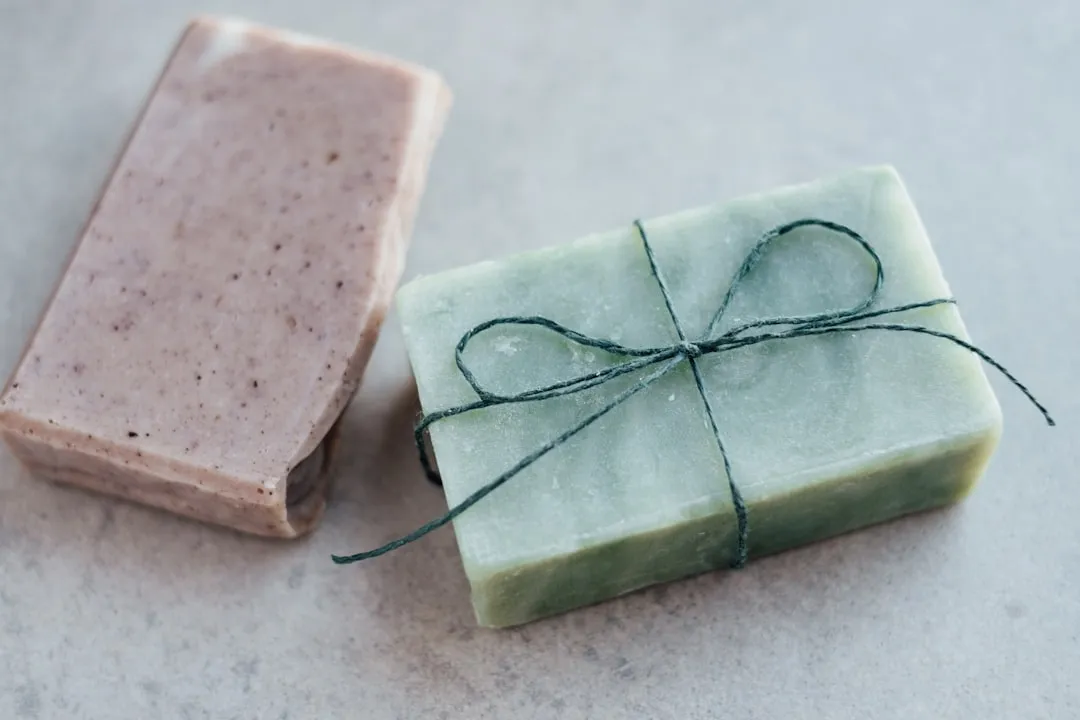
Grandparents typically used basic bar soaps with minimal ingredients. There were no sulfate-heavy body washes, no heavily fragranced gels, no antibacterial formulas applied daily. That simplicity, it turns out, was a form of skin protection in itself.
Stay away from anti-bacterial, high-alkaline and deodorant soaps, as well as soaps that contain sulfates or fragrances, advises Dr. Gordon Spratt of University Hospitals. Choose a soap that is gentle, fragrance-free, and formulated for sensitive skin if needed. Look for cleansers labeled as moisturizing or hydrating, especially those containing ingredients like ceramides, glycerin, or hyaluronic acid.
The plain, unadorned bar soap sitting on the edge of the tub was doing a better job than many modern alternatives. What looked old-fashioned was actually considered.
They Moisturized Right After Bathing
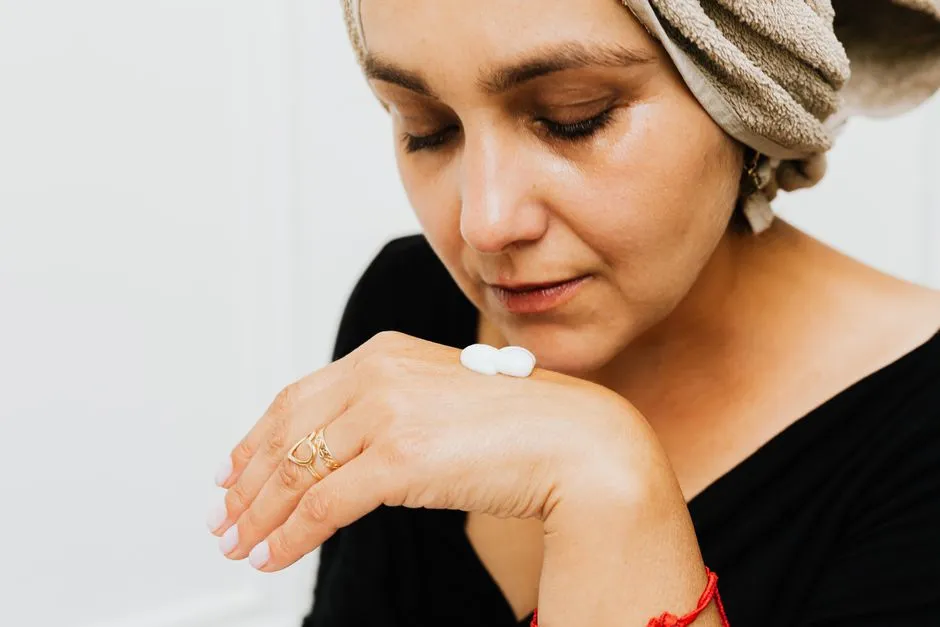
Applying something to the skin immediately after a bath was standard practice for many grandmothers, whether it was a simple lotion, a natural oil, or even a small amount of petroleum jelly. That habit is now considered one of the most important steps in any skin care routine.
According to the American Academy of Dermatology, showering, especially with hot water, can strip your skin of its natural oils, leaving it drier than before. Moisturizers help replenish the lipids and hydration that your skin loses, particularly after cleansing. They create a protective barrier that helps lock moisture in and environmental aggressors out.
After the shower, pat your skin dry with a towel and immediately apply a moisturizer to lock in moisture. The timing matters. Moisturizing while skin is still slightly damp helps seal in hydration, something the older generation did instinctively.
They Were Gentle With the Towel

Vigorous towel drying was never really a grandparent habit. A gentle pat-down was the norm, and it turns out that approach is kinder to the skin’s surface than rubbing hard. When you’re finished bathing, avoid rubbing your skin vigorously with a towel. Instead, pat your skin dry gently with a soft towel. Rubbing too hard can damage your skin and lead to irritation.
This is a small detail that gets overlooked, but its effect on the skin barrier is real. Aggressive rubbing disrupts the outermost layer of skin cells and accelerates moisture loss immediately after washing. Grandparents patted gently and moved on. That was the right call.
They Avoided Over-Scrubbing
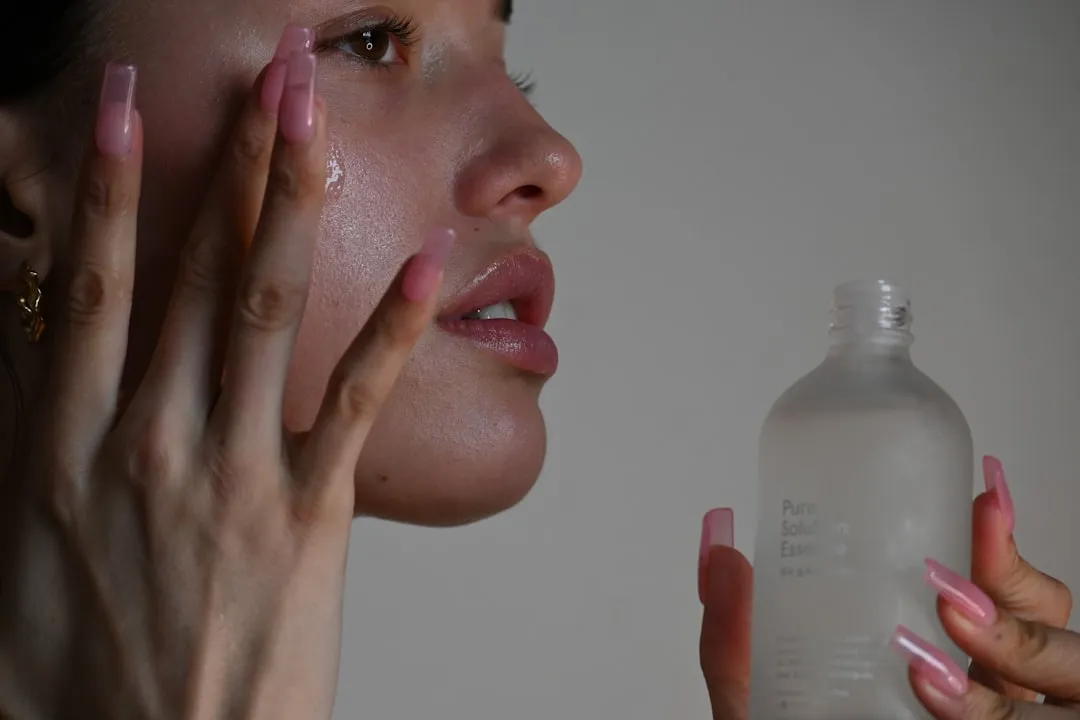
There were no daily loofahs, rough exfoliating pads, or harsh scrub brushes in most traditional bathing routines. Older generations washed with their hands or a simple soft cloth, and kept physical scrubbing minimal. While many people believe scrubbing with loofahs or rough washcloths enhances cleanliness, aggressive physical exfoliation for routine cleansing is not advisable. It can increase existing inflammation and acne. Excessive scrubbing may damage the skin barrier, leading to redness, irritation, and worsening of certain skin conditions.
Instead, gentle cleansers and soft washing techniques are recommended to maintain healthy skin. The restraint grandparents exercised around scrubbing was not about being less thorough. It was, by current medical understanding, exactly the right level of care.
They Let Their Skin Build Natural Resilience

Older generations were not obsessed with sterilizing everything, including themselves. They bathed regularly enough to stay clean and healthy, but not so often that they disrupted the skin’s natural ecosystem. That balance supported something researchers now understand as the skin microbiome.
Showering too frequently can trigger flares of sensitive skin conditions like eczema and psoriasis and can alter the skin’s microbiome, the population of healthy bacteria, yeast, and good microbes that are needed to prevent infection and maintain skin health. The immune system creates antibodies to typical bacteria and environmental dirt and other pathogens that our skin is often exposed to, and this allows us to build a more robust response every time we are exposed to these things in the future. There’s research to show that exposure to allergens and not hyper-sterilizing our environment, especially when we’re kids, can lead to fewer allergies as adults.
Studies show that aging is associated with a reduction in the variety of microorganisms of the skin microbiome, leading to an increased susceptibility to skin conditions. Protecting that microbial balance from the start, as earlier generations inadvertently did, makes a real difference over a lifetime.
They Adapted Their Routine to the Seasons and Their Age
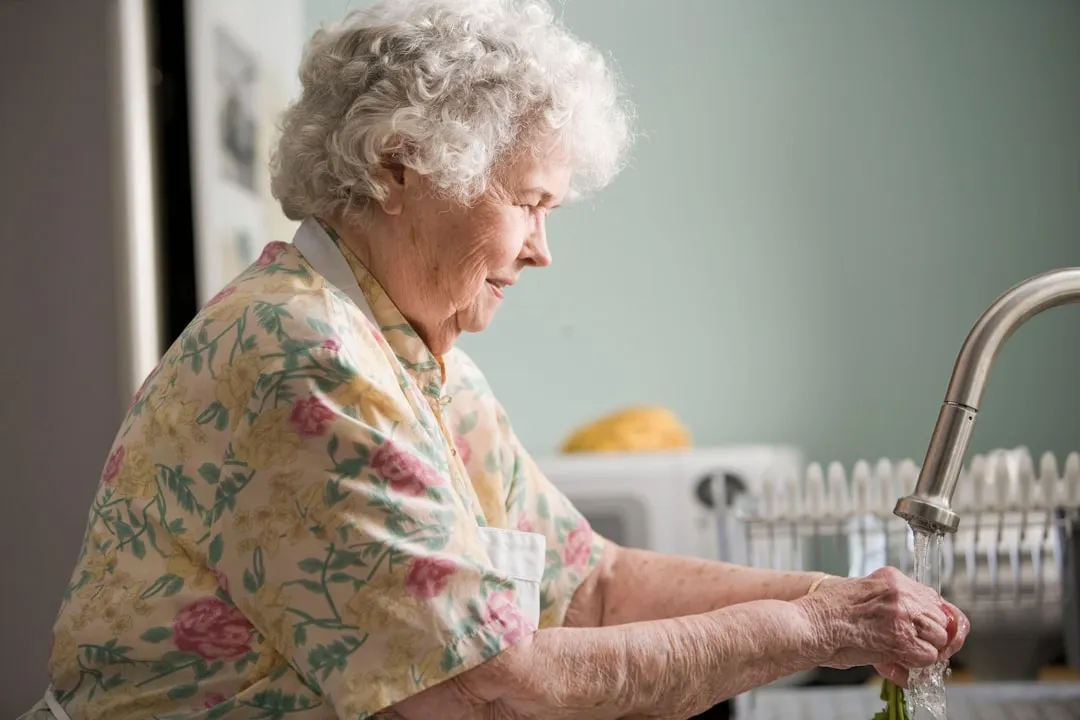
Grandparents didn’t follow a rigid year-round schedule. They bathed more in summer when the heat made it necessary, and less in winter when the cold and indoor heating already made skin drier. That flexible, responsive approach is exactly what dermatologists now suggest.
There’s no single perfect shower schedule. It’s personal, and it all depends on your activity level, skin type, and even the climate you live in. During colder months, the skin is already more prone to dryness, which makes reducing hot water exposure and bathing frequency especially important.
Older adults in particular were less likely to over-bathe as they aged, partly from habit and partly from practical wisdom about comfort. Aging skin produces less oil and is more prone to dryness. Seniors often do well with two to three showers per week, with spot-cleaning on other days. That instinct was sound skin science before skin science was widely known.
The Takeaway
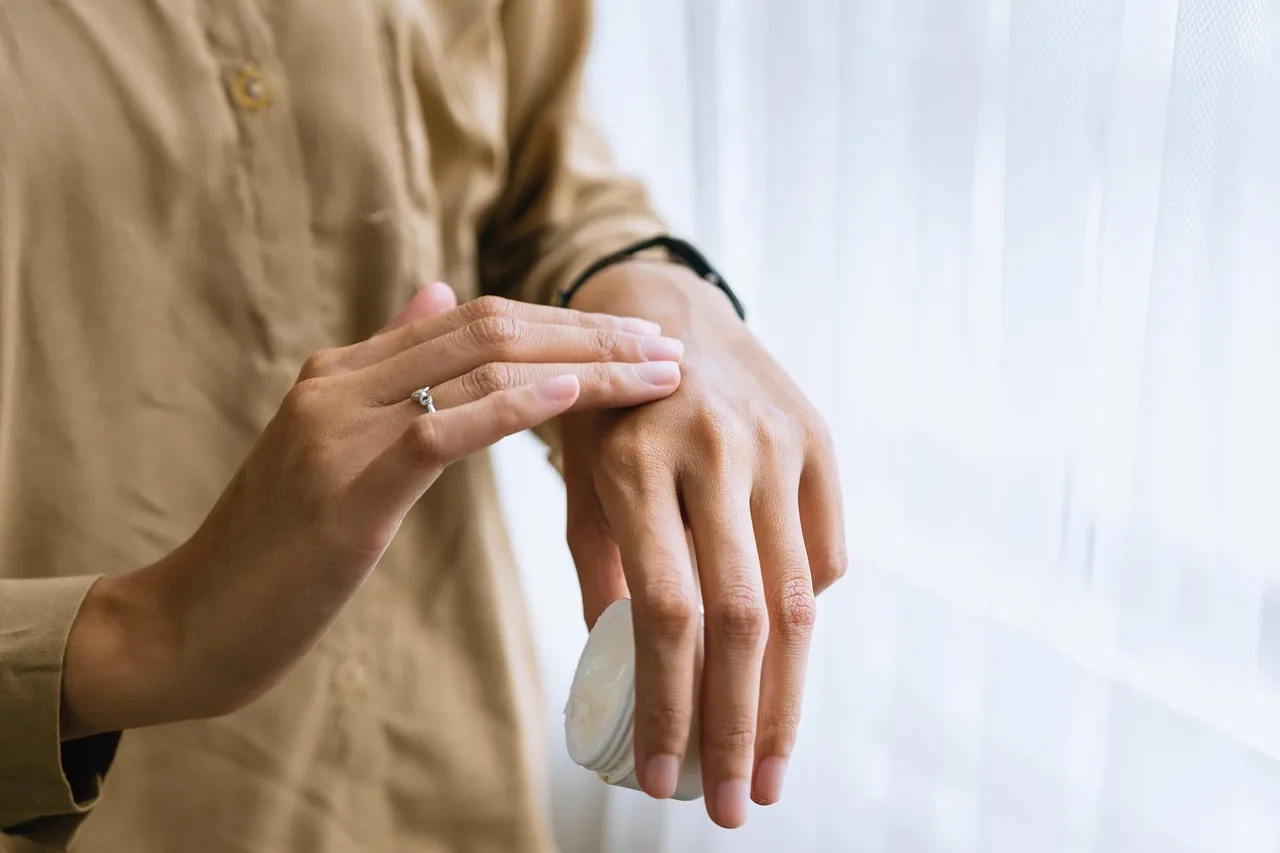
The bathing routine most grandparents followed looks less like outdated habit and more like quiet common sense when you lay it against current dermatological research. Less frequent bathing, cooler water, short sessions, minimal soap, gentle drying, and prompt moisturizing, these weren’t compromises. They were the fundamentals of good skin care.
Modern bathroom culture has drifted toward doing more, scrubbing harder, and showering hotter and more often. The research suggests that pulling back, in several specific ways, is a genuine improvement. Sometimes the smarter routine is the simpler one.
AI Disclaimer: This article was created with the assistance of AI tools and reviewed by a human editor.