

They Exit and Return as a Group at Dusk and Dawn

The single most telling behavior is a mass exit at dusk. Bats generally exit and enter as a group, so if the chimney is being monitored, you should be able to see them fly out at dusk in search of insects and water. This group movement is deliberate and consistent, night after night. It’s very different from a single stray bat passing through.
Bats tend to leave their roosting places from half an hour before sunset to half an hour after sunset. If you position yourself outside and watch the top of your chimney during that window, a roosting colony becomes hard to miss. Several people watching from different vantage points around the house makes observation even more reliable.
You Hear Scratching and Squeaking Inside the Chimney
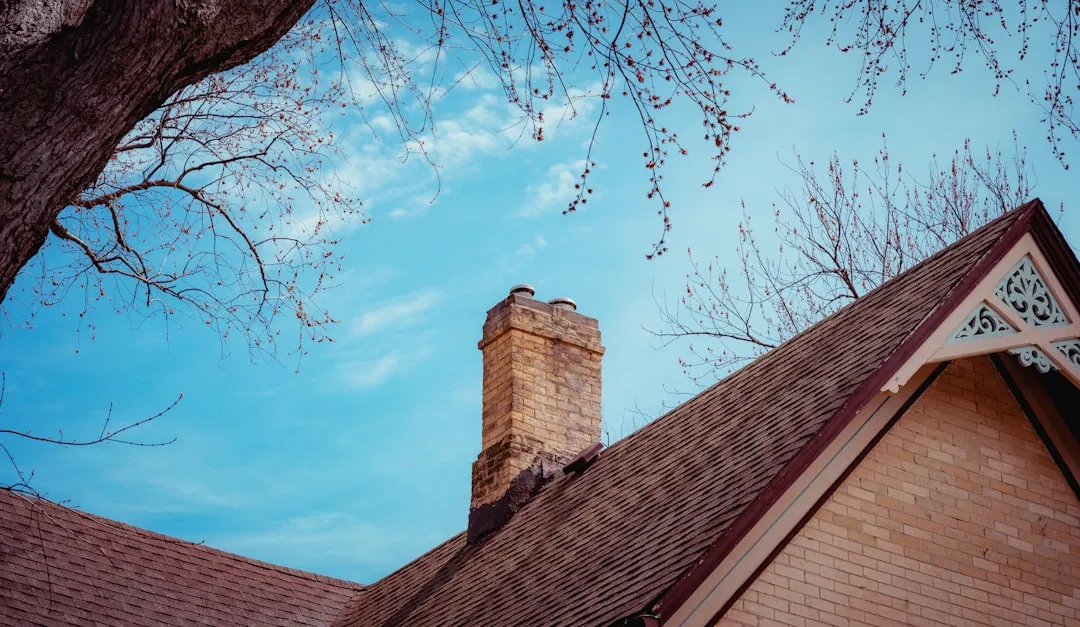
Bats are vocal, especially at dusk and dawn when they are most active. You may hear high-pitched squeaks or scratching sounds from inside the chimney. These aren’t the sounds of the structure settling. They’re the noises of animals waking up, moving around, and preparing to leave.
Another sign that there are bats in the chimney is if you hear squeaking or rustling sounds coming from the walls or the fireplace. A colony of bats in its first year of occupation of a chimney will typically number at least 40 bats, and they make noise when they are all awake and moving around. That’s a lot of small bodies moving at once, and even through brick and mortar, the collective sound carries.
Guano Accumulates at the Base or Around the Opening
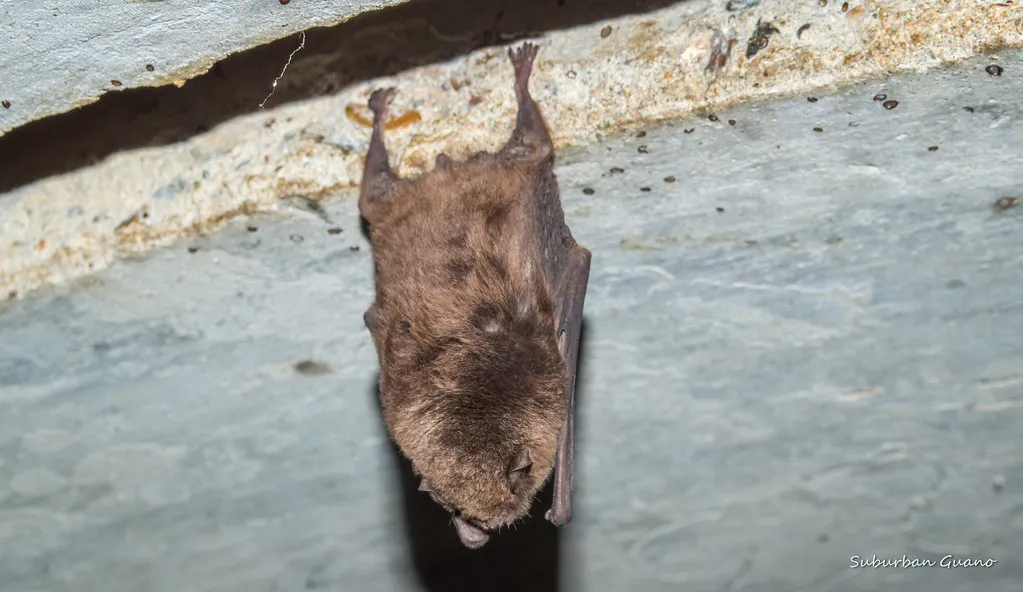
Accumulations of small, dark, shiny droppings at the base of the chimney or on the roof are a clear sign of bat activity. Bat guano often crumbles easily and may contain insect parts. This crumbly texture is one of the key differences between bat droppings and mouse droppings, which tend to stay firm.
Bat droppings, commonly referred to as guano, are one of the most noticeable signs of bat activity. Guano is small, dark and crumbly, often resembling mouse droppings. It can accumulate in piles near windows, walls, chimneys or other potential entry points. If you notice these piles building up below or around the chimney structure, the source is almost certainly above you.
Dark, Greasy Stain Marks Appear Around the Chimney Opening
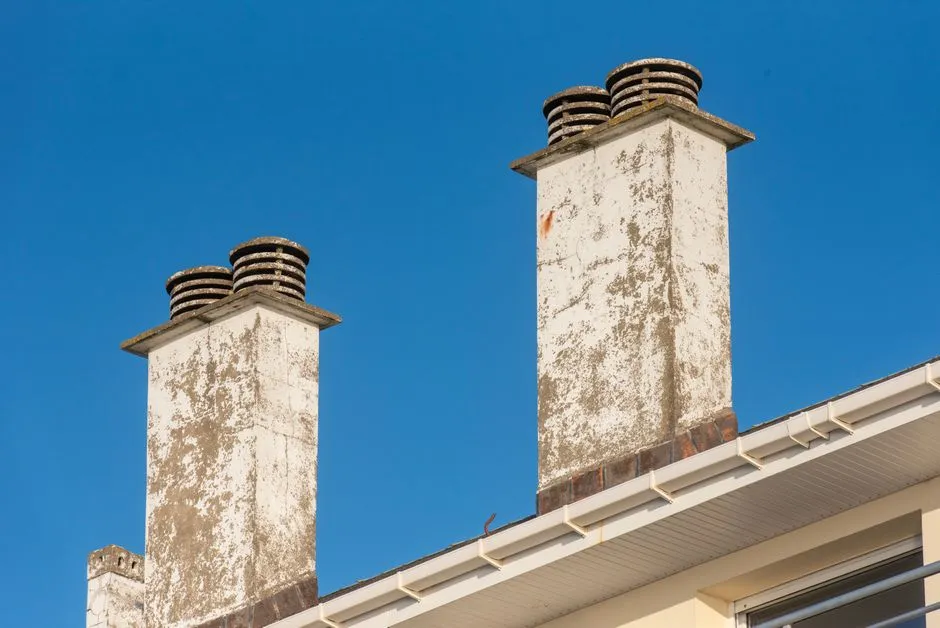
Bats have oily fur that can leave dark, greasy smudges around the edges of chimney openings where they enter and exit. These smear marks develop over time as the same bats squeeze through the same gap repeatedly. They’re subtle at first but become more pronounced as a colony settles in.
When bats squeeze through small holes to enter a property they can leave dark, oily stains around the entry point. When they enter numerous times these stains can become more noticeable as bats tend to use the same entry points regularly. Finding these marks on the exterior of the chimney crown or cap is a strong indicator of regular traffic in and out.
A Persistent Ammonia Smell Near the Fireplace
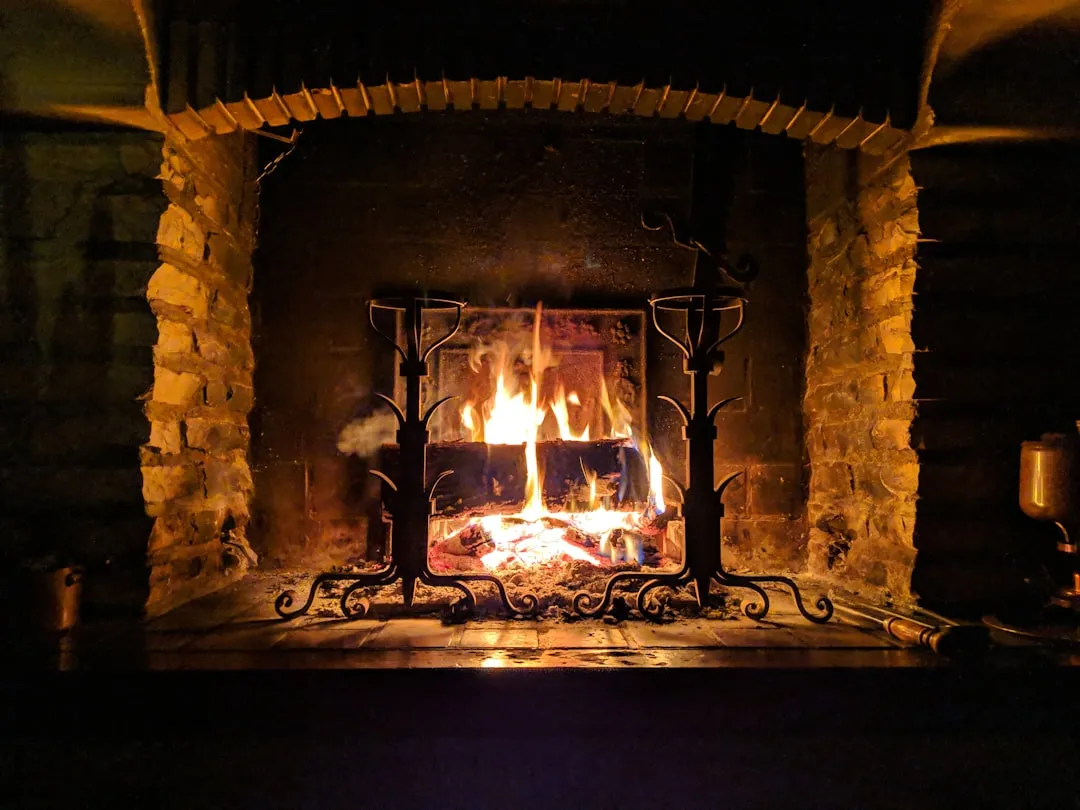
A strong, musty smell from guano and urine buildup is another key indicator. What makes this smell distinctive is its sharp, ammonia-like quality. It’s not the typical dusty or smoky odor that an unused chimney might carry. It’s more concentrated, and it tends to intensify in warm weather as guano dries out.
Urine readily crystallizes at room temperature. In warm conditions, such as under roofs exposed to sun and on chimney walls, urine evaporates so quickly that it crystallizes in great accumulations. Boards and beams saturated with urine acquire a whitish powder-like coating. If you’re catching an unusual smell through your fireplace even when it hasn’t been used in weeks, that’s worth taking seriously.
Unusual Drafts or Changed Airflow Inside the Fireplace
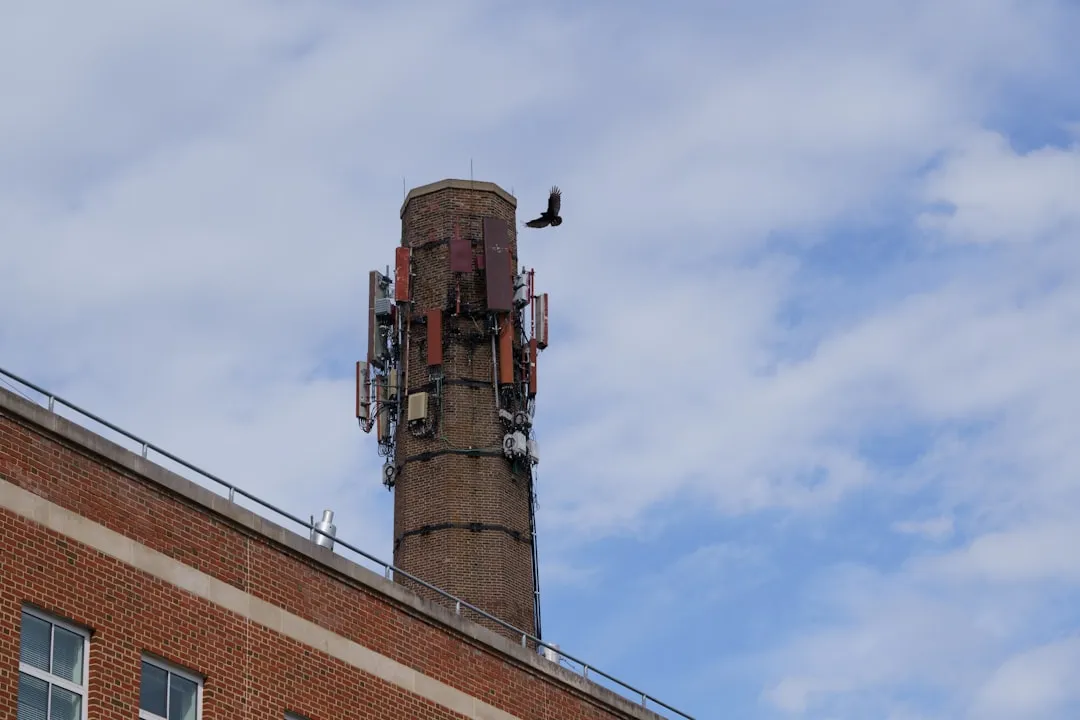
A noticeable change in airflow or odd drafts in the fireplace may be due to bats obstructing the chimney. A colony of dozens of bats hanging in the flue takes up real physical space, and that can shift how air moves through the structure. Drafts that blow the wrong way or a fireplace that suddenly draws poorly are often chalked up to weather or structural issues, but bats are a plausible cause worth checking.
This airflow change tends to be gradual rather than sudden, which is part of why it goes unnoticed for weeks. If you’ve ruled out damper problems and the draft still seems off, a visual inspection of the flue by a professional may reveal the real reason.
Your Pets React Unusually Near the Fireplace

Also, look for panicky reactions of your pet, such as a dog or cat. Many times, due to the presence of an animal in your chimney or fireplace, they will start acting excitable. Dogs and cats detect the high-frequency sounds bats produce, sounds that fall well outside human hearing range. A pet that won’t stop sniffing around the hearth or acts agitated near the fireplace wall may be picking up on activity you haven’t registered yet.
This is actually one of the earlier warning signs, since animal senses can detect bat movement before the guano, sounds, or smells become obvious to human perception. It’s not a definitive diagnostic, but paired with other signs, a pet’s unusual behavior near the chimney is worth paying attention to.
Why Bats Keep Coming Back to the Same Chimney
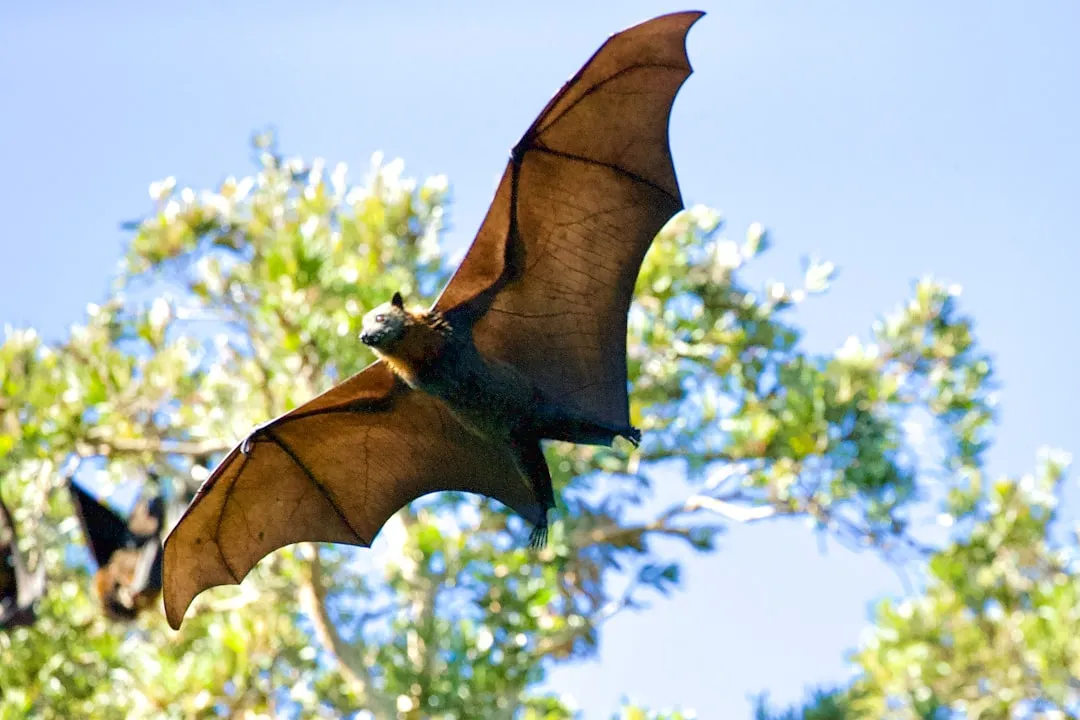
Bats enter chimneys to hibernate or to give birth. Homeowners with a maternity colony of bats in the chimney may have a long-lasting problem on their hands. The animals have strong homing instincts and usually return to the same roosts. A bat can live for over six years, and females produce a pup every season. This combination of longevity and homing instinct means that once a colony finds a chimney suitable, they’ll treat it as a permanent home unless something physically changes.
Chimneys can be a great home for critters as they offer all of the roosting requirements for bat colonies. They are dark and secluded, and give enough space for them to hang upside down. From a bat’s perspective, a chimney is a remarkably good cave substitute, protected from weather and predators, with a consistent temperature and vertical space for roosting.
The Health Risks That Come with a Roosting Colony
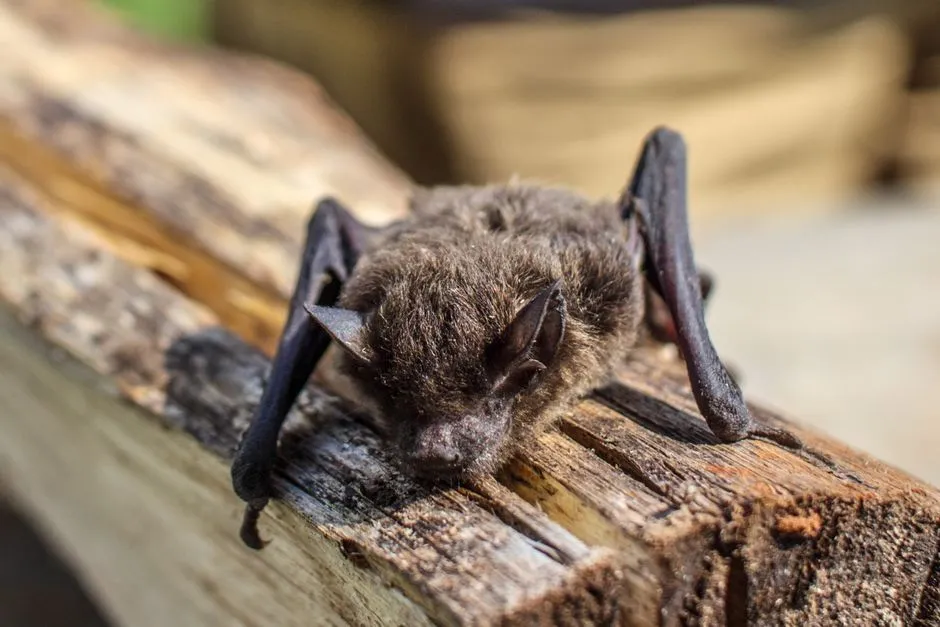
One significant health concern linked to bat droppings is histoplasmosis, a respiratory disease caused by inhaling fungal spores found in guano. When guano accumulates, it creates the perfect breeding ground for the Histoplasma fungus. This fungus releases spores that, if inhaled, can infect the lungs and lead to symptoms ranging from mild, flu-like conditions to severe respiratory issues. People with weakened immune systems are particularly susceptible to this disease.
Only about five percent of bats submitted for testing are infected with the rabies virus. That figure is often cited to put rabies risk in context, but it’s not a reason to be complacent. Bats can transmit rabies through bites, even after death. Airborne spores in guano may also cause histoplasmosis, a serious respiratory disease. Both risks are real, even if neither is inevitable.
What Legal Protections Mean for Bat Removal
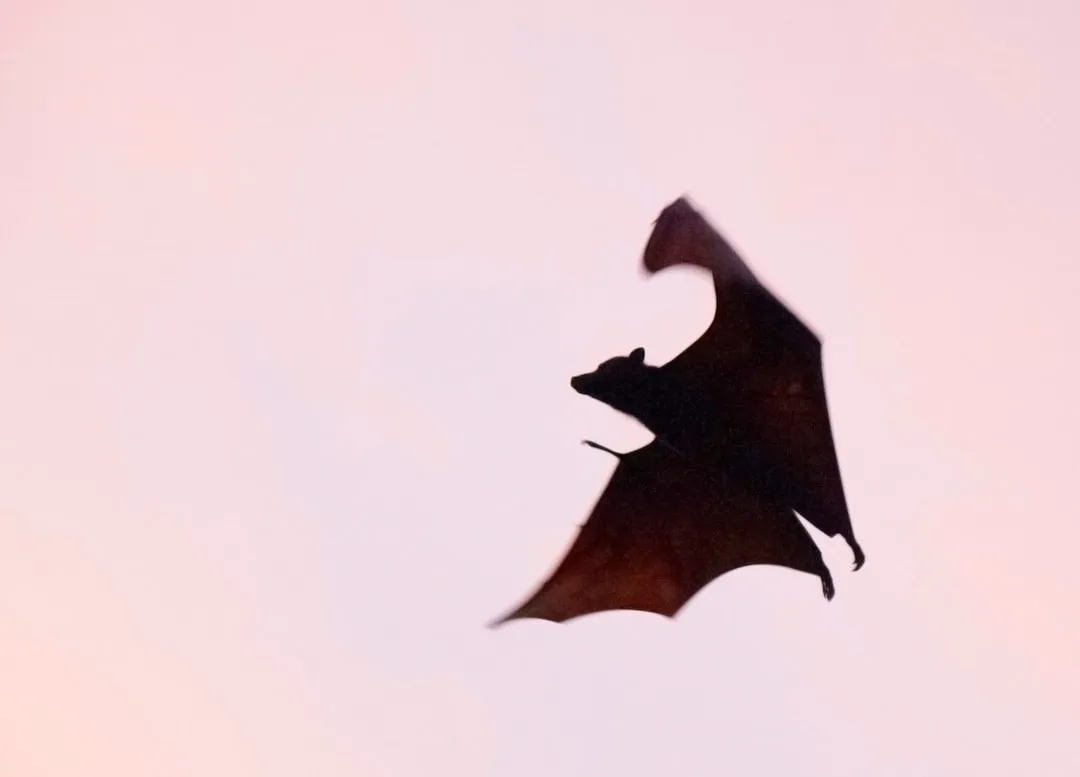
Before you attempt a DIY bat removal, there are state and federal protections for bats. It is illegal to kill or trap bats in the attic. If flightless pups are present, you cannot install bat exclusions. These protections exist because bat populations in the eastern United States have declined sharply. Research published in scientific literature has documented marked regional declines across multiple hibernating species.
DIY bat removal efforts can often be ineffective and can exacerbate the problem, leading to recurring infestations and potentially violating laws that protect bat species. The safest route is contacting a licensed wildlife removal professional who can perform a legal exclusion once the pups are old enough to fly on their own, typically in late summer. Bat season begins in March and extends through November, so timing matters when planning any removal.
The Takeaway

Bats in a chimney aren’t quiet guests. They announce themselves through sound, smell, staining, and behavioral patterns that, once you know what to look for, are quite readable. The challenge is that many of these signs are easy to dismiss individually until they stack up into something undeniable.
Acting early, before a first-year colony grows and becomes an annual tradition, makes everything simpler. A damaged or missing chimney cap is often all it takes for bats to move in. Fixing that single weak point, with professional guidance and proper timing, is usually the most effective long-term answer.
AI Disclaimer: This article was created with the assistance of AI tools and reviewed by a human editor.