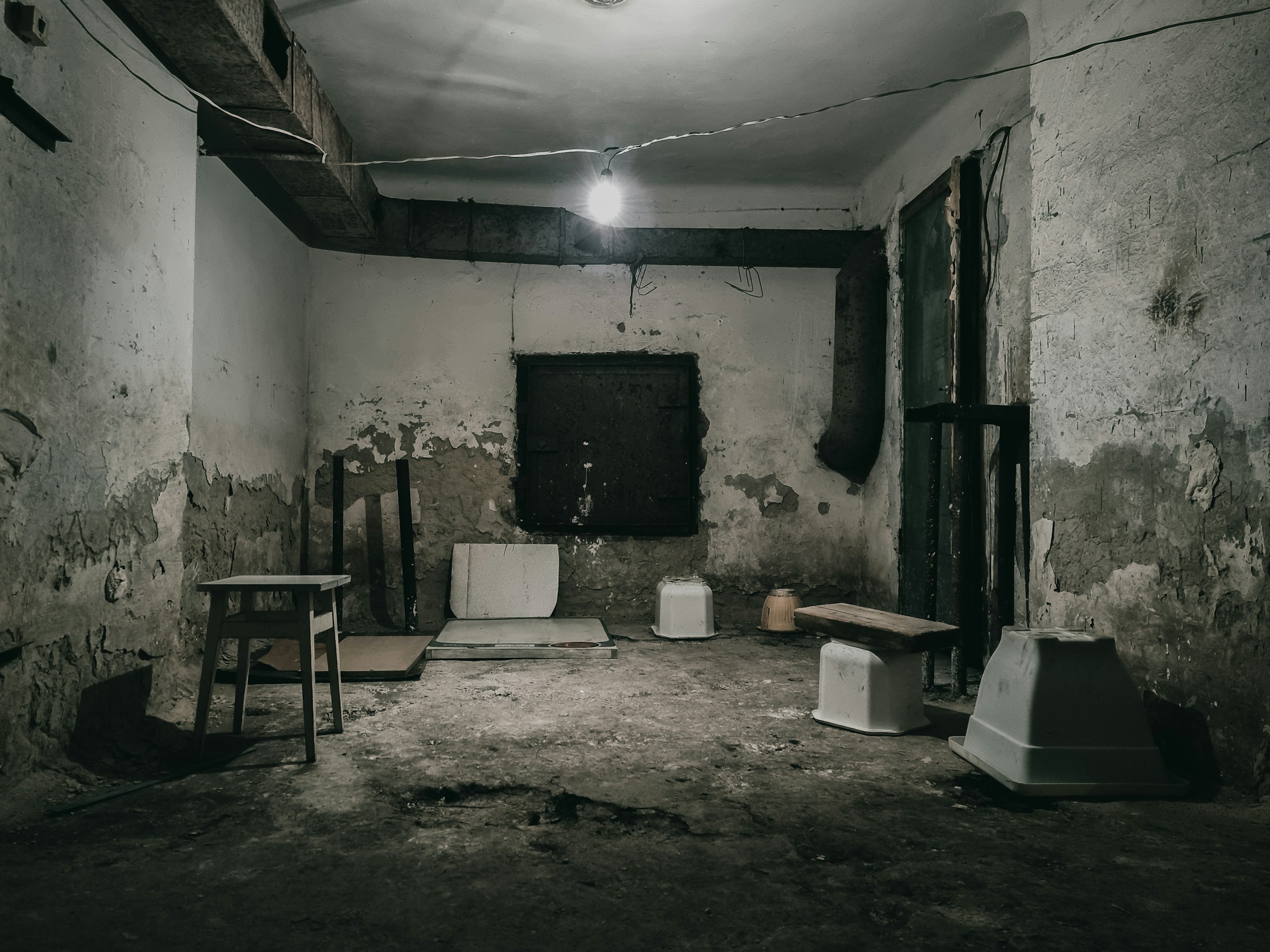

What the Smell Actually Is

Sewer gas is a noxious mixture of toxic and non-toxic gases produced by the decomposition of organic matter in your home’s plumbing system. This includes methane, hydrogen sulfide, ammonia, and carbon dioxide. The rotten egg quality comes from the hydrogen sulfide component specifically.
Hydrogen sulfide gas is also known as “sewer gas” because it is often produced by the breakdown of waste material. At low levels, it has a strong odor similar to rotten eggs. Even a brief whiff should put you on alert.
The gases that escape from a compromised sewer line, such as hydrogen sulfide and methane, can impact indoor air quality significantly. These gases are byproducts of decomposing organic waste and are not meant to be inhaled in a confined basement environment for any length of time.
Why Basements Are Especially Vulnerable
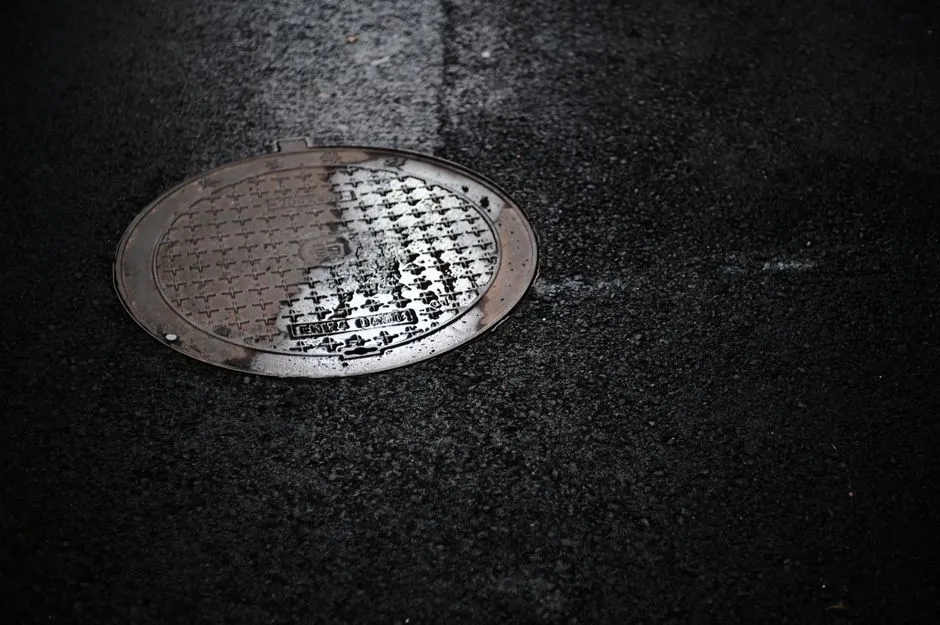
The architecture of a basement plumbing system is designed to keep sewer gases out through a series of traps and vents. When a sewer smell begins to linger near the floor, it indicates that one of these protective measures is no longer performing its primary function. Because basements are the lowest point in the home, they are often the first place where system-wide pressure imbalances or blockages manifest as noticeable smells.
Because hydrogen sulfide is heavier than air, it can collect in low-lying and enclosed spaces, such as manholes, sewers, and underground telephone vaults – and of course, your basement. That physical property explains why the problem concentrates below ground instead of dissipating upward.
The Dried-Out P-Trap: The Most Common Culprit
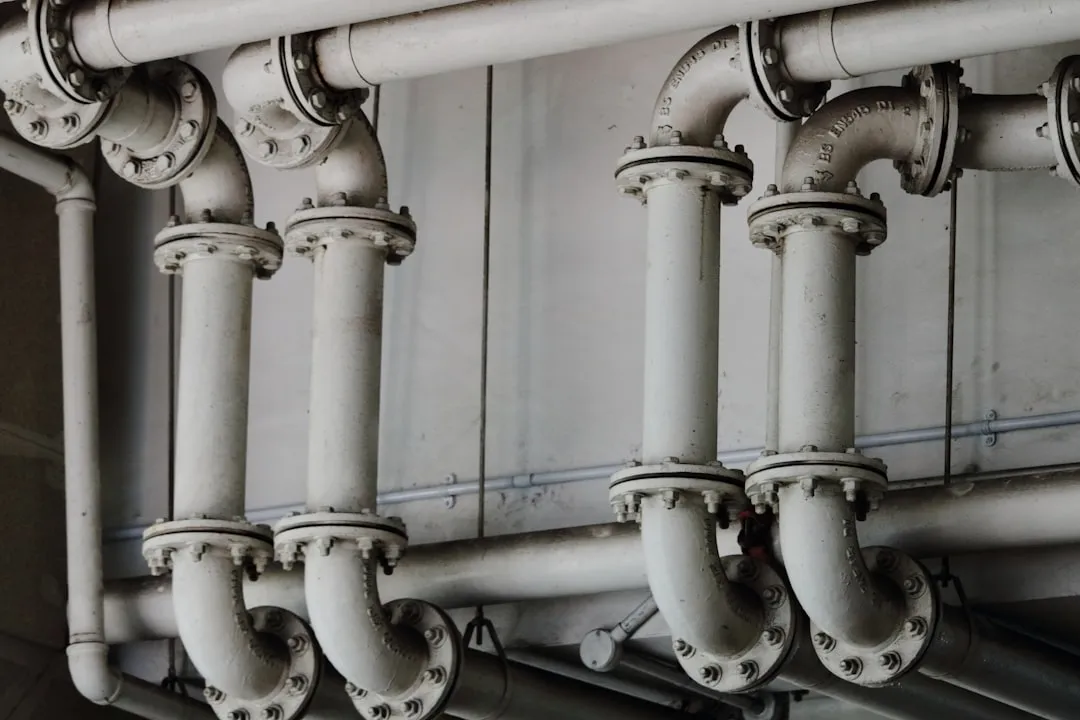
The most likely cause of a sewer smell in the basement is a P-trap under a floor drain, laundry tub, or wash basin that has dried out from lack of use. Water in any trap under unused drains will eventually evaporate.
A P-trap is the curved section of pipe located beneath sinks, floor drains, showers, and other plumbing fixtures. Its purpose is simple but important: it holds a small amount of water that acts as a barrier, preventing sewer gases from traveling back into your home. Once that water is gone, so is the barrier.
When a drain is not used often, the water in the P-trap can slowly evaporate. Once the trap dries out, sewer gases can escape into indoor spaces and cause unpleasant odors. Hot or dry weather causes faster evaporation. A simple fix is to pour water down seldom-used drains at least once a month, and some plumbers suggest adding a small amount of mineral oil on top to slow evaporation further.
Cracked or Damaged Sewer Lines
Over time, foundation shifts, tree roots, or natural wear can cause cracks or misalignment in sewer lines. These breaches allow gases to leak into the basement rather than flow safely into the main sewer system. Even small cracks can produce persistent smells.
Cracked or disconnected pipes, broken gaskets, and faulty flanges can all open up avenues for gas leaks. Over time, corrosion, pressure changes, and tree root infiltration can damage your plumbing infrastructure, leading to an invisible but smelly leak.
Gurgling drains or slow drainage are often a sign of partial blockage or root intrusion at the crack. Recurring backups in multiple fixtures, especially at the lowest level of the building, are another warning sign. Patches of unusually lush or soggy yard along the sewer path can also point to an underground break. If you notice more than one of these, a cracked sewer line deserves serious investigation.
Blocked Vent Stacks Pushing Gas Backward
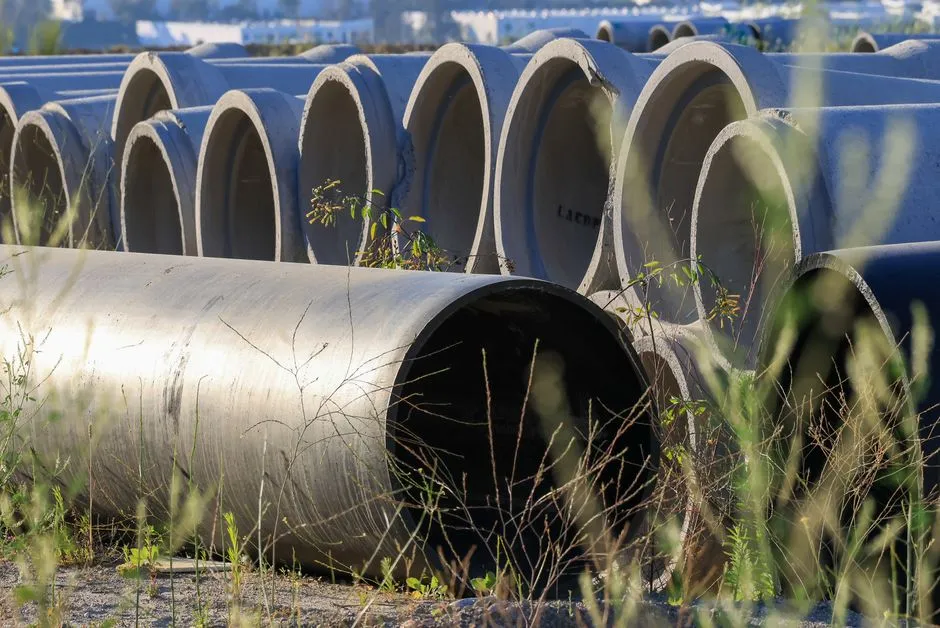
Vent stacks provide pressure equalization for the plumbing system and a safe outlet for sewer gases above the roofline. If they are blocked, pressure forces gases back down through traps, fixtures, and drains. Leaves, debris, bird nests, or seasonal ice are common culprits.
Vent stack blockage creates a whole-house odor, not a single-fixture smell. If the sewer gas smell is spread throughout multiple rooms and is accompanied by gurgling drains after flushing, the vent that normally releases gas out through the roof has been blocked by debris or a nesting animal.
A licensed plumber will inspect and clear the vent safely, as roof work is required. If vents are repeatedly blocked, consider installing vent screens or relocating vent terminations away from overhanging trees.
The Scale of the Sewer Infrastructure Problem
According to the U.S. Environmental Protection Agency (EPA), at least 23,000 to 75,000 sanitary sewer overflow events occur annually in the United States due to blockages, leaks, and infrastructure failures, highlighting the importance of timely upkeep and inspections to prevent plumbing issues and sewer gas problems.
That number puts individual basement smells in a larger context. Aging pipes, root intrusion, and deferred maintenance are widespread issues affecting homes across the country. A foul smell in one basement is often the first visible sign of a system under stress.
The Real Health Risks You Should Know About

Sewer gas contains hydrogen sulfide. According to the CDC, this toxic gas can cause headaches, dizziness, and nausea even at low levels. Sewer gas also contains methane, which is odorless and highly flammable, creating a potential fire hazard in your home.
Hydrogen sulfide is an explosive and extremely toxic gas that can impair several different systems in the body at once, most notably the nervous system. It can be smelled at 0.47 parts per billion by half of human adults, and will begin to cause eye irritation at 10 parts per million. Other low-level symptoms include nervousness, dizziness, nausea, headache, and drowsiness.
At typical household concentrations, sewer gas exposure produces irritation and flu-like symptoms rather than acute poisoning, and those symptoms resolve once the source is fixed. The practical problem is recognition: people live with mild symptoms for months without connecting them to the faint smell in the basement.
When Smell Stops Warning You: Olfactory Fatigue

It is important to note that at roughly 100 ppm, the olfactory nerve becomes paralyzed, removing the victim’s sense of smell and, subsequently, their awareness of the danger. This is one of the more unsettling facts about sewer gas exposure.
At high concentrations, hydrogen sulfide can interfere with the sense of smell, making it harder to use the gas’s distinct odor as a warning sign. In extremely high concentrations, hydrogen sulfide can cause loss of consciousness and death.
The gas essentially disables your only built-in warning system the moment it becomes most dangerous. That’s why relying on the smell alone to gauge severity is genuinely unreliable once concentrations rise. If you believe there are high concentrations of sewer gas in an enclosed space, evacuate the building and call the fire department for help.
How a Plumber Actually Diagnoses the Problem
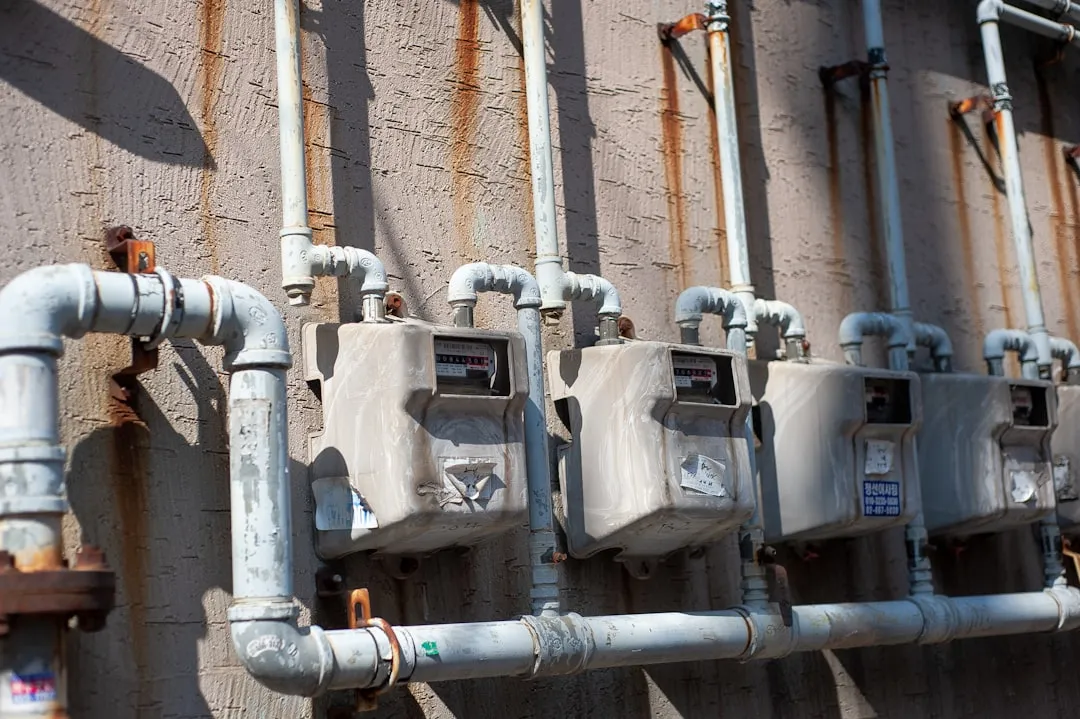
For persistent or hard-to-locate sewer gas issues, a plumbing smoke test is the definitive diagnostic tool. A plumber introduces non-toxic, artificially generated smoke into the drain system through a roof vent or cleanout. The smoke fills the entire drain system and escapes through any breach, including dry traps, cracked pipes, failed joints, missing caps, and deteriorated seals.
Observers inside the building watch for smoke emerging into occupied spaces. Every smoke exit point is a sewer gas entry point. It’s an elegant diagnostic approach that maps the entire system in one pass.
Identifying the specific nature of the odor requires a professional eye to distinguish between a simple venting error and a deep-seated structural failure. Attempting to guess the source without proper tools often leads homeowners to repair the wrong thing entirely.
Signs That Make It a Call-Right-Now Situation
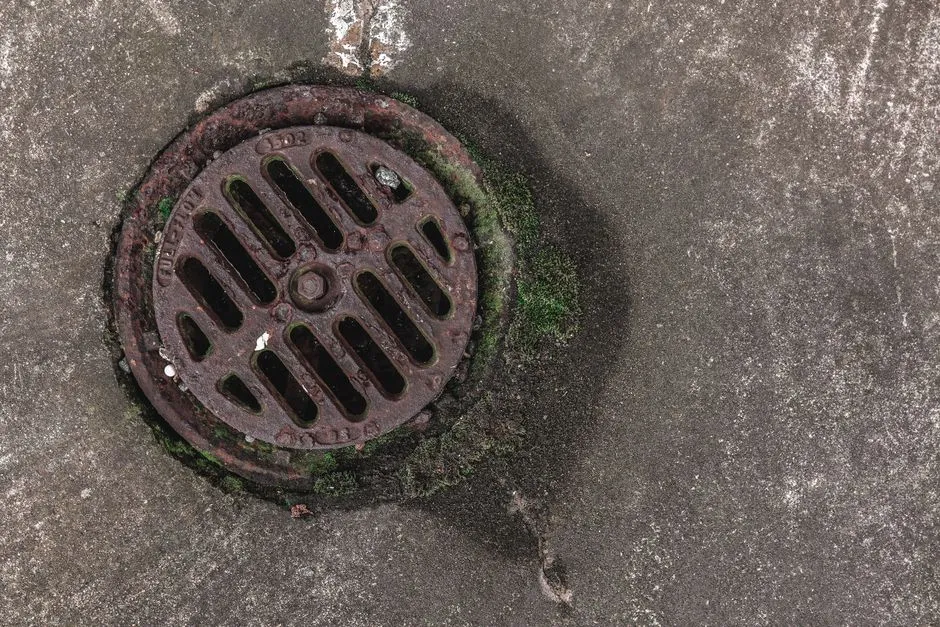
A sewer gas odor in the basement is more than just an unpleasant smell; it can indicate serious plumbing problems that threaten your health, safety, and home. Ignoring it may lead to hidden leaks, structural damage, or even hazardous gas buildup.
A main-line backup is not just an odor problem – it is a sanitary emergency. Backups can cause sewage to rise in floor drains, showers, or toilets. At that stage, the conversation shifts from plumbing repair to water damage and contamination remediation.
If you catch a whiff of rotten eggs, musty drains, or a “dirty bathroom” smell that won’t go away, you’re not just dealing with a nuisance. Sewer odors can signal real health risks and potentially serious plumbing problems hiding behind your walls, under your floors, or out in your yard. Persistent odor that doesn’t clear after refilling drains, or odor paired with gurgling sounds or slow drainage, is a clear signal to bring in a licensed plumber without delay.
The Takeaway
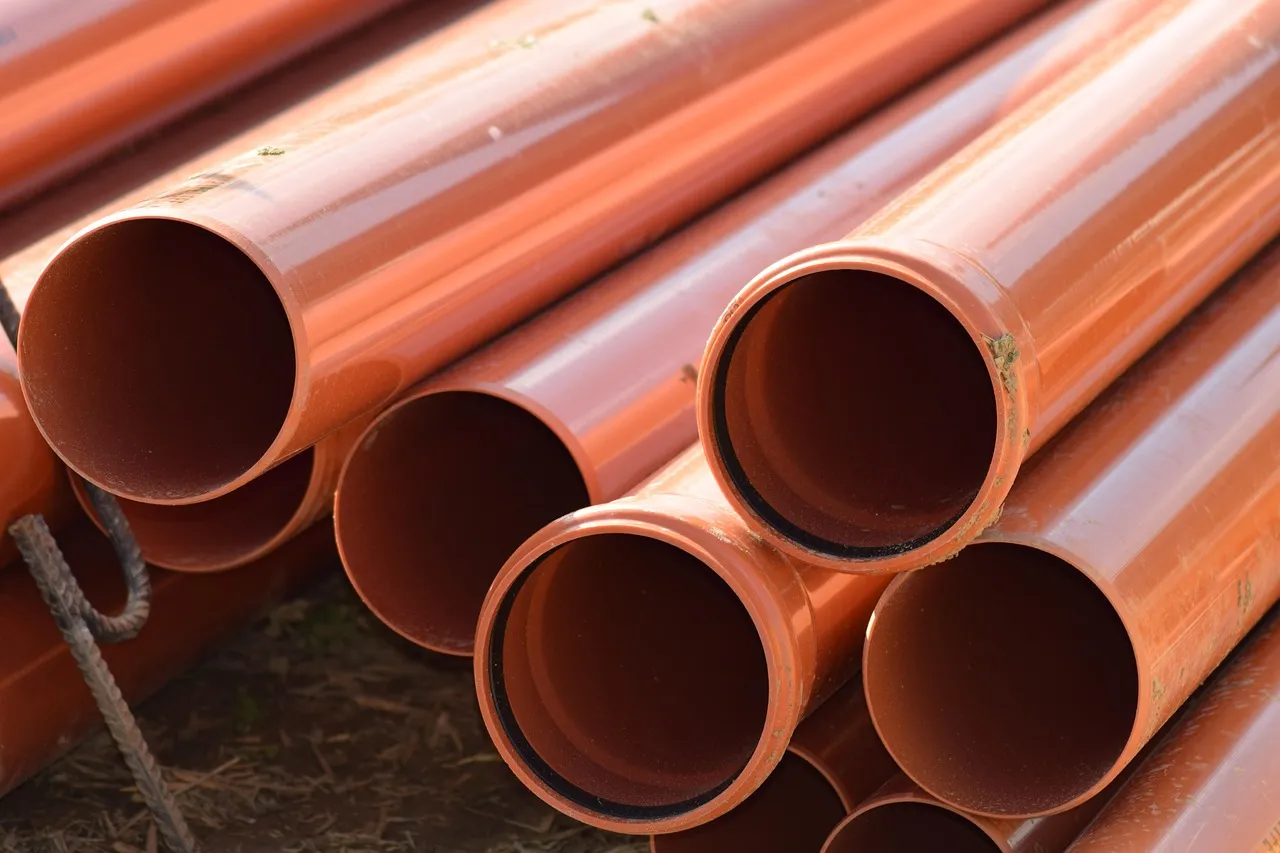
A basement that smells like rotten eggs is not a quirk of old houses or a problem that airs itself out over a weekend. It’s a signal from a pressurized system that something has failed, whether it’s a dried P-trap, a fractured pipe, a blocked vent, or something deeper in the main sewer line.
Some of these are simple fixes that take minutes. Others involve roof access, underground pipe repair, or a full smoke test to map the failure. The only way to know which one you’re dealing with is to stop ignoring the smell.
The gas doesn’t get less harmful with time. Even minor issues can worsen over time, affecting air quality, health, and the integrity of your plumbing system. Identifying the source early helps prevent bigger, costlier problems. That rotten egg smell in your basement isn’t just unpleasant. It’s worth a phone call.
AI Disclaimer: This article was created with the assistance of AI tools and reviewed by a human editor.