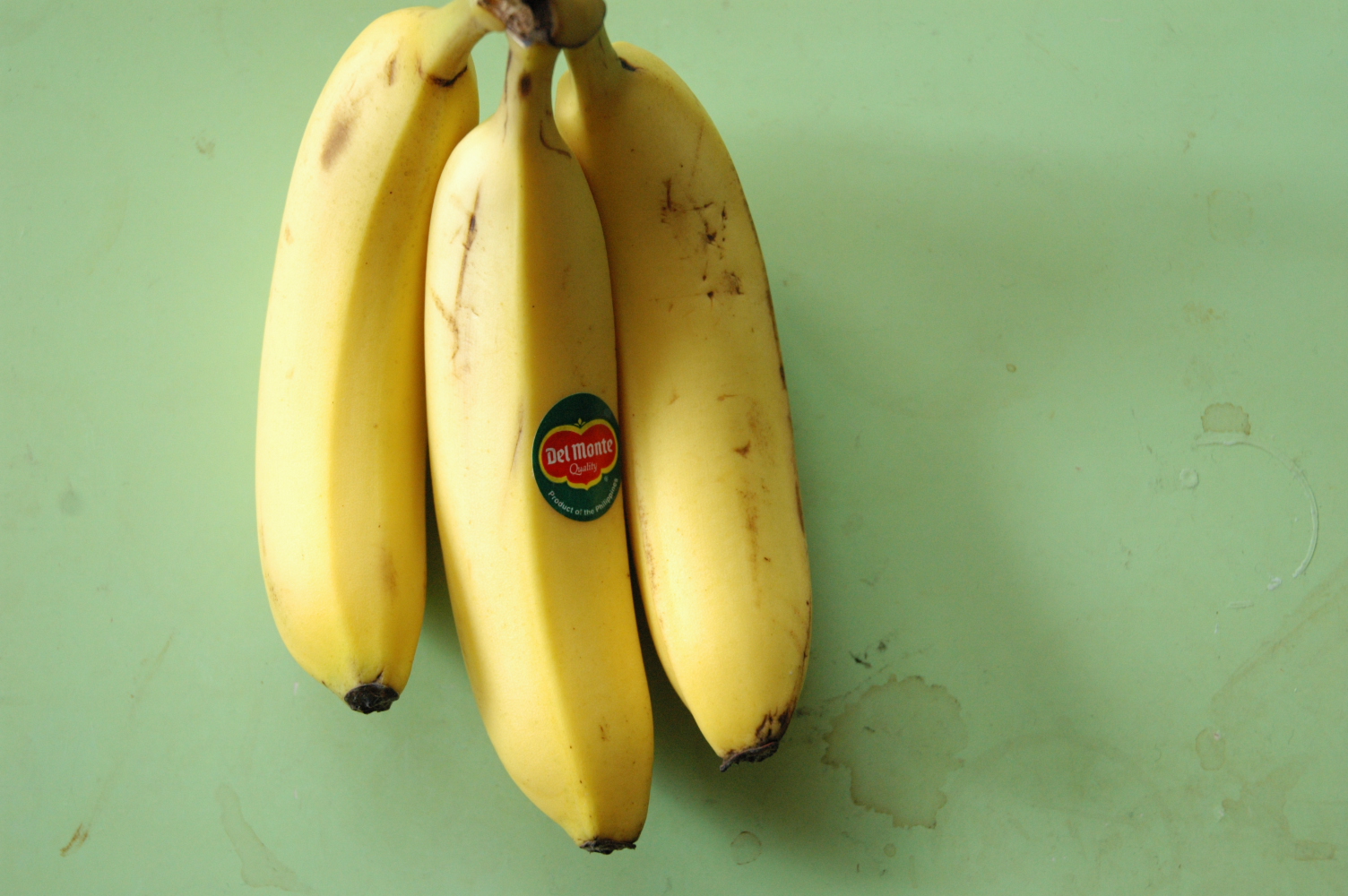

There’s something quietly fascinating about the fact that kitchen scraps your grandparents buried in the garden are now the subject of peer-reviewed agricultural research. Long before bags of synthetic fertilizer lined hardware store shelves, generations of home gardeners relied on what they had on hand, and banana peels were surprisingly high on that list. The practice felt like folk wisdom passed mouth to mouth. It turns out, the science behind it is more grounded than many people assumed.
The trick is simple: bury a banana peel near the base of a plant, steep it in water, dry it to powder, or toss it into compost. But what actually happens to the soil, and does any of it hold up to scrutiny? The answers are more nuanced than viral garden hacks would have you believe, and more interesting too.
Before Synthetic Fertilizer, Scraps Were the Only Option
Until the nineteenth century, gardeners relied almost solely on organic wastes for manuring the garden soil. There were no bags of slow-release granules, no pre-mixed liquid feeds. Kitchen scraps, animal dung, ash from the fireplace, and decomposed plant matter were the tools available, and gardeners made the most of them.
Before chemical fertilizers became widespread in the early 20th century, growers depended on organic matter to feed their soil. The key to their success was building soil fertility naturally through composting, which turned decomposed plant materials, kitchen scraps, and manure into nutrient-rich soil amendments. Banana peels fit naturally into this system. They were plentiful, free, and, as it turned out, genuinely useful in specific ways.
The Second World War changed the shape of how we fertilize. Bagged fertilizer as we know it got its start in a completely different line of work: explosives. During World War II, many factories produced large amounts of nitrogen for use in explosives meant for war. After the war, that surplus nitrogen was redirected into agriculture, and the era of synthetic fertilizer truly began. Before that shift, the banana peel trick was not a quirky hack. It was simply how things were done.
What Banana Peels Actually Contain
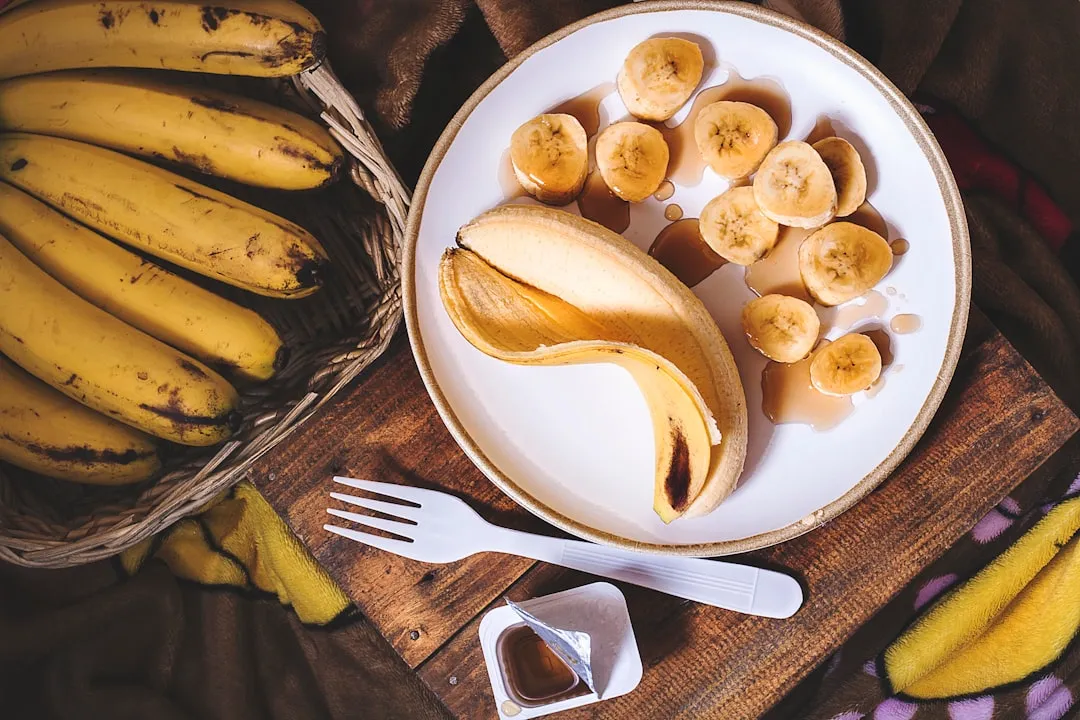
Rich in nutrients such as potassium, magnesium, and sulfur, banana peels can be repurposed as a natural fertilizer, providing plants with essential minerals for healthy growth. That list is real and verifiable. However, the nutrient concentrations are modest, and some popular claims online have inflated them significantly.
Peels hold a modest mix of nutrients. The headline nutrient is potassium, followed by small amounts of phosphorus and calcium. There is some magnesium and trace elements. Nitrogen is lower than you might expect for something classed as fertilizer.
Banana peels contain about 280 mg of potassium per peel along with calcium, phosphorus, and magnesium. That’s a meaningful contribution when peels are used consistently and properly processed, though it shouldn’t be confused with a complete plant food. It is one useful piece of a larger nutritional picture.
The Potassium Story: Why It Actually Matters
Dried banana peels are roughly 42 percent potassium, more than most other organic substances, such as manure at 0.5 percent and wood ash at 10 percent. Of all the nutrients in banana skin, potassium is one of the most significant. Potassium promotes the movement of water and nutrients between cells.
Potassium also strengthens stems and protects plants from disease. Because the plant is healthier, it might flower more. After the plant blooms, potassium can improve the quality and size of any fruit or nuts. This is partly why the trick was so popular with rose growers and vegetable gardeners alike.
Potassium helps plants grow strong roots, and it also enables good distribution of water and nutrients. Plants use potassium to help regulate plant enzymes and support the plant in growing stronger stems. This works together to help grow strong, sturdy, disease-resistant plants. Grandparents who tucked peels under their roses probably didn’t know the chemistry, but they noticed the results.
Phosphorus: The Overlooked Benefit
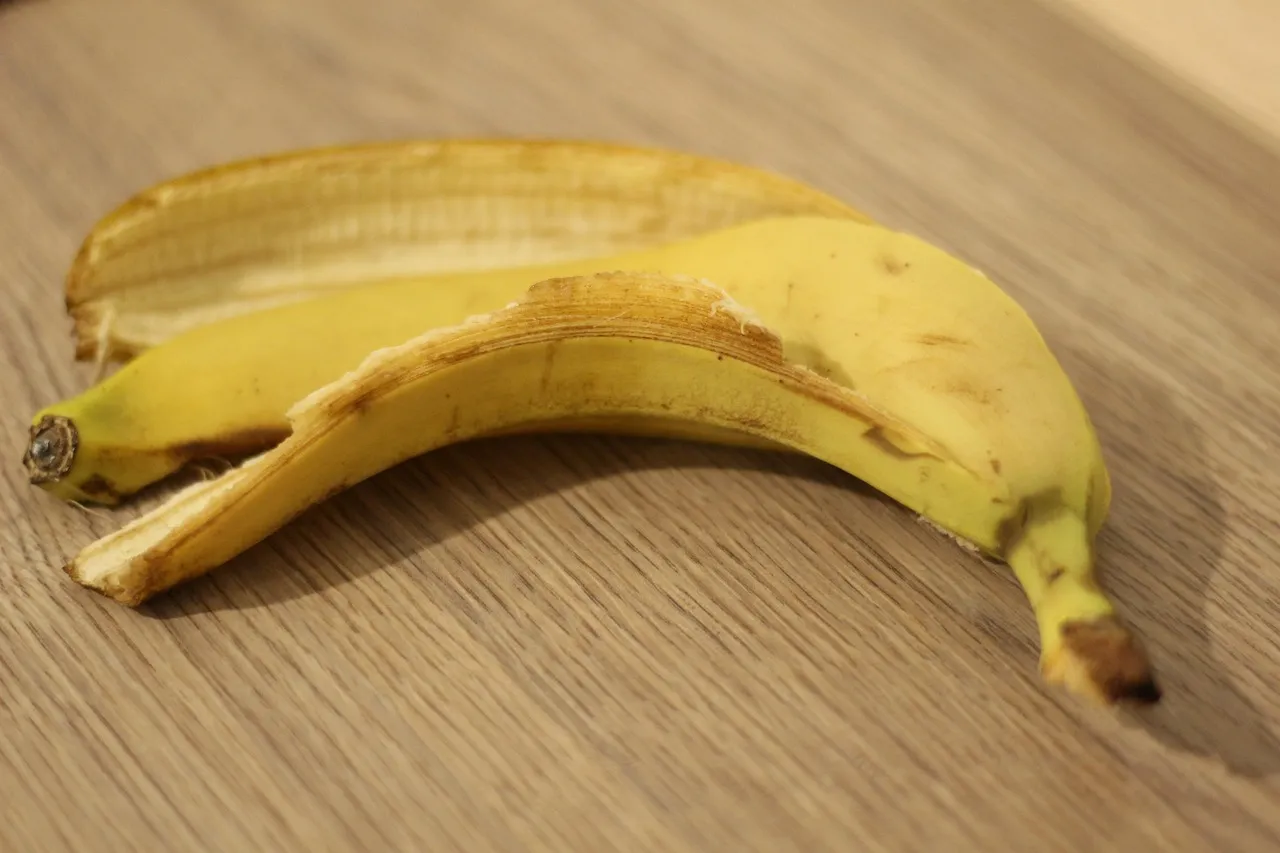
Another one of the most prevalent nutrients in banana peels is phosphorus. Banana peels are roughly 3.25 percent phosphorus, one of the other major nutrients that plants need to grow. Phosphorus helps rooting, improves winter hardiness and speeds up flowering and fruiting.
Banana peels inserted in the soil near the roots are an effective way to get phosphorus to plants, because the peels break down quickly in the soil. This immediacy is helpful, because phosphorus is not mobile in the soil. That’s a detail worth understanding. Phosphorus doesn’t travel through soil the way water does, so placing peels directly near roots is actually the most sensible method.
Phosphorus also helps build healthy roots and shoots, and it is absolutely essential for the successful production of blossoms, pollen, and fruit. Plants that receive plenty of phosphorus grow big and strong. Given that commercial fertilizer wasn’t available, using peels near flowering plants was not superstition. It was practical observation.
What Grandparents Got Right About Calcium and Trace Minerals
In addition to potassium, banana peels contain vital nutrients for general plant health, including calcium, manganese, sulfur, and magnesium. Each of these nutrients plays a role in maintaining plant health, whether it’s photosynthesis, generating chlorophyll, or regulating the movement of water among cells.
Calcium assists in breaking down soil nutrients such as nitrogen and supports other minerals in moving through a plant’s system. Roots and stems are also dependent upon ample calcium for strength and proper stem and root development.
The calcium content found in banana peels helps plants absorb nitrogen in the soil more easily. So even though peels don’t contribute much nitrogen directly, they can improve a plant’s ability to use the nitrogen that’s already present in the soil. That’s a subtler but genuinely useful interaction older gardeners likely noticed without being able to name it.
Why Raw Peels Alone Don’t Tell the Whole Story
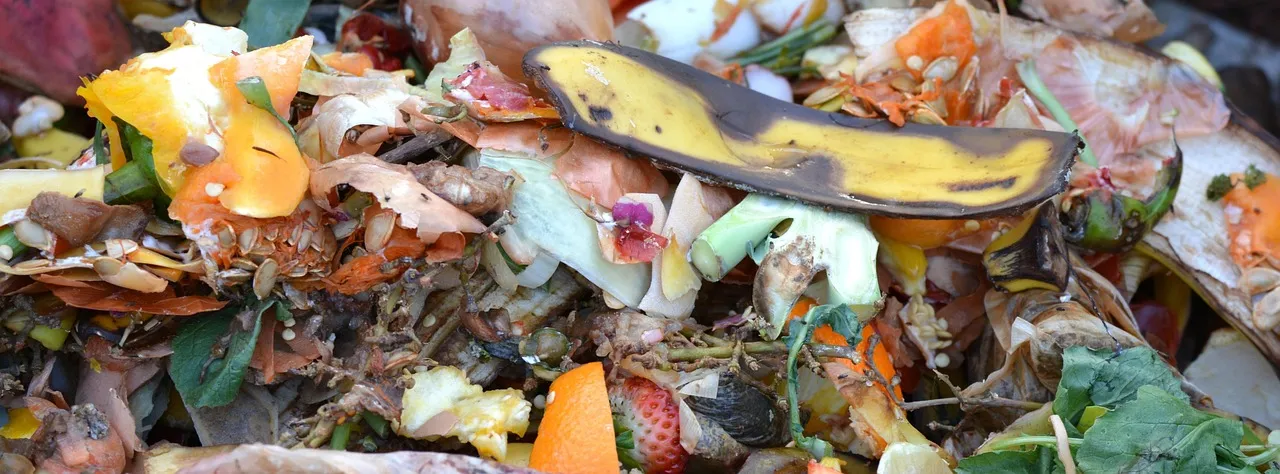
The potassium stays mostly locked in the tissue unless the peel is fully decomposed. A brownish soak water is not proof of nutrient richness. This is where many modern garden hacks go wrong. The nutrients inside a peel are bound up in plant tissue, and they become available to other plants only after microbial digestion breaks that tissue down.
Composting (60 to 120 days), vermicomposting (4 to 8 weeks), or bokashi fermentation (2 to 3 weeks) transforms the locked-in nutrients into bioavailable forms. Fresh banana peel water and fresh-buried peels at planting time skip that transformation and do not deliver meaningful nutrients.
This doesn’t mean the trick is fake. It means the preparation matters. Grandparents who buried peels in autumn so they’d break down before spring planting understood this intuitively, even without the language of bioavailability. Patience was built into the method.
What Modern Research Says About Banana Peel Biofertilizers
Most of the results in a 2024 review published in the journal Agriculture revealed that banana peels significantly improved the growth parameters of various plants. However, for biochar, the plant height was insignificant between treatments, further emphasizing the importance of the application method used. Banana peels are a valuable resource for biofertilizer synthesis.
A field experiment showed increases in nitrogen content by 16 to 31 percent and potassium by 12 to 24 percent due to using dried banana and orange peels compared to compost treatment. Moreover, the concentration of nitrogen and potassium at different plant growth stages in soil or plant did not differ significantly between plots fertilized with mineral fertilization and those fertilized with banana and orange peels. That is a striking finding. Properly applied banana peel preparations can reach near-parity with mineral fertilizer for specific nutrients.
A 2024 review in the journal Agriculture identified and analyzed more than 146 articles on the topic, with 7 studies focused specifically on banana peel-based fertilizers, 9 on banana peel composite fertilizers, and 5 on banana peels transformed into biochar for fertilizer applications. Research in this area has grown substantially, which gives the old kitchen trick a credibility it was never formally awarded.
The Composite Method: Peels Plus Orange Rinds
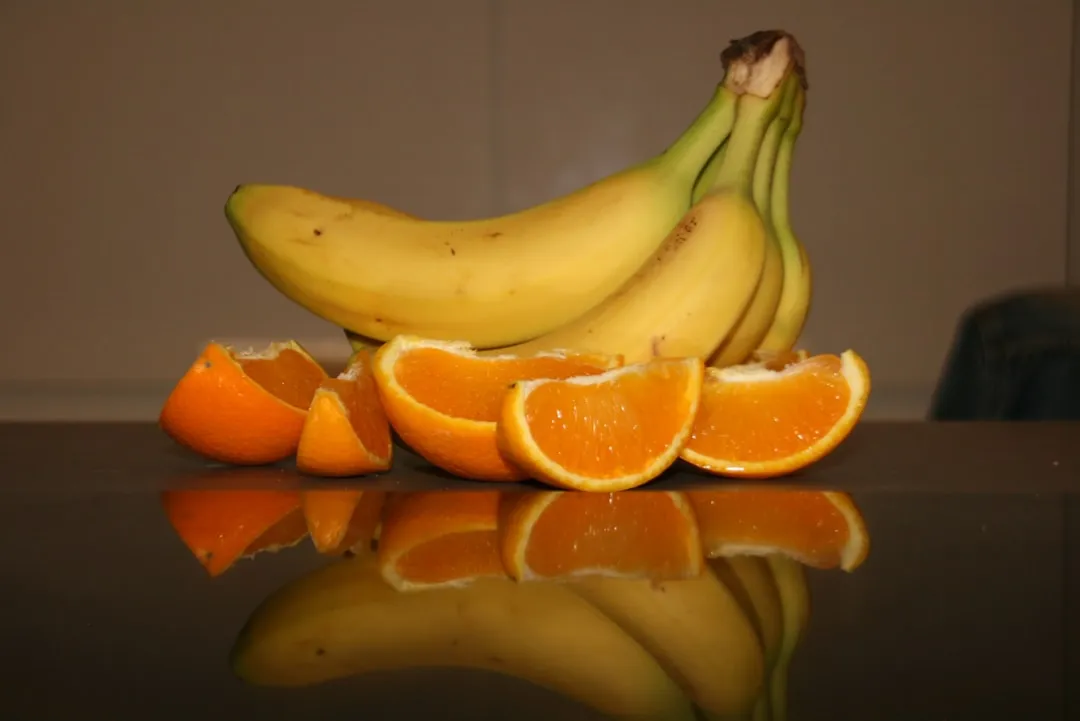
A composite of banana and orange peels emerged as the most favoured and widely used approach, closely followed by dried banana peels alone. The reasoning is that different fruit peels carry complementary nutrient profiles, and combining them produces a more balanced amendment than either one alone.
The banana and orange peel composite exhibits outstanding fertilizer properties, according to the 2024 Agriculture journal review. This aligns well with the intuitive behavior of older gardeners who routinely threw mixed fruit scraps into the same hole or compost heap without making careful separations.
Due to the abundance of natural phenolic compounds, antioxidants, flavonoids, vitamins, vital amino acids, potassium, and growth promoters, all of which are required for the growth of the plant, banana peels have received significant attention as organic waste from gardens and homes all over the world. The mix of bioactive compounds beyond basic NPK is one reason the peel story has more depth than it initially appears.
The Dried Powder Method and Its Practical Value
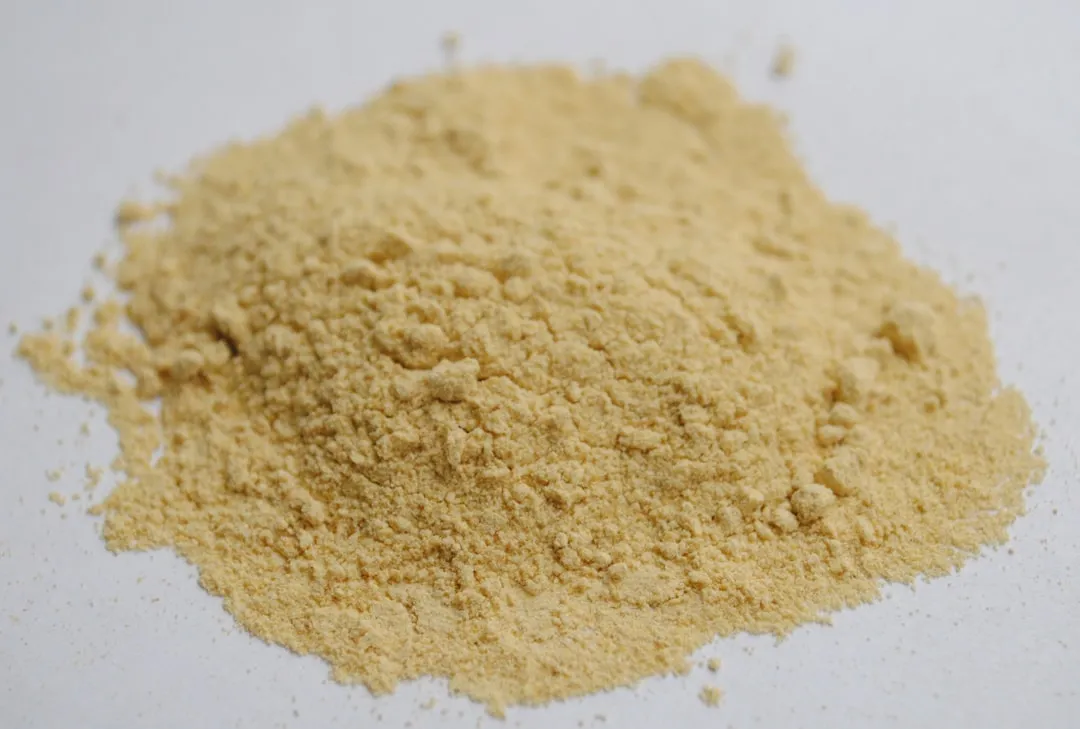
Preparing banana peel fertilizer is a straightforward process that involves drying, grinding, or composting the peels. One method is to dry the peels in the sun or using a food dehydrator and then grind them into a fine powder that can be mixed into the soil. This approach increases the surface area exposed to soil microbes, which speeds nutrient release considerably.
Recent agricultural research has elevated banana peel usage through drying and grinding techniques. This method creates a concentrated, slow-release fertilizer that avoids the problems of raw peels. It is also easier to store, carries no odor issues, and can be applied in measured amounts rather than tossed in whole.
Dry peel powder can work better than chunks because of the higher surface area, but it still needs microbial digestion in the potting mix. A light incorporation into the top few centimeters of soil, rather than surface dusting alone, gives the microbial community the moisture and contact it needs to do its work effectively.
Honest Limits: What Peels Cannot Do
Peels are not a complete fertilizer. Garden vegetables and flowering annuals use significant nitrogen, phosphorus, and potassium, plus secondary and trace elements. Banana peels can be a valuable supplemental source, especially for potassium, but they should not be treated as the only amendment a garden needs.
The NPK value for fresh banana peels is considerably lower than for dried ones, and for comparison, purchased bagged manure is around 1-1-1 in terms of NPK. This puts the contribution of fresh peels in perspective. Useful, yes. Sufficient on their own, generally not.
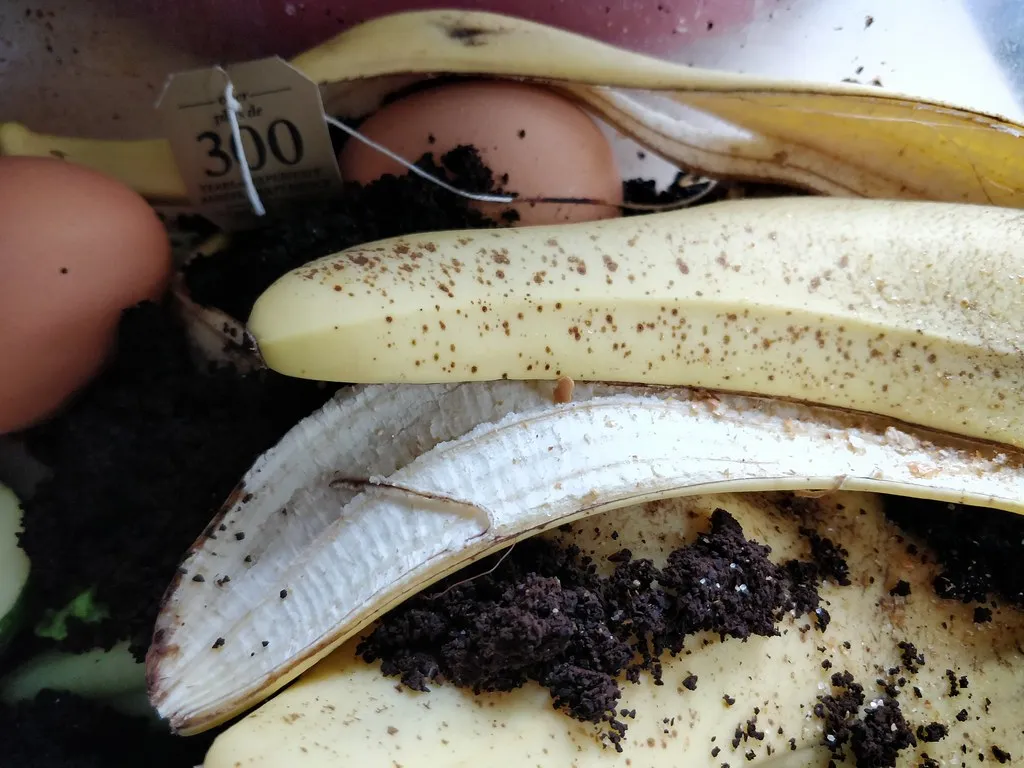
Peels from conventionally grown bananas can carry small residues on the surface. This is one more reason to compost peels rather than steep or bury them near edibles. Composting and vermicomposting reduce residue concerns as microbes, time, and heat do their work. Choosing organic bananas when possible, or running peels through an active compost pile, remains the most prudent approach for food gardens.
The Final Takeaway
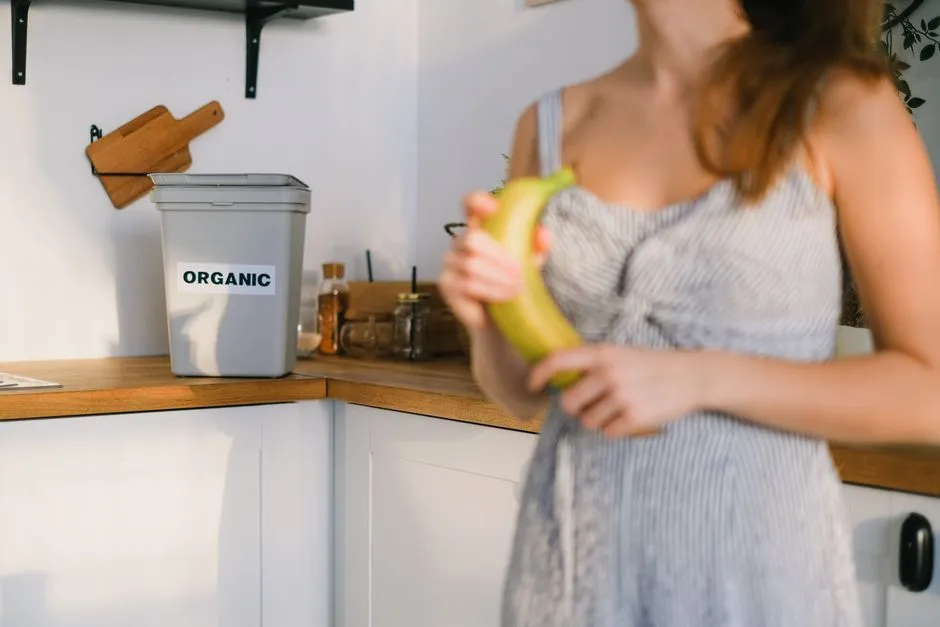
The banana peel trick wasn’t magic. It was a practical, low-cost way to return nutrients to the soil at a time when there was no alternative. The use of banana peels as a fertilizer is backed by scientific evidence, showcasing its potential to improve soil fertility and plant nutrition. What changed isn’t the validity of the method. It’s our ability to understand precisely why it works.
This approach not only reduces kitchen waste but also offers an eco-friendly alternative to synthetic fertilizers, which can harm the environment. The concept of using banana peels as fertilizer aligns with the growing interest in organic and regenerative farming practices, which aim to enhance soil health, biodiversity, and ecosystem services.
The grandparents who saved their peels weren’t operating on superstition. They were reading their gardens carefully and passing along observations that, generation by generation, turned out to be largely correct. Science eventually caught up. It usually does.
AI Disclaimer: This article was created with the assistance of AI tools and reviewed by a human editor.