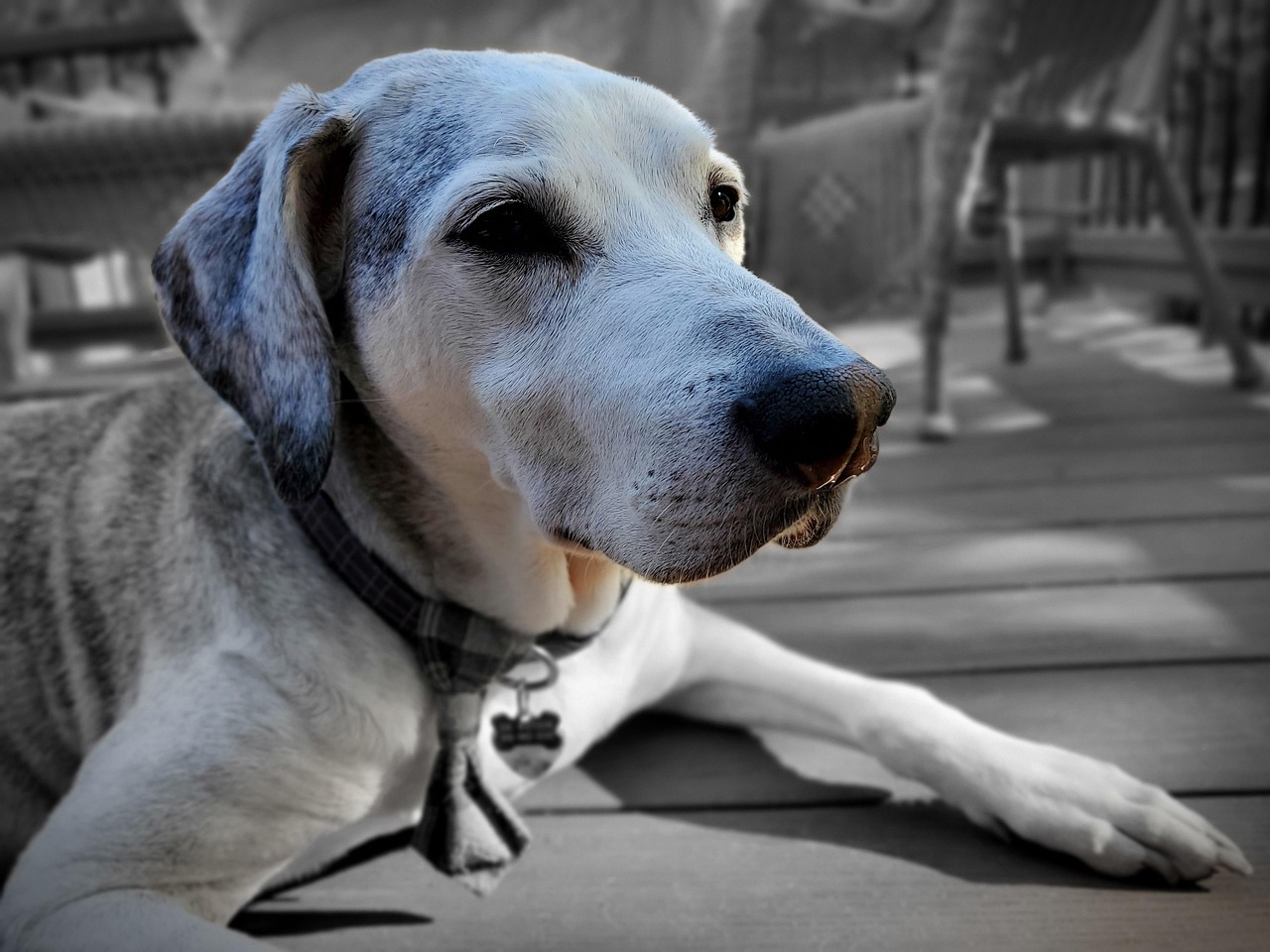

Most dog owners put a lot of thought into what happens inside the house as their dog ages. The backyard, though, tends to stay unchanged. That mismatch matters more than it looks, because the outdoor space that worked perfectly for a three-year-old dog can quietly become exhausting or even risky for a ten-year-old one.
Safe walking surfaces, accessible resting areas, reliable shade, thoughtful mobility support, and consistent routines all help older dogs continue enjoying the backyard with greater comfort and confidence. The changes don’t need to be dramatic. Most of them are practical, low-cost, and easy to implement one step at a time.
Smooth Walking Paths That Actually Go Somewhere
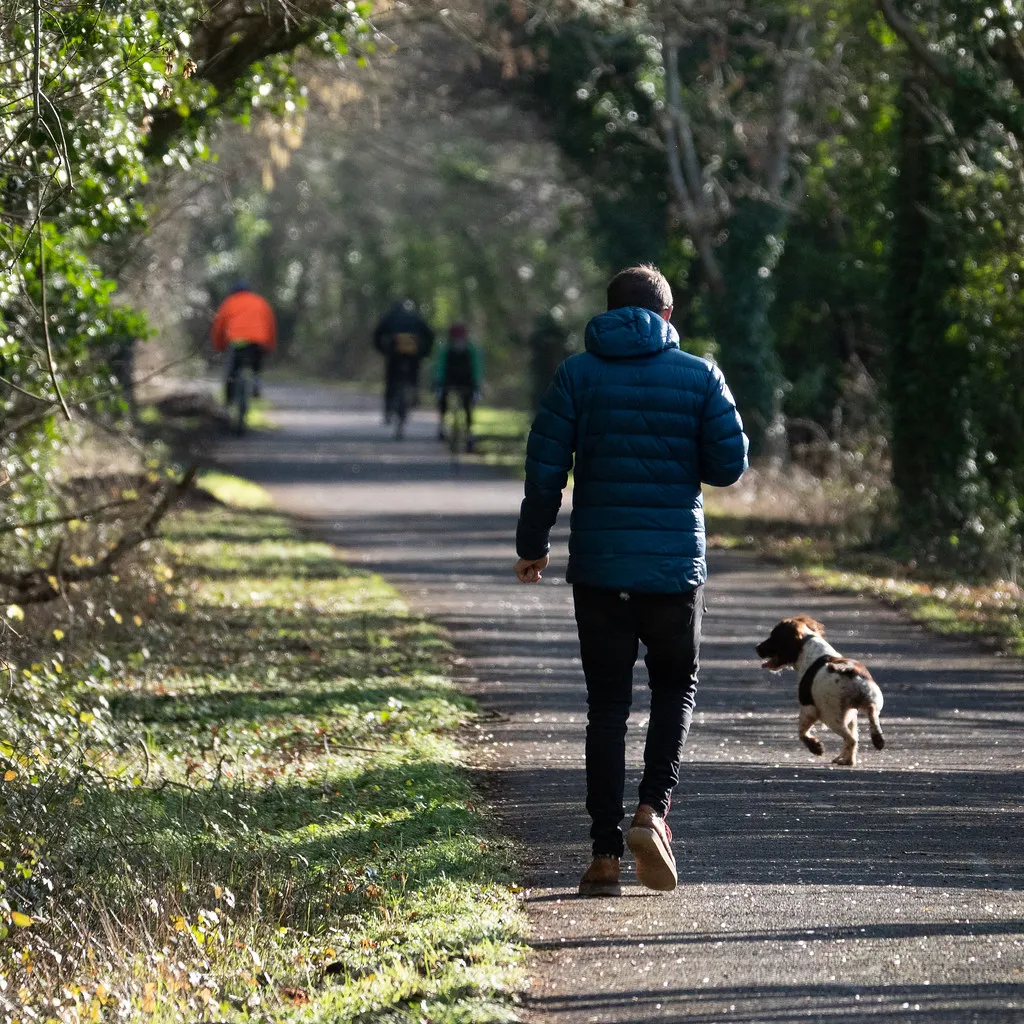
Senior dogs often remain eager to explore outdoors, but uneven terrain can discourage them from moving around as much as they once did. Gravel, loose stones, muddy areas, and steep slopes all require extra effort and can increase the risk of slipping or losing balance.
Creating smooth walking paths between favorite areas, such as the patio, lawn, garden, and resting spots, allows older dogs to move with greater confidence. This doesn’t mean paving over everything. Even a simple gravel-free lane of packed soil or flat stepping stones makes a real difference in how willingly a dog moves around.
Thoughtful improvements can help an aging dog stay active, independent, and comfortable while continuing to enjoy time outside. The goal isn’t to limit movement but to make movement safer and less physically demanding.
Reliable Shade at Every Corner of the Yard

Shade becomes especially important during warmer months, as senior dogs often tolerate heat less efficiently than they did when they were younger. Trees, pergolas, covered patios, or strategically placed umbrellas can all make outdoor time more enjoyable while reducing the risk of overheating.
All breeds, even those that originate in hot climates, eventually have a harder time tolerating extreme temperatures as they get older. Puppies and senior dogs have lower tolerance for temperature extremes regardless of breed, with slower ability to regulate body heat making them more vulnerable to both heat and cold.
Making sure a dog always has access to shade, where it can be around ten to fifteen degrees cooler, is a straightforward and effective precaution. Shade should be positioned where the dog actually likes to rest, not just near the house or in a corner the dog rarely visits.
A Dedicated Outdoor Resting Spot

Senior dogs sleep more, rest more, and need a place outside that genuinely supports that. A weatherproof orthopedic bed or a raised cot placed in a shaded spot gives the dog somewhere comfortable to settle without lying directly on cold concrete or hot pavers.
A sensory garden stimulates a dog’s sense of smell, sight, touch, and sound. It is especially helpful for anxious or senior dogs who might not be as active but still need and enjoy outdoor exploration. Placing a resting area near such a space keeps the dog engaged without requiring them to move constantly.
Just like humans, aging pups feel extreme heat much more intensely. Dehydration sets in earlier, their hearts work harder, and their energy wanes much faster under the unrelenting sun. A comfortable outdoor bed positioned in shade eliminates that stress entirely.
Non-Slip Surfaces to Prevent Falls
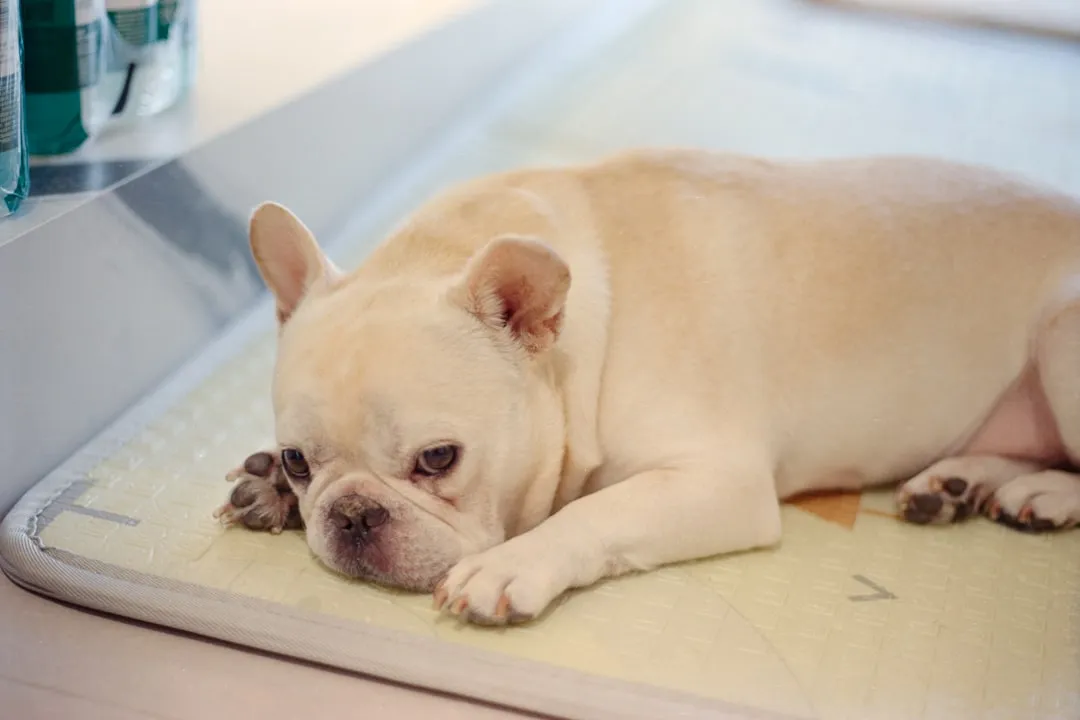
Slippery surfaces are one of the most overlooked hazards in any backyard. Wet patios, polished stone, and smooth wooden decking can all become genuinely dangerous for an older dog whose muscles and coordination have started to fade.
Going up or down stairs can become a real challenge for older dogs. The increased force on sore joints and muscles can be uncomfortable, and dogs who are unsteady on their feet are more at risk of slipping and falling.
A slip can cause a dog to overcompensate, leading to pulled muscles or torn ligaments, compounding existing arthritis. Outdoor non-slip mats, rubber strips, or textured paving stones placed along key transition areas, such as the deck edge, patio, and any sloped surface, go a long way toward preventing these avoidable injuries.
A Well-Placed Outdoor Ramp
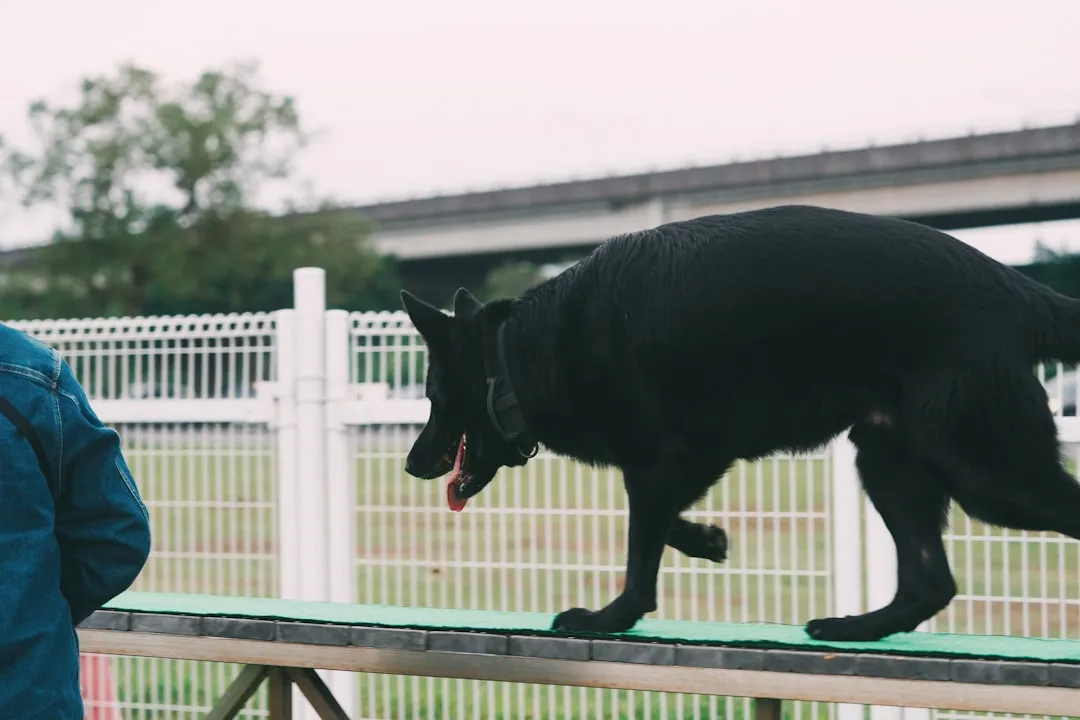
A ramp can reduce impact on joints and soft tissues by replacing repeated jumping with a steady, controlled climb. That matters specifically for senior dogs, large breeds, short-legged dogs, and pets with arthritis, hip dysplasia, or recent surgery.
Vets often frame ramps as a simple “injury prevention” tool, similar to keeping dogs at a healthy weight or trimming nails to improve traction. For backyards with raised decks or porch steps, a ramp becomes one of the most useful modifications possible.
Veterinary physical therapists recommend slopes no steeper than eighteen to twenty-five degrees for most senior pets, with even gentler inclines for pets with severe mobility limitations or smaller breeds with shorter legs. Veterinarians typically favor ramps with a non-slip surface, side rails or raised edges, and a sturdy build that doesn’t wobble.
Fresh Water That’s Easy to Reach
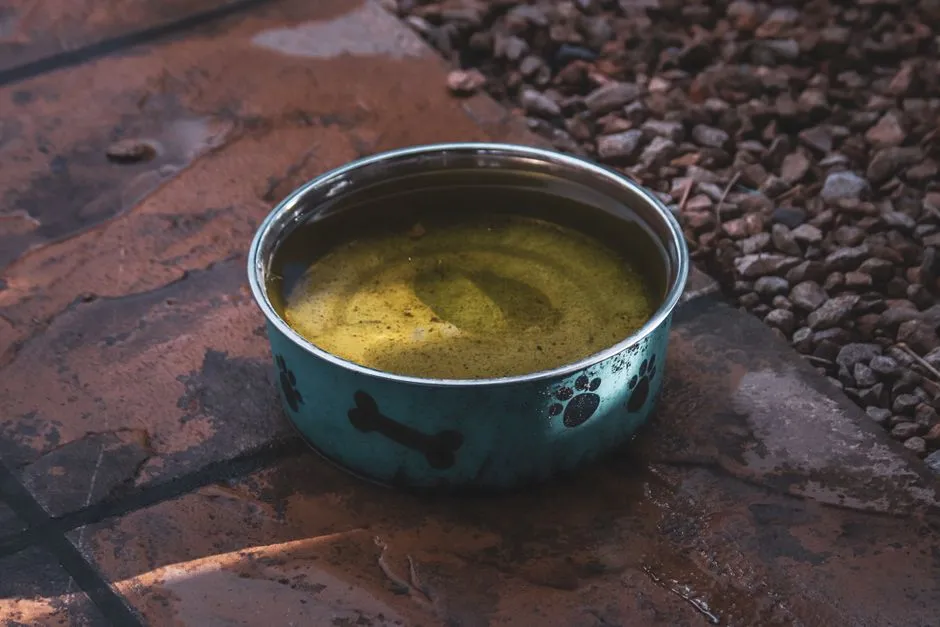
Simple additions like raised water bowls and easily accessible drinking stations help encourage regular hydration throughout the day. It sounds almost too obvious, but many backyards have a single water bowl tucked near the back door, which a slow or stiff dog simply won’t walk to very often.
Placing two or three water stations throughout the yard, positioned at resting spots and along the paths the dog already uses, removes the friction entirely. Raised bowls also reduce strain on the neck and front shoulders, which matters for dogs with cervical tension or general joint discomfort.
A Fenced, Low-Hazard Perimeter
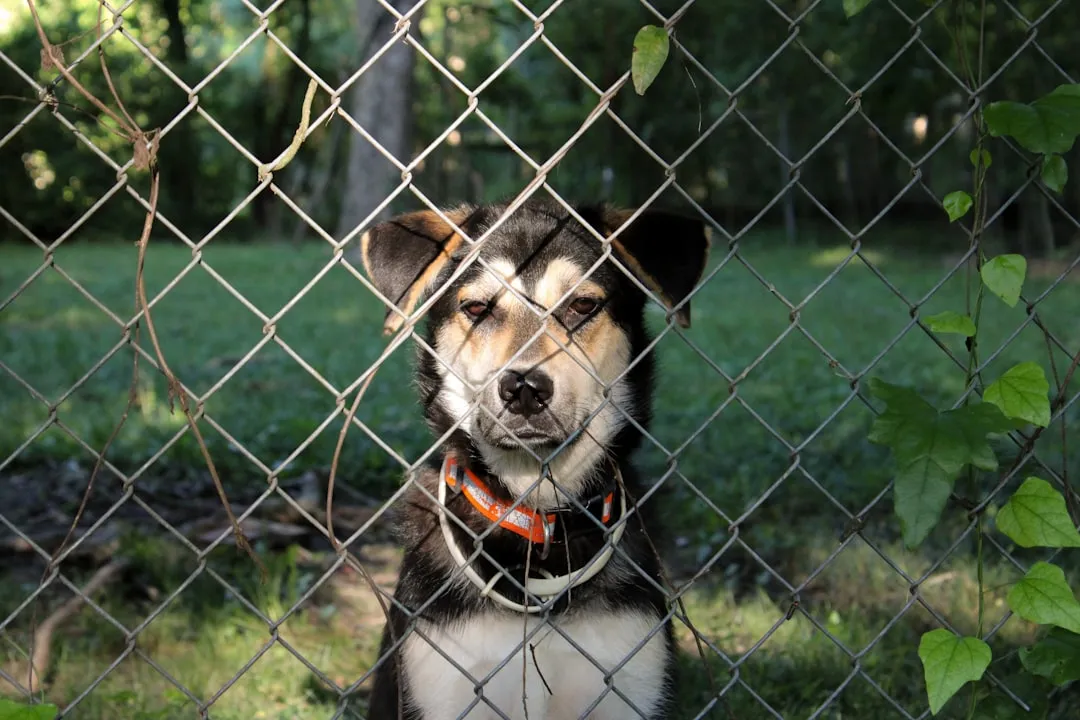
Assessing the yard for potential hazards includes looking for sharp objects, toxic plants, and any gaps or weaknesses in fencing. Senior dogs may not have the agility to avoid these hazards the way a younger dog would, making a careful check more important, not less.
Toxic plants are one of the most prevalent backyard dangers to dogs. In addition to common garden plants such as daffodils, hydrangeas, and elephant ears, wild mushrooms and some weeds like milkweed also pose a threat. The ASPCA maintains a list of toxic and nontoxic ornamental plants and vegetables that makes verifying a garden straightforward.
Choosing non-toxic plants for the garden is a basic but important step, since some very common plants can be harmful to dogs if ingested. A clean, uncluttered perimeter also means fewer things to trip over or snag a limb on during a slow, careful wander.
Low-Impact Exercise Space
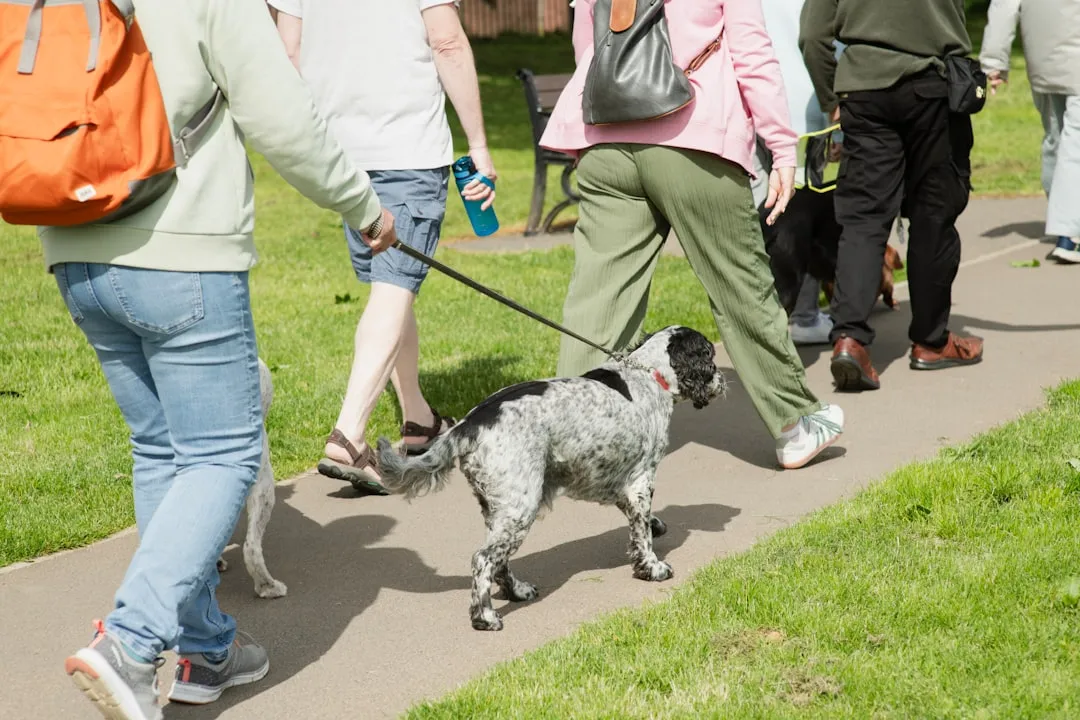
Regular, low-impact exercise can make a massive difference for senior dogs with mobility challenges. For many dogs, gentle, sustained movement like a fifteen-minute walk on gentle terrain is more beneficial than intense, short exercise like a brief run around the yard or chasing a squirrel.
Movement keeps the joints healthy and moving freely, but it also keeps the muscles that support those joints strong. Dogs need both healthy joints and muscles to maintain mobility. Designing a yard with a clear, obstacle-free loop, even just a gentle oval path around the lawn, encourages this kind of steady, low-stress movement naturally.
Dogs that require lots of exercise and mental stimulation show fewer signs of anxiety and boredom when they have a yard to explore. Even senior dogs that don’t get the puppy-induced zoomies benefit from having open outdoor space.
The Arthritis Factor: Why the Numbers Matter

In the United States, about fourteen million adult dogs are affected with osteoarthritis, making it a top health concern for owners. That’s a substantial portion of the overall dog population, and the figure underscores just how common mobility challenges are among aging dogs.
A peer-reviewed study published in the Journal of Animal Science evaluated plasma proteins in diets for senior dogs experiencing mobility challenges, finding improved mobility-related outcomes over a forty-two-day feeding period. The research evaluated senior dogs across multiple endpoints including lameness scoring, diet digestibility, and select serum and synovial fluid biomarkers associated with joint health.
What the research collectively suggests is that joint health in senior dogs is genuinely manageable with the right combination of environment, movement, and nutrition. As dogs live longer lives, their health challenges also change, a trend that the Morris Animal Foundation recognized by making senior dog health the focus of new research funding in 2025.
A Sensory Garden Corner for Mental Engagement
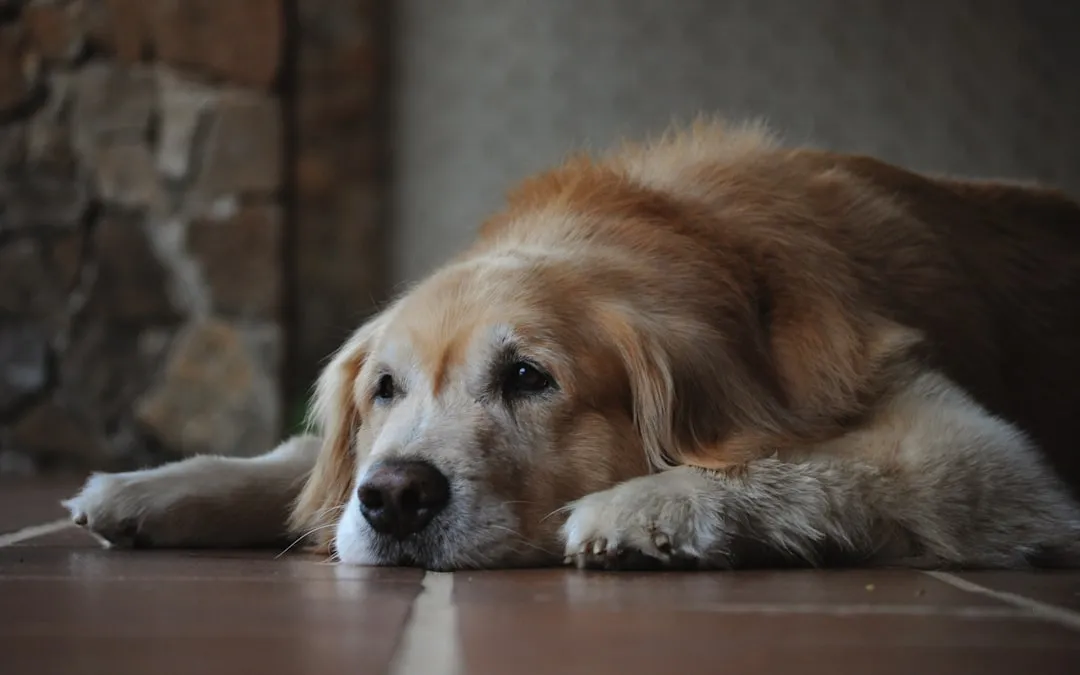
Physical comfort matters, but a senior dog also needs mental stimulation. A small sensory garden corner, planted with dog-safe herbs like rosemary, thyme, or mint, gives a slow-moving older dog something genuinely interesting to investigate during a quiet afternoon outside.
Using patches of soft artificial grass, smooth pebbles, mulch, and stepping stones engages a dog’s paws through texture. A bubbling fountain or shallow water bowl can offer both hydration and soothing sounds. These details don’t require a landscape designer.
A sensory garden is especially helpful for anxious or senior dogs who might not be as active but still need and enjoy outdoor exploration. Giving a dog something to smell, feel, and explore in a safe, familiar environment keeps the mind engaged even when the body has slowed down considerably.
The Takeaway
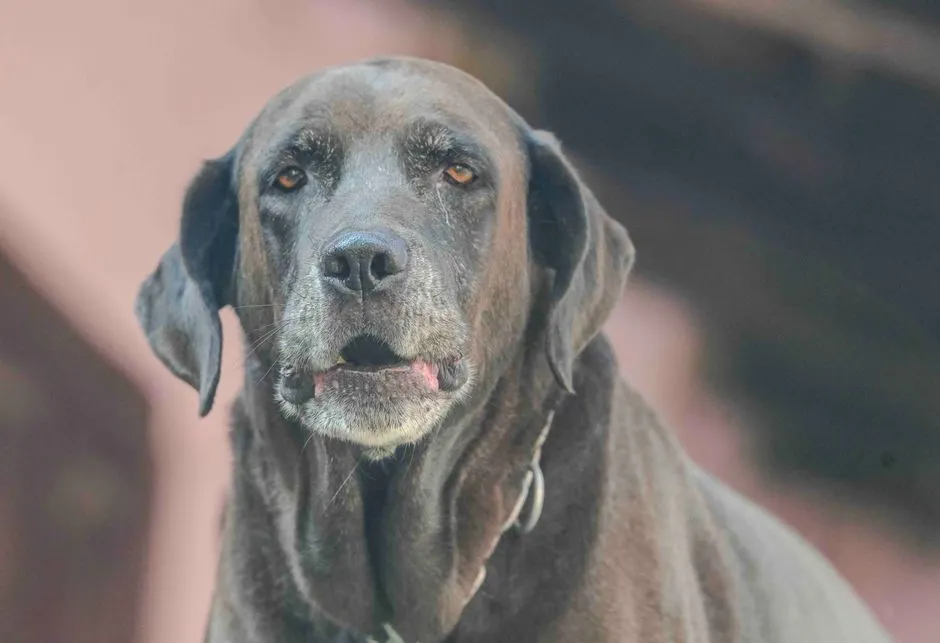
A senior dog doesn’t ask for much. Somewhere soft to lie down, a bit of shade, water within easy reach, and a surface they can walk across without slipping. These aren’t luxury additions. They’re the basic conditions that let an older dog stay curious, comfortable, and connected to the outdoors they’ve always loved.
The backyard doesn’t need a full renovation. It needs attention. A few targeted changes, informed by what your dog actually struggles with, can extend both the quality and the safety of their outdoor time significantly. Start with the most obvious gap, and build from there.
AI Disclaimer: This article was created with the assistance of AI tools and reviewed by a human editor.