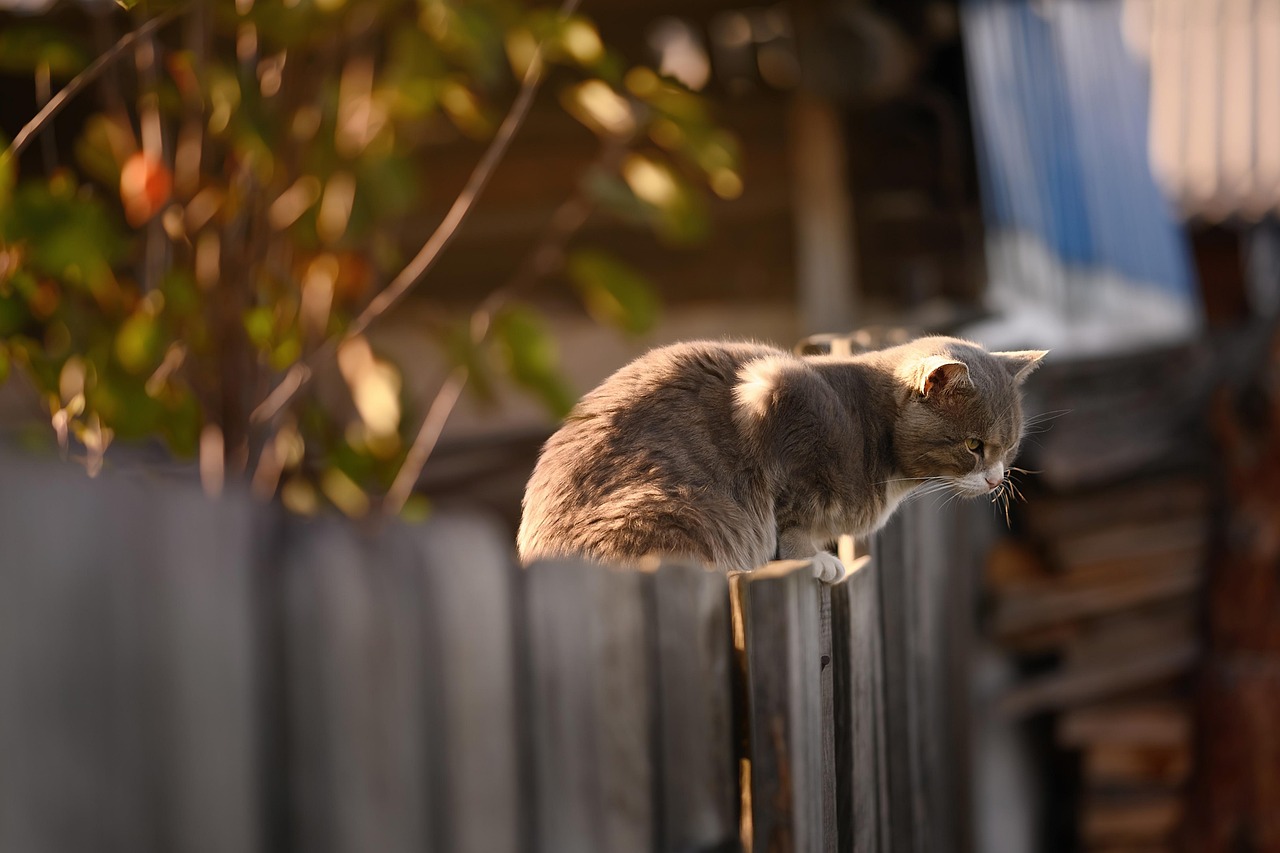

Most people think of their backyard as a safe, familiar space for their pets. The lawn, the flower beds, the ornamental shrubs planted years ago without a second thought. What rarely comes to mind is the possibility that something quietly growing a few feet from the back door could send a dog or cat to an emergency vet within hours.
The ASPCA reported over 451,000 animal poison control calls in 2024 regarding toxic exposures, and plants were responsible for more than eight percent of those cases. That’s a significant number, and the plants involved aren’t exotic or unusual. Many are staples of suburban landscaping sold at every garden center in the country.
The Scale of the Problem Is Bigger Than Most Owners Expect
The ASPCA Animal Poison Control Center reported that in 2025, seven and a half percent of all calls were related to pets ingesting plants toxic to them, making plants sixth on their list of the top ten pet toxins. That ranking alone should give any pet owner pause.
The ASPCA lists 398 plants as toxic to dogs, cats, or both: 386 toxic to dogs and 393 toxic to cats. The sheer breadth of that list reflects just how many common garden choices carry real risk.
Young or new pets tend to nibble and taste plants as they explore and become familiar with their environment, but some garden and house plants are toxic. Symptoms may range from a mild upset stomach to a severe toxic response that can lead to death.
Sago Palm: The Most Lethal Landscaping Plant You Might Already Own
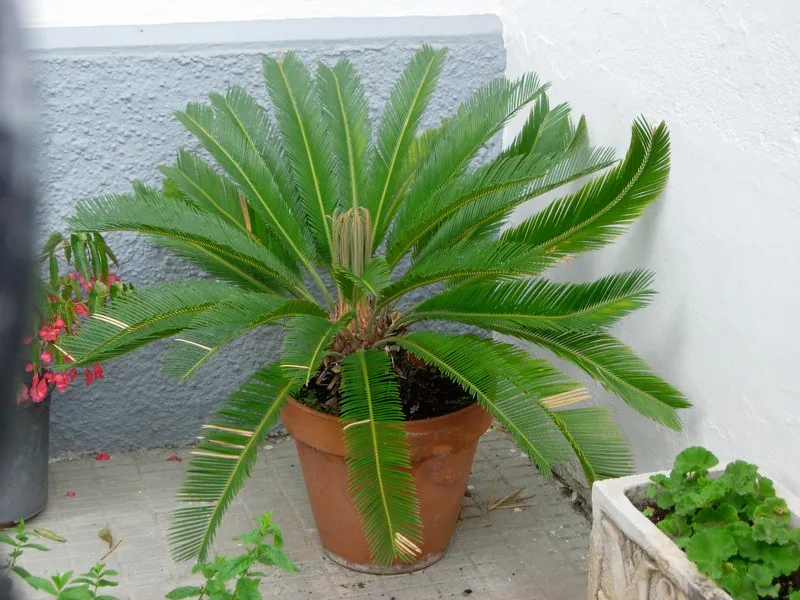
Sago palm is the most dangerous common landscape plant on the ASPCA list for dogs. It looks like a miniature, low-maintenance palm tree, and it’s sold in nurseries and garden centers across the country, often without any clear warning on the label.
Every part of the sago palm plant is poisonous, but the seeds contain the highest concentration of toxins, including cycasin, BMAA, and other unknown agents. These toxins damage the gastrointestinal lining, liver cells, and the central nervous system, often severely.
According to the Pet Poison Helpline, the survival rate for dogs with sago palm poisoning, even with aggressive treatment, is approximately fifty percent. That figure is sobering for any dog owner who has one growing in their yard.
How Sago Palm Toxicity Progresses in Dogs

Ingestion of sago palm typically results in gastrointestinal signs within 15 minutes, but can be delayed up to several hours. Early symptoms can look mild enough that owners don’t immediately connect them to what the dog may have chewed in the yard.
Three main organ systems are affected by sago palm: the gastrointestinal tract, liver, and central nervous system. Typically, gastrointestinal signs such as anorexia, hypersalivation, vomiting, and diarrhea are seen initially. Within two to three days, signs of acute liver damage and central nervous system signs including weakness, ataxia, seizures, and tremors can develop.
Ingesting as little as one seed can result in poisoning and even death in dogs. There is no safe amount. No threshold that a healthy dog can tolerate without risk.
Azalea and Rhododendron: The Pretty Shrubs with a Dark Side
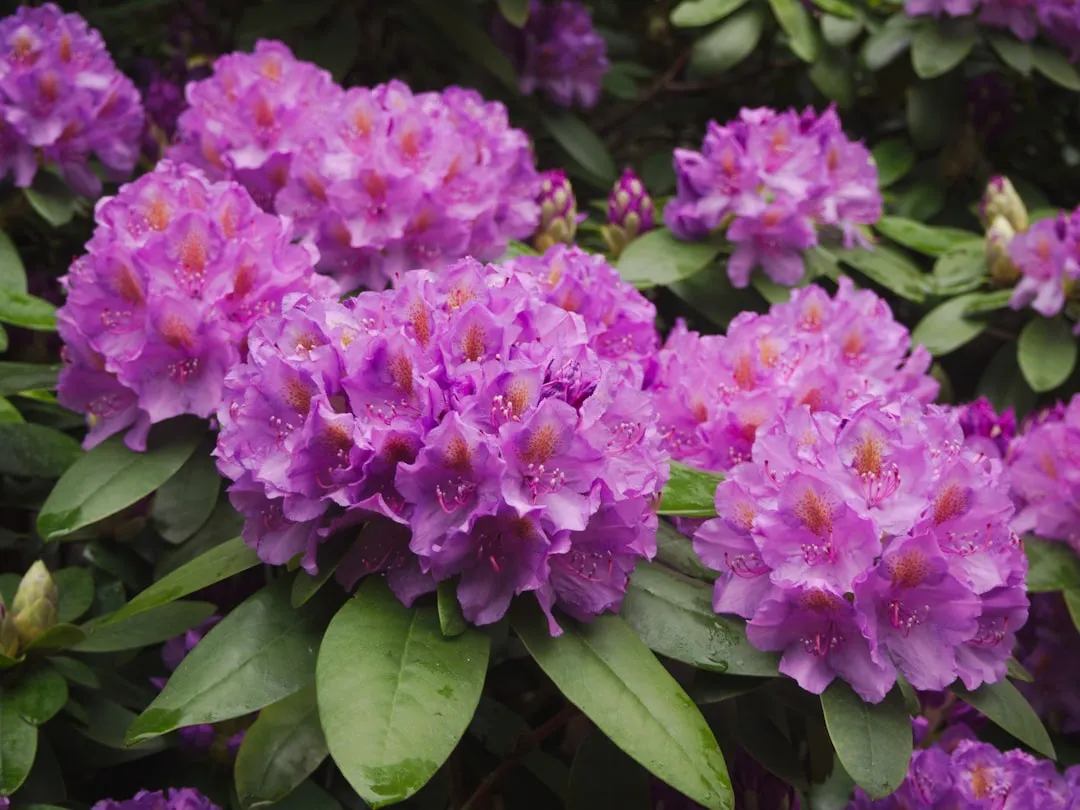
Rhododendron, often called azalea, is a flowering shrub seen in many back and front yards across the country. All parts of these flowering plants contain grayanotoxin, and the reaction a dog gets depends on how much has been eaten.
The toxic component of azaleas is called grayanotoxin. This toxin affects the body’s sodium channels, which then affect the muscle tissue of the heart and skeletal muscles. All parts of the plant are poisonous, and even small volumes can cause clinical symptoms to develop.
A pet only needs to ingest 0.2% of their body weight to become ill. This means a 30-pound dog only needs to eat about half an ounce to one ounce of the plant to get sick. That’s a frighteningly small amount for a curious, nibbling dog.
Oleander: A Flowering Hedge That Can Stop a Heart
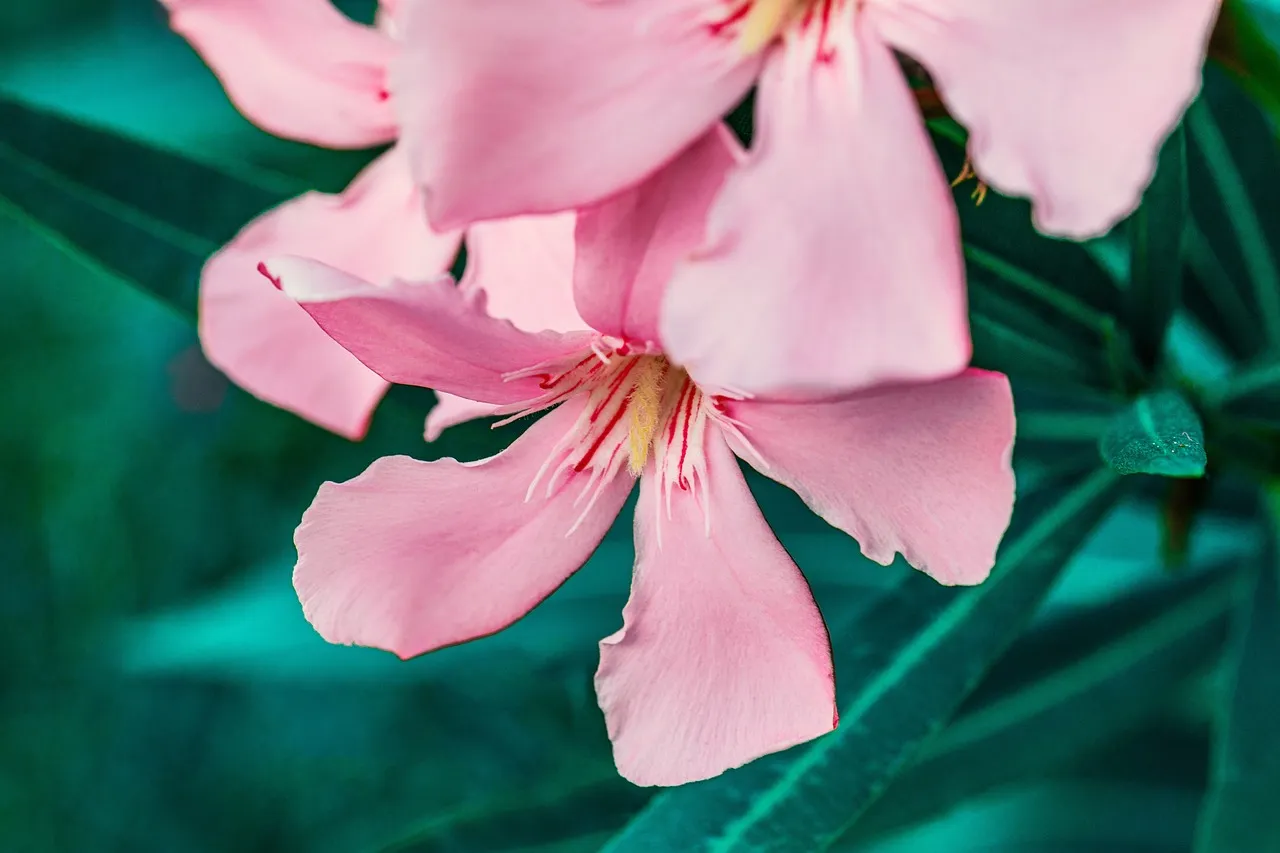
Oleander causes cardiac toxicity in both dogs and cats. It’s frequently planted as a decorative hedge or privacy screen, making it a common feature in warm-climate yards where pets spend the most time.
Oleander contains cardiotoxic glycosides. All parts of the plant are toxic, and symptoms can include nausea, vomiting, diarrhea, weakness, vision changes, confusion, and significant cardiac disturbances that can be fatal. The main action of cardiac glycosides is on the cardiovascular system and can cause arrhythmias leading to severe complications or death.
When dogs swallow oleanders, they need to be treated by a vet as soon as possible. These blooming plants surround many homes, yet they are very toxic to pets. The danger is real regardless of how small the amount consumed.
Lilies: Especially Catastrophic for Cats

Lilies from the Lilium or Hemerocallis species can be lethal to cats. To avoid injury or illness, these flowers should be kept out of the home. Even small exposures to pollen from these flowers can cause kidney failure or even death in cats.
True lilies and daylilies can cause fatal kidney failure in cats, and every part is toxic, including the pollen and even the water in the vase. This is one of the most underestimated dangers, since many cat owners receive lily bouquets or keep potted lilies near windows without realizing the water in the vase alone poses a risk.
Different flowers in the lily family are extremely poisonous to pets. Cats are more common lily poisoning victims than dogs, but they are toxic to both species.
Autumn Crocus: The Delayed Danger

Autumn crocuses are often mistaken for other types of crocuses, but the autumn crocus is important to differentiate, as it’s extremely toxic to dogs, cats, and horses even with small ingestions. Toxicity from the autumn crocus can cause severe stomach upset, heart problems including arrhythmias and low blood pressure, liver failure, kidney failure, and issues with abnormal bleeding and bone marrow function.
Autumn crocus contains colchicine, which is extremely toxic, causing gastrointestinal bleeding, severe vomiting, kidney and liver damage, and respiratory failure. Symptoms might be delayed for several days, so seeking veterinary attention immediately is essential if a dog has ingested any part of this plant.
The delayed symptom timeline is what makes this plant so particularly deceptive. An owner may not connect their pet’s worsening condition to something chewed in the yard days earlier.
Hydrangea and Tulip: The Garden Classics You Should Know About
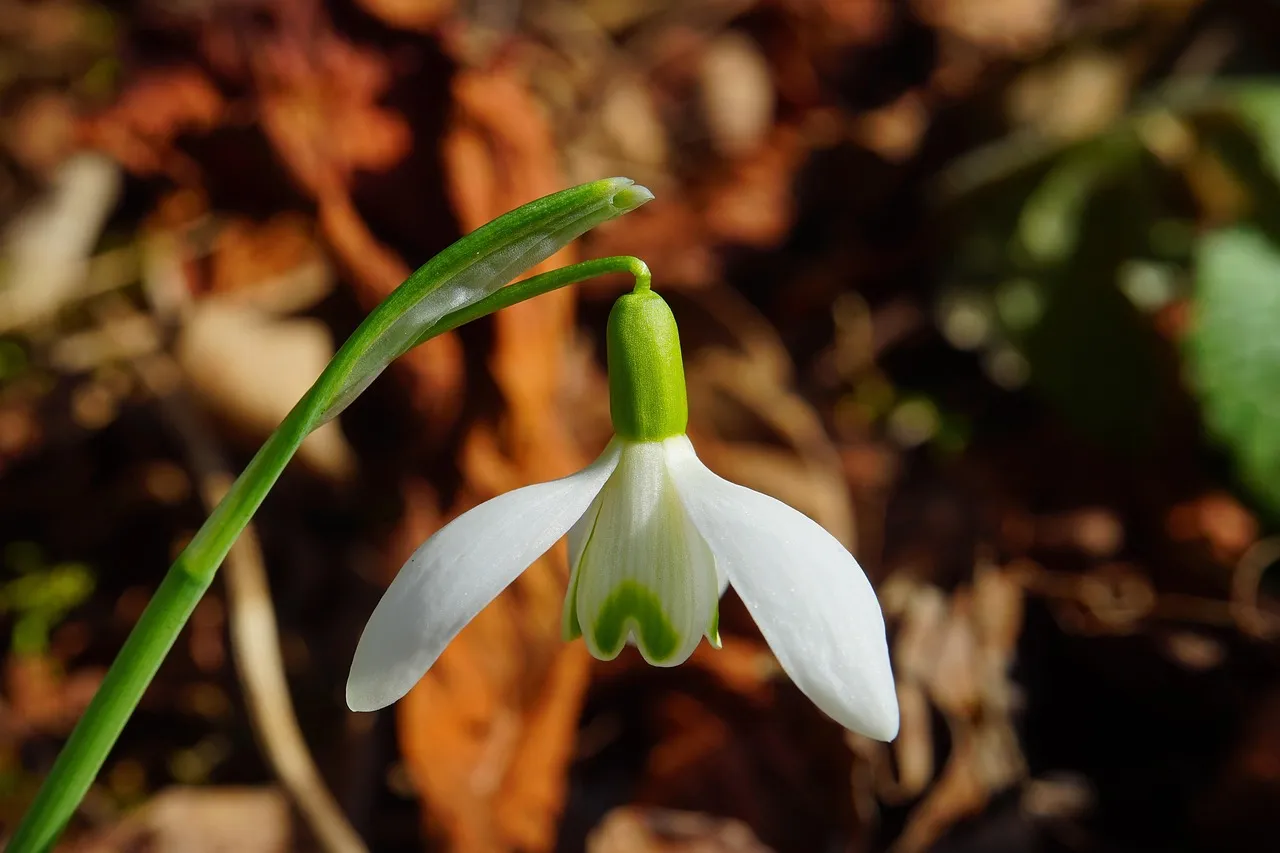
Hydrangeas have the potential to be very dangerous as they contain cyanide. However, it is most common to only see signs of stomach upset in dogs and cats when they ingest this plant. Still, the cyanide content means severe ingestion cannot be treated casually.
If a dog chews on tulip leaves, they could get an upset stomach. However, the real danger lies when a dog digs up and eats the newly planted bulbs, which have the most toxins. Dogs that dig are at far greater risk than those that simply graze on foliage.
Azalea, buttercups, chrysanthemums, gardenias, gladiolas, hibiscus, hyacinth, hydrangeas, mums, primroses, rhododendrons, and sweet peas are popular garden items that are poisonous. The list of familiar, widely planted flowers with toxic properties is genuinely long.
English Ivy and Other Sneaky Creepers
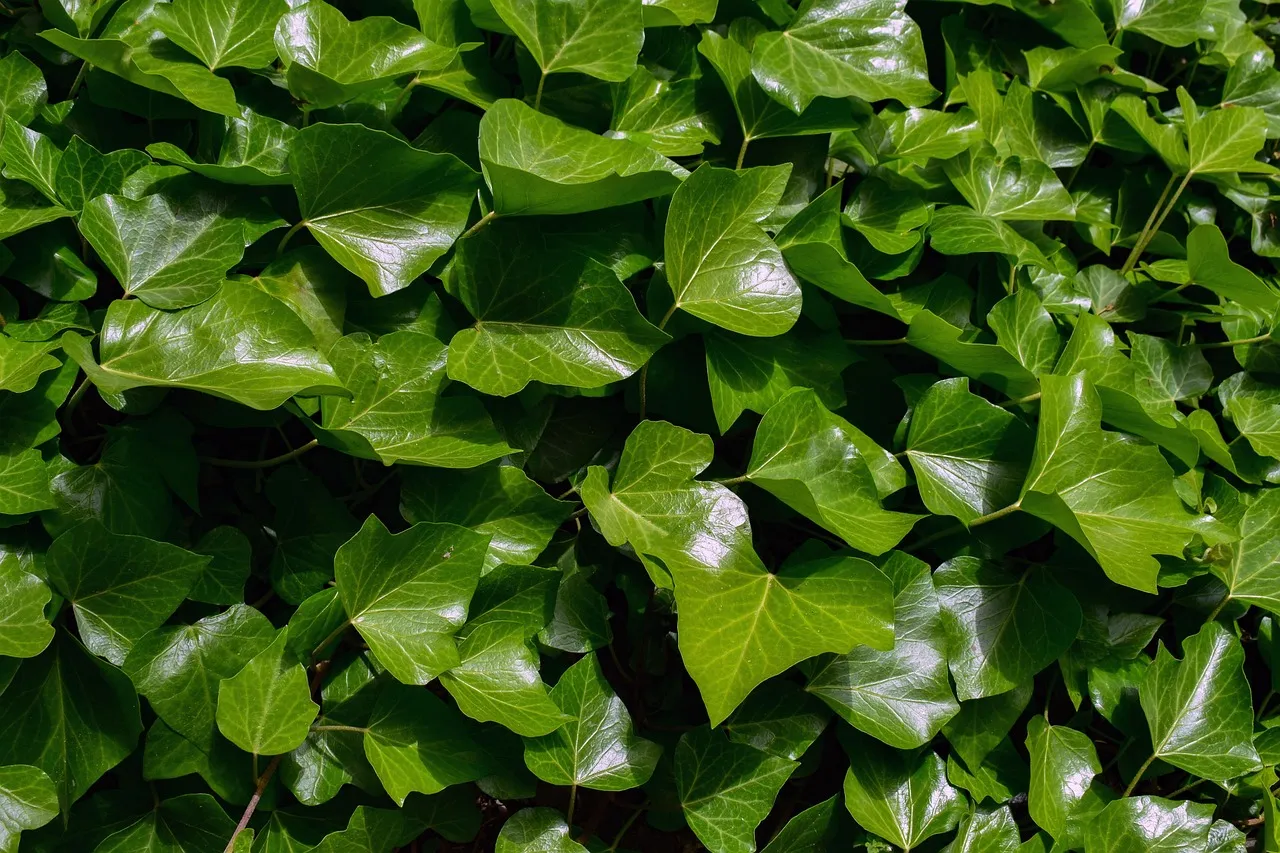
Ivy is very poisonous to pets, and it is also an invasive plant in North America. It’s one of the most widely used ground covers in residential gardens, chosen for its low maintenance and visual appeal, which means many pets have regular access to it without their owners suspecting a problem.
Toxic ground covers include English ivy, lily of the valley, and pachysandra, which is mildly toxic and can cause vomiting if eaten in quantity. Ground-level plants like these are especially accessible to dogs that graze or cats that roll in the garden.
Gorgeous climbing plants, like ivy and wisteria, should be off-limits to dogs. Wisteria in full bloom looks harmless and even inviting, which is precisely what makes it a quiet hazard for pets allowed to roam near garden fences and trellises.
What to Do If You Suspect Your Pet Has Ingested a Toxic Plant

Do not wait for symptoms, as many toxic reactions are delayed and early treatment dramatically improves outcomes. This is one of the most important things any pet owner can take away from this topic. Waiting to see if symptoms develop is not a safe approach.
If a dog has eaten something toxic, contact a vet, emergency vet, or the Pet Poison Helpline at 855-764-7661 for accurate advice. Try to identify the plant by taking a sample, a photo, or by collecting any vomit in a plastic bag.
If an animal is ill or may have ingested a poisonous substance, contact either a local veterinarian or the ASPCA Poison Control’s 24-hour emergency poison hotline at (888) 426-4435. Both lines are staffed around the clock and are equipped to advise on specific plants.
How to Make Your Yard Safer Without Starting Over

A pet owner doesn’t have to remove every plant in the yard, but a plan to keep dogs away from the ones that matter most is essential. A simple audit of what’s growing and where can make an enormous difference without requiring a full landscaping overhaul.
When landscaping, a dog owner should check a reliable toxicity database before adding a new plant. Keeping questionable plants safely isolated in raised beds or behind fencing is a practical way to reduce risk.
If living in an area where sago palm plants are common, such as southern Florida and Georgia, checking the backyard regularly for any leaves or seeds of the sago palm that may have blown into the yard is a worthwhile habit. Wind and neighboring gardens can introduce toxic material even into yards that don’t have these plants growing directly in them.
Final Thoughts
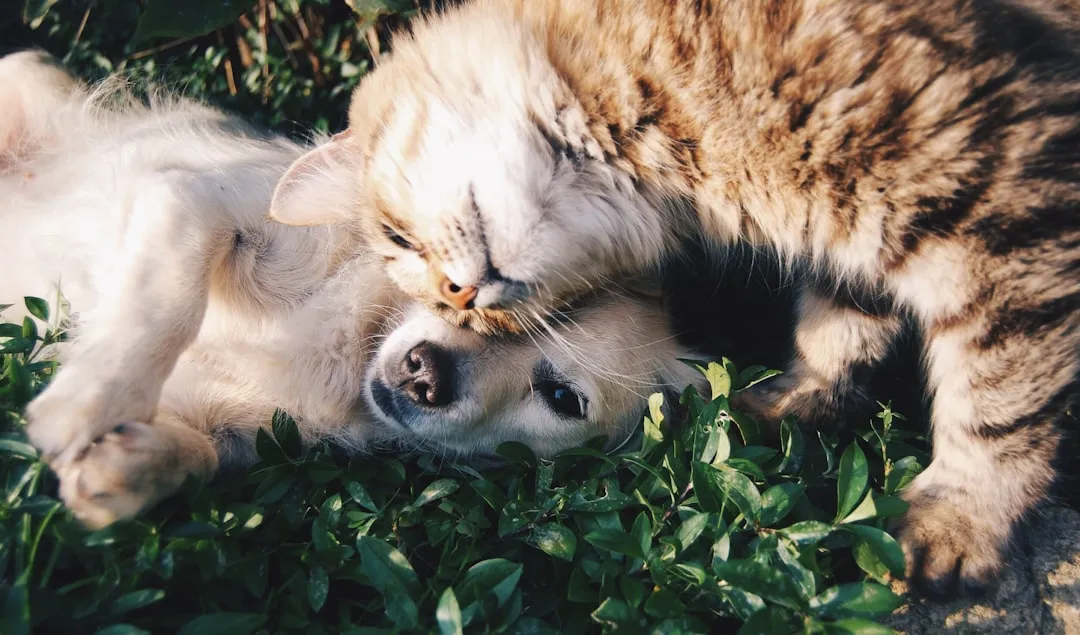
The plants described here aren’t rare curiosities. They grow in front yards and back gardens across the country, planted with the best intentions, admired for their color and form. The gap between “beautiful garden plant” and “veterinary emergency” is smaller than most pet owners realize.
Plant toxicities can be organized by severity: class one plants may cause serious illness or death if ingested, while class two plants may cause vomiting or diarrhea. Knowing which category applies to what’s in your yard is simply part of responsible pet ownership in 2026.
A quick check of the ASPCA’s plant toxicity database before buying anything new at the nursery takes under a minute. That one-minute habit, repeated consistently, is arguably the simplest thing a pet owner can do to keep their animal safe.
AI Disclaimer: This article was created with the assistance of AI tools and reviewed by a human editor.