

Most people have dealt with a sore back at some point. You lift something wrong, sleep awkwardly, or sit hunched at a desk for too long, and by the next morning you feel it. In most cases, that kind of pain fades on its own within days. Rest, some movement, maybe an anti-inflammatory, and you’re usually fine.
The problem is that not all back pain works that way. A smaller category of symptoms points to something far more serious, and those are exactly the ones people tend to dismiss the longest. Knowing which warning signs require immediate attention rather than a wait-and-see approach could genuinely make a difference in how well you recover.
The Scope of the Problem

Back pain is extremely common, affecting nearly two out of five adults in the U.S. In 2019, about 39% of adults reported experiencing back pain within the previous three months, making it the most frequent site of pain in American adults. That sheer prevalence may be part of the reason so many serious cases go unaddressed.
Back pain affects most people at some point in life, and in the vast majority of cases it resolves with rest, over-the-counter medication, and conservative treatment. The issue is that the minority of cases that don’t resolve on their own can involve rapidly progressing conditions where every hour matters.
A recent review pooling data from 10 studies across different settings reported an overall prevalence of serious spinal pathology of roughly 2.9% among people presenting with back pain. Pooled prevalence estimates for vertebral fracture were around 2.4%, spinal infection around 0.7%, and malignancy around 0.5%. Small percentages, yes, but large numbers when you account for how many people experience back pain globally.
Pain That Radiates Down One or Both Legs
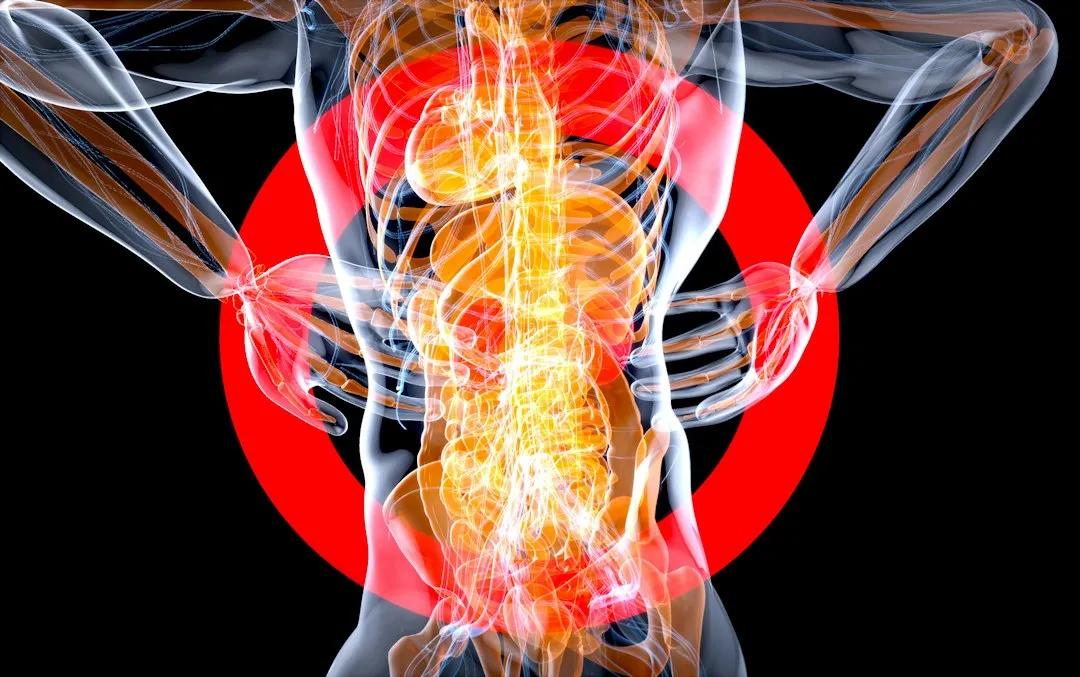
If you have severe back pain that radiates to the legs, buttocks, or all the way down to your feet, this is a classic indicator of nerve root compression. Often referred to as sciatica, this burning or shooting pain typically means a structure in your spine, like a herniated or bulging disc, is pinching the sciatic nerve.
Sciatica occurs when the sciatic nerve is irritated or compressed, often causing pain that radiates from the lower back down one leg. This type of pain may feel sharp, burning, or shooting, and it can be accompanied by numbness, tingling, or muscle weakness. When nerve involvement is part of the picture, the way symptoms change over time matters enormously.
Seeking early treatment can prevent the nerve damage from worsening. Waiting it out when radiating pain is present is not a neutral act. The longer compression continues, the higher the risk of lasting nerve injury.
Sudden Weakness in the Legs

Progressive weakness in one or both legs, especially when paired with numbness or tingling, suggests possible nerve compression that may require urgent intervention. This is particularly concerning when weakness develops rapidly over hours or days rather than gradually over weeks or months. These symptoms can point to conditions like an acute disc herniation with severe nerve compression, or spinal stenosis that has reached a critical point.
Severe pain in the back, accompanied by weakness in the legs or hamstring muscles, may be due to conditions like sciatica and spinal stenosis. Sudden leg weakness can also be a sign of stroke, so this symptom should never be taken lightly. If weakness appears without clear explanation, it warrants emergency evaluation, not a scheduled appointment days later.
Loss of Bladder or Bowel Control

Loss of bowel or bladder control is one of the most serious warning signs and requires immediate emergency medical attention. This particular symptom combination is tightly associated with a condition called cauda equina syndrome, which is among the most time-critical spinal emergencies known in medicine.
Cauda equina syndrome is a medical emergency that happens when an injury or herniated disk compresses nerve roots at the bottom of your spinal cord. The cauda equina nerves communicate with your legs and bladder. It causes back pain, weakness, and incontinence.
Cauda equina syndrome is a surgical emergency that often leads to debilitating chronic neuropathic pain, lower limb paralysis, loss of both fecal and urinary continence, and loss of sexual function, all of which cause a large degree of morbidity and often psychological issues for the patient. Experts estimate that cauda equina syndrome affects 1 in 30,000 to 100,000 people per year around the world. Rare, but catastrophic when missed.
Back Pain with Fever or Chills
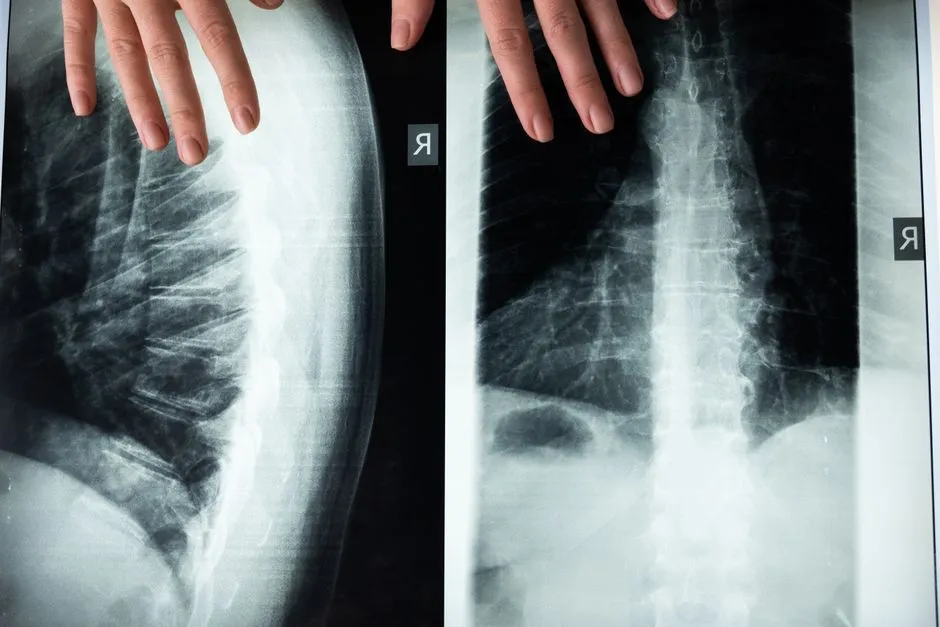
A sudden onset of severe back pain accompanied by fever may indicate a spinal infection, which can progress quickly and cause lasting neurological damage if left untreated. Spinal infections can develop in the vertebrae, discs, or surrounding soft tissue, and early treatment, whether antibiotics, surgical drainage, or both, is essential for preventing serious complications.
A systematic review identifying over 2,000 cases of spinal infection found that the average patient was around 55 years old. Spinal pain and fever were the most common clinical features, appearing in roughly 72% and 55% of cases, respectively.
Research on emergency department back pain presentations found that fever carried one of the highest likelihood ratios for predicting serious underlying pathology, at over 68 times the baseline probability. That makes fever alongside back pain one of the clearest signals not to ignore.
Back Pain Accompanied by Unexplained Weight Loss

Back pain accompanied by significant, unintentional weight loss should be immediately evaluated to rule out serious underlying diseases. Weight loss without a clear reason, especially when combined with persistent back pain, can be one of the harder-to-read but critically important red flags.
While back pain is most often associated with musculoskeletal issues, in a minority of cases it can be caused by serious underlying conditions such as cancer. Recognizing malignancy early remains a major clinical challenge, as the warning signs known as red flags are often vague and inconsistent.
In a 2025 scoping review drawing on 70 studies, cancer prevalence among patients presenting with low back pain ranged from roughly 0.1% to 1.6%, with metastatic disease being the most common finding. A prior history of cancer emerged as the most reliable red flag, with specificity as high as 0.99. Combining multiple red flags, such as a cancer history alongside unexplained weight loss, significantly improved diagnostic accuracy.
Nighttime Pain That Wakes You Up

Pain that fails to change with position, or is accompanied by signs of illness, suggests an issue that is not mechanical, but potentially inflammatory or systemic. Nighttime pain that wakes you up and doesn’t ease when you shift around is quite different from ordinary muscle soreness, which usually gets some relief when you find a comfortable position.
Inflammatory causes of back pain, including conditions like ankylosing spondylitis, tend to behave differently from mechanical pain. They often worsen with rest and improve with movement. Pain that peaks during the night or early morning without a postural explanation deserves attention from a clinician, not just a heating pad.
Back Pain After a Fall or Accident

Warning signs for serious back conditions include severe or worsening pain not relieved by rest, numbness or weakness in the limbs, loss of bowel or bladder control, unexplained weight loss, fever, and pain following trauma. The last of those, post-traumatic pain, is frequently underestimated.
Red flags with the highest post-test probability for detection of vertebral fracture included older age, prolonged use of corticosteroid drugs, severe trauma, and the presence of a contusion or abrasion. The probability of spinal fracture was notably higher when multiple red flags were present simultaneously.
Multivariable research showed that age of 75 or older, a history of trauma, osteoporosis, high back pain intensity, and thoracic pain were each associated with a higher likelihood of vertebral fracture. After a car accident, a fall, or any significant impact, back pain should be evaluated promptly rather than walked off.
Pain That Doesn’t Respond to Rest or Worsens Over Time
Occasional back pain is common, but pain that lasts for several weeks or keeps returning may indicate a spinal problem. Medical advice is warranted when pain lasts longer than two to three weeks, becomes more severe over time, interferes with daily activities, or doesn’t improve with medication or rest.
Scheduling a medical evaluation is appropriate if back pain lasts longer than six weeks, keeps coming back or is getting worse over time, occurs with unexplained weight loss, interferes with sleep, work, or daily activities, or does not improve with at-home care.
Ignoring red flags can lead to delayed diagnosis of critical issues, increasing the risk of worsening symptoms or irreversible damage. Untreated nerve compression may result in chronic pain and functional impairment, while missed infections might spread rapidly, complicating treatment. Six weeks is not a rigid deadline, but progressively worsening pain is a signal worth acting on sooner.
Numbness in the Groin or Inner Thighs (Saddle Anesthesia)
Back pain red flags that call for immediate medical attention include loss of bowel or bladder control, sudden leg weakness or numbness in both legs, back pain with fever, pain after significant trauma, and saddle anesthesia, which refers to numbness in the groin or inner thighs.
Symptoms of cauda equina involvement include low back pain, sciatica that is often bilateral, saddle sensory disturbances, bladder and bowel dysfunction, and variable lower extremity motor and sensory loss. Saddle anesthesia is named for the area that would contact a saddle when riding, and numbness in that region is one of the defining warning signs that clinicians are specifically trained to ask about.
This condition may cause low back pain and problems with bowel and bladder function, numbness in the saddle area around the back passage, and weakness in one or both legs. It needs urgent investigation and treatment to prevent the nerves to the bladder and bowel from becoming permanently damaged.
When Early Action Changes Everything

There’s a tendency to assume that back pain, because it’s so common, is almost never serious. For most people, that instinct is statistically correct. The overall rate of red flag diagnoses within 90 days of an initial back pain visit was low, at approximately 2.9%. Still, that fraction of people facing serious pathology represents an enormous number when applied across a broad population.
Recognizing red flags early allows for timely medical evaluation and treatment, which can prevent serious complications such as permanent nerve damage or paralysis. Conditions like cauda equina syndrome, spinal infections, fractures, or tumors require urgent attention to improve patient outcomes.
The gap between a full recovery and permanent disability often comes down to how quickly someone sought care. Ordinary back pain earned its reputation as a problem that mostly resolves on its own. The exceptions to that rule are real, medically significant, and entirely worth taking seriously the moment they appear.
AI Disclaimer: This article was created with the assistance of AI tools and reviewed by a human editor.