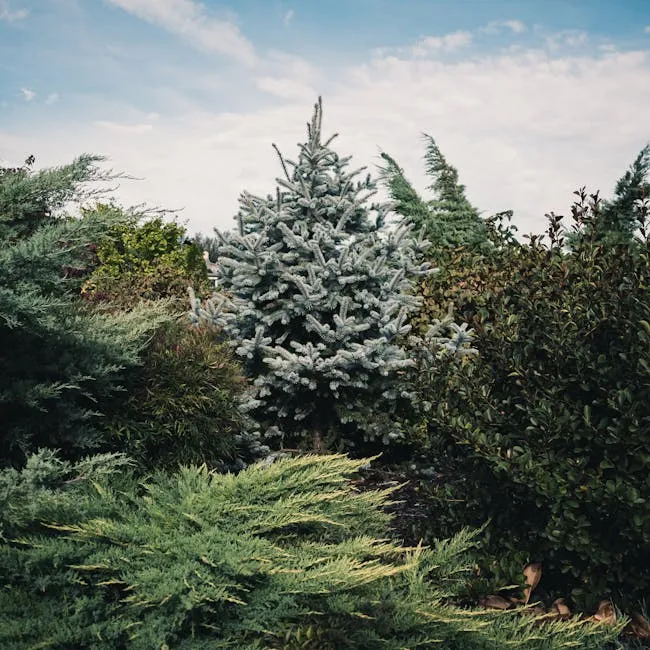

There’s a particular kind of garden that stops you in your tracks. It doesn’t shout. It draws you in quietly, with depth at every level, something blooming or holding structure at each height. That quality is almost never accidental. It comes from understanding how plants relate to each other vertically, the same principle forests have followed for millennia.
Layering is the practice of stacking plants by height and function, from canopy trees to ground-hugging covers, so that every square foot of space does multiple jobs at once. It’s a design idea borrowed directly from nature, and when you get it right, the garden seems to breathe on its own.
Why Nature Invented Layering First
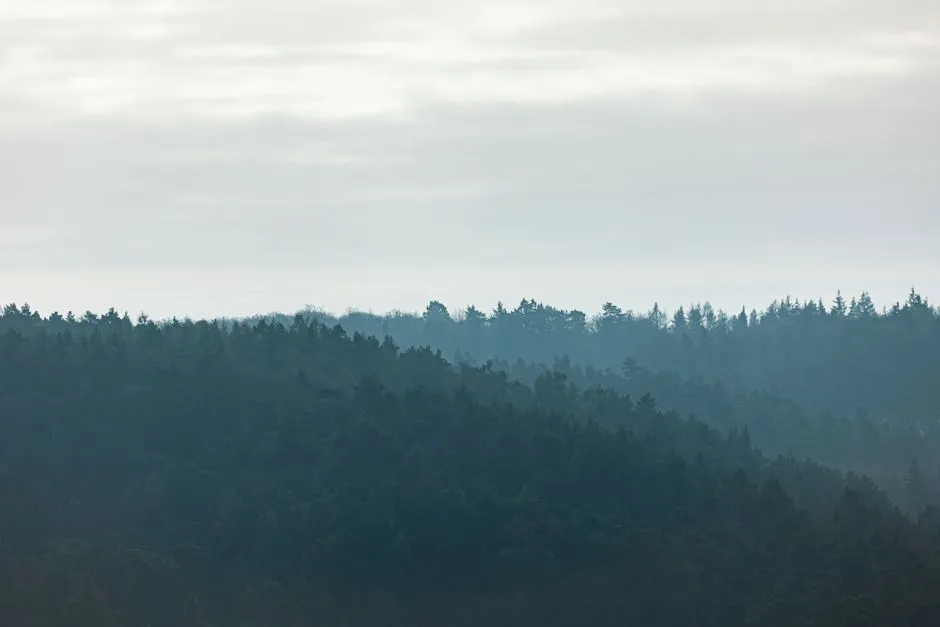
When designing a native plant garden, layering is key to building beauty, structure, and habitat, just like in nature. Forests are perfect examples of layered ecosystems, with towering canopy trees, understory trees, shrubs, perennials, and ground cover all working together to support wildlife.
This isn’t just a poetic observation. It reflects how energy and resources flow through a living system. Each vertical zone intercepts light at a different intensity and contributes to the whole through root activity, canopy shade, and organic matter cycling.
In forests, canopy cover is a key habitat characteristic and an important determinant of biodiversity, as it modulates light availability and microclimatic conditions both locally and across the entire forest landscape. Gardens that replicate this structure tap into the same ecological logic, just on a smaller, more manageable scale.
The Five Classic Layers and What Each One Does
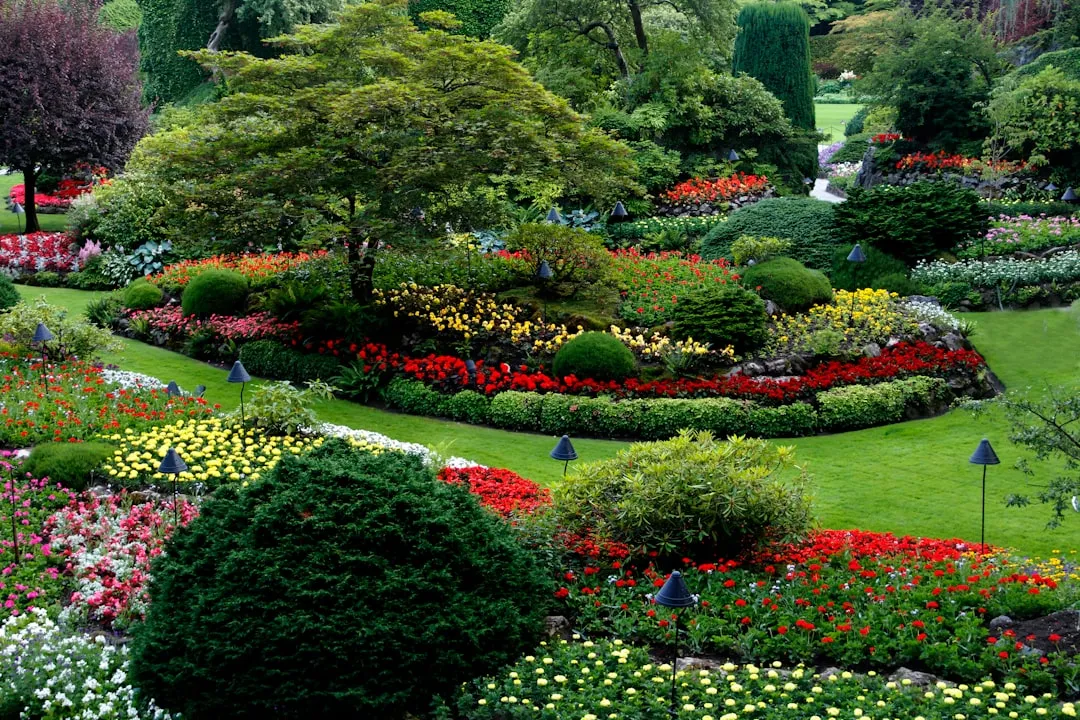
A fully layered garden typically runs through five zones: ornamental trees, evergreen shrubs, perennial deciduous shrubs, perennial plants and flowers, and finally groundcovers, vines, and grasses. Each layer has its own role in the composition, and skipping one tends to leave a visual or ecological gap that’s hard to explain but easy to feel.
Below the canopy, the understory holds smaller trees and tall shrubs. Next comes the shrub layer, filled with medium-sized plants. After that, herbaceous perennials provide a splash of colour, and finally ground cover hugs the earth and fills in the gaps.
Think of each layer not just as a height band but as a distinct habitat. Birds forage in different zones than beetles do, and pollinators work at every level depending on what’s flowering. The richer your layers, the more life the garden can sustain.
Choosing Your Canopy Trees With Purpose
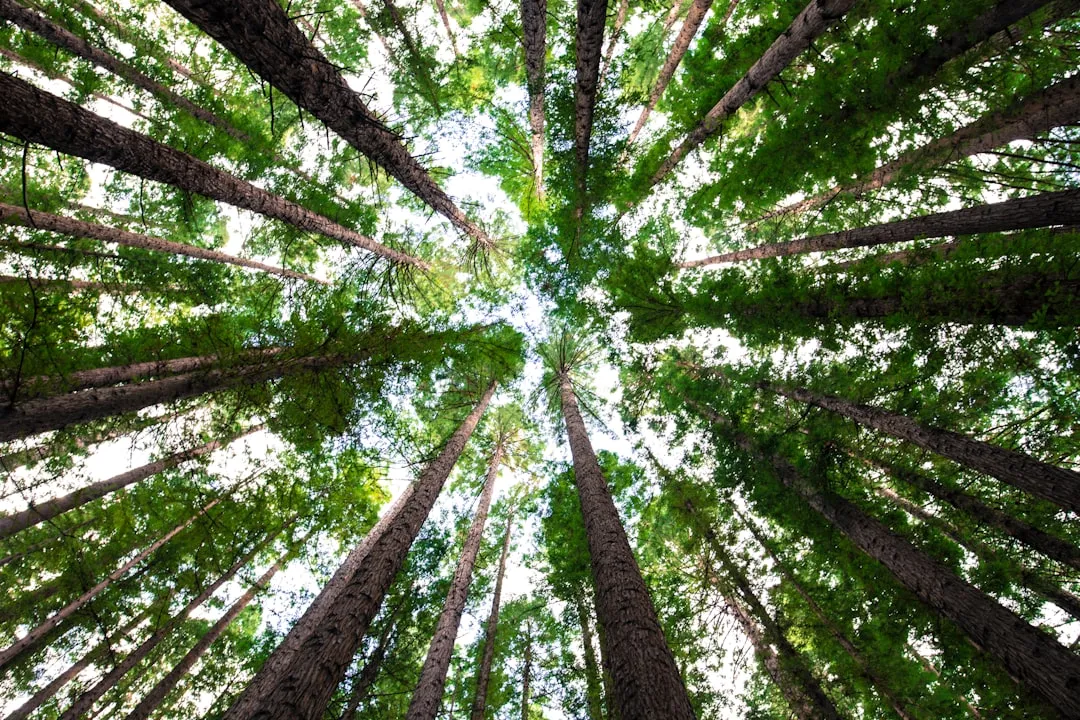
The canopy layer consists of tall trees such as oaks, maples, and pines. Beneath them, the understory layer includes smaller trees like serviceberry (Amelanchier), redbud (Cercis canadensis), and dogwood (Cornus florida). Choosing trees for both layers is one of the most consequential decisions you’ll make, because these are the plants that will still be there in thirty years.
Mature canopy trees set the microclimate for everything beneath them. They determine how much light reaches the shrubs, how much moisture the soil retains, and how much wind the perennials will face. A well-placed oak or maple effectively becomes the architect of the entire garden.
The care of existing mature trees, which provide significant health, community, and environmental benefits, is often overlooked as gardeners focus on adding new plants. Before buying anything new, it’s worth looking hard at what’s already standing in your space and designing around it rather than despite it.
The Underestimated Power of Shrub Diversity
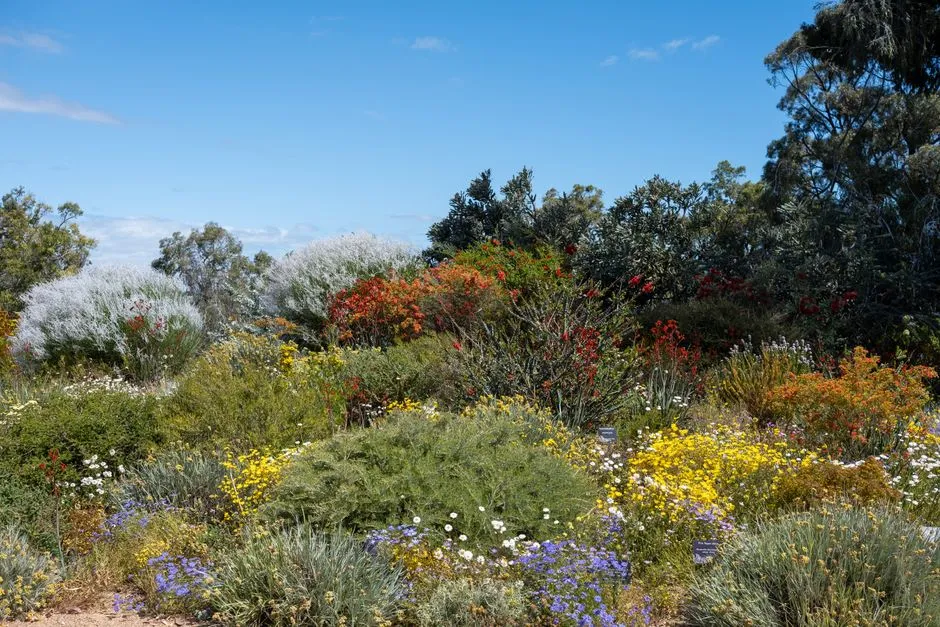
The shrub layer, which provides cover and nesting habitat, features plants like witch hazel (Hamamelis virginiana), viburnum (Viburnum spp.), and spicebush (Lindera benzoin). These mid-range plants are the workhorses of a layered garden, often flowering before or after the flashier perennials and providing reliable structure in every season.
A 2025 study published in the National Science Review found that understory shrub diversity is equally vital as overstory tree diversity to promote forest productivity. This is a significant finding for gardeners, confirming that the shrub layer deserves as much planning attention as the trees above it.
Layers of colorful shrubs can create a tightly woven tapestry of textures in a garden. Noted plantsman Adrian Bloom of Bressingham Gardens achieves a layered garden by focusing on a variety of colorful shrubs. That approach, prioritizing shrub variety over quantity, is a model worth following.
Perennials as the Living Foreground
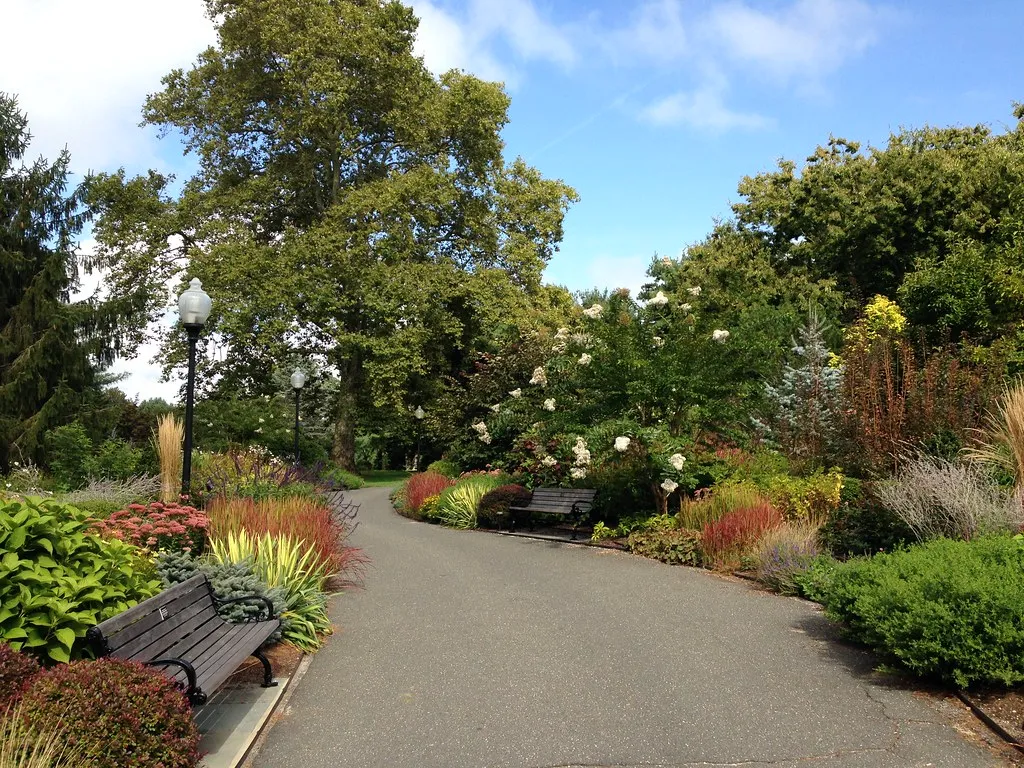
The herbaceous layer provides the dominant presence and aesthetics for most of the growing season in the planting. The plants can be shrubs or small trees, but in naturalistic design big perennials typically fill this role.
The species in this layer are competitors that can achieve size over the growing season and have a presence for several months. They also carry winter interest for the slower part of the gardening season. Examples include Baptisia alba (wild white indigo), Eutrochium fistulosum (joe pye weed), and Panicum virgatum (switchgrass).
Perennials reward careful bloom sequencing. When layering, consider the bloom times of perennials to ensure you have waves of color throughout the growing season. Spring bulbs followed by summer-blooming flowers and autumn-flowering plants will keep your garden in a constant state of renewal.
Soil Health and the Root Zone Below
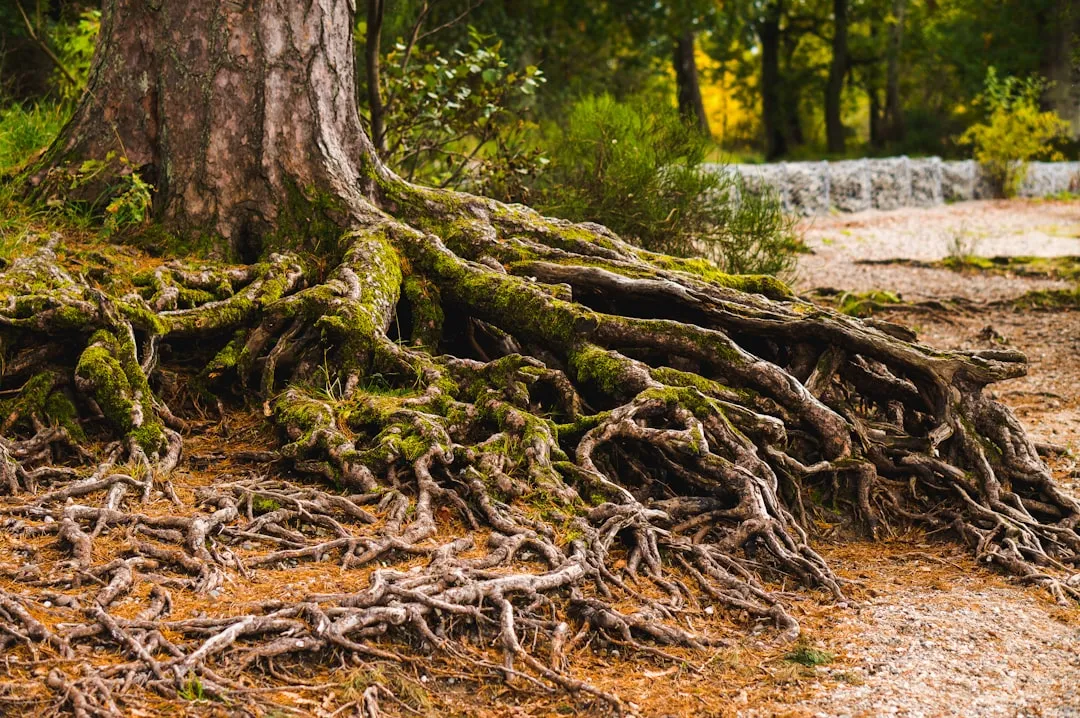
Different root depths prevent nutrient depletion and promote soil structure. This is one of the more underappreciated arguments for a truly layered garden. When roots occupy different soil strata simultaneously, the ground works much harder for you than a monoculture ever could.
Certain native perennial wildflowers can help build soil health by improving soil structure, reducing erosion, adding nitrogen, and cycling nutrients. Pair those with deeper-rooted shrubs and trees, and you have a self-improving system that enriches its own foundation year after year.
Native plant roots drop naturally between ten and fifteen feet deep, depending on the species. That means water can permeate the soil to that depth. Since roughly one third of those roots die back every year, this organic matter is added to and becomes part of the soil.
Biodiversity Gains From Layering
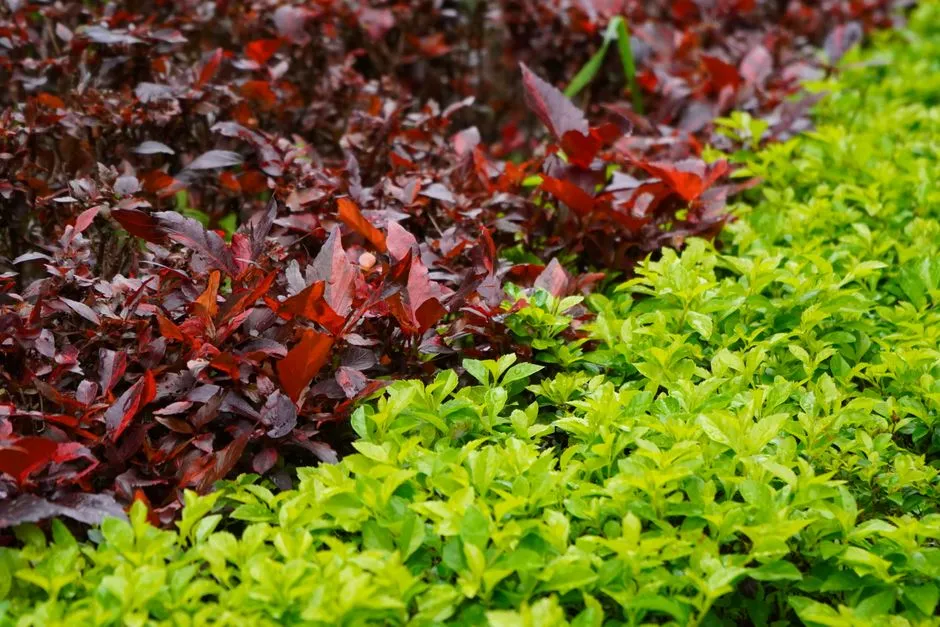
Diverse plant layers attract various pollinators, birds, insects, and beneficial microorganisms. This isn’t simply a feel-good side effect. It directly supports the resilience of the garden itself, because a more biodiverse space is better at suppressing pests, recovering from stress, and adapting to weather extremes.
Research shows that as few as ten well-selected plant species significantly increases pollinator biodiversity in your garden, and that each new plant species added can significantly increase pollinator biodiversity. A layered approach naturally pushes you toward plant variety, since each zone calls for different species.
As of 2024, over 300,000 habitats have become Certified Wildlife Habitats with the National Wildlife Federation. Many of those certifications belong to home gardens where layered planting was a key criterion, a sign of how widely this approach has taken hold in residential spaces.
Microclimate Management Through Layers
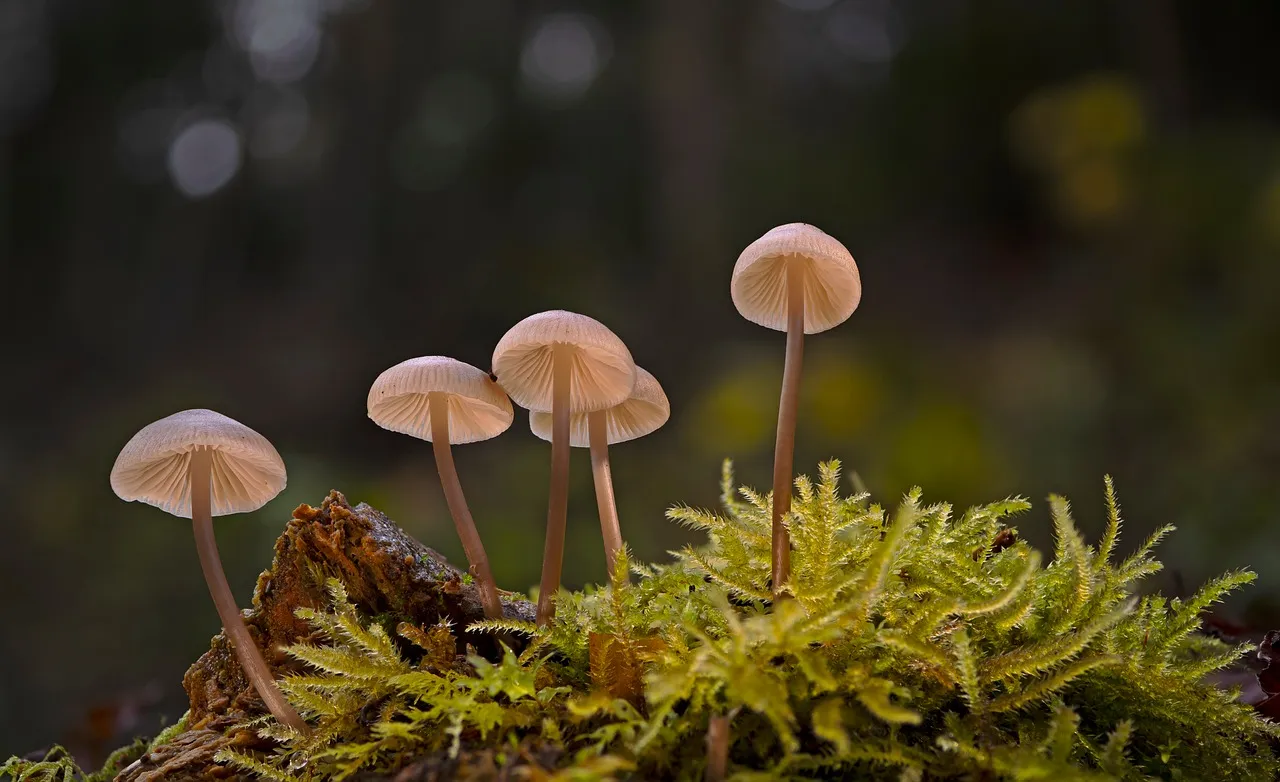
Layers provide shade and wind protection for sensitive species, regulating the microclimate in ways that benefit the whole planting. This is especially relevant in gardens that face temperature extremes, whether that’s scorching summer afternoons or late spring frosts.
Species composition of the canopy layers can serve as a proxy for capturing microenvironmental conditions underneath trees and shrubs. In practical terms, choosing your upper-layer plants wisely means you can engineer a cooler, moister, more sheltered environment for the delicate perennials below without any additional infrastructure.
Ground covers reduce evaporation while larger plants shield soil from drying out. In a period of increasing summer heat and unpredictable rainfall, that kind of passive water conservation is genuinely valuable and costs nothing once the planting is established.
Designing for Year-Round Structure
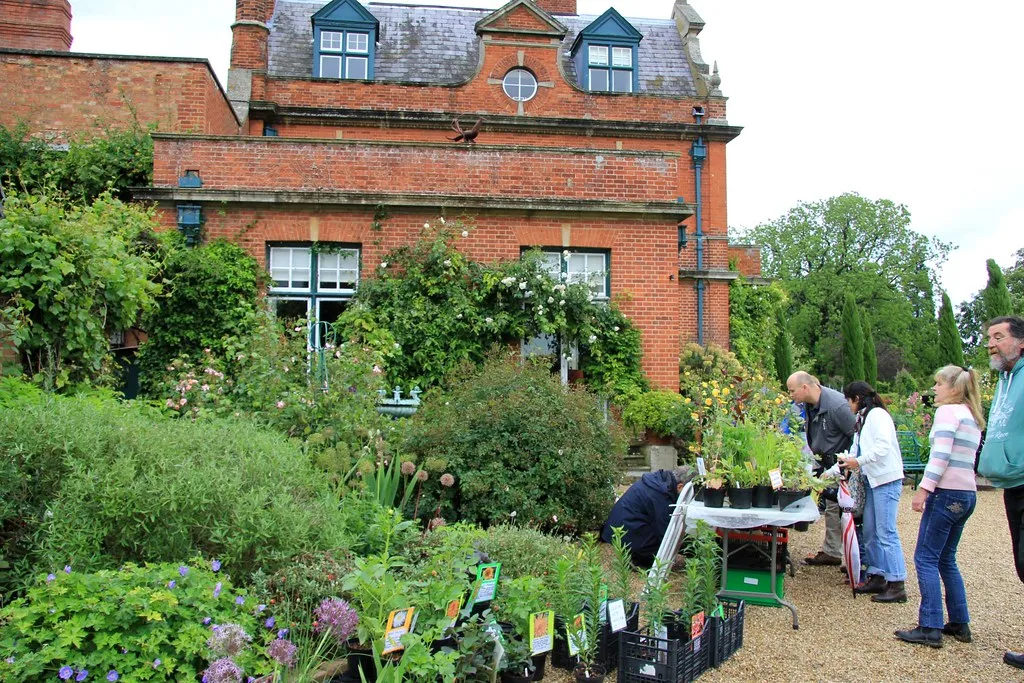
For a layered garden that thrives year-round, focus on plants that are not only cold-hardy but can also withstand the weight of snow. Evergreens are great for adding color and structure in the winter, while deciduous shrubs and trees create a showy display of fall colors before dropping their leaves.
Don’t overlook texture and movement, either. Grasses that can sway in the breeze add a dynamic element to the garden, while plants with interesting bark or winter berries bring visual warmth even on the coldest days.
Creating vertical interest by incorporating plants of varying heights, from ground covers to tall perennials and small trees or shrubs, adds depth and complexity to any garden design. That depth reads differently at every time of year, which is part of what makes a layered garden so satisfying to live with over the long term.
Getting Started: Reading Your Space Before You Plant

When assessing your own space, start by taking stock of what you have. Look at the heights, the textures, the blooming times, and even the leaf shapes. Consider your garden’s existing bones, perhaps a majestic maple or a stout shrub. These will be the framework on which you’ll build your layered composition.
Home gardeners have a range of sustainable techniques at their disposal, including planting native and drought-tolerant species, composting organic waste to enrich soil, conserving water through efficient irrigation, and using mulch to retain moisture. These practices align naturally with a layered garden, where the structure itself supports each of them.
An estimated eighty-five percent of all plants associate with mycorrhizal fungi, which help to improve nutrient intake and overall plant health. Native mycorrhizal fungi associate best with native plants and are essential for promoting healthy soil ecology including diverse bacteria and invertebrates. Choosing regionally appropriate species for each layer, rather than purely ornamental ones, gives the whole garden a biological foundation that keeps paying dividends.
A Garden That Works While You Aren’t Watching
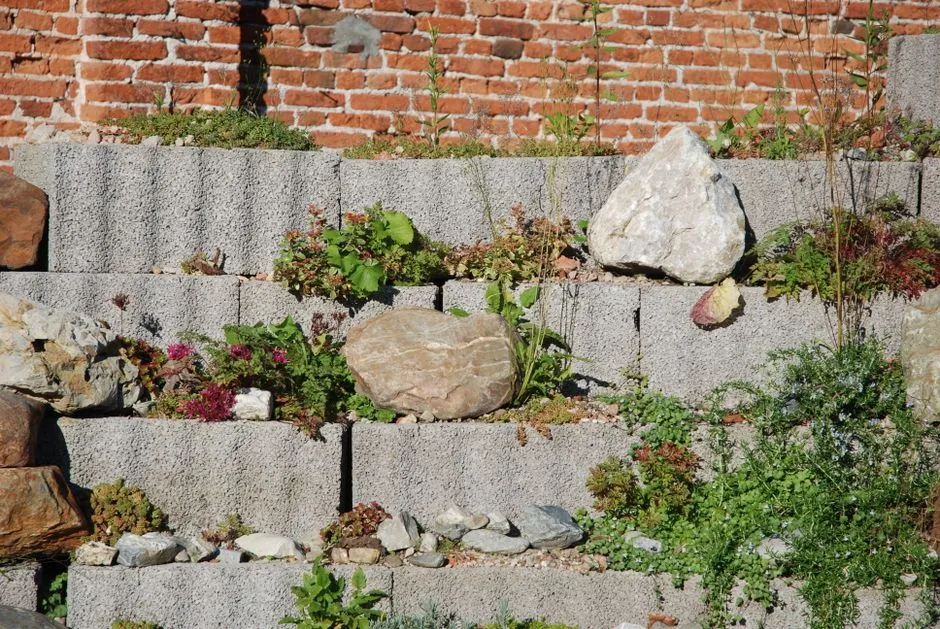
The layered garden asks more of you upfront. The planning is slower, the species choices more deliberate, and the first year or two can look untidy while everything settles in. What you get in return is a garden that functions as a small ecosystem, cycling nutrients, hosting wildlife, managing its own moisture, and regenerating season after season with relatively little intervention.
That’s the deeper appeal of layering. It’s not just a visual technique. It’s a way of building something with real staying power, a garden that doesn’t need to be reinvented every spring because the structure itself knows what to do.
AI Disclaimer: This article was created with the assistance of AI tools and reviewed by a human editor.