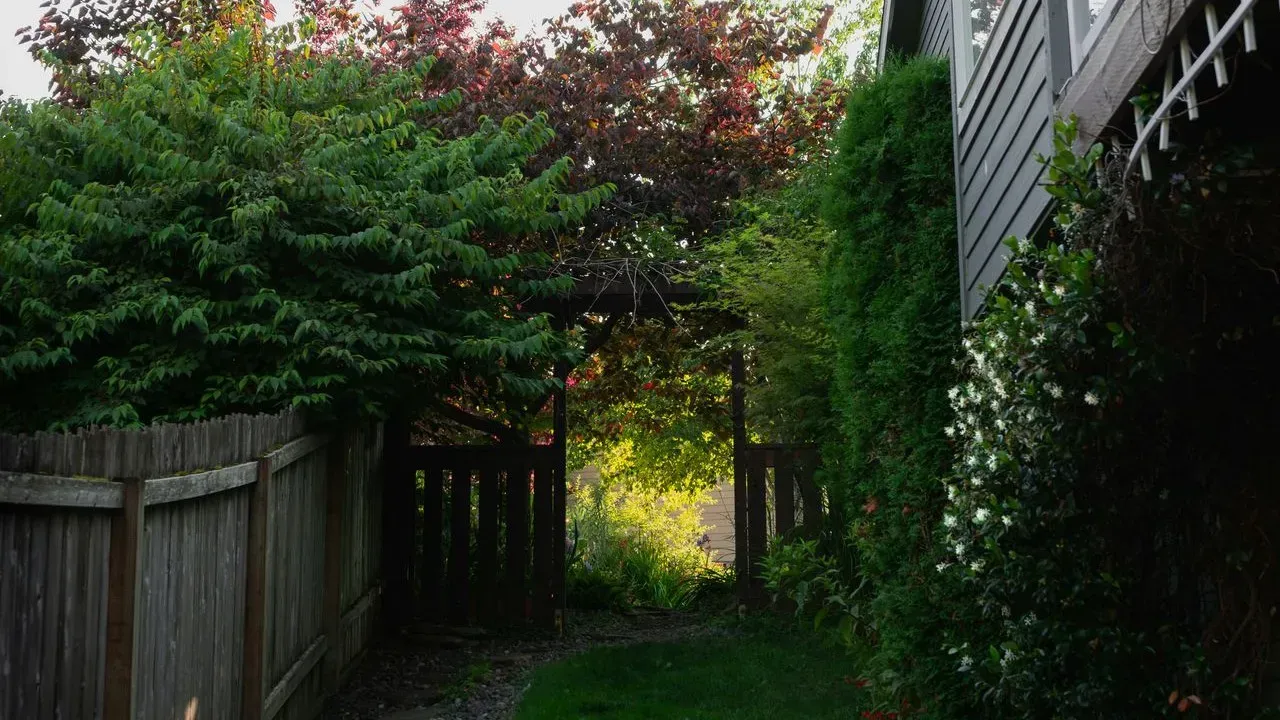

Homeowners with narrow front yards often discover that limited space creates daily frustrations, from cramped entrances that feel unwelcoming to reduced visual appeal that can influence how neighbors and visitors perceive the entire property. This constraint carries practical consequences for curb appeal and even long-term property value, as first impressions form quickly along the street. Yet the challenge also presents an opportunity to rethink conventional approaches and create inviting outdoor areas that feel more generous than their measurements suggest. With careful planning, these compact zones can become standout features rather than overlooked strips of land.
Recognizing the Everyday Impact on Homeowners
Narrow front yards affect more than aesthetics. They shape how residents experience their homes each day, from the walk to the mailbox to the view from the living room window. When space feels restricted, simple tasks like adding seasonal color or creating a clear path to the door become complicated, and the result can leave properties looking unfinished compared with wider lots nearby.
Stakeholders extend beyond the immediate household. Neighbors notice the overall streetscape, and real estate professionals often highlight curb appeal during showings. Addressing the layout early can prevent ongoing dissatisfaction and support smoother property transactions down the line.
Core Principles for Creating a Sense of Space
Successful designs begin with an honest assessment of light, soil, and existing structures. Vertical elements such as slender trees or tall grasses draw the eye upward, while layered plantings at different heights add depth without consuming ground area. Repeating shapes and colors along the length of the yard creates rhythm that makes the space read as intentional rather than squeezed.
Hardscaping plays an equally important role. Narrow walkways paired with low retaining walls or subtle edging can define zones and guide movement. Choosing materials that reflect light, such as pale gravel or light-toned pavers, helps brighten the area and contributes to an open feeling even on overcast days.
Practical Steps Homeowners Can Take This Season
Timing matters when introducing new elements. Early planning allows for soil preparation and plant selection suited to local conditions, while installation in cooler months reduces stress on new additions. Homeowners benefit from starting with a simple sketch that marks sight lines from the street and the front door.
Focus first on a few high-impact changes rather than attempting everything at once. Replacing a solid fence with a more open style, adding a small bench or container grouping near the entrance, and selecting plants that stay within scale all contribute to a cohesive result. Regular observation over the first year helps refine what works best in the specific microclimate.
Long-Term Considerations and Lasting Value
Maintenance requirements deserve attention from the outset. Drought-tolerant species and low-growing ground covers reduce the need for frequent watering and mowing in tight quarters. Thoughtful irrigation placement and mulching further support healthy growth while keeping the area tidy with minimal effort.
Over time, well-executed landscaping in narrow front yards tends to reward consistent care. Properties that balance greenery with clear access routes often maintain stronger visual presence year after year, offering residents a daily sense of satisfaction and contributing to neighborhood character without requiring expansive land.
AI Disclaimer: This article was created with the assistance of AI tools and reviewed by a human editor.