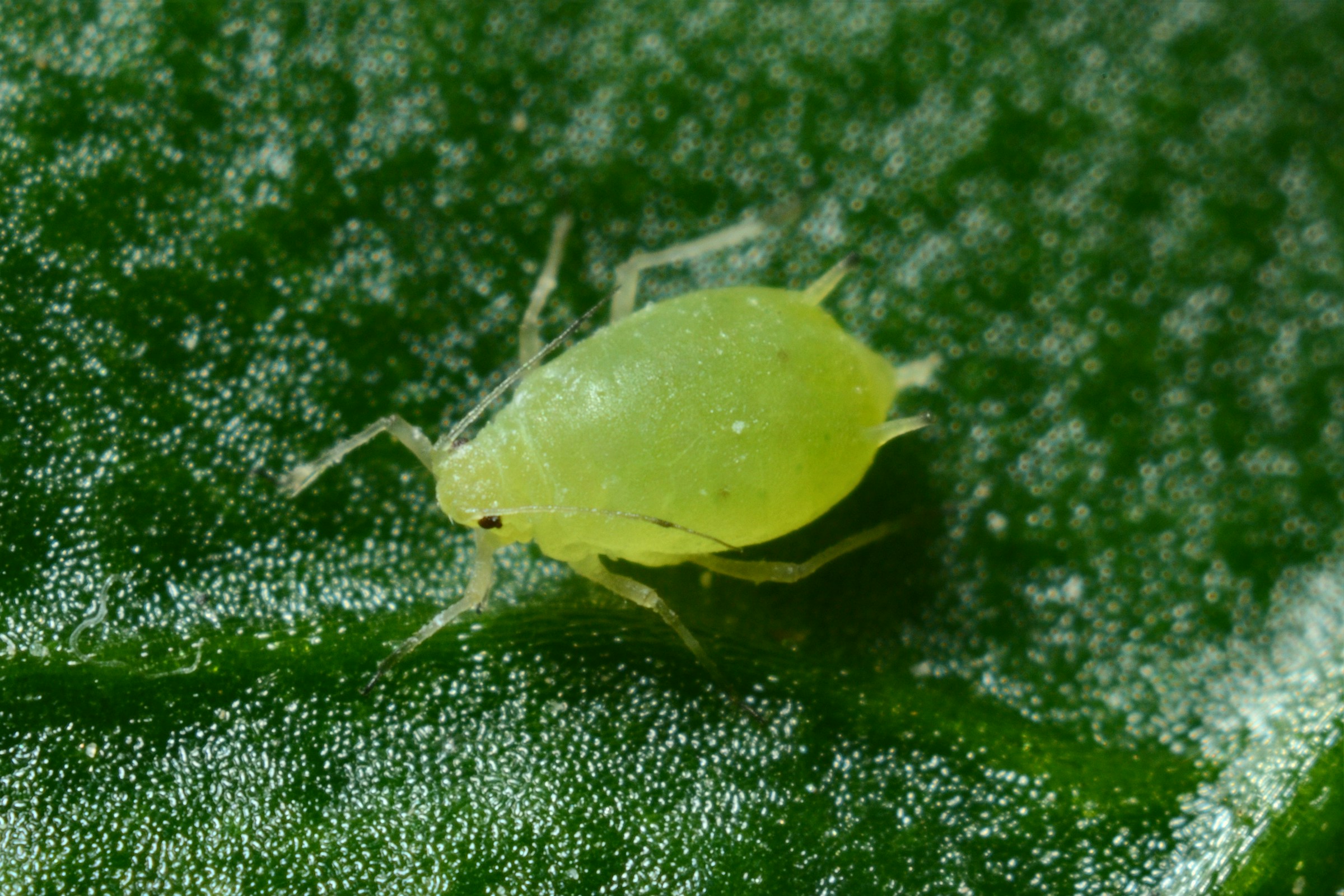

Most gardeners reach for the spray bottle the moment they spot aphids. It’s instinctive. The little clusters of soft-bodied pests appear on rose stems or vegetable leaves, and the response is immediate. What rarely gets considered in that moment is who else might be on the plant, or who is on the way.
Ladybugs are one of nature’s most effective aphid controls, and the timing of chemical spray applications is one of the most common reasons they disappear from gardens entirely. Understanding exactly how this happens, and what to do instead, can change the way you manage pests for good.
The Boomerang Effect Nobody Warns You About

Using an insecticide can cause a boomerang effect, resulting in a considerable outbreak of aphids once natural predators have been killed off. Aphids reproduce faster than ladybugs. This means that once you eliminate the beetles that were keeping the population in check, aphids can return in far greater numbers than before. The spray that seemed like a solution becomes the cause of the next, worse infestation.
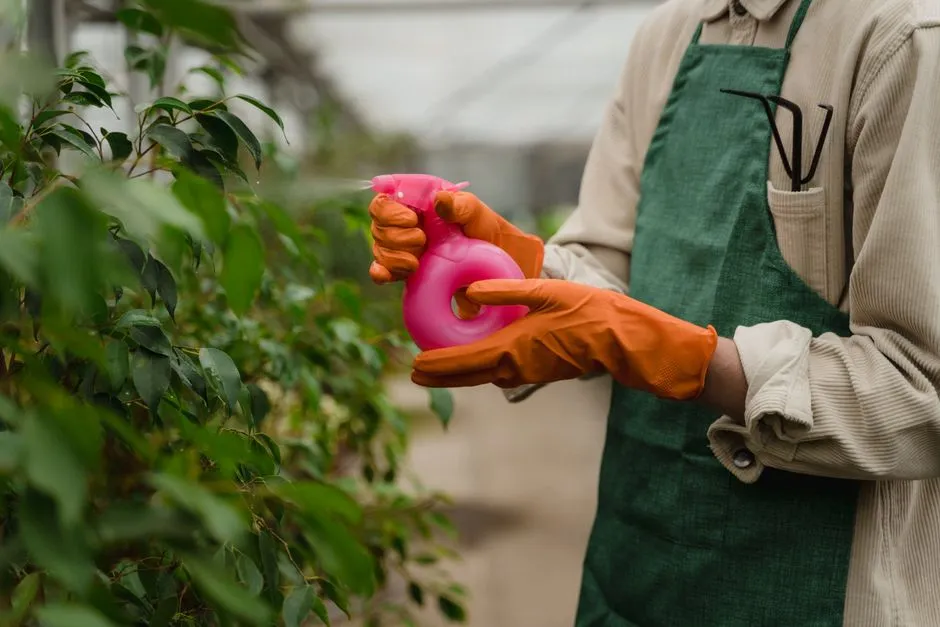
Spraying for mosquitoes or other pests can harm insects like ladybugs, which naturally control aphids and scale insects. Losing those predatory insects can disrupt the delicate balance of the ecosystem and lead to outbreaks of garden pests. The garden ends up more vulnerable, not less, after the spray event.
Why Pesticides Cannot Tell Friend from Foe
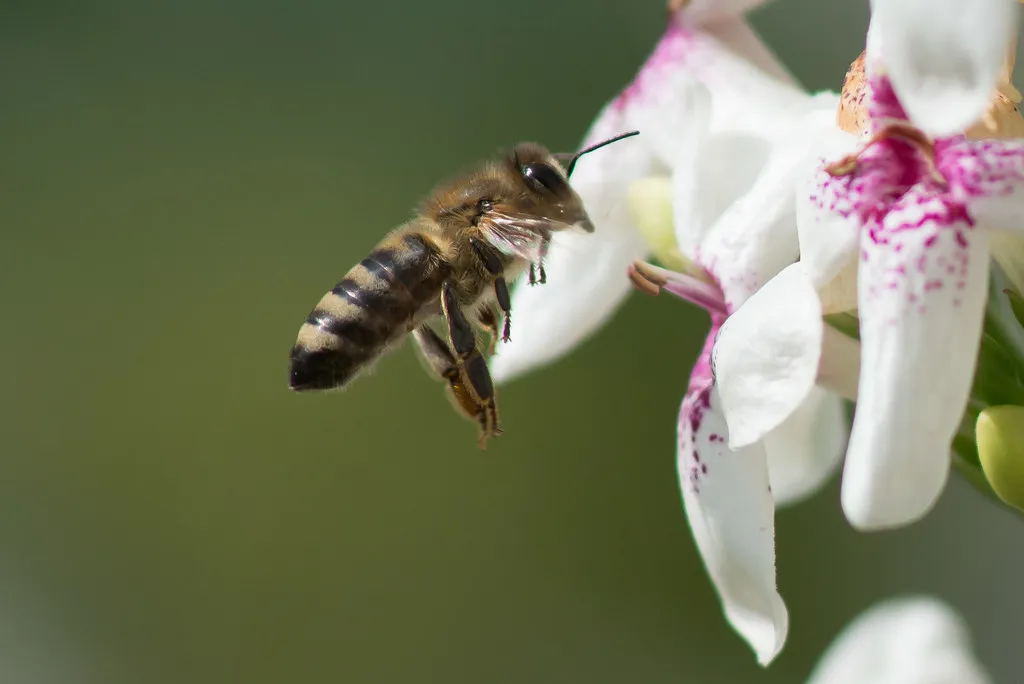
Most backyard pesticides harm all bugs, both pests and pollinators alike. Pesticide treatments do not differentiate between specific pests and beneficial insects like ladybugs, bees, or other pollinators. This is a fundamental chemical reality, not a labeling failure. The active compounds that disrupt an aphid’s nervous system work the same way on a ladybug.
Beneficial insects such as ladybugs, praying mantids, and some wasps can be quickly killed with many general-use pesticides. The effects of pesticides can be devastating because they often kill all the insects in the area, not just the harmful ones. The broader the spectrum of the insecticide, the higher the risk to every insect in range.
The Research on Spray Timing and Ladybug Losses
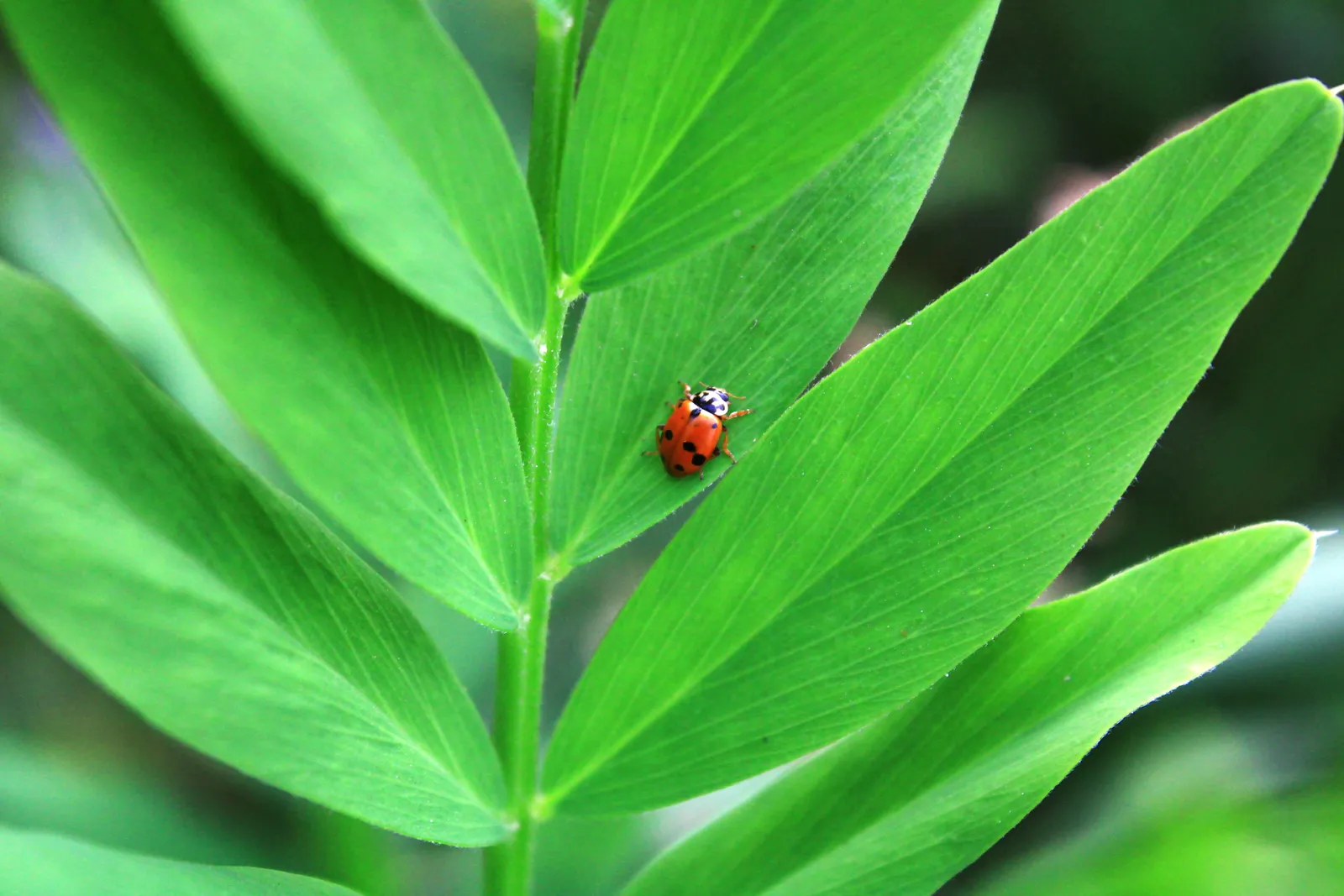
Researchers compared early and standard timing of application of a lambda-cyhalothrin pyrethroid on alfalfa pest and beneficial insects, with field trials conducted at a university research farm in 2020 and 2021. The findings were instructive. The researchers observed the potential for early application to reduce negative impacts on ladybird beetles and spiders, though damsel bugs were similarly reduced by insecticide application regardless of timing. Even modest shifts in when you spray can shift how much collateral damage occurs.
Future research should explore potential trade-offs of spray timing at larger spatial scales. In other words, the science is still catching up to what many experienced growers already suspect: the clock matters as much as the chemical.
Morning Spraying Sounds Safe, But It Isn’t Always
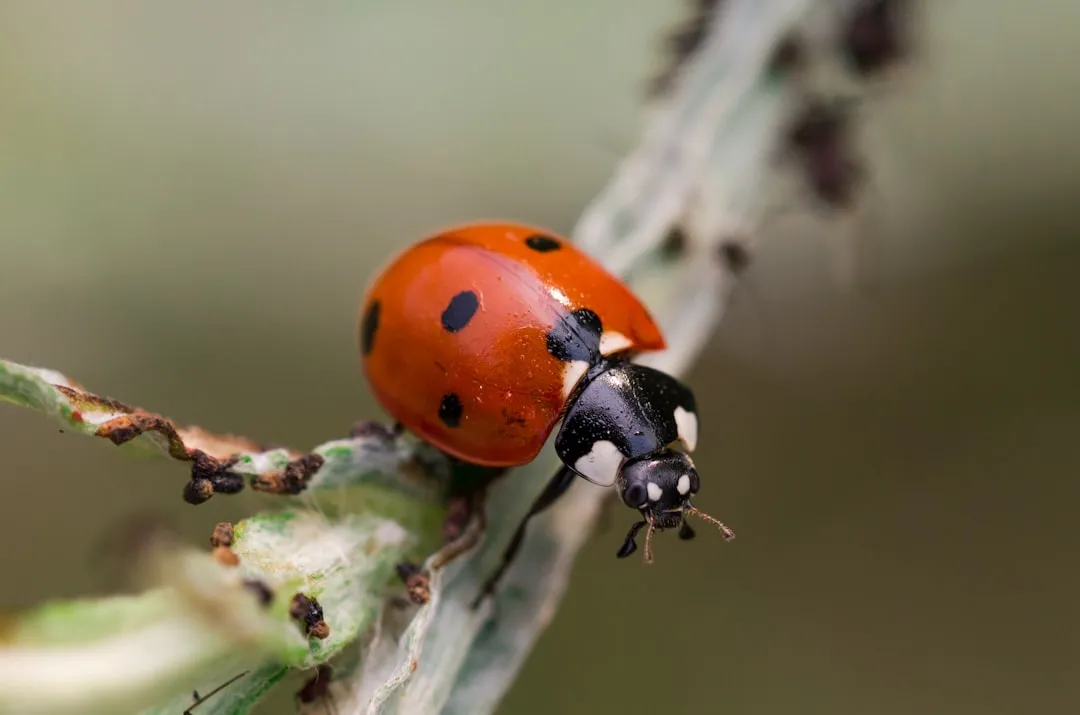
Beneficial insects that prey on aphids, including ladybugs, are often most active during morning and evening hours. This is the very window that many pest control guides recommend for spraying. The overlap is a real problem. Applying an insecticide early in the morning, when ladybugs are most active and foraging across plants, puts them directly in the spray zone.
Spraying when beneficial insects like ladybugs are less active can minimize harm to these helpful species while still effectively targeting the aphid population. Timing your spray application to avoid peak activity times for beneficial insects is critical. Late afternoon might be ideal since many helpful insects are less active during this time. That narrow window, when aphids are exposed but ladybugs have pulled back, is worth identifying carefully before you reach for the sprayer.
Sublethal Doses Are Just as Damaging Over Time
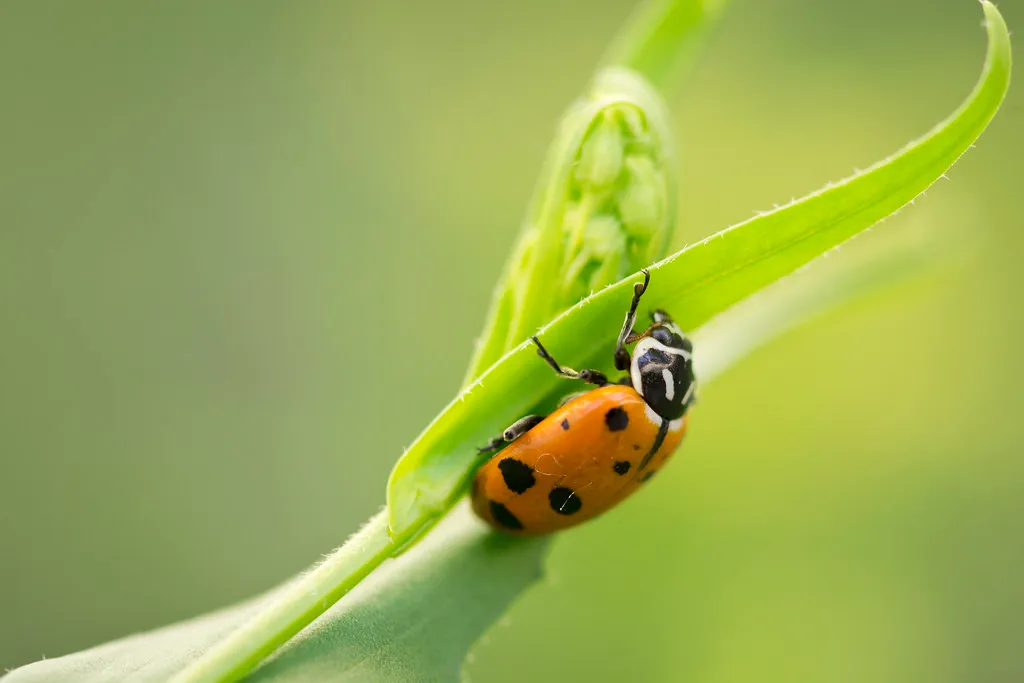
A study evaluated the sublethal and transgenerational effects of six synthetic insecticides, including imidacloprid, thiamethoxam, lambda-cyhalothrin, cypermethrin, chlorpyrifos, and profenofos, on the seven-spotted ladybeetle. At their sublethal doses, all insecticides significantly suppressed the emergence of adults, adult weight, fertility, and fecundity of the parental generation. Surviving a spray application is not the same as being unharmed.
Even at a low concentration, all tested insecticides substantially hindered the emergence of adults, adult weight, fertility, and fecundity in the parental generation. Exposure to sublethal concentrations also resulted in a reduction of predation rates among the F1 generation adults. This means the damage reaches beyond the individual ladybug you can see on the leaf. The next generation of predators is compromised before they even hatch.
What Repeated Spraying Does to the Whole Predator Community
Chemical insecticide application significantly increased aphid abundance when no rotation protocol was applied. An alteration in aphid predator community composition was also recorded. In insecticide-sprayed fields managed according to repeated crop protocols, the predator community was dominated by hoverflies, while in fields where crop rotation was practiced, ladybirds predominated. Repeated spraying does not just kill individual ladybugs. It shifts which insects can even survive in that environment long term.
Repeated crop and insecticide spraying increased the abundance of the aphid population and negatively affected the aphid predator community, which mainly included ladybirds, hoverflies, true bugs, and lacewings. Each spray event resets the ecological clock in favor of the pest, not the predator.
The Neonicotinoid Problem Runs Deeper Than Contact Exposure
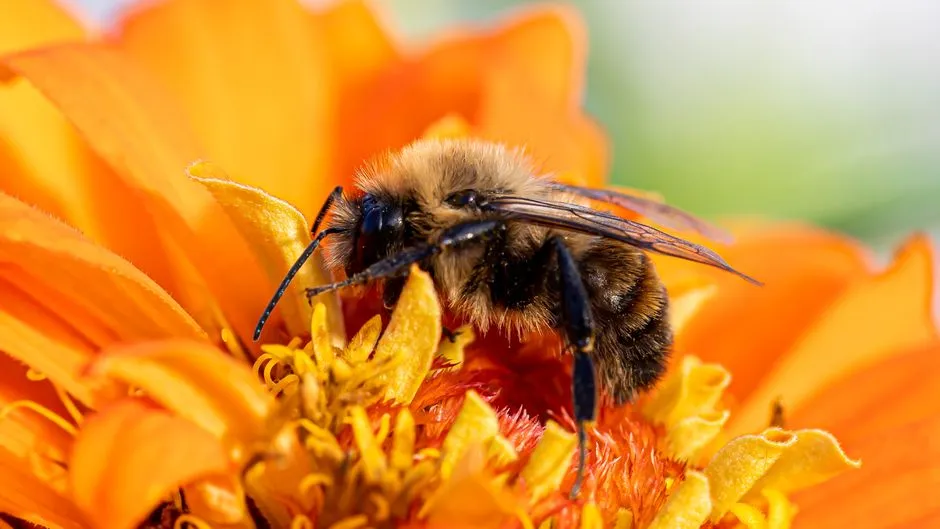
Systemic insecticides can kill hidden aphids, but they are much more toxic and might also harm bees and other beneficial insects on flowering plants. As of January 2025, these materials are only available to licensed pest control professionals. The systemic nature of neonicotinoids means the chemical moves through plant tissue, reaching every part of the plant including pollen and leaf surfaces that ladybugs contact throughout the day.
Both concentrations of imidacloprid and sulfoxaflor significantly reduced the proportion of ovipositing females of the parental generation. Certain dose levels significantly reduced both the fecundity and fertility of the parental generation. A ladybug that survives a neonicotinoid exposure may produce far fewer eggs, quietly hollowing out next season’s natural pest control workforce.
How the Aphid Reproduction Rate Outpaces Recovery
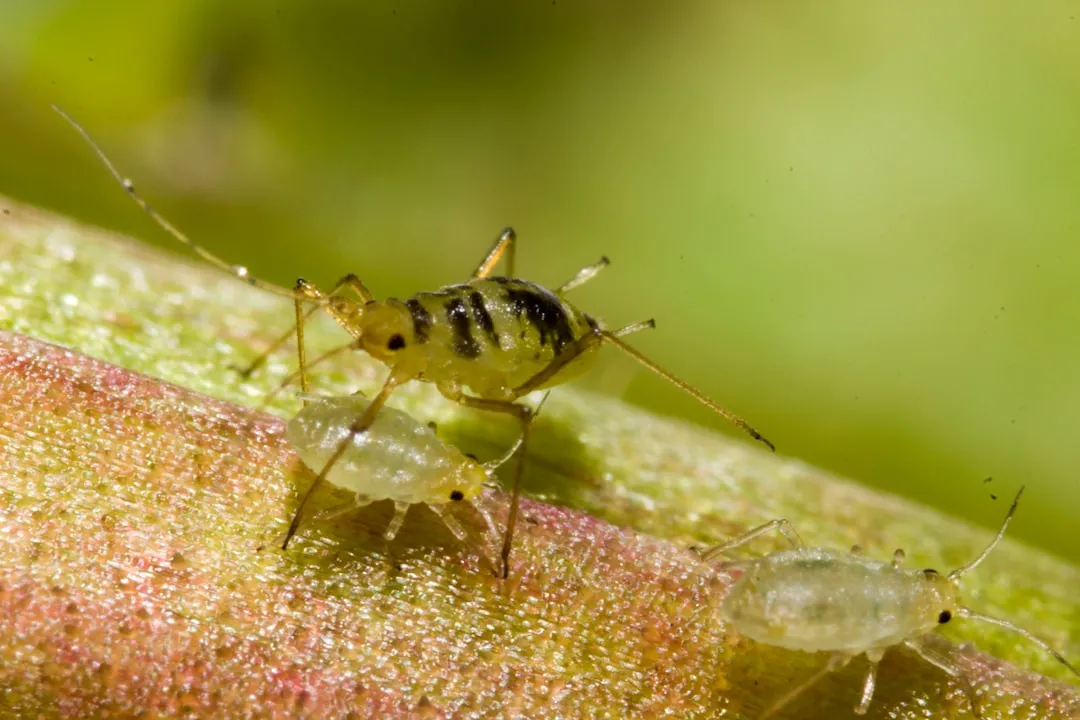
The lifecycle of aphids is extremely fast, and they multiply at an incredible rate. Some of their stages are rather impervious to insecticides, so frequent repeat sprayings are necessary. Each repeat application compounds the pressure on ladybug populations that are already recovering slowly from the last exposure. The gap between aphid recovery speed and ladybug recovery speed is where infestations spiral.
A ladybug will eat roughly fifty aphids a day. That consumption rate, sustained across a healthy predator population over a full growing season, represents enormous natural pest suppression that no spray can cheaply replicate once the beetle population crashes.
Low-Risk Alternatives That Actually Preserve Ladybugs
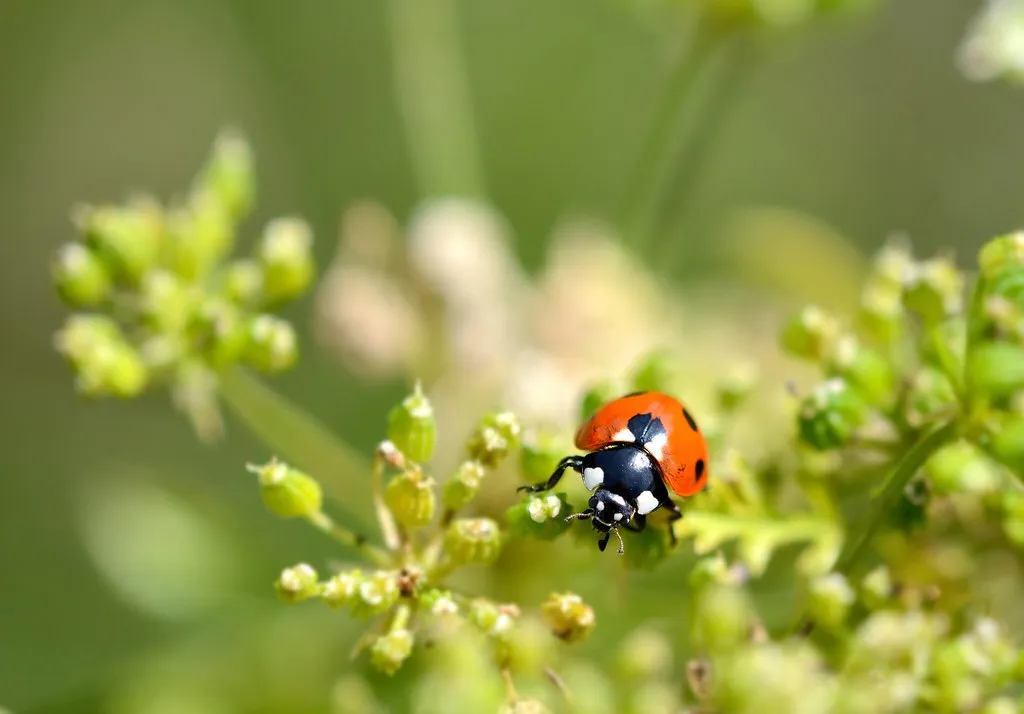
Encouraging natural predators is one of the most effective strategies. Broad-spectrum pesticides that kill beneficial insects such as ladybugs and green lacewings should be avoided. This is not just ecological idealism. It is a practical pest management calculation. Keeping predators alive reduces future spray needs.
To attract and support beneficial insects, growing plants such as yarrow, buckwheat, sweet alyssum, cosmos, spearmint, Queen Anne’s lace, goldenrod, and sunflowers helps. If aphid populations persist, commercial insecticidal soaps are among the least toxic chemical options. Insecticidal soap breaks down quickly, leaving little residual risk for ladybugs that arrive after treatment. The spray window matters here too, with the best time to spray insecticidal soap being early morning or evening when temperatures are cool, applying thoroughly and checking the undersides of leaves.
Integrated Pest Management as the Practical Standard
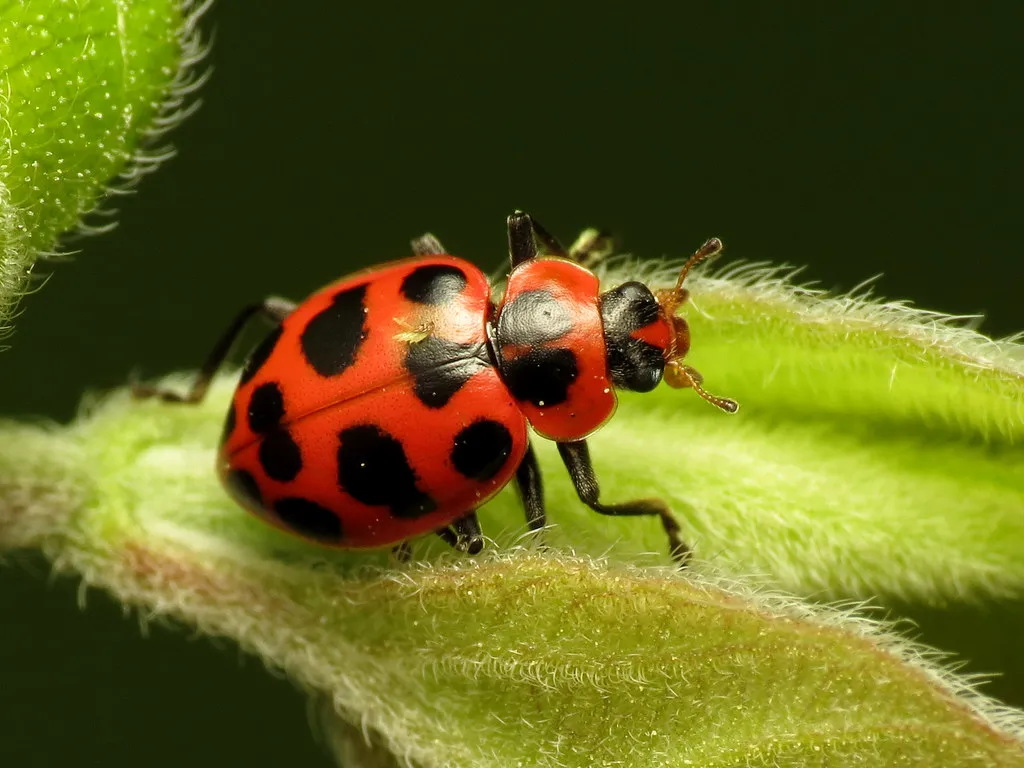
Biological control, defined as the reduction of pest populations through the introduction of natural enemies, is a common practice among farms and gardens that want to minimize spray applications. Integrating lady beetles into a garden can help manage aphid infestations, since lady beetles commonly consume aphids. IPM is not a niche concept reserved for large-scale agriculture. It applies directly in home gardens, and the core principle is that spraying should be a last resort rather than a first response.
The effects of naturally occurring parasites and predators can be enhanced through efforts to minimize their destruction by unwise pesticide use. Most insecticides are relatively broad spectrum, killing beneficials as well as target pests. Choosing the right product, the right concentration, and the right moment in the day are all decisions that shape which insects survive the season.
The Takeaway
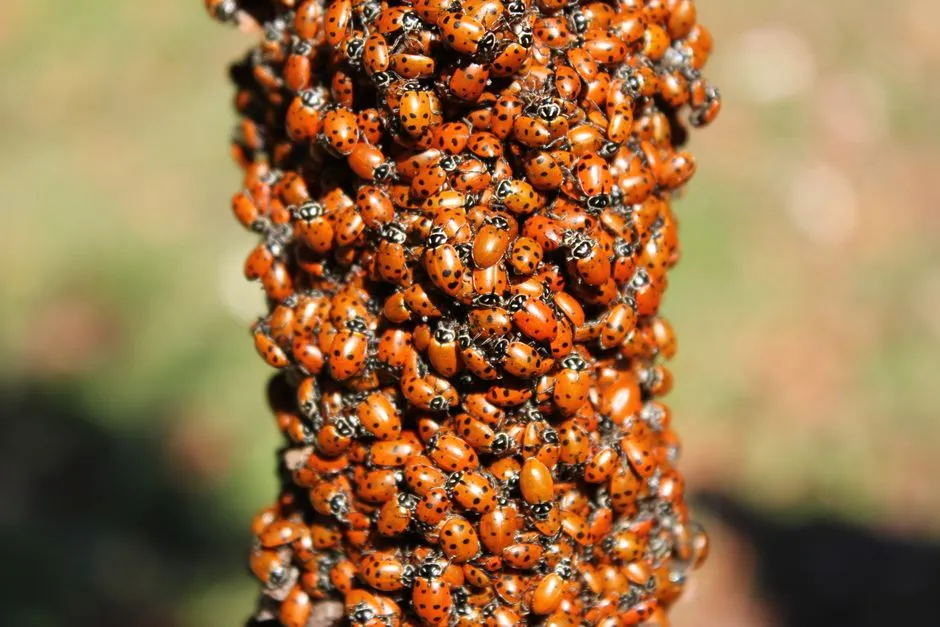
The mistake isn’t always which spray you choose. Often, it’s simply when you reach for it and how often you do. Ladybugs are doing work in your garden that no bottle on a shelf can fully replace, and the research from multiple institutions makes clear that both timing and product selection determine whether your natural allies survive the season.
A pause before spraying, to check whether ladybugs or their larvae are present, to consider whether insecticidal soap could serve instead of a broad-spectrum product, and to plan applications for periods of lower beneficial-insect activity, can make a genuine difference. The aphids will push back regardless. The question is whether you still have allies left to help when they do.
AI Disclaimer: This article was created with the assistance of AI tools and reviewed by a human editor.