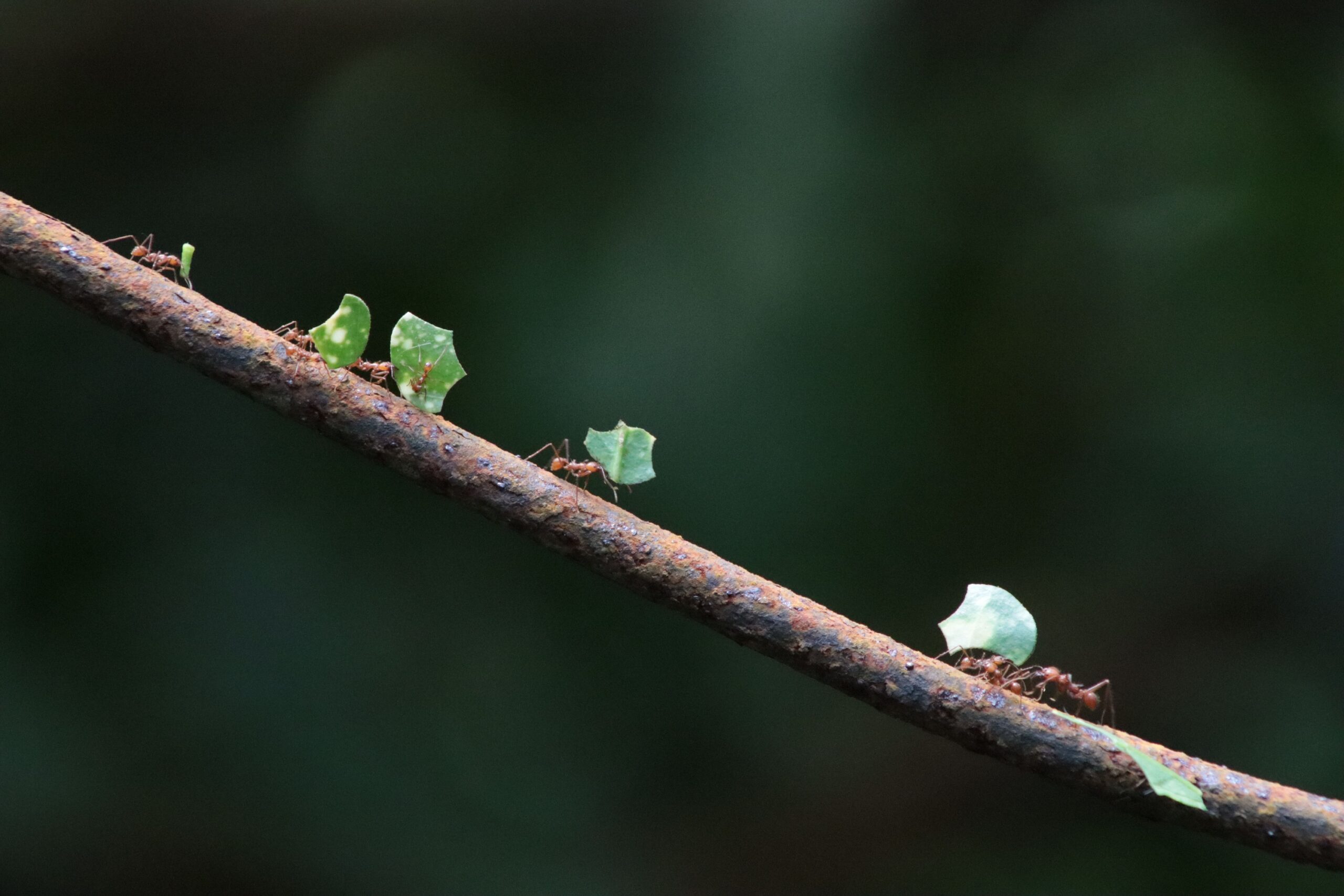

Long before the first raindrop falls, something stirs underground. Ants are already moving differently: sealing entrances, accelerating their foraging, building walls higher, rearranging chambers. If you’ve ever noticed a sudden surge of ant activity on a calm, dry-looking morning, you may have witnessed something that scientists are still working to fully explain.
The idea that ants can sense incoming rain is not just folklore. It sits at the crossroads of ecology, entomology, and atmospheric science. The evidence is real, layered, and genuinely fascinating.
A Tradition Rooted in Observation
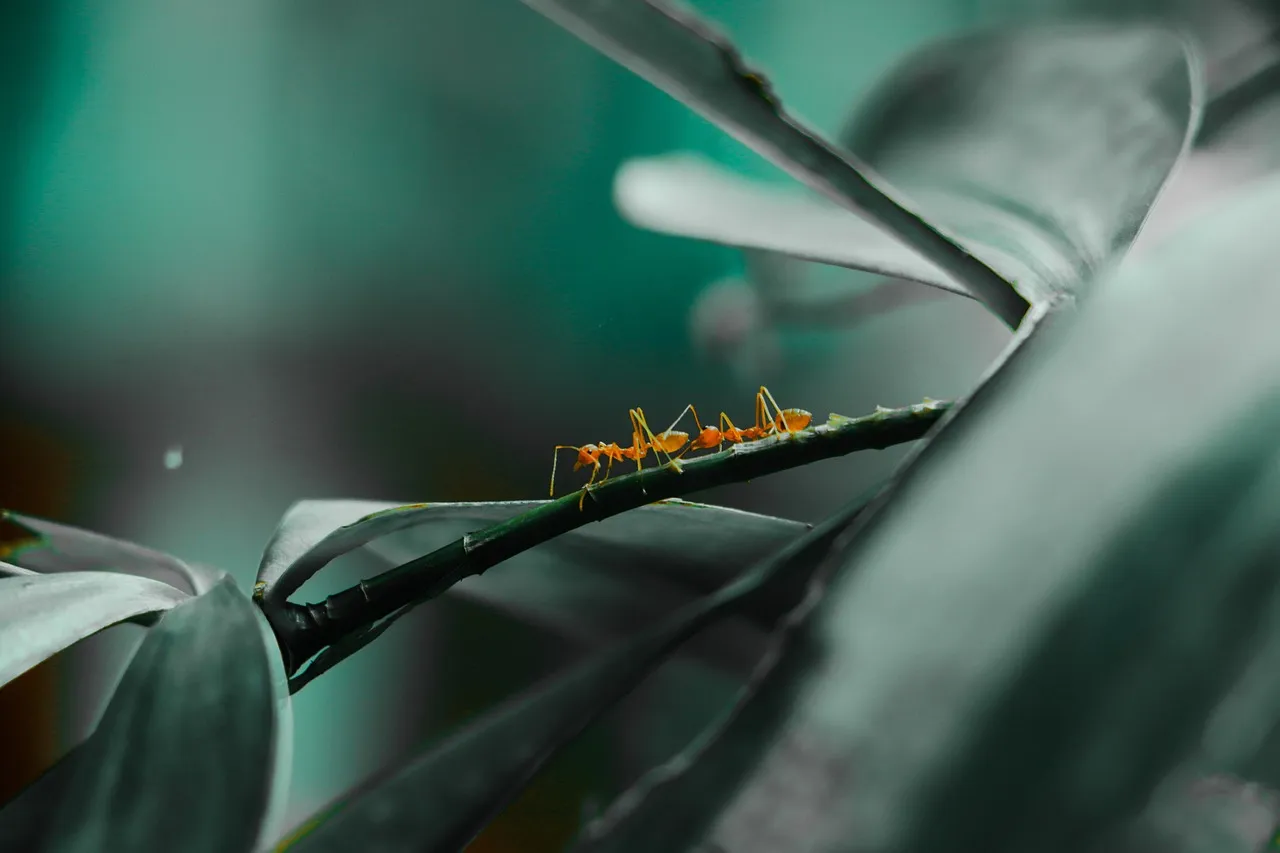
In India and Japan, a popular saying holds that “when ants carry eggs, sparrows play in sand, then it will definitely rain.” In Brazil, a proverb states that when humidity in the air rises, termites and ants leave their nests. These sayings weren’t invented in laboratories. They came from farmers, field workers, and village communities who watched ant behavior across seasons over generations.
Folklore says we might be able to predict the coming of rain by observing the behavior of ants. What makes this interesting is that modern science has actually started looking at it seriously, and the results are more nuanced than a simple yes or no. The short answer, based on current research, is that ants don’t “predict” rain the way a meteorologist does, but they do detect its arrival through physical signals that clouds haven’t even formed yet.
The Barometric Pressure Signal
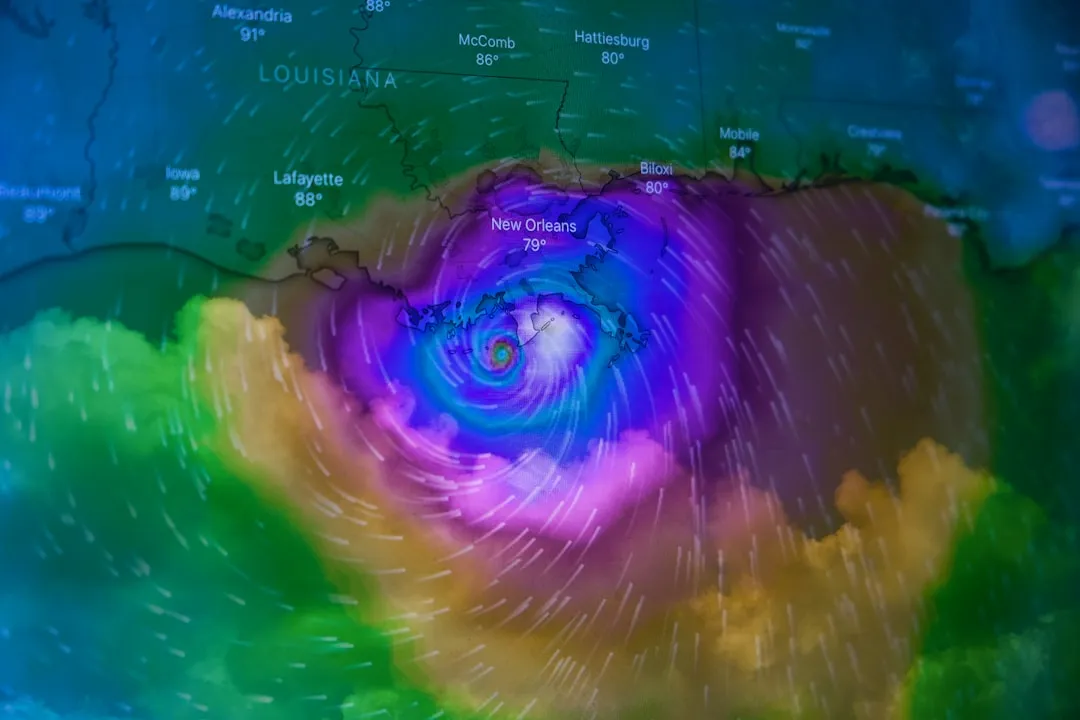
Ants don’t tune into the local weather forecast, but they possess built-in biological sensors that allow them to detect subtle atmospheric changes long before the first drop of rain falls. The most significant indicator of an approaching storm is a drop in barometric pressure. When a low-pressure system moves in, often bringing rain, the air becomes lighter.
Ants have microscopic hairs on their bodies and highly sensitive antennae that can detect these minute shifts in the weight of the air. This biological barometer triggers an immediate, colony-wide alarm. The response isn’t random or individual. It spreads through the colony collectively, which is part of what makes it so striking to observe from the outside.
Leafcutter Ants and the Laboratory Proof
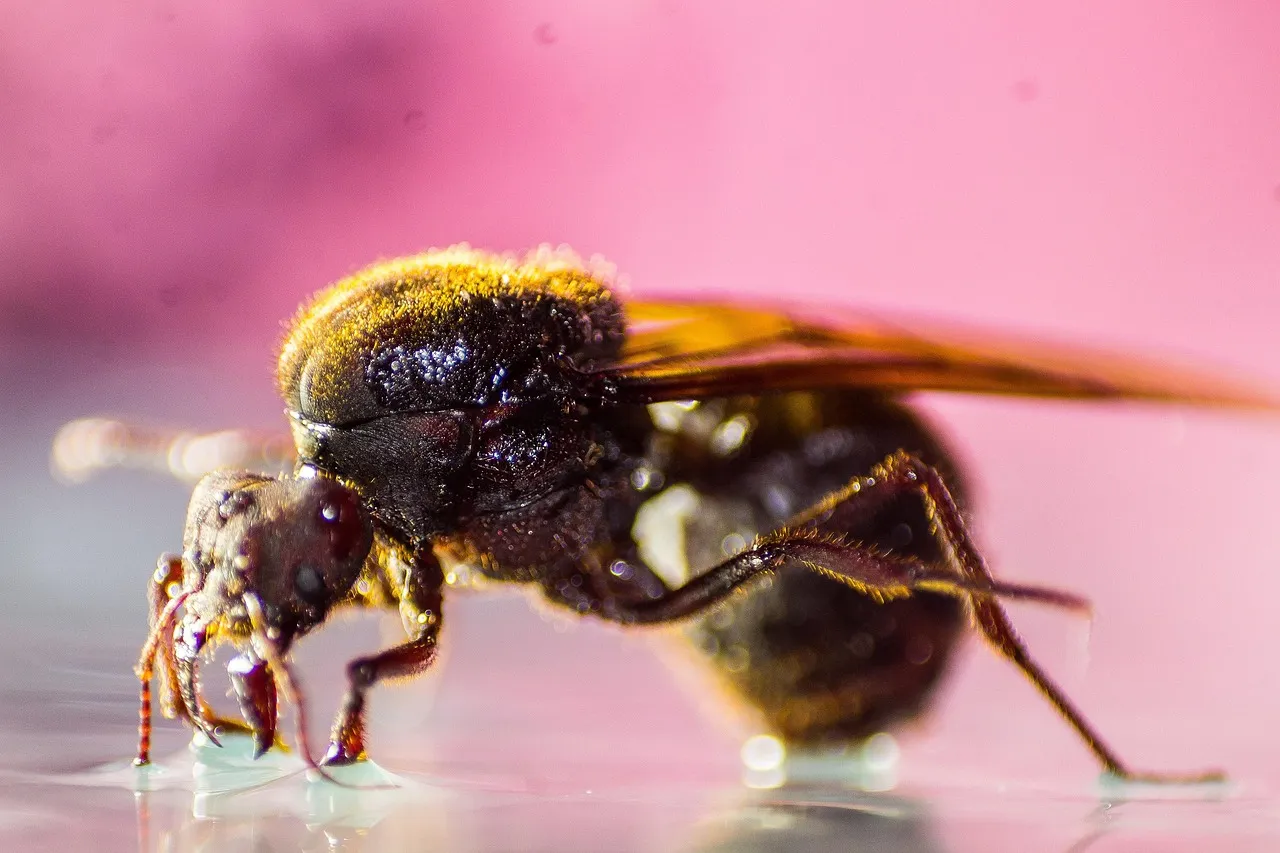
A study by researchers at the University of São Paulo’s Luiz de Queiroz College of Agriculture in Brazil shows that leafcutter ants are capable of predicting adverse weather by sensing changes in atmospheric pressure. When the ants detect a sharp drop in atmospheric pressure, which in most cases is a sign that heavy rain and strong winds are imminent, they greatly accelerate the speed of their activity to collect and store the largest possible amount of food for the nest.
The shifts in behavior could be related to the indirect consequences of a pressure decrease, such as rainfall and strong winds, both strong constraints on ants on a trail. This was the first report of barometric pressure affecting the behavior of a social insect under controlled conditions. That finding, published in a peer-reviewed journal, gave the folk wisdom a measurable scientific footing for the first time.
How Humidity Becomes a Warning Signal
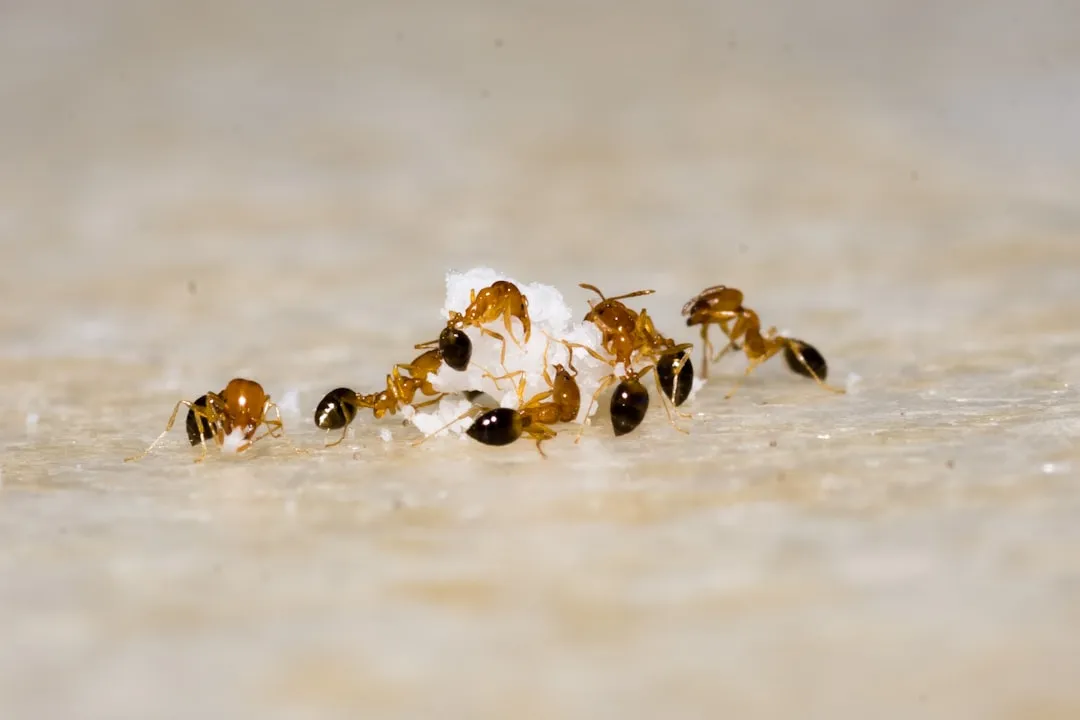
Before it rains, the air naturally becomes saturated with moisture. Ants are highly sensitive to humidity levels because their small bodies are prone to rapid desiccation or drowning. When their receptors detect a sudden, sustained spike in relative humidity, it signals that rain is imminent.
Research has shown that ants monitor the humidity and temperature in their nests, and when conditions change, they do all they can to regulate these variables with activities such as mound building. This is a survival response, not curiosity. A flooded nest can destroy brood chambers, drown larvae, and wipe out entire colony sections in hours. The incentive to read the air carefully is about as strong as it gets.
Temperature Shifts and the Cold Front Effect
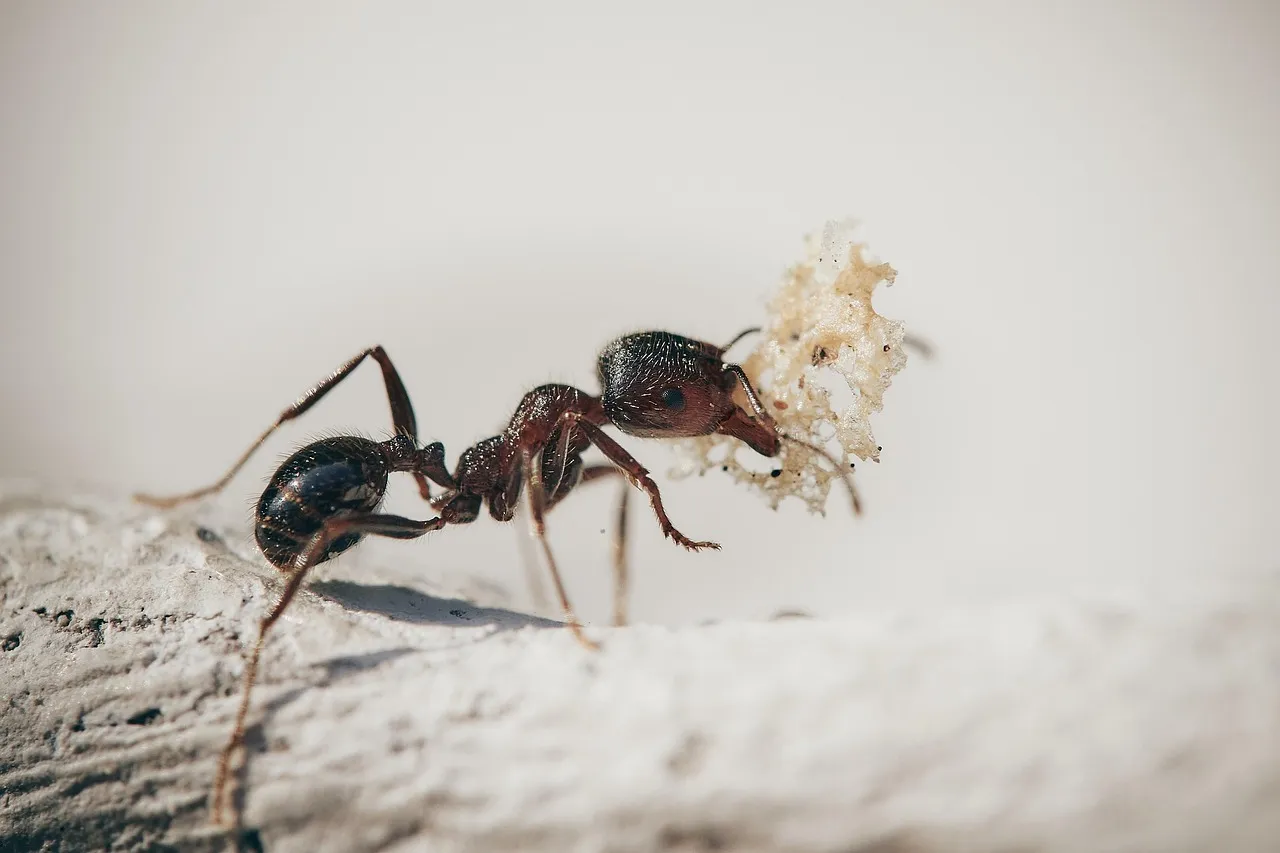
Storm systems often push a front of cooler air ahead of them. Ants are ectothermic, meaning their activity levels are dictated by the temperature of their surroundings. A sudden drop in temperature combined with shifting pressure and humidity confirms to the colony that it’s time to prepare.
This convergence of signals is what makes the ant response so reliable in practice. No single cue triggers the behavior on its own. It’s the combination of falling pressure, rising humidity, and a temperature drop that collectively functions like a multi-sensor alarm system. Nature arrived at this design long before engineering did.
The Antennae: A Multi-Purpose Sensing Tool
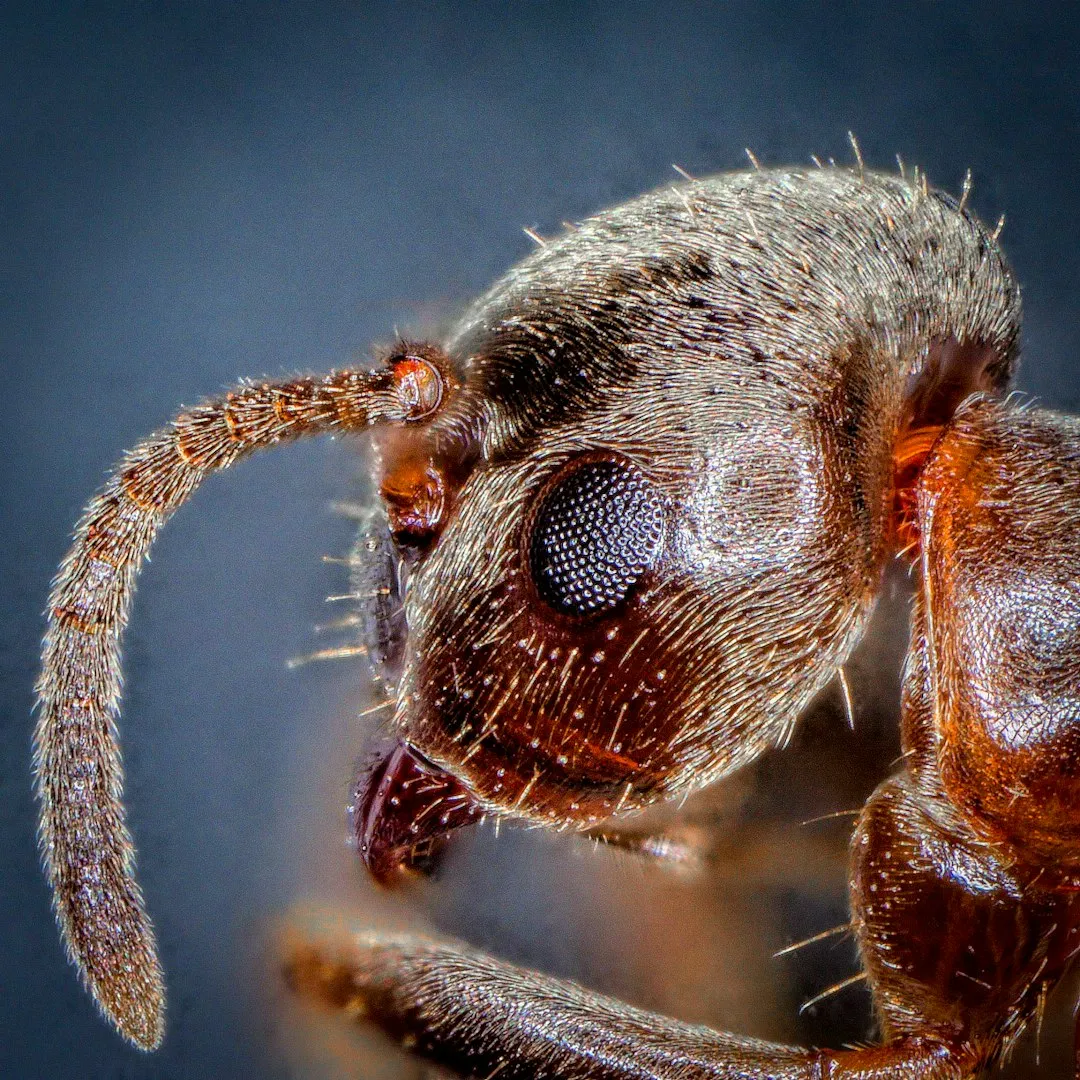
Ant antennae are sensitive detectors capable of picking up minute chemical traces. One species, the Florida carpenter ant, has more than 400 genes for detecting odors, the largest number of any known insect species. Ant antennae can also detect tiny changes in temperature, which might allow them to sense and react to the drop in temperature that usually accompanies a rainstorm.
That’s a remarkable level of sensory resolution packed into an insect you could lose between two fingers. The antennae are essentially doing the work of a weather station: reading chemistry, pressure, and temperature simultaneously. The signal they send back to the colony triggers coordinated behavior across tens of thousands of individuals in a matter of minutes.
Weaver Ants as Living Rain Gauges
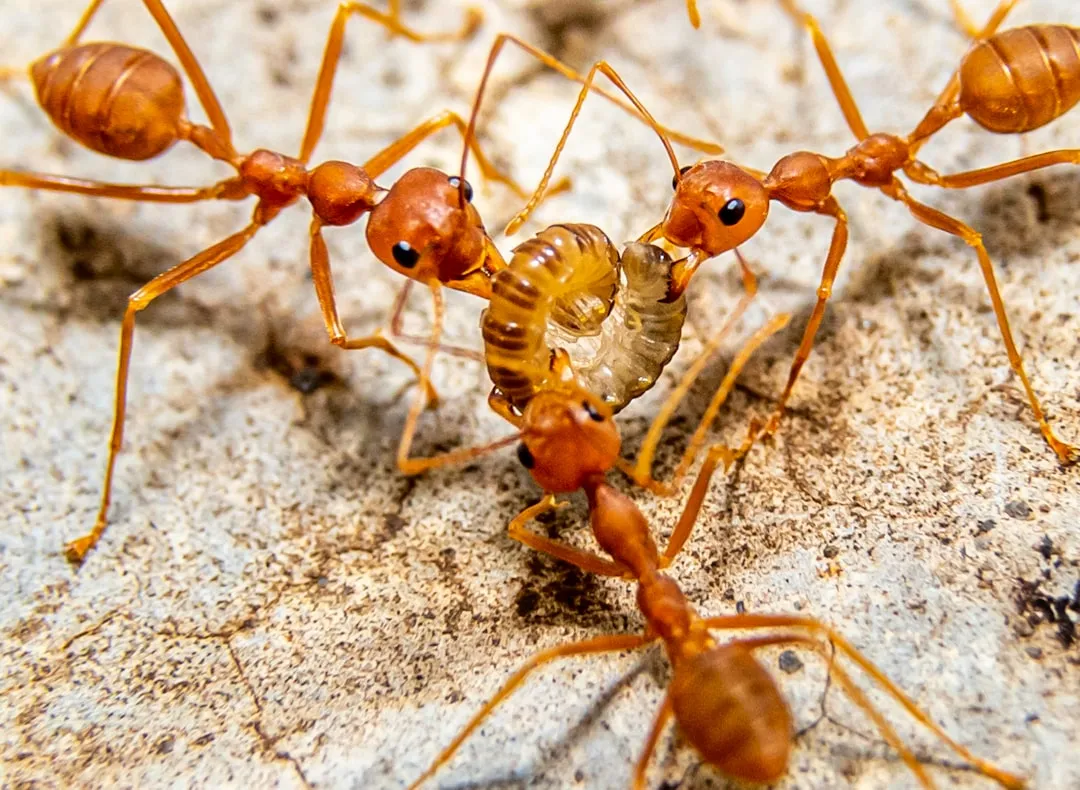
Weaver ants build nests when relative humidity is high, ranging from a mean daily minimum of 54 percent to a mean daily maximum of 94 percent, during the monsoon, before the rainy season, and during off-seasonal rain. Research has shown that ant nest-building behavior is related to rainfall, and the amount of rain in the monsoon can be predicted based on the size, shape, numbers, and position of weaver ant nests.
Ants build nests before the monsoon, with activity increasing roughly three weeks prior to rainfall. In the Nagpur district study, 17 to 18 nests indicated 800 to 900 millimeters of expected rainfall, while more than 25 nests suggested heavy rainfall ahead. These correlations were consistent enough that local communities in Central India have used weaver ant nests as practical seasonal forecasts for agricultural planning.
Mound Architecture as a Flood Defense
Ants on flood plains have been documented building raised earthen walls around their colonies in advance of heavy rainfall, behavior suggesting genuine pressure sensitivity in at least some species. Research on the Indian ant species Diacamma indicum adds detail to this pattern. Nest entrances during the monsoon were located at a significantly higher elevation than in pre-monsoon and post-monsoon periods.
During the monsoon, roughly 42 percent of nests had mounds of soil around the entrance, compared to about 19 percent in the pre-monsoon period and just under 7 percent post-monsoon. That’s a sharp seasonal shift in architecture. The ants weren’t just reacting to flooding. They were building proactively, which suggests the cues driving that construction arrived before the water did.
Flying Ants and Climatic Sensitivity
Research published in Nature Scientific Reports found that a Seasonal Auto-Regressive model explained 75 percent of long-term variability in male ant production, which responded negatively to monthly maximum temperature and positively to sea surface temperature as a surrogate for El Niño Southern Oscillation events. This points to how deeply ant behavior is woven into broader climate rhythms, not just individual storm events.
A projected increase of 1.5 degrees Celsius by 2030 could potentially reduce the incidence of ant flying by 55 percent. That’s a significant finding for ecosystems that rely on flying ants for dispersal and reproduction. It also underscores how vulnerable these biological “weather sensors” are to the very climate disruption they’ve spent millions of years adapting to read.
What the Science Still Can’t Confirm
Given the diversity of ant species and their well-developed sensory systems, it’s possible that some ant species have evolved a way to detect rain before it falls. However, observational or experimental data showing that ants actually alter their behavior in anticipation of rain is currently lacking for many species. The science confirms real sensory ability in specific species under studied conditions, but generalizing it to all 13,000-plus known ant species is not yet warranted.
A 2023 study in Ecology and Evolution found that several predatory insect species reduce foraging activity when barometric pressure falls. The pressure sensitivity in insects appears to be real, but the specific storm-prediction claims in popular accounts go beyond what the evidence cleanly supports. That’s a fair assessment. The ability exists. Its reliability, precision, and range vary considerably by species, habitat, and local climate conditions.
What This Means Beyond the Colony
There is evidence that animals are extremely sensitive to subtle environmental changes that precede short-term weather shifts. In other words, they do not predict weather so much as perceive it. They act as bioindicators because they can process physical stimuli that humans tend to overlook, such as changes in barometric pressure or humidity detected through smell.
This matters practically, especially in agricultural regions where modern forecasting tools are limited or unavailable. Mechanisms for integrating both traditional and scientific weather forecast systems would improve understanding of uncertainties and limitations to the application of farm management. Watching the ants isn’t a replacement for meteorology, but in some communities it’s a meaningful complement to it, one that costs nothing and has been refined by evolution over tens of millions of years.
Watching the Ground Before the Storm
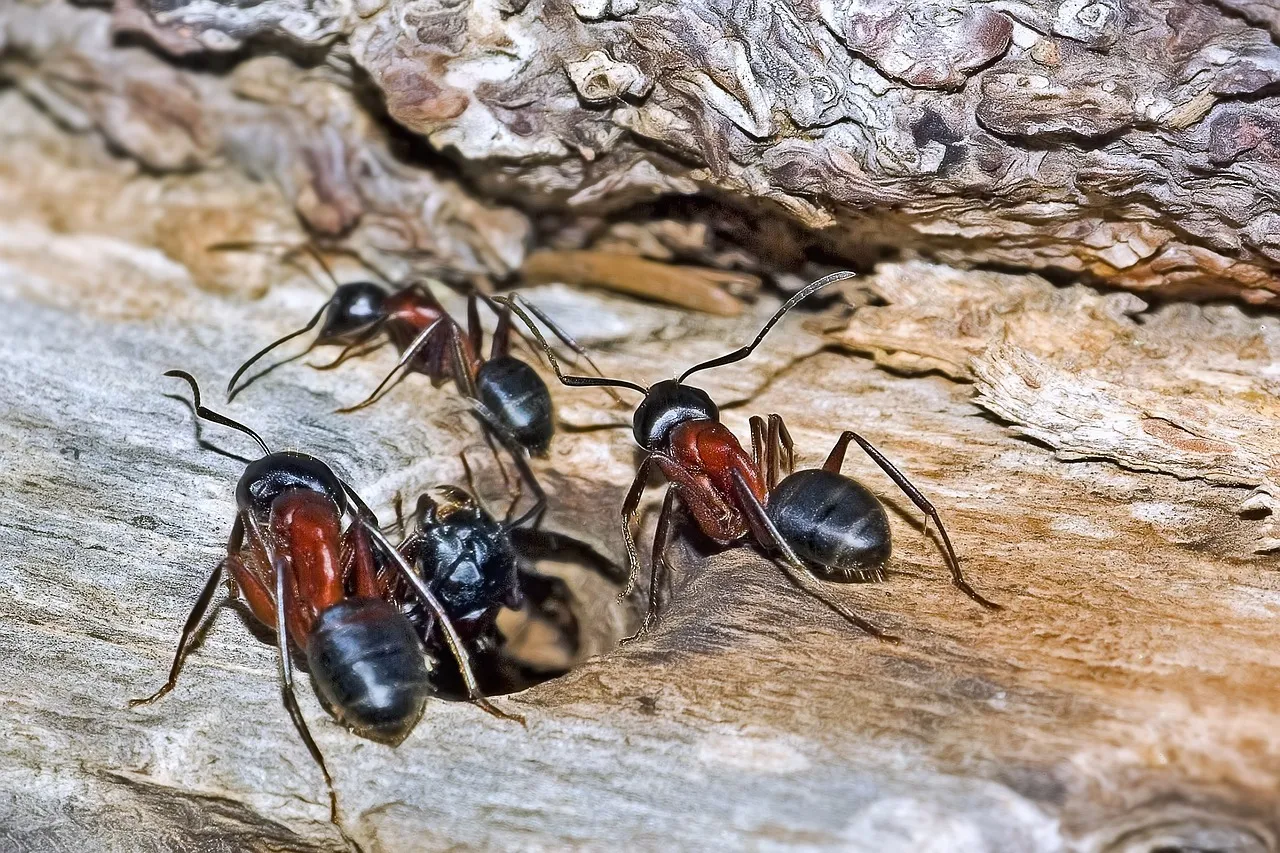
There’s something quietly extraordinary about the fact that an ant colony, with no instruments, no satellites, and no data models, can register a weather system rolling in across the horizon. The colony’s response is collective, fast, and proportionate to the threat. Workers accelerate, architects build higher, foragers rush back. All of it triggered by signals in the air that a human standing in the same spot wouldn’t notice at all.
The science is honest about its limits here. Not every species does this, not every response has been rigorously tested, and the gap between sensing environmental cues and truly “predicting” rain is real and worth respecting. Still, what’s confirmed is already remarkable. Next time the ants in your garden suddenly seem busier than usual on a clear morning, it might be worth glancing at the sky in a few hours.
AI Disclaimer: This article was created with the assistance of AI tools and reviewed by a human editor.