

What the Medicare Annual Wellness Visit Actually Is

The Medicare Annual Wellness Visit is a free preventive benefit that Original Medicare covers once every 12 months. It was added to Medicare in 2011 under the Affordable Care Act, because before that, Medicare covered almost no preventive services at all.
The visit is designed to do three things: assess your current health risks, screen for conditions that may not be causing symptoms yet, including cognitive decline, and create a personalized prevention plan that maps out which screenings, vaccines, and follow-up services Medicare will cover over the next five to ten years.
The visit focuses on health promotion and preventive care, allowing you and your provider to create a personalized prevention plan to help you stay healthy and avoid injury, illness, and disease. It’s also an opportunity to address a range of issues affecting quality of life, such as depression, memory loss, and dementia.
It Is Truly Free – No Hidden Costs
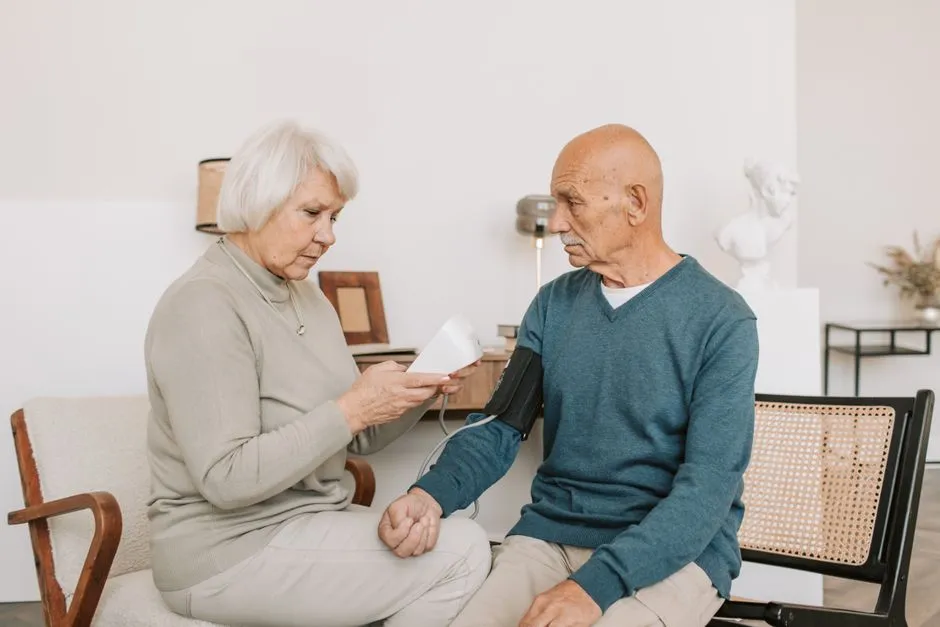
Medicare Part B covers the Annual Wellness Visit as a preventive service at 100 percent, meaning you pay nothing as long as the visit is billed correctly as a wellness visit. There is no copay, and the Part B deductible does not apply.
All Medicare Advantage plans are also required to cover the AWV at no cost to the beneficiary. Many plans go further by offering additional wellness programs, health coaching, or care coordination services tied to the visit. Some Medicare Advantage plans also include a more comprehensive annual physical exam as an added benefit beyond what Original Medicare provides.
Put plainly: Medicare Annual Wellness Visits are completely zero dollars out-of-pocket if your provider accepts Medicare assignment. That’s a meaningful distinction for the roughly 67 million Americans enrolled in Medicare who may be watching every dollar they spend on healthcare.
What’s Included in the Visit
The visit covers a review of current prescriptions and providers, updating medical and family history, ordering recommended tests and immunizations, measuring height, weight, BMI, and blood pressure, and discussing activities of daily living such as dressing, feeding, bathing, and toileting.
A key part of the AWV is a cognitive assessment to look for signs of dementia, including Alzheimer’s disease. If a provider thinks a patient may have cognitive impairment, Medicare covers a separate visit for a more thorough review, which can check for conditions like dementia, depression, anxiety, or delirium.
The AWV also offers advance care planning for patients who want help securing their future medical well-being, involving documentation of end-of-life care wishes and advance directives. That alone makes the visit worth scheduling for older adults who haven’t yet formalized those conversations.
What It Does Not Cover

Medicare’s AWVs do not cover physical examinations, vaccinations, medication prescription or adjustment, chronic illness treatment, sick visits, diagnosis of conditions, or any type of bloodwork, lab tests, panels, or X-rays.
The visit is not a physical exam. There is no blood draw, no hands-on examination, and no diagnosis made during the visit. This is one of the most common sources of confusion, and it’s why some people leave their AWV feeling like “nothing happened,” when in reality, the whole point of the visit is planning rather than treating.
Medicare does not cover a routine physical examination within the AWV. If additional services are needed, a provider can arrange a separate visit billed under a different code. The key is not mixing the two up when you arrive.
The Utilization Problem: Most People Simply Skip It

Research findings indicate that AWVs are considerably underused, with roughly 45 percent of Medicare beneficiaries not engaging with their AWVs at all, having had none or only one AWV during a six-year study period between 2018 and 2023.
According to Centers for Medicare and Medicaid Services data, Medicare AWV utilization rates increased from just 12.8 percent in 2012 to approximately 31.4 percent in 2023. That’s real growth, but it also means that in 2023, roughly seven out of ten eligible beneficiaries still did not use the benefit.
Research has found that roughly four in ten patients scheduled to come in for a preventive AWV fail to show for their appointment. Practices were spending thousands on labor to schedule and facilitate these appointments, only to have patients not arrive.
Geographic Gaps: Where You Live Shapes Whether You Use It
CMS data indicates substantial state-level variation in AWV utilization, ranging from roughly 22 percent in Nevada to nearly 42 percent in Minnesota, suggesting that standardized outreach and education initiatives could dramatically increase participation.
Provision of AWVs is notably worse in rural areas, where only about 8 percent of primary care practices provide AWVs. This is particularly concerning given that residents in rural communities tend to engage in fewer health-related behaviors than their urban counterparts.
Research has found that having a usual place of care that is not the emergency room was a strong positive predictor of AWV utilization. Residing in a rural area and avoiding going to the doctor were associated with significantly lower probability of using the benefit. In short, the people who could benefit the most from a structured prevention plan are often the least likely to receive one.
Racial and Socioeconomic Disparities in Access
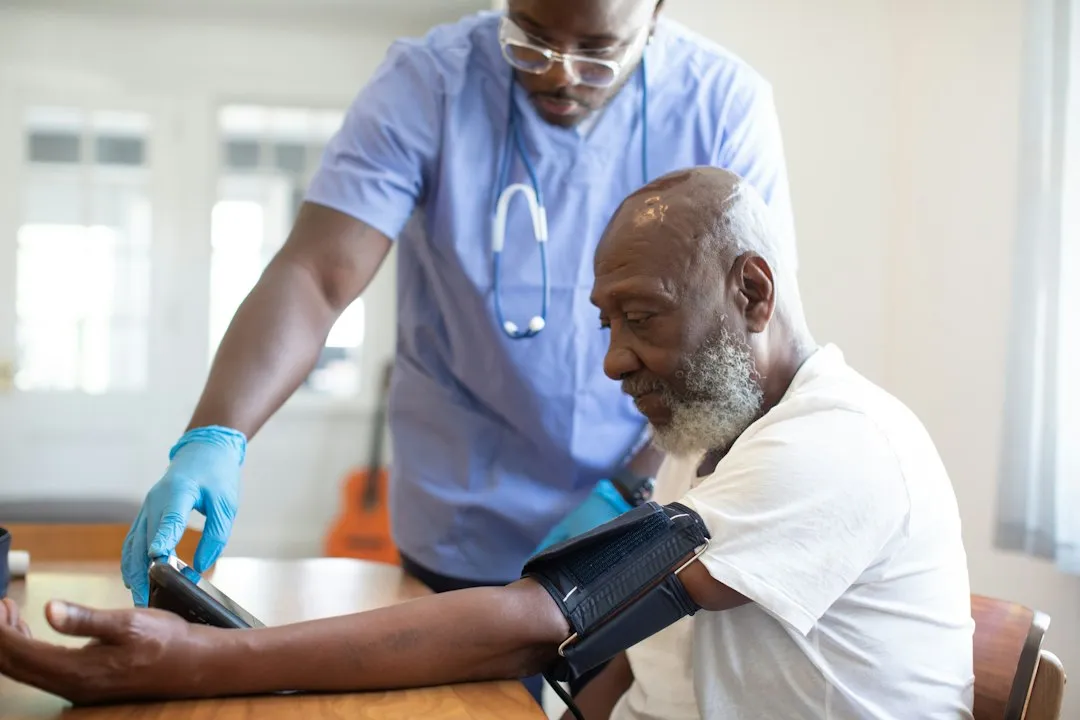
Social determinants of health, such as county-level primary care physician supply and household income, influence AWV use, with enrollees living in more economically disadvantaged counties showing lower utilization rates.
Research shows higher AWV uptake among Medicare Advantage enrollees across all key subgroups, with the largest differences seen among adults over 85, dual eligibles, Black beneficiaries, and those with Alzheimer’s disease and related dementias. Enrollment in a Medicare Advantage plan is associated with a higher probability of AWV uptake, particularly among vulnerable populations.
In unadjusted analyses, the probability of AWV completion was about 15 percent lower among both Black and Latino/Hispanic patients than among White patients, though this gap narrowed considerably after adjusting for socioeconomic and access-related factors. The disparity isn’t simply about race. It’s deeply intertwined with income, transportation, and proximity to care.
The Cognitive Screening Gap Inside the Visit

Medicare covers an AWV that includes assessment of cognitive state, but it remains underutilized. Among those who do attend, only about 26 percent were given a structured cognitive test during their visit, according to 2019 data.
A nationally representative survey using the Understanding America Study collected updated data on AWV uptake and whether the visit included a formal cognitive test or simple questions about memory complaints as recently as December 2023. The pattern of incomplete cognitive screening within the AWV is a concern, especially as early detection of dementia has become more urgent with new treatment options entering the space.
The cognitive assessment is one of the most clinically valuable parts of the visit. Missing it is a real gap, not a technicality. For older adults who may not volunteer memory concerns on their own, a structured screening question during an AWV can open a door that otherwise stays closed for years.
Real Savings Linked to the Visit

Among nearly 9,000 Medicare beneficiaries studied, an AWV was associated with significantly reduced spending on hospital acute care and outpatient services. Patients who received an AWV experienced a 5.7 percent reduction in adjusted total healthcare costs over the following 11 months, with the greatest effect seen for patients in the highest risk category.
This association translated to roughly $38 per member per month in savings over 11 months, or approximately $418 per beneficiary over the period studied. That’s not a trivial number, particularly for higher-risk patients managing multiple chronic conditions.
Beneficiaries who had an AWV were also more likely to receive recommended preventive clinical services. The visit seems to function as a coordination anchor, making it more likely that follow-up screenings and referrals actually happen. That downstream effect is hard to quantify but probably matters just as much as the direct savings.
What Happens When Systems Prioritize It

When a large Midwestern health system ran a focused initiative to promote AWV completion, the overall rate climbed from 47.5 percent to 68.9 percent over two years. That’s a substantial jump, achieved not through new technology but through targeted outreach and scheduling support.
Practices that have seen the highest success tend to introduce the AWV during a visit the patient already planned to attend, such as a sick visit or medication refill appointment. AWV utilization rates for this approach are reported to be 200 to 300 percent higher than trying to schedule a standalone AWV appointment.
One quality improvement initiative demonstrated that the overall AWV completion rate increased from 47.5 percent to 68.9 percent within two years, with all racial and ethnic groups experiencing similar proportional increases during the effort, including gains among White, Black, and Latino/Hispanic patients. The data suggests the gap isn’t permanent. It responds to effort.
Final Thoughts

The Medicare Annual Wellness Visit is genuinely useful, genuinely free, and genuinely underused. It’s not a cure-all and it’s not a physical exam, but as a planning tool it offers something most healthcare interactions don’t: dedicated time to map out what preventive care you actually need, before a problem gets expensive or serious.
Medicare covers a comprehensive set of preventive screenings and wellness visits at no cost to beneficiaries, yet many remain substantially underutilized. The AWV is the clearest example of that pattern. The visit costs nothing. The missed opportunity, over time, may cost quite a bit more.
If you or someone you care for is enrolled in Medicare Part B and hasn’t had a wellness visit this year, it’s worth a simple call to the doctor’s office. Ask specifically for the Annual Wellness Visit. The benefit is there. It just needs someone to claim it.
AI Disclaimer: This article was created with the assistance of AI tools and reviewed by a human editor.