

Why Nighttime Dosing Works for Most People

To get the most out of antihistamine allergy medications, you should take them at the right time of day for your symptoms, and for many people, the best time is at night before bed. The logic here is straightforward: your worst symptoms typically hit in the morning, so you want the medication already working when you wake up.
It makes sense to take your antihistamines before your symptoms reach their peak, which means taking them the night before. This approach gives the medication time to build up in your system overnight, so it’s actively blocking histamine by the time morning rolls around.
The Science Behind Morning Symptom Peaks

Morning allergies are often worse due to overnight pollen accumulation on surfaces, higher morning pollen counts from plants releasing pollen at dawn, and indoor allergens like dust mites concentrated in bedding. The compounding effect of all these factors hitting at once is what makes that first hour after waking feel particularly rough.
Your body naturally releases more histamine at night as part of its circadian rhythm, and this increased histamine production, combined with lying down, which can worsen congestion, often leads to more intense allergy symptoms during nighttime and early morning hours. Taking a pill at bedtime positions you to fight back on both fronts simultaneously.
Start Before the Season, Not After

You can start as early as two to four weeks before your typical allergy season starts, and that’s something people often don’t realize, according to NBC medical contributor Dr. Natalie Azar. Pre-treating gives your body a head start before allergen levels climb to their worst.
Corticosteroid sprays, such as Flonase, are recommended to start about four weeks before the start of allergy season, while with oral antihistamines, experts recommend patients start about two weeks before. This staggered approach reflects how differently these two types of medications build up and work in the body.
How Quickly Antihistamines Actually Work

Oral antihistamines begin to work quickly, usually within 15 minutes to two hours, so it’s not the worst thing to start taking them once your symptoms start to come on. That said, waiting for symptoms to appear means you’re already playing catch-up against a reaction that has already begun.
24-hour allergy pills generally start to work within one to three hours after ingestion, though this can vary depending on individual metabolism and the severity of allergy symptoms. Consistency matters more than perfection. Taking the pill at roughly the same time each day tends to produce more stable results than taking it sporadically.
First-Generation vs. Second-Generation: Timing Changes Everything

Older antihistamines, such as diphenhydramine (Benadryl), can cause drowsiness, so it’s best to take them at night or when sleepiness isn’t a concern. Their sedating effect, while inconvenient during the day, actually makes them well-suited for evening use when you’re winding down anyway.
Newer antihistamines, such as loratadine (Claritin), are typically non-drowsy and have fewer side effects to consider, and you can take them at any time of day, as they work well for daily use to manage chronic allergies. This flexibility makes second-generation antihistamines the more practical choice for most people with daily or seasonal allergy demands.
Non-Drowsy Options and When to Use Them

Fexofenadine (Allegra) has the lowest risk of drowsiness out of all the antihistamines. For people who need to stay fully sharp during the day, whether at work or behind the wheel, this distinction is worth paying attention to when choosing a medication.
Non-drowsy options such as loratadine or fexofenadine are designed for daytime use to maintain alertness. However, even these can be taken at night if that timing fits your symptom pattern better, since their non-sedating nature makes the timing more flexible than older antihistamines.
Decongestants Are a Different Case Entirely
Decongestants stimulate nasal passage clearing but may induce restlessness or insomnia if taken late, and therefore morning dosing is usually preferred. This is one of the clearest timing rules in allergy medicine, because taking a decongestant in the evening is a reliable way to find yourself staring at the ceiling at midnight.
Avoid taking oral decongestants, such as Sudafed, for longer than seven days in a row, as long-term use can raise your risk of side effects such as raised blood pressure or heart rate. Decongestants are best treated as a short-term tool, not a daily habit.
Pollen Counts and How They Should Influence Your Timing

Research shows that pollen levels are lowest between 4:00 a.m. and noon, while the highest pollen counts occur between 2:00 p.m. and 9:00 p.m. This pattern is worth keeping in mind when planning both outdoor activity and medication timing during peak allergy season.
On an average day, pollen counts rise during the morning, peak about midday, and then gradually fall, so the lowest pollen counts are usually before dawn and in the late afternoon to early evening. If your symptoms track closely with outdoor pollen, timing your dose accordingly can make a meaningful difference in how you feel during those peak hours.
When Symptoms Peak at Night Instead

Dust mites, pet dander, and mold thrive in bedding, carpets, and upholstery, which can intensify symptoms for individuals who are sensitive to indoor allergens rather than outdoor pollen. For these people, the calculus around timing shifts somewhat compared to seasonal allergy sufferers.
The timing of a 24-hour allergy pill largely depends on the individual’s symptoms. If symptoms are worse in the morning, taking the pill at night could provide morning relief, while if symptoms worsen at night, a morning dosage might be more beneficial. Knowing your own pattern is the real starting point for getting timing right.
What Research Says About Morning vs. Evening Dosing

A circadian rhythm of symptoms has been reported in allergic rhinitis, and some studies have shown the dosing time of antihistamines to be of importance for optimizing symptom relief. Research has examined the efficacy of morning vs. evening dosing of antihistamines at different time points during the day.
No statistically significant difference in efficacy was seen whether desloratadine was given in the morning or in the evening, which gives patients more flexibility in choosing dosing time. Still, that flexibility doesn’t mean timing is irrelevant. It means you have room to personalize based on when your own symptoms are worst.
The One Rule That Overrides Everything Else
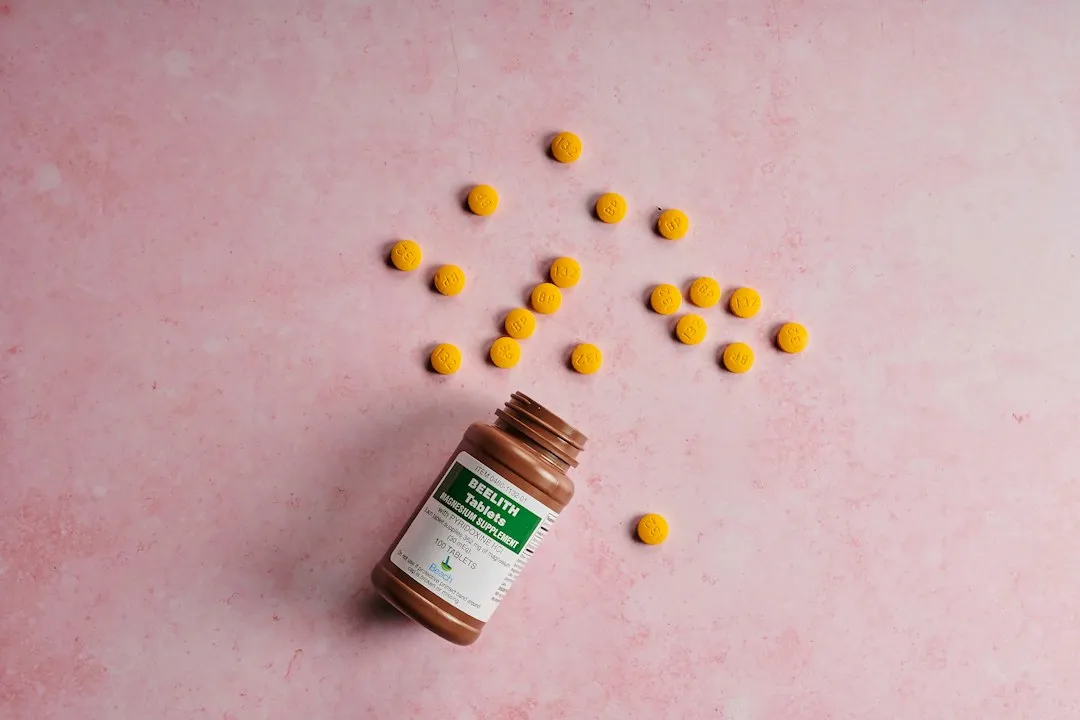
There is no universal best time to take allergy medicine. Optimal timing depends on your specific medication, symptom patterns, and lifestyle. This is the most honest thing any pharmacist will tell you, and it’s more useful than any single blanket rule.
For optimal effect, it is usually recommended to take the pill at the same time each day. Consistency builds a reliable baseline level of the medication in your system, which is ultimately more important than whether that dose falls in the morning or the evening.
The Takeaway

For most people with seasonal allergies and morning symptoms, taking an antihistamine the night before remains the most practical and widely supported approach. It puts the medication to work while you sleep, so you wake up with coverage already in place rather than scrambling to catch up.
The broader point is that allergy pill timing isn’t guesswork. It’s based on real patterns in your body’s circadian rhythm, your specific allergen triggers, and the medication you’re using. Pay attention to when your symptoms peak, match your timing to that window, and stay consistent. That simple discipline tends to outperform any single trick or formula.
AI Disclaimer: This article was created with the assistance of AI tools and reviewed by a human editor.