

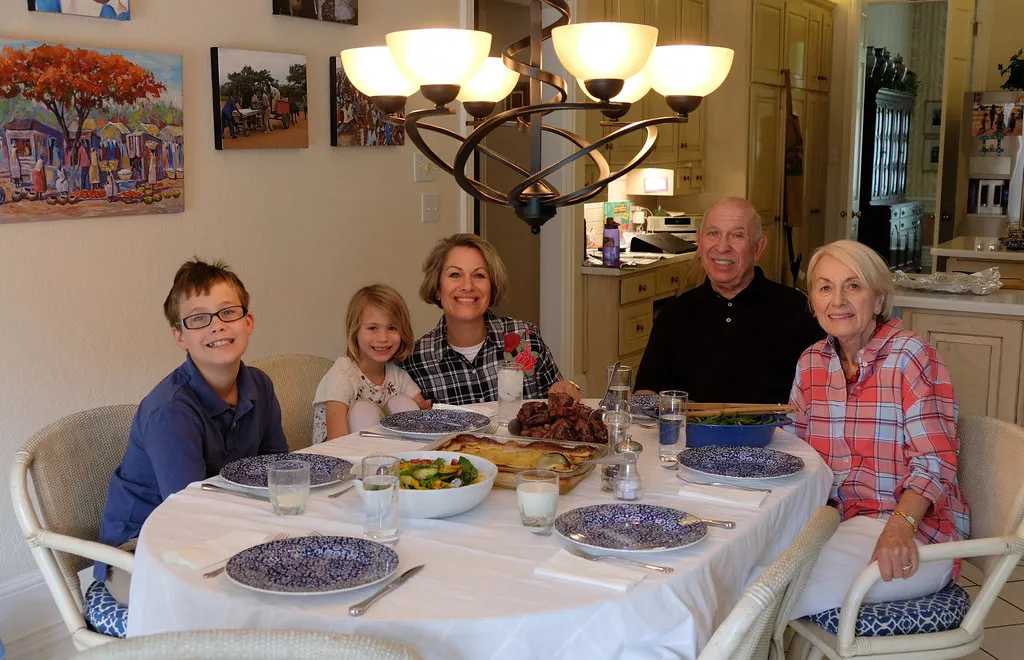
There was nothing elaborate about it. After the last dish was cleared, the family simply stayed at the table. Grandparents talked, children listened, and questions flew in every direction. It looked ordinary. It turned out to be anything but.
Decades of research have since confirmed what older generations instinctively understood: lingering at the table after a meal, talking without agenda, is one of the most quietly powerful things a family can do together. Family therapists are increasingly recommending it by name, and the science behind why it works has only grown stronger.
Sitting Still Just a Little Longer: Where the Ritual Began
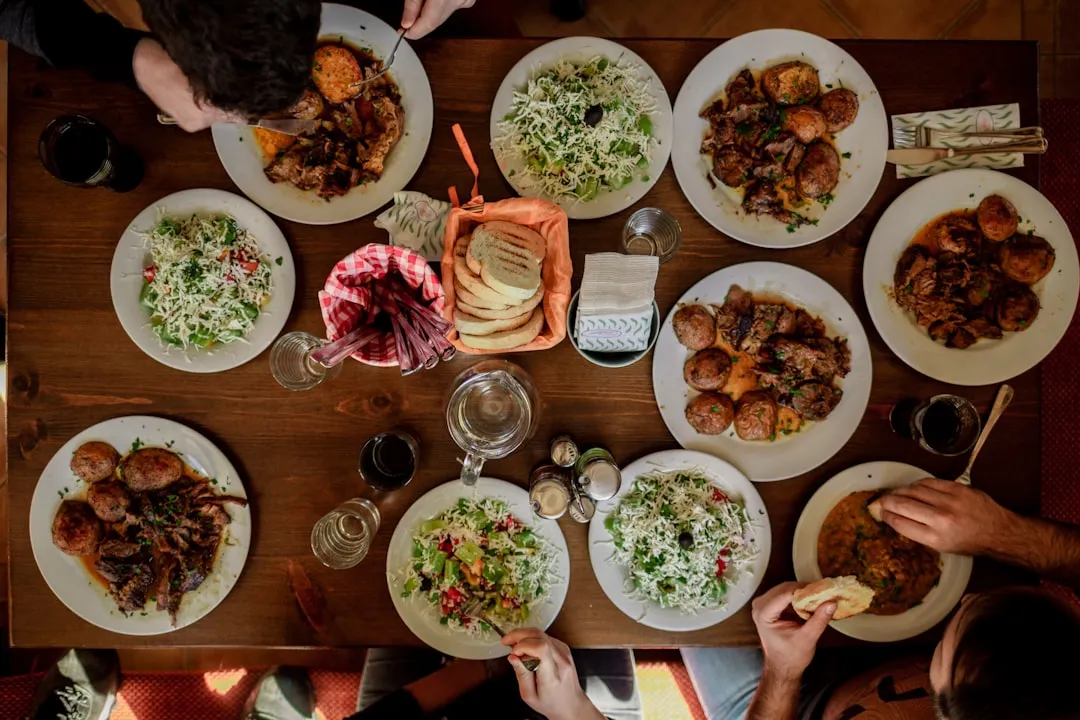
For most of the twentieth century, staying at the table after dinner was not a deliberate choice. It was simply what families did. The kitchen was cleaned up around them, the younger kids might drift off, but the conversation kept going. Nobody thought to put a name to it.
Family rituals are routines and traditions that honor what is very important to the family. They include weekly family dinners and everyday practices that, repeated over time, take on real meaning for everyone involved. The after-dinner sit-down fit that definition perfectly, even when no one called it a ritual at all.
The cultural shift of the 1980s and 90s, driven by longer commutes, cable television, and packed after-school schedules, quietly dismantled a ritual that had produced measurable generational benefits. What grandparents once took for granted quietly disappeared from millions of homes.
What Family Therapists Now See in the Research

Family meals and family therapy confer many similar benefits to family members, as both are settings in which families can connect and interact as a group in a designated space and time. Family therapists can work with families in several ways to harness the benefits of family dinners, using them as an annex to therapy and a place to experiment with new behaviors and patterns of communication.
More than 35 years of research and thousands of studies from around the world document that family meals boost both physical and mental health. That is not a fringe claim. It is one of the most consistently replicated findings in family psychology.
Of all the things parents can do to support their children’s mental health, emotional development, and family cohesion, one of the most powerful is also one of the simplest: eat together. This is not a sentimental claim. It is one of the most consistently replicated findings in family psychology research.
The Mental Health Connection Is Hard to Ignore
Regular family dinners are associated with lower rates of depression, anxiety, and substance abuse, as well as lower rates of eating disorders, tobacco use, and early teenage pregnancy, and higher rates of resilience and self-esteem. That is a remarkable range of outcomes linked to one simple practice.
One study designed to examine the association between the frequency of family dinners and mental health in adolescents found that the frequency of family meals minimized internalizing and externalizing symptoms while increasing emotional well-being, prosocial behavior, and life satisfaction.
Research suggests that youth mental health issues are reaching a tipping point in society. The Centers for Disease Control’s 2021 Youth Behavior Risk Assessment indicated that roughly two in five high school students experienced persistent feelings of sadness or hopelessness, up significantly from just over a quarter in 2011. Against that backdrop, the dinner table ritual matters more than ever.
Grandparents as Storytellers: Why Their Role Was Irreplaceable
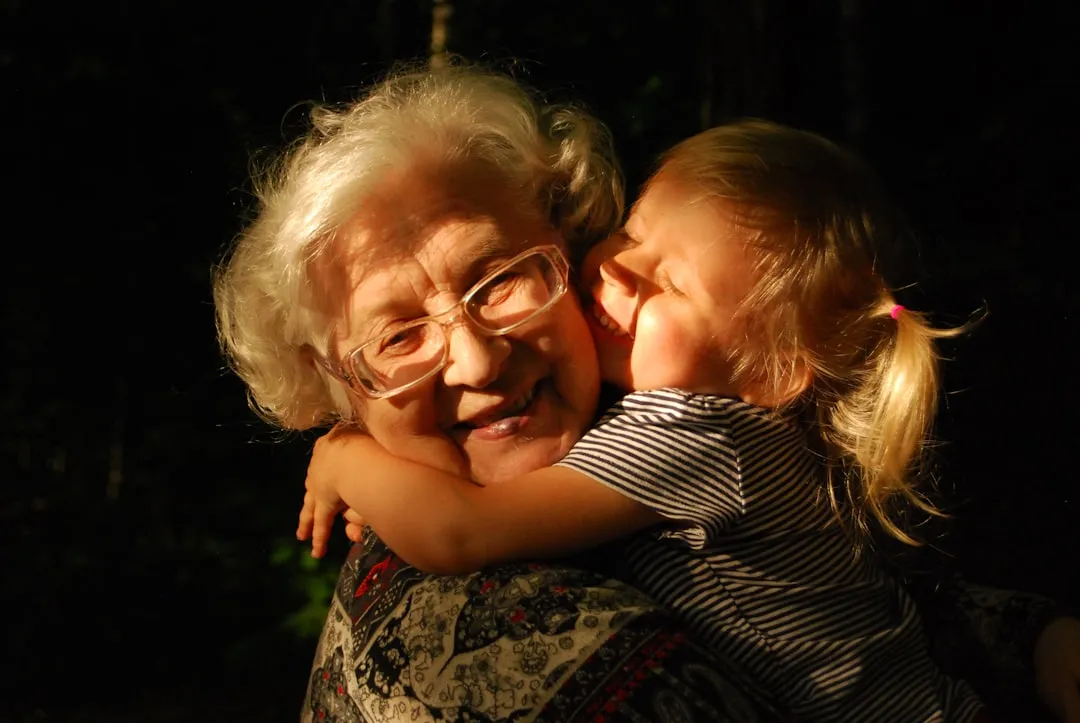
Stories about the shared family past and especially stories about parents and grandparents growing up, known as intergenerational narratives, are a critical part of facilitating positive youth outcomes. Research with hundreds of adolescents has confirmed that knowing and sharing intergenerational narratives are related to positive outcomes including self-esteem, academic performance, social skills, perspective-taking, a sense of mastery, and a sense of meaning and purpose in life.
Grandparents who share specific memories from their own childhoods, including the struggles, give younger family members a sense of identity and continuity that research links to emotional resilience. That is what happened naturally at those after-dinner tables.
Beyond cultural knowledge, conversations between grandparents and grandchildren revealed the transference of values, moral lessons, and life strategies. Participants frequently cited guidance on career ethics, prioritization, honesty, and integrity as critical lessons imparted during these intergenerational dialogues. Grandparents modeled attitudes towards life, emphasizing positivity, self-confidence, and the importance of resilience in the face of adversity.
Difficult Stories Actually Help More Than Comfortable Ones

When researchers asked what happens when the stories shared are emotionally difficult or even traumatic, the findings were surprising. Stories of emotionally difficult experiences are particularly powerful predictors of positive youth outcomes. Adolescents who know stories of their parents’ struggles show high levels of resilience, and knowing family history, including hardships and challenges, contributes directly to that resilience.
Research highlights storytelling’s transformative capacity for transmitting vital coping strategies, life lessons, and cultural wisdom between generations. This is exactly what grandparents did at the table without thinking twice about it.
Family storytelling can encourage intergenerational solidarity and sustain a sense of closeness long after family members have died. That quiet, lingering conversation after dinner was building something that outlasted the meal itself.
Children Were Learning Language Without Knowing It

Participation in dinner table conversations offers children opportunities to acquire vocabulary, practice producing and understanding stories and explanations, acquire general knowledge, and learn how to talk in culturally appropriate ways. None of that required a lesson plan.
Dinner is a great vocabulary builder because rare words show up frequently in dinner conversation. As parents and grandparents tell stories about their day, they often use more sophisticated language that kids can understand in the context of a story. Young children pick up ten times as many advanced words at dinner as they do when they are read to by an adult.
Kindergarteners who can tell good stories with a beginning, middle, and end grow into middle schoolers with better reading comprehension. The after-dinner conversation was, without anyone framing it this way, a daily literacy lesson.
The Atmosphere at the Table Matters as Much as the Frequency

While the predominance of previous family dinner research has focused on family dinner frequency, the quality of the mealtime atmosphere also accounts for impactful mental health and nutritional benefits to children and adults. Showing up at the table is necessary but not sufficient.
Focusing on sharing positive emotions, engaging in warm interactions, and enjoying each other’s company makes the experience more enjoyable for everyone. It is best to save difficult or stressful conversations and discipline for another time. Keeping topics light helps children associate mealtime with a safe and loving space.
Research on family meals specifically emphasizes that the atmosphere of the meal matters more than the food. Positive, relaxed family meals are protective. Tense, food-focused meals are not. Grandparents who presided over warm, unhurried conversations had this right instinctively.
Rituals Build Identity, Not Just Habits
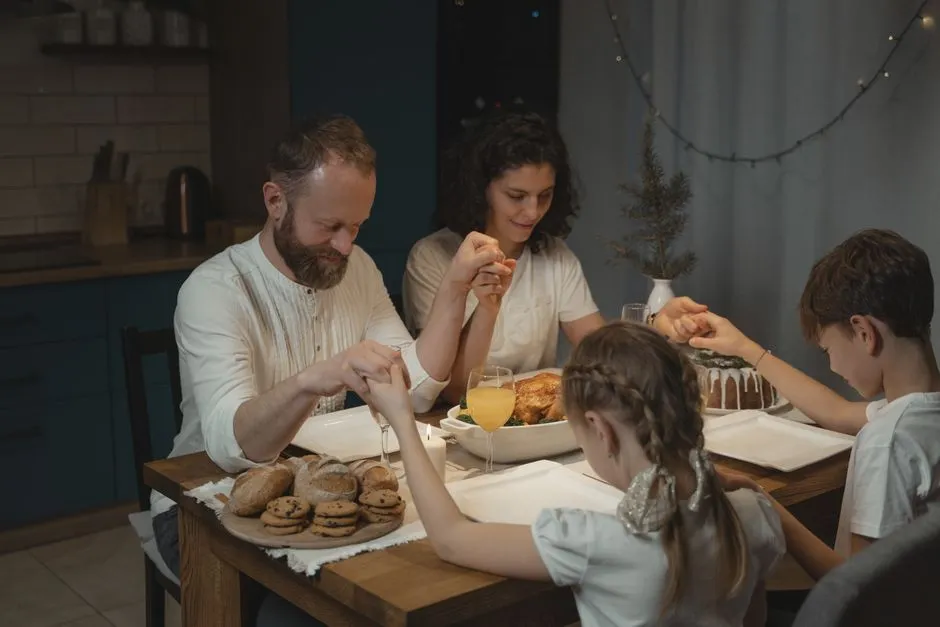
From an adolescent perspective, when young people reported greater participation in family rituals, they also perceived their parents to be more supportive of them. The after-dinner ritual was never just about passing time. It was quietly building something more lasting: a shared sense of who the family is.
Intergenerational storytelling refers to how much children know about their family history. Adolescents and young adults who know more about their family stories show a sense of belonging and a framework for understanding how the world works.
Importantly, the benefits are not one-sided: the feeling of leaving a legacy and contributing to the next generation can bestow a deep sense of purpose and satisfaction on grandparents themselves. The ritual nourished everyone at the table, not just the children.
What Happens When the Ritual Disappears

Dinnertime rituals have been found to be protective in working-class families, buffering the effects of parental stress on children’s problems, particularly fathers’ stress and daughters’ internalizing symptoms. When the ritual disappears, that buffer goes with it.
Family ritual communication can mitigate the negative effects of parental stress on children’s psychological health. Its absence is not neutral. The table that nobody lingers at is, in a quiet way, a lost opportunity every single evening.
More than half of those surveyed associate family meals with feelings of connectedness, including having conversations and more time spent together. People know this matters. The gap is not in awareness. It is in execution, which is exactly where the ritual helps.
How to Revive It Without Forcing It
Child development experts found that unstructured dinner conversation, not home-cooked food, was the primary driver of better emotional and behavioral outcomes. The bar is lower than most families assume. There is no need for a perfect setting or a scripted agenda.
Family rituals should evolve, staying relevant and meaningful for changing family dynamics. Engaging family members in brainstorming fosters new, inclusive, and enjoyable rituals. Regularly reassessing rituals to adapt or replace them ensures they meet current and future family needs.
Families often start with the goal of eating better, but after working with programs focused on the dinner ritual, they report enjoying dinnertime more, with more conversation and fun. The shift, when it happens, tends to feel like relief rather than effort.
The Takeaway
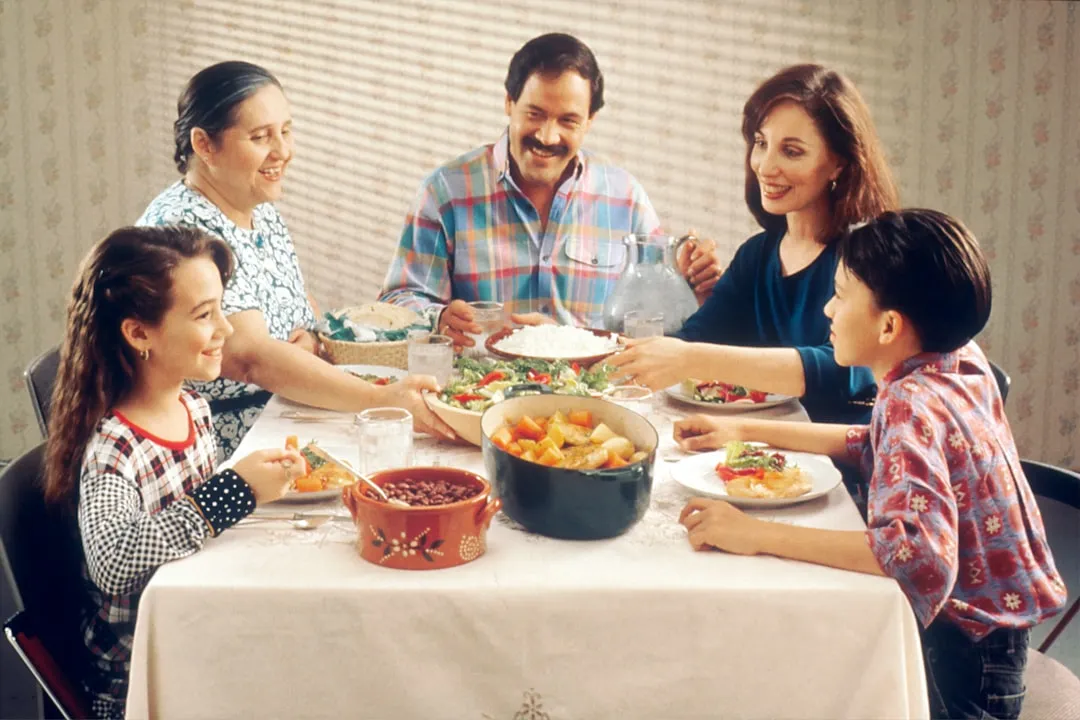
No one in your grandmother’s kitchen called it a therapeutic intervention. It was just dinner, and then a little more dinner. The plates sat in the drying rack while somebody finished a story, and someone else laughed, and a child quietly absorbed more than anyone realized.
More than 35 years of research and thousands of studies from around the world document that family meals boost both physical and mental health. Evidence also supports that family meals improve family connectedness, communication, expressiveness, and problem-solving. The science now confirms what felt like common sense to previous generations.
The ritual was never complicated. That may be the most important thing about it. You need a table, some time, and the willingness to stay a little longer than you planned. Everything else takes care of itself.
AI Disclaimer: This article was created with the assistance of AI tools and reviewed by a human editor.