

Joint pain is one of the most common reasons people visit a doctor, and it touches a remarkably broad segment of the population. Osteoarthritis alone, a degenerative joint disease, affects over 500 million people worldwide and is a significant contributor to pain, joint dysfunction, and potential disability. What most people don’t realize is that what lands on your plate every day can either turn up or dial down the internal fire behind that pain.
Inflammation is a natural immune response, but when it becomes chronic, it can contribute to and stiffness, especially for those with arthritis. While medication and exercise are essential for joint health, diet also plays an important role, as certain foods contain powerful anti-inflammatory properties that may help reduce pain, improve mobility, and support overall joint health. The five foods below have the strongest body of evidence behind them.
1. Fatty Fish: The Omega-3 Powerhouse

Fatty fish stands out as one of the most powerful foods for healthy joints because of its high concentration of omega-3 fatty acids. These healthy fats work differently than other nutrients by directly targeting the inflammatory pathways in your body. Salmon, mackerel, sardines, herring, and trout are the varieties most consistently linked to measurable results.
Among the most studied omega-3 fatty acids are EPA and DHA, which are primarily derived from marine sources such as fish oil. These fatty acids exert potent anti-inflammatory effects by influencing the production of pro-inflammatory mediators, including cytokines, eicosanoids, and prostaglandins.
A 2023 systematic review that pooled nine randomized controlled trials showed that compared to placebo or no treatment, supplementation with omega-3 fats could significantly and safely relieve arthritis pain and improve joint function in participants with osteoarthritis. Similarly, a 2024 observational study observed an inverse association between omega-3 intake and osteoarthritis. The research case for fatty fish is arguably the strongest of any single dietary intervention for joint pain.
More recently, researchers have shown that taking fish oil helps reduce joint swelling and pain, duration of morning stiffness and disease activity among people who have rheumatoid arthritis. Two to three servings of fatty fish per week is the target most frequently recommended in clinical dietary guidelines.
2. Turmeric: More Than a Kitchen Spice
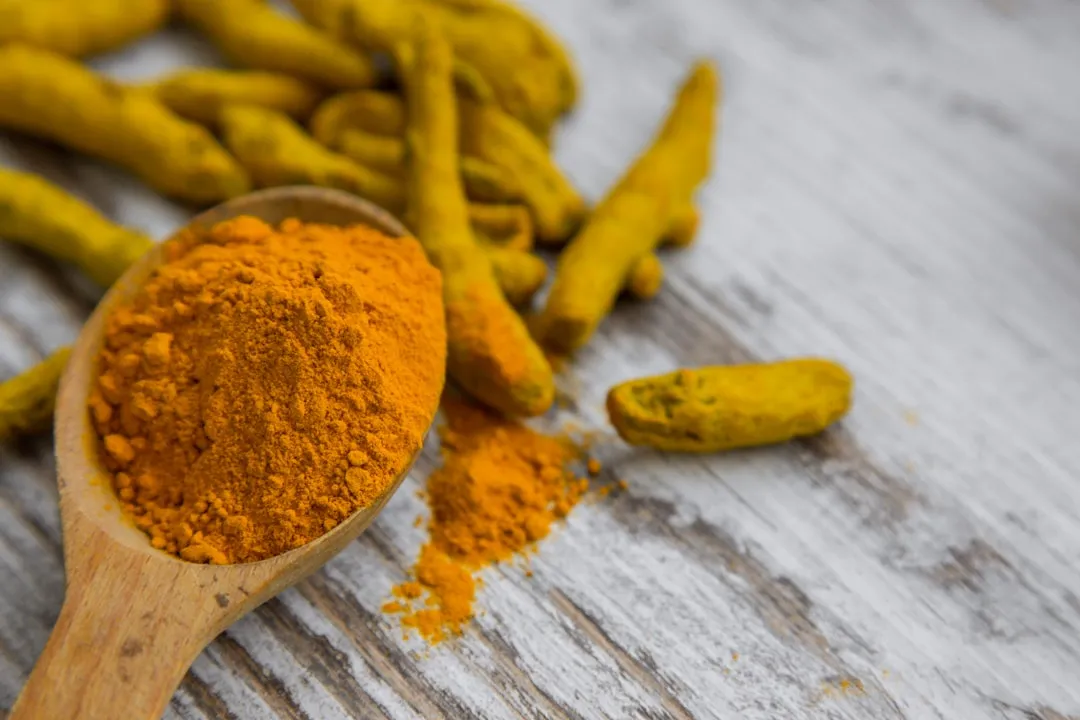
Curcumin, the bioactive compound derived from the rhizome of Curcuma longa, or turmeric, has gained significant attention for its anti-inflammatory and antioxidant properties. It acts by inhibiting the NF-κB signaling pathway and reducing the production of inflammatory cytokines, such as tumor necrosis factor-alpha and interleukin-1 beta.
Current research suggests that turmeric, specifically its bioactive component curcumin, may offer benefits for reducing inflammation, joint pain, oxidative stress, and adverse metabolic markers. A 2024 systematic review of 103 studies published in Phytotherapy Research supports curcumin’s anti-inflammatory effects, finding that people taking curcumin experienced significant improvements in markers linked to inflammation and metabolic health.
A recent meta-analysis verified that curcumin and turmeric extract had treatment efficacy similar to NSAIDs, based on findings from 16 randomized controlled trials and 1,810 adults. That is a notable result, though it’s worth noting that curcumin’s poor natural absorption means enhanced bioavailability formulations tend to produce the strongest effects.
A 2025 network meta-analysis found that turmeric extract improved joint pain, and turmeric extract with enhanced bioavailability had the strongest evidence of benefit. Adding black pepper to turmeric dishes is a practical way to improve absorption at home, as piperine is known to significantly increase curcumin bioavailability.
3. Extra Virgin Olive Oil: The Mediterranean Secret

Extra-virgin olive oil is rich in healthy monounsaturated fats and polyphenols, which have anti-inflammatory effects. It also contains oleocanthal, a compound that may reduce joint pain, and is largely made up of omega-9 fatty acids, also known as oleic acid, which is a healthy monounsaturated fat.
Olive oil is loaded with heart-healthy fats, as well as oleocanthal, which has properties similar to nonsteroidal anti-inflammatory drugs. Oleocanthal inhibits activity of COX enzymes, with a pharmacological action similar to ibuprofen. Inhibiting these enzymes dampens the body’s inflammatory processes and reduces pain sensitivity.
Monounsaturated and polyunsaturated fats, the kind found in olive oil, are classified as healthy fats. They can help reduce levels of C-reactive protein and interleukin-6, proteins that contribute to inflammation, and research has found that healthy fats may benefit people with inflammatory diseases that affect the joints.
The Arthritis Foundation recommends two to three tablespoons of extra-virgin olive oil daily. Using it as a primary cooking fat or drizzling it over vegetables is a simple, practical way to get the benefit without any supplements required.
4. Berries and Tart Cherries: Antioxidant Allies
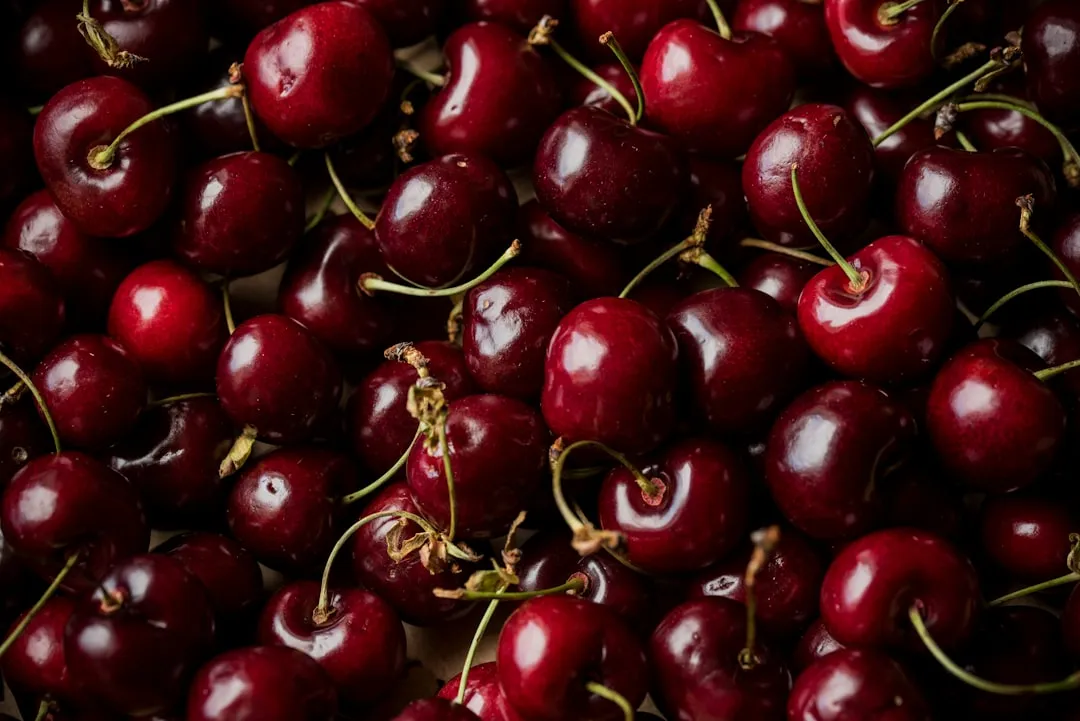
Blueberries, strawberries, and raspberries contain anthocyanins, which have strong anti-inflammatory effects. Research has shown that anthocyanins found in cherries and other red and purple fruits like strawberries, raspberries, blueberries, and blackberries have an anti-inflammatory effect.
Strawberries in particular have been shown to decrease inflammation. In a randomized, double-blind, crossover trial, dietary strawberries were found to have a significant analgesic effect, causing a significant decrease in pain. That is a meaningful result from a well-controlled study design.
Whole fruits satisfy sweetness while delivering polyphenols and fiber that actually reduce inflammation. Berries, cherries, and pomegranates are especially well-studied for joint health. Tart cherry juice has also been investigated specifically for gout-related joint flares, with encouraging early results.
Strawberries and other berries are rich in anthocyanins, which may act as anti-inflammatories to protect joint health. Strawberries are also a good source of vitamin C, which acts as an antioxidant that boosts collagen production to help protect joints and may slow down osteoarthritis. Given how easy berries are to add to oatmeal, yogurt, or a smoothie, the barrier to starting is essentially zero.
5. Walnuts and Other Nuts and Seeds: Small but Significant
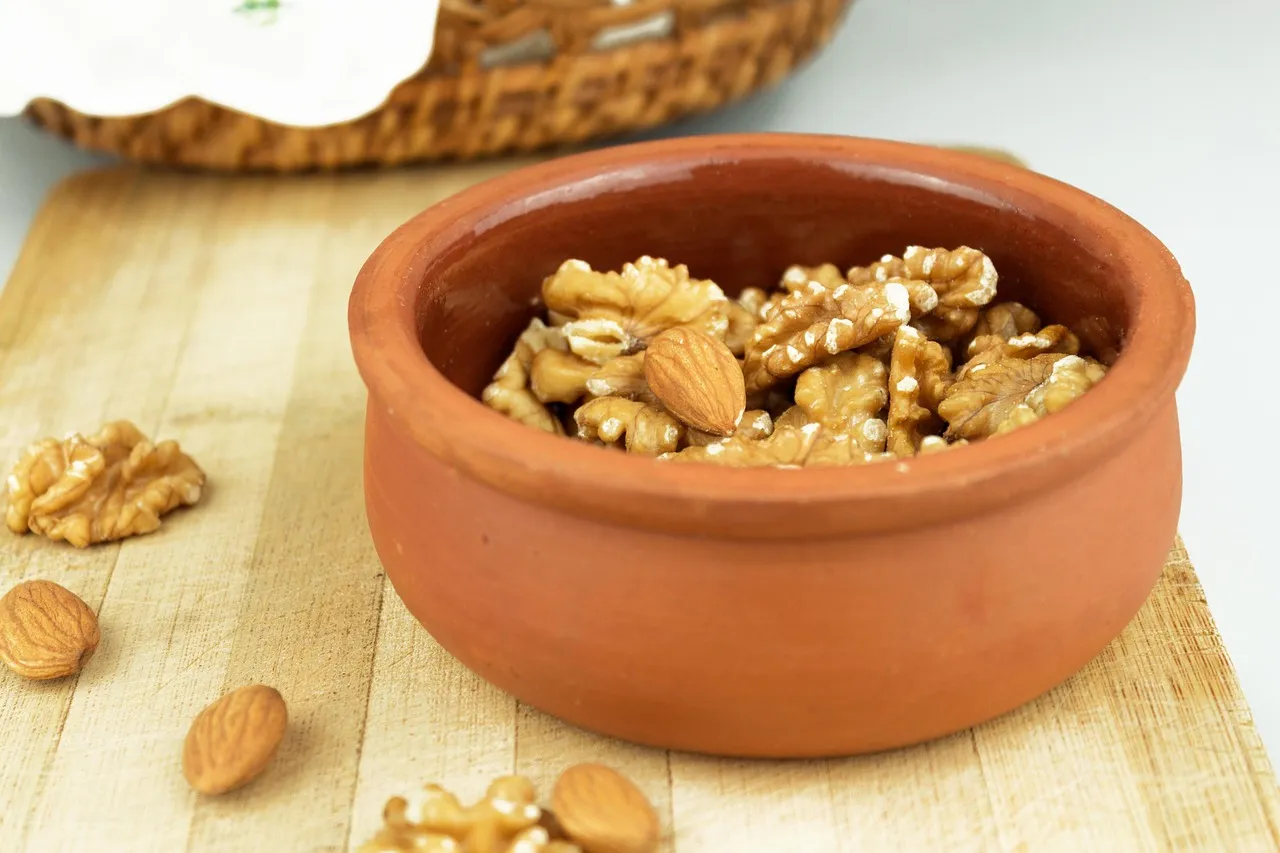
Nuts like walnuts, almonds, and pistachios, as well as seeds like flaxseeds and chia seeds, are rich in healthy fats, fiber, and anti-inflammatory properties. They are a great source of plant-based omega-3s, which can help reduce arthritis symptoms.
Almonds, hazelnuts, peanuts, pecans, pistachios, and walnuts contain high amounts of fiber, calcium, magnesium, zinc, vitamin E, and omega-3 fats, all of which have anti-inflammatory effects. Walnuts are often singled out because their plant-based omega-3 content is notably higher than most other nuts.
Nuts and seeds are rich sources of the antioxidant vitamin E, which helps protect the cellular health of your joints and may help prevent joint pain. For anti-inflammatory omega-3 fatty acids, options include walnuts, chia seeds, flaxseed, and hemp.
Nuts and seeds offer healthy fats, fiber, and antioxidants that may help reduce inflammation. Walnuts, almonds, flaxseeds, and chia seeds are particularly beneficial. A small handful of nuts or a tablespoon of seeds daily can be a simple way to add anti-inflammatory nutrients to your diet. Consistency matters more than quantity here. A daily small portion delivers more long-term benefit than occasional large amounts.
How These Foods Work Together
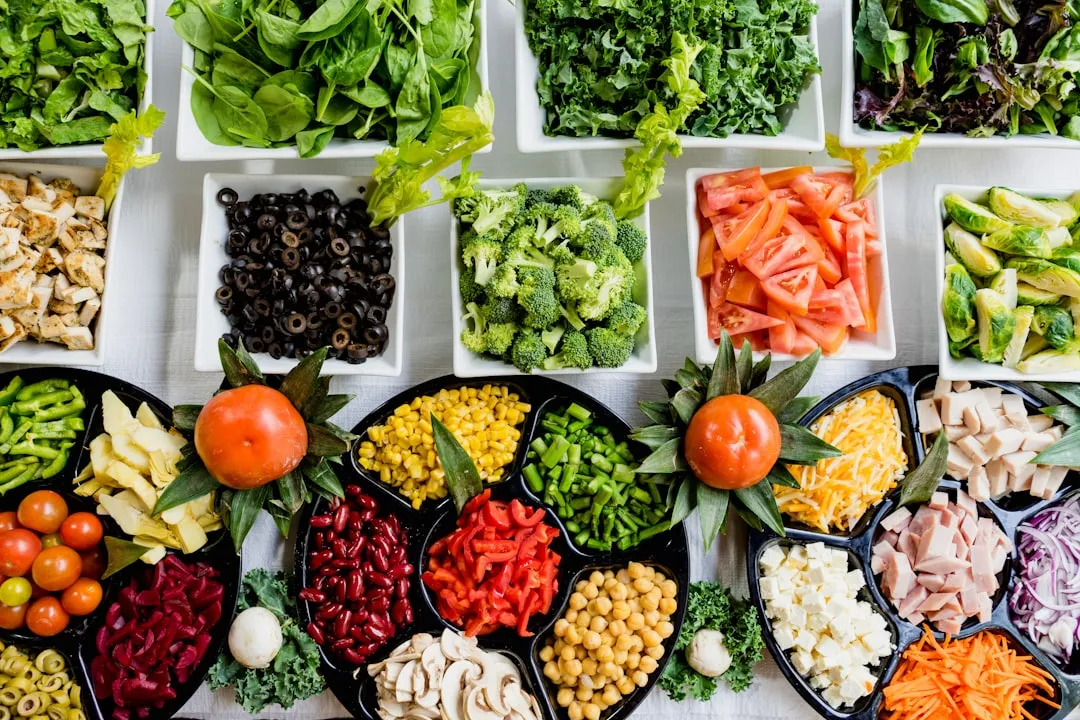
Anti-inflammatory foods contain natural compounds like omega-3 fatty acids, polyphenols, and antioxidants that actively combat inflammation at the cellular level. The five foods above each approach this through slightly different mechanisms, which means combining them creates a broader, more layered effect than relying on any single one.
A diet rich in whole foods, including fruits, vegetables, fish, nuts, and beans, but low in processed foods and saturated fat, is not only great for overall health, but can also help manage disease activity. These are the principles of the Mediterranean diet, which is frequently touted for its anti-inflammatory and disease-fighting powers.
In practice, the best results tend to come from people who build these foods into their regular eating habits rather than treating them as short-term fixes. No single food will cure arthritis, but eating a well-balanced diet rich in anti-inflammatory options can support overall joint health.
What to Avoid Alongside These Improvements

Ultra-processed foods, including chips, frozen meals, fast food, packaged baked goods, hot dogs, and many shelf-stable snacks, are linked to higher inflammation independent of their individual ingredients. Something about the processing itself, or the combination of additives, emulsifiers, and refined ingredients, appears to promote an inflammatory response. A growing body of research connects ultra-processed food consumption to elevated CRP, metabolic inflammation, and increased risk of inflammatory conditions.
Refined carbohydrates and excess sugar are also worth limiting. Refined carbohydrates like white bread and pastries can increase inflammation. Reducing these foods amplifies the benefits of the pro-joint foods described above rather than working against them.
Practical Tips for Getting Started

Managing joint pain through diet is a long-term approach that requires consistency. Incorporating anti-inflammatory foods into meals can help reduce inflammation, ease joint pain, and improve mobility. Small, sustainable swaps work better than trying to overhaul everything at once.
Starting with two or three salmon dinners per week, swapping vegetable oil for extra-virgin olive oil, and adding a handful of berries or walnuts to breakfast covers a lot of ground with minimal effort. These changes are low-risk, broadly beneficial, and supported by the most current clinical evidence available.
Pairing healthy eating habits with regular exercise, stress management, and medical care produces the best results. Diet is a powerful tool, but it works best as one part of a broader approach rather than a replacement for professional medical advice.
A Note on Supplements vs. Whole Foods

Preclinical evidence suggests several biological pathways by which omega-3 fatty acids may exert analgesic effects. Experimental evidence indicates that EPA and DHA modulate inflammatory pathways by competing with arachidonic acid metabolism, thereby reducing the production of pro-inflammatory prostaglandin E2 and leukotriene B4.
Supplements can be useful, particularly for people who don’t regularly eat fish. Doses of 3 to 5 grams per day of EPA plus DHA are generally required for an anti-inflammatory effect, and such doses can realistically only be achieved with fish oil, even though eating fish and consuming omega-3-containing foods can provide a valuable contribution.
That said, whole food sources come with additional vitamins, minerals, and fiber that isolated supplements can’t replicate. The evidence consistently points to dietary patterns, not individual pills, as the most reliable route to sustained joint health.
Who Benefits Most

Joint pain affects millions of Americans daily, limiting mobility and reducing quality of life. While many people turn to medications for relief, mounting research shows that the right foods can naturally reduce inflammation and improve joint function. The evidence is strongest for people with osteoarthritis and rheumatoid arthritis, but the broader anti-inflammatory benefits apply across most causes of joint discomfort.
Research shows omega-3 fatty acids may help reduce inflammation, relieve joint pain, and slow disease progression. New research also shows higher omega-3 intake lowers mortality rates in people with osteoarthritis, likely through anti-inflammatory, antioxidant, and immune-supportive effects. Regular omega-3 consumption could improve longevity and quality of life for those living with the condition.
Younger adults dealing with exercise-related joint inflammation and older adults managing chronic arthritis both have something to gain. The mechanisms at work don’t discriminate much by age group.
Final Thoughts

Food doesn’t work like a painkiller. It won’t bring relief in hours. What it does instead is shift the underlying biology, gradually and cumulatively, in a direction that makes joint pain less constant and less severe over time. That’s a quieter kind of benefit, but for many people, it turns out to be a lasting one.
The five foods covered here, fatty fish, turmeric, extra-virgin olive oil, berries, and nuts and seeds, are not exotic or expensive. They fit into ordinary meals without demanding a complete lifestyle transformation. The science behind them is real, growing, and consistent enough to act on.
If joint pain is something you live with daily, the dinner plate is a reasonable place to start making a difference.
AI Disclaimer: This article was created with the assistance of AI tools and reviewed by a human editor.