

Heart disease remains the single biggest killer in the United States. According to the American Heart Association’s 2025 Heart Disease and Stroke Statistics Update, heart disease remains the leading cause of death in the U.S. Cardiovascular diseases, including heart disease and stroke, claim more lives in the U.S. than all forms of cancer and accidental deaths combined. Those are sobering numbers, and they have real people behind them.
The encouraging reality is that food choices matter more than most people realize. Poor diet quality is strongly associated with elevated cardiovascular disease morbidity and mortality risk. What follows is a gallery of the five best foods supported by current research, each one a practical, accessible place to start.
1. Fatty Fish: The Ocean’s Most Powerful Cardiac Medicine

Fish is a good source of protein and, unlike fatty meat products, is not high in saturated fat. It is also a good source of omega-3 fatty acids. Salmon, mackerel, sardines, and herring sit at the top of almost every evidence-based heart-health food list, and for good reason.
Long-term prospective cohort studies consistently demonstrate an association between higher intakes of fish, fatty fish, and marine omega-3 fatty acids, or higher levels of EPA and DHA in the body, and lower risk of developing cardiovascular disease, especially coronary heart disease and myocardial infarction, and cardiovascular mortality in the general population.
This cardioprotective effect of EPA and DHA is most likely due to the beneficial modulation of a number of known risk factors for cardiovascular disease, such as blood lipids, blood pressure, heart rate and heart rate variability, platelet aggregation, endothelial function, and inflammation. Current guidelines recommend that people consume two or more servings of fat-rich fish per week to obtain enough omega-3 polyunsaturated fatty acids to prevent cardiovascular events.
It’s worth noting that the science around omega-3 supplements is more nuanced. Omega-3 supplementation has a controversial role in the secondary prevention of cardiovascular diseases. Despite large clinical trials published over the years, the evidence is still inconclusive. However, recent clinical trials using higher doses or highly purified esters of omega-3 show promising results, with reduction in cardiovascular death and incidence of cardiovascular disease. Whole fish, in other words, is still the preferred route.
2. Leafy Green Vegetables: Humble, Cheap, and Genuinely Powerful
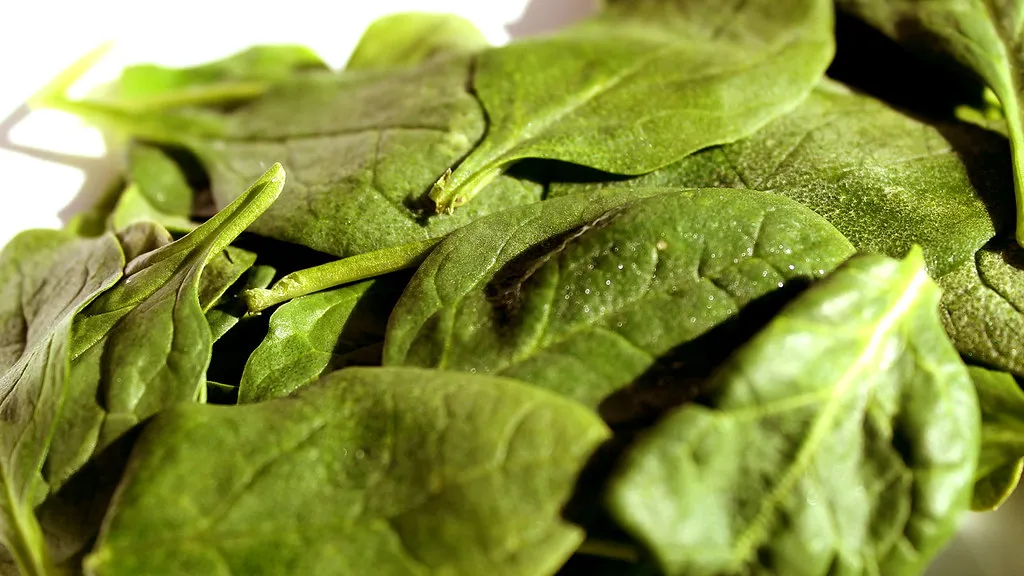
Few foods punch above their weight quite like spinach, kale, collard greens, and Swiss chard. These greens are low in calories but supply vitamins and minerals like vitamin K, vitamin A, folate, magnesium, potassium, and iron. They’re also straightforward to add to almost any meal.
These nutrient powerhouses deliver vitamin K and nitrates that support vascular health. Research shows leafy greens help manage blood pressure through high levels of potassium and nitrates, which increase nitric oxide production, resulting in better blood flow. Studies consistently link higher leafy green consumption with reduced cardiovascular disease risk.
Research has found that people who ate the most nitrate-rich vegetables, especially leafy greens, lowered their risk of cardiovascular disease by roughly twelve to twenty-six percent. That is a meaningful reduction for something as simple as adding a handful of spinach to a daily meal. A review out of Texas compiled the results of eight studies and found that a high intake of leafy green and cruciferous vegetables was associated with a nearly sixteen percent reduction in the risk of heart disease.
3. Berries: Small Fruits With a Big Cardiovascular Effect

Strawberries, blueberries, blackberries, and raspberries tend to get lumped together as generic “healthy snacks,” but the research behind them is specific and consistent. Strawberries, blueberries, blackberries, and raspberries are packed with nutrients that are central to heart health.
Berries like strawberries and blueberries are excellent for heart health, as they are packed with antioxidants, which protect against oxidative stress and inflammation that can contribute to the development of heart disease. These fruits are rich in anthocyanins, compounds shown to reduce oxidative stress and inflammation, both major drivers of cardiovascular disease.
Studies associate regular, moderate intake of blueberries with reduced risk of cardiovascular disease. The anthocyanins in blueberries specifically help prevent cholesterol-induced atherosclerosis. A small bowl of mixed berries most mornings is one of the simplest dietary upgrades a person can make, and the evidence backs it up solidly.
4. Walnuts and Other Nuts: Good Fat in a Convenient Package
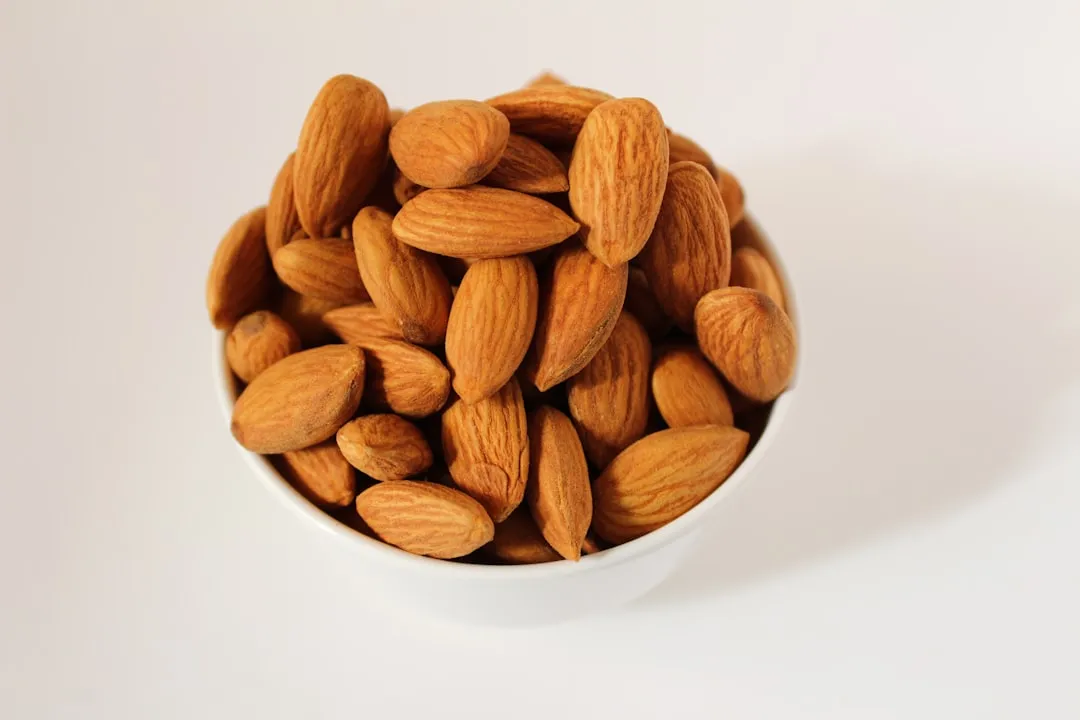
Nuts carry an unfair reputation for being calorie-dense foods to avoid. The research tells a different story. Regular nut consumption is linked to a lower risk of coronary heart disease. Walnuts are especially rich in omega-3s, while almonds are high in magnesium and fiber.
Studies suggest that walnuts can help reduce cholesterol and blood pressure and may be associated with a lower risk of heart disease. Adding walnuts to the diet can decrease LDL (bad) and total cholesterol. That dual effect, hitting both LDL and overall cholesterol burden, makes them particularly useful.
Almonds are high in fiber and monounsaturated fats and have been linked to reductions in cholesterol and belly fat. The key is portion control, since a small handful, roughly one ounce, delivers the benefits without excessive caloric load. Walnuts and almonds contain heart-healthy monounsaturated fats and deliver a solid dose of dietary fiber.
5. Whole Grains: The Foundation That Holds the Rest Together
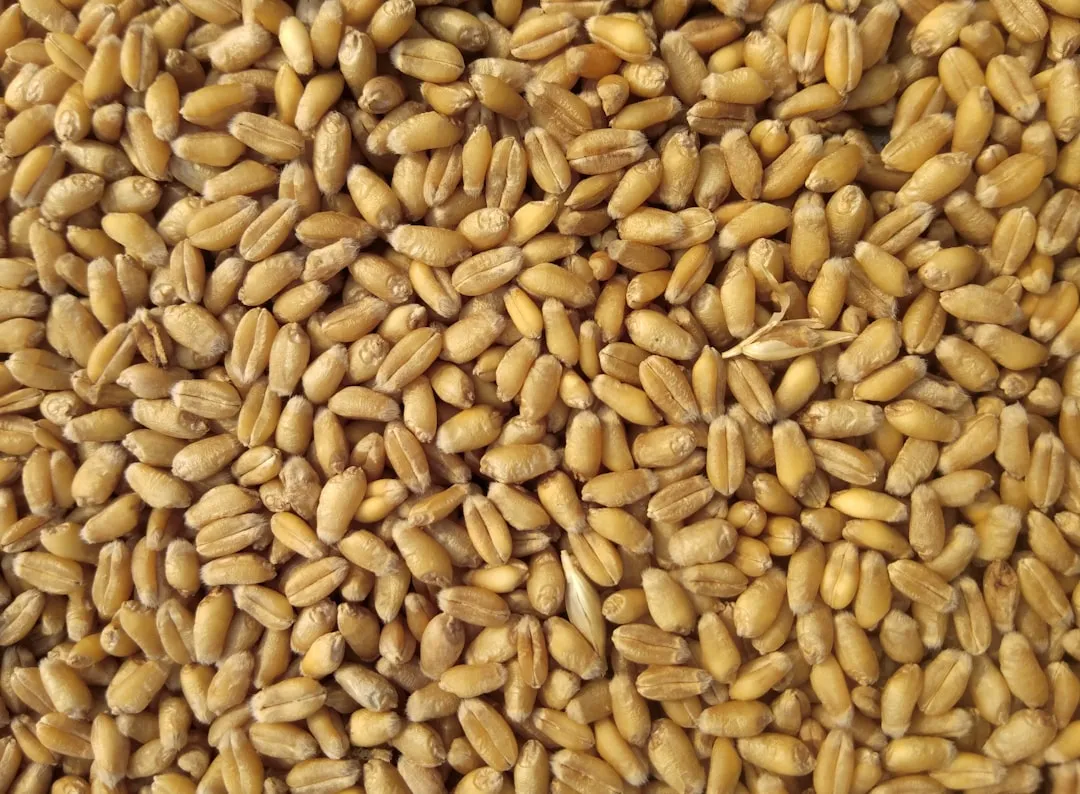
Refined carbohydrates dominate most modern diets, and that matters for cardiac health. Refined carbohydrates increase the risk of coronary heart disease. Whole grains, by contrast, are protective. The difference between white bread and whole-grain bread isn’t just a matter of taste preference.
The features of a heart-healthy dietary pattern include choosing foods made mostly with whole grains rather than refined grains. Studies show that eating whole grains is associated with lower cholesterol and systolic blood pressure, as well as a lower risk of heart disease. Oats, brown rice, bulgur, and whole-grain bread all qualify.
An extra one or two daily servings of whole grains can increase or decrease cardiovascular risk by approximately ten to twenty percent. That kind of dose-response relationship is rarely seen with dietary changes, and it reinforces just how foundational whole grains are. Choosing healthy sources of protein and foods made mostly with whole grains are among the key features of a heart-healthy dietary pattern, as outlined in the American Heart Association’s 2026 dietary guidance for cardiovascular health.
The Bigger Picture: A Pattern, Not Just a List

None of these five foods works in isolation. Incorporating a variety of foods like leafy green vegetables, whole grains, berries, avocados, and fatty fish into the diet can help reduce risk factors associated with heart disease, such as high blood pressure, elevated triglyceride levels, and high cholesterol.
While some characteristics like family history or sex can raise risk for heart disease, many factors can be controlled through lifestyle changes. Healthy eating is one of the best forms of preventative medicine, especially for life-threatening illnesses such as heart disease.
The American Heart Association’s 2026 scientific guidance makes the overall direction clear: eating plenty of vegetables and fruits, choosing a wide variety, and prioritizing whole grains over refined grains are core pillars of heart-healthy eating, supported by the full weight of available cardiovascular science.
What Cardiology Research Is Saying Right Now

While medical advances have helped more people live longer with cardiovascular diseases, many of the risk factors which lead to these diseases, including high blood pressure and obesity, continue to grow at alarming rates. Diet remains one of the few modifiable levers most people can act on today, without a prescription.
According to the AHA 2025 Statistics Update, approximately 19.41 million people died from cardiovascular disease globally in 2021, based on the Global Burden of Disease Study. That is roughly one in three deaths worldwide. Dietary change alone won’t solve that crisis, but it remains one of the most evidence-backed individual interventions available.
About nearly half of adults in the U.S. have some risk factors for cardiovascular disease. While these numbers are alarming, the good news is that many cases of heart disease can be prevented. That prevention begins, in large part, on the plate.
How to Actually Build These Foods Into Daily Life
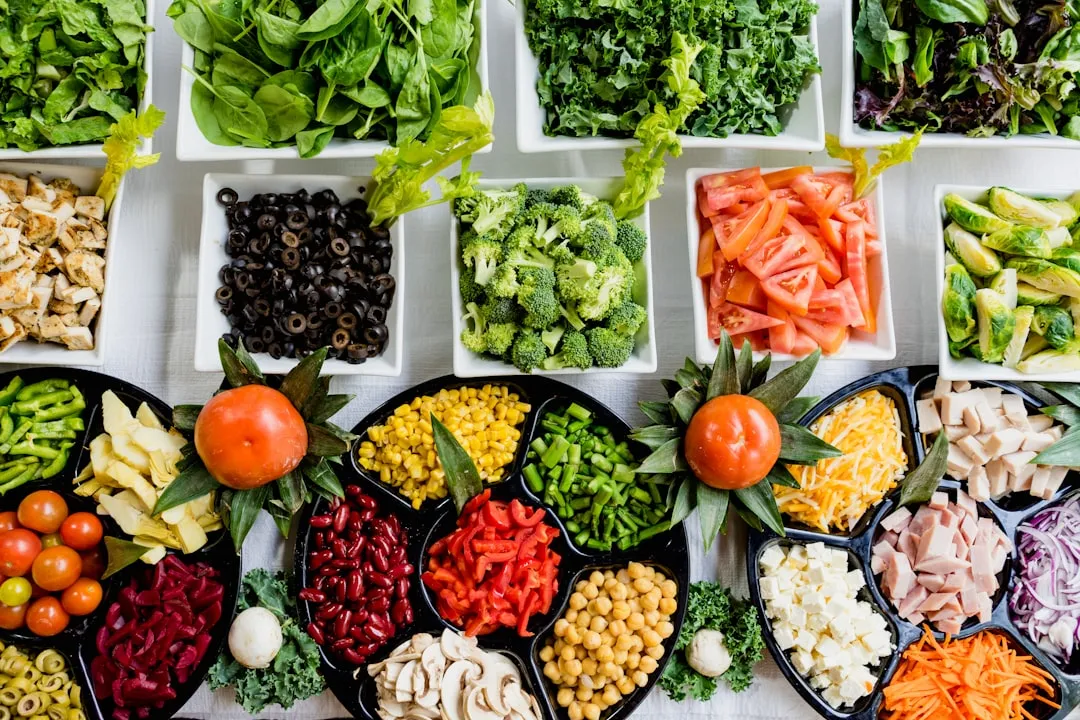
Knowing which foods to eat is only half the challenge. Knowing how to make them stick is where most efforts fall short. Fatty fish twice a week is manageable for most households, and canned sardines or salmon make it even easier. Leafy greens are cheap and fast when sautéed simply with olive oil and garlic.
Berries can be bought frozen year-round at a fraction of the cost of fresh ones and added to oats or yogurt with almost no effort. Walnuts keep for weeks in a sealed container on the counter. Whole-grain bread, brown rice, and oats are mainstream grocery staples now, widely available and no longer expensive or niche.
The pattern that emerges from combining all five of these foods closely resembles what researchers call the Mediterranean dietary pattern, which has consistently performed well in large cardiovascular outcome trials, including the PREDIMED study. The Mediterranean diet, DASH diet, or more plant-based eating plans can improve heart health. None of these require specialty stores or expensive supplements.
Foods to Limit Alongside These Five

Context matters. The benefit of heart-protective foods is amplified when the rest of the diet is also cleaned up. Heart-healthy eating involves choosing certain foods, such as fruits and vegetables, while limiting others, such as saturated fats and added sugars.
The American Heart Association’s dietary guidance calls for adjusting calorie intake to maintain a healthy weight, emphasizing lean proteins such as legumes, nuts, fish and seafood, choosing minimally processed foods over ultra-processed ones, minimizing added sugars, and limiting alcohol.
Ultra-processed foods, sugary drinks, and foods high in saturated fat tend to do the opposite of what the five foods above accomplish. They raise LDL cholesterol, promote inflammation, and push blood pressure in the wrong direction. Replacing even a portion of those choices with whole, minimally processed foods from this list produces measurable change.
Special Considerations: Who Benefits Most
People already living with elevated cholesterol, hypertension, or a family history of heart disease have the most to gain from dietary shifts toward these five foods. Evidence for primary prevention of cardiovascular disease through randomized controlled trials is relatively weak. In high-risk patients, especially in the secondary prevention setting such as post-heart attack, a number of large trials support the use of EPA and DHA.
For those managing type 2 diabetes alongside cardiovascular risk, the picture is similarly encouraging. Legumes, packed with plant-based protein, fiber, and minerals, help reduce LDL cholesterol and improve glycemic control, which is especially important in metabolic syndrome. Combining legumes with whole grains and leafy greens addresses multiple risk pathways simultaneously.
Anyone on medication for heart conditions should treat dietary change as complementary to medical care, not a replacement for it. These foods work best as part of a consistent pattern, supported by regular medical check-ins and attention to the full range of cardiovascular risk factors.
The Takeaway
Five foods: fatty fish, leafy greens, berries, walnuts, and whole grains. They are all real, whole, widely available foods with a substantial body of research supporting their role in cardiovascular protection. None of them are exotic, and none require a dramatic overhaul of how you cook.
The evidence from the American Heart Association, the CDC, and dozens of independent clinical trials is consistent: what you eat genuinely shapes the health of your heart over time. According to the American Heart Association’s 2025 Heart Disease and Stroke Statistics Update, heart disease remains the leading cause of death in the U.S., yet much of that burden is preventable through choices made at the grocery store and the dinner table.
Progress doesn’t require perfection. Small, consistent improvements, an extra serving of greens here, a handful of walnuts there, salmon instead of a processed option twice a week, compound over months and years into something meaningful. That’s how diet actually moves the needle on cardiovascular health.
AI Disclaimer: This article was created with the assistance of AI tools and reviewed by a human editor.