

Most people invest a lot of attention in what they put on their skin. Creams, serums, SPF. What gets far less attention is what goes inside the body, which research increasingly shows may matter just as much. The connection between diet and skin health has been studied for decades, but recent years have brought a clearer picture of which specific foods genuinely move the needle and why.
As scientists learn more about diet and the body, it’s increasingly clear that what you eat can significantly affect the health and aging of your skin. The good news is that the foods with the strongest evidence behind them are not exotic or expensive. They’re practical, widely available, and easy to work into everyday meals. Here’s what the current research actually supports.
1. Fatty Fish: The Skin’s Most Powerful Food Ally
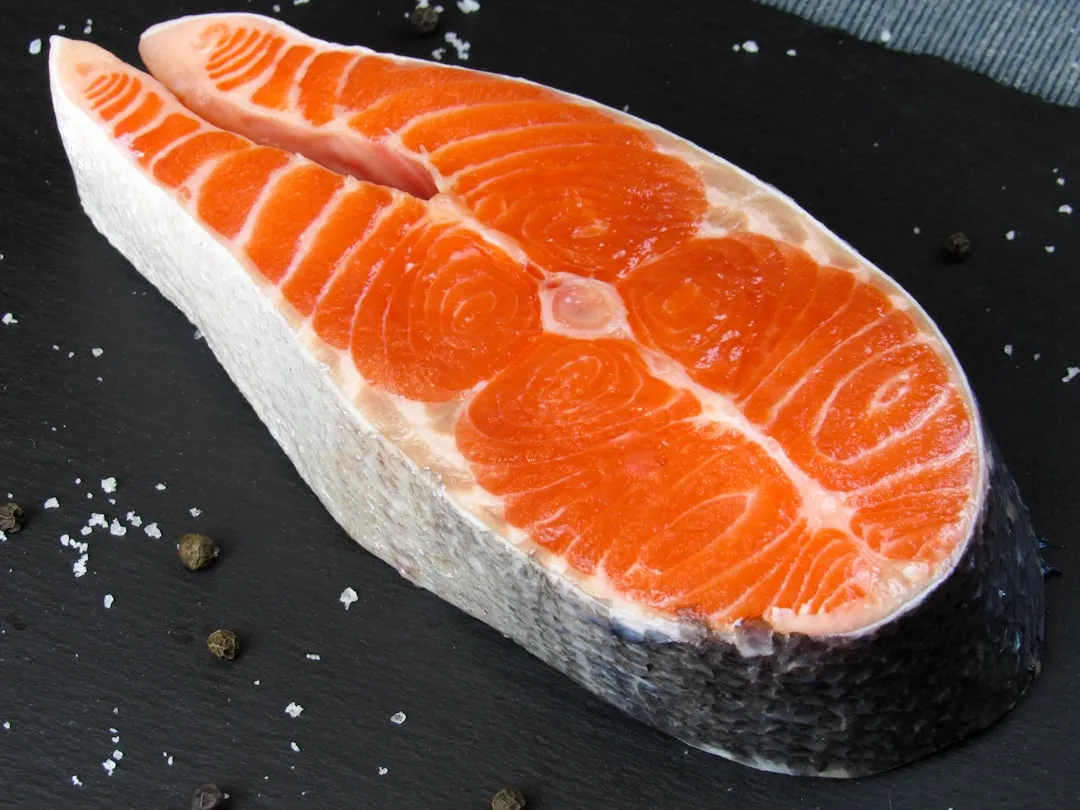
Fatty fish, such as salmon, mackerel, and herring, are excellent foods for healthy skin. They’re rich sources of omega-3 fatty acids, which are important for maintaining skin health. These aren’t just marketing claims – the mechanisms are well understood.
The skin’s outer layer is a lipid matrix made up of ceramides, cholesterol, and fatty acids. Essential fatty acids slot directly into the phospholipid bilayer, maintaining membrane fluidity, nutrient exchange, and hydration regulation. Without sufficient essential fatty acids, the skin’s protective barrier weakens, leading to increased water loss, heightened sensitivity, and impaired healing.
Fish oil benefits for skin include potent anti-inflammatory effects that help calm irritated skin and reduce redness. EPA specifically helps regulate the production of inflammatory molecules called cytokines, which can trigger skin problems when present in excess.
A 2019 meta-analysis that included 10 studies and 560 patients showed a significant reduction in the Psoriasis Area and Severity Index score, along with statistically significant improvements in erythema, itching, and scaling with omega-3 supplementation. For those who don’t eat fish regularly, algae-derived omega-3 supplements offer a sustainable alternative that provides EPA and DHA without fish sources, and these supplements have shown comparable bioavailability to fish oil in clinical studies.
2. Avocados: Healthy Fats That Go Deeper Than Moisturizer
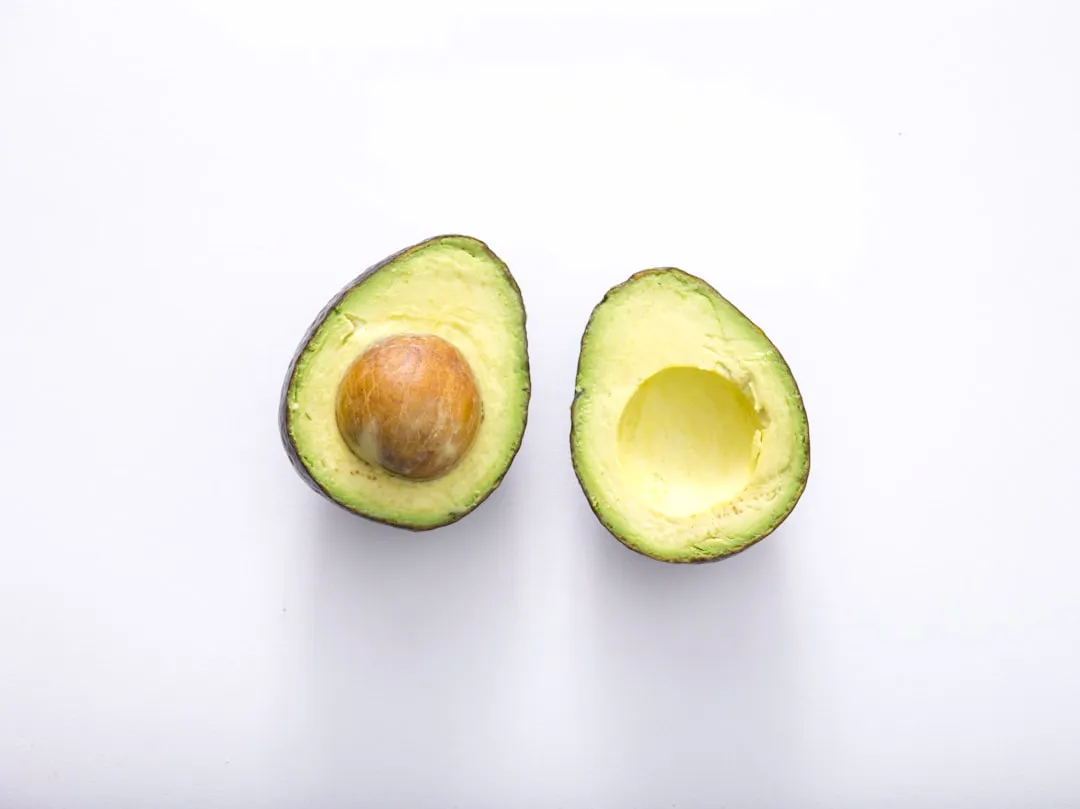
Avocados primarily consist of omega-3 and omega-6 fatty acids that create a protective film on the skin’s surface, increasing water retention. These healthy fats, especially monounsaturated fats like oleic acid, directly improve skin elasticity and reduce wrinkle appearance.
Scientific research demonstrates that consuming one avocado daily for eight weeks significantly improved facial skin firmness and elasticity. Beyond hydration, avocados contain carotenoids like lutein and zeaxanthin that concentrate in the skin, enhancing both elasticity and moisture levels.
A scoping review in the Journal of Pharmacy highlighted the antioxidant, antimicrobial, anti-inflammatory, wound healing, and anti-aging properties of avocado extracts. Bioactive compounds from avocados were found to enhance wound healing and anti-aging effects, including increasing collagen production and improving skin hydration and elasticity.
Avocados are also a good source of vitamin E, which is an important antioxidant that helps protect your skin from oxidative damage. Most Americans don’t get enough vitamin E through their diet. Avocados offer one of the most natural and food-accessible ways to close that gap.
3. Tomatoes: Lycopene and Built-In UV Defense
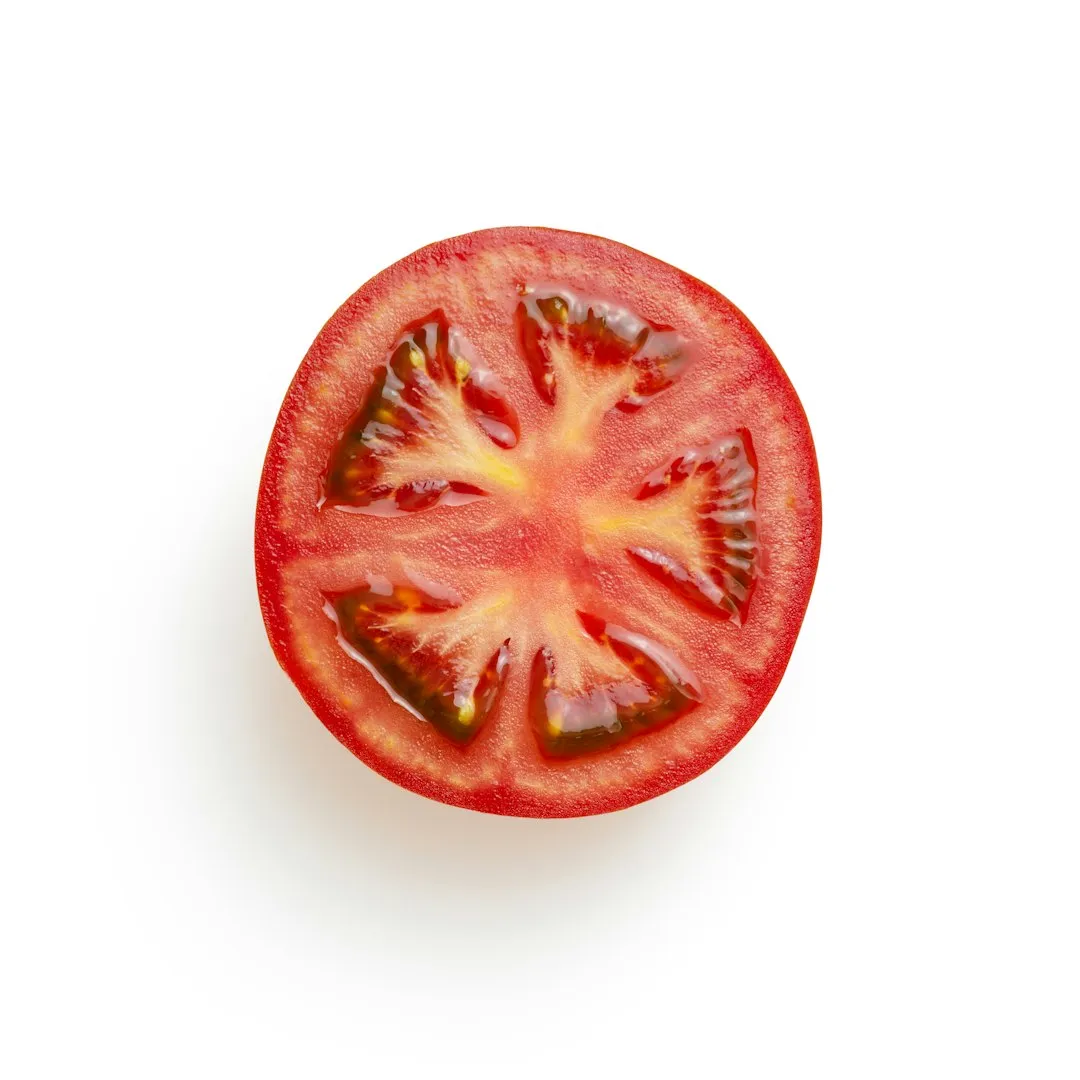
Studies show that regular tomato consumption significantly reduces skin damage from ultraviolet radiation. In one notable study, participants who consumed 55 grams of tomato paste daily for 12 weeks experienced a 30% increase in skin protection against UV damage.
Tomatoes owe much of this benefit to lycopene, a carotenoid antioxidant that the body accumulates in skin tissue over time. Cooked tomatoes are exceptionally rich in lycopene, which protects existing collagen from UV-triggered breakdown and reduces the oxidative stress that makes hyperpigmentation form faster. The cooking process increases lycopene availability significantly.
Cooking tomatoes with olive oil enhances lycopene absorption, making homemade sauces a smart addition to an anti-aging diet. This is a rare case where the processed version of a food, such as tomato paste or sauce, genuinely outperforms the fresh one in terms of a specific nutrient.
Experts emphasize that despite these benefits, tomatoes cannot replace sunscreen. Think of them as internal reinforcement, not a substitute for topical protection.
4. Walnuts: A Small Handful With Outsized Skin Benefits

Walnuts have many characteristics that make them an excellent food for healthy skin. They’re a good source of essential fatty acids, which are fats that your body cannot make itself. That distinction matters, because the body has no fallback when dietary intake falls short.
Healthy unsaturated fats, including omega-3 fatty acids from foods like oily fish and nuts, help tackle inflammation in the skin. Walnuts are among the richest plant-based sources of omega-3 fatty acids. They also contain nutrients like vitamin E, selenium, and zinc that the skin needs to stay healthy.
ALA, omega-3 fats, magnesium, and the amino acid arginine, all of which are found in walnuts, may also decrease inflammation in your body, including your skin. That combination of nutrients is hard to find in a single food at this density.
A 2025 review of the evidence showed the most-studied nutrients and compounds related to skin health are vitamin A, carotenoids, vitamin C, vitamin D, vitamin E, zinc, copper, selenium, silicon, polyphenols, and essential fatty acids. Walnuts touch several of those categories at once, which is part of what makes them worth the attention.
5. Green Tea: The Antioxidant You Can Drink Daily

A 2025 review article published in the Avicenna Journal of Phytomedicine noted that green tea contains the highest level of polyphenolic compounds compared with more heavily fermented teas. The review highlighted epigallocatechin gallate (EGCG) as the key active compound in green tea, accounting for roughly 59% of catechins present.
Research cited within the scoping review found EGCG could help suppress reactive oxygen species, reduce inflammatory responses triggered by UV exposure, and inhibit matrix metalloproteinases, which are enzymes associated with collagen breakdown and skin aging.
Green tea promotes skin elasticity and moisture retention by stimulating collagen and elastin production. Clinical trials also highlight green tea’s ability to enhance skin hydration and microrelief, helping reduce the appearance of wrinkles and fine lines.
Green tea is loaded with polyphenols, particularly EGCG, which reduces inflammation and fights acne-causing bacteria. Drinking it consistently appears to be a key factor, since consistent intake of EGCG, either through consumption of green tea or green tea extract, leads to higher concentrations of EGCG in cells throughout the body.
How Diet and Skin Health Actually Connect
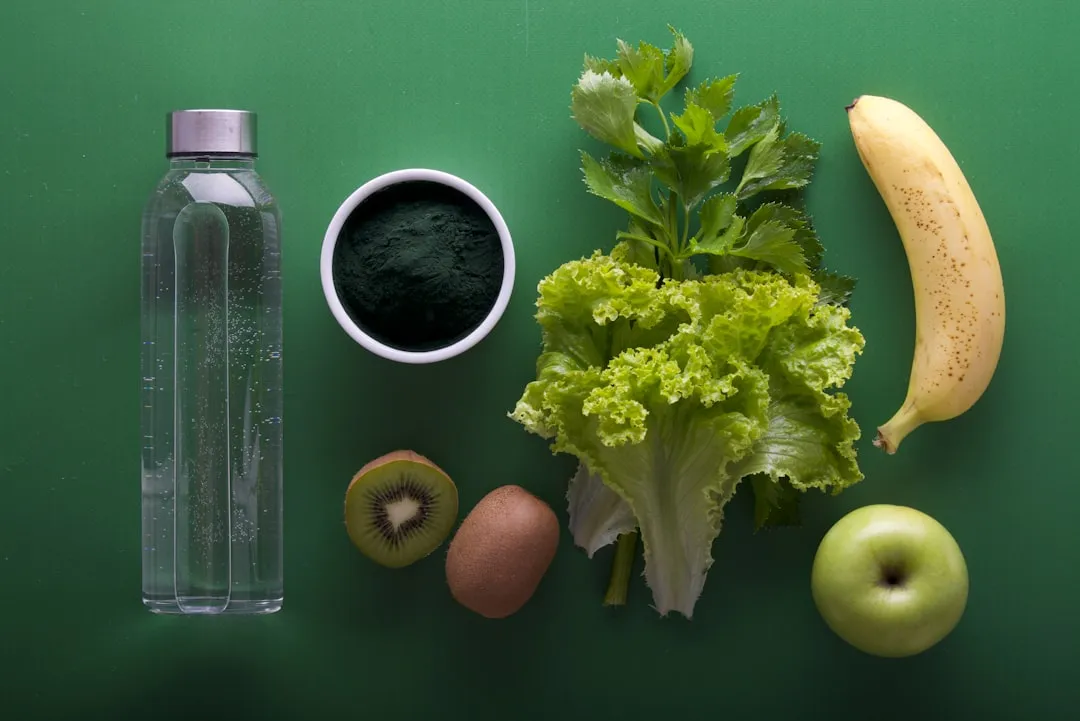
The potential role of plant-based foods in the promotion of skin health is an emerging area of nutrition research. Plant-based foods are rich in bioactive compounds, including vitamin C, vitamin E, beta carotene, polyphenols, and phenolic acids, which can contribute to oxidant defense, lower inflammation, and promote structural support of the skin.
Your skin needs the right balance of nutrients to do its main job: serving as a barrier that protects the rest of your body from the outside world. To help keep your skin looking, working, and feeling good, feed it well from the inside.
Vitamin C is essential for healthy skin. Your skin needs it to create collagen, which is the main structural protein that keeps your skin strong and healthy. Vitamin C is also an antioxidant that helps protect your skin from oxidative damage caused by the sun and the environment, which can lead to signs of aging.
What the Research Actually Says About Skin-Healthy Diets
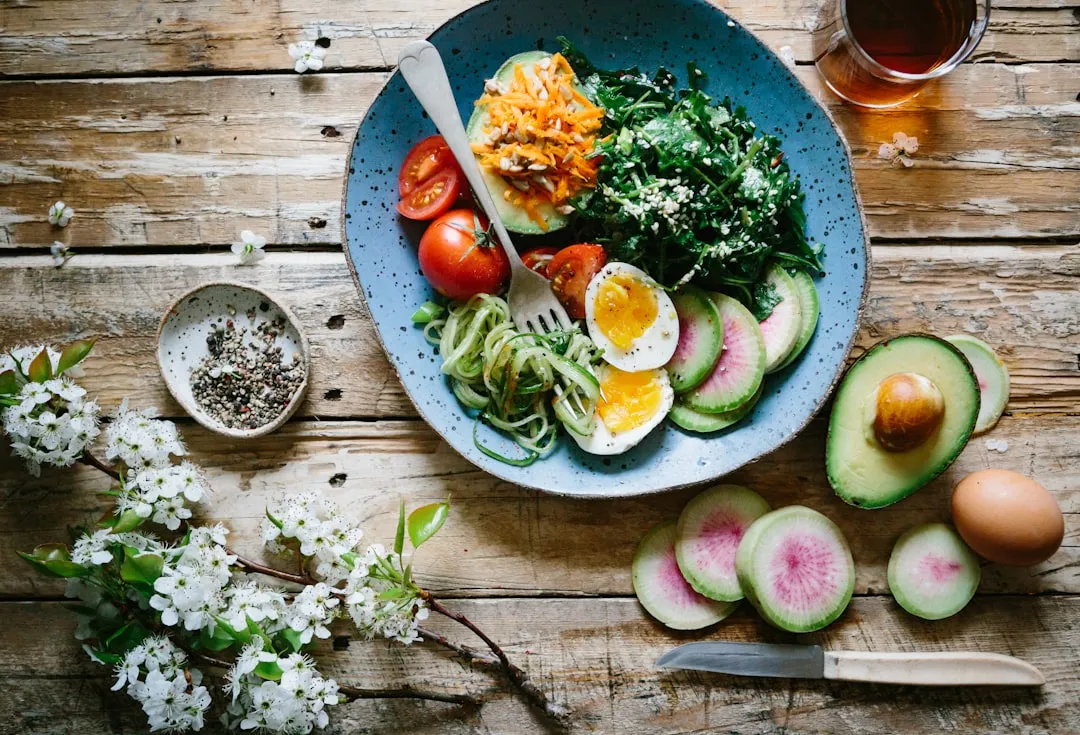
No food can stop aging or erase wrinkles, but diet can influence how skin responds to inflammation, ultraviolet exposure, dryness, and oxidative stress over time. Foods rich in antioxidants, healthy fats, vitamins, and other protective compounds may help support collagen, elasticity, hydration, and the skin’s natural defenses. Their effects are gradual and depend on the overall quality of a person’s diet rather than any single superfood.
According to the USDA Dietary Guidelines for Americans, a diet rich in a variety of colorful fruits and vegetables provides overlapping antioxidant coverage across multiple pathways. Variety, in other words, matters as much as any individual food.
The Role of Collagen and Skin Structure

Vitamin C is essential for healthy skin. Your skin needs it to create collagen, which is the main structural protein that keeps your skin strong and healthy. Foods that support collagen integrity, such as those rich in vitamin C, antioxidants, and anti-inflammatory fats, form the backbone of a genuinely skin-supportive diet.
Vitamin E, present in almonds, sunflower seeds, and avocados, works synergistically with vitamin C. Each regenerates the other after neutralizing a free radical. This kind of nutrient teamwork is why single-supplement approaches tend to underperform compared to food-based ones.
Inflammation: The Hidden Driver of Skin Aging

Inflammation is at the root of many skin concerns, from acne to premature aging. Fish oil benefits for skin include potent anti-inflammatory effects that help calm irritated skin and reduce redness.
Chronic inflammation can damage healthy cells and organs, including the skin. Research suggests omega-3 fats have anti-inflammatory properties and may improve inflammatory skin diseases, including psoriasis and atopic dermatitis.
EPA and DHA suppress inflammatory cytokines and support lipid layer repair. These effects have been associated with reduced scaling, itching, and plaque formation in chronic skin conditions. Managing dietary inflammation may be one of the most underutilized tools in long-term skin care.
Practical Ways to Eat for Better Skin

The research doesn’t point toward a rigid or complicated plan. Focus on monounsaturated and polyunsaturated fats from plants like nuts, seeds, and avocados and from fish. These help your skin stay moist, firm, and flexible.
Small, consistent choices tend to accumulate into real results. Cooking tomatoes into sauces a few times a week, swapping in walnuts as a snack, eating fatty fish two or three times weekly, and drinking green tea regularly are low-effort changes with a reasonable body of science behind them.
Epidemiological studies have associated higher intakes of select fruits and vegetables with positive skin health. Beneficial effects of certain fruits, vegetables, nuts, legumes, and polyphenolic-rich beverages on the skin have been reported, with each of these providing a unique phytochemical composition. No single food does everything alone.
Final Thoughts

The five foods covered here, fatty fish, avocados, tomatoes, walnuts, and green tea, are backed by some of the most consistent evidence in nutritional dermatology. They work through different but often complementary mechanisms: barrier support, collagen protection, inflammation control, and antioxidant defense.
Skin health built from the inside out is slower than a topical serum but considerably more durable. As scientists learn more about diet and the body, it’s increasingly clear that what you eat can significantly affect the health and aging of your skin. That understanding is only getting sharper as research continues.
The simplest takeaway is this: a plate that’s good for your heart, your gut, and your inflammation levels is also, in all likelihood, good for your skin. The foods listed here happen to sit at that intersection.
AI Disclaimer: This article was created with the assistance of AI tools and reviewed by a human editor.