

Your gut is home to trillions of microorganisms, and the gut microbiome is made up of trillions of bacteria and microorganisms inside the large intestine, and having a diverse set of bacteria is key for keeping different bodily functions working properly, such as the nervous system, immune system, digestive function, and even mental health. What you put on your plate every day shapes that ecosystem more than almost anything else.
The problem is, a lot of the most commonly consumed foods in modern Western diets are quietly working against it. The research on this topic has grown substantially in recent years, and the picture is not flattering for several staples of the average grocery cart.
Ultra-Processed Foods: The Broad Category Doing the Most Damage
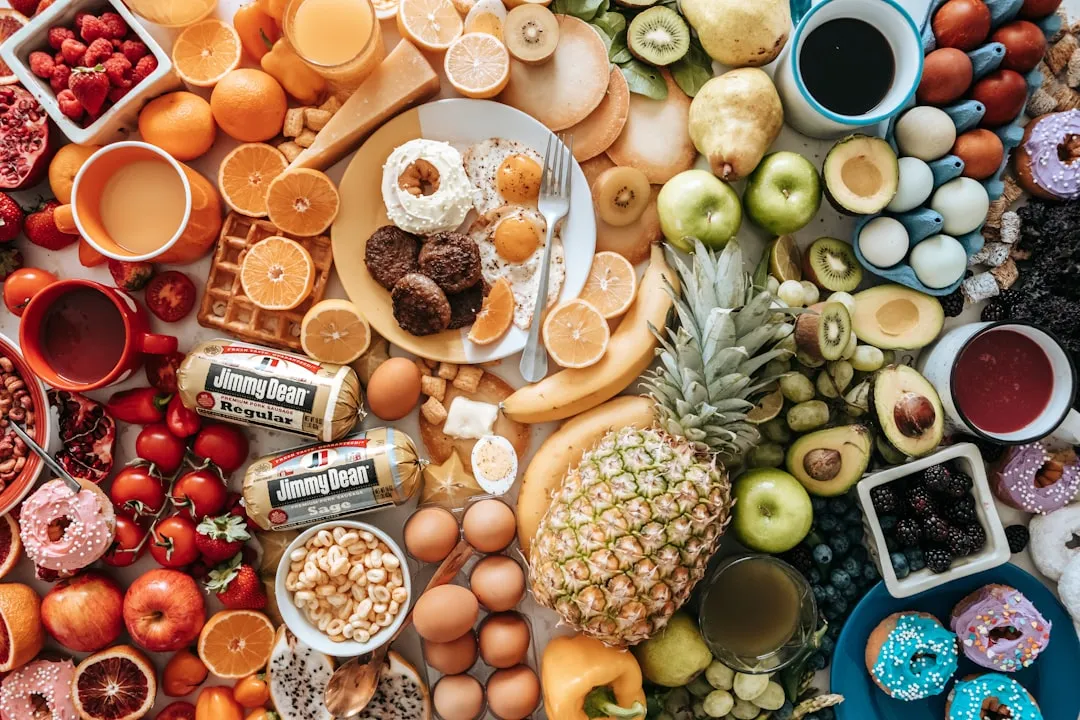
Ultra-processed foods are foods that are industrially processed and are often pre-packaged, convenient, energy-dense, and nutrient-poor. That covers a sweeping range of things most people eat daily: packaged snacks, frozen meals, breakfast cereals, fast food, and soft drinks.
UPFs, characterized by a high content of synthetic additives and emulsifiers, and low fiber content, are associated with a decrease in microbial diversity, lower levels of beneficial bacteria like Akkermansia muciniphila and Faecalibacterium prausnitzii, and an increase in pro-inflammatory microorganisms.
These alterations in the microbial community contribute to persistent inflammation, which is associated with various chronic disorders including metabolic syndrome, irritable bowel syndrome, type 2 diabetes, and colorectal cancer. A 2025 review published in Nutrients by researchers at Università Cattolica del Sacro Cuore in Rome confirmed these findings across multiple lines of evidence.
Ultra-Processed Foods and the Gut Barrier: Leaky Gut Is a Real Concern

The low fiber content in ultra-processed foods deprives beneficial bacteria of essential fuel, while additives like emulsifiers encourage pro-inflammatory microbes. Research shows that UPFs lower microbial diversity, increase pathogen growth, and weaken the gut barrier, leading to increased gut permeability, or “leaky gut.”
Overall, UPFs create conditions where bad microbes thrive, the protective mucus layer thins, and toxins can more easily enter the bloodstream. This breakdown of the gut barrier is a central pathway through which dietary damage translates into broader systemic health problems.
In addition, UPFs may alter the gut-brain axis, potentially affecting cognitive function and mental health. The downstream effects of what seems like a convenience food habit extend well beyond digestion.
Processed Meats: A Specific Threat Worth Singling Out
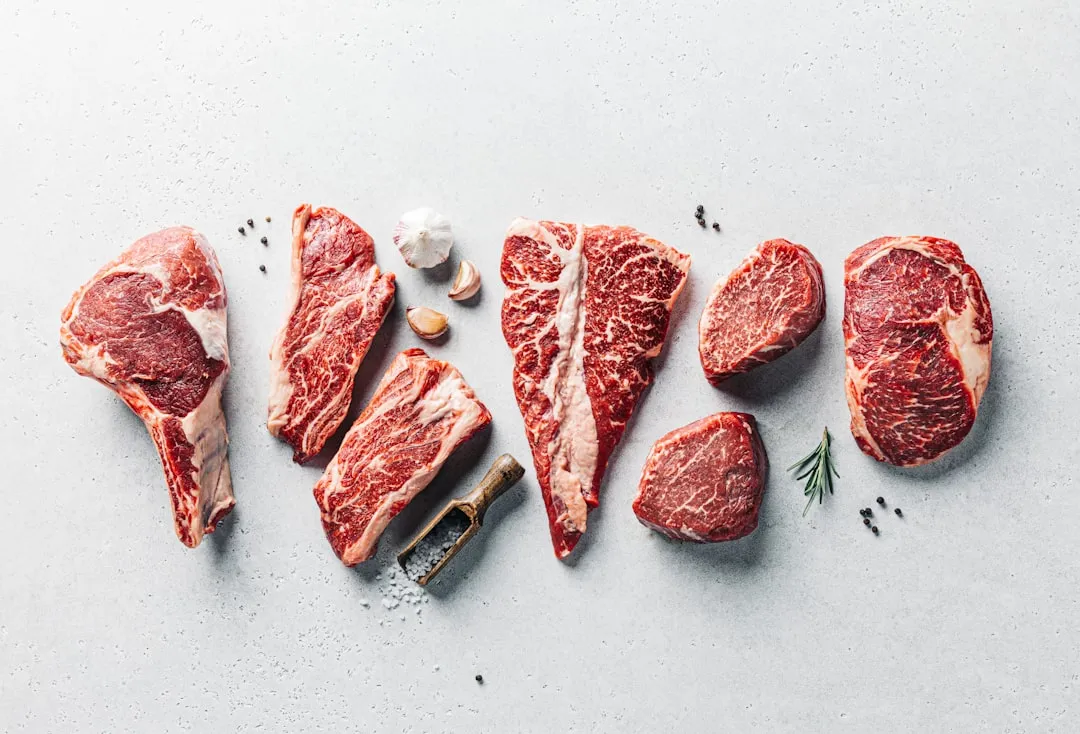
A 2023 review suggests that people who eat lots of animal protein may have less beneficial gut bacteria and more harmful gut bacteria that researchers associate with obesity. Another 2023 review of 11 studies involving over four million people highlighted an association between meat intake and risk of inflammatory bowel disease (IBD).
For every additional 100 grams daily of meat, people had a notably higher risk of IBD. Processed varieties like bacon, hot dogs, and deli meats carry additional risks because of their specific preparation and additives.
Research has suggested that red meat may be especially problematic, as it raises levels of trimethylamine N-oxide (TMAO), a byproduct of gut bacteria that researchers link to a higher risk of heart attack and stroke.
The Role of Saturated Fat in Processed Meats and Fried Foods
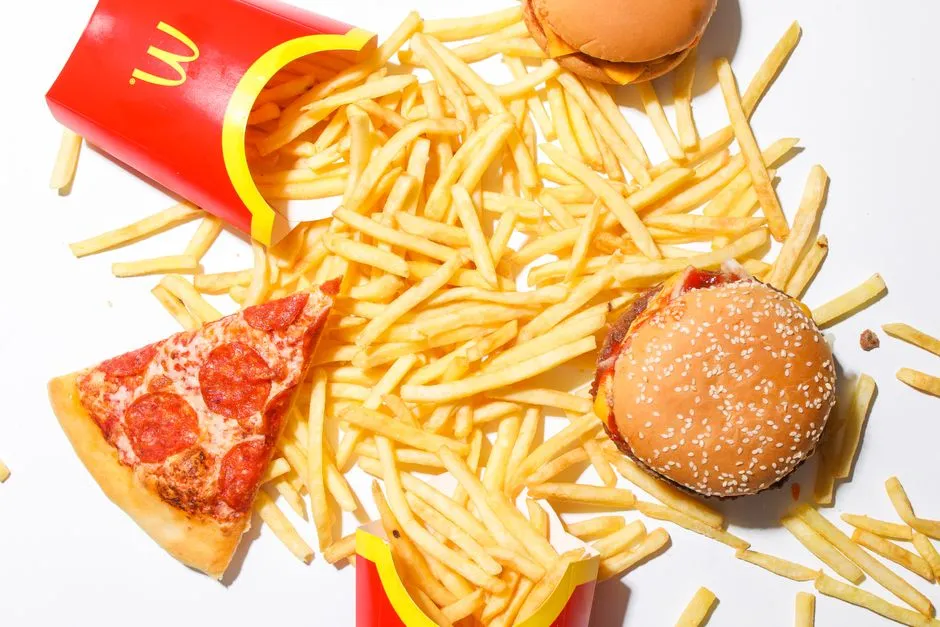
Research has found that high-fat diets can change the composition of gut microbiota and reduce microbial diversity, and this may contribute to metabolic disease such as obesity, insulin resistance, fatty liver disease, and related metabolic disorders.
Diets high in saturated fat, like the type found in butter, beef, and fatty processed foods, can reduce the beneficial impact of short-chain fatty acid-producing bacteria and increase inflammation in the intestine. The American Heart Association recommends keeping saturated fat intake below a small fraction of total daily calories.
Short-chain fatty acids are critical. They feed the cells lining your gut, help regulate immune responses, and keep inflammation in check. When the bacteria that produce them are depleted, that protective cascade begins to break down.
Refined Sugar: Feeding the Wrong Bacteria
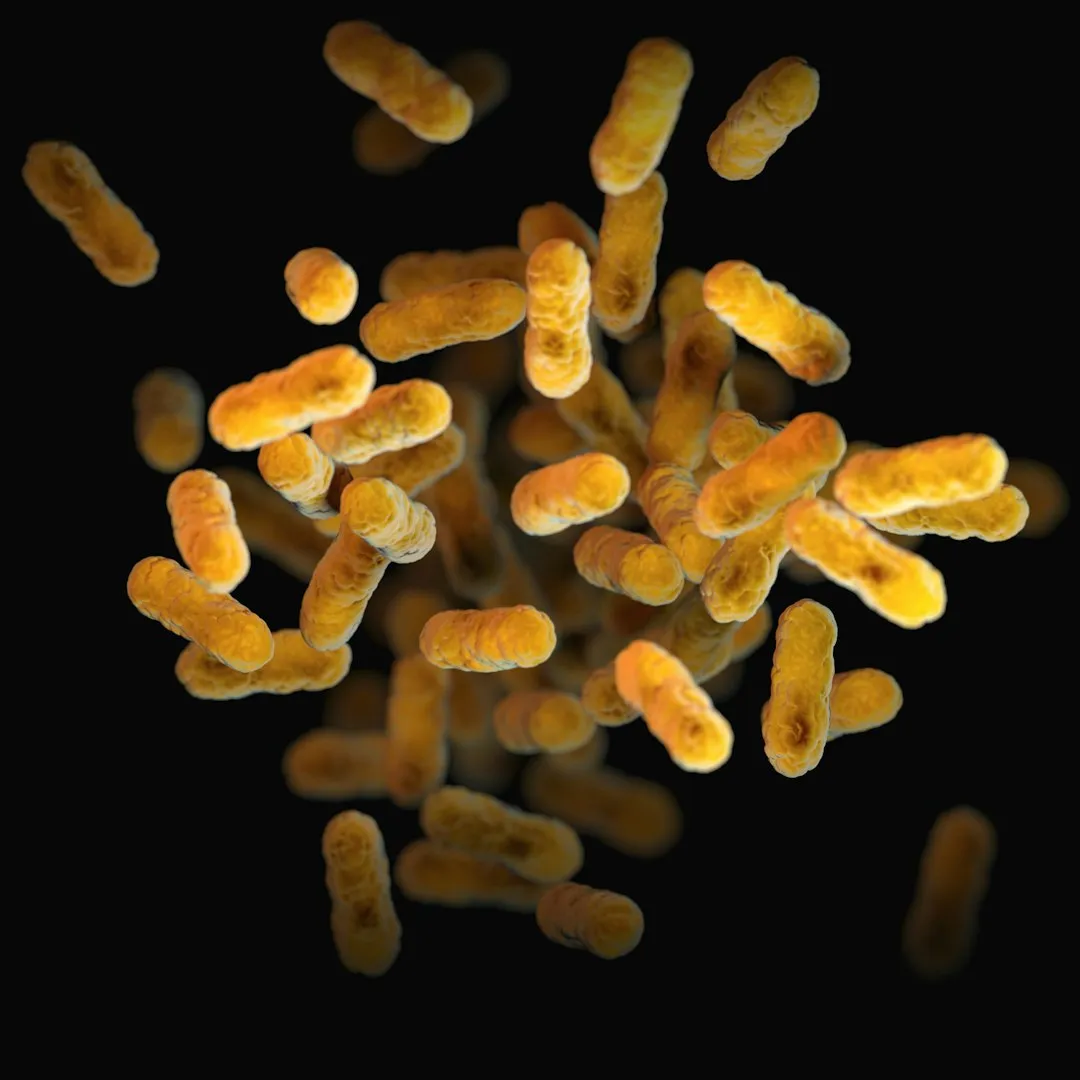
Emerging evidence suggests that the gut microbiota might mediate the harms of high sugar intake. Added sugars, including glucose, fructose, and sucrose, can alter gut microbial diversity, enrich sugar-utilizing taxa, and deplete short-chain fatty acid-producing bacteria.
Dietary sugar, particularly fructose, has been found to alter gut microbial composition, resulting in gut dysbiosis. In rats, a high-sugar diet, irrespective of fat content, resulted in rapid gut dysbiosis, gut inflammation, and associated accumulation of body fat.
Studies in mice subjected to either a high-glucose or high-fructose diet revealed decreased bacterial diversity, including a reduced Bacteroidetes abundance and an increased Proteobacteria abundance. Simultaneously, these mice exhibited increased intestinal permeability and gut inflammation, as well as hepatic inflammation and lipid accumulation.
High-Sodium Foods: The Microbiome Disruption Nobody Talks About Enough

Research suggests that people who eat excessive amounts of sodium have more bad bacteria and less diversity in their microbiome, and the average American eats roughly three times more sodium than recommended. That level of excess is not a rounding error.
This imbalance of gut bacteria can cause gastrointestinal discomfort, and it can also weaken your immune system. A significant portion of the body’s immune cells reside in the gut. Fried foods combined with high-sodium sauces and condiments create a compounding effect that few people think about when eating a fast food meal.
Sodium-heavy diets are common enough that their gut effects tend to get overlooked in the shadow of sugar and fat. The evidence suggests they deserve more attention than they get.
Artificial Sweeteners: The “Zero-Calorie” Trade-Off
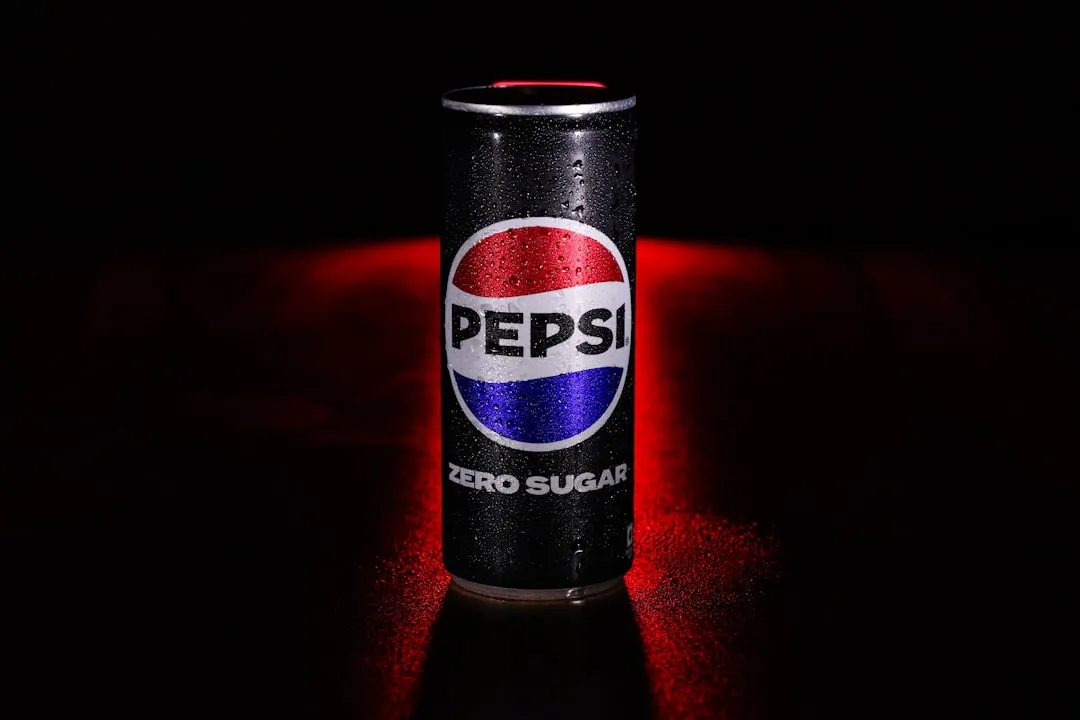
Most artificial sweeteners pass through the body unmetabolized, allowing them to reach the gut and interact with the bacteria present before being excreted. While passing through the gut, these compounds interact with the gut microbiome, and these interactions could facilitate dysbiosis, which is the imbalance or disruption of microbial communities.
Results from a 2025 study revealed that synthetic sweeteners like sucralose and saccharin significantly reduced microbial diversity, while sucralose also enriched pathogenic families such as Enterobacteriaceae. Acesulfame K increased diversity but disrupted network structure, suggesting potential long-term negative impacts on microbiome resilience.
Animal studies often report a decrease in beneficial bacteria like Bifidobacterium and Lactobacillus, and an increase in harmful strains such as Clostridium difficile and E. coli. Disruptions in short-chain fatty acid production and gut hormone signaling have also been observed. The picture is nuanced, and research is ongoing, but caution is warranted.
Artificial Sweeteners and the Gut-Brain Axis
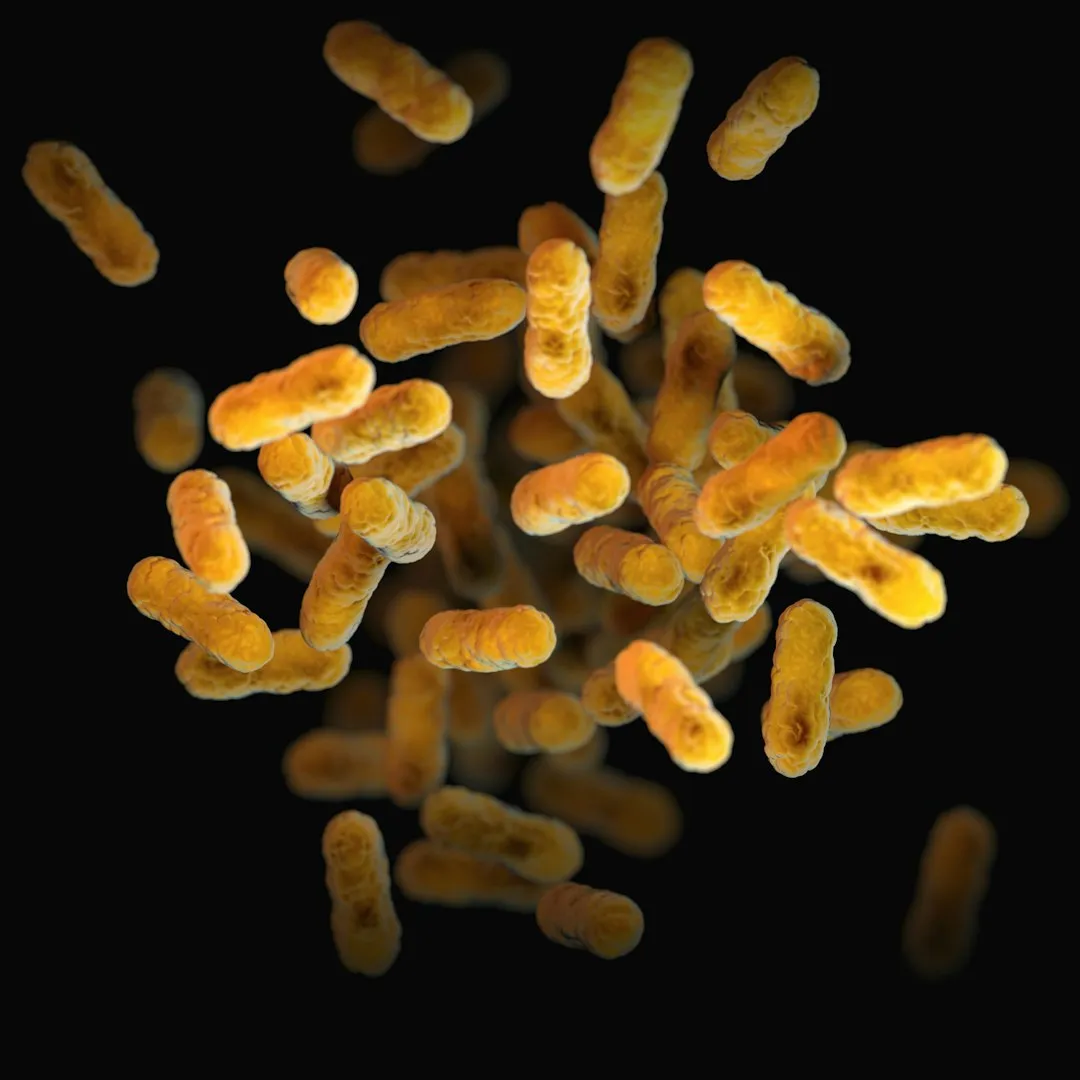
Artificial sweeteners are widely consumed as sugar substitutes to reduce energy intake and manage obesity. Once considered inert, accumulating evidence now shows that they interact with host physiology, altering gut microbiota composition and neural circuits that regulate feeding.
Non-caloric sweetener-induced dysbiosis reduces beneficial taxa such as Akkermansia muciniphila and Faecalibacterium prausnitzii, diminishes short-chain fatty acid production, impairs gut barrier integrity, and promotes systemic inflammation. These are the same beneficial bacteria that UPFs also deplete, suggesting overlapping pathways of harm.
Consumption of artificial sweeteners has been linked to gut dysbiosis, which can disrupt metabolic signaling pathways and immune responses. For individuals already managing gut-related conditions, the evidence suggests particular care is needed.
The Fiber Deficit Hidden Inside All Four Food Categories
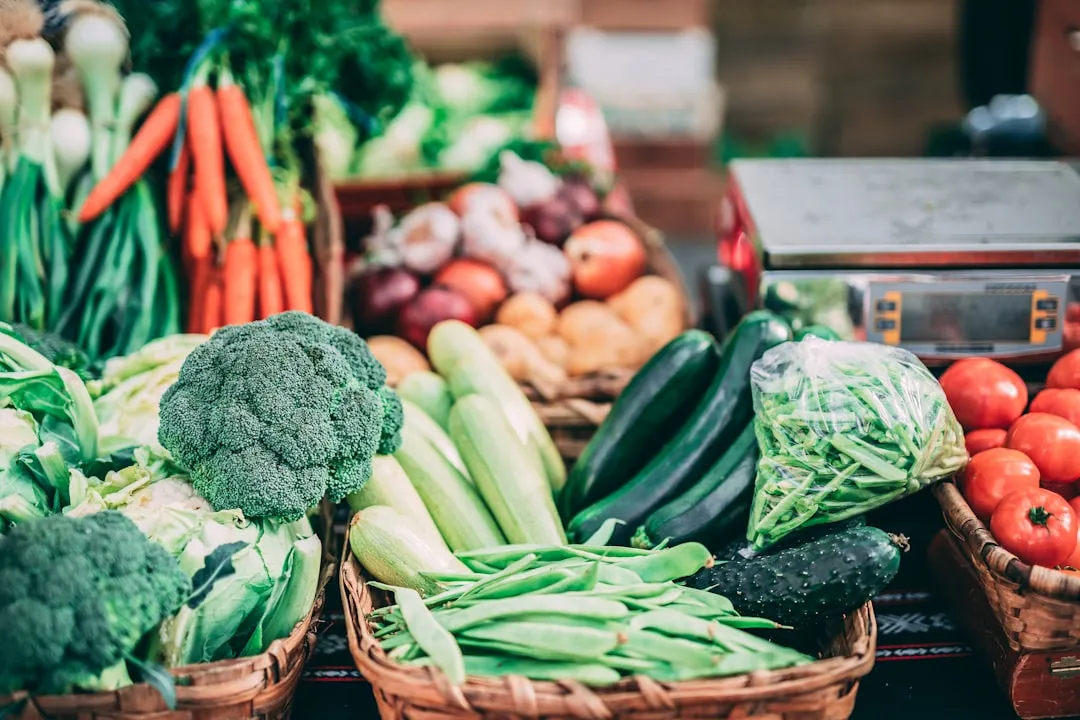
Having a sufficient amount of dietary fiber in the diet is important for keeping the bacteria in the gut fed. When the bacteria in the gut aren’t fed, a 2021 peer-reviewed study in Nutrients suggested there can be an increased risk for gut-related diseases, including inflammatory bowel disease, obesity, type 2 diabetes, and metabolic syndrome.
What connects ultra-processed foods, processed meats, sugary foods, and foods loaded with artificial sweeteners is their near-total absence of dietary fiber. That single missing ingredient may be the most consequential thread running through all of them.
A 2024 review of human studies in the journal Nutrients revealed a link between ultra-processed foods and an overgrowth of Prevotella, a bacteria linked to increased inflammation and metabolic diseases such as insulin resistance. Fiber-fed bacteria keep these opportunistic strains in check. Without fiber, that balance tilts.
What the Research Tells Us About Recovery
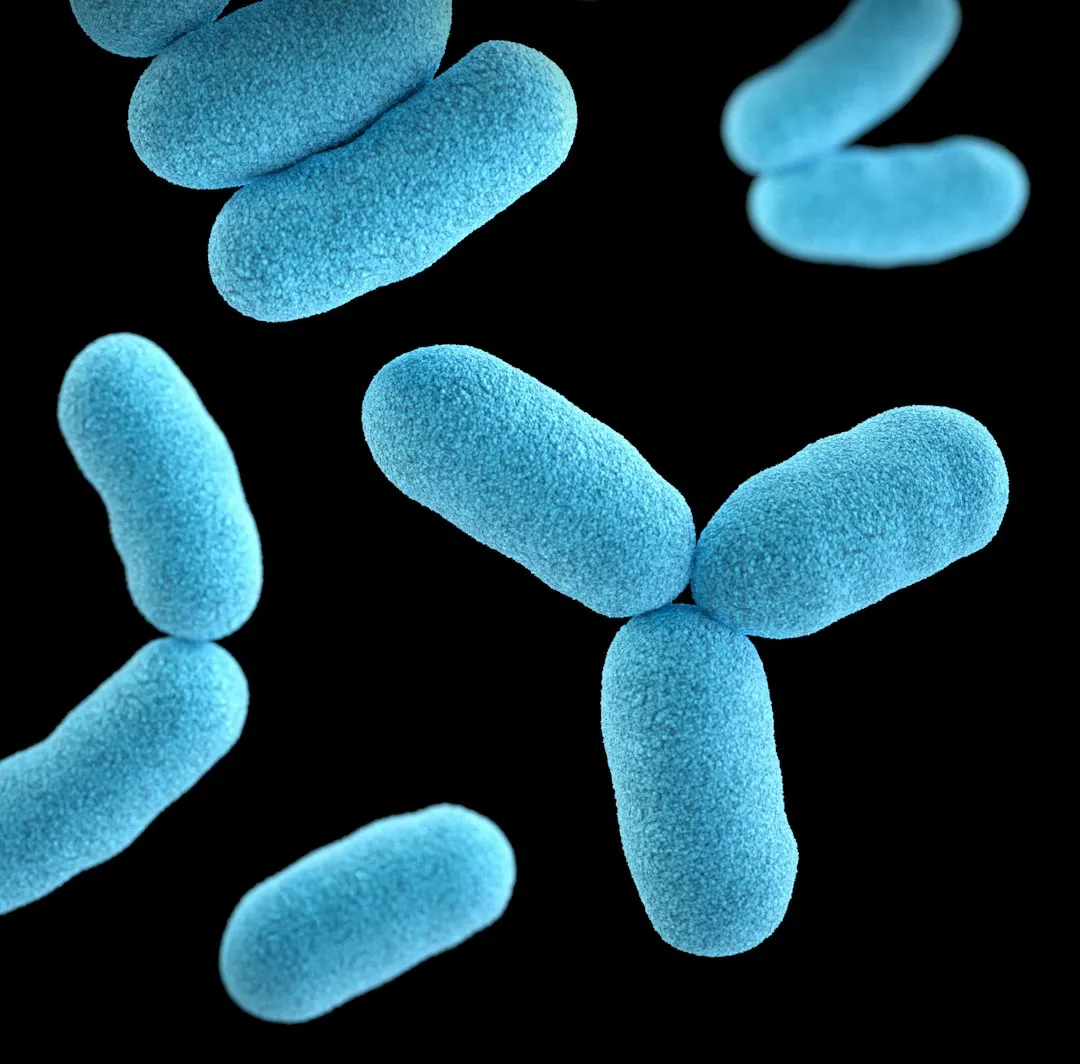
Dietary exposure to food additives through ultra-processed foods has been associated with changes in the gut microbiome, metabolic function, and low-grade inflammation. Experimental studies consistently report biological effects, particularly for emulsifiers and artificial sweeteners, whereas epidemiological findings remain heterogeneous and influenced by overall dietary patterns.
Research shows that the microbiome can start to improve within days of changing your diet, by cutting out the foods that disrupt it and adding in the foods that optimize it. That’s a meaningful window of hope, and it means the damage these foods do is not necessarily permanent.
The science on gut health is still evolving, and individual responses to food vary considerably. Still, the convergence of evidence from multiple large reviews and clinical studies points clearly in one direction: the four food categories covered here – ultra-processed foods, processed meats, high-sugar foods, and artificially sweetened products – are consistently associated with a less diverse, more inflamed, and more permeable gut.
The Takeaway
None of this requires a perfect diet. The research doesn’t suggest that one sugary drink or a slice of processed meat occasionally causes irreversible harm. What it does suggest is that regular, heavy consumption of these specific food categories creates a recognizable pattern of gut disruption with real downstream consequences for metabolic health, immunity, and even mood.
The gut is surprisingly responsive to change. Removing or substantially reducing these four categories, even gradually, appears to give beneficial bacteria the conditions they need to recover. That’s a simpler framing than most people expect, and it’s grounded in a growing body of credible research rather than nutritional trend cycles.
AI Disclaimer: This article was created with the assistance of AI tools and reviewed by a human editor.