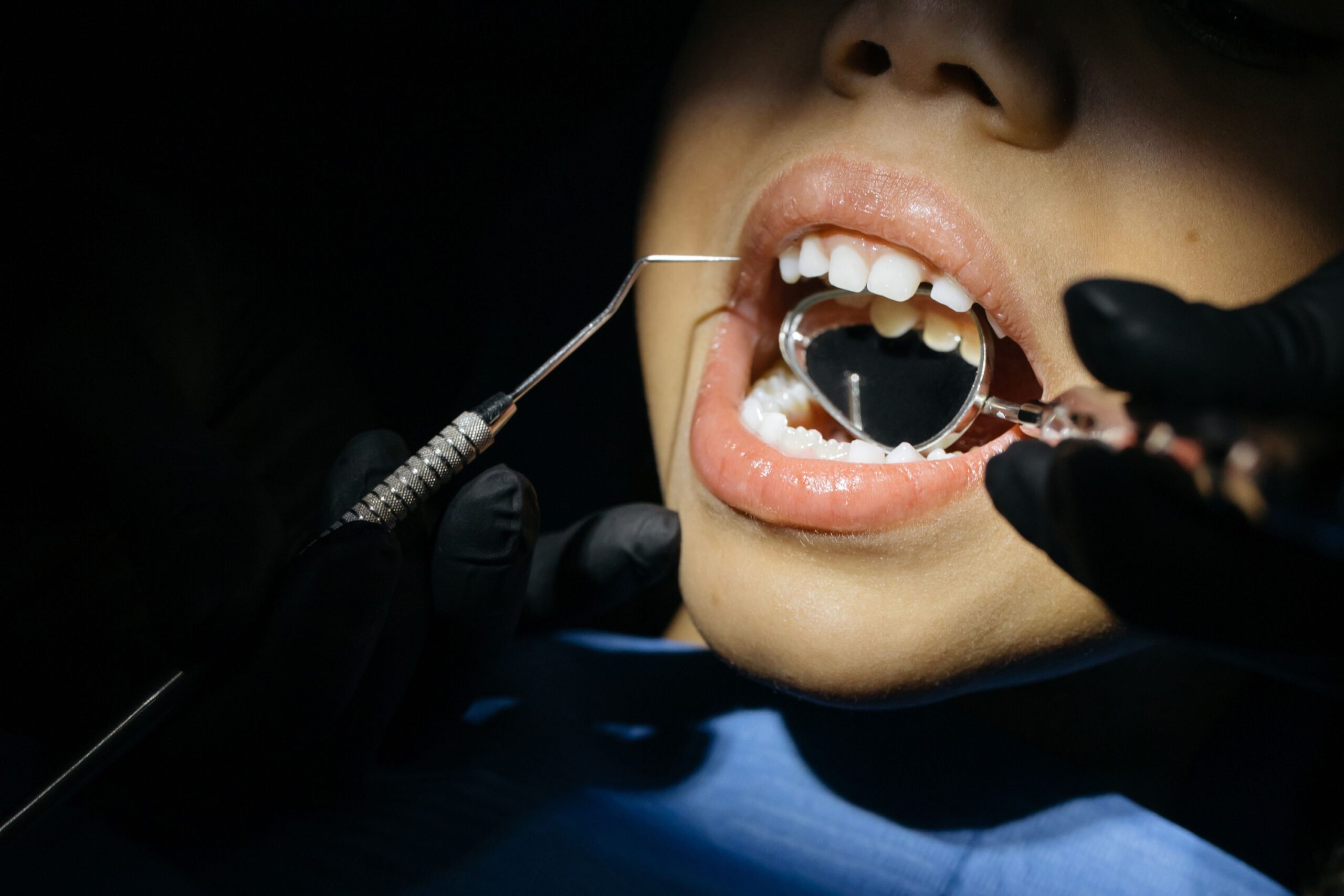

Most people already know that soda and hard candy aren’t great for their teeth. What’s less obvious is that some of the snacks sitting in your pantry right now, the ones that feel totally harmless, are doing quiet, consistent damage every single day. Dentists see the evidence of it in the chair, often before patients notice any symptoms themselves.
The four offenders covered here aren’t exotic or obscure. They’re staples. That’s exactly what makes them worth understanding.
Snack #1: Gummy Candies and Chewy Fruit Snacks
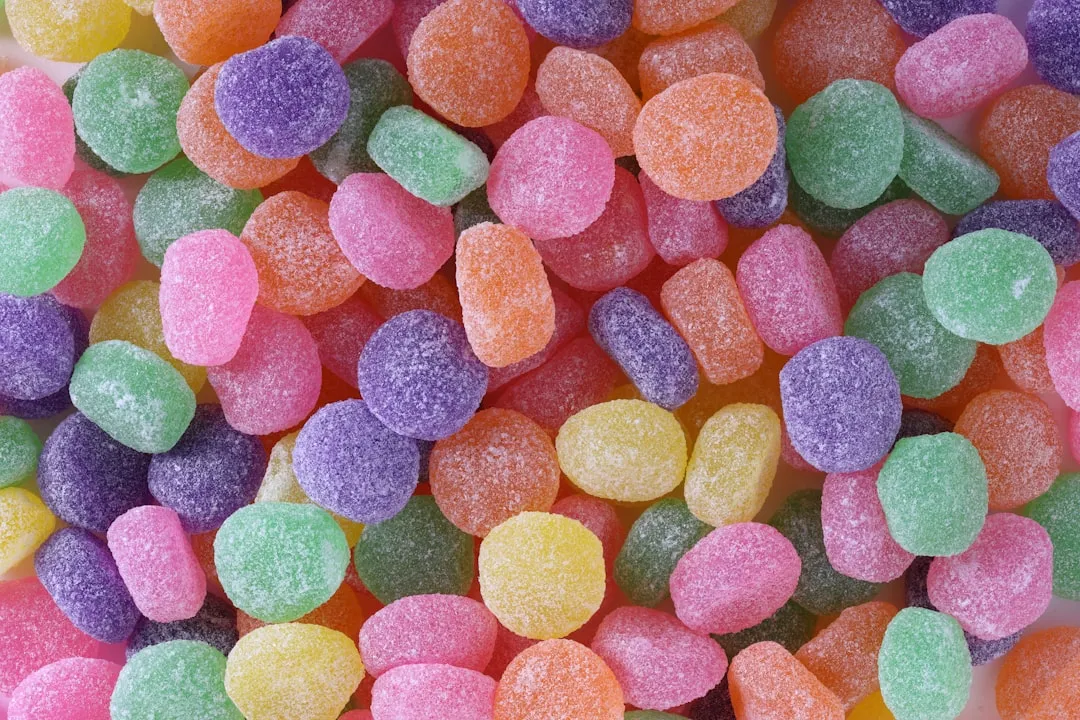
Items like gummy candies, fruit snacks, caramel, and chewy sweets cling to teeth for long periods, giving harmful bacteria more time to produce acids that attack enamel. The key word there is “cling.” It’s not just about sugar content. It’s about duration.
The amount of time sugar stays on teeth often matters more than the amount of sugar itself. When you eat a sticky snack, food particles can remain trapped for hours. During that time, bacteria continue producing acids that lower the pH inside the mouth. This creates an environment where enamel loses essential minerals.
Unlike foods that wash away quickly, sticky snacks remain trapped in grooves, between teeth, and near the gumline, increasing the risk of cavities and enamel erosion. A 2024 University of Massachusetts study published in the journal Nutrients found that fruit-flavored snacks have the lowest nutrient density and fiber content among all fruit snack categories, yet they’re often marketed as a healthy option for kids.
Why “Fruit Flavored” Doesn’t Mean Tooth-Friendly
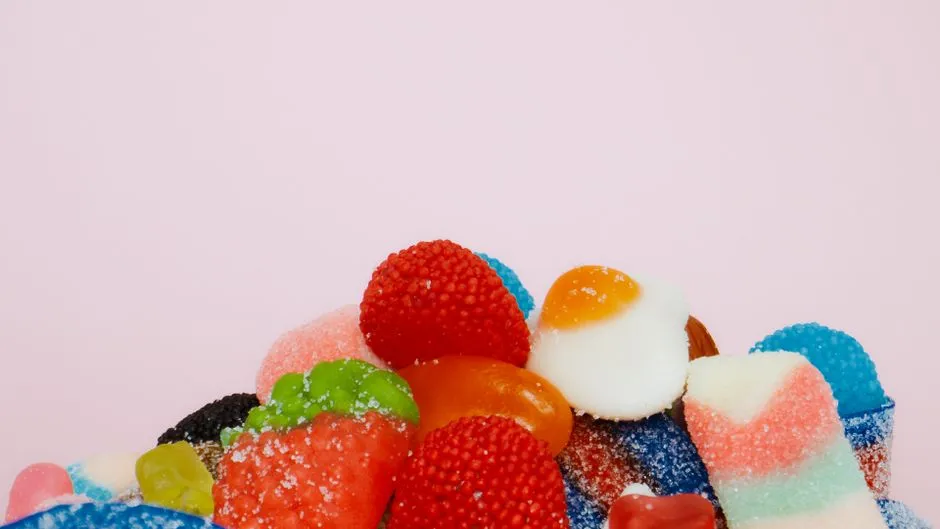
Many people are surprised to learn that some seemingly healthier snacks can be just as problematic as traditional candy when they stick to tooth surfaces. Fruit snacks, in particular, carry a health halo that their ingredients don’t back up.
Currently, fruit puree, canned fruit with juice, and dried fruit are the only fruit snacks that meet the current recommendations set by the USDA Dietary Guidelines. Gummy-style fruit snacks, by contrast, fall well outside those guidelines.
The sticky texture is the real culprit. Candy, dried fruits, and other sticky sweets cling to tooth surfaces and get stuck between teeth, giving bacteria more time to produce acid. Rinsing with water immediately after eating them is one of the simplest protective steps you can take.
Snack #2: Potato Chips
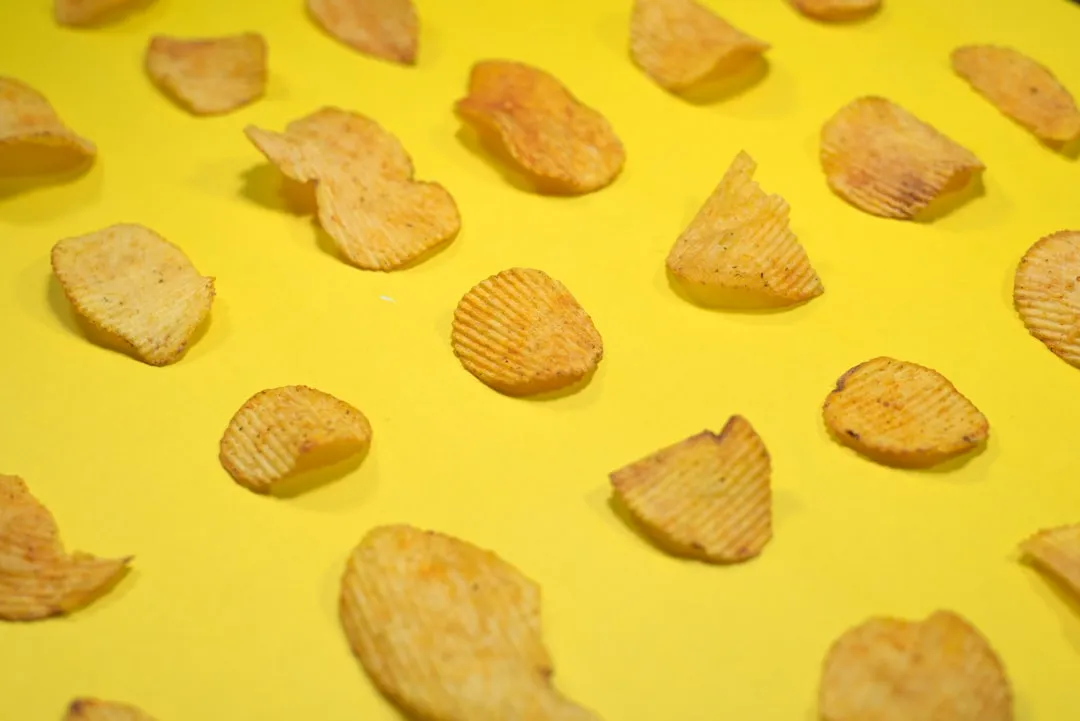
Starchy foods, such as potato chips, are bad for your teeth because they feed cavity-causing bacteria and thicken plaque. High-carbohydrate foods like chips break down into sugars, which are the main food source for bacteria. What happens next is a chain reaction most snackers don’t think about.
Potato chips have a texture that turns “gummy” after chewing, and the resulting substance lingers in your mouth. Chips are starchy and get stuck in your teeth, causing the acid-producing bacteria responsible for attacking your teeth and increasing your risk of tooth decay.
High salt intake can cause dehydration leading to dry mouth. A dry mouth environment reduces saliva flow, which is essential for buffering acids and remineralizing enamel. So the chips work against your teeth in two ways at once: feeding bacteria and reducing the mouth’s natural defenses. A study published in the Journal of Dental Research found that frequent consumption of processed snacks high in starch correlated strongly with higher incidence rates of dental caries among children and adults alike.
The Starch-to-Sugar Conversion No One Talks About
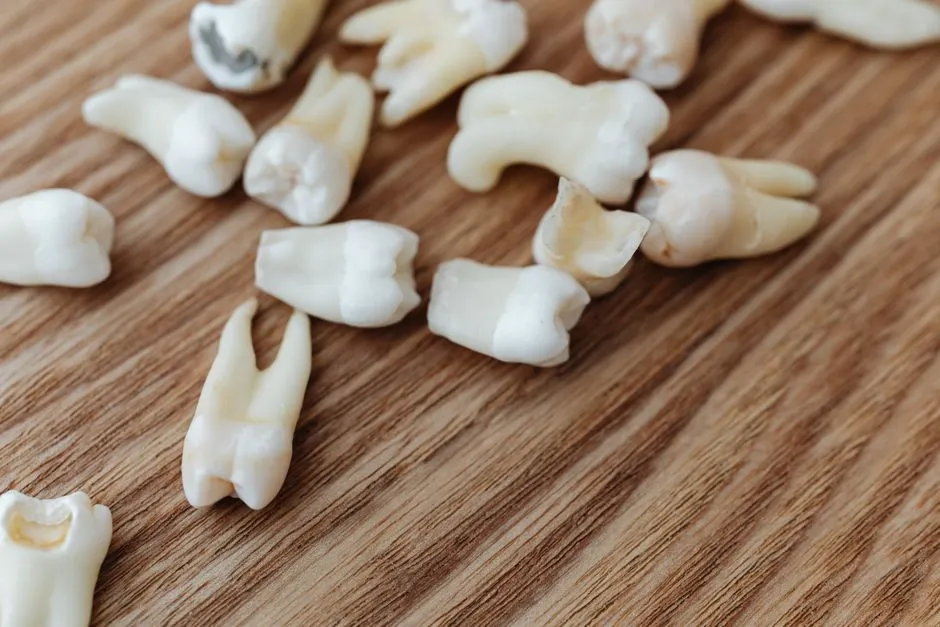
Starchy foods might not seem as obviously damaging as sugary snacks, but they can be just as harmful to dental health. When you eat starchy foods such as bread, potato chips, or pasta, your saliva’s enzymes break them down into sugars almost immediately. This conversion starts in the mouth and continues as the food travels through your digestive system. The resulting sugars stick to your teeth and can feed the bacteria that cause tooth decay just as effectively as the sugars in candy.
This is the part that surprises most people. Chips don’t taste sweet, so the brain doesn’t register them as a sugar delivery vehicle. According to Dr. Ketris Austin, a dentist from New York, she encounters tooth decay related to processed starchy snacks more often than decay related to candy.
Snack #3: Crackers (Including the “Healthy” Ones)
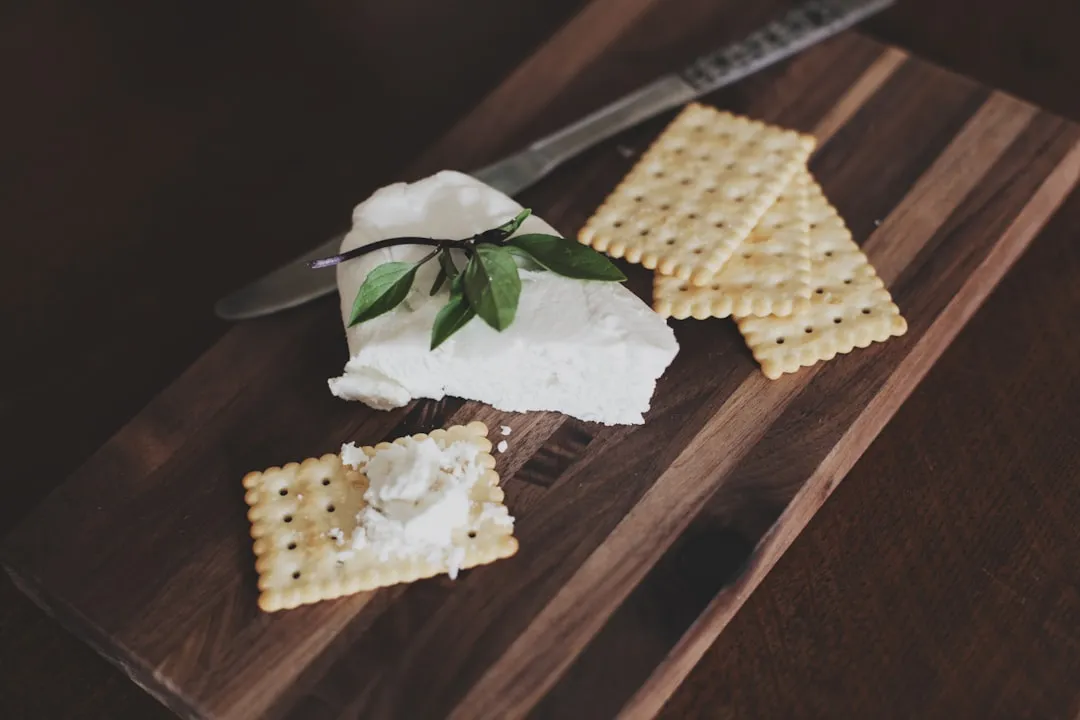
Cheese-flavored crackers are a snack especially loved by children but also popular among adults, and they happen to be one of the most deceptive foods from a dental standpoint. The reason is not the cheese flavor but the processed carbohydrates. Many crackers are made from enriched wheat flour and refined starches.
Dr. Fatima Khan explains that beyond breaking down into sugar, crackers tend to stick to the teeth and get lodged between the grooves, feeding the bacteria that cause tooth decay over an extended period of time. Even saltines and plain crackers do the same thing.
What’s the harm in crackers like saltines and Goldfish? These starchy snacks are easy for bacteria to break down into sugar. Scientific studies have shown that foods containing starch directly contribute to the formation of cavities, especially when consumed frequently throughout the day. That last part, “frequently throughout the day,” is where most people run into trouble.
Frequency Is the Real Problem With Crackers
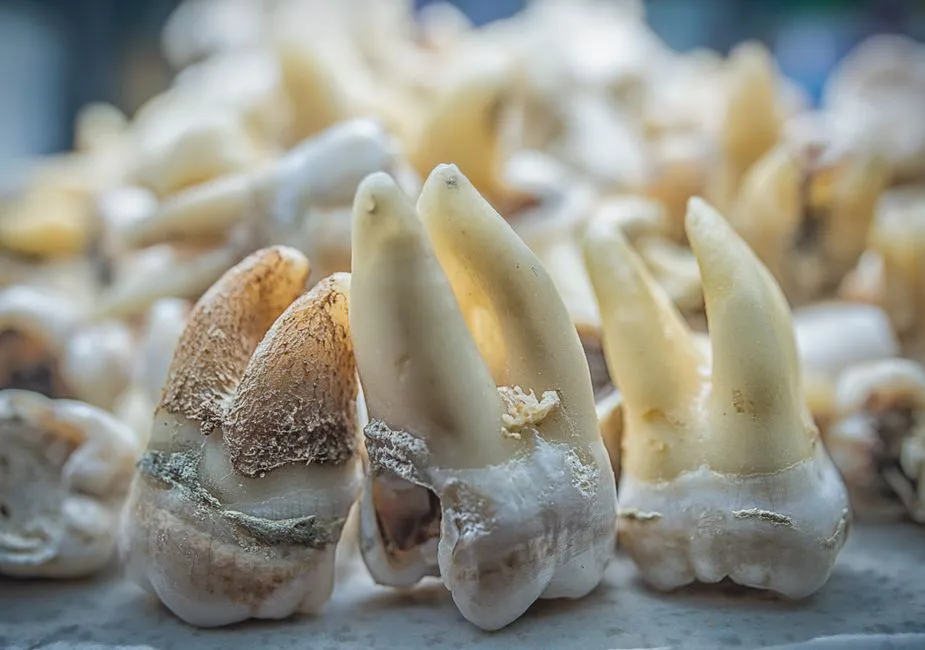
Grazing on crackers through the afternoon is a common habit, especially for people working from home. The problem is that both the types of foods and beverages consumed and how food and beverages are consumed, specifically the frequency, can impact tooth decay risk.
Many parents are not aware of the danger in additional starchy snacks such as pretzels, chips, certain granola bars, and white bread. These foods stick to the teeth, allow bacteria to multiply, and lead to the production of acids that damage the enamel.
Eating crackers with a full meal is genuinely less harmful than snacking on them alone throughout the day. Dentists suggest eating crackers with a meal and then brushing and flossing afterward to remove residue left between the teeth. Context and timing matter more than most people realize.
Snack #4: Dried Fruit
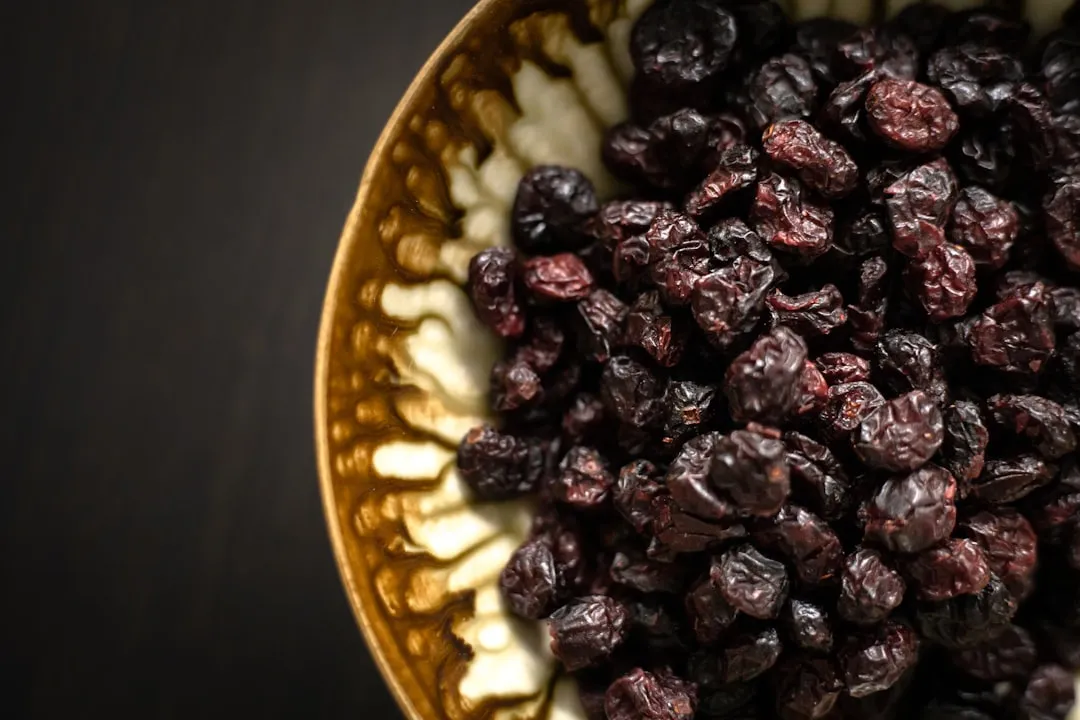
Dried fruit has a strong nutritional reputation. Raisins, apricots, and figs are often seen as a wholesome alternative to candy. The dental picture, though, is more complicated. Many dried fruits, including apricots, prunes, figs, and raisins, are sticky. The American Dental Association states that dried fruits easily cling to the teeth and in their crevices due to their stickiness, leaving behind sugar.
Dried fruits like raisins, apricots, and figs are concentrated sources of natural sugars. They can stick to the teeth and promote plaque formation if not thoroughly rinsed away. The drying process essentially strips out the water content, concentrating the sugars significantly compared to the fresh version of the same fruit.
The sticky consistency of dried foods causes them to adhere to teeth, and the plaque acid these foods create can harm your teeth long after you’ve finished eating. Swapping raisins for fresh grapes, for instance, is a practical and genuinely better choice for enamel health.
Dried Fruit vs. Fresh Fruit: A Meaningful Difference
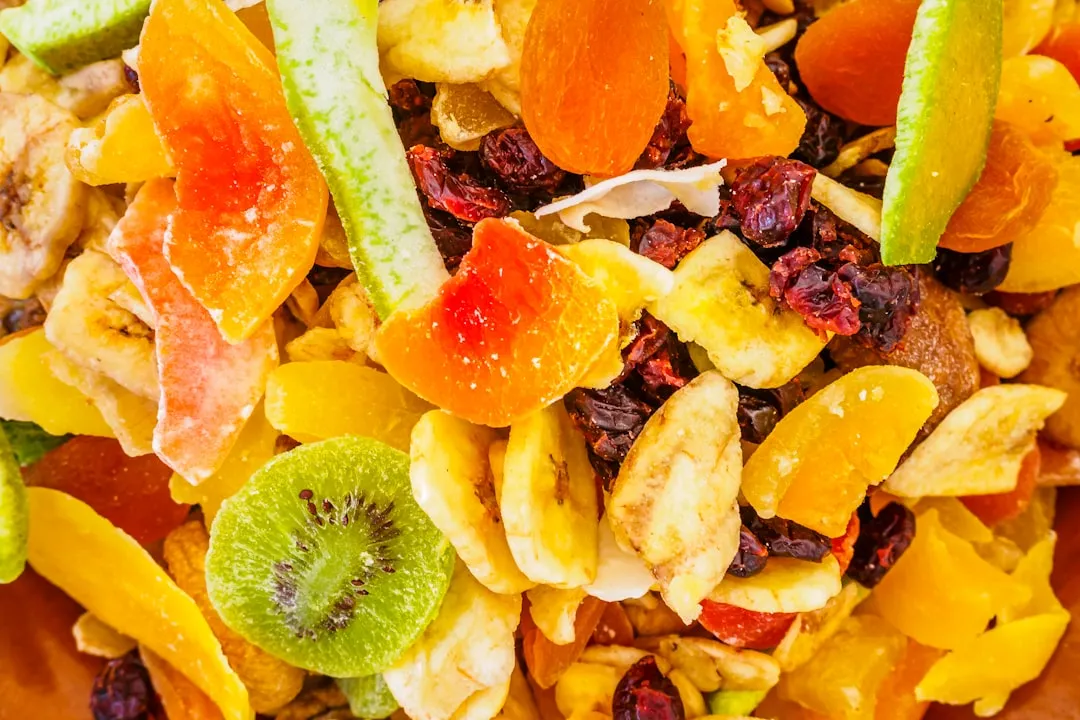
Dried fruit has the highest nutrient density and fiber content among fruit snack categories, and the lowest added sugar content, which does set it apart from processed gummy snacks. Still, the stickiness factor means it shouldn’t get a free pass from a dental perspective.
Fresh fruit, by contrast, comes with water content that helps dilute sugars and stimulate saliva flow. Evidence suggests that fresh fruits are preferable to fruit juices, as chewing stimulates saliva production, which naturally helps buffer acids and rinse the mouth. The same logic applies when comparing fresh fruit to the dried version.
If you like to eat dried fruits, make sure you rinse your mouth with water and then brush and floss after. It’s not about eliminating dried fruit entirely. It’s about treating it with the same awareness you’d apply to any sticky, sugar-dense food.
The Broader Pattern: Snacking Habits and Cumulative Damage

None of these four snacks will destroy your teeth from a single serving. The real issue is what happens when they’re eaten regularly, in between meals, with no rinsing or brushing afterward. Sixty percent of study participants did not know that food trapped between teeth can lead to tooth decay, and less than half knew that sticky foods increase the risk of tooth decay. Awareness is genuinely the first line of defense.
The foods you eat directly affect your smile. Sugar and starches feed natural bacteria in your mouth, and these bacteria produce harmful acids which attack your tooth enamel over time. When snacking is spread across multiple sessions in a day, the mouth never fully gets a break from that acid cycle.
Statistics Canada reported in 2025 that more than half of children aged 6 to 11 had at least one affected baby or adult tooth between 2022 and 2024. Snacking patterns are one of the most consistently cited contributing factors among dental researchers and public health professionals alike.
What You Can Do Without Giving Up Everything
The goal here isn’t to create a long list of forbidden foods. Dentists largely agree that moderation and timing are more important than total avoidance. Opt for sugar-free alternatives or consume sweet treats in moderation, followed by a good swish of plain water to help rinse the sugar away.
Timing your snacks alongside meals rather than between them makes a real difference. Maintaining a healthy diet is one of the best things you can do to help your oral health, since certain foods and drinks make it easier for your teeth and gums to be attacked by bacteria. Drinking water throughout the day also supports saliva flow, which is the mouth’s built-in defense system.
If you eat potato chips or similar foods like Goldfish and cheese puffs, floss afterward to remove those tiny chunks from staying between your teeth. Simple habits like this, applied consistently, do more for your enamel than any special toothpaste or whitening treatment ever will.
The Takeaway
The four snacks covered here, gummy candies and chewy fruit snacks, potato chips, crackers, and dried fruit, all share the same underlying problem. They’re sticky, starchy, or both, and they tend to linger in places where bacteria thrive. The damage is slow, cumulative, and easy to miss until it’s already significant.
You don’t need to overhaul your entire diet. Knowing what’s actually happening in your mouth when you reach for the snack drawer puts you in a much better position to make small, practical adjustments that protect your teeth over time.
The most expensive dental work is the kind you could have avoided. A rinse of water, a piece of floss, or simply shifting your chip habit to mealtime costs nothing, and your enamel will quietly thank you for it.
AI Disclaimer: This article was created with the assistance of AI tools and reviewed by a human editor.