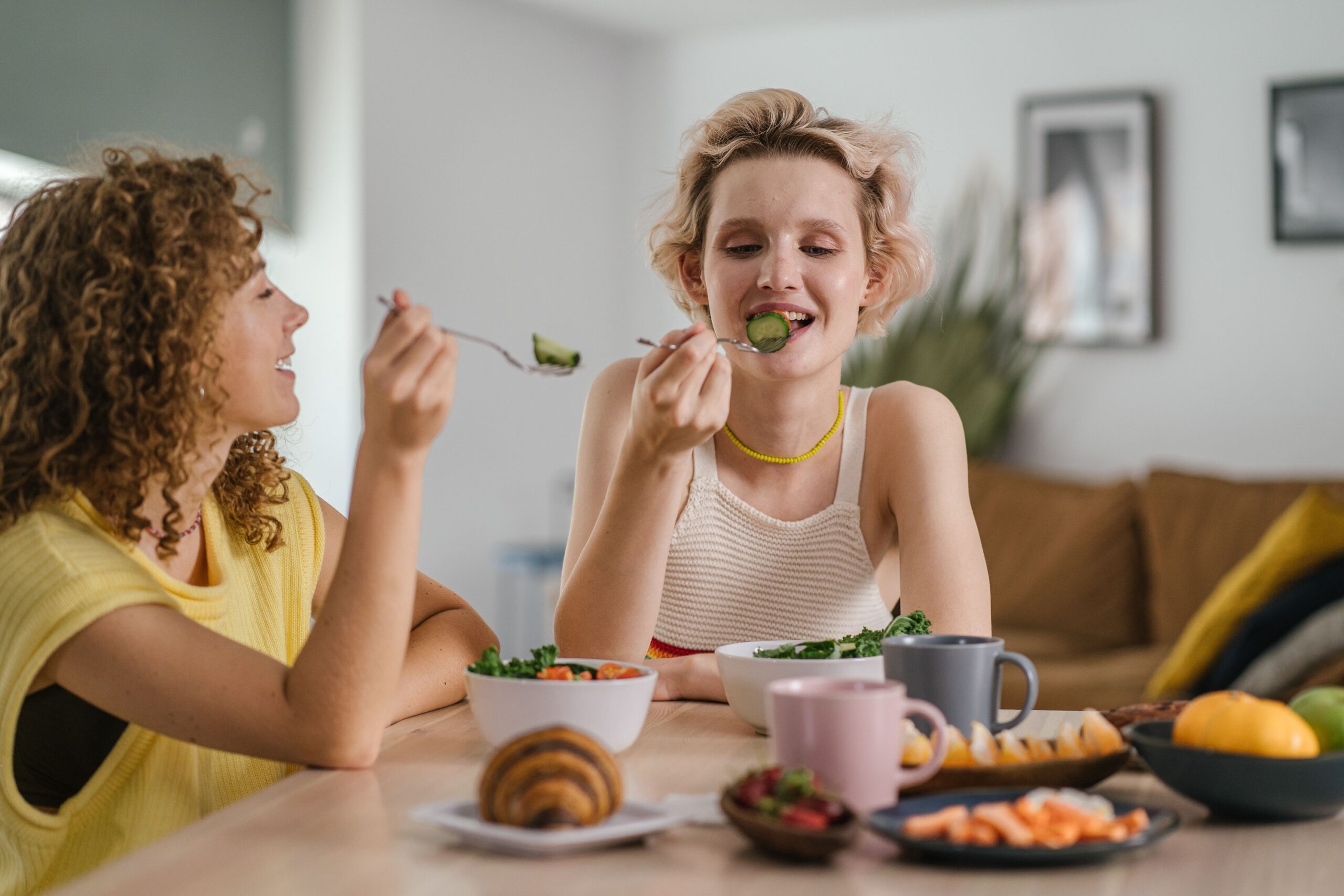

1. Yogurt: The Classic Gut Ally With Real Evidence Behind It
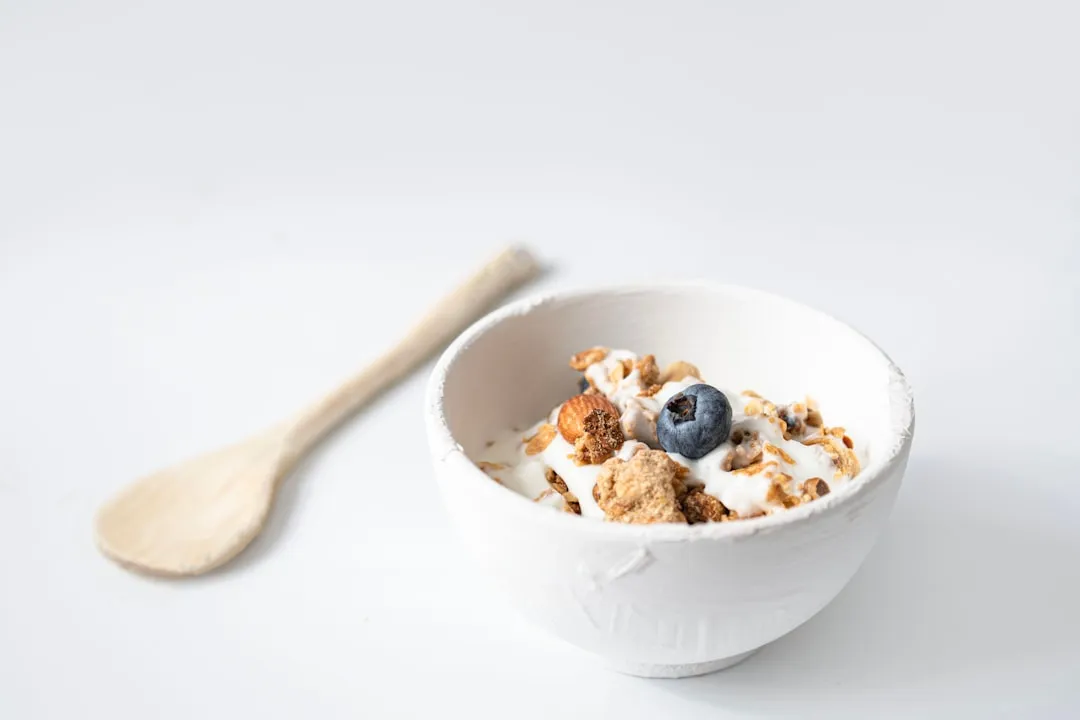
Yogurt has been recommended alongside antibiotics for decades, and the science has only gotten stronger. Diarrhea is a common unfavorable consequence of antibiotics, and probiotic yogurt is equally effective as probiotic capsules, making it a simple and cost-effective means of preventing antibiotic-associated diarrhea.
In a 2024 randomized controlled trial, antibiotic-associated diarrhea occurred in roughly fourteen percent of patients receiving probiotic yogurt, compared to nearly thirty-seven percent in the control group. That is a substantial real-world difference you can achieve through diet alone.
Consumption of a fermented milk product alongside antibiotics led to a significant, though modest, improvement in the recovery of microbiota composition, according to a metagenomic analysis of participants undergoing antibiotic therapy. Look for yogurt labeled with live and active cultures, and keep it plain to avoid added sugars that can feed the wrong bacteria.
2. Kefir: A Fermented Drink That Goes Further Than Yogurt

Kefir is a fermented milk beverage that contains a broader range of microbial strains than most yogurts, and research published in 2025 is helping clarify why that matters. Core microbiome analysis before and after consumption of kefir revealed that species within the genera Bifidobacterium, Blautia, and Faecalibacterium remained dominant and consistently maintained their relative abundance.
Short-chain fatty acids including acetate, butyrate, and propionate are the primary metabolic products produced by the gut microbiota during fermentation of undigested polysaccharides. These metabolites play critical roles in enhancing the intestinal barrier, facilitating nutrient absorption, and maintaining gut homeostasis.
Proposed mechanisms by which kefir modulates gut microbiota and host health include antimicrobial effects, prebiotic actions, immunomodulation, and enhancement of gut barrier integrity. Kefir is also naturally low in lactose, making it easier to tolerate than milk for many adults, even those with mild lactose sensitivity.
3. Kimchi and Sauerkraut: Fermented Vegetables With Live Cultures
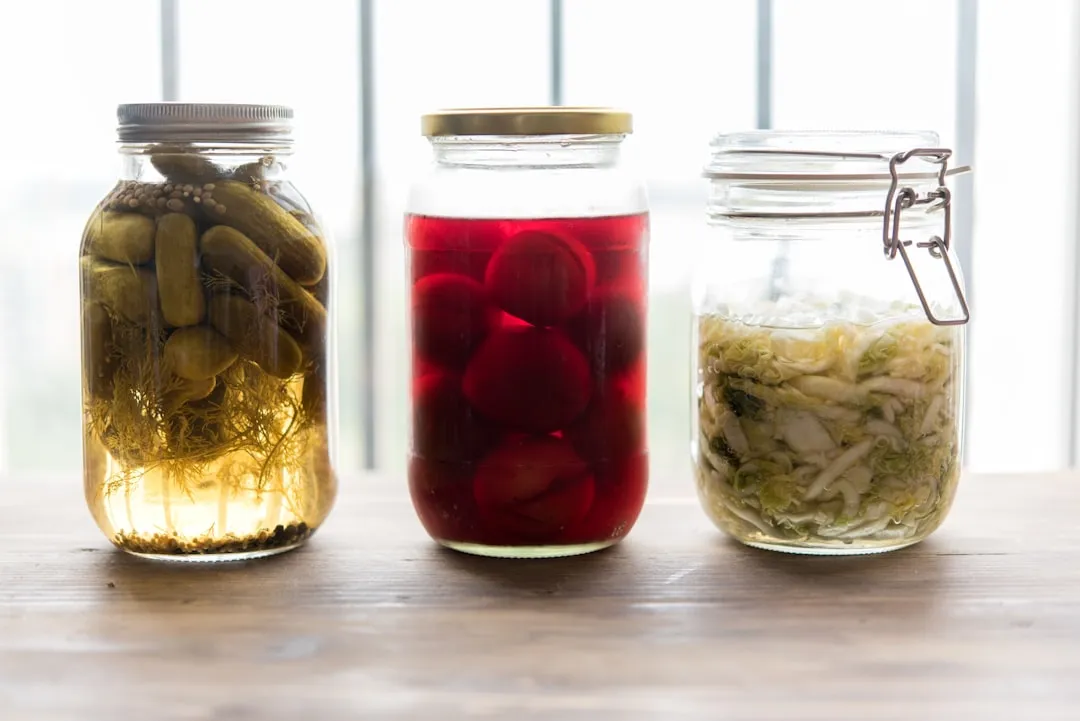
Kimchi and sauerkraut sit in the same fermented food family, and both deliver lactic acid bacteria that can meaningfully support a disrupted gut. Fermented foods such as yogurt, sauerkraut, kimchi, and kefir contain relatively stable microbial ecosystems comprised primarily of lactic acid bacteria and their primary metabolites.
While the bacterial strains in fermented foods don’t typically colonize the gut long-term, they exert transient beneficial effects on immune function and can help crowd out opportunistic pathogens during the recovery window. That transient effect matters most in the days immediately after finishing antibiotics, when the gut is most vulnerable.
Fermented foods are most effective when they form part of the daily diet rather than occasional additions. A few tablespoons of sauerkraut or kimchi with lunch, or a serving of plain yogurt or kefir in the morning, can contribute meaningful amounts of live cultures and fermentation byproducts. Variety across different ferments is also worth pursuing, since each product carries its own distinct microbial population.
4. High-Fiber Foods: The Foundation That Makes Everything Else Work
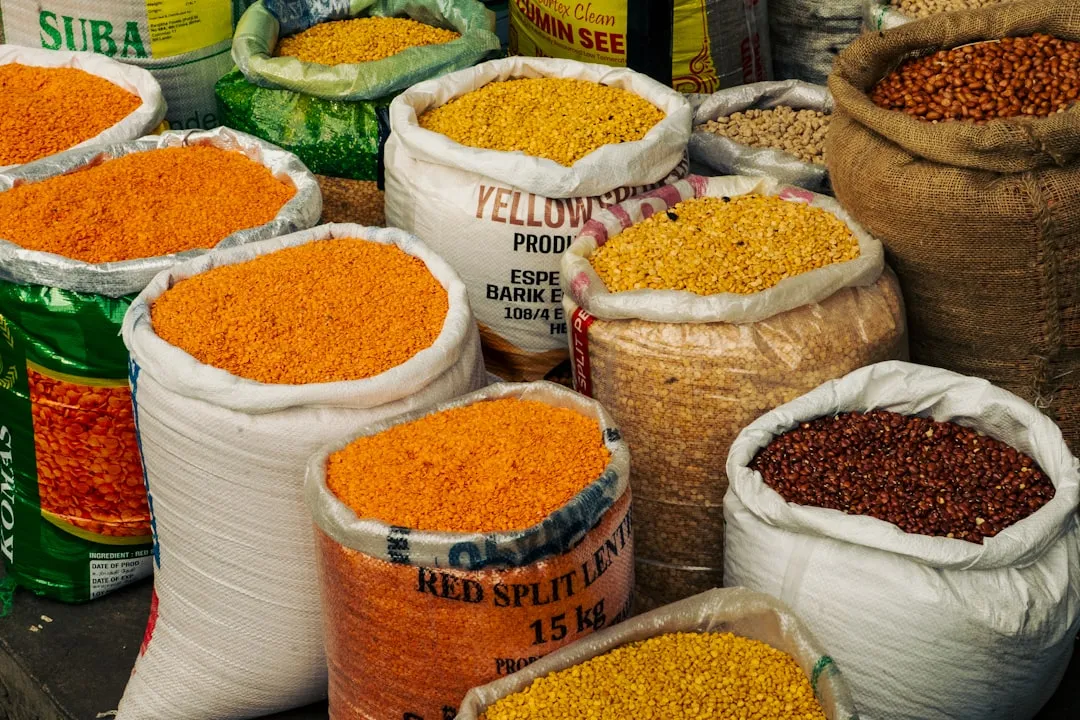
Fiber is not a probiotic in the traditional sense, but it may be the single most important dietary lever you can pull after antibiotics. A 2025 study found that people eating a high-fiber diet after antibiotic treatment experienced better recovery of gut microbiome than those who did not, findings published in Nature Reviews Gastroenterology and Hepatology.
A low-fiber diet may exacerbate the impact of antibiotics on the gut microbiome, delaying recovery, which suggests that prebiotic fibers are important for the recovery of the gut microbiome after antibiotic use. Think of fiber as the fuel your returning microbes need to actually thrive.
Prebiotics such as mucin glycans and xanthan gum may promote the growth of beneficial gut microorganisms, prevent the colonization of pathogenic bacteria, and boost the production of short-chain fatty acids in the gut following antibiotics. Practical high-fiber sources include oats, lentils, garlic, onions, leeks, bananas, and asparagus, foods that are already in most grocery stores and require no special preparation.
Why What You Eat Outperforms Supplements Alone
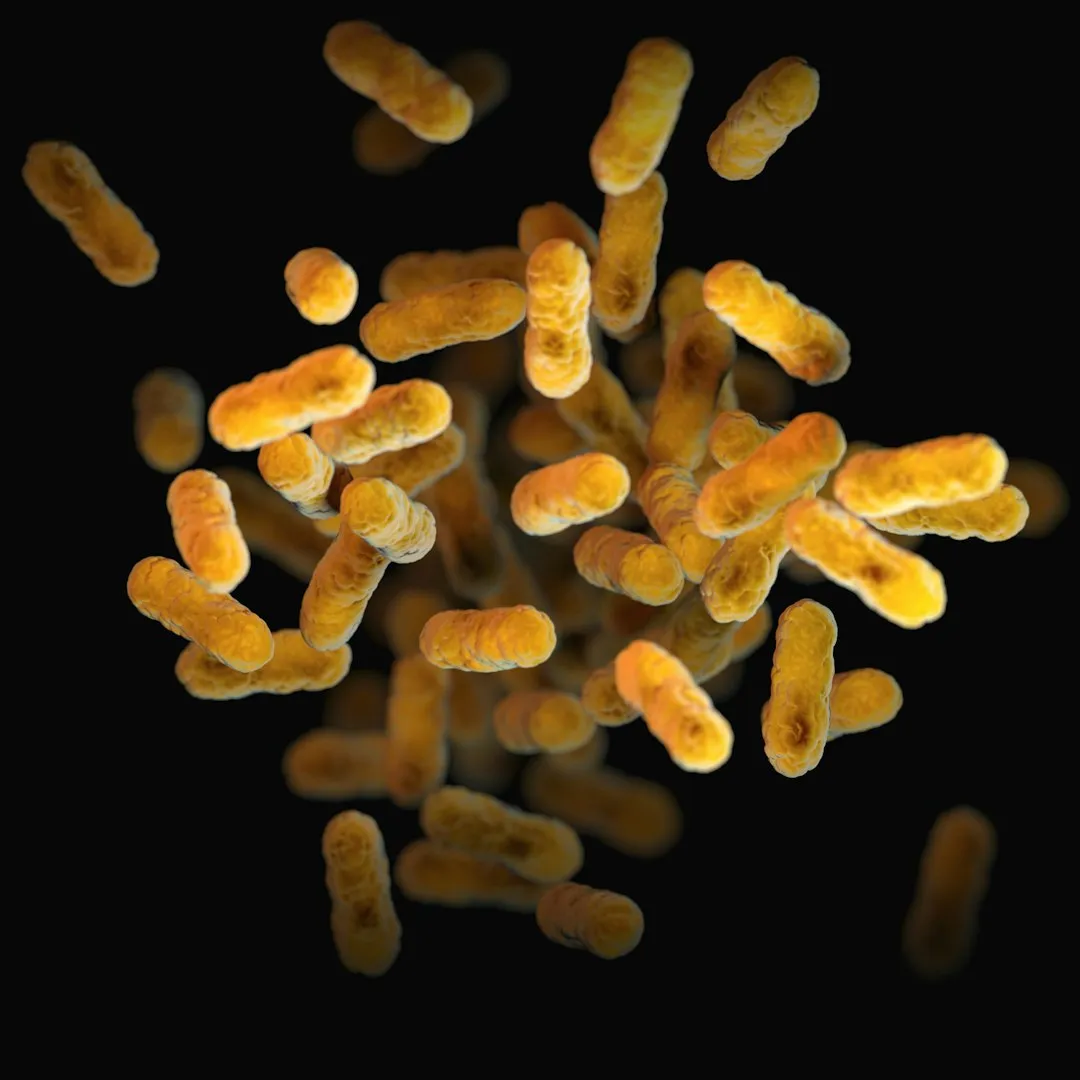
Shifting toward a dietary pattern rich in fiber and naturally fermented foods after antibiotics may help restore balance faster and more effectively than relying on probiotics alone. This is a nuanced but important distinction that researchers have been sharpening in recent years.
Diet outperforms microbial transplant to drive microbiome recovery post-antibiotics, according to research published in 2024 on the bioRxiv preprint server. The idea that food can outperform even intensive clinical interventions is a genuinely striking finding, and one that gives people real agency over their own recovery.
Given the uncertainty around optimum dosages and strains of probiotics and the potential safety concerns of fecal microbiota transplantation, dietary therapy is considered a promising and practical solution. Dietary therapy is also the most common and key measure to modulate gut microbiota, and it is a safe, easily operable intervention approach for the general public.
The Timing Question: When to Start Eating These Foods
Most people wonder whether to wait until their antibiotic course is over before adding fermented foods back in. The current guidance is more practical than that. Probiotics are beneficial bacteria that help restore the balance of your gut microbiome, and after taking antibiotics, replenishing these good bacteria can help improve digestion and support immune health.
Fermented foods can generally be introduced during or alongside antibiotics, though spacing them a couple of hours apart from the antibiotic dose makes sense to reduce the chances of the drug neutralizing the live cultures. Fiber-rich foods can usually be reintroduced from day one. It helps to introduce fiber gradually if your gut is sensitive post-antibiotics, since a sudden increase can cause bloating and gas as your microbiome adjusts.
How Long Gut Disruption Can Actually Last
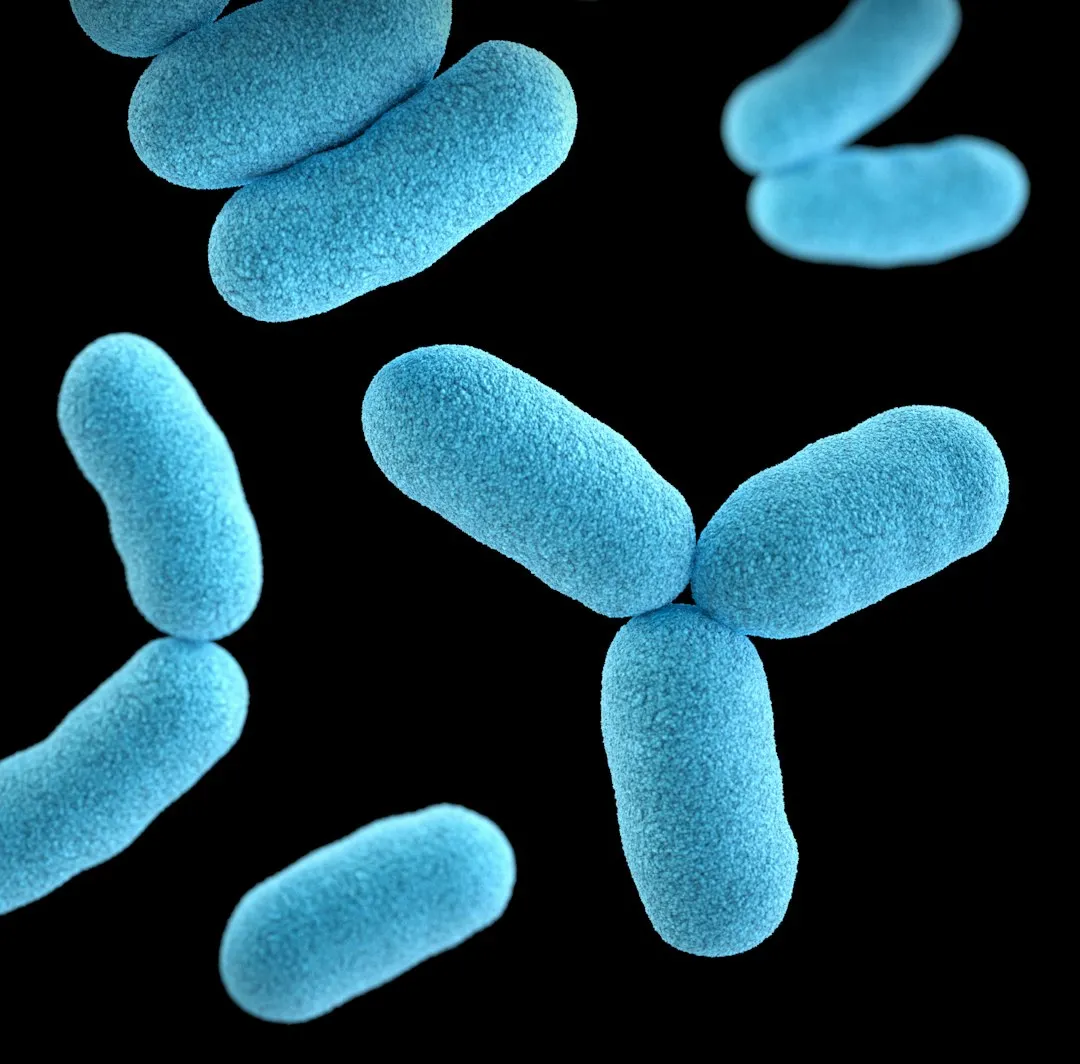
The disruption from antibiotics is not always brief. Antibiotics can reduce the abundance and diversity of beneficial gut microbes for months, especially after repeated or broad-spectrum courses. A less diverse microbiome can have several negative consequences, including diarrhea, temporary food intolerances, and a greater chance of stomach upset due to dysbiosis.
Antibiotic-induced dysbiosis can last for years and even leave you susceptible to chronic conditions such as obesity, asthma, allergies, and metabolic changes. Understanding this longer timeline is a strong argument for treating diet as a sustained recovery strategy rather than a short-term fix.
Microbial Diversity Is the Real Goal
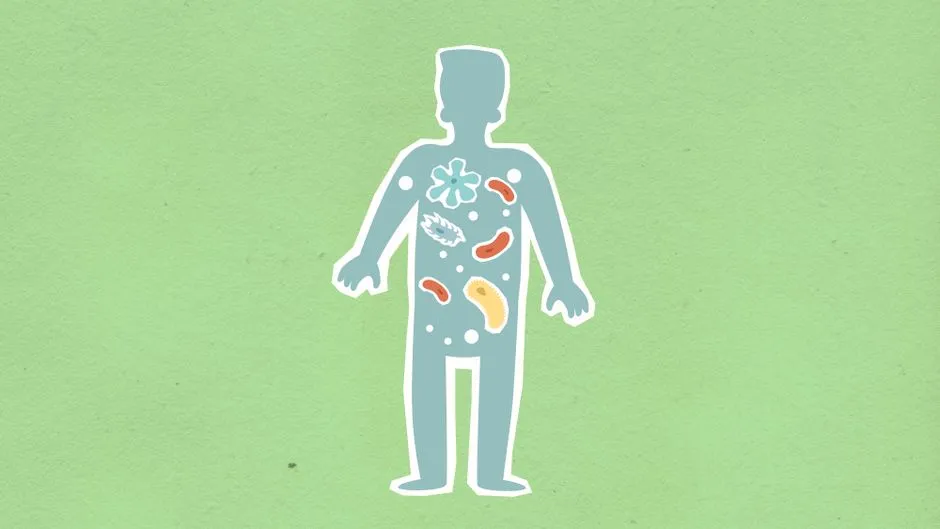
No single food resets the gut on its own. What actually matters is layering multiple beneficial foods over time to rebuild a diverse ecosystem. Research suggests that people who consume thirty or more different plant foods per week have substantially more diverse microbiomes than those who consume ten or fewer, regardless of overall calorie intake. After a course of antibiotics, this kind of diversity becomes especially valuable.
Foods rich in a variety of plant fibers, like vegetables, legumes, nuts, seeds, and naturally fermented foods, create an environment that facilitates the return and thriving of beneficial microbes. These foods don’t just increase microbial numbers; they support microbial function.
What to Limit While Recovering
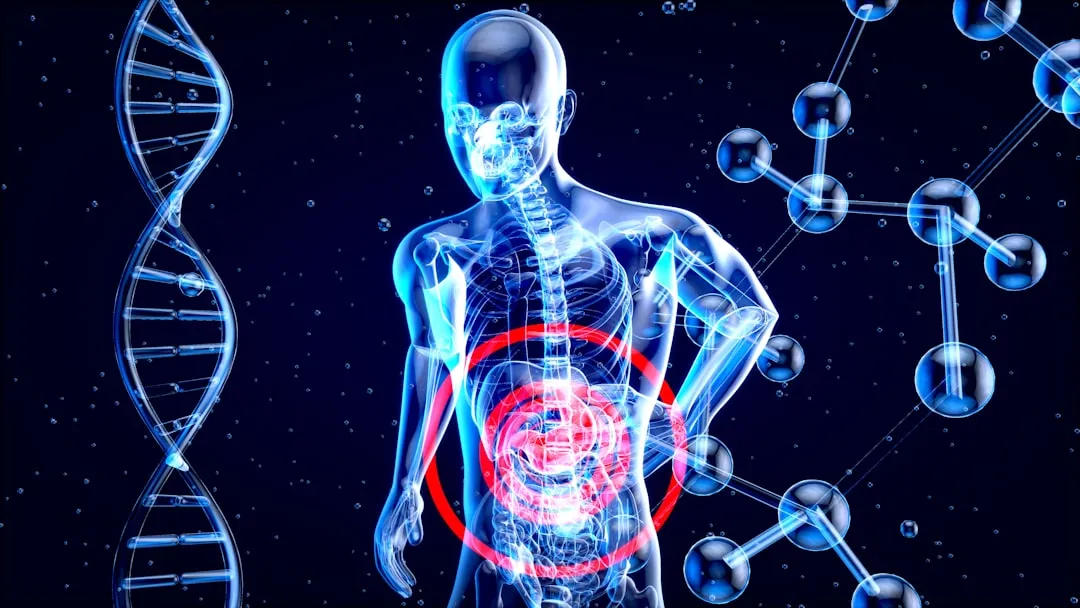
Knowing what to avoid is just as useful as knowing what to eat. Highly processed foods, refined sugars, and alcohol all tend to feed opportunistic bacteria that thrive when the gut’s protective community is weakened. A diverse, plant-forward diet produces a diverse microbiome, and a diverse microbiome is more resilient to future disturbance.
Ultra-processed foods also tend to be low in the exact fibers that surviving beneficial microbes need to regrow. The recovery window after antibiotics is essentially a window of opportunity where what you put on your plate carries more weight than usual. Treating it that way pays dividends.
What the Research Still Cannot Fully Answer
The interactions between probiotics and the gut microbiome remain an emerging area of research with potential benefits, although it is currently unclear what effect probiotics have on modulation of the gut microbiome during and post-antibiotic treatment, with studies showing varying effects. This is an honest caveat worth keeping in mind.
Antibiotic treatment often causes collateral damage to the gut microbiota, including changes in its diversity and composition. Dietary fiber helps maintain intestinal health, regulate short-chain fatty acids, and promote recovery of the intestinal microbiome. However, it remains unclear which specific plant-based dietary fiber is optimal as a dietary supplement for restoring the intestinal microbiota after antibiotic disturbance.
Science rarely delivers clean, universal prescriptions, and the gut microbiome is no exception. Individual responses vary depending on the antibiotic type, the person’s baseline microbiome, and pre-existing diet. A healthcare provider can help tailor recommendations when the situation is more complex.
The Takeaway

Recovering your gut after antibiotics is not complicated in principle, even if the biology is. The four foods with the strongest evidence behind them, yogurt, kefir, fermented vegetables like kimchi and sauerkraut, and high-fiber plant foods, work best when eaten consistently and in variety rather than as sporadic additions.
Supporting your gut with the right foods can speed up recovery after antibiotic use. Restoring gut health after antibiotics takes time and effort, but with the right approach, you can help your digestive system regain balance. The simplest framing is this: eat more of what beneficial bacteria like to eat, and give the process the weeks it genuinely needs.
AI Disclaimer: This article was created with the assistance of AI tools and reviewed by a human editor.