

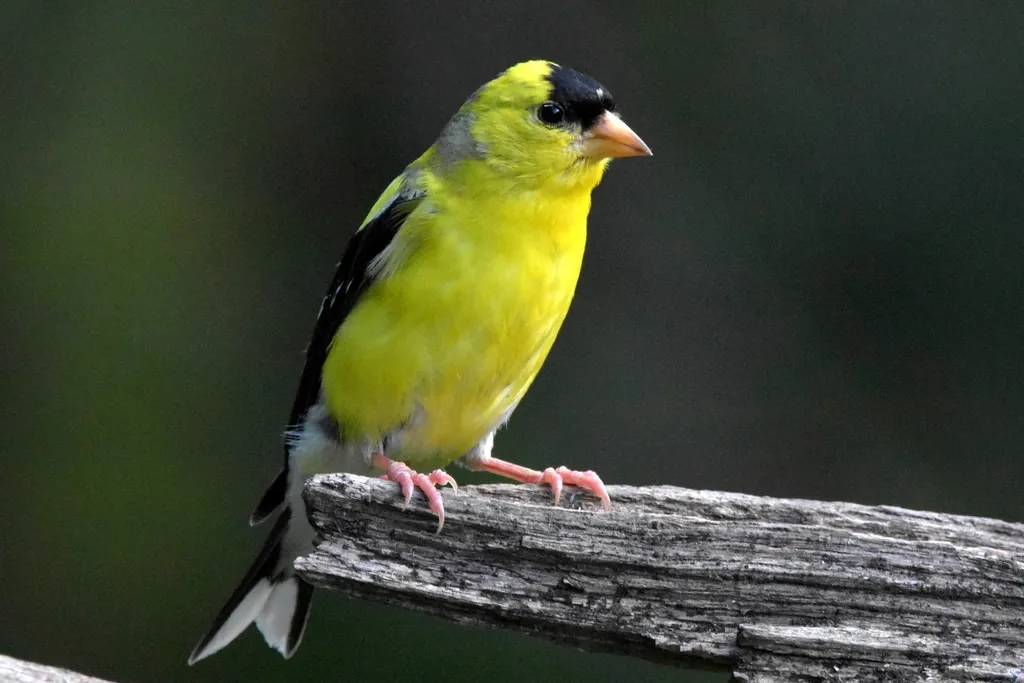
Few backyard birds turn heads quite like a male American Goldfinch in full summer plumage. That electric yellow, paired with crisp black wings, is the kind of color you’d expect to see in a tropical aviary, not clinging to a feeder in the suburbs of Ohio or Oregon. Yet for many birders, these birds remain stubbornly elusive, visiting briefly and unpredictably before vanishing for weeks.
The trick to reliable goldfinch visits usually comes down to one thing: feeder choice. According to the Cornell Lab of Ornithology, American goldfinches are among the strictest vegetarians in the bird world, feeding almost exclusively on seeds. This unique dietary preference means they require feeders specifically designed for their feeding behavior and preferred foods like nyjer seed. Get the feeder style wrong, and even the best seed won’t hold them.
Because the goldfinch diet is so specialized, goldfinches have developed a reputation as picky or finicky feeders. It’s not uncommon to see them visit a feeder and then abruptly leave without feeding. In truth, they aren’t finicky eaters; they just require a more specialized diet consisting of certain types of seeds. Understanding that distinction changes everything about how you set up your yard.
Why Goldfinches Are Worth the Extra Effort
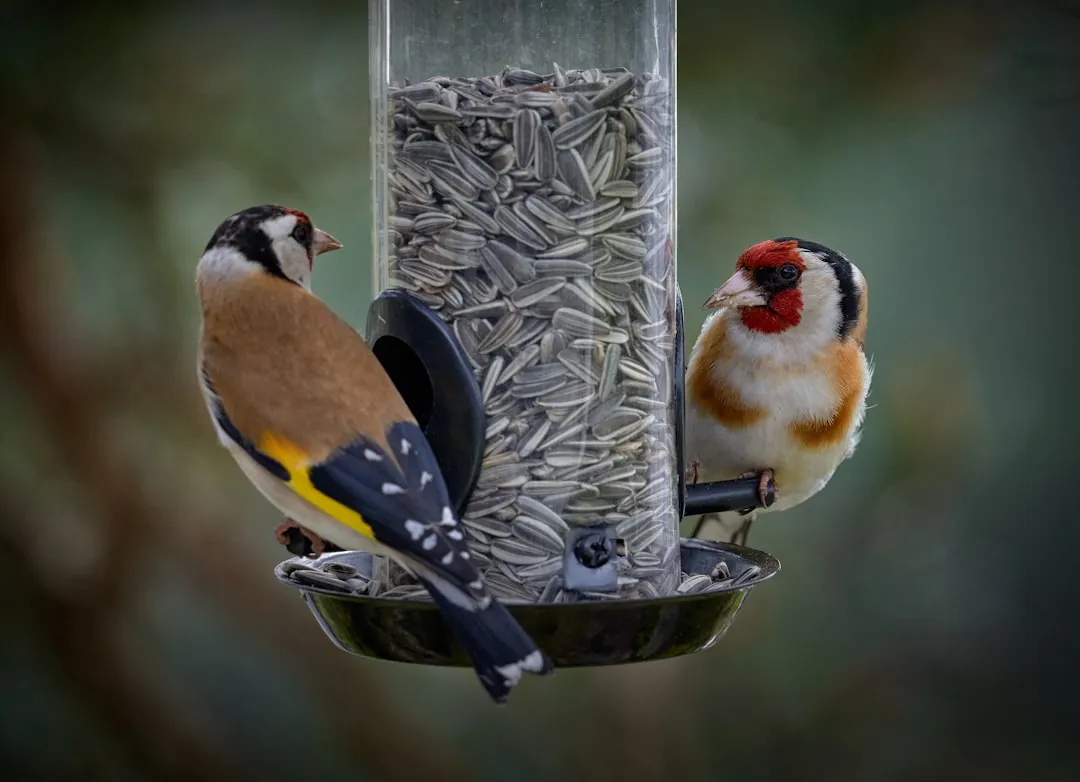
The American goldfinch is the state bird of New Jersey, Iowa, and Washington, and is a welcome and common visitor at feeders, where it takes primarily sunflower and nyjer. Despite being technically common across much of North America, consistent visits require the right setup. The challenge is that goldfinches are seasonal in their habits, sensitive to seed freshness, and particular about how they access food.
Research from the Cornell Lab of Ornithology reveals goldfinches are daytime feeders that prefer eating while perched rather than foraging on the ground. They use their feet extensively during feeding, often hanging upside-down from seed heads, a behavior your feeder should accommodate. That last detail is worth holding onto as you read through each feeder style below.
#1: The Nyjer Tube Feeder
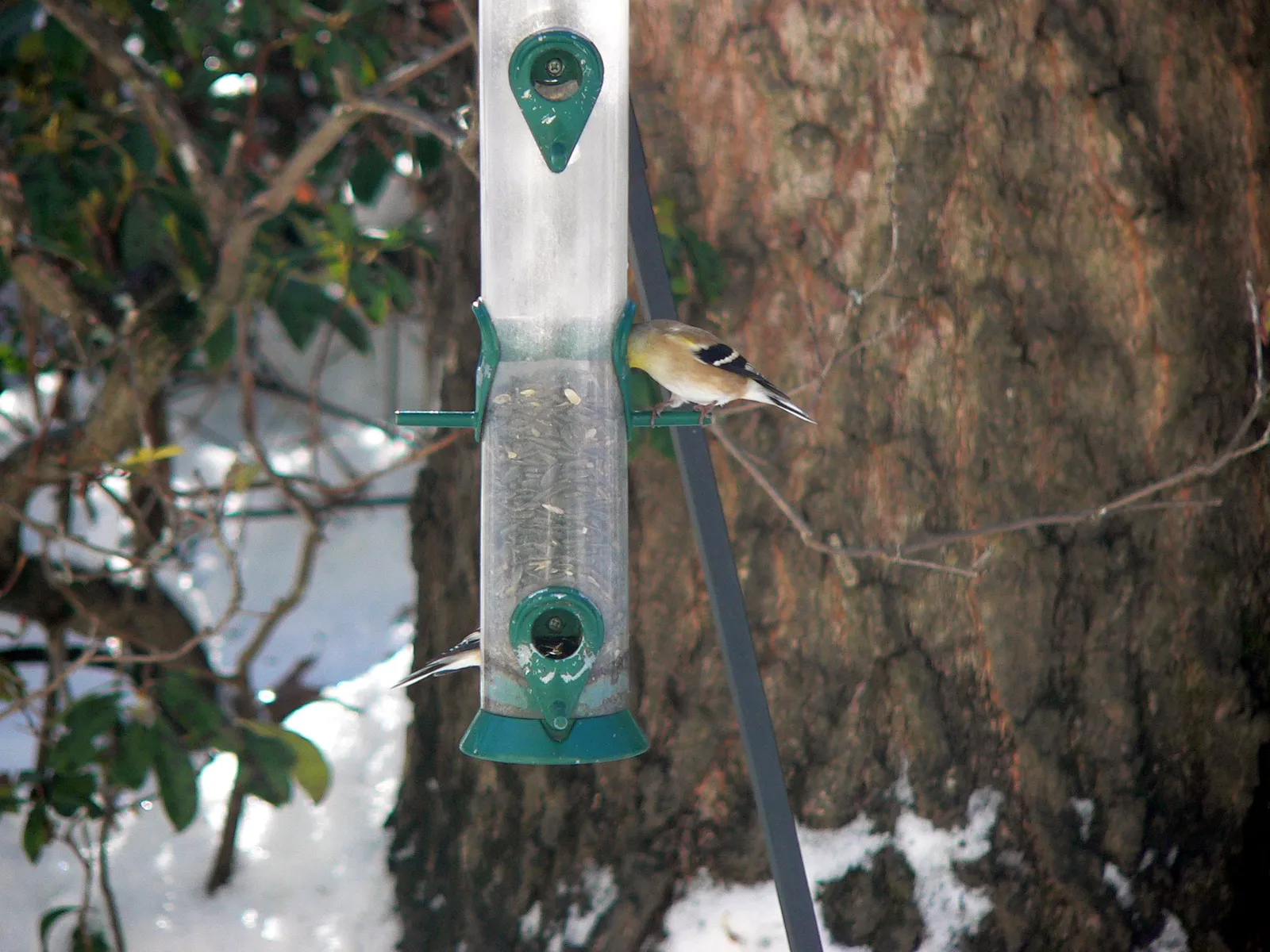
Tube feeders are the most popular type of goldfinch feeders. They are long, cylindrical tubes with multiple feeding ports. They are usually made of plastic or metal and can hold a large amount of seeds. Tube feeders are easy to clean and refill, and they come in different sizes and shapes. For goldfinches specifically, models with narrow ports sized for nyjer seed are the most effective.
Tube feeders feature designated ports with perches, offering controlled feeding positions and easier seed monitoring. They excel at keeping seed dry and work well in wet climates. That weather resistance is a real advantage, particularly in the Northeast and Pacific Northwest where rain is frequent and seed spoilage is a persistent problem.
It is important to use a specialty finch feeder with small feeding ports when offering Nyjer seed; the larger feeding ports on general-purpose feeders will encourage other birds to sort through the Nyjer and cause spilling of seed. A tight-ported tube feeder solves both the waste problem and the bully-bird problem in one go.
#2: The Wire Mesh Tube Feeder
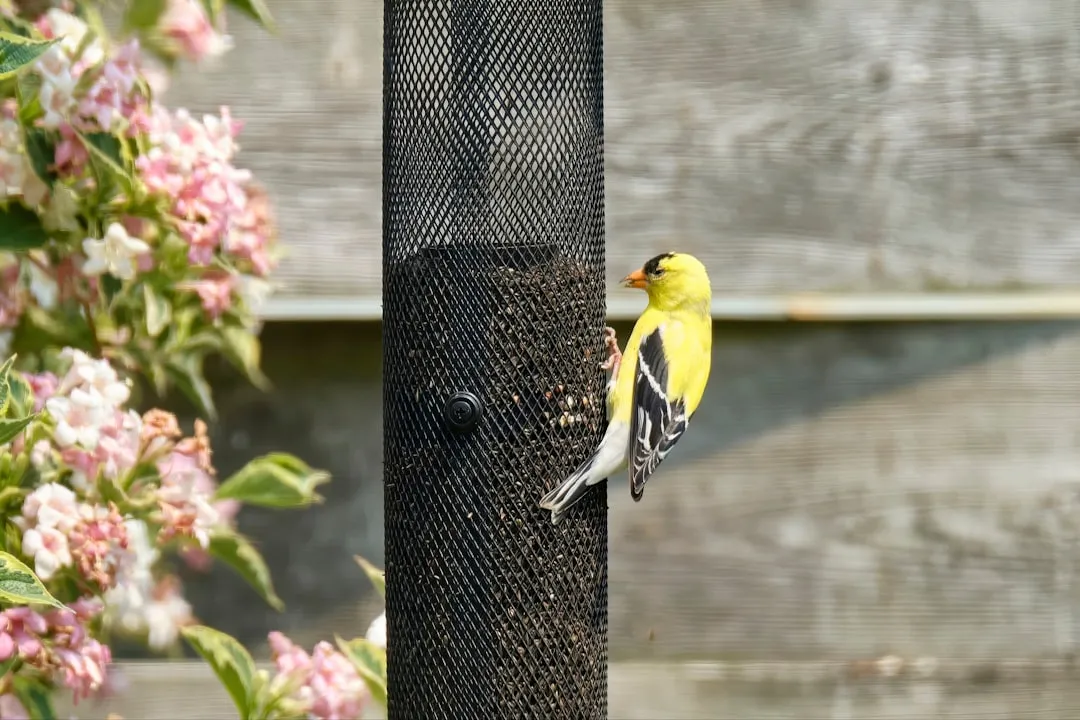
Mesh feeders mimic the natural feeding style finches evolved for, clinging to seed heads and extracting tiny seeds. The Kingsyard Mesh Feeder uses a recycled plastic frame with metal wire grid openings sized specifically for nyjer and thistle seed. This style tends to draw larger flocks because there are no fixed perches limiting how many birds can feed at once.
Finches are naturally drawn to mesh feeders because they can access seed from any angle. That freedom of movement closely replicates what goldfinches do in the wild when they cling to flower stalks and seed heads. Since goldfinches are used to getting seeds from all sorts of flowers and plants, they are very adept at clinging and balancing, even feeding upside down. They have no problem hopping all over this type of feeder and eating in any position.
The wire mesh screen allows finches to pull nyjer or thistle seed out of the feeder without pushing their head into a port. It allows air movement, preventing the nyjer seed from becoming too moist. That airflow benefit matters a lot during humid summers when seed spoilage can become an invisible reason birds stop coming.
#3: The Nyjer Sock Feeder
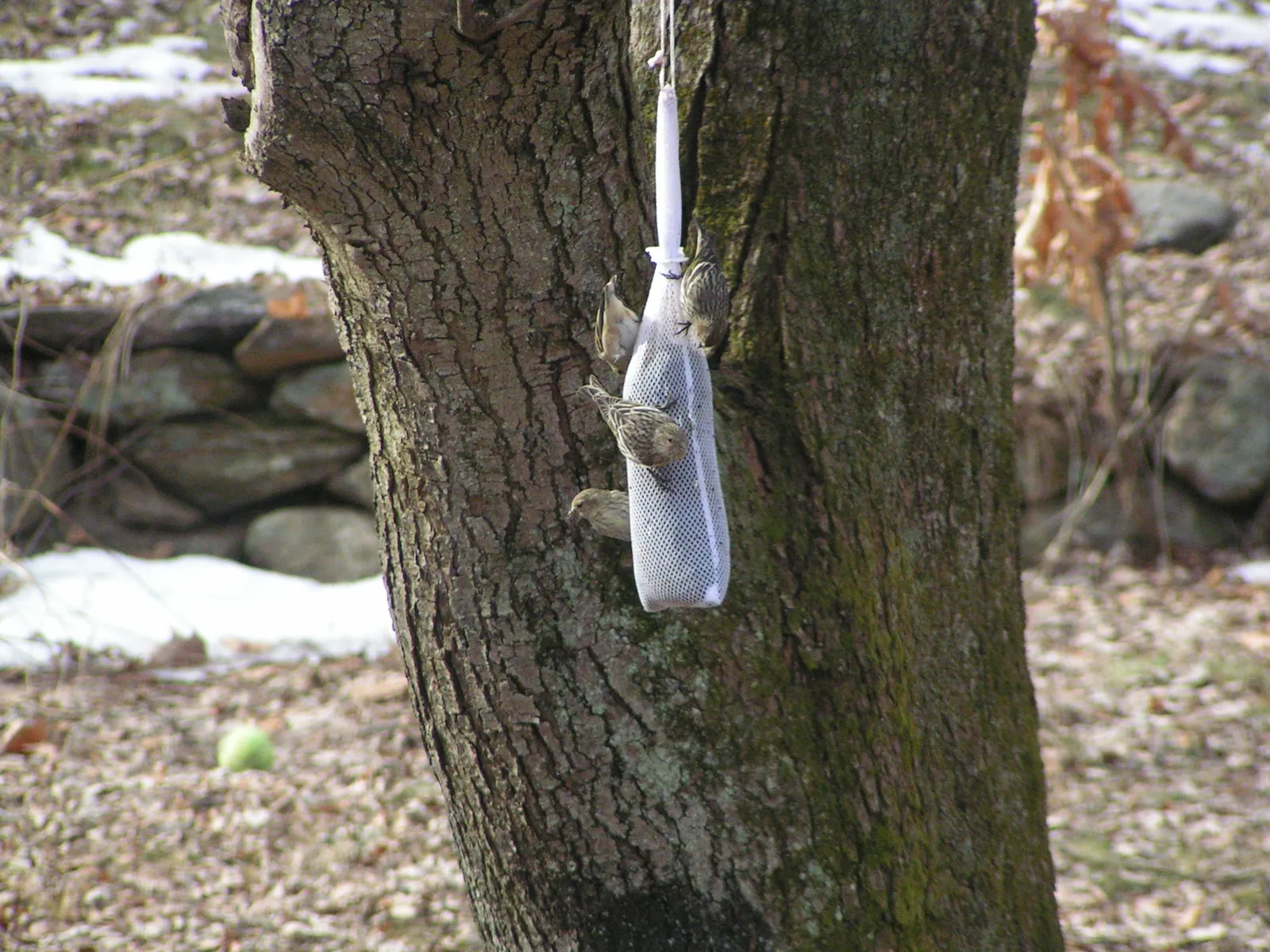
Sock feeders are an extremely popular style, especially for goldfinches. Some bird enthusiasts would argue that goldfinches were built to use sock feeders. Sock feeders can hold a significant amount of seed, reducing the need for frequent refills. Their soft mesh fabric is, for many birds, the most natural-feeling surface to cling to.
Another way you can feed nyjer seed is in a soft mesh “sock.” Some people feel the goldfinches prefer these over wire mesh or tube feeders because the fabric holes are much easier for them to pull seed out of. For newer birders or anyone on a tight budget, socks are also among the most affordable feeders on the market. If you are feeding on a budget, the thistle sock is the absolute way to go.
Another thing people like about fabric socks is that because they have holes all over, water drains well. This avoids some of the spoilage and some of the messy clumps that can form at the bottom of traditional metal or plastic feeders. The main tradeoff is longevity. They do wear out much faster than something metal or plastic. However, many people can get 6 to 12 months out of a sock, maybe even more if you do a little sewing and mending.
#4: The Upside-Down Tube Feeder
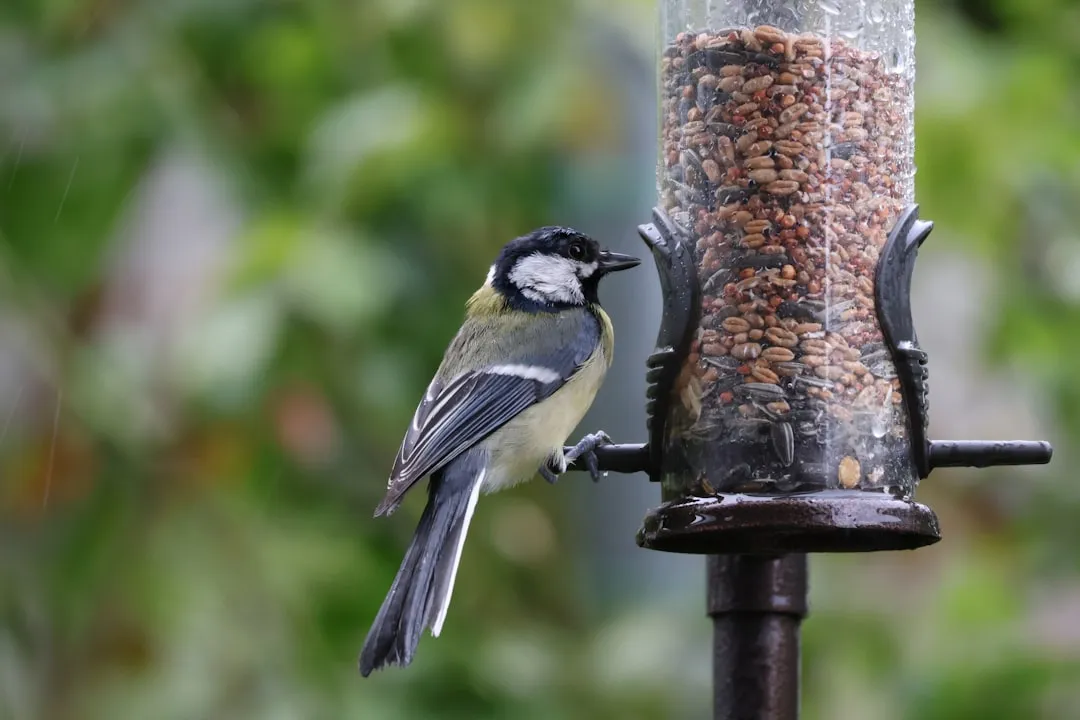
There is a tube feeder for goldfinches called an “upside-down feeder.” This feeder has the perches above the feeding ports. The goldfinches dangle upside down to reach the seed. This discourages some of the larger backyard birds from getting to the seed. It’s a genuinely clever design that works with goldfinch behavior rather than against it.
The Tails Up Goldfinch Feeder is an all-plastic feeder specifically designed for fine seeds such as Nyjer or fine sunflower kernels. It holds about 1.25 cups of seed. The upside-down design was created to discourage House Finches from dominating finch feeders, with the perches located under the feeding ports. If House Finches are outcompeting your goldfinches, this style is the most targeted fix available.
They are the only birds that will hang upside down from the perches to access the seed. That behavioral quirk becomes a natural selection filter, essentially reserving the feeder for goldfinches. Watching them hang and twist for each morsel is also, quite frankly, one of the better shows a backyard can offer.
What Seed to Pair With Each Feeder Style
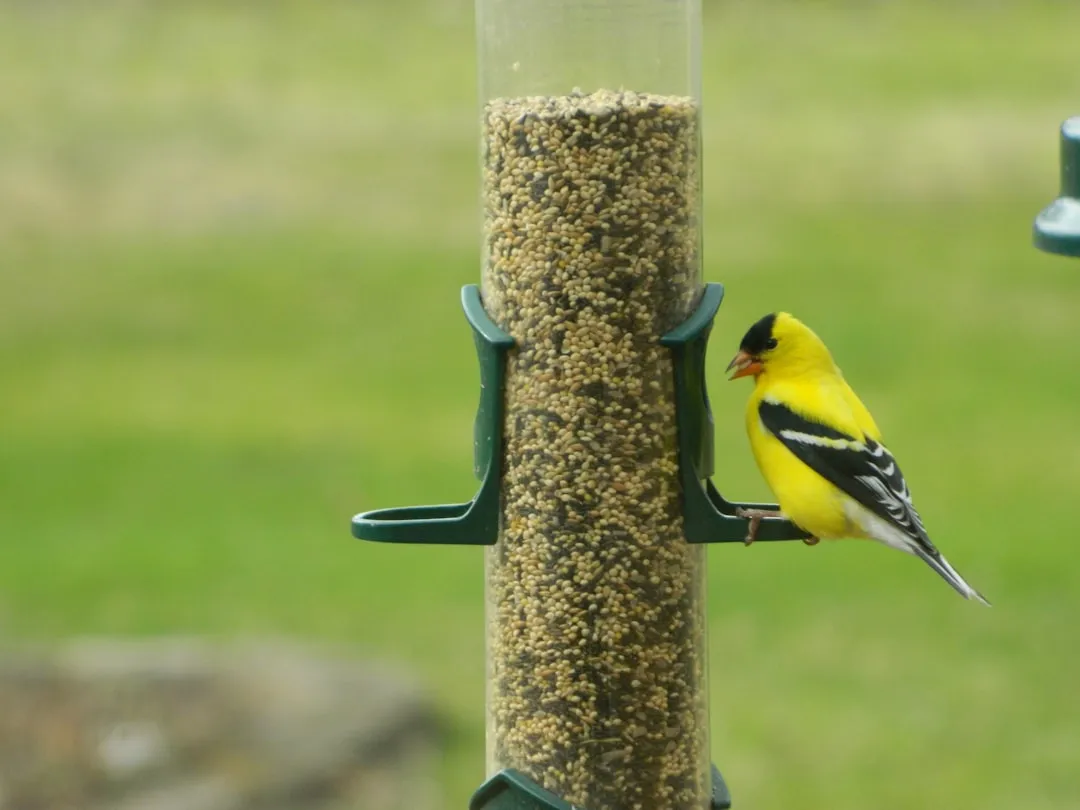
Your top two bird seed choices for the American Goldfinch are nyjer seed and sunflower chips. Be sure to get sunflower chips versus regular seeds. Goldfinches have tiny beaks and aren’t able to easily crack the shell. Nyjer works best in tube and sock feeders with small ports. Sunflower chips pair well with mesh and platform-style setups.
If your Nyjer feeder is not getting much activity, you might want to try offering finely chopped sunflower chips instead in your finch feeder. Goldfinches like it just as well or better than Nyjer, and it is more attractive to other birds like titmice, chickadees, and house finches. That flexibility is useful to know when seasonal patterns shift and nyjer suddenly stops drawing a crowd.
The Importance of Seed Freshness
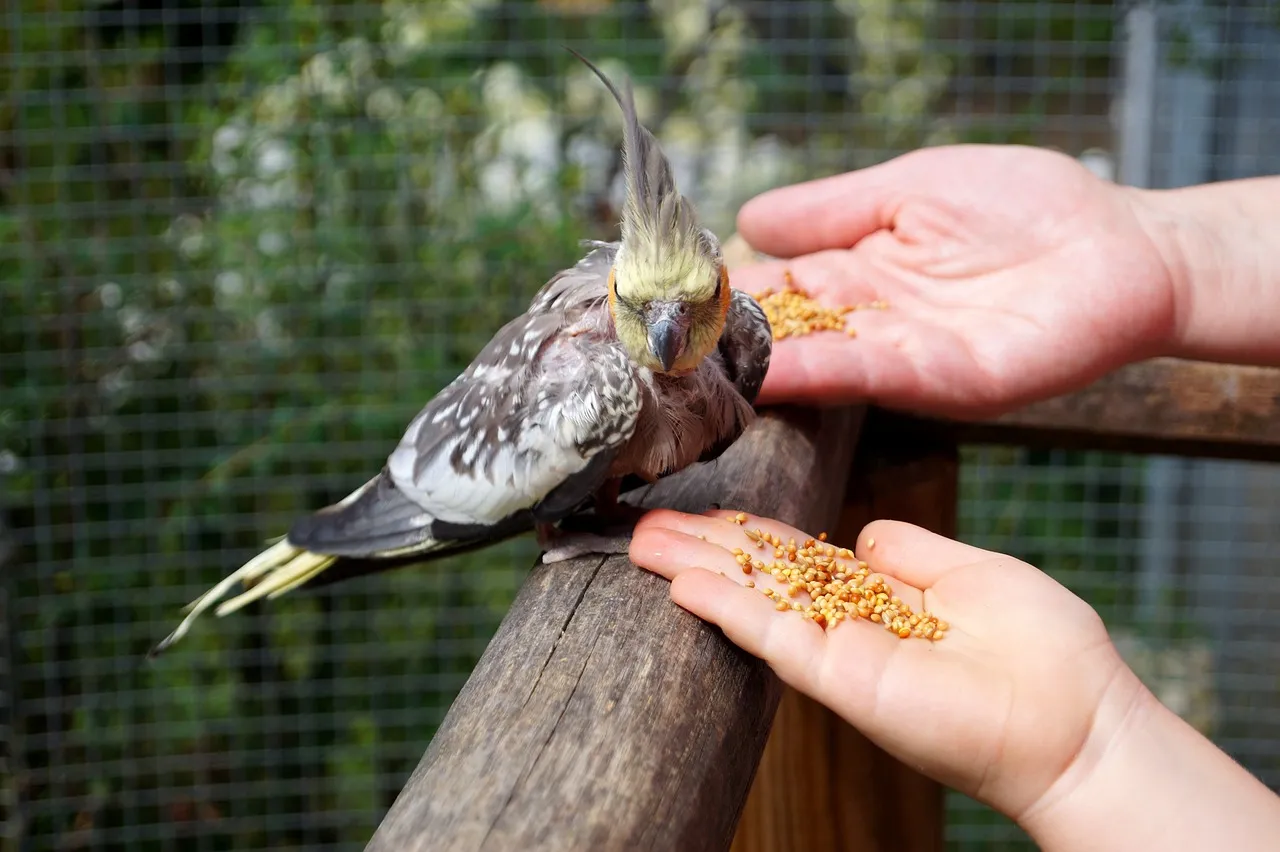
A fresh nyjer seed looks black and a little shiny. Because nyjer is not native to the U.S., it must be heat-treated before it is sold here to prevent the fallen seeds from germinating and becoming invasive. This can dry out some of those oils. They also just dry out naturally over time and exposure to air. The seeds will take on a more brown color and appear dusty and dull with no shine as they dry out. Finches are very attuned to this and they want nothing to do with dried-out seeds.
If seed has been in the feeder for a long time, particularly if it has gotten wet, it may have spoiled or gone stale. Replace your seed if there is any visible mold, clumping together from moisture, if it has lost its wholesome nutty smell, or if it has been in the feeder for over a month with no activity. This single maintenance habit probably saves more goldfinch visits than any feeder upgrade.
Feeder Placement and Social Behavior
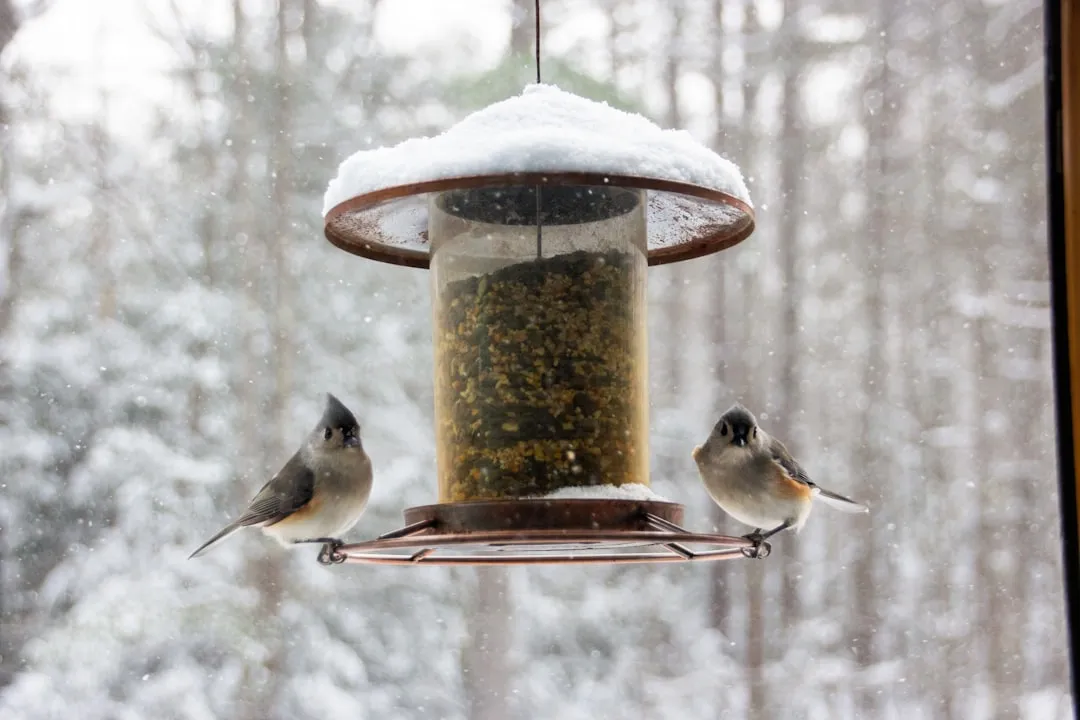
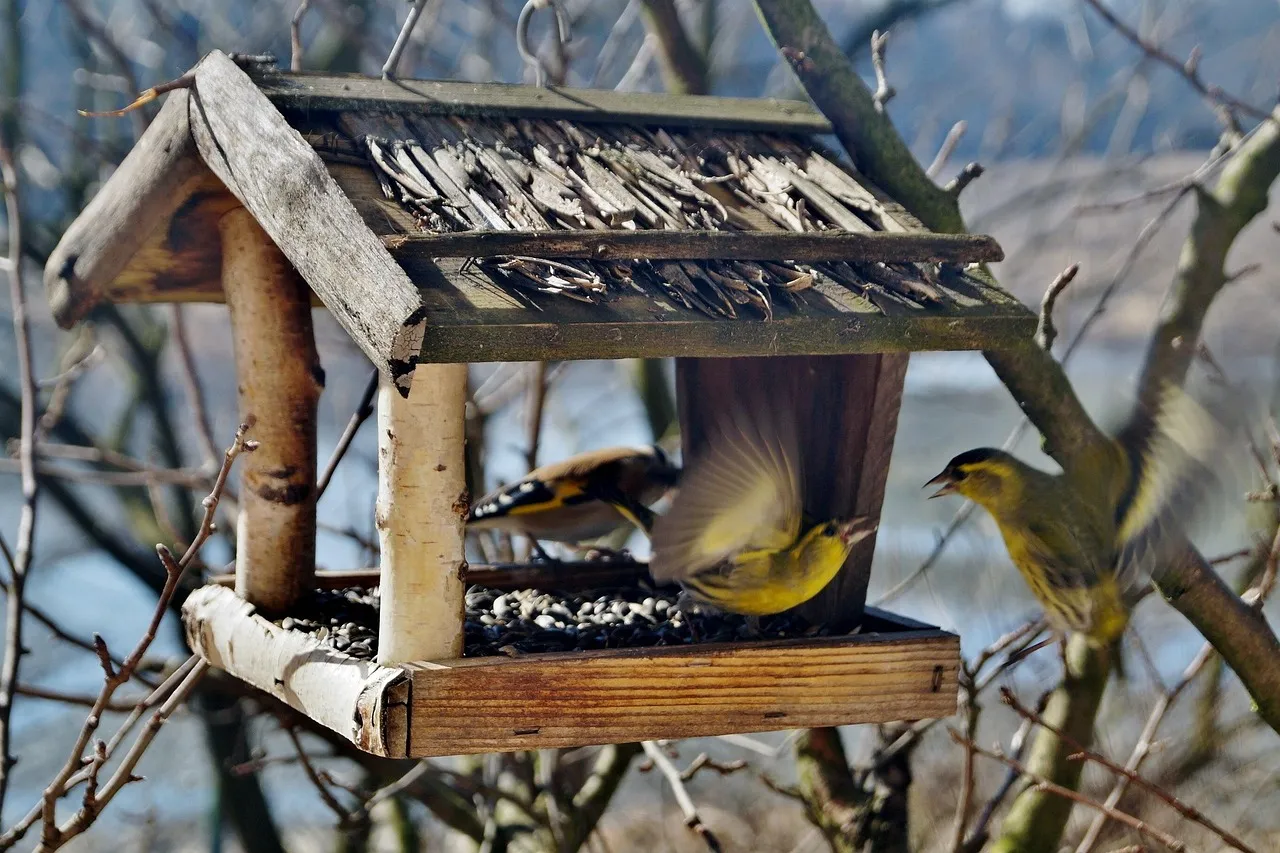
Look for a feeder with plenty of openings, since goldfinches are social birds and usually look for food in small groups. Goldfinches tend to arrive in loose flocks, and a single-port feeder will cause waiting birds to drift away. Many finches, goldfinches included, travel in groups. While they will sometimes show up alone, most of the time you will have two to six or more show up at your feeder at the same time. The more feeding space you can provide, the better.
Placing a feeder near shrubs is a good choice, so that the goldfinches have a place to retreat to if they get frightened. Even a few feet of distance between the feeder and nearby cover can make anxious birds more willing to settle in and stay. Providing fresh nyjer seed in specialized feeders placed strategically near protective vegetation replicates their natural feeding conditions best.
Seasonal Patterns You Should Expect
There is a seasonality component that seems to impact the presence of goldfinches at feeders. During the spring and summer, the specific seed types that goldfinches favor are readily available during natural foraging. Because of this seasonal availability, far more goldfinches are seen at feeders in the fall and winter versus the spring and summer. A quiet feeder in July is not necessarily a failed feeder.
One reason for reduced summer feeder activity is nesting behavior; winter-flocking goldfinches break up into breeding pairs and stay close to their nesting sites. Another reason is the seasonal abundance of natural foods as goldfinches feed first on new growth and flower buds, and then on the seeds produced by grasses, thistles, and other plants. Patience through the warm months usually pays off come October.
Feeder Hygiene and Bird Health
To protect American Goldfinches from contagious diseases at feeders, keep the ground well raked. Seed accumulation below feeders creates a damp environment where fungal growth can spread quickly to the birds themselves. This is a step many backyard feeders overlook entirely, and it matters more than most people realize.
There is evidence that tube feeders with ports help to spread conjunctivitis more than other feeder types. Mesh tube feeders do not utilize ports but instead use mesh screens that do not require a bird’s head to enter to collect seeds. Additionally, metal mesh is easier to clean than a port, especially those port feeders with moving parts. For anyone who has seen a bird with swollen eyes at the feeder, switching to a mesh design is a practical preventive step.
Conclusion: Matching the Feeder to the Bird
Each of the four feeder styles covered here, the nyjer tube, the wire mesh tube, the sock feeder, and the upside-down tube, has genuine merit. When choosing a goldfinch feeder, it’s important to consider the type of birds you want to attract, the amount of seeds you want to provide, and the size of your garden. Tube feeders are perfect for a variety of birds, while mesh and sock feeders are ideal for goldfinches specifically. The right choice depends on your yard, your climate, and how much maintenance you’re willing to commit to.
When putting up a finch feeder for the first time, it may take from a few days to several months for birds to discover it. Unlike a standard sunflower feeder, which is attractive to many different species, nyjer is most strongly attractive to goldfinches in particular, and you will have to wait for them to locate the feeder by sight. Once they find it and trust it, goldfinches tend to become reliable regulars. That first steady visit, after all the fresh seed and careful placement, tends to feel well-earned.
AI Disclaimer: This article was created with the assistance of AI tools and reviewed by a human editor.