
Most squash plants don’t get eaten from the outside. They get hollowed out from within, and by the time the leaves start to droop, the damage is already done. That’s what makes the squash vine borer one of the most frustrating pests in the home garden.
The good news is there’s a quick, hands-on test you can do at the base of your plants right now, in about three seconds, that tells you whether the threat has already arrived. Here’s everything you need to know.
What the Squash Vine Borer Actually Is
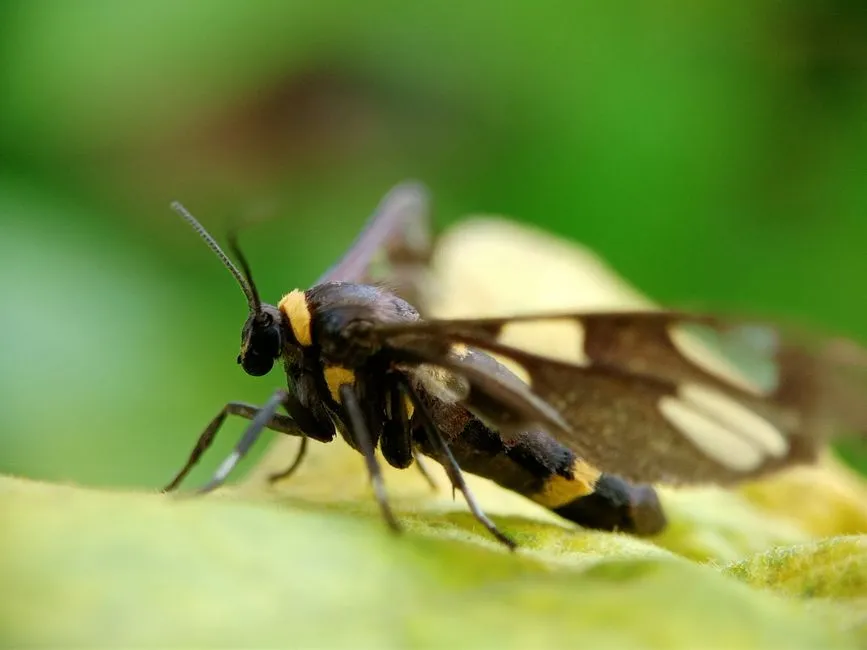
Squash vine borers (Melittia cucurbitae) are clearwing moths belonging to the family Sesiidae within the order Lepidoptera. Most people never connect the moth they see darting around their garden to the pest that kills their zucchini.
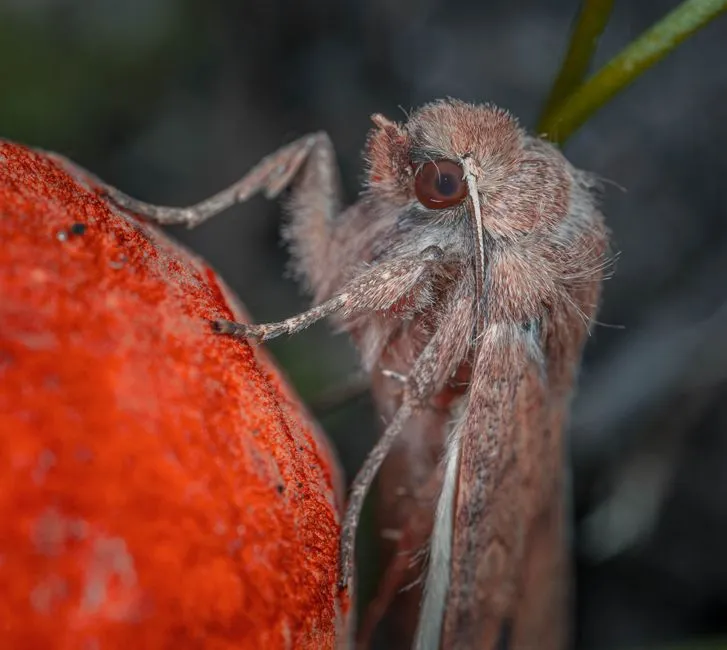
Adult moths are unique in that they fly during the day and mimic wasps, with a metallic green first pair of wings and an orange abdomen dotted with black spots. They’re bold and buzzy, and easy to confuse with something harmless.
Damage is exclusively caused by the larval stage. Larvae tunnel through the main stem and runners, destroying vascular tissue and weakening the plant’s structural support. The adult is the signal; the larvae are the real problem.
Why Timing Is Everything This Season
Squash vine borer typically emerges in late June and can decimate entire fields of cucurbit crops in a single season. That window is narrow, and most gardeners miss it entirely.
Moths emerge in late June and July, when 900 Growing Degree Days (Base 50) have been reached, which often coincides with full bloom of the common roadside weed chicory. If you’ve noticed chicory flowering along roadsides lately, take that as your cue to start checking.
This insect overwinters as a pupa, typically emerging as an adult in mid-to-late June. The moths then lay eggs throughout July and August, depositing them individually or in small groups on the stem of the host plant just above the ground surface. They don’t waste any time once they emerge.
The 3-Second Stem Squeeze Test
This is the test. Walk to your squash plant, crouch down, and gently squeeze the stem near the soil line with two fingers. It should feel firm and solid, like a healthy carrot. If it doesn’t, something is wrong.
If you gently squeeze the base of the stem where an infestation exists, it may feel mushy, spongy, or even hollow where the borer has eaten away the tissue. This is unmistakable evidence that a borer is feeding and tunneling vigorously within the stem.
The easiest way to check for vine borers is to squeeze the stem near the soil line. If the stem feels hollow, you have a vine borer. Three seconds. That’s really all it takes to know whether your plant is in trouble.
The Second Clue: Frass at the Base
After the squeeze test, immediately look down at the stem’s surface and around the soil line. You’re looking for something that resembles wet, orange sawdust. That material has a name.
As larvae feed, they leave behind characteristic light brown frass that resembles sawdust. It gets pushed outward through small holes in the stem as the larva tunnels deeper inside.
Sawdust-like frass near the base of the plant is the best evidence of squash vine borer activity. Careful examination will uncover yellow-brown excrement pushed out through holes in the side of the stem at the point of wilting. If you see frass, don’t wait. Act the same day.
How Quickly Things Fall Apart
Damage caused by squash vine borer larvae can easily be overlooked until infested plants wilt and die in late July and August. The first symptom of feeding damage is when plants wilt midday, caused by larvae tunneling through vines and destroying the tissues that transport water.
The first noticeable symptom is usually wilting that disappears at night when transpiration slows. As damage progresses, vines will no longer recover, will not respond to watering, and may die. A plant that perks back up at night might fool you into thinking it just needed water.
Because larvae feed internally, infestations are often not detected until vines begin to wilt, at which point management options are limited. The squeeze test is valuable precisely because it catches the problem before the visible wilt stage ever arrives.
The Real Damage Numbers
This pest is not a minor nuisance. The economic impact on gardeners and small farms is genuinely serious, and the data backs that up.
Attack by squash vine borer on pumpkin and squash crops has been reported to cause over 25% yield loss in commercial farms. In home gardens, the loss can be as high as 100% because the pest population is usually concentrated on a limited number of plants.
In home gardens and small farms, entire crops may be lost in a year of high borer populations. That’s not an overstatement. A single female moth can cause complete crop failure if conditions are right.
How Many Eggs One Moth Can Lay
One moth finding your garden isn’t a minor event. The reproductive math here is sobering.
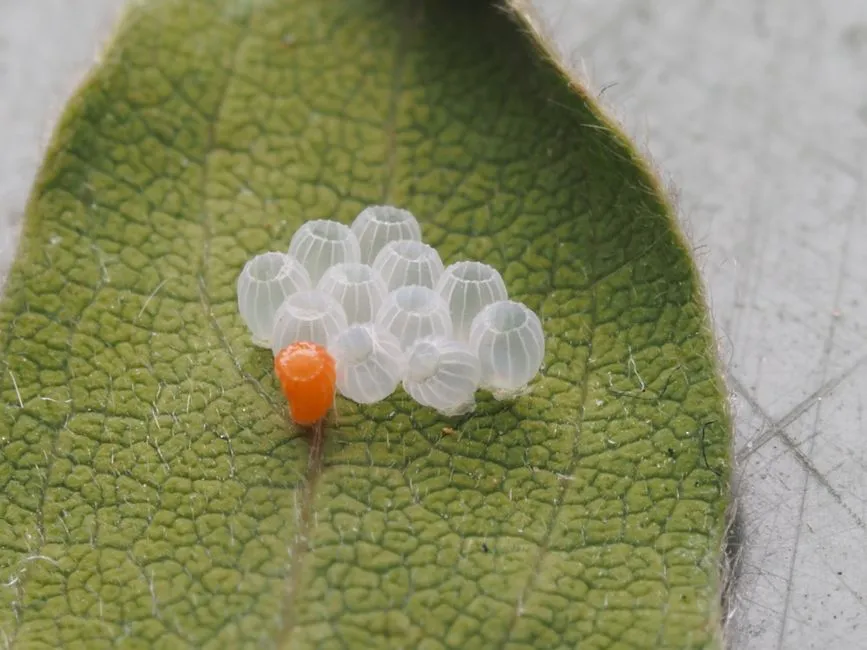
Each female is capable of laying between 150 and 200 eggs. Depending upon temperature, eggs will hatch within 10 to 15 days of being laid. Newly hatched larvae quickly bore into the vine stems to feed for four to six weeks.
The eggs can take up to a week to 10 days to hatch. After hatching, larvae enter the stem of the host plant, leaving a small hole surrounded by frass, a telltale sign. Once they’re inside, the clock is ticking fast.
Which Plants Are at Highest Risk
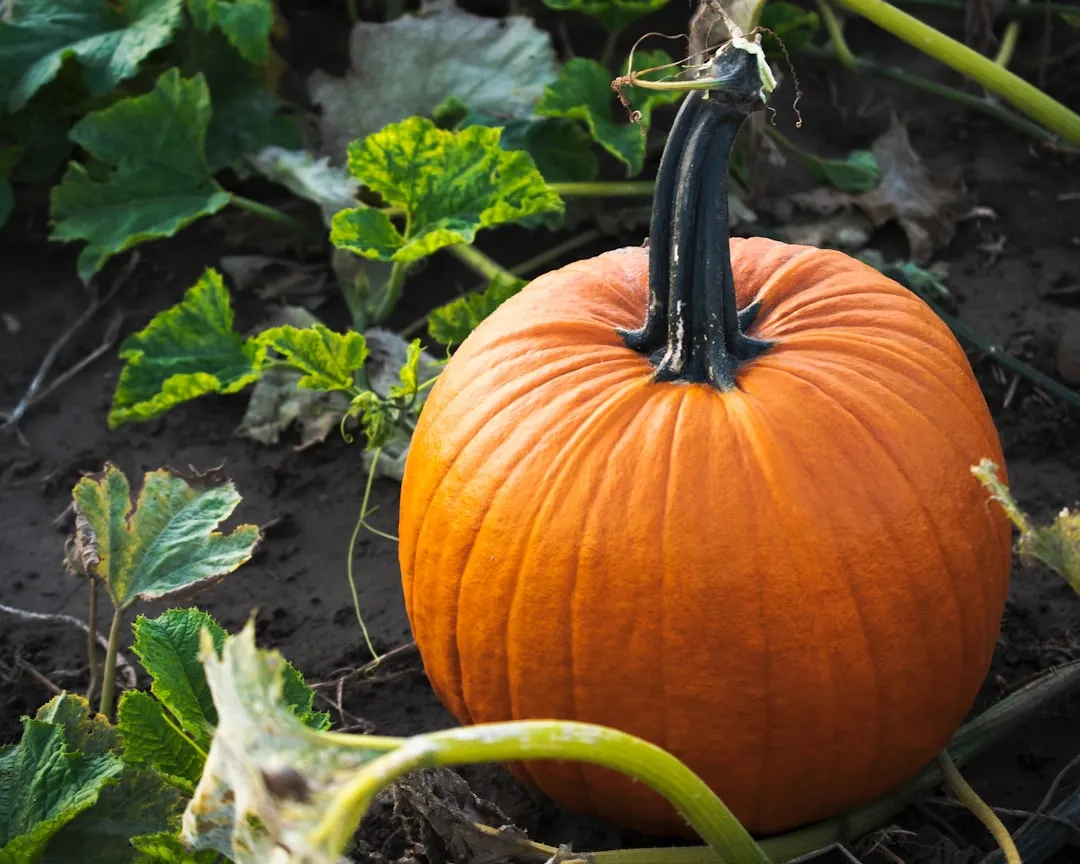
Not every cucurbit in your garden faces equal danger. Knowing which varieties are most vulnerable helps you focus your testing on the right plants first.
Commonly infested cultivars are pumpkin (standard and giant), zucchini, as well as crookneck, straight neck, acorn, patty pan, summer, banana, buttercup, and Hubbard squashes. If you grow any of these, the stem test is non-negotiable right now.
Butternut squash and Cucuzzi (Lagenaria siceraria), also known as the snake gourd, tend to be resistant to squash vine borer attacks. Butternut is a safer bet if you’ve struggled with this pest season after season and want more peace of mind.
What to Do If the Test Comes Back Positive
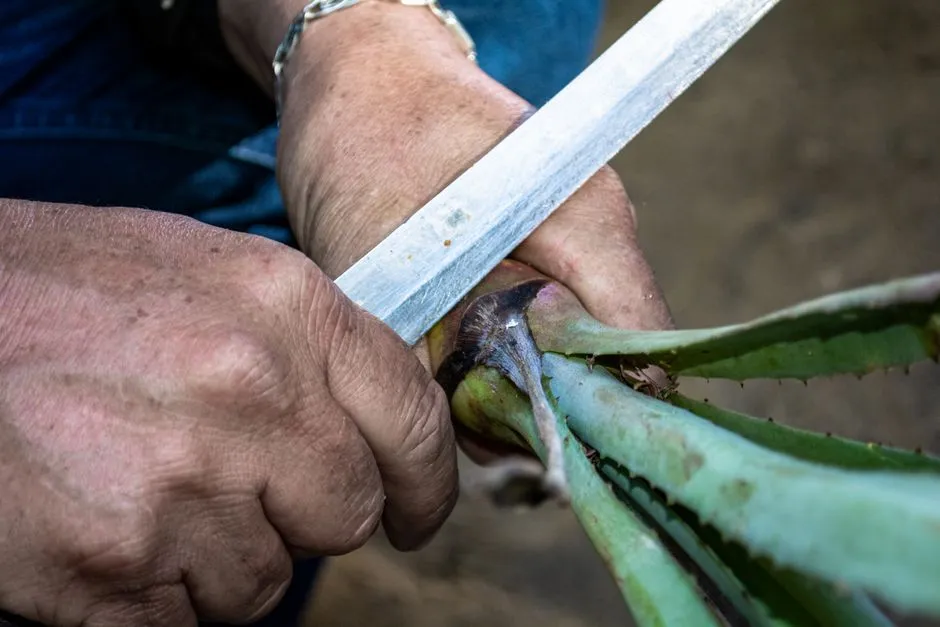
A hollow stem doesn’t mean the plant is already lost. Speed matters enormously here, and there’s a well-established rescue method that experienced growers use.
As soon as wilting is noticed, use a sharp knife to cut a slit in the affected stem. Slice carefully up the vine until you locate the borer or borers. Go slowly, because the larva is usually several inches above the entry hole.
Once you have killed any borers with the tip of the knife, mound moist soil over the cut area and keep this spot well watered. New roots may grow along the cut stem, allowing the plant to survive. It sounds dramatic, but it genuinely works when you catch the problem early enough.
Preventing the Problem Before Next Season
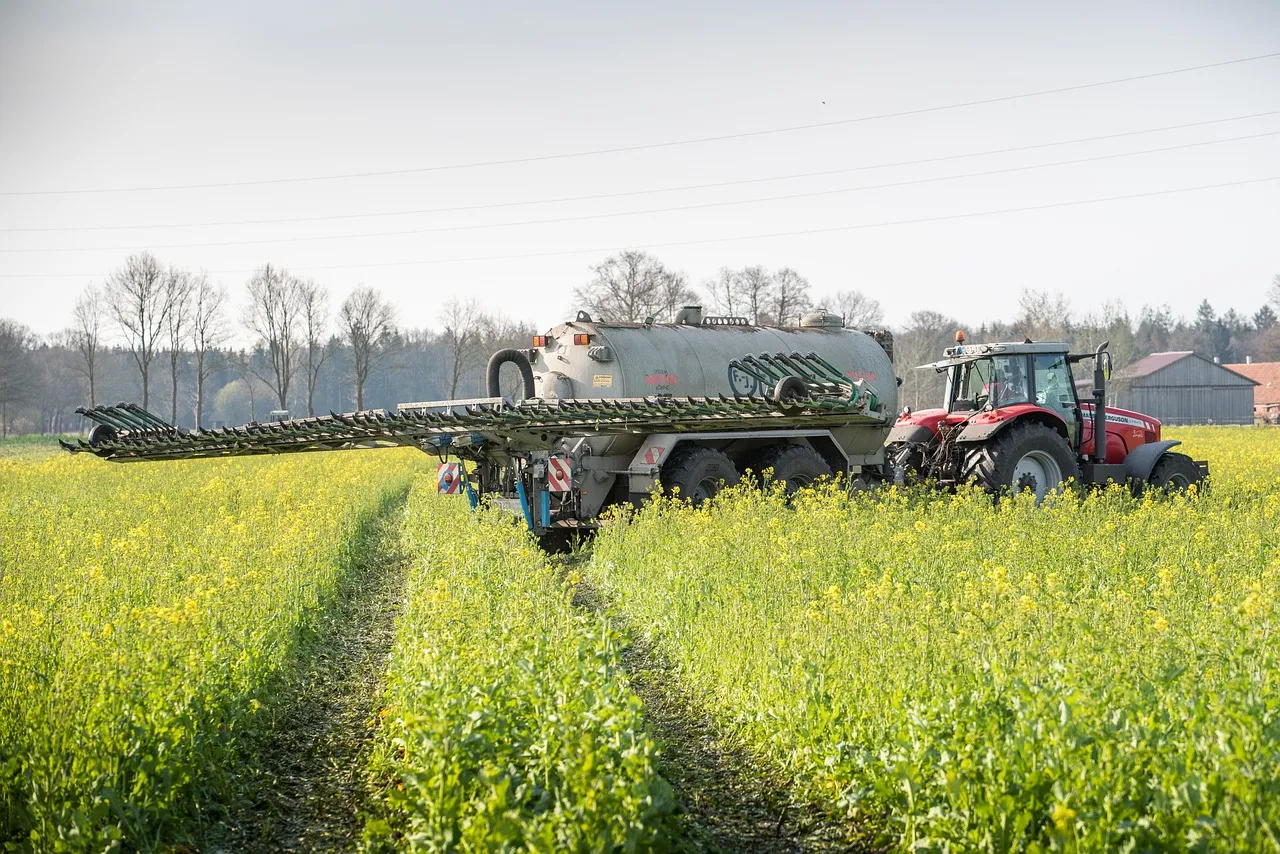
Detection matters right now, but smart prevention cuts down the problem before it ever starts. A few low-effort habits can dramatically change what greets you in next summer’s garden.
Research at the University of Connecticut has shown squash vine borer reductions of 88% in main crops of zucchini or summer squash when a perimeter trap crop of Blue Hubbard squash is used. That’s a remarkable reduction from one simple planting strategy.
Crop rotation away from previously infested fields helps reduce local populations, as overwintering pupae remain in the soil. Fields often need to be rotated more than five miles away, as the borer can fly into fields from long distances. Post-harvest sanitation, including removal and destruction of infested vines, can further limit carryover into the following season.
Once vines have been removed at the end of the season, tilling the soil exposes cocoons on the surface, leaving them vulnerable to predators and more severe winter temperatures. A bit of fall tidying in the garden is one of the most underrated tools in the whole squash vine borer toolkit.
Three seconds at the base of a stem won’t feel like much. Neither does the flat, brown egg that started the whole problem. The squash vine borer wins mostly through timing and invisibility, so checking early, checking often, and knowing exactly what you’re feeling for is the simplest advantage a gardener can have.
AI Disclaimer: This article was created with the assistance of AI tools and reviewed by a human editor.