
The Return of the Fondue Pot
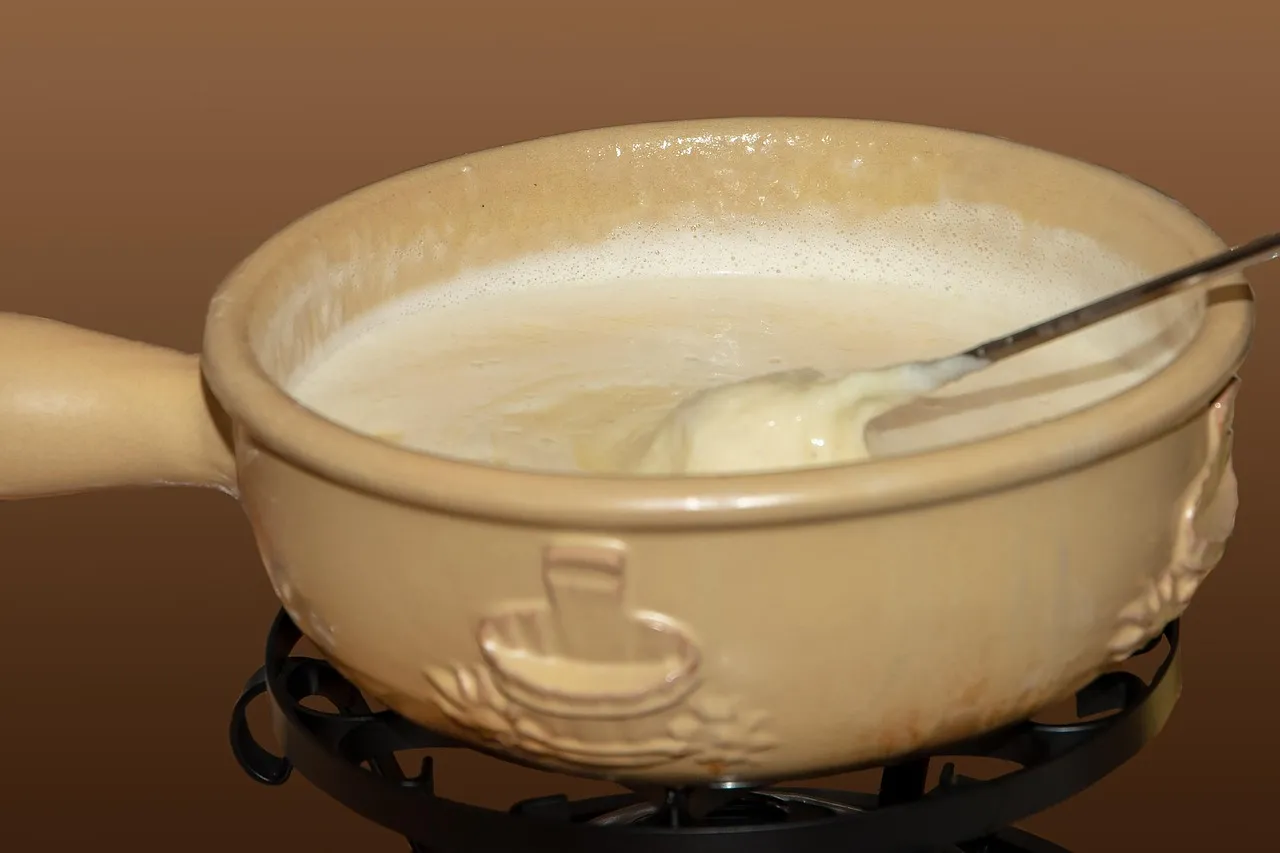
Nothing says 1970s hosting quite like a shared pot of melted cheese and a fistful of long forks, and that ritual is having a genuine moment again. When fondue pots were at the height of their popularity in the 1970s, everyone would gather around the table in their house clogs and bell bottoms with skewers ready to dip into melty cheese, smooth chocolate, and even piping-hot oil for cooking small hunks of meat, and it was meant to be a way to host at home without the mundane feel of a coursed-out dinner and cocktail attire.
Food writers have leaned into this hard, calling recent autumns a full “fondue fall” as more households pull the equipment out of storage. Dinner parties in general have seemed to slowly overtake the concept of merely going out with friends to restaurants, because hosting at home allows for more conversation between everyone, quality time, and a more casual atmosphere. It helps that fondue is genuinely low effort once the pot is on the table, which is exactly the point.
Dressing Up the Table Again
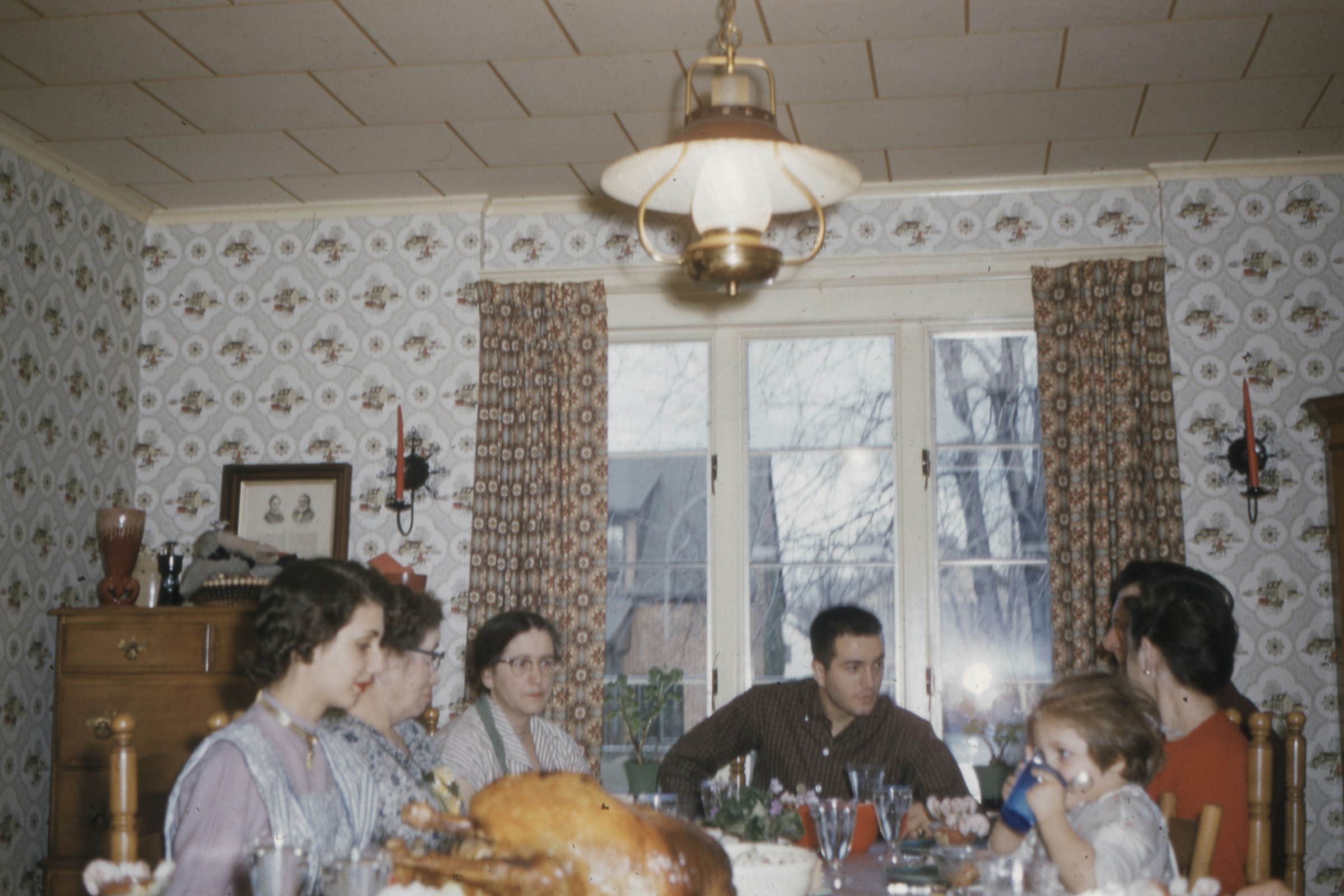
Fondue nights aside, the seventies were not just about casual grazing, they also brought a sense of theater to the table itself. According to Livingetc editor Pip Rich, while the 1950s and 1960s were still quite formal and dinners were about rules and what a proper home should look like, the 1970s were about having fun, with towers of food, fondues, ridiculous cakes, and silly over the top gestures that made the evening memorable.
That spirit has translated into a documented 2025 servingware trend built around bold color, sculptural cloches, and statement flatware. One example is a pitcher fashioned in oxblood, described by a designer as a more grown up take on burgundy, more sophisticated than red, ideal for a dinner party where no kids are allowed. The lesson from the era is simple, a little flourish on the table turns an ordinary meal into an occasion worth remembering.
Punch Bowls Instead of Individual Drinks
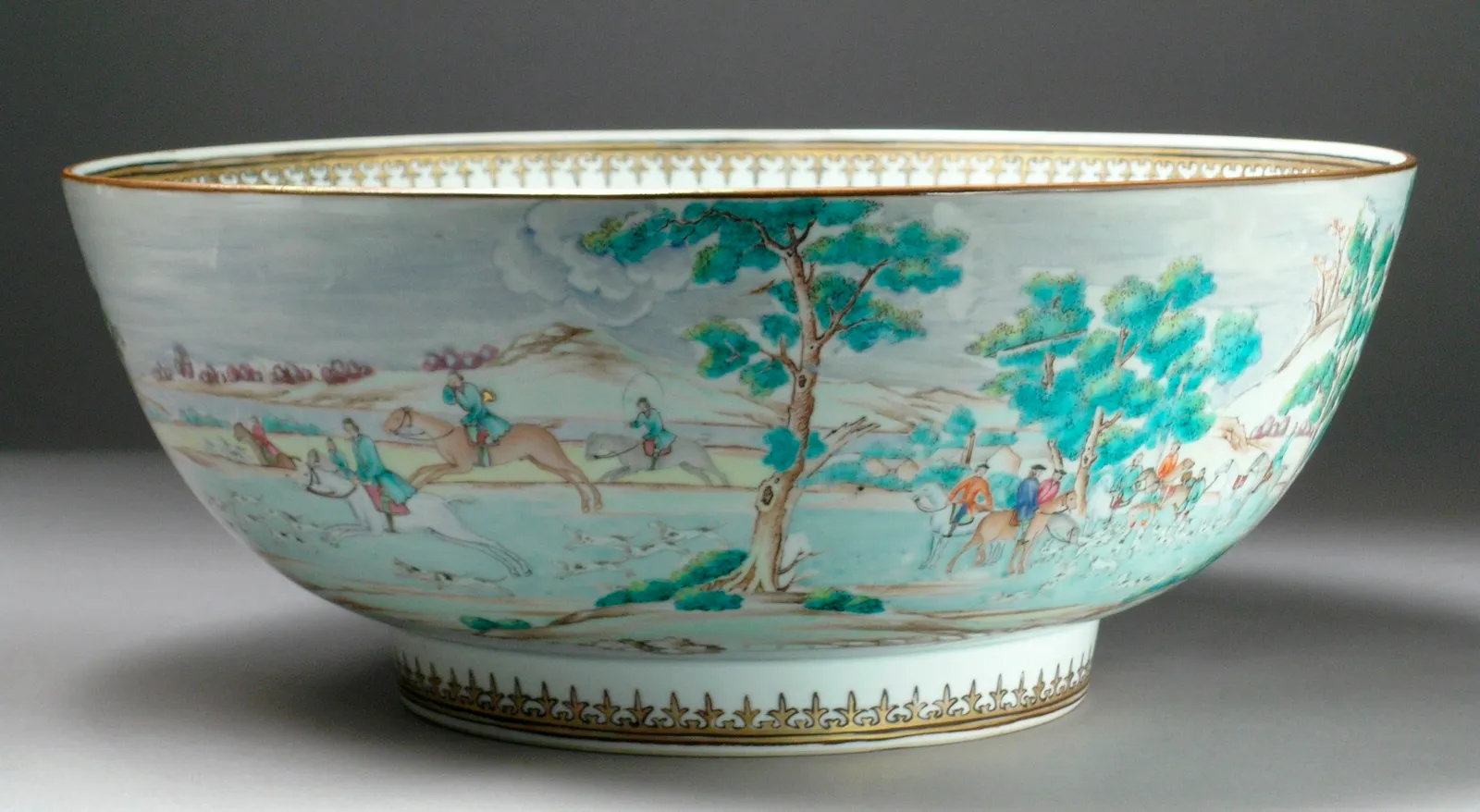
Before craft cocktails and individually mixed drinks took over, the punch bowl sat in the middle of the table doing all the work. It kept guests mingling near the drinks station instead of waiting in line at a makeshift bar, and it meant the host was not stuck mixing cocktails all night. Current fall entertaining advice leans right back into that logic. Hosts are advised to keep the easy-going, group-friendly theme going with a big-batch beverage, whether a party punch, mulled wine, or spiked cider, since a punch bowl goes with the retro feel. It is a small habit, but it changes the whole rhythm of a party, from performance to something closer to a shared, self-serve buffet of good cheer.
The Bar Cart Makes a Comeback
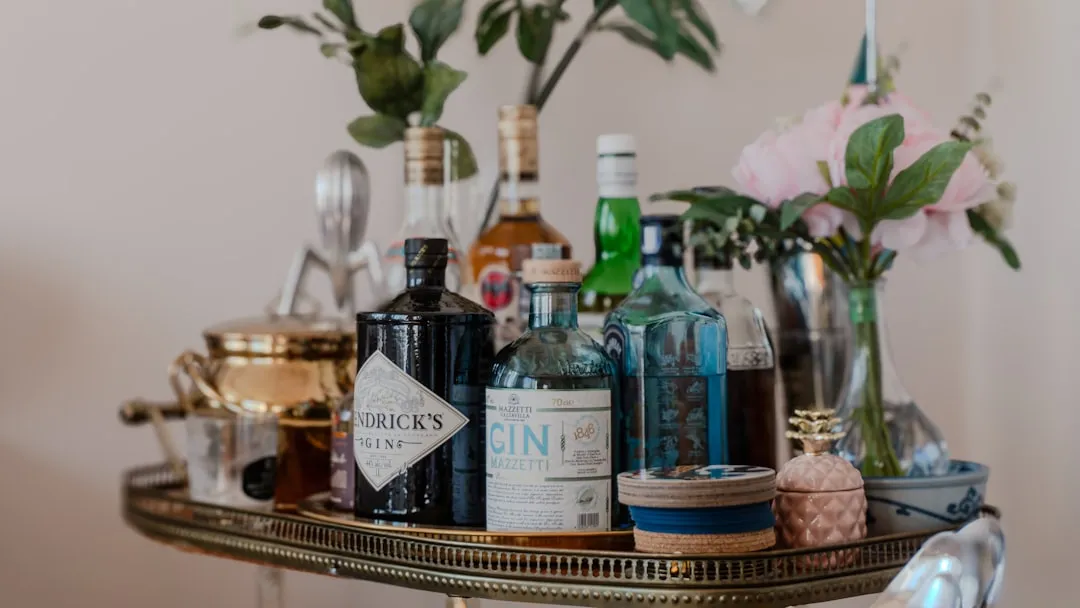
The rolling bar cart, loaded with decanters, a shaker, and a tiny bowl of olives, was a fixture in seventies living rooms and it is back in a serious way. Bar carts were a must-have addition to the sensuous and sleek low-profile furnishings that we now call mid-century modern, and partially owing to critical darlings like Mad Men, vintage cocktail carts have since seen a resurgence and have even become a selling point in restaurants.
Collectors and vintage sellers report growing interest in postmodern designs from the era too, not just the classic brass and glass models. Hard wearing, fun, and full of retro verve, vintage postmodernist bar carts are a wonderfully unexpected take on a newly resurgent interior design trend. Beyond nostalgia, a bar cart is genuinely practical, it frees up counter space and lets guests help themselves without crowding the kitchen.
Retro Party Foods on the Menu
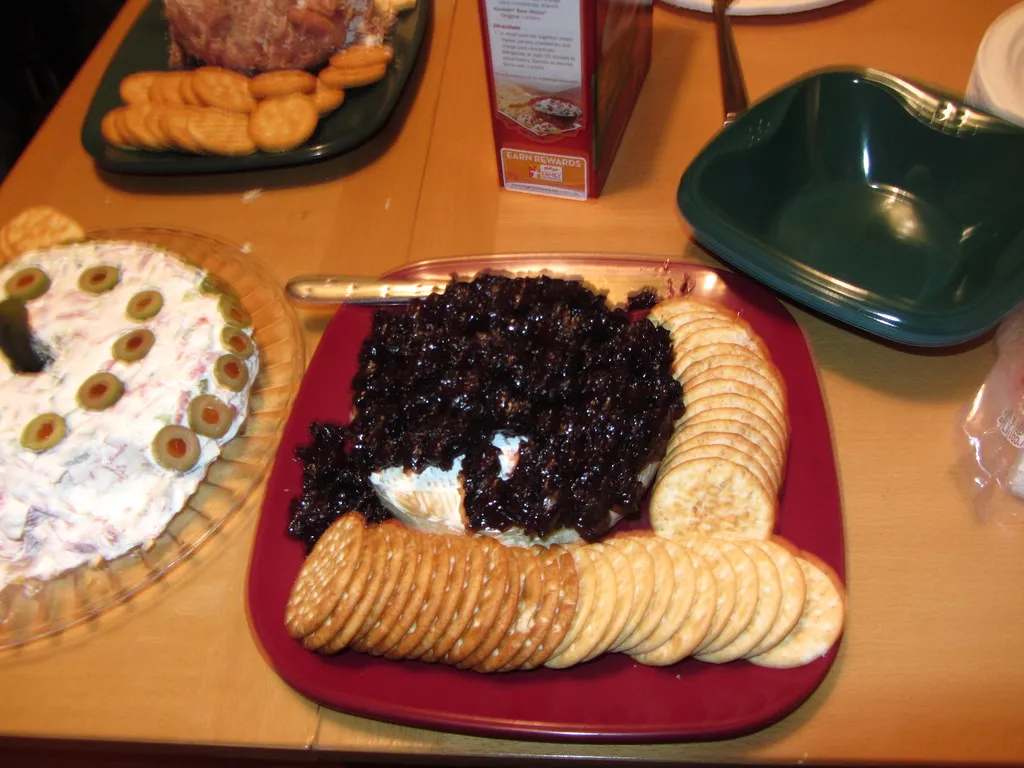
Deviled eggs, shrimp cocktail, and a wobbly trifle for dessert might sound like a joke menu from an old sitcom, but hospitality writers are naming these exact dishes as the ones coming back for 2025 and 2026 gatherings. Interiors and lifestyle writer Sarah Ridley Burman has noted that classic party dishes are making a comeback, think devilled eggs, prawn cocktails, vol-au-vents, and show-stopping desserts like bombe Alaska and trifle.
Part of the appeal is practical rather than sentimental. These are described as the kind of statement bites that feel fancy but can be prepped ahead, so the host is not stuck in the kitchen all night. That combination of visual drama and low stress is precisely why these dishes worked so well the first time around, and it explains why they are working again now.
Parlor Games and No-Agenda Gathering
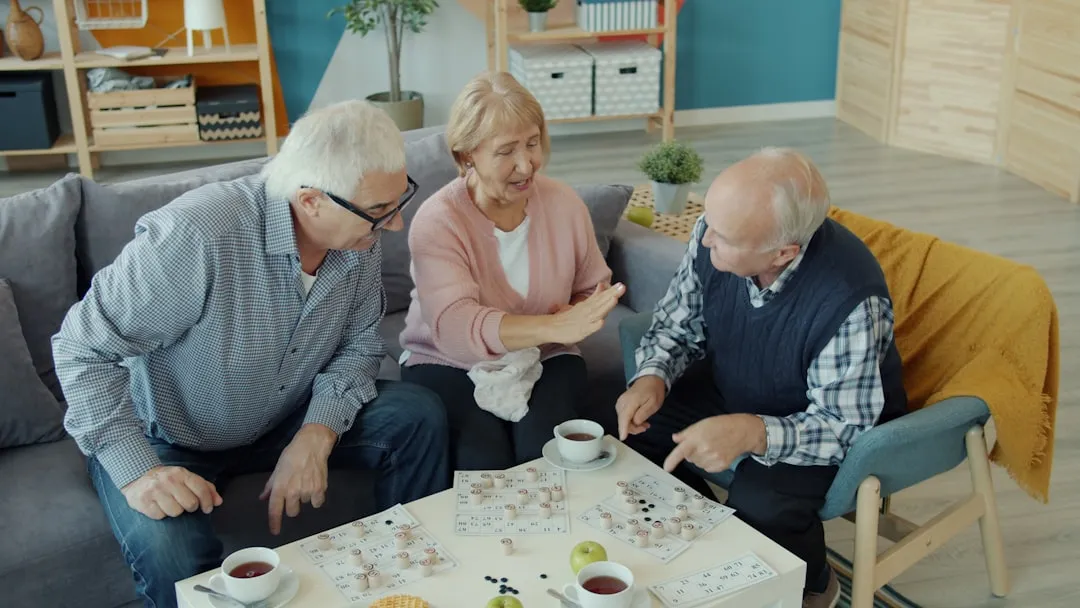
Long before phones gave everyone something to stare at between courses, seventies hosts leaned on games, charades, and simple conversation to carry an evening. That habit is resurfacing under new names. Hospitality writers describe 2025 gatherings built around purpose rather than routine, from crafternoons to goal-setting parties and games nights, because people want to gather with purpose, whether it is learning something new, sharing skills, or just shaking things up. Not everyone loves the trend equally, and some coverage has pushed back on overly structured fun.
A 2025 Town and Country story noted the rise of parlor games and table wide conversation prompts as forced fun at dinner parties, particularly those sponsored by brands. Even with that caveat, the underlying instinct, giving guests something to do together besides just eat, is a genuinely useful one worth reviving with a lighter touch.
Choosing Home Over the Restaurant
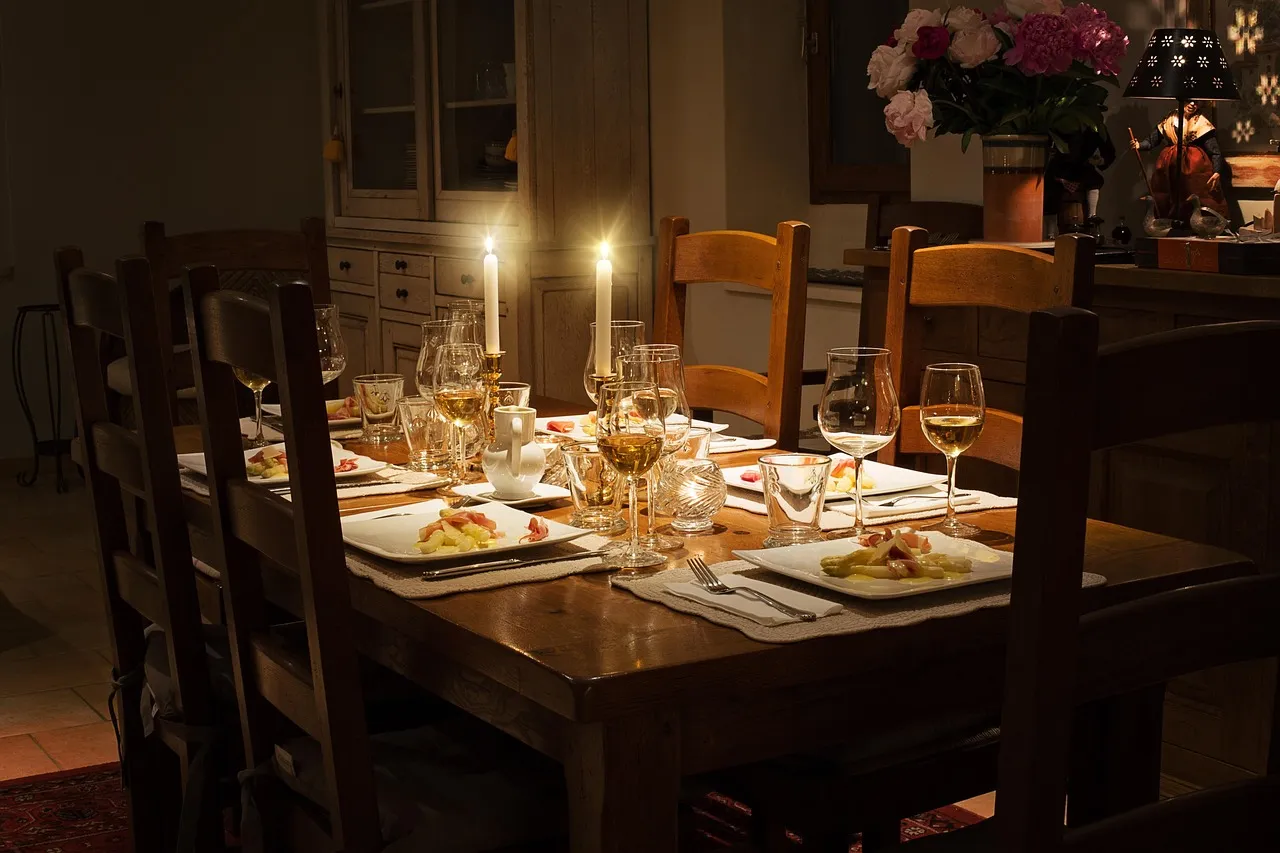
One of the biggest reasons seventies-style entertaining feels relevant again has less to do with aesthetics and more to do with money. A 2025 Talker Research survey of 2,000 Americans found that 72% prefer staying in with friends whenever possible, while just 28% prefer a night out, and half of those respondents said the shift happened in just the past few years. Restaurant economics are part of the story too.
The Bureau of Labor Statistics reported that food away from home prices rose 4.1% from December 2024 to December 2025, compared with 2.4% for food at home. When eating out costs more every year, gathering people around your own table starts to look less like nostalgia and more like common sense.
Progressive Dinners and Supper Clubs
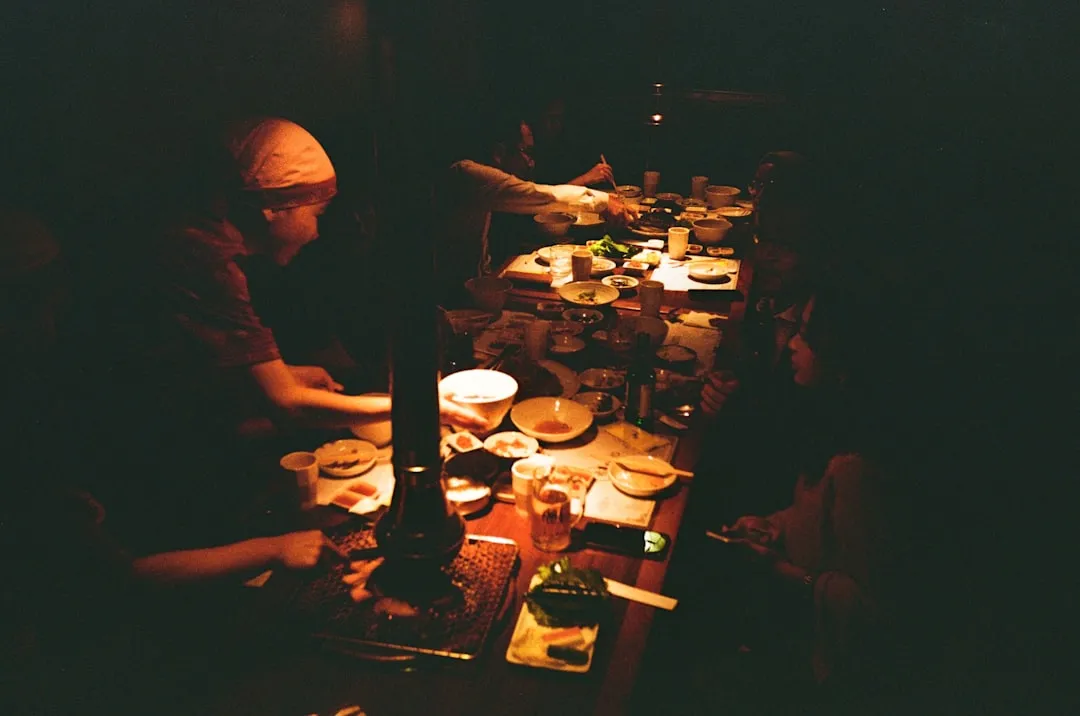
The seventies had a lovely tradition of the progressive dinner, where guests moved from house to house across a single evening, one course per home. Progressive dinners embody a beauty in movement, originating in the late 19th century, turning a meal into a journey with each course unfolding in a different home, vintage ingenuity reimagined for a modern community.
Supper clubs, another retro format, are also having a real moment in cities where informal home dining once thrived. Supper clubs are making a comeback, once underground or improvised, now resurfacing in cities like London, where intimate dining spaces bring strangers together over shared tables, playful themes, and curated menus. Both formats share the same appeal that made them work decades ago, they spread the effort of hosting across a group instead of piling it all onto one exhausted person.
Putting the Phones Away
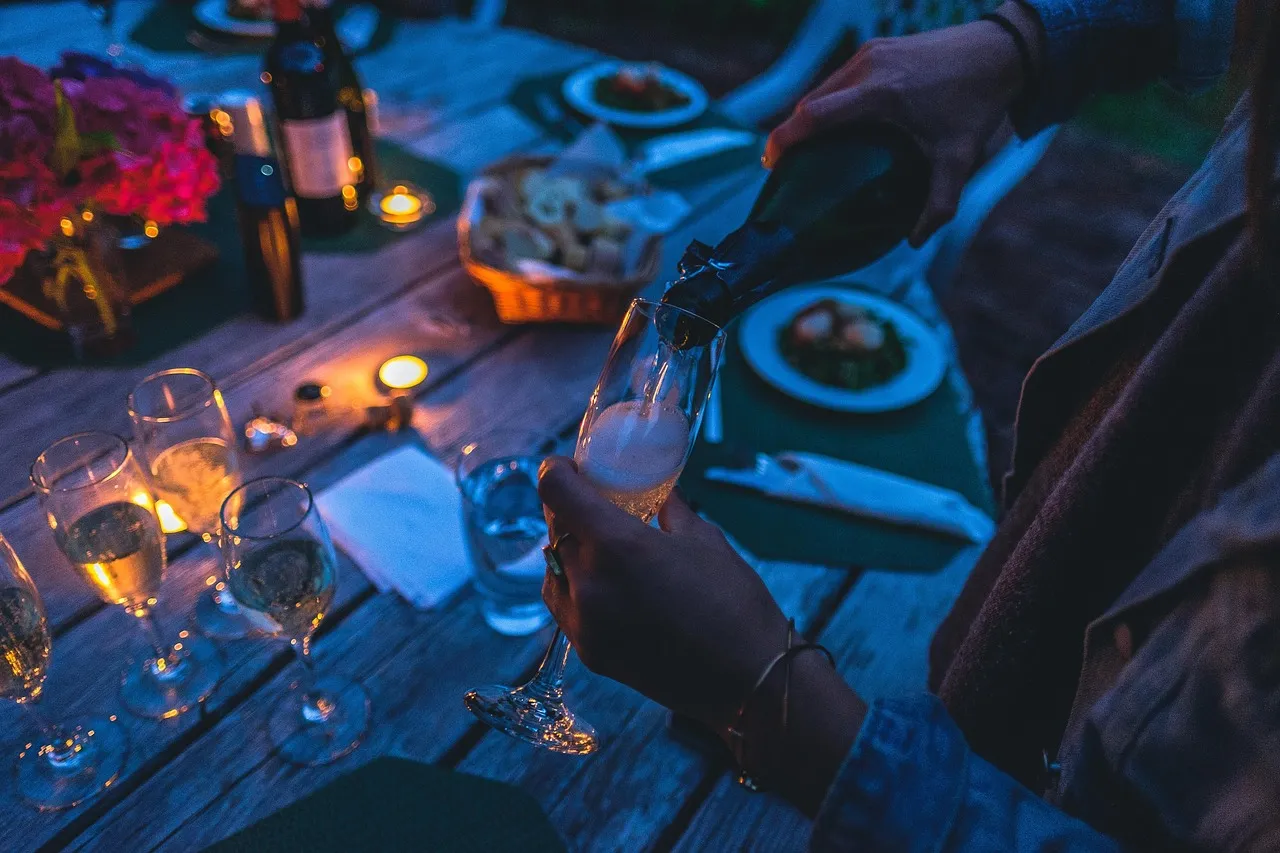
It sounds almost quaint now, but a seventies dinner party genuinely meant undivided attention, since there was nowhere else for anyone’s focus to go. Current writers researching the home entertaining revival keep circling back to that same craving. With rising costs making restaurants less appealing and digital fatigue setting in, inviting friends into your home feels like an act of care, offering a tech-free connection, a shared effort, and a more meaningful alternative to eating out.
There is a broader loneliness backdrop to this too, with one widely cited Atlantic piece pointing to Bureau of Labor Statistics figures showing how rarely Americans actually gather in person these days. A 2025 Atlantic essay titled Americans Need to Party More cited Bureau of Labor Statistics findings that just 4.1 percent of Americans attended or hosted a social event on an average weekend or holiday in 2023. Reviving the old habit of simply showing up, phone-free, for a few hours with friends might be the most valuable seventies throwback of all.
Taking the Party Outside
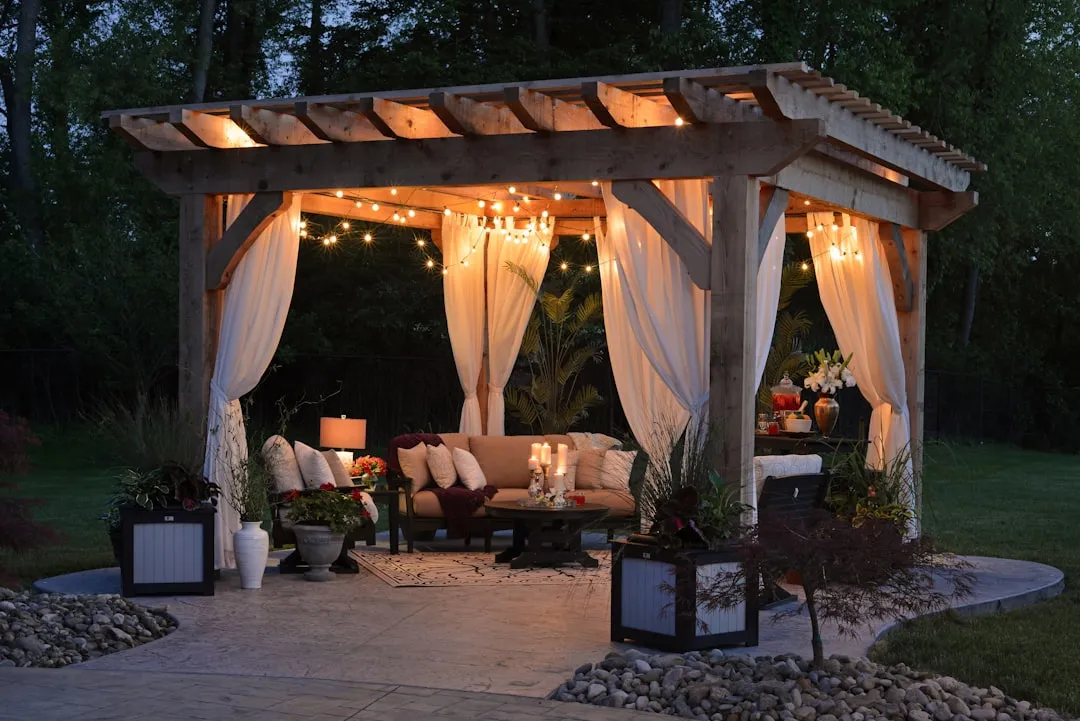
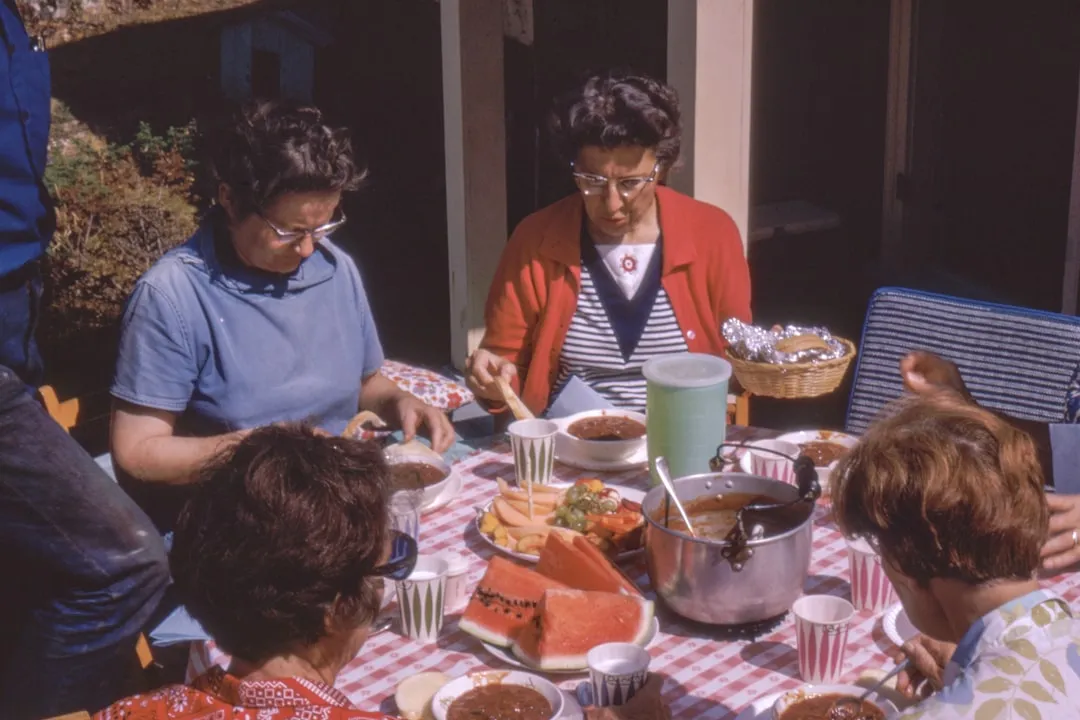
Backyard entertaining was a summer staple in the seventies, with patio furniture, a grill, and citronella candles doing most of the heavy lifting. That instinct is back too, and homeowners are investing real money in it. A 2025 Talker Research survey commissioned by Trex Company found that the most popular exterior home trends people are looking to implement are creating backyard sanctuaries, adding fire pits and outdoor heating elements, and making spaces more private, with two thirds planning to spend more time outdoors, a 22% jump in outdoor time much of it pointed at entertaining and gathering.
Modern fondue advice even nods to this crossover, pairing the melting pot with an evening bonfire rather than a formal dining room. The best thing about fondue is that it can be set up anywhere, the dining room, kitchen island, coffee table, or outside, and bonfires are also an ideal fondue accouterment. Bringing the party outdoors again, minus the avocado green lawn furniture if you prefer, is one seventies habit that never really needed an excuse to come back.
A Simpler Kind of Hosting
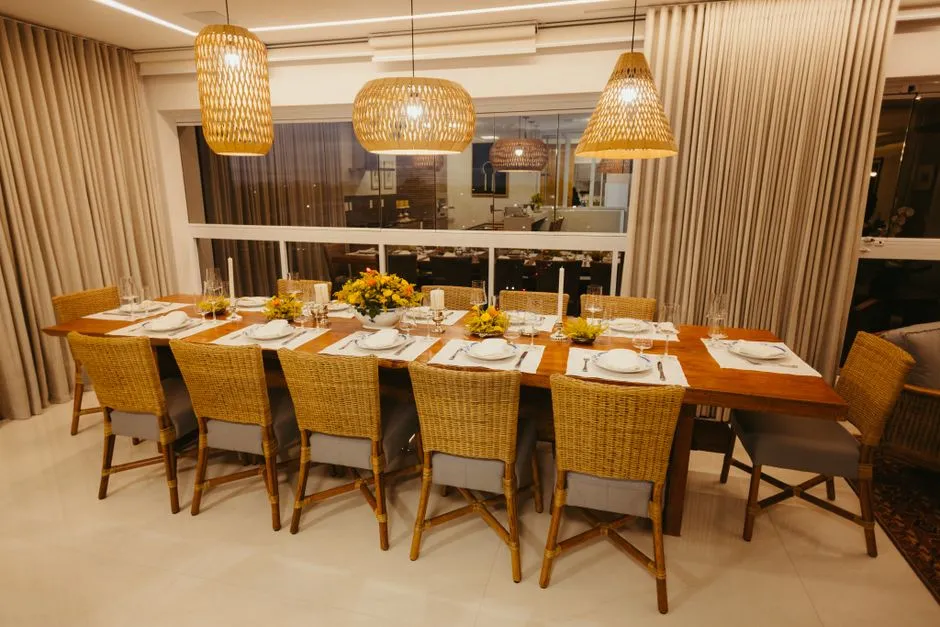
None of these habits require nostalgia for its own sake, and none of them demand a full seventies costume party to work. What they share is a preference for ease over perfection, for shared pots and punch bowls over rigid place settings, for games and conversation over scrolling. The data backs up what feels intuitive, that people are tired of expensive nights out and hungry for something warmer at home. If there is one thing worth borrowing from that decade, it might simply be permission to relax a little and let the evening take care of itself.
AI Disclaimer: This article was created with the assistance of AI tools and reviewed by a human editor.