
Backyard Composting: Turning Scraps into Gold
Organic gardeners in the 1940s and 1950s thought about compost constantly. They couldn’t walk down the road without keeping their eyes open for possible sources of organic waste to add to their backyard compost heaps. That culture of thrift turned out to be ecologically brilliant, and the science now confirms it fully.
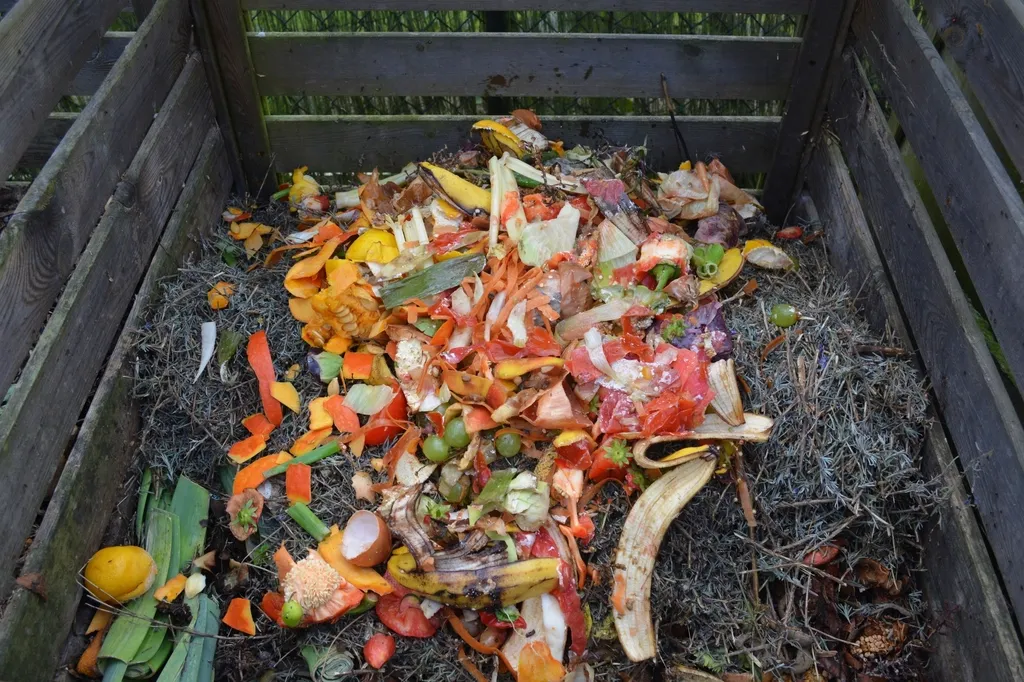
Compost is decomposed organic material such as leaves or vegetable scraps that, once broken down, turns into humus. Decomposition takes place through the work of microscopic organisms including fungi and bacteria, and larger organisms like earthworms, sow bugs, and millipedes.
Compost adds organic matter to the soil and increases the nutrient content and biodiversity of microbes in soil. It conserves water and reduces water use by helping soils retain moisture, and it helps prevent soil erosion by reducing soil compaction and runoff. According to the EPA’s 2025 report on the environmental value of applying compost, these benefits extend well beyond the individual garden.
Growing Your Own Vegetables: The Kitchen Garden Tradition
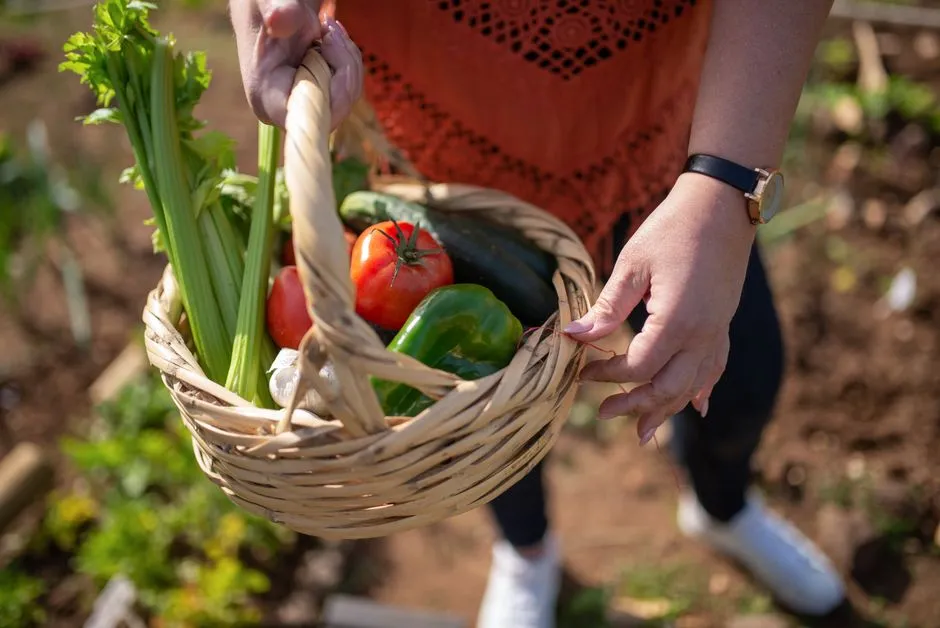
Victory Gardens were vegetable, fruit, and herb gardens planted during World War I and II to supplement food supplies and boost morale. Outside of wartime, they are usually called kitchen gardens. By the postwar 1950s, many families carried that habit forward simply because it worked.
The victory garden movement of World War I and II encouraged nearly 20 million Americans to plant fruits and vegetables in backyard gardens, empty lots, on rooftops, in neighborhood parks, and on other public land, including 800 gardens in Golden Gate Park in San Francisco.
Whether you’re growing a few vegetables in raised beds or cultivating a larger backyard plot, the principles behind victory gardens remain as relevant today as they were a century ago. By producing fresh food, preserving the harvest, and sharing with neighbors, today’s gardeners can continue a tradition of self-sufficiency, resilience, and community that has stood the test of time.
Companion Planting: Letting Plants Help Each Other
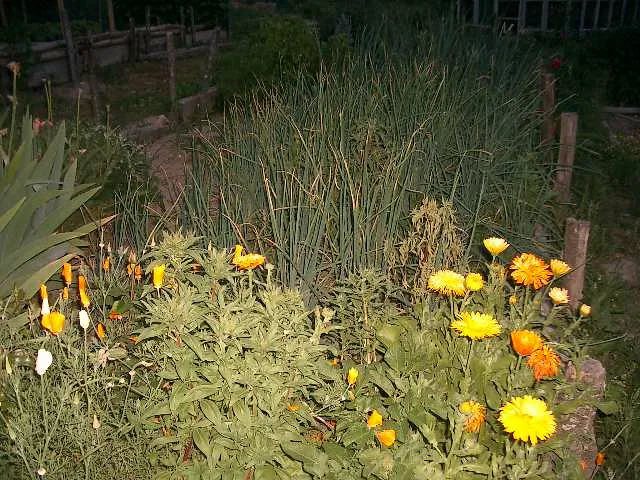
Companion planting is the practice of growing specific plants together to boost productivity, deter pests, and improve soil health naturally. By harnessing the unique relationships between plants, this sustainable method reduces the need for chemicals while supporting a balanced garden ecosystem.
Companion planting creates mutual benefits including natural pest suppression, nitrogen fixation, improved pollinator access, better use of space, and in some cases, measurable yield improvements. The 1950s gardener may not have named the mechanisms, but the practice was widespread and effective.
The University of Illinois Extension and the Rodale Institute both note that polyculture, growing multiple species together, typically outperforms monoculture for pest resistance and biodiversity, even when specific companion pairs are not dramatically proven. That’s a meaningful finding for any home gardener working without pesticides.
Saving Seeds Between Seasons
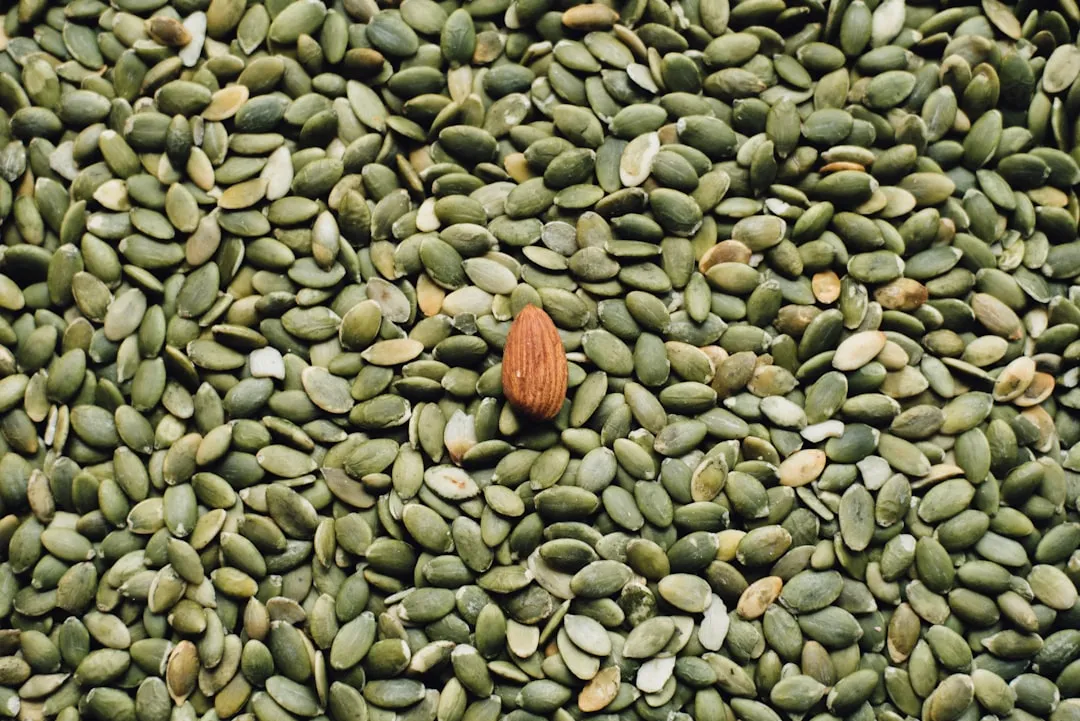
One of the most practical habits of the 1950s kitchen gardener was saving seeds from the best plants at the end of each season. Much of the produce was preserved for winter, and there was no shortage of women’s magazines having articles about how to can, store, dry, pickle, and freeze one’s harvest. Seed saving was simply part of that broader culture of preservation.
The most common vegetables grown included tomatoes, carrots, lettuce, beets, and peas. Interestingly, it was thanks to the victory garden era that both Swiss chard and kohlrabi became popular, as they’re easy to grow. Varieties that thrived were naturally selected by home gardeners over multiple seasons.
Today, seed saving is having a genuine revival, tied closely to concerns about biodiversity, food sovereignty, and the cost of buying new seed packets every year. The logic hasn’t changed. The best seed for your garden is often the one that already grew there last year.
Rainwater Collection in the Backyard
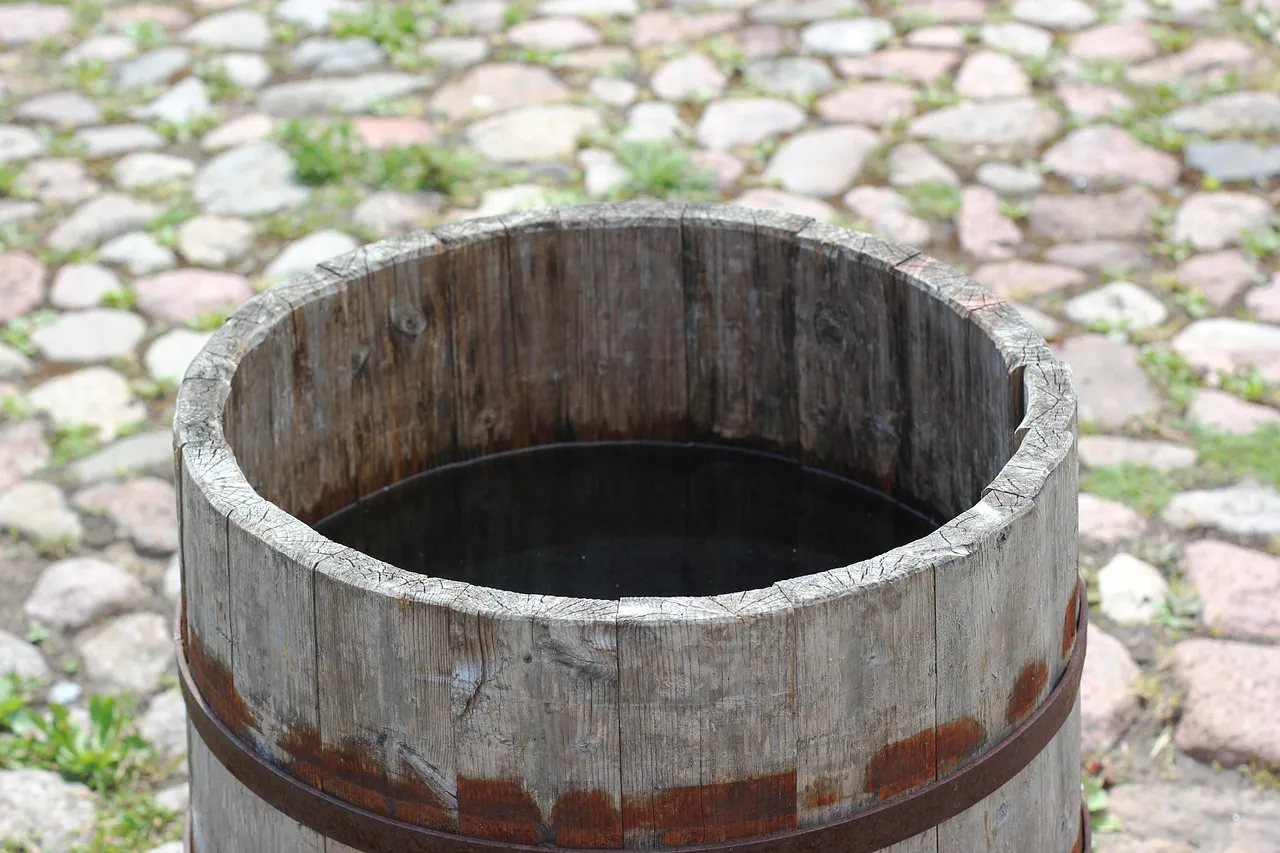
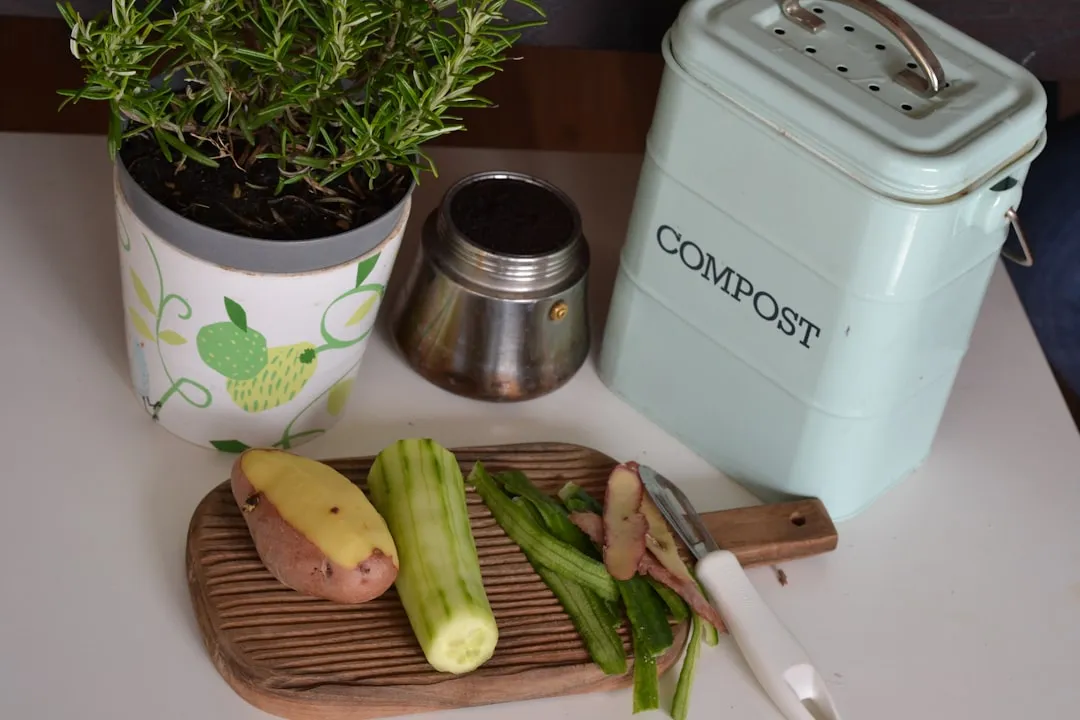
Water management matters greatly, and rain barrels offer a classic solution that fits this retro revival perfectly. Compost systems bring another essential piece, since kitchen scraps turn into nutrient-rich soil over time. These two practices, water and soil management, were rarely separated in the older garden mindset.
Postwar gardeners collected rainwater from roof gutters into barrels and used it during dry spells, a habit that costs very little to replicate today. Modern municipal water use during summer months is disproportionately driven by garden irrigation, making rainwater collection a genuinely practical choice, not just a nostalgic one.
Many cities and counties now offer rebate programs for rain barrel installations, recognizing that distributed water collection at the household level reduces pressure on stormwater infrastructure. The 1950s backyard gardener was effectively doing urban stormwater management without being told to.
Soil Testing Before Planting Anything

Soil health gets overlooked when gardeners skip testing and assume all dirt works the same way. Healthy soil forms the foundation of any productive garden, and compost alone cannot fix every imbalance. Experienced gardeners of the postwar era knew this intuitively and tested or amended soil regularly.
In the U.S. and around the world, soils suffer from topsoil loss, degradation, and erosion, which lead to water quality issues and reduced productivity. According to the Food and Agriculture Organization of the United Nations, about a third of soils worldwide are moderately or highly degraded.
A basic soil test from a county extension office costs very little and tells you exactly what nutrients are missing and what the pH level is. It’s the kind of practical step that separates a productive garden from a frustrating one, and it was standard practice for serious home growers in the 1950s.
Leaving Leaves to Mulch and Decompose
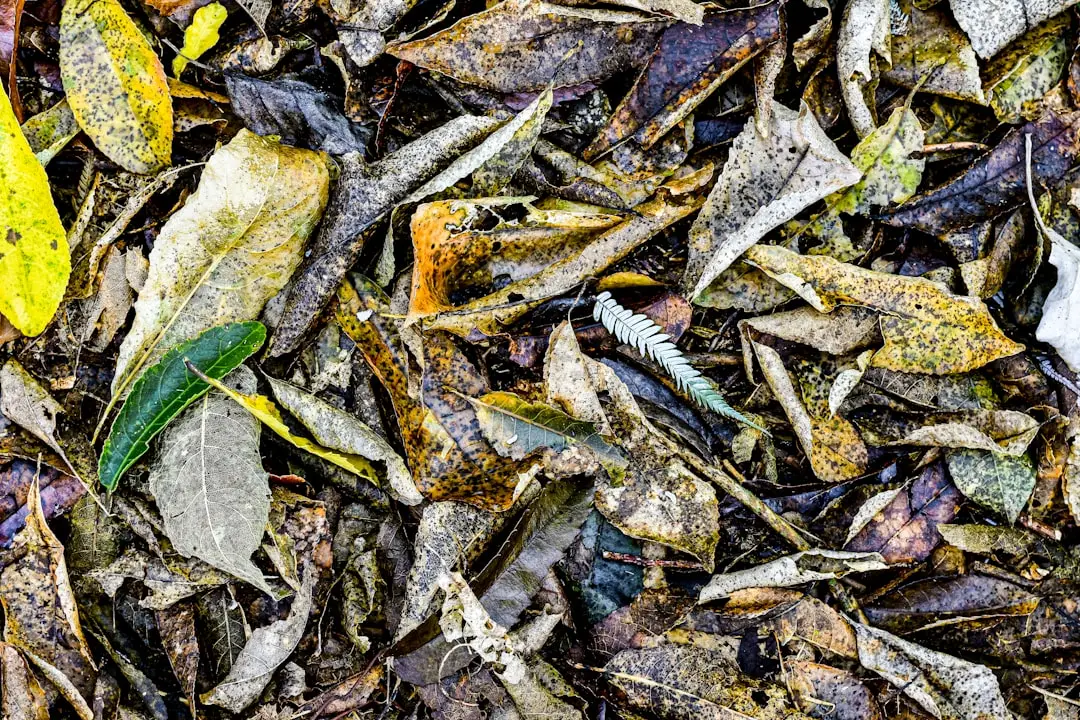
Leaves that fall on lawn areas can be shredded and used as protective mulch in adjoining ornamental beds. A number of beneficial insects, such as the larval stages of butterflies, moths, and fireflies, overwinter in leaf litter. When leaves are put out to the curb, we are disposing of both a generation of animal life and a valuable resource that can be recycled right on our own properties.
This is a habit that genuinely costs nothing. Shredded leaves decompose over winter and become a free soil amendment by spring. The 1950s backyard gardener wouldn’t have dreamed of bagging leaves for the trash, partly out of practicality and partly because the value of organic matter was well understood.
Maintaining the health of our soil is the primary strategy for climate resilience. Leaves broken down by fungi make nutrients available to other soil organisms. That’s a cycle the postwar backyard supported without any external input or expense.
Reducing Chemical Inputs and Relying on Natural Fixes
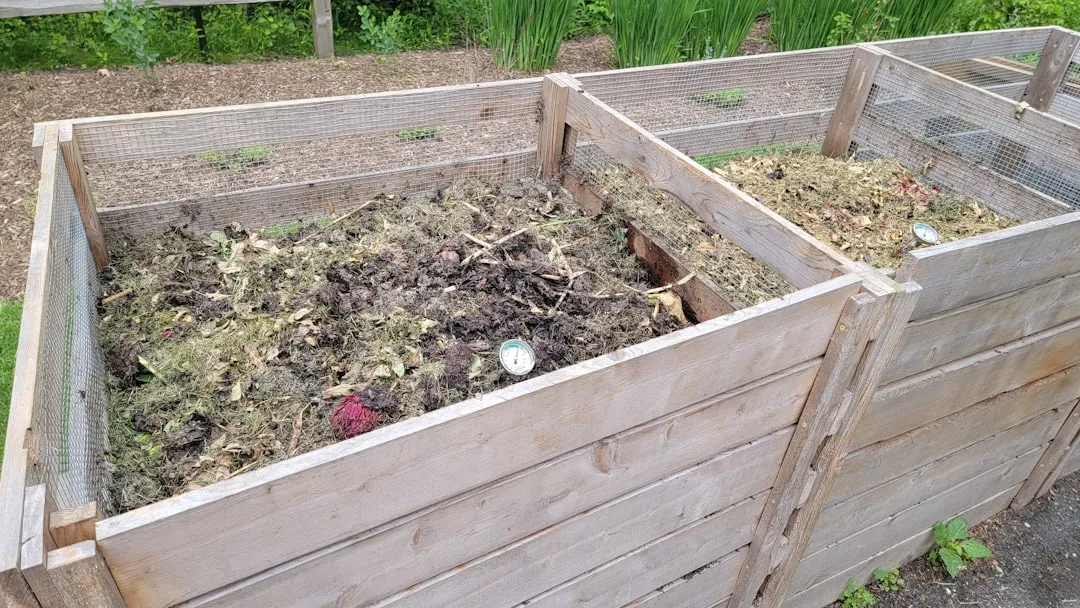
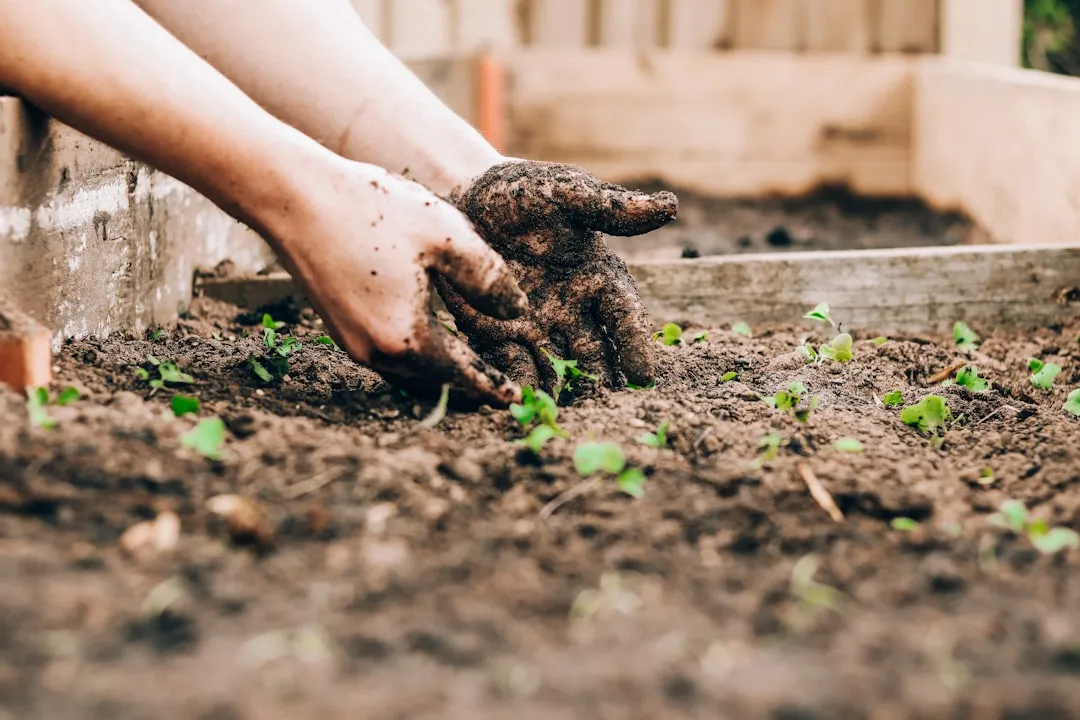
Limiting chemical input is a key step in building soil. The heavy use of fertilizers, fungicides, and herbicides comes with a high environmental cost. Their manufacture relies on fossil fuels as raw materials and results in greenhouse gas emissions. Their application also adversely affects the soil biome.
In the 1950s, synthetic garden chemicals were available but far from universal. Many backyard gardeners relied on what they had: wood ash for potassium, bone meal for phosphorus, and natural pest deterrents like garlic or marigolds. Marigolds release thiophene compounds through their roots that suppress certain soil nematodes, which is a fact that traditional gardeners observed long before researchers named the mechanism.
Composting reduces reliance on chemical fertilizers and pesticides. That single shift, rebuilding organic matter instead of compensating for its absence with synthetic inputs, is arguably the most consequential thing a modern gardener can bring back from the postwar era.
Sharing Produce and Seeds with Neighbors
Neighbors pooled resources, planted different crops, formed cooperatives, and made it happen. That spirit of community exchange was baked into the postwar gardening culture, and it made individual gardens far more productive than they would have been in isolation.
One of the most powerful aspects of the original victory garden movement was its ability to bring people together. In 2024, this community spirit can be revived by sharing gardening tips, trading seeds, and even working on communal garden projects.
There’s nothing complicated about this habit. A surplus of zucchini becomes a neighbor’s dinner. A packet of heirloom tomato seeds gets split between three households. That informal exchange network kept backyard gardens diverse and connected in a way that purely individualized gardening never quite replicates.
Growing Food as a Default, Not a Hobby

Younger homeowners now turn away from purely decorative lawns and lean into practical, productive garden spaces that actually feed a household. This is precisely the mindset that defined the 1950s backyard, where food production was woven into domestic life rather than treated as a weekend project.
Today, we are grappling with challenges such as climate change, soil degradation, economic instability, and food insecurity. Reviving the victory garden movement is not just about nostalgia; it’s about taking control of our food supply, reducing our carbon footprint, and building more resilient communities.
Household composting alone cuts curbside waste by roughly a third, saving municipalities millions in disposal costs. Scale that up with a food-producing garden, and the backyard starts to function the way it once did: as a real contributor to household resilience, not just a patch of grass to maintain.
The Takeaway
None of these habits require a specialty store, a social media following, or a significant budget. They require a shift in how the backyard is seen, from decorative space to productive one. The 1950s gardener didn’t think of composting as environmentally conscious or companion planting as a trend. It was simply what you did.
The research increasingly confirms what those postwar gardeners understood through practice. Recycling food and other organic waste into compost provides a range of environmental benefits, including improving soil health, reducing greenhouse gas emissions, recycling nutrients, and mitigating the impact of droughts. That’s not a small thing for a backyard bin of kitchen scraps.
The return of these habits isn’t really about going backwards. It’s about recovering something practical that got lost when convenience became the primary value. The 1950s backyard worked. There’s genuine wisdom in asking why, and in trying it again.
AI Disclaimer: This article was created with the assistance of AI tools and reviewed by a human editor.