
When it comes to survival gardening, every square foot of soil needs to pull its weight. You want crops that are reliable, nutritious, space-efficient, and capable of producing in abundance. I’ve spent a lot of time growing with this mindset—planning for not just flavor, but sustenance, calories, and storage. A well-chosen survival garden can provide food security in tough times, and it’s incredibly satisfying to see jars, baskets, and crates full of your hard work at the end of the season.
I know how frustrating it is to spend all that effort growing something that yields one tiny harvest, or that withers in unpredictable weather. Survival gardening is all about resilience and return. Whether you’re planting on a homestead or in a backyard bed, these 16 crops are champions of production and usefulness. They’ve earned their place in any garden meant to feed a household, and they’ll serve you well season after season.
Potatoes

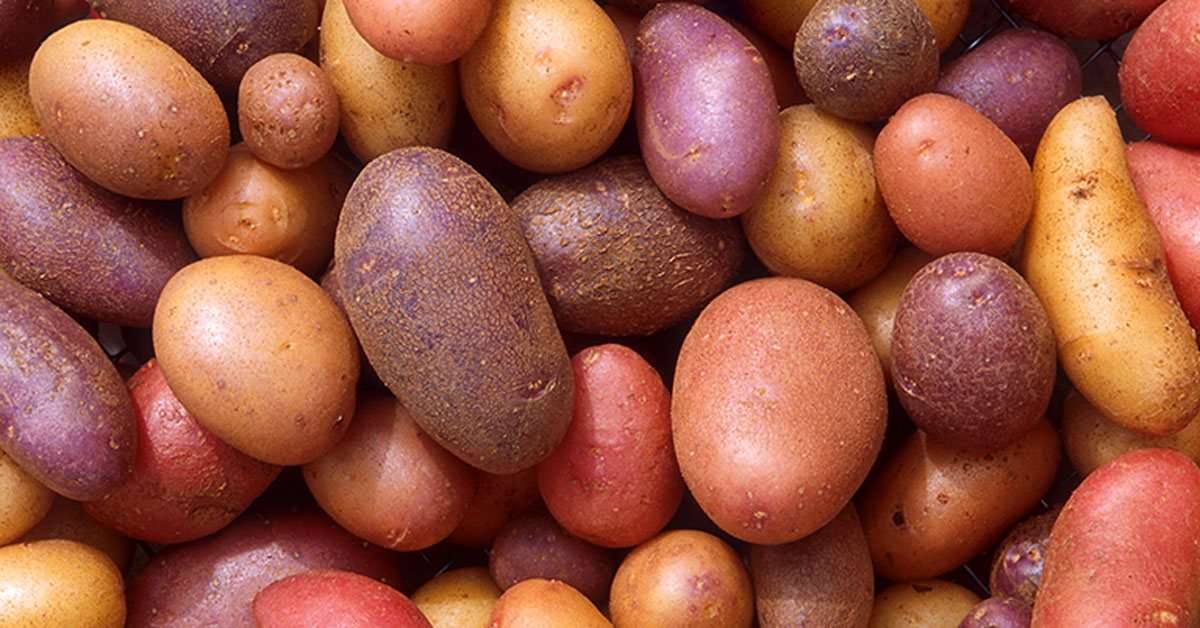
If I had to choose just one survival crop, potatoes would be high on the list. They’re calorie-dense, easy to grow in a wide range of climates, and incredibly productive per square foot. You can grow them in beds, buckets, or towers, and harvest dozens of pounds from a small area. They store well through winter, especially in cool, dark spaces, making them a go-to staple when fresh produce is hard to come by.
Potatoes are native to the Andes Mountains of South America and are not considered invasive in most regions. While they don’t directly attract pollinators, their flowering phase can bring in bees, and the plants themselves offer excellent nesting cover for ground beetles and other beneficial insects. Just be sure to rotate your potato beds yearly to prevent pests like the Colorado potato beetle from settling in.
Kale
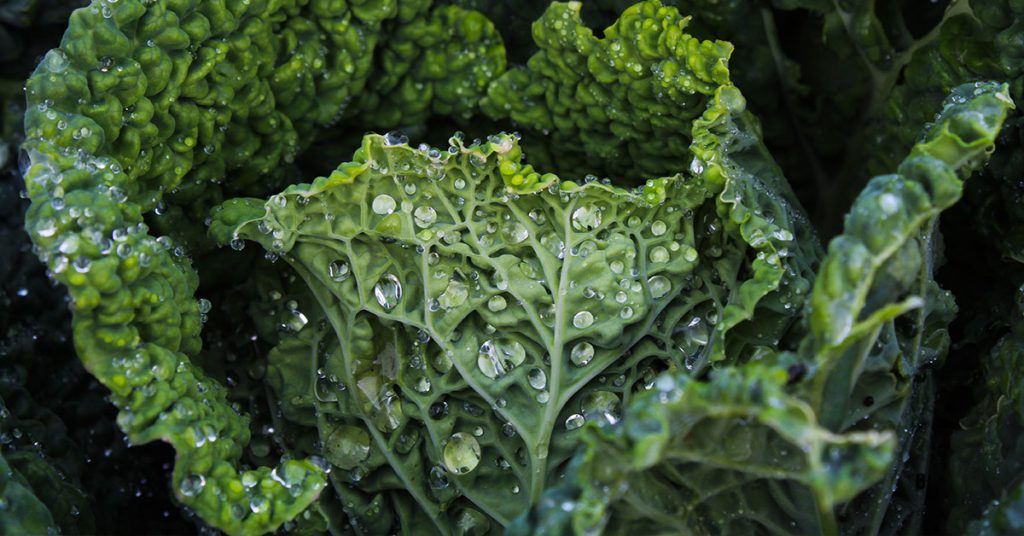
Kale is a superstar in survival gardening for its cold-hardiness, repeated harvest potential, and dense nutritional profile. You can harvest the outer leaves for months while the plant keeps growing, giving you fresh greens even when little else is producing. It’s packed with vitamins A, C, and K, and thrives well into fall—and even winter with a little protection.
Native to the eastern Mediterranean and not considered invasive, kale can attract cabbage butterflies, so keep an eye out for those telltale white fliers. I’ve also noticed that kale creates a lovely canopy where ladybugs often nest and rest during cooler parts of the day. It’s a crop that rewards consistency and will keep you fed long after the summer tomatoes have faded.
Dry Beans
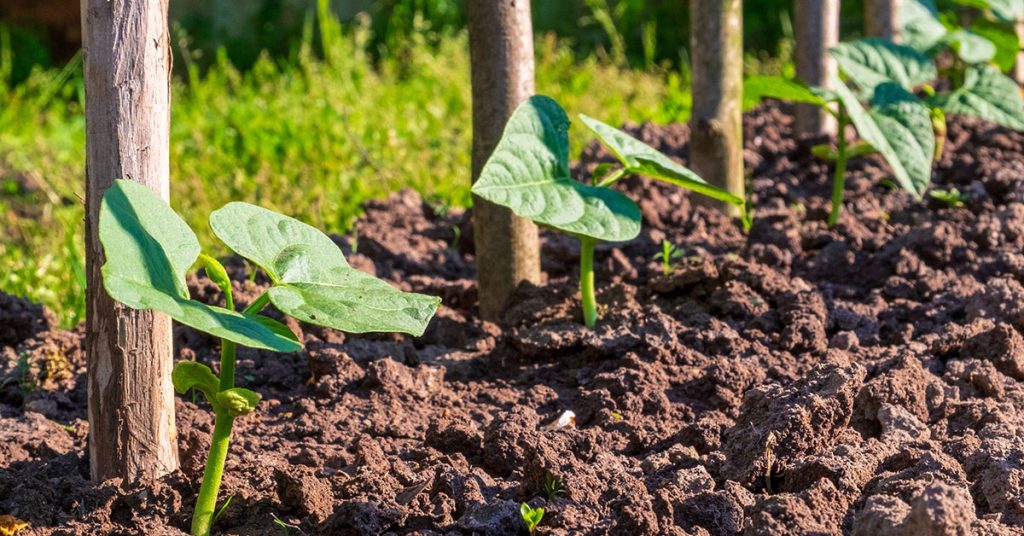
Beans are one of the most important crops for long-term survival gardening. They’re a plant-based protein powerhouse, easy to grow, and simple to store once dried. Whether you’re growing black beans, kidney beans, or pintos, these legumes fix nitrogen in the soil while providing you with a pantry-ready food supply.
Beans originated in Central and South America and are not invasive, though they will climb or sprawl wherever you let them. Their flowers attract bumblebees and native pollinators, and their vines can offer nesting cover for helpful critters like toads and ground beetles. I always feel like I’m growing multiple benefits at once when I plant a long row of beans!
Garlic
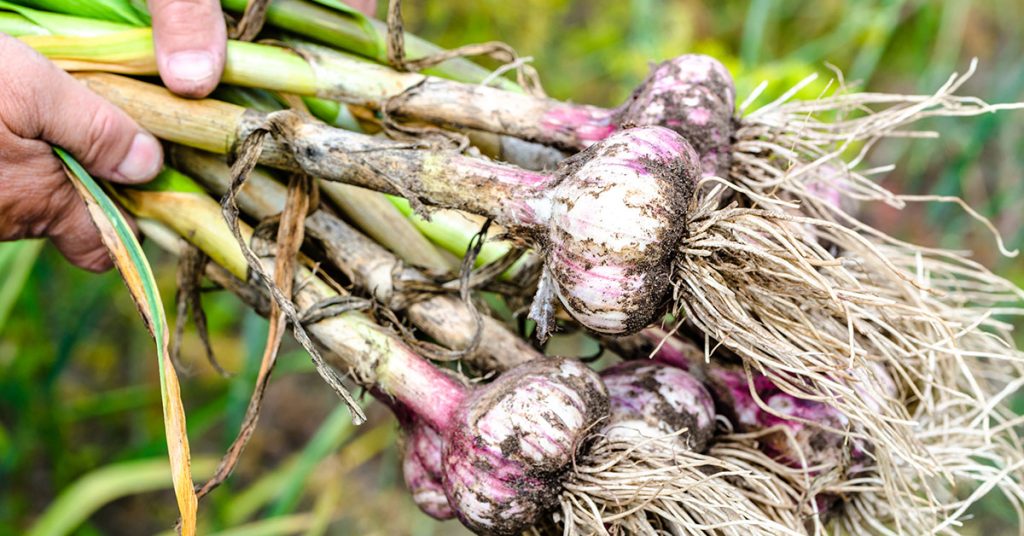
Garlic is one of those crops that quietly delivers incredible returns. Plant it in the fall, and by mid-summer, you’ll pull beautiful heads that store well into the next year. Not only is it nutrient-rich and flavorful, but garlic also repels a wide variety of pests both in the garden and in storage. It’s medicinal, too—a survival gardener’s dream!
Garlic is believed to be native to Central Asia and has naturalized in many areas without being considered invasive. Since it doesn’t rely on pollination to form bulbs, it doesn’t attract a ton of insect visitors, but its strong scent helps mask more vulnerable plants from pests like aphids and cabbage moths. I love tucking it between rows of kale and carrots as a living line of defense.
Winter Squash
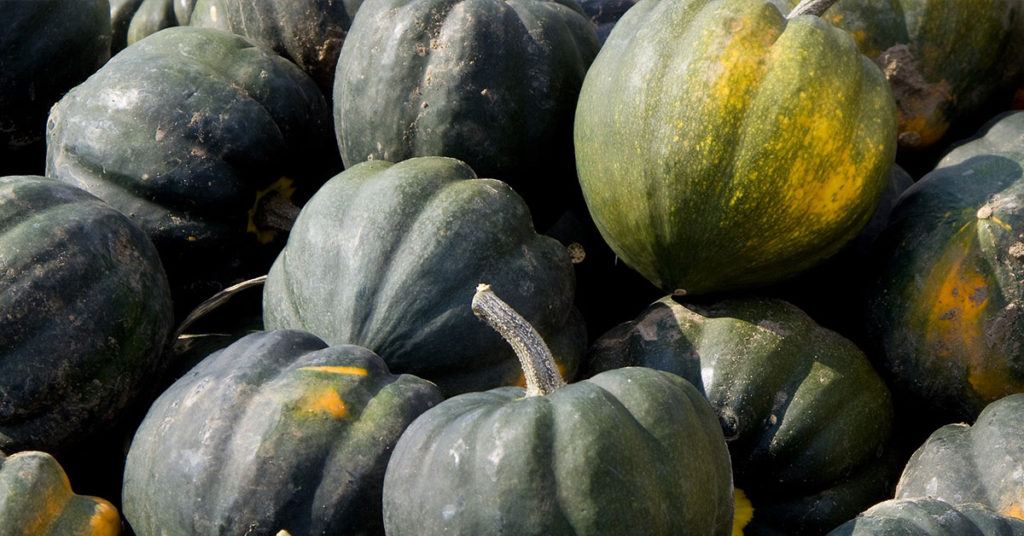
Winter squash varieties like butternut, acorn, and Hubbard are a must for a survival garden thanks to their long shelf life and hearty yields. A few well-cared-for vines can produce dozens of pounds of food that can be stored for months without refrigeration. Plus, the flesh is high in vitamins and fiber, and the seeds are edible too!
Squash is native to the Americas and not considered invasive, but it does need space to sprawl—or a sturdy trellis. Their large flowers are magnets for pollinators, especially native bees and squash bees. I’ve seen hummingbirds take an interest in the vines, too, especially where flowers are abundant. Just be prepared to protect young plants from squash bugs early on.
Cabbage
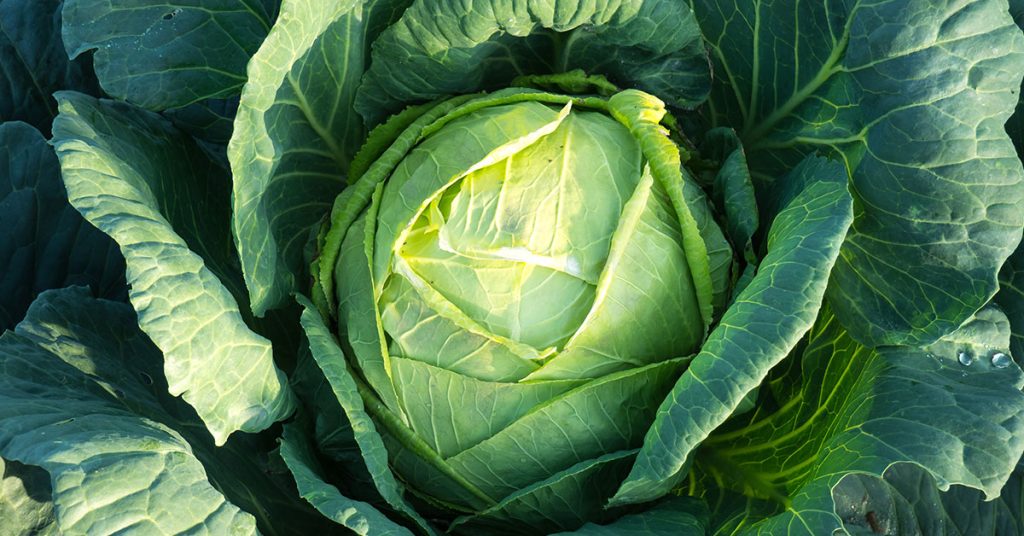
Cabbage is dense, reliable, and stores beautifully when kept cool. It’s a great crop for fermentation, too—think sauerkraut and kimchi, both of which preserve nutrients and add vital probiotics to your diet. Cabbage heads can be harvested all at once or staggered with successive planting to extend your yield.
Originally native to Europe, cabbage is not invasive, but it is a magnet for cabbage loopers and aphids. I’ve had good luck using row covers early on, and encouraging beneficial insects like hoverflies and lacewings to hang out by planting dill nearby. Cabbage also makes a nice low shelter for frogs and beetles, who help keep pests in check.
Carrots

Carrots offer both calories and nutrients in a compact form, and they store well in the fridge or a root cellar. They’re great for fresh eating, roasting, or fermenting, and their leafy tops can even be used in soups or pestos. Direct sow them in loose soil and keep them evenly moist during germination—then let them do their thing!
Native to Europe and southwestern Asia, carrots are not invasive and don’t require pollination for root development. However, if you let some flower in the second year, you’ll attract pollinators like wild bees and even beneficial parasitic wasps. Their feathery foliage also provides nice cover for nesting insects and ground dwellers.
Peas
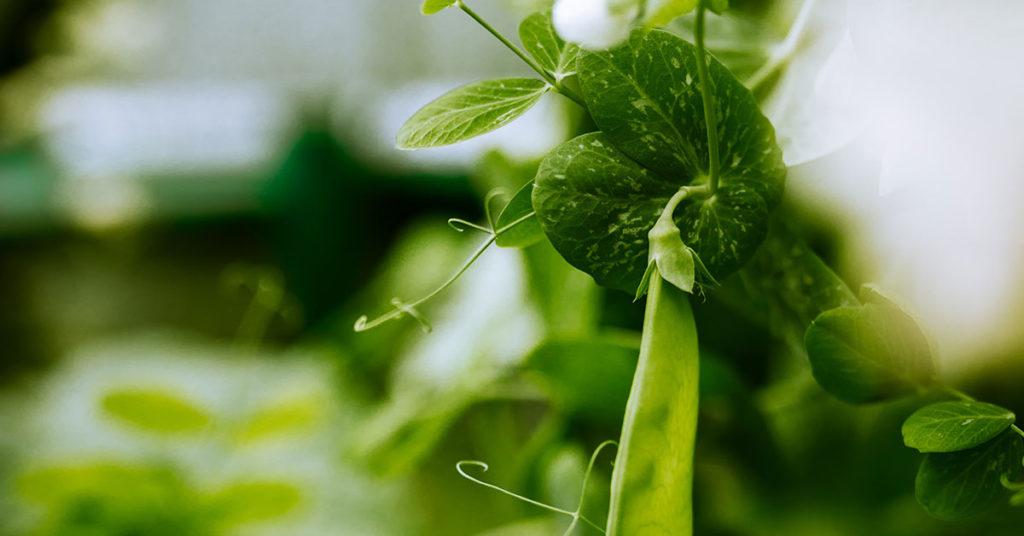
Peas are one of the earliest crops to come in and one of the most satisfying to grow. Whether you’re harvesting for the fresh green pods or saving dry seeds, they provide protein and sweetness early in the season. Plus, they’re a cool-weather crop, giving you something edible before most warm-season vegetables even get going.
Peas are native to the Mediterranean and western Asia and aren’t considered invasive. Their flowers attract bees and other pollinators, and the vines create vertical cover where birds and beneficial insects can rest and nest. I especially enjoy watching native bees buzz between the blossoms—it’s a great early-season boost for your garden’s ecosystem.
Sweet Potatoes
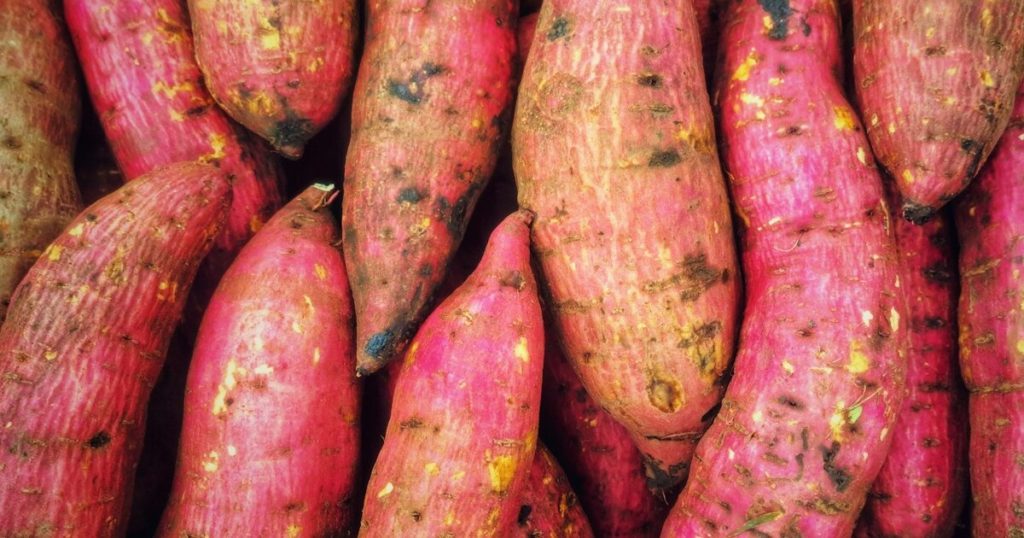
Sweet potatoes are a survival garden gem! They love heat, produce a large underground harvest, and have edible leaves as a bonus. The tubers store well in a dry, warm place and are packed with beta carotene and complex carbohydrates. Plus, you can regrow slips from last year’s harvest, making them a self-sustaining crop.
Native to Central and South America, sweet potatoes are not typically invasive but can spread aggressively in tropical regions. Their trailing vines create ground cover that suppresses weeds and can provide shade for soil-dwelling creatures. I’ve often found small skinks and lizards nesting in the thicket of leaves—a fun side benefit of a sprawling patch!
Corn
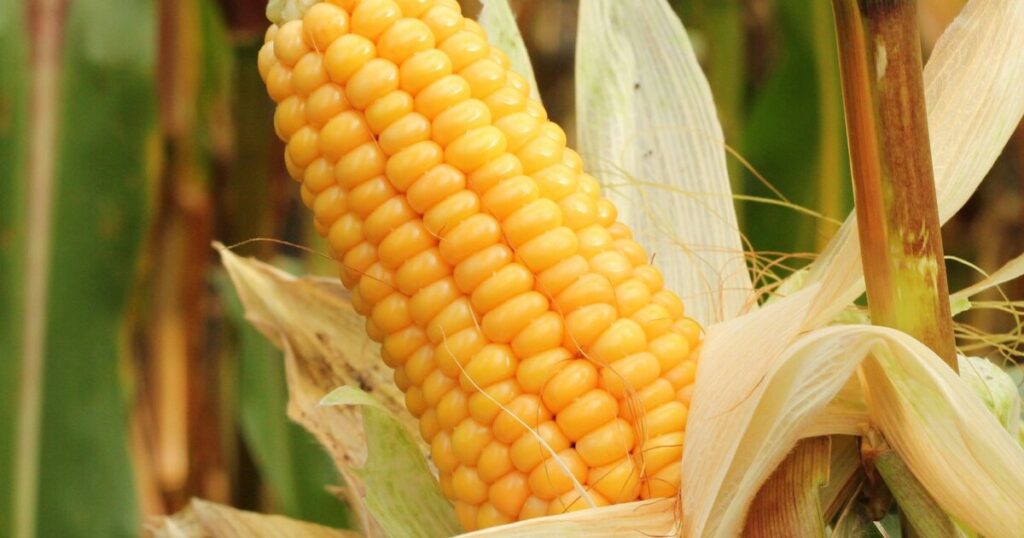
Corn gets a lot of flack, but it’s one of the most productive grains you can grow in a backyard survival setup. It can be eaten fresh, dried for flour or meal, or popped for a hearty snack. Plant it in blocks for better pollination and pair it with beans and squash for a classic Three Sisters setup that enhances soil and space efficiency.
Corn was domesticated in Mesoamerica and is not invasive in most home gardens, although it does require plenty of nitrogen and space. Its tall stalks serve as vertical habitat for climbing beans and sometimes even nesting birds. I’ve watched songbirds perch in the tassels to peck at insects—it’s a mini ecosystem all on its own!
Zucchini
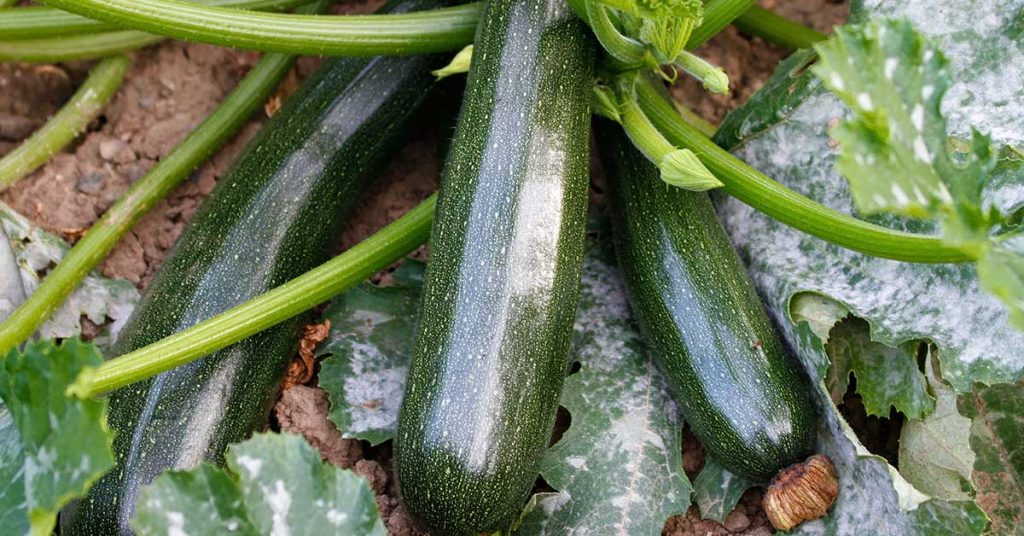
Few plants are as productive as zucchini. A single plant can produce a near-continuous harvest of fruit for months with regular picking. It’s versatile in the kitchen, fast-growing, and incredibly generous when well-tended. Zucchini also acts as a quick crop you can rely on while waiting for slower producers to catch up.
Zucchini is a type of summer squash native to the Americas and not considered invasive in garden settings. The large yellow flowers are beloved by bees, especially bumblebees and squash bees, which nest in the soil nearby. Keep an eye out for those fuzzy little workers—they’ll be hard at work while you’re harvesting armfuls of fruit.
Turnips
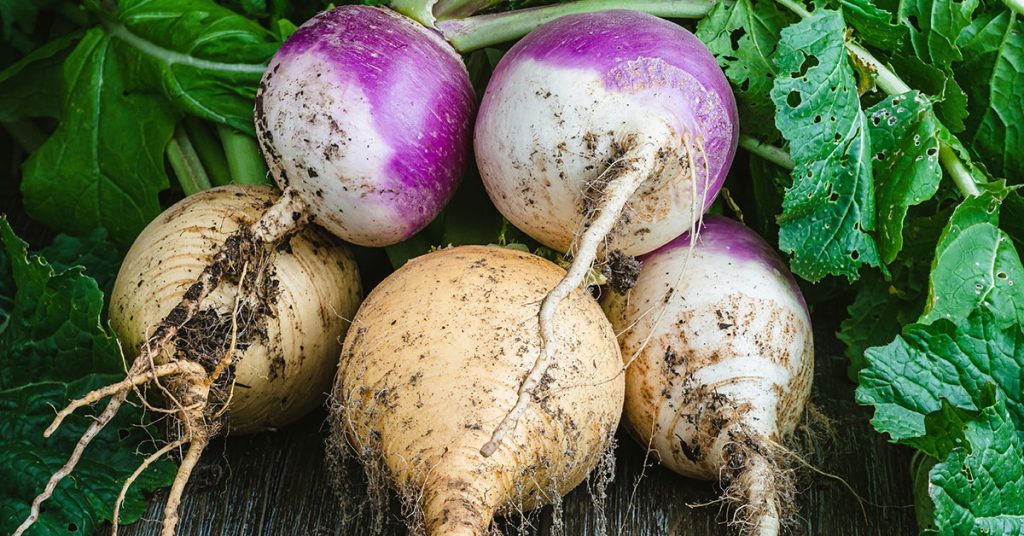
Turnips are a dual-purpose crop—grow them for their fast-maturing roots and their nutrient-packed greens. They thrive in cooler weather, mature quickly, and can be planted in early spring or late summer for a fall harvest. The roots store well, and the greens can be eaten fresh, sautéed, or preserved.
Originally from temperate Europe and Asia, turnips are not invasive and generally don’t suffer from many pests if grown in rotation. Their early growth also helps smother weeds and provides low habitat cover for critters like frogs and ladybugs. I’ve even seen birds peck at the seed tops of bolting plants in fall!
Onions
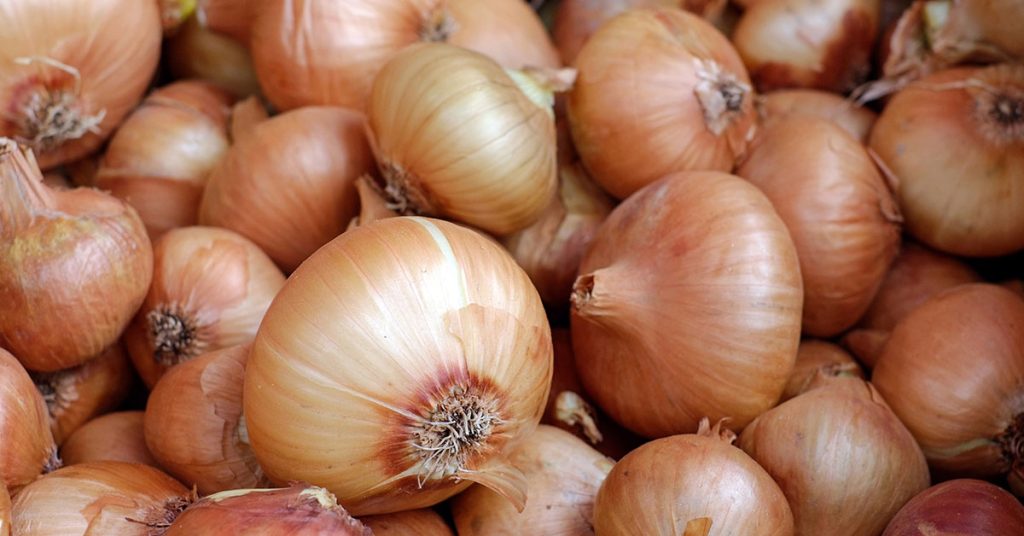
Onions are essential for flavor, but they also play a key role in pest control and storage. Grow them from seed, sets, or transplants, and choose a long-storing variety for your survival garden. They’re fairly low-maintenance and can be tucked around other crops as both a food and companion plant.
Native to Central Asia, onions are not considered invasive, but they’re definitely effective at repelling unwanted insects. Their strong scent masks neighboring plants from aphids and flea beetles, and their foliage doesn’t typically attract pests. I’ve used onions as a border crop around my cabbages with great results!
Tomatoes

Tomatoes are a must-have in most gardens—high in yield, nutrition, and culinary value. You can eat them fresh, cook them into sauce, dry them, or can them. Choose indeterminate varieties for a continuous harvest or determinates for big, predictable flushes that are great for preserving.
Native to western South America, tomatoes are not considered invasive but can self-seed if fruits are left behind. They attract a wide variety of pollinators and beneficial insects when in bloom, and their dense foliage offers nesting cover for garden helpers like green lacewings and predatory wasps. Watch for hornworms, though—they love tomatoes as much as we do!
Lettuce
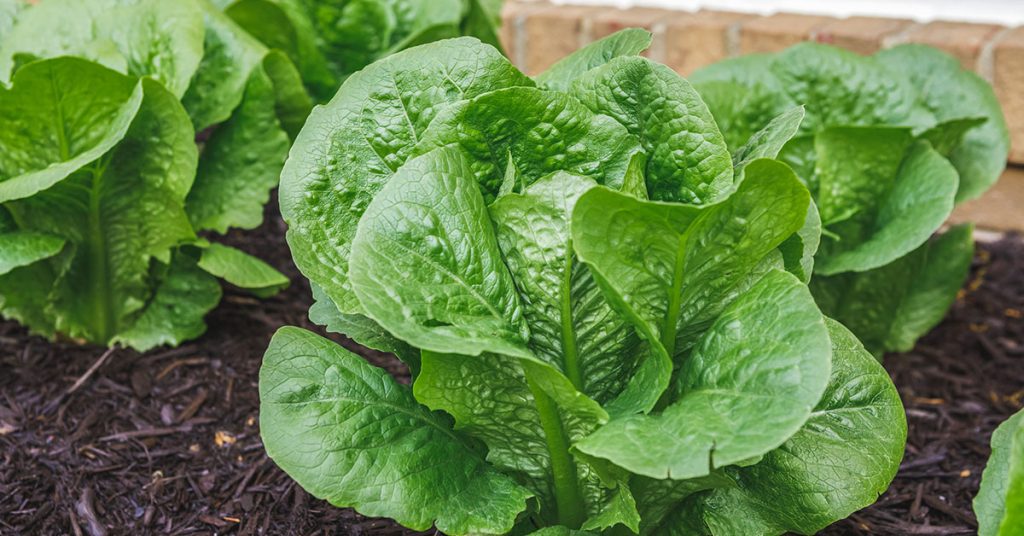
Lettuce may not be the most calorie-dense crop, but it offers quick yields, fresh greens, and a staggered harvest that helps round out meals. It thrives in spring and fall, and many varieties can handle partial shade during summer. With succession planting, you can keep the harvest coming for weeks on end.
Lettuce is believed to be native to the Mediterranean and is not invasive. While it doesn’t attract as many pollinators, it does make a nice microclimate for ground insects and sometimes even small frogs in its cool, shady center. I like to pair lettuce with garlic or marigolds to keep pests from nibbling the tender leaves.
Sunflowers
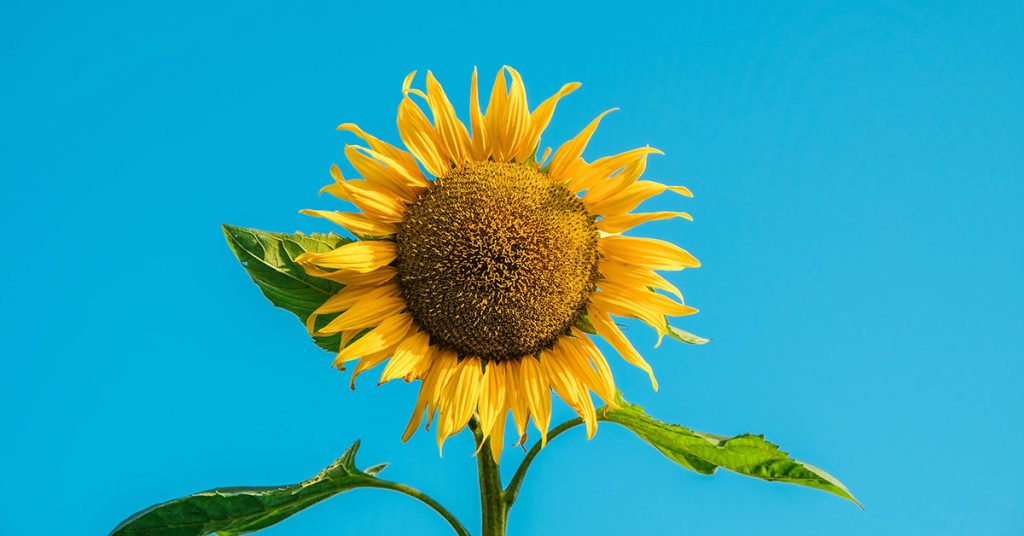
You might not think of sunflowers as a survival crop, but they’re incredibly valuable! Their seeds are high in protein and fat, and they draw in pollinators by the dozens. They also provide shade, windbreaks, and visual structure in the garden—plus, they’re gorgeous to look at. Tall varieties can even offer support for vining crops.
Sunflowers are native to North America and are not considered invasive. Their blooms are like landing pads for bees, butterflies, and other pollinators, while the seed heads attract birds like finches and chickadees. If you let a few go to seed, you’ll support wildlife and have plenty left to save for your pantry or next year’s planting.