

Most pepper growers already know that water matters. What catches people off guard is how a small, nearly effortless shift in the way they apply that water can make a dramatic difference in yield. The trick isn’t a gadget, a subscription service, or a bag of specialty nutrients. It costs nothing, takes about fifteen seconds per plant, and it centers on one deceptively simple habit: slowing down.
The Real Problem with How Most People Water Peppers
A quick splash from a watering can seems harmless enough. The soil gets wet, the plant doesn’t droop, and you move on with your day. The trouble is, that approach trains your pepper plant in entirely the wrong direction. Shallow watering encourages surface-rooting, increases evaporation loss by up to roughly two-fifths, promotes fungal diseases like powdery mildew and root rot, and triggers chronic stress responses that reduce flowering, fruiting, and pest resistance.
Giving your peppers a light watering every day or two can lead to shallow root development, which leaves them vulnerable to drought and leads to even more frequent watering. You end up in a cycle where you water more but get less out of your plants. That is the trap many home gardeners fall into without realizing it.
What the Trick Actually Is
The fifteen-second rule is this: when you water, slow down and count. Instead of pouring water quickly over the surface and walking away, apply water at the very base of the plant in a slow, steady stream for at least fifteen seconds per plant. That brief pause forces the water to infiltrate deeply rather than run off. Slow, deep watering helps the root system grow strong.
When using a garden hose, apply water slowly at the base of the plants to ensure thorough and deep soil penetration. That’s the full method. No tools, no expense, just patience at the hose. The fifteen-second count is a practical proxy for making sure you haven’t rushed through the job.
Why Deep Watering Changes Everything Underground
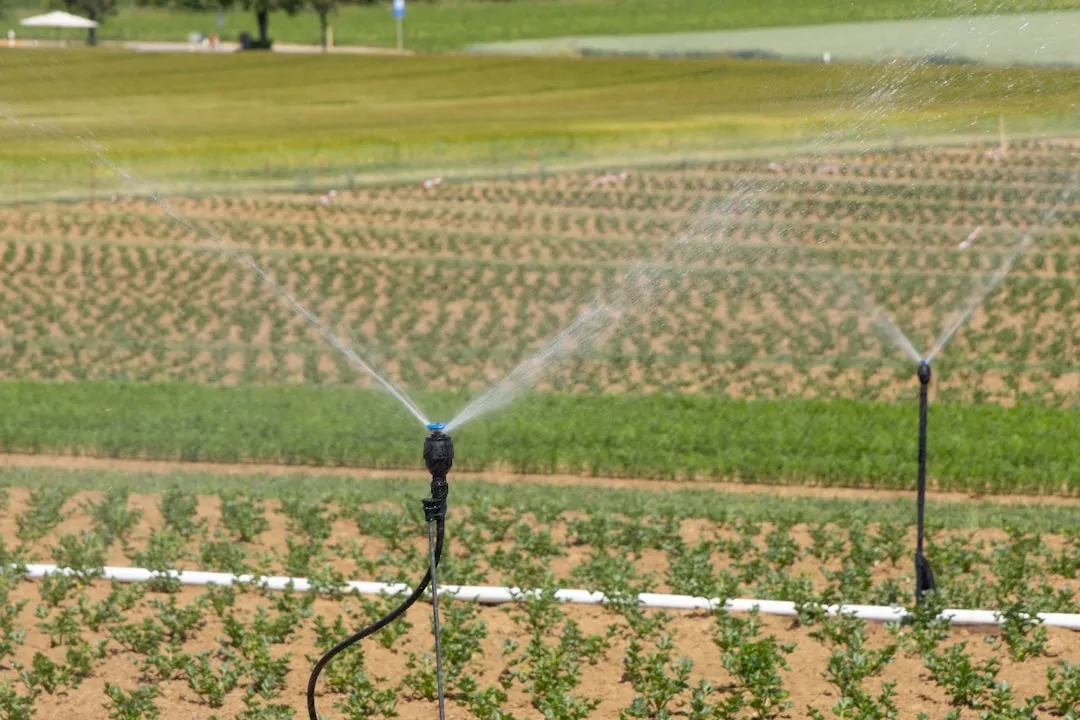
Pepper plants benefit from deep, infrequent watering rather than frequent shallow watering, because it promotes robust root development as roots grow deeper in search of moisture. A deeper root system can access more of the soil’s stored water and minerals, making the plant dramatically more resilient between sessions.
Deep watering, defined as more than three-quarters of an inch in one session, pushes moisture below the evaporative zone, retaining up to roughly four-fifths of applied water in the root zone after 48 hours. That efficiency is the difference between a plant that is constantly stressed and one that has a genuine moisture reserve to draw from. The plant can focus its energy on producing fruit rather than surviving.
How Watering Timing Multiplies the Effect
It’s best to water your peppers in the early morning, as this timing allows the plants to absorb moisture before the heat of the day, reducing water loss through evaporation. Pairing the slow-pour technique with the right time of day compounds the benefit considerably.
Morning watering ensures that the plants are well-hydrated during peak photosynthesis hours, which is crucial for their growth and fruit development. In contrast, watering late in the day creates ideal conditions for fungal diseases by keeping foliage wet overnight. Early morning, slow and low at the base, is the full formula.
The Connection Between Watering and Blossom Drop
Here is where the harvest yield connection becomes concrete. Blossom drop is one of the most common reasons a pepper plant produces fewer fruits than it should, and inconsistent or surface-level watering is a leading cause. When peppers are grown in drought-like conditions or overwatered, it causes them significant stress that can lead to blossom drop.
Proper watering is key to preventing blossom drop. Both too little and too much water can stress pepper plants, causing them to conserve resources by letting go of their blossoms, and fluctuating water levels can cause flower drop and fruit deformities. The slow, deep, consistent approach is precisely what keeps those moisture levels from swinging.
Do not let pepper plants wilt because this will reduce the yield and quality of the fruit. Inconsistent watering also makes pepper susceptible to blossom-end rot. Blossom-end rot alone can silently wipe out a significant portion of a crop, and it is almost entirely preventable through good watering habits.
The Soil Moisture Check That Takes Five Seconds
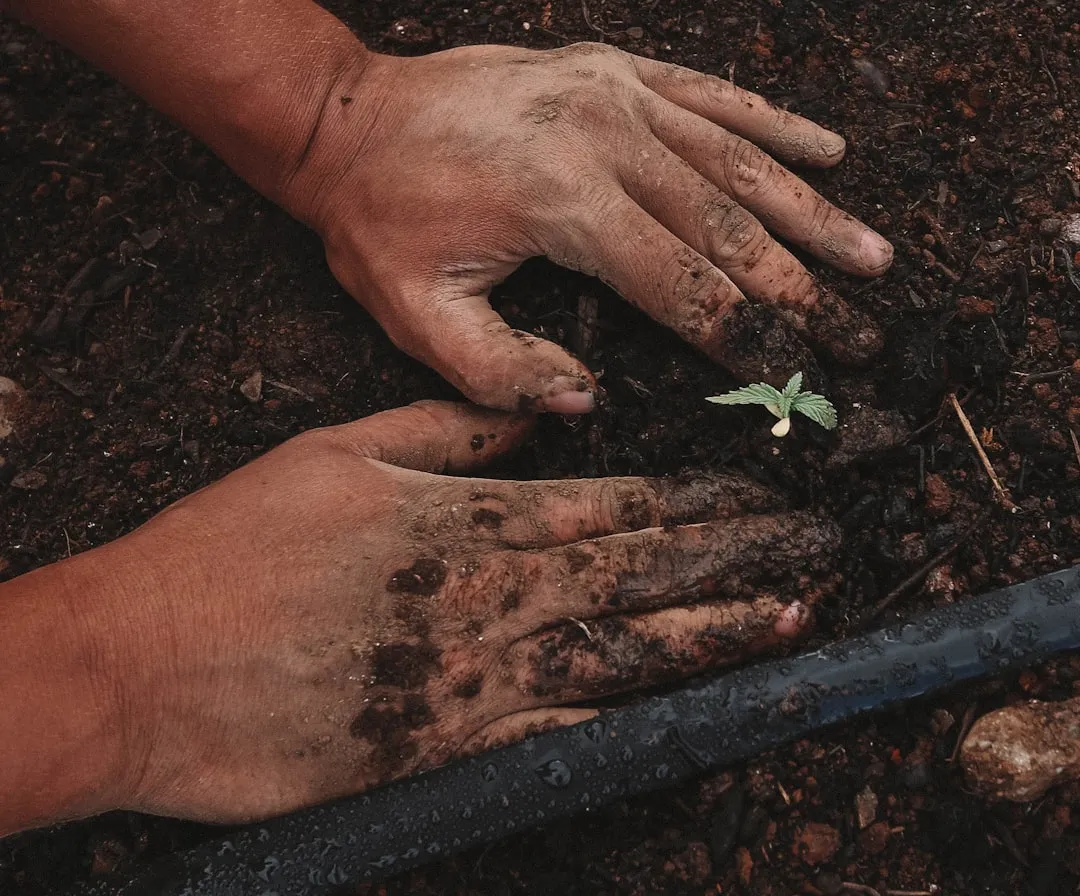
Knowing when to apply the slow-pour method matters just as much as how you do it. The simplest test requires no tools. Assess the soil moisture by inserting a finger about an inch deep into the soil; if it feels dry, it is time to water again. That single habit, done each morning, prevents both overwatering and the kind of drought stress that kills fruit set.
Water only when the top two to three inches of soil have become dry. Deep, infrequent watering is generally preferred over shallow frequent watering. The finger test keeps you honest. The surface can look dry when deeper soil is still adequately moist, and without checking, it’s easy to overwater just from assumption.
The Role of Mulch as a Zero-Cost Partner
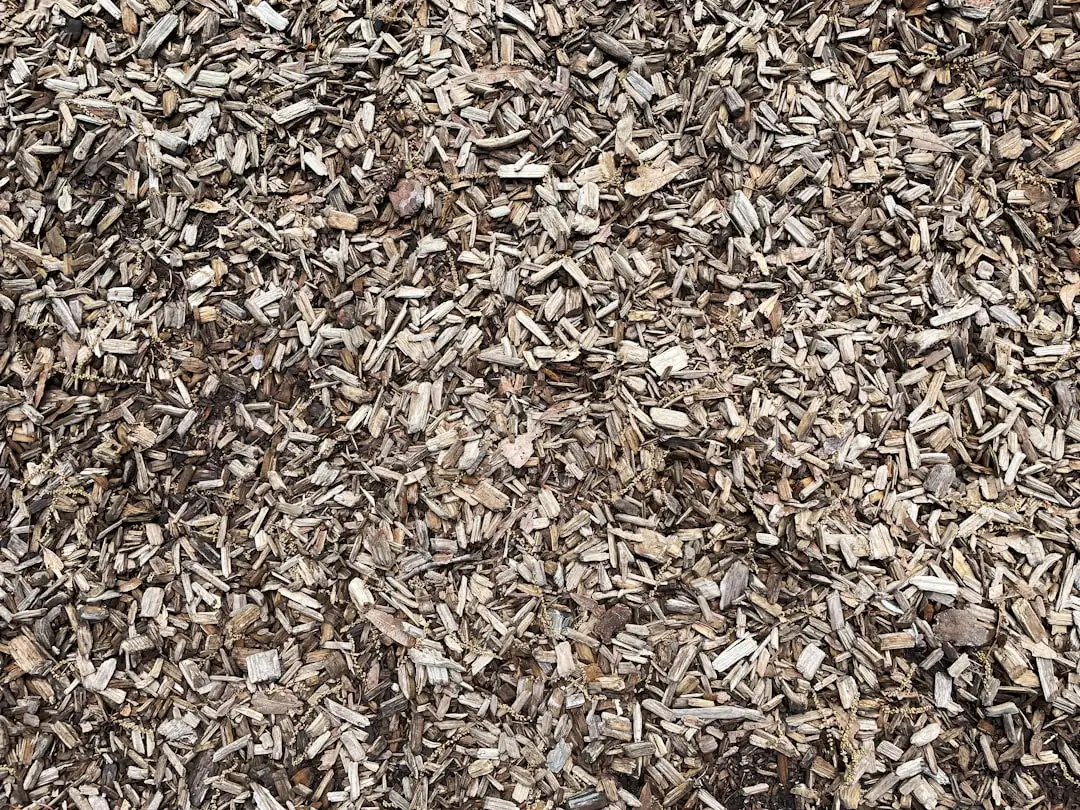
The slow-pour technique works even better when you pair it with something already available in most gardens: a simple layer of organic mulch. Mulch around the base of the plants with organic materials such as straw, grass clippings, or wood chips. Mulching helps retain soil moisture, reduces evaporation, and suppresses weeds that compete with peppers for water and nutrients, improving overall health and productivity.
Mulching with organic materials like straw or wood chips reduces evaporation by up to roughly seven-tenths while maintaining consistent soil temperature. Combine that with a slow, deep watering session and you’ve created a soil environment that holds moisture much longer between waterings. The plant benefits; your water bill doesn’t suffer either.
Watering Frequency: Less Is Often More
One counterintuitive truth about peppers is that they respond better to being left slightly dry between sessions than to being kept constantly wet. Allowing the soil to dry between waterings encourages deeper root growth, leading to an overall healthier root system and plant. In general, peppers prefer being slightly dry to being too wet.
Deep watering every three to four days is better than a short water every day. The University of Arizona’s cooperative extension advises exactly this approach. University of Minnesota Extension advises soaking pepper soil thoroughly at least once a week if the plant does not receive one inch of rain. Frequency depends on climate and container type, but the direction is consistent: soak deeply and wait.
Adjusting for the Flowering and Fruiting Stage
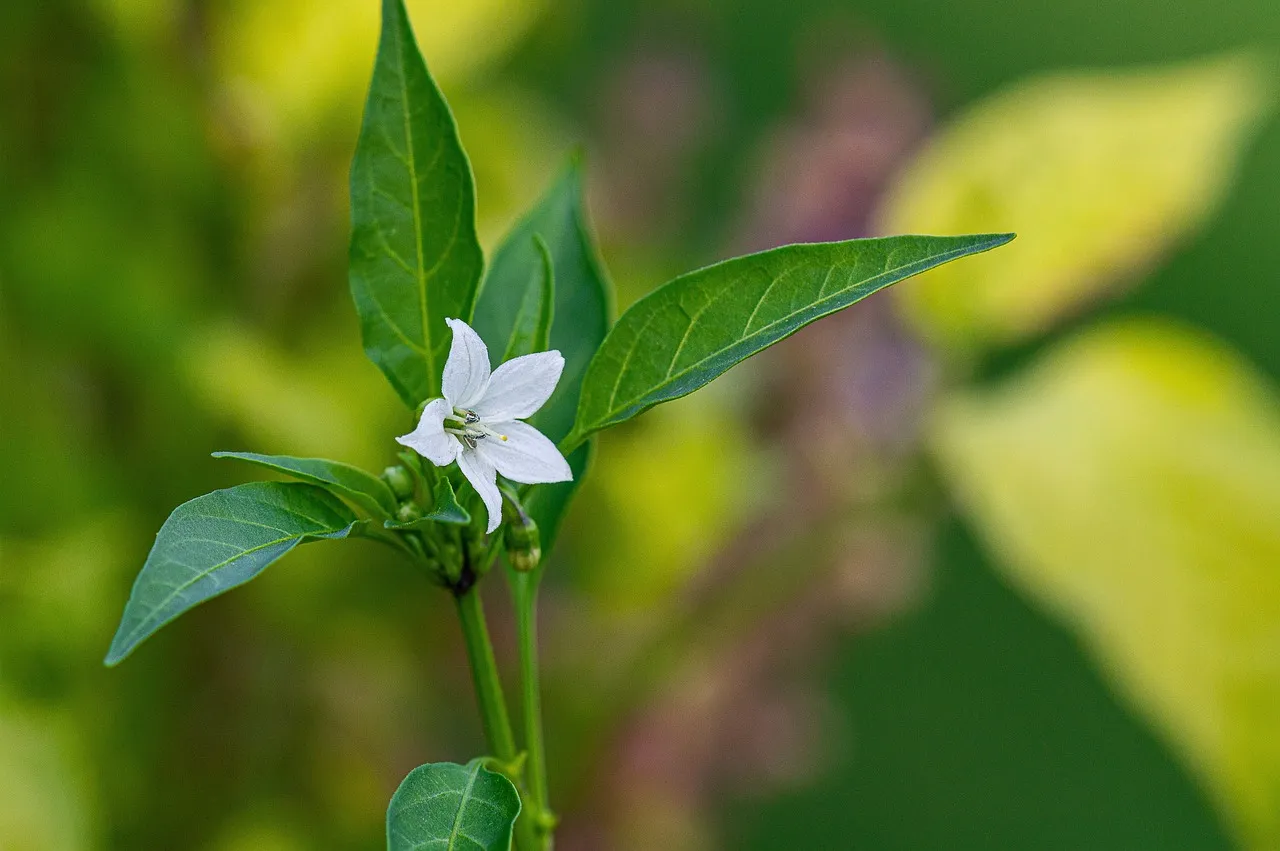
Peppers shift their water demands significantly once they start setting flowers. During flowering and fruit set, the most critical water-sensitive period, peppers need consistent moisture to prevent blossom drop and fruit abortion. This is when the slow, deep pour becomes non-negotiable rather than just beneficial.
Water demand rises when the plant is flowering, setting fruit, or standing in hot wind. A fruiting cayenne or bell pepper can use more water than the same plant needed two weeks earlier. Paying attention to the plant’s growth stage and adjusting your watering depth and frequency accordingly is what separates a decent harvest from a great one. Experienced growers recommend checking soil moisture daily during fruit development and adjusting irrigation accordingly.
What Research Says About Watering Technique and Pepper Yields
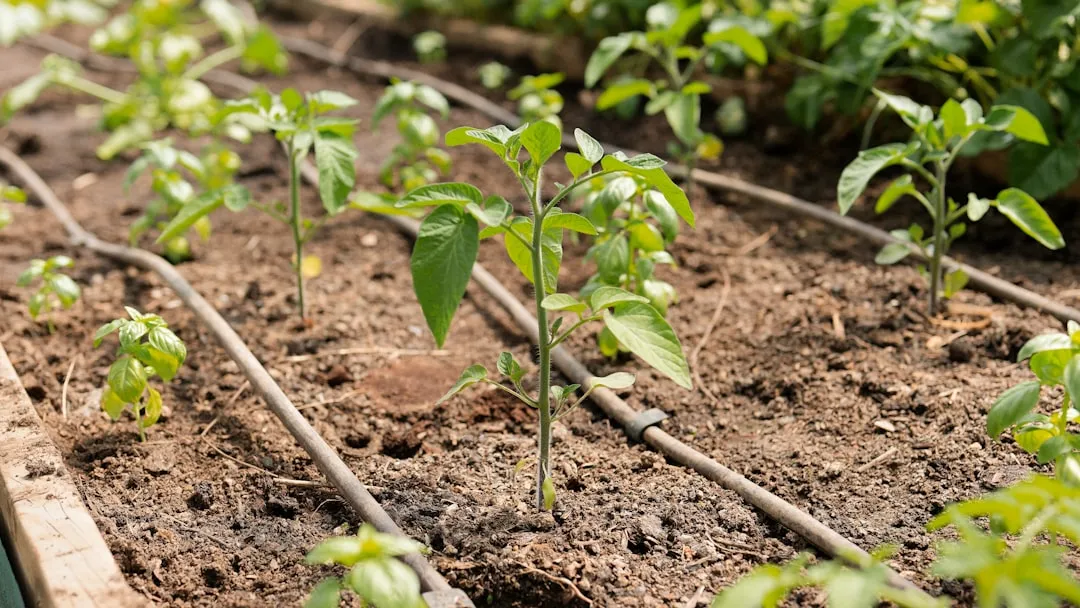
The science behind deep watering and improved yields in peppers is well-documented. Harvest-related metrics including number of harvested fruits, fruit fresh weight, yield, and gross revenue were positively impacted by an increase in irrigation quantity. A 2024 study published in MDPI’s journal on horticulture confirmed this for bell pepper cultivation specifically.
A mild water deficit may actually promote crop growth and development over short periods, according to 2024 research published in Frontiers in Plant Science. This aligns perfectly with the slow, deep, infrequent method: you’re allowing a brief dry-down between thorough soakings rather than maintaining constant surface dampness. Deficit irrigation is becoming more popular as a means of reducing water consumption without negatively affecting output in the context of improving water use efficiency.
Putting It All Together in Under a Minute
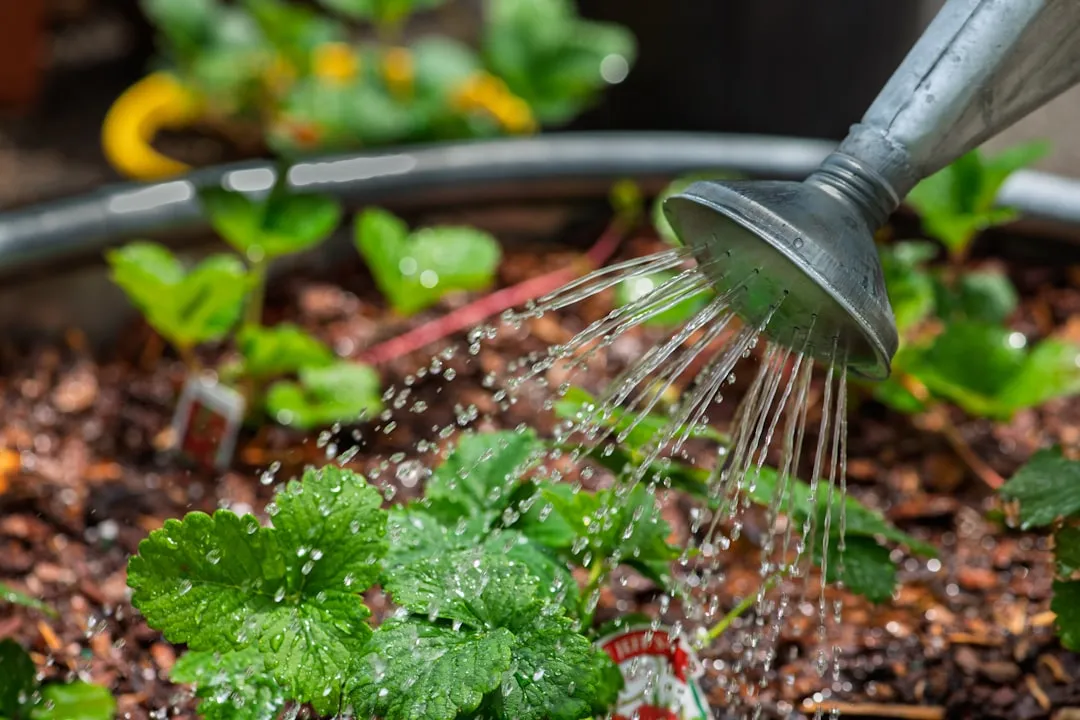
The full routine is simpler than it sounds. Check the soil each morning with a finger. When the top couple of inches are dry, water slowly and directly at the base of each plant for at least fifteen seconds. Apply mulch if you haven’t already. Water in the morning when possible, and never from above the foliage. Avoid wetting the leaves with water as that will make them more prone to disease in humid conditions.
Pepper plants need evenly moist soil to produce the best possible harvest. With consistent, deep watering, your peppers will produce the best quality fruits. These aren’t complicated instructions. They are a shift in attention: fifteen seconds of mindful practice each time you water, consistently applied through the season.
Conclusion
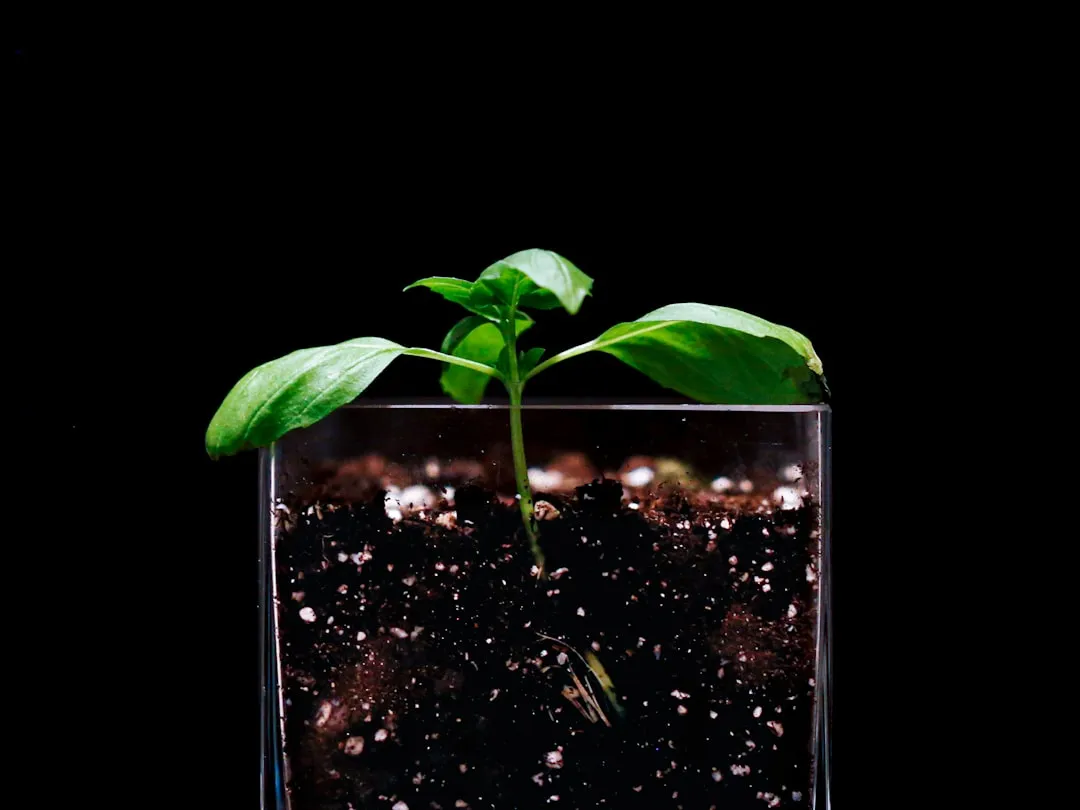
The appeal of this trick is that it requires nothing new. No amendments, no gadgets, no expense. It’s a reframe of something you were already doing. The slow, deep, base-level pour, done at the right time of day and at the right stage of growth, gives pepper roots what they actually need: access to moisture deep enough to last, steady enough not to shock, and targeted enough to avoid foliage disease.
Gardening sometimes rewards patience more directly than effort, and this is a clear example. A few extra seconds per plant, every watering session, over a full growing season compounds into a genuinely different harvest. The soil, the roots, and eventually the fruit all reflect that one small, consistent choice.
AI Disclaimer: This article was created with the assistance of AI tools and reviewed by a human editor.