
What Exactly Is the “Second Wind”?
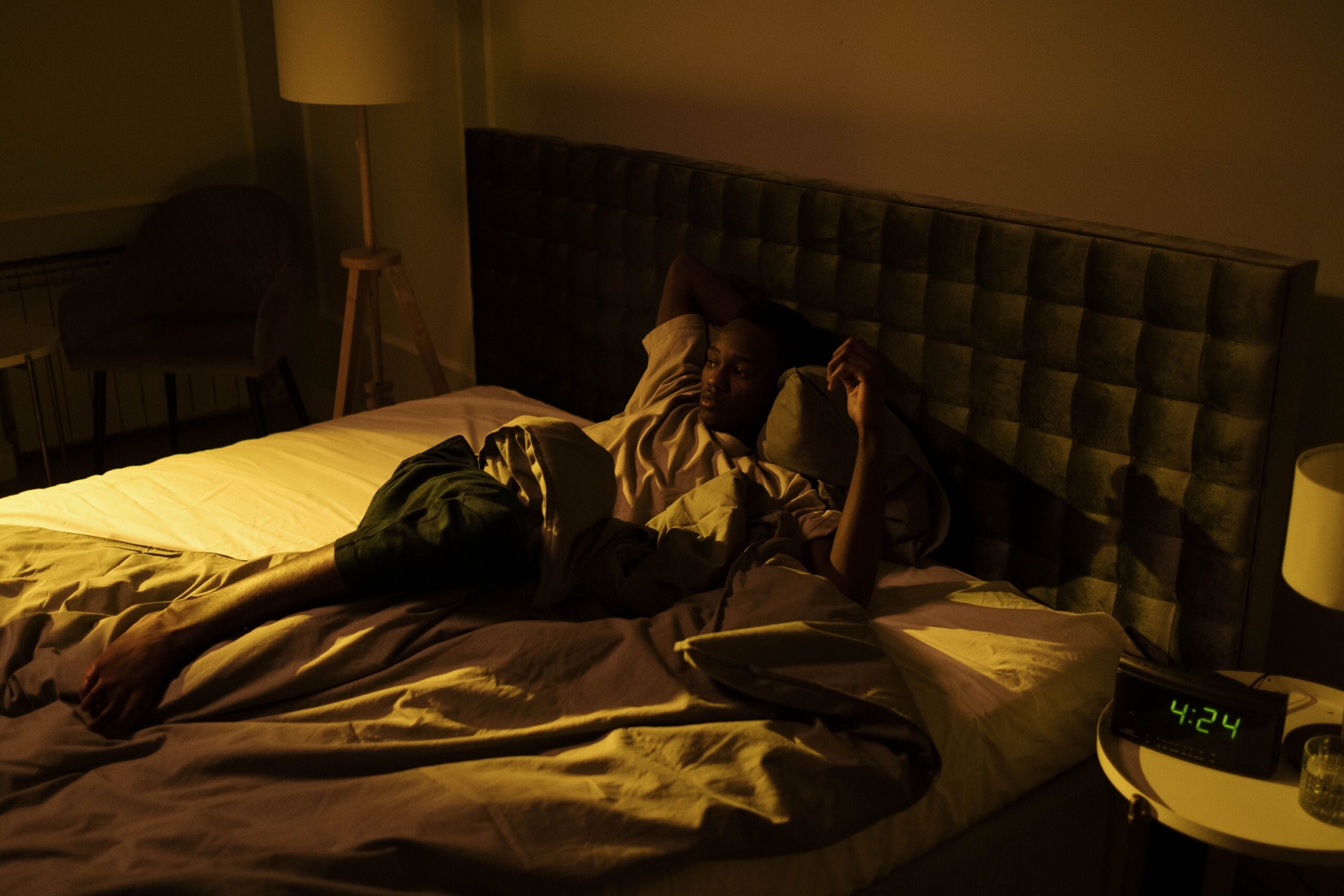
A “second wind” describes a sudden surge of alertness after feeling tired earlier in the evening. Many people feel sleepy around 9:30 or 10 PM, only to become focused, energetic, or even creative around 11 PM or midnight. It can feel genuinely convincing, like a second lease on the evening.
A 2018 constant-routine study found that during this window, cognitive performance actually improved even though subjective sleepiness did not drop. You are not less tired. You are temporarily more capable. That distinction is worth sitting with.
The Science of the Wake Maintenance Zone
As part of the sleep-wake cycle, there is a period after sunset known as the “wake maintenance zone” or “evening second wind,” when energy levels surge. This happens because the body’s wakefulness signals remain relatively high, while sleep-promoting signals, such as melatonin, haven’t fully kicked in yet.
It’s caused by the circadian system sending out its strongest possible alerting signal precisely when homeostatic sleep pressure is at its peak. Think of it as two opposing forces briefly in conflict, with the circadian drive winning out for an hour or two.
Research findings have shown that sleepiness shows two peaks: a large one at night and a smaller one in mid-afternoon, with the “forbidden zone” sitting between them at around 8 PM to 10 PM.
Why Night Owls Feel It Harder
Night owls may notice the alerting signal closer to 10 PM to midnight, while morning types may feel it earlier. That 10 PM burst is the circadian alerting signal, strongest in the “forbidden zone” around 8 to 10 PM.
For night owls, the wake maintenance zone can be longer than that of “morning larks,” who may experience a shorter second wind and find it comparatively easier to fall asleep early. The difference is not laziness or poor habits. It is biology.
A natural night owl’s circadian rhythm is simply programmed to run later, causing their peak sleepiness and alertness to occur later in the 24-hour day. This applies to virtually every system in the body, not just sleep onset.
The Brain’s Master Clock Is Behind It All
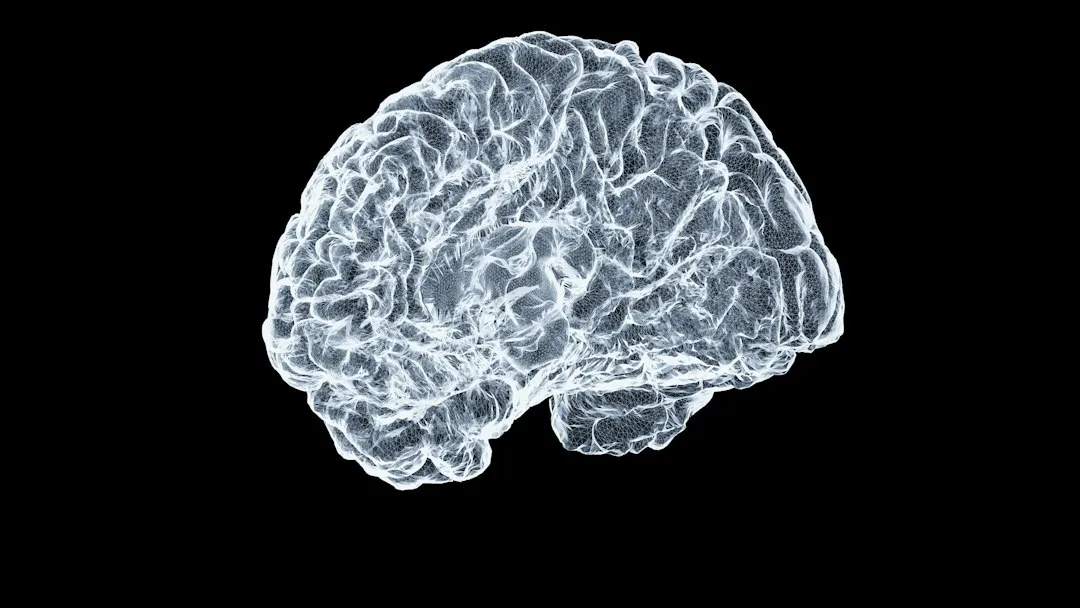
Night owls experience a unique second wind of cognitive arousal about 10 hours after waking, allowing for sustained mental performance. It is driven by the suprachiasmatic nucleus activity, the brain’s internal clock.
The inner 24-hour biological clock, also known as the circadian rhythm, has a significant and essential impact on basic physiology. Circadian rhythm is controlled centrally by the suprachiasmatic nucleus. A key factor regulating this central clock is sunlight, which inhibits melatonin production.
Melatonin Timing and the Delayed Release Problem
Research shows that night owls naturally produce melatonin, the sleep hormone, later in the evening. If melatonin release doesn’t start until 11 PM or later, a person won’t feel truly sleepy until well past midnight. This is what creates the gap in which the second wind thrives.
Studies from sleep research institutions show that even moderate screen use in the evening can delay melatonin release by one to two hours. For someone already running on a delayed schedule, that extra push can shift the sleep window well into the early morning hours.
Genetics Play a Bigger Role Than Most People Think

Getting a second wind at night and struggling to fall asleep often has a genetic cause, linked to genes controlling circadian rhythm and sleep timing. This is not a character flaw or a lifestyle choice that could be corrected with more willpower.
Chronotype describes an individual’s preferred timing of sleep and activity, and it is about 40 to 50 percent genetically influenced, shifting naturally with age, becoming later in adolescence and earlier in adulthood.
The gene PER3 is one of the core clock genes that helps regulate circadian rhythm and also influences how strongly a person accumulates sleep pressure. When certain variants of these genes are present, the entire schedule can shift in ways that no amount of discipline can easily override.
What Amplifies the Second Wind Beyond Biology
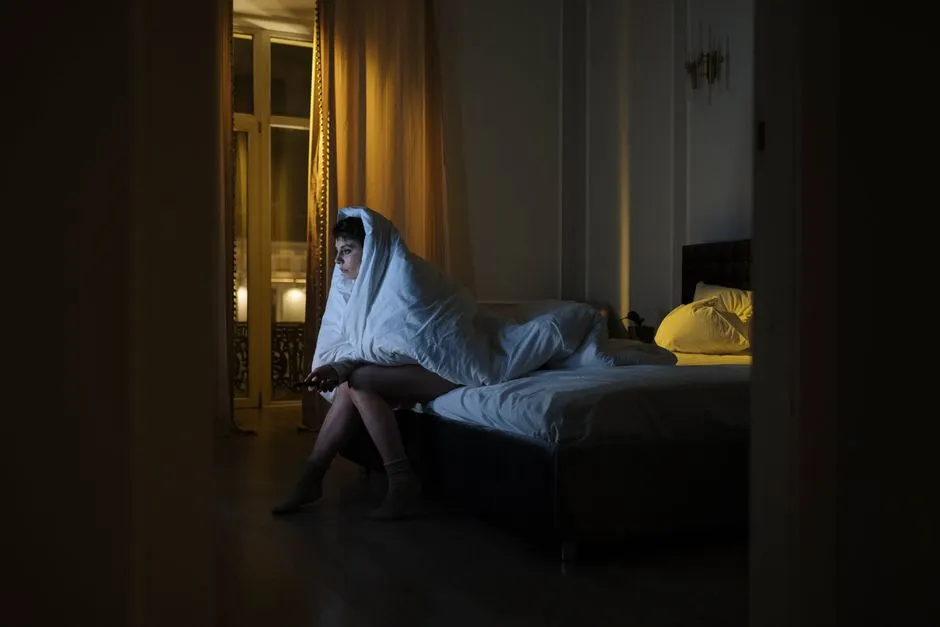
Anxiety, late-night work, social media use, or engaging in stimulating activities can trigger the release of stress hormones like cortisol and epinephrine, increasing alertness. Research also suggests that blue light emitted by electronic devices suppresses the secretion of melatonin.
Even dim light can interfere with circadian rhythm and melatonin secretion. Most people significantly underestimate how much their lit environment is working against them, even when it doesn’t feel bright at all.
A surprising detail from research is that the evening surge can be most noticeable when a person is most tired. The improvement during the wake maintenance zone was most prominent after extended wakefulness, suggesting that the circadian signal matters most when homeostatic sleep pressure is high.
The Cognitive Upside (and Why It’s Deceptive)
While morning types see a steady drop in arousal across the evening, evening types experience a surge in neural activity that offsets the building fatigue of a long day. This is why the late-night window often feels like peak creative time.
By the time a morning lark has reached their eighth or ninth hour of wakefulness, their reaction times slow and their focus wavers. In contrast, the night owl is just entering their late-night mental peaks, allowing them to continue high-intensity work with fewer errors.
Still, it is worth remembering that the cognitive boost is temporary. Using the second wind as a productivity window every night pushes bedtime further out, compounding the sleep debt that arrives the next morning.
The Health Risks of Living in the Second Wind Too Often

Night owls being true to their chronotype were 20 to 40 percent more likely to have been diagnosed with a mental health disorder, compared with night owls following an early or intermediate sleep schedule. That finding from Stanford Medicine’s 2024 large-scale study was notable precisely because it was counterintuitive.
A large study tracking more than 300,000 adults found that middle-aged and older night owls had poorer overall heart health and a higher risk of heart attack and stroke than those who were active earlier in the day, with the effect especially pronounced in women.
According to a body of research, night owls, compared with early risers, face a roughly 30 percent higher risk of diabetes, nearly double the odds of psychological disorders including depression, a 10 percent higher all-cause mortality risk, and increased heart disease risk. These are not trivial margins.
Can the Second Wind Be Managed or Reset?
That late-night second wind typically signals a delayed circadian rhythm, where the internal body clock is running behind schedule. It can be reset by using morning sunlight exposure, dimming evening lights, cutting off screens earlier, keeping a fixed wake time, shifting bedtime gradually, timing caffeine wisely, and building a consistent wind-down routine.
Going to bed and waking up at the same time daily helps regulate the body’s internal clock and reduces second-wind episodes. Consistency matters far more than any single intervention.
A 2019 study found that night owl participants who shifted their sleep-wake cycle by just two hours reported improvements in stress, anxiety, depression, and overall cognitive and physical performance. Small shifts, maintained consistently, appear to carry real benefits.
Final Thoughts
AI Disclaimer: This article was created with the assistance of AI tools and reviewed by a human editor.