
Start with a Slow Walk and Open Eyes
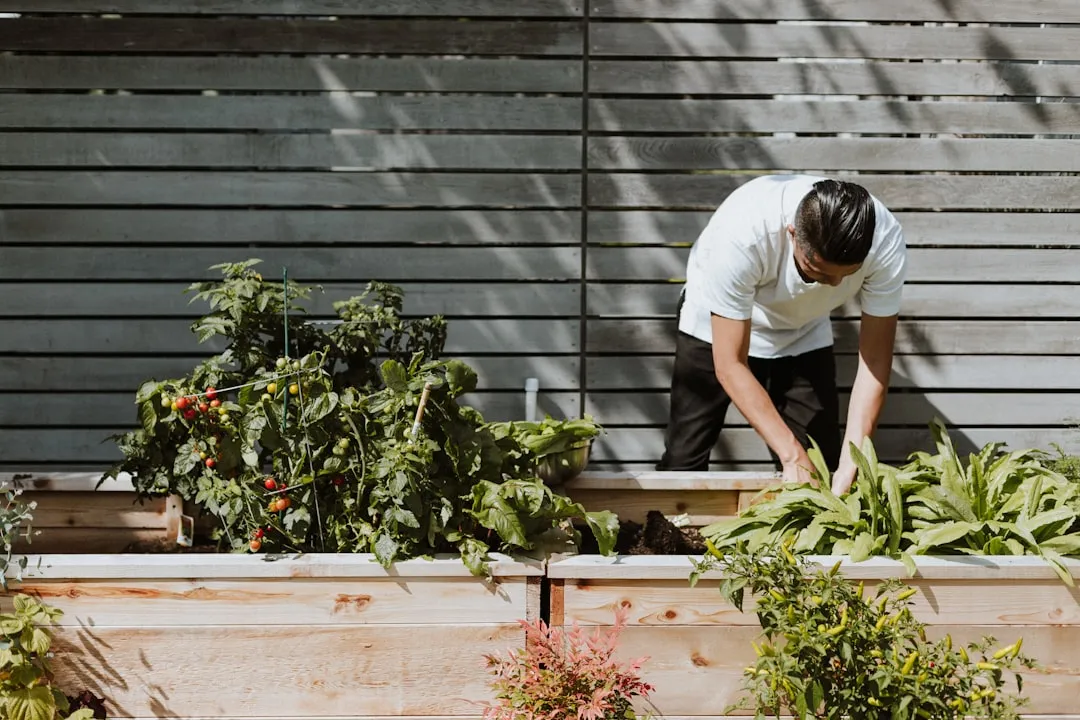
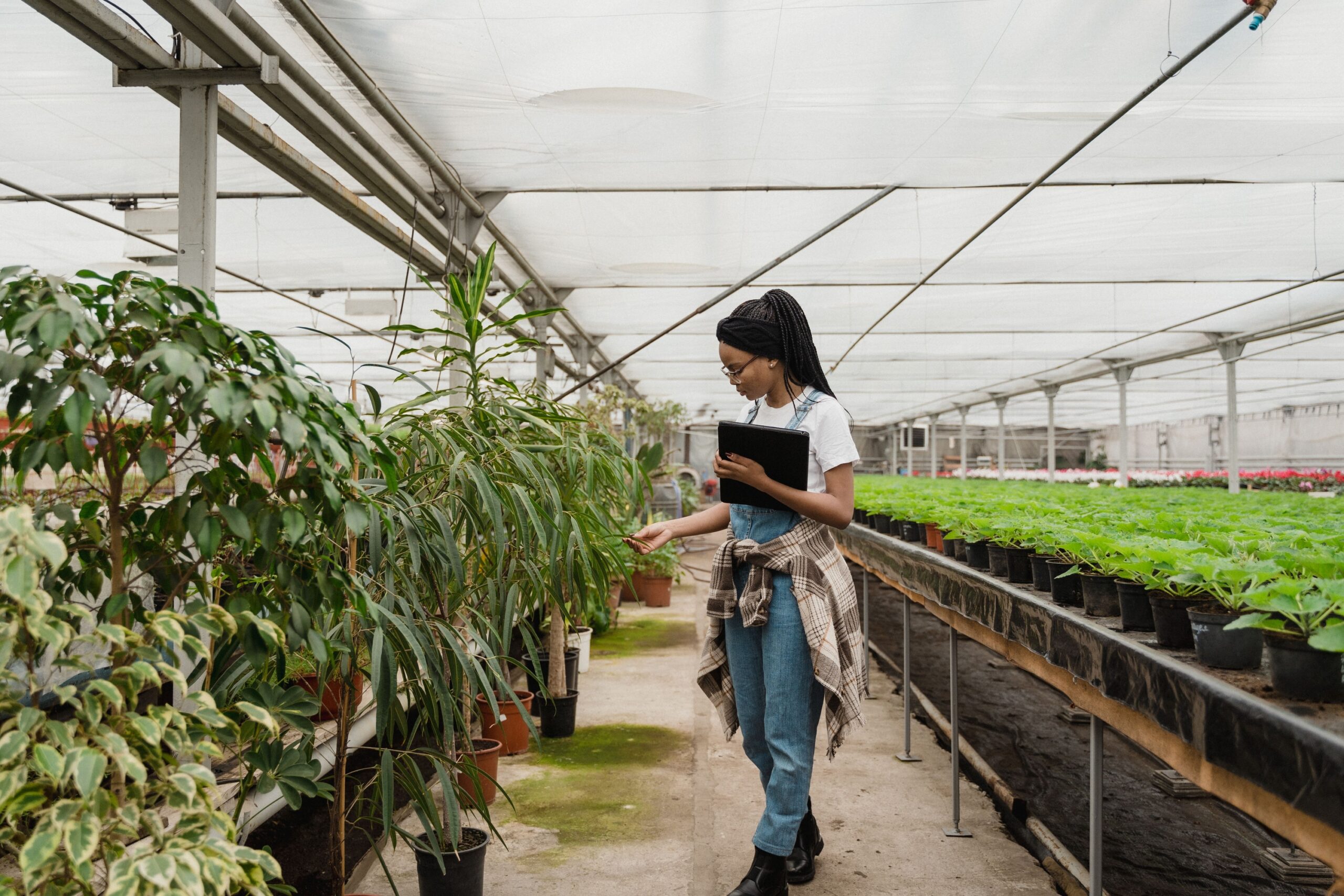
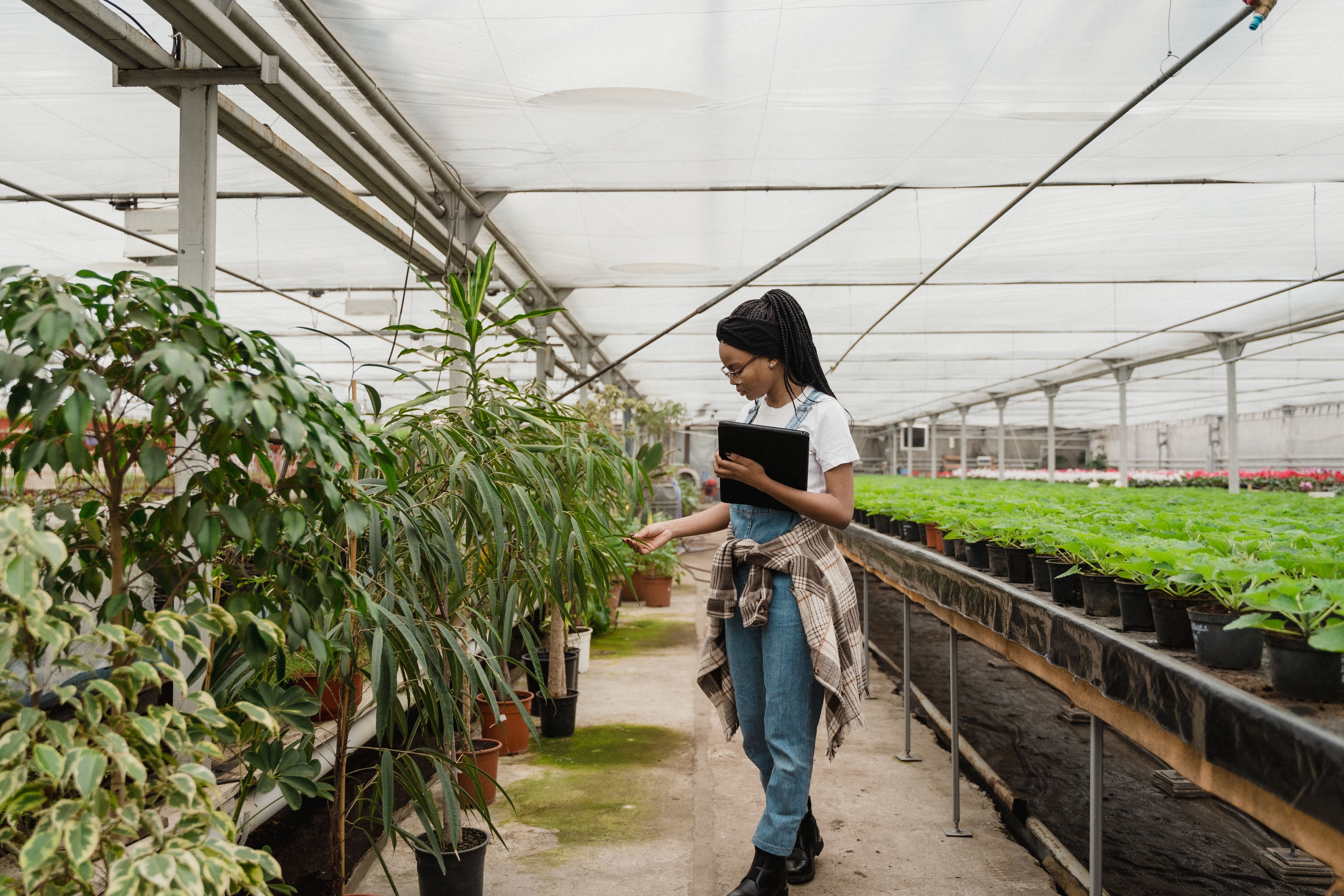
The first minute of your weekly routine should cost you nothing but attention. Walk your garden slowly, moving row by row or bed by bed, scanning for anything that looks off. You’re not diagnosing yet, just noticing. The gardener who inspects plants frequently and identifies problems when they first begin to develop will often have a wider selection of effective management options.
Look for color changes, wilting that doesn’t match the weather, or patches on leaves that weren’t there last week. Holes, yellowing or browning leaves, spots or patches, leaf drop or curling leaves, slow or stunted growth, and wilting despite adequate water are all visual cues of early stress. Catching these early is the entire point of the routine.
Check Leaf Undersides, Not Just the Tops
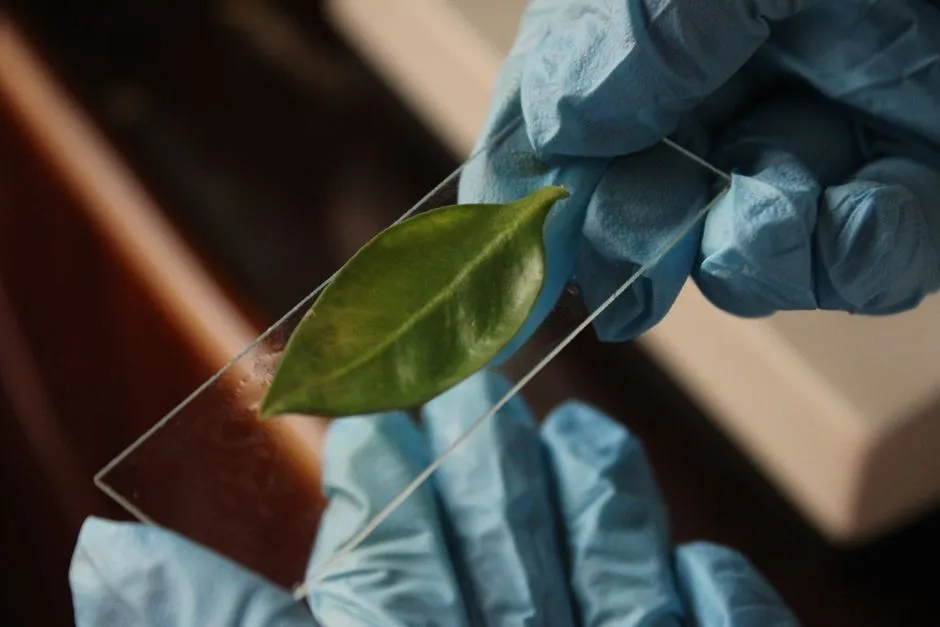
Most gardeners look at the top surface of a leaf and move on. The underside is where trouble usually starts. Many fungal spores, pest eggs, and early lesions colonize the sheltered lower surface first, well before they’re visible from above. Inspecting transplants and established plants for insect damage on the leaf surface or insects on the lower leaf surface is an essential early step.
Flip a few leaves on tomatoes, cucumbers, squash, and roses each week. You’ll often find the first sign of spider mites, aphids, or downy mildew there before it spreads. Early detection enables early intervention strategies, which can reduce the overall costs and resources required for disease management. A few seconds per plant pays dividends across the whole bed.
Water at Soil Level, Not from Above
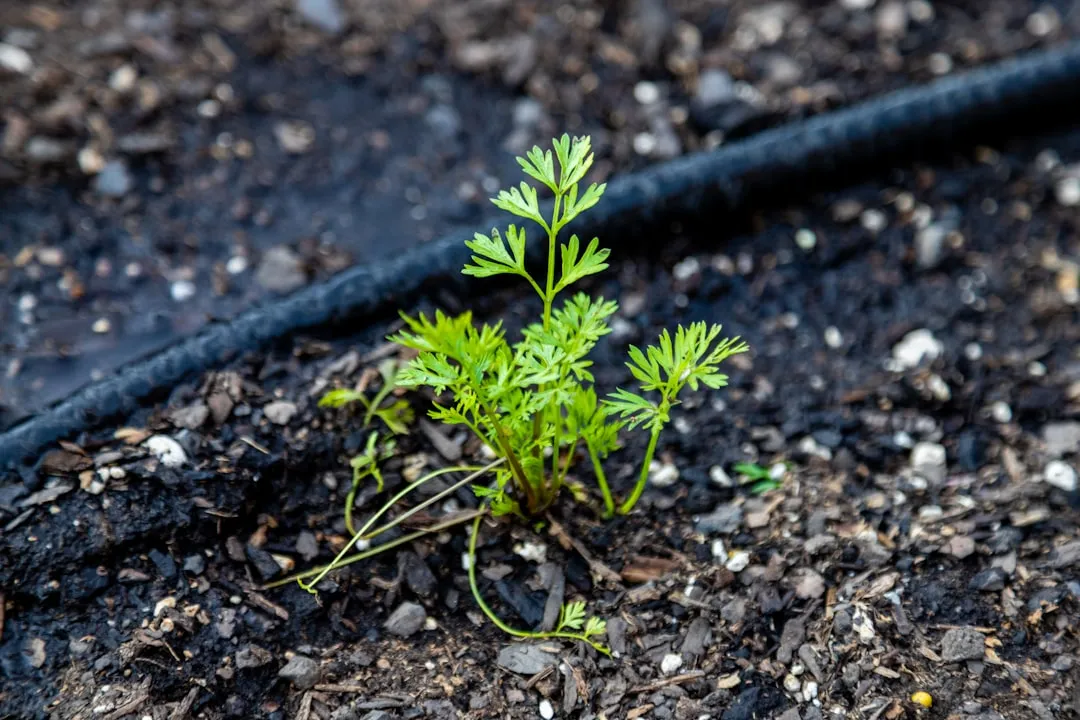
Watering habits are one of the most controllable disease risk factors in any garden, and one of the most commonly mismanaged. Watering plants at the soil line, rather than from above, minimizes the risk of fungal disease. Wet foliage that stays damp into the evening is almost an open invitation for pathogens.
Plants that remain wet throughout the night are more likely to develop disease problems. If you’re using overhead sprinklers, switching to drip irrigation or targeted hand watering near roots makes a measurable difference. When possible, using drip irrigation or careful hand watering to add water near the roots of plants without splashing water onto the leaves is the most effective approach.
Remove Diseased Leaves Immediately
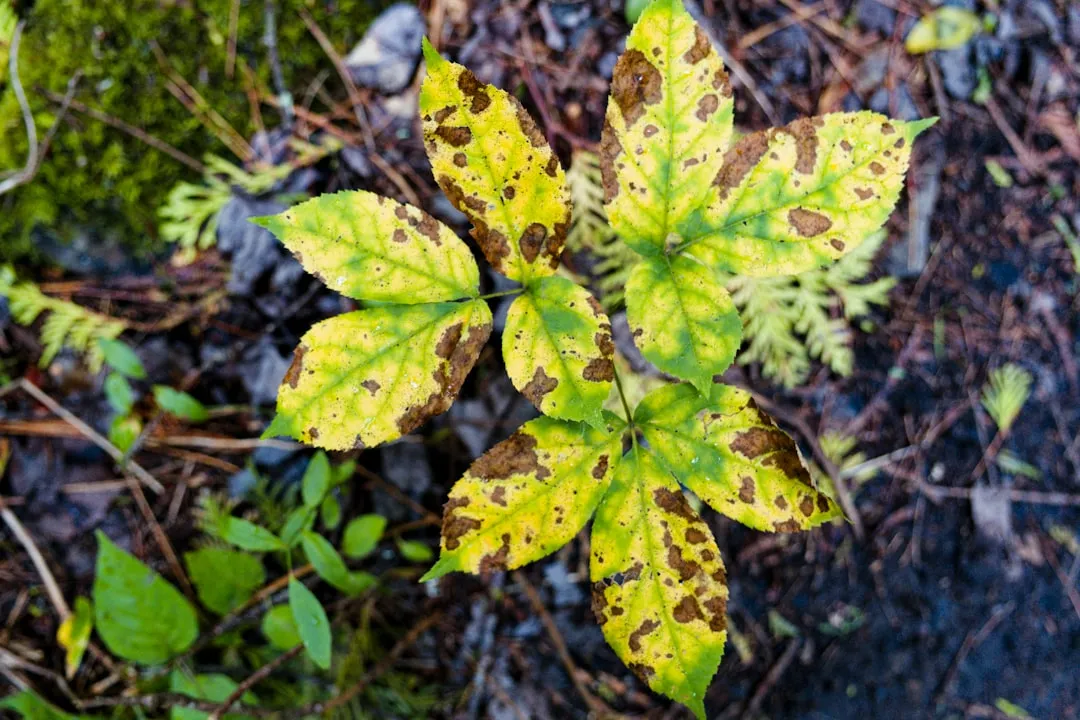
Diseases spread easily by wind and rain from diseased plant tissues. Leaving a single infected leaf on a plant, or on the ground below it, gives spores a platform to launch from. During your weekly walk, remove anything that looks spotted, discolored beyond normal aging, or visibly infected. Do it carefully and do it consistently.
Remove infected plants and plant tissues to prevent the spread of pathogens to healthy plants, and remove diseased leaves only when plants are dry and no rain is forecast. Working among wet plants moves spores from leaf to leaf on your hands, clothing, and tools. Wait for a dry window if you can.
Critically, destroy the diseased material and do not compost it. Composting infected plant tissue creates a reservoir of pathogens that cycles right back into the garden.
Check Air Circulation Between Plants
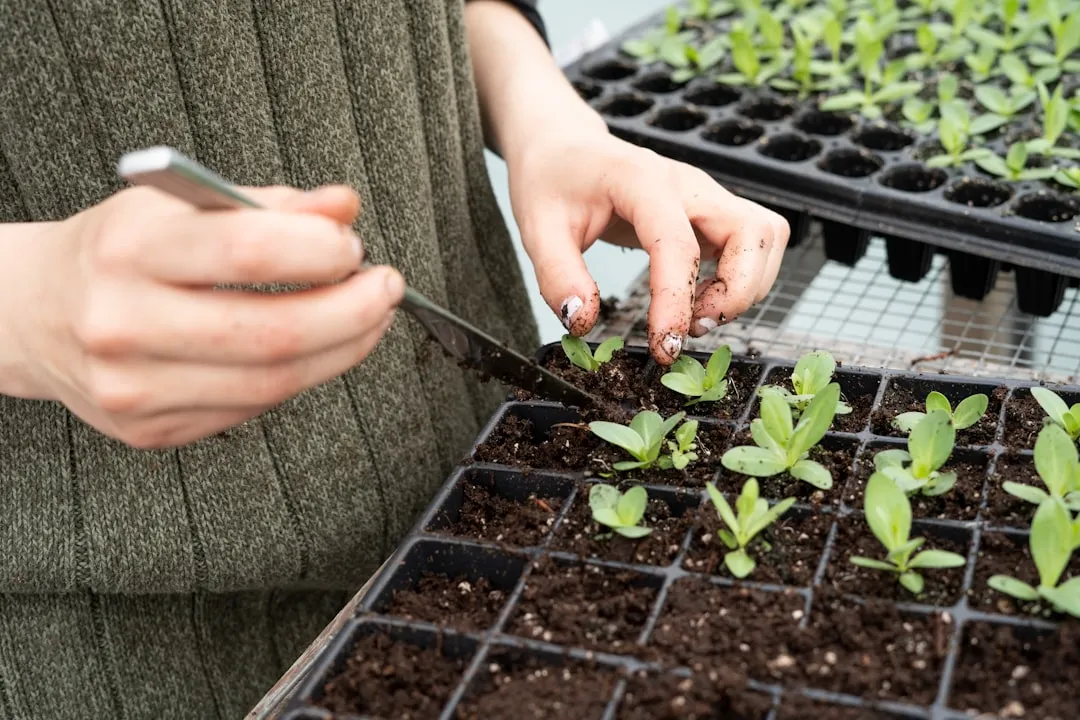
Crowded plants trap humidity, and humidity is the single most consistent environmental factor in fungal disease development. Crowding creates a moist, humid environment that is favorable for disease development. Once a week, take a quick look at whether any plants have grown into each other since your last visit, especially fast-growing summer crops like zucchini, basil, or sprawling tomatoes.
Tight arrangements cause poor air circulation, which can exacerbate humidity and cause problematic fungal growth, while well-spaced plants have better access to sunlight and nutrients, resulting in more vigor and less competition for resources. Gently pruning or tying back branches that are pressing against neighbors is a fast fix with a long payoff. Proper spacing of plants allows good air flow between plants and rows and can keep foliar fungal diseases, such as early blight and septoria leaf spot, under control.
Sanitize Tools Before Moving Between Plants
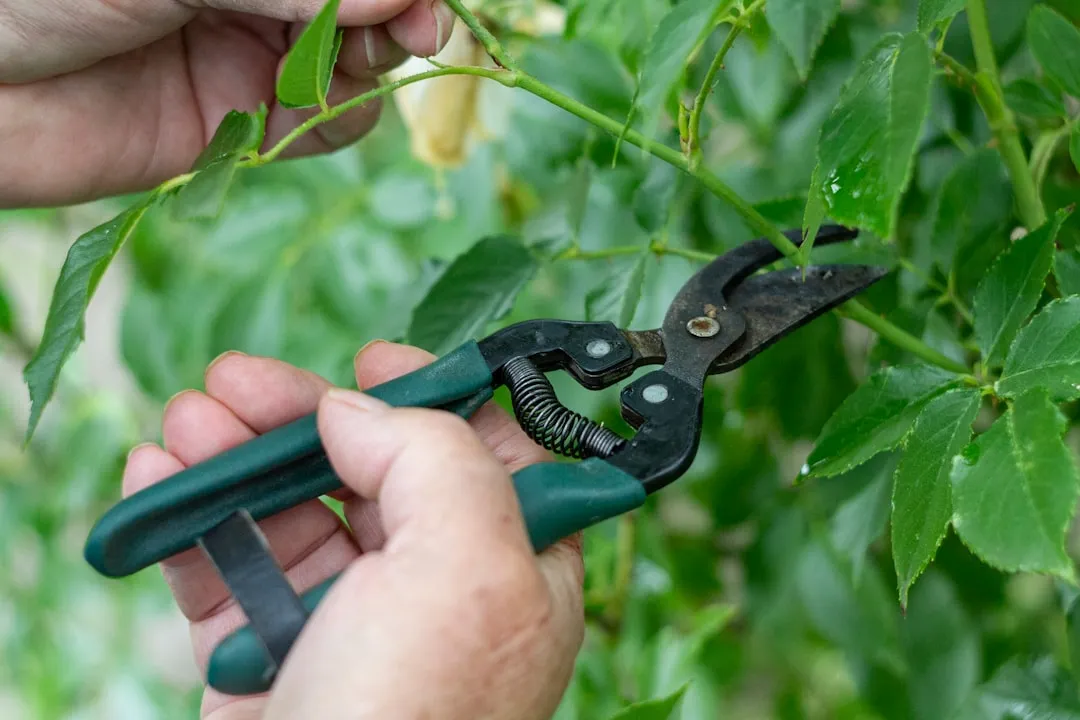
A single pair of pruning shears can carry a pathogen from one end of your garden to the other in under five minutes. Garden tools can be disinfested by washing them with detergent, which removes soil and adhering fungi or bacteria, and the detergent will remove some of the virus from the tools and inactivate any remaining virus. This step takes less than 60 seconds per tool change and prevents what is otherwise a very efficient transmission route.
Pruning during the growing season can injure the plant and, if infected pruning shears are used, introduce a pathogen to the open wound. This is especially relevant when pruning roses, tomatoes, or fruit trees. Keep a small spray bottle of diluted bleach or a container of isopropyl alcohol nearby as you work through the garden each week.
Apply or Check Mulch Around Plant Bases
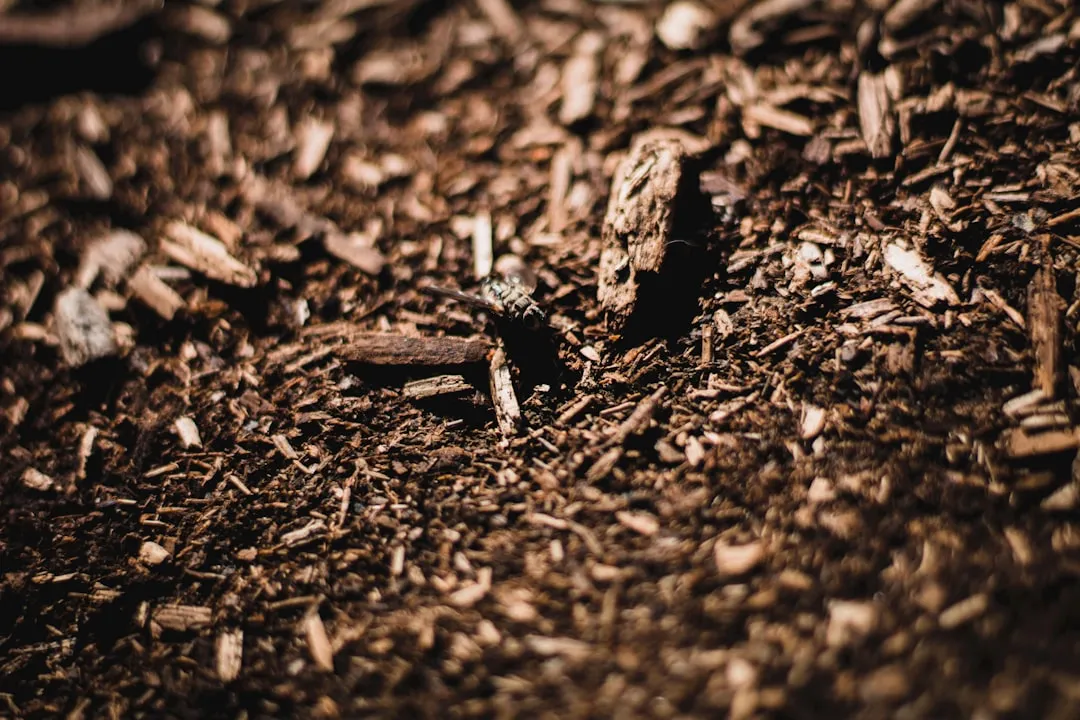
Mulch is one of the quietest disease-prevention tools available, and it works while you’re doing something else entirely. Mulches prevent soil that may contain disease-causing organisms from splashing onto the plants, and also help retain soil moisture. A simple soil splash during rain or overhead watering can carry fungal spores from the ground directly onto lower leaves.
Mulch, whether straw or plastic, prevents pathogens from splashing up from the soil. During your weekly check, look for gaps or bare patches in your mulch layer, particularly around tomatoes, peppers, and cucurbits. Apply a layer of organic mulch around plants, avoiding direct contact with stems, which can create its own moisture trap and rot issues.
Weed Aggressively Near Your Crops
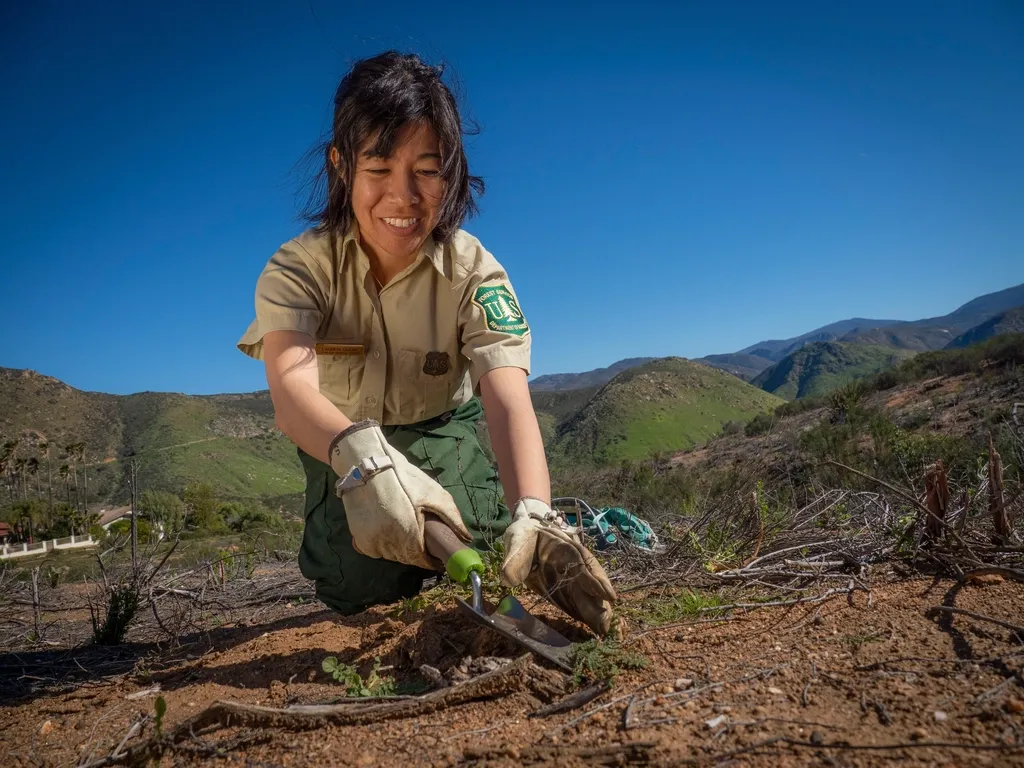
Weeds aren’t just competing for nutrients. Many of them harbor the exact pathogens and insect vectors that attack garden crops. Certain plant pathogens can grow on weeds and spread to garden plants. For example, aster yellows phytoplasma can be spread from dandelions to carrots by the aster leafhopper. Spending two minutes pulling weeds from the edges of beds is a genuine disease prevention strategy, not just housekeeping.
Some weeds attract insects that transmit diseases, and this is especially true of viral diseases. Keeping weeds cleared from around garden edges, fence lines, and path borders removes both pathogen reservoirs and pest habitat. This is a small task that compounds in protective value over the season.
Assess Soil Drainage and Moisture Levels
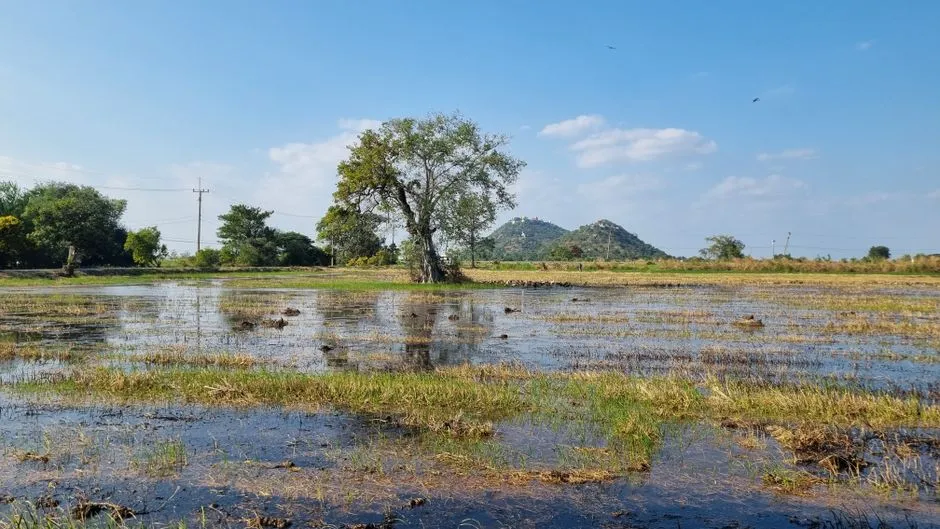
Root rot is one of the most common and most preventable garden diseases, and it almost always begins with waterlogged soil. The garden site should be well drained. Waterlogged soil encourages development of root-rotting fungi, whereas good drainage promotes good growth of plant roots and thus the entire plant. Once a week, check the soil around vulnerable plants by pressing a finger into the soil about two inches deep.
If the soil feels saturated two or three days after the last watering, drainage is a problem worth addressing. Plant diseases often provide helpful clues to the underlying problems that made a plant susceptible, and these problems might include poor site selection, nutrient imbalance, water stress, or improper mulching, irrigation, or pruning practices. Addressing moisture before a fungal outbreak is far easier than managing one after it takes hold.
Keep a Simple Garden Log
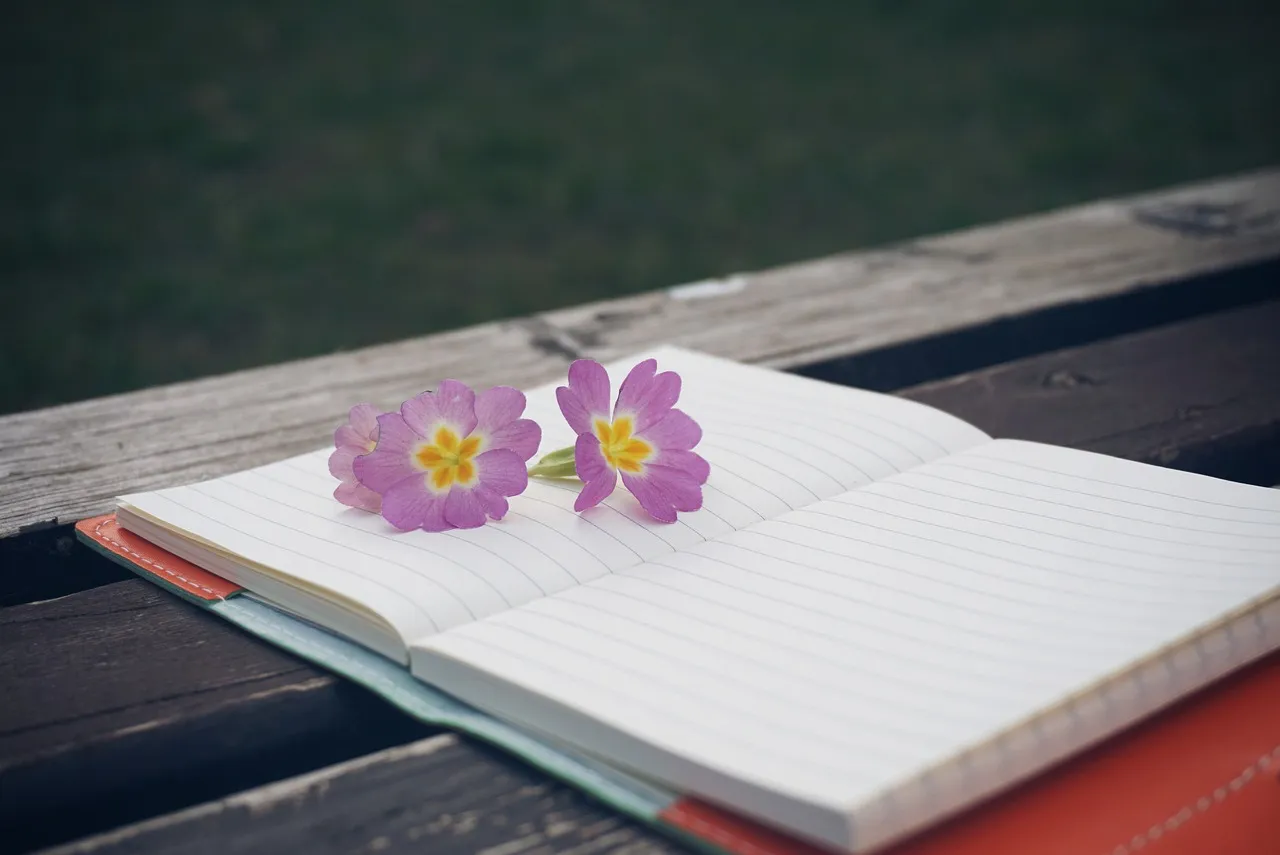
Memory is unreliable, especially across a full growing season. A short note each week about what you saw, what you removed, and what looked healthy creates a running record that becomes more valuable over time. To properly diagnose plant problems, the gardener needs background knowledge about the plant, the current environment, and the typical diseases or other problems to which the plant is susceptible. Your own log builds exactly that kind of knowledge, tailored to your specific soil, climate, and plant varieties.
Knowing which plants were diseased last season, and where they were placed, directly informs smarter rotation decisions. Members of the same plant family are susceptible to similar diseases and should see a new spot in the garden each season. A two-sentence weekly note costs almost nothing and quietly prevents repeating the same losses year after year. Managing plant diseases involves staying informed with the latest research and employing a proactive, integrated approach.
The Real Value of Ten Minutes
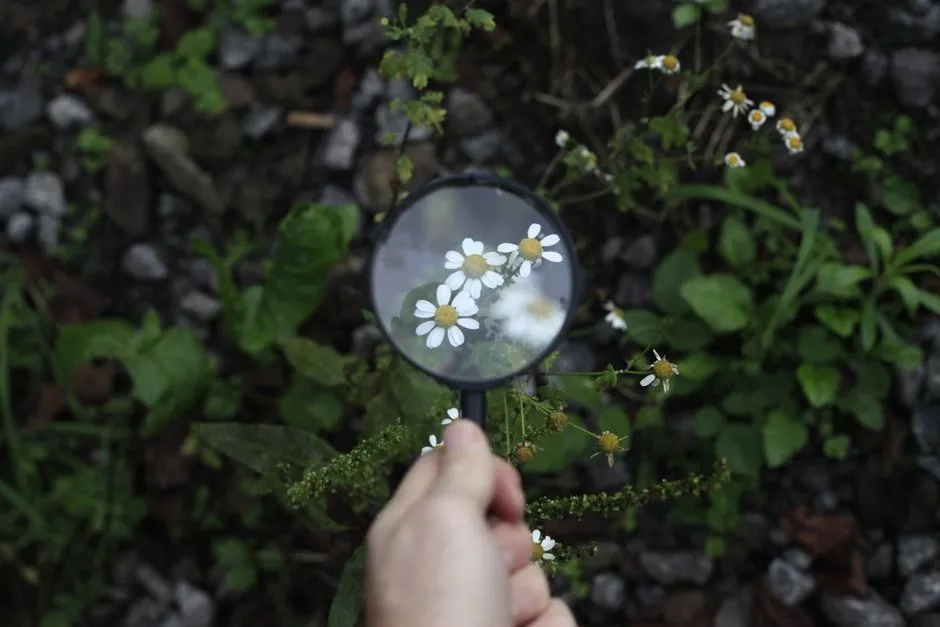
The appeal of this routine isn’t complexity. It’s consistency. Worldwide, growers lose between 10 and 23 percent of their crops to fungal infection each year, despite widespread use of antifungals. Home gardeners who rely only on reactive treatment face similar attrition. A weekly walk that catches problems early breaks that pattern without requiring chemicals or special equipment.
If you can address the underlying cause of the plant’s problems, the disease process will be thwarted, and the plant can regain its health and vigor to resist such problems in the future. Ten minutes a week, done with actual attention, is enough to shift most home gardens from reactive to genuinely resilient. The garden rewards observation more than intervention.
AI Disclaimer: This article was created with the assistance of AI tools and reviewed by a human editor.