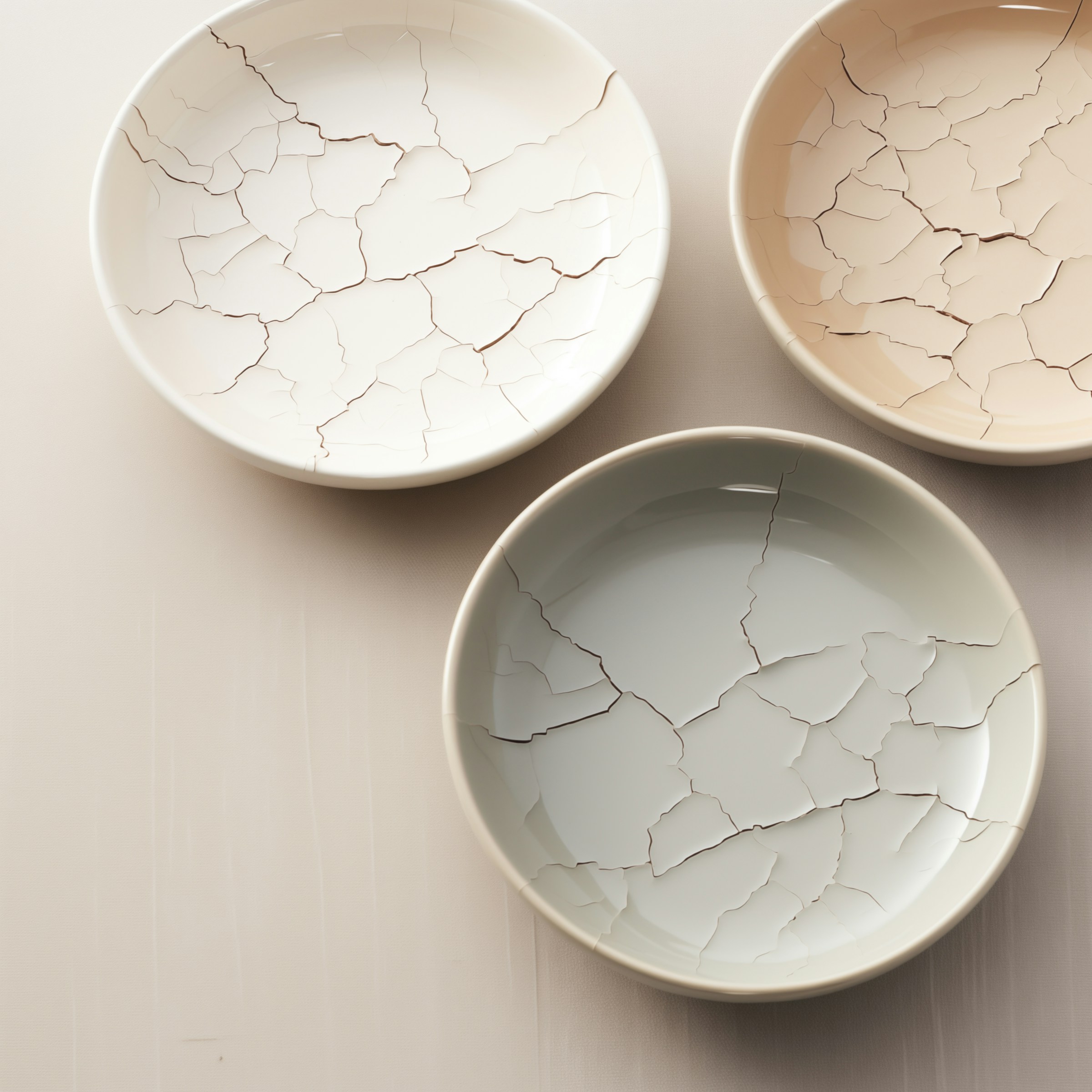

Most people treat old plates the way they treat old furniture: useful until they’re not, then quietly stored away or donated without a second thought. That chipped plate at the back of your cabinet, the one with the faded blue pattern and the tiny nick on the rim, might deserve a second look before it ends up at a thrift store for a dollar.
The antique and vintage market has been growing steadily, and ceramics, including old dinnerware, sit right in the middle of that wave. The global collectibles market was valued at $320.3 billion in 2025 and is projected to grow to $535.5 billion by 2033, at a compound annual growth rate of 6.9%. Plates are a small but real part of that story.
The Market Is Bigger Than Most People Realize
The art and antiques segment held the largest market share at nearly a third of total collectibles revenue in 2025, and the vintage segment alone accounted for roughly two-fifths of the overall market. Those are not small numbers, and they reflect genuine demand from real buyers.
Perhaps the most significant shift reshaping the antiques industry in 2025 is the rise of millennial and Gen Z buyers, whose preferences are fueling significant growth, particularly online. According to Pinterest’s Fall 2025 Trend Report, Gen Z is moving away from mass-produced goods and embracing pieces with character and story.
Traditional porcelain, hand-blown crystal, and classic Staffordshire plates are continuing a strong return in 2026, with their blend of elegance and everyday usability making them favourite finds among collectors. This is not a niche obsession. It’s a growing mainstream interest.
Condition Still Drives Value – but Not Always the Way You’d Expect
When porcelain or pottery has a crack or chip, experts note it can place the value at roughly ten to fifteen percent of what the piece would be worth in mint condition. That is the general rule, and it matters.
There are rare cases where damage does not affect value significantly, but most of the time, damage destroys value. Still, ten to fifteen percent of a very valuable plate can still be a meaningful sum, especially if the piece is rare or historically significant.
Most old china is worth relatively little. The vast majority of Victorian and Edwardian dinner services sell for $50 to $200 for an entire set, because supply massively exceeds demand since millions of sets were produced and many survive. The key word there is “most” – because some are genuinely different.
The Backstamp on the Bottom Is Your First Clue
To estimate the age of a plate, start by examining the markings on the bottom. Pottery marks, or backstamps, can reveal the manufacturer, country of origin, and sometimes even the exact year the piece was made. This is where most people stop looking, and that’s a mistake.
Maker’s marks can tell a great deal about a ceramic, far more than just the maker’s name. Marks may be stamped, painted, impressed, printed, or incised on the bottom, and makers redesigned their emblems over time, meaning you can often date a piece by matching the mark to when it was used.
Maker’s marks on the underside of porcelain and china are the single fastest way to identify the manufacturer, narrow the production date, and estimate value. A hand-painted Royal Worcester mark with a specific date code can pin a piece to the exact year it left the factory. But marks are only part of the story – body composition, glaze characteristics, pattern style, and condition all feed into what a piece is actually worth.
Some Patterns Command Serious Auction Prices
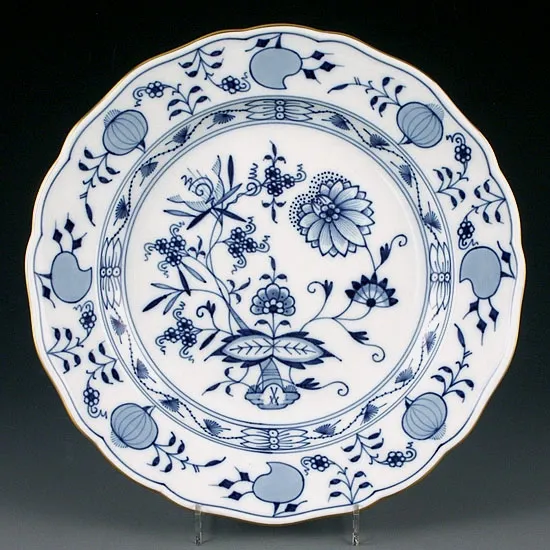
An original 1832 set of twelve plates sold for $7,000 in 2025, while an original set of over 120 pieces from the same year sold for $60,480 in 2024, and a 20th-century reproduction set of 80-plus pieces brought $30,000 in 2024. Even reproductions of the right patterns can fetch real money.
A 19th and 20th century Blue Onion set of over 200 pieces sold for nearly $24,000 in 2025. That’s a pattern many people recognize from grandparents’ cabinets without ever suspecting its market value.
The highest-priced plate encountered in recent searches was a famille verte bird and peach birthday plate at Christie’s that sold for around $564,390 in 2024. Most plates will never approach that figure, but it illustrates the range that exists in this market.
Prestigious Maker Names Matter Enormously
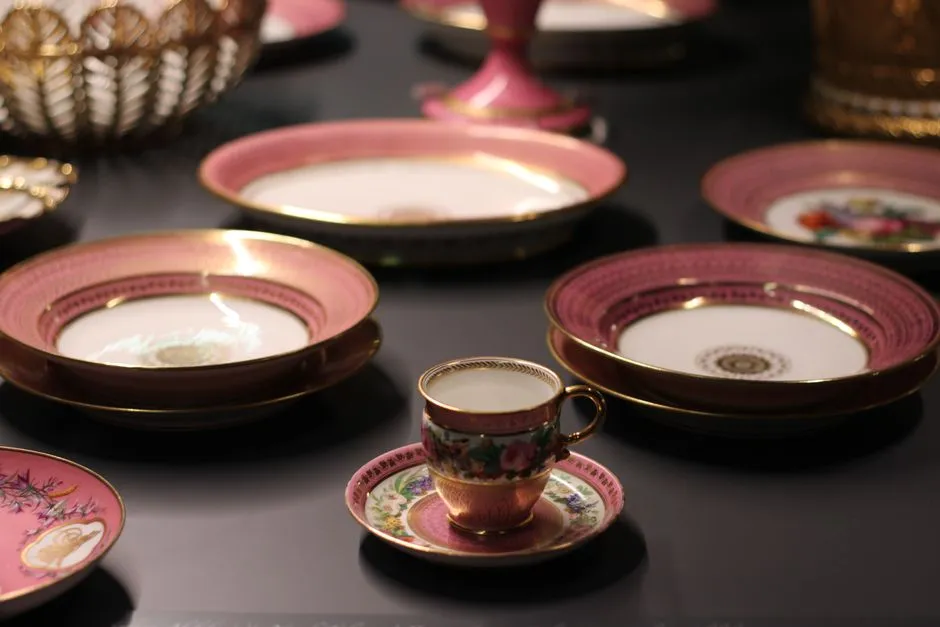
Plates that are limited editions, especially those from renowned artists or well-known manufacturers, tend to be the most sought-after. Brands like Royal Doulton, Wedgwood, and Franklin Mint often hold higher value. Recognizing these names is a practical starting point for anyone sorting through inherited dinnerware.
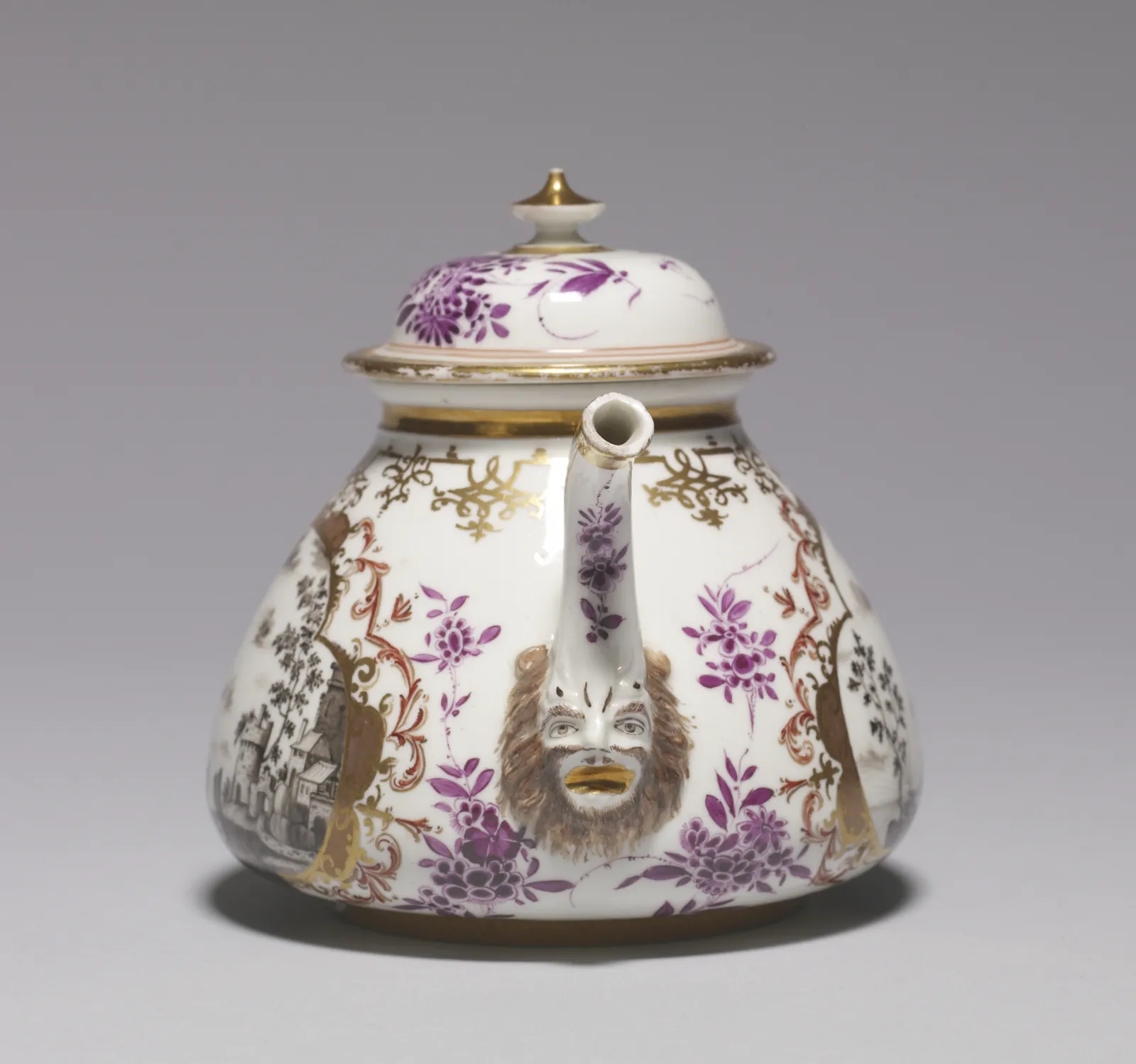
China from top-tier companies like Meissen, Sèvres, and Worcester is usually more valuable than pieces from lesser-known factories. Certain artists, designers, and modelers can also add to value.
Any vintage plate from French manufacturer Sèvres could be worth serious cash, but some are more valuable than others. A 1771 antique plate featuring a cherub and nymph sold on eBay for nearly $400. The Sèvres marking on the back is key to authenticating any potential piece.
Thrift Stores and Yard Sales Have Produced Real Surprises
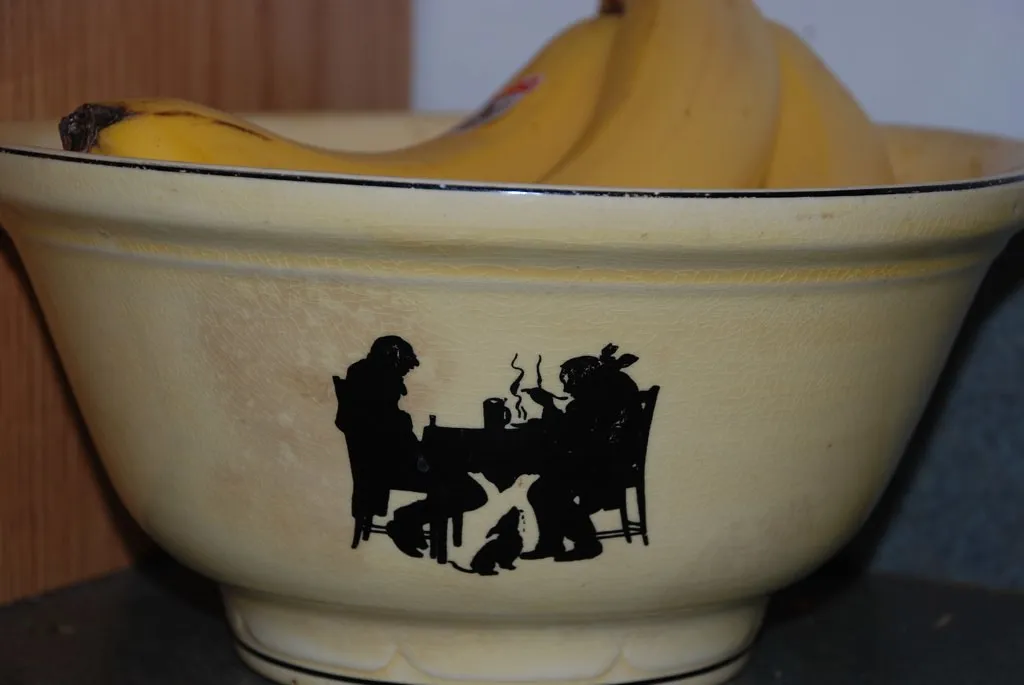
The idea of finding a valuable plate at a tag sale sounds like wishful thinking. The records say otherwise. A Song dynasty Ding bowl purchased at a New York tag sale for three dollars resold at auction for $2.2 million in 2013. That is an extreme case, but it happened.
A Yongle Emperor-era lotus bowl purchased at a Connecticut yard sale for $35 in 2020 sold at auction for $721,800 in 2021. These pieces were misidentified by the sellers, which is exactly the point.
The gap between what something looks like and what it actually is can be enormous. Knowledge, not luck, is what most often closes that gap. Spending a few minutes with the backstamp and a reference database costs nothing.
Chinese and Asian Ceramics Are Drawing Global Attention
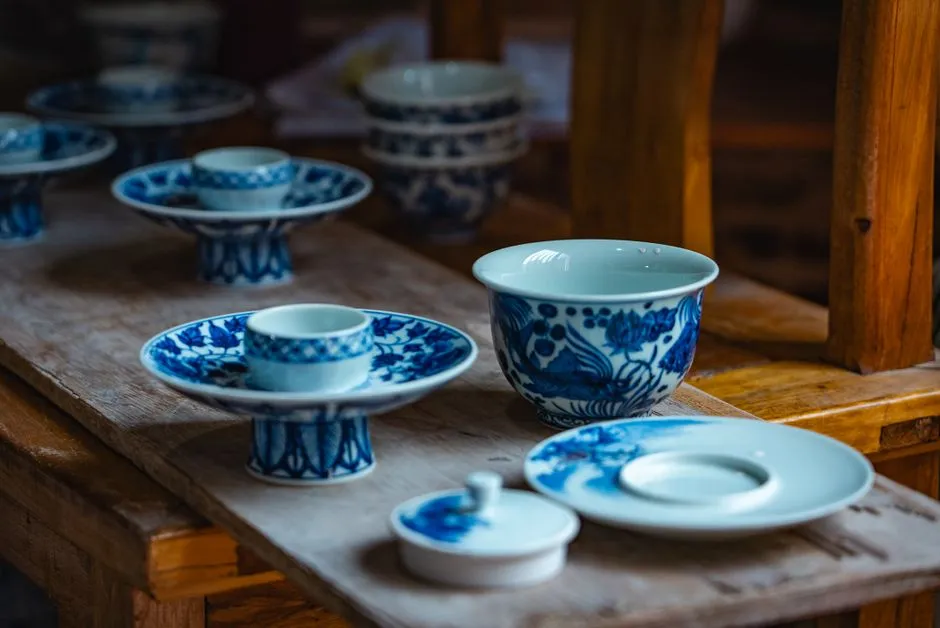
China’s rich history and diverse dynasties have produced highly valued antiques recognized for their craftsmanship, cultural significance, and unique design. These factors continue to drive strong demand from the Sui to the Song Dynasties in the collectibles market.
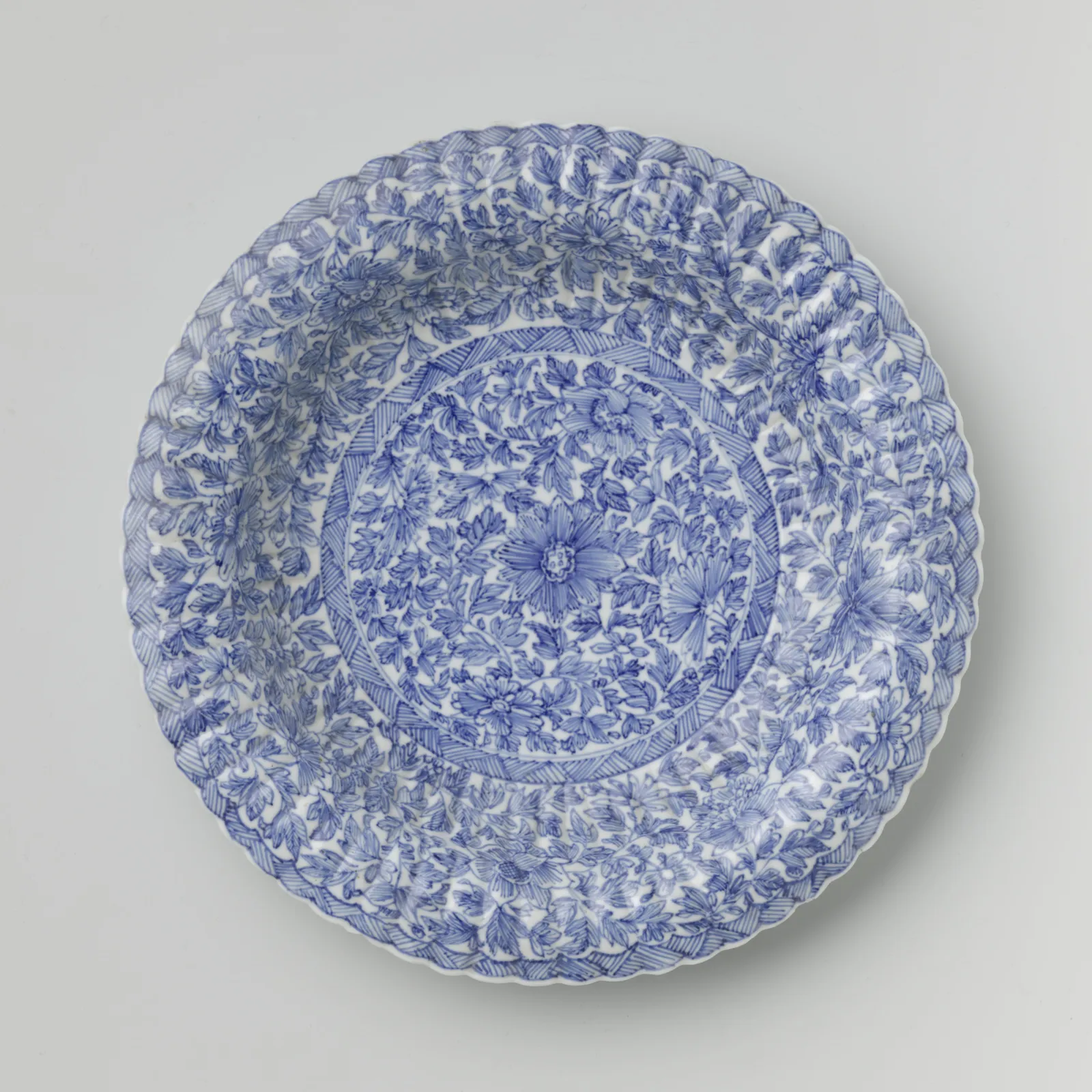
The global antique-style ceramic market is expected to maintain strong growth throughout 2026, driven by traditional home décor trends and international demand. Chinese antique reproduction porcelain has become one of the fastest-growing segments in ceramic exports, with blue-and-white porcelain and famille rose styles gaining popularity across Europe and North America.
In May 2025, two rare Chinese antiques over 300 years old, part of a family collection in East Sussex, sold for a combined $153,744. Pieces from the Kangxi Emperor period in particular have drawn consistent interest from collectors worldwide.
Tiffany, Sotheby’s, and the Upper End of the Market
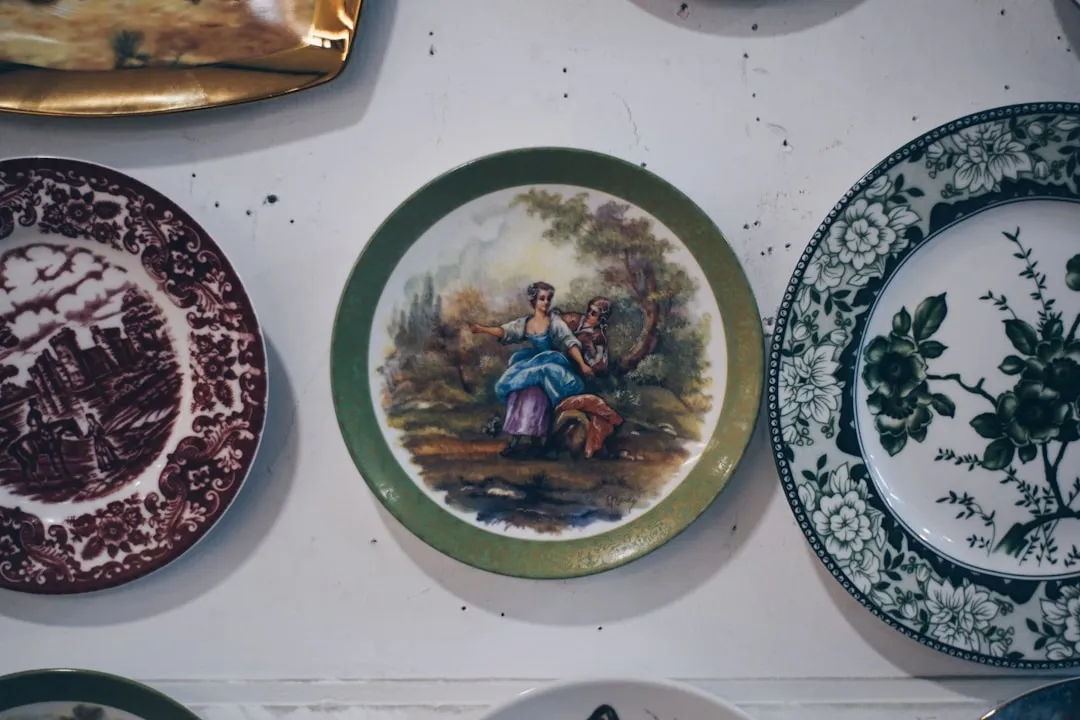
Christie’s sold a single 18-karat gold serving plate from Tiffany and Co. in 2021 for $25,000. In 2025, Sotheby’s had a set of twelve silver-gilt plates from 1915 that ultimately sold for $72,000, or $6,000 each. The top of the market operates on a different scale entirely.
These figures are not meant to set expectations for the average inherited plate set. They do demonstrate, though, that the collector market for dinnerware is real, liquid, and active. Some plates are just worth hundreds or thousands of dollars, while others may be worth even more than your house.
Collectors are known to invest significant amounts even for older pieces that do not come in sets. A nine-inch lunch plate with gold trim and a blue pastel floral design dating to the 19th century, for example, has been listed for nearly $900 on eBay. Single plates from the right maker can stand on their own.
How to Research What You Have
Photographing the mark and comparing it against online mark databases like Kovels, the Marks4Ceramics database, or the Gotheborg reference is a practical first step. Even a fragmentary mark can be diagnostic.
Makers redesigned their emblems over time, using different colors or making changes to symbols and writing as companies evolved, so you can often date a piece by matching the right mark to when it was used. A simple search will pull up sites like AntiqueMarks.com or Kovels that maintain well-organized records.
Edge-to-edge condition matters: chips, glaze loss, pinholes, scratches, and kiln joins are part of value, not just “condition risk.” The strongest case for valuation always combines marks with context. If you have an estate note, an old photograph of the piece in use, or any purchase documentation, keep it.
The 2026 Market Favors Pieces with Provenance and Heritage
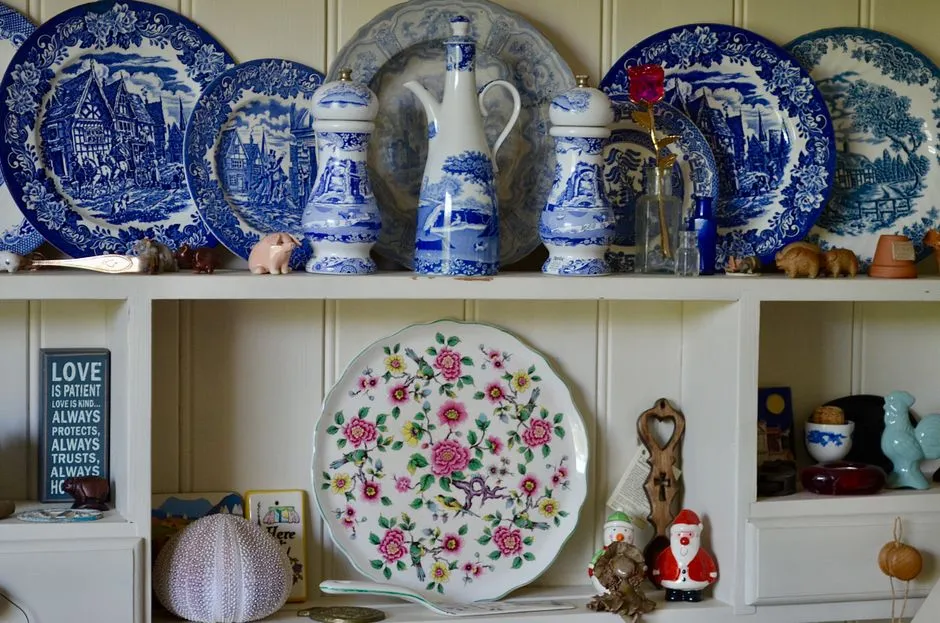
2026 strongly favors pieces with provenance and historic significance. Interiors are embracing items with character that complement modern spaces rather than compete with them, a trend reflected in growing interest in classical decorative elements and layered collections.
Antique market trends from 2025 to 2026 show growing interest in pieces that tell a story through craftsmanship and heritage. Whether it’s mid-century home décor or rare traditional artifacts, collectors are increasingly drawn to items with history, design appeal, and lasting worth.
Classic Staffordshire plates and traditional porcelain are continuing a strong return among collectors in 2026. The timing, in other words, is not bad for anyone willing to look more carefully at what they already own.
Final Thoughts
The chipped plate in your cabinet probably isn’t worth a fortune. That’s the honest answer, and it’s worth saying plainly. Even if a plate appears to be a rare antique, its condition plays a major role in its worth, and chips or cracks typically reduce a piece’s value to around ten to fifteen percent of what it would be in mint condition.
Still, the story isn’t simply about damage. It’s about knowing what you have before you give it away. Plates from different periods possess their own unique characteristics, from the intricate hand-painted florals of the Victorian period to the bold Art Deco designs of the 20th century. A quick look at the backstamp, a few minutes with a reference database, and a photo under good light costs nothing at all.
The real risk isn’t holding onto something worthless. It’s donating something significant without ever finding out. Turn the plate over before you decide.
AI Disclaimer: This article was created with the assistance of AI tools and reviewed by a human editor.