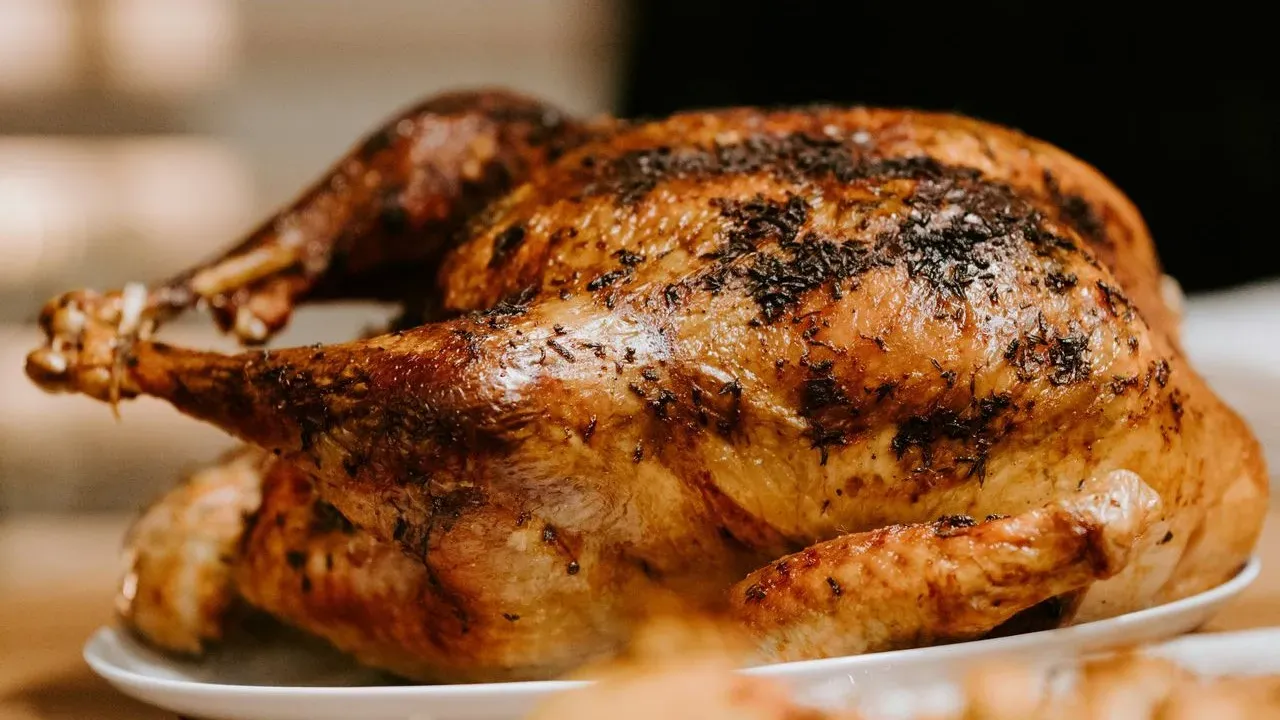

Self Financial examined the cost of preparing a traditional Thanksgiving meal for 10 people using standardized recipes and current ingredient prices. The total came to $137.93 this year, down from $166.69 in 2025. That represents a 17.3 percent decline and roughly $28.76 in savings per gathering. ([1])
Turkey Leads the Decline
The savings trace almost entirely to one item. Turkey prices fell from an estimated $57 last year to $29.60 in 2026, a drop of 48.1 percent. That single change accounts for about 95 percent of the overall reduction in the meal total. Without the turkey, the rest of the menu shows little net improvement. Retailers have long treated the bird as a loss leader to draw shoppers into stores. A sharp price cut on turkey can still pull traffic, yet it leaves other staples exposed to separate price movements. Consumers who focus only on the headline number may overlook those differences once they reach the full shopping list.
Six Dishes Moved Higher
Half of the 12 dishes tracked rose in cost. Bread rolls posted the largest percentage gain at 39.5 percent, climbing from $4.05 to $5.65. Stuffing increased 23.2 percent to $15.34, while sweet potato casserole rose 21.3 percent to $15.18. Pecan pie advanced 9.2 percent to $15.14, green bean casserole gained 8.7 percent to $9.60, and salad edged up 2.9 percent to $4.48. These increases matter most for households that prepare sides from scratch rather than buying pre-made versions. Even modest percentage changes add up across a full cart. The pattern shows that grocery inflation has not disappeared uniformly; it has simply shifted across categories.
Other Items Offset Some Increases
Several components declined enough to balance the rises. Mashed potatoes fell 48 percent to $6.90. Cranberry sauce dropped 60.2 percent to $2.11. Pumpkin pie eased 8.5 percent to $6.68, and macaroni and cheese slipped 1.9 percent to $24.06. The net result still favors the overall total, yet the distribution of savings remains uneven.
Retail and Shopper Implications
Supermarkets now face a narrower window to promote broad affordability. A low turkey price can open the door, but value across the entire basket determines whether shoppers complete a large holiday purchase or split their trips. Private-label options, bundled meal deals, and targeted promotions on the items that actually rose become more important this season. Consumers remain price-sensitive after years of elevated grocery costs. A single prominent discount does not automatically improve perceptions of the full shopping experience. Retailers that manage the complete set of holiday ingredients stand to capture more of the high-volume Thanksgiving basket than those relying on the bird alone.
AI Disclaimer: This article was created with the assistance of AI tools and reviewed by a human editor.