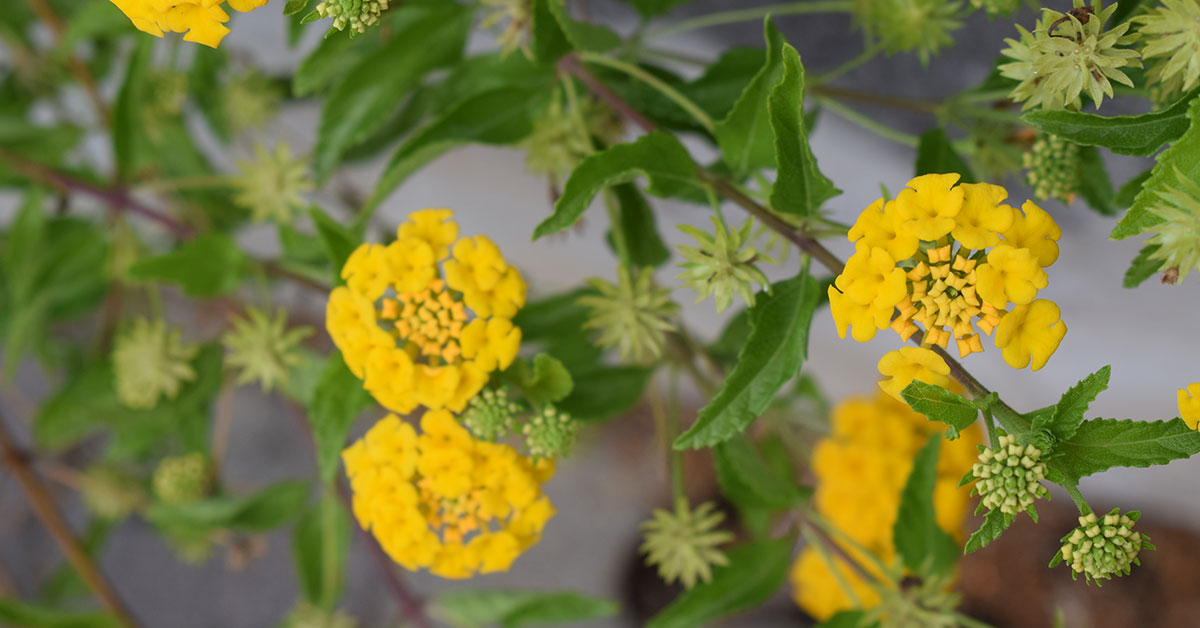

Texas Lantana, also known as Lantana urticoides, is a beautiful flowering plant that is native to the southern regions of the United States, including Texas. This vibrant plant is characterized by its bright, showy flowers that bloom in shades of yellow, orange, and red, making it a popular choice for gardeners and landscapers alike.
In addition to its stunning appearance, Lantana urticoides is also known for its ability to attract a variety of pollinators, including bees, butterflies, and hummingbirds. In this article, we will explore the many benefits of Texas Lantana and provide tips for growing and caring for this lovely plant.
What is a Texas Lantana?
Texas Lantana (Lantana urticoides) is a popular flowering plant that is native to the southern parts of the United States, particularly in Texas. It is also known by other common names such as West Indian Lantana, and Calico bush. This plant belongs to the Verbenaceae family and is a low-growing shrub that can grow up to 3 feet tall and 6 feet wide.
Lantana urticoides is a hardy and drought-resistant plant that thrives in hot and dry conditions. It has a woody stem and oval-shaped leaves that are dark green and slightly hairy. The flowers of Lantana urticoidesare small and tubular-shaped, and they bloom in clusters of red, orange, and yellow. The flowers are attractive to bees, butterflies, and other pollinators, making it an excellent addition to any wildlife garden.
One of the notable features of Texas Lantana is its ability to change the color of its flowers as they mature. The flowers start as a deep shade of red and gradually change to orange and then yellow. This unique characteristic makes it a visually appealing plant that can add a pop of color to any garden or landscape.
Overall, Texas Lantana is a beautiful and versatile plant that is easy to grow and maintain. Its ability to attract pollinators and its colorful blooms make it a popular choice for gardeners and landscapers.
Where is Texas Lantana native?
Texas Lantana (Lantana urticoides) is native to the southern United States, primarily in the states of Texas, Oklahoma, Louisiana, Arkansas, and Mississippi. This plant is well adapted to the hot and dry conditions found in these regions and is often found growing in open fields, prairies, and along roadsides.
In Texas, the plant is particularly prevalent in the Hill Country region, where it is a common sight in gardens and along highways. It is also found in the Edwards Plateau and Trans-Pecos regions, where it thrives in the rocky, limestone soil.
Outside of the United States, Lantana urticoides is also found in Mexico, where it is known as “hierba del soldado” or “soldier’s herb.” It is a popular garden plant in many parts of the world due to its hardiness and attractive flowers. However, it is important to note that in some areas, Texas Lantana is considered an invasive species that can crowd out native plants and disrupt local ecosystems.
How to start Texas Lantana seeds
One of the easiest ways to start Lantana urticoides is from seed. Here are some steps you can follow to successfully grow this beautiful plant from seed.
Collect the Seeds: Texas Lantana produces seeds that are small, black, and oval-shaped. You can collect them from mature flowers that have already dried out. Make sure to collect the seeds when they are fully matured, but before they fall off the plant.
Prepare the Soil: Lantana urticoides prefers well-draining soil. You can use a mixture of sand and potting soil to create a suitable growing medium. Fill a seed tray with the soil mixture and water it thoroughly.
Plant the Seeds: Sow the seeds on the surface of the soil mixture, and then gently press them down with your fingers. Texas Lantana seeds require light to germinate, so do not cover them with soil. You can sprinkle a thin layer of sand on top of the seeds to keep them in place.
Water and Care for the Seeds: After planting, water the seeds gently with a misting spray. Keep the soil moist, but not waterlogged, until the seeds germinate. Texas Lantana seeds usually take around 14-21 days to germinate.
Once the seeds have germinated, you can start caring for the seedlings. Make sure they get enough sunlight, water them regularly, and fertilize them with a balanced fertilizer once a month.
Transplant the Seedlings: When the seedlings have grown to about 2-3 inches, you can transplant them into individual pots or directly into your garden bed. Make sure to space them at least 18 inches apart to allow them to grow and spread out.
Growing Texas Lantana from seed is a simple and rewarding process. With the right care and attention, you can enjoy the beauty of this plant in your garden for years to come.
Growing & Care Guide
Texas Lantana is a beautiful and easy-to-grow plant that can add color and vibrancy to any garden. Here are some tips on how to grow this stunning plant:
- Choose the right location: Lantana urticoides prefers full sun and well-draining soil. Make sure to plant it in an area that receives at least 6 hours of direct sunlight a day.
- Plant in the right season: The best time to plant Texas Lantana is in spring or fall when the temperatures are mild. Avoid planting it in the peak of summer or winter.
- Water regularly: Texas Lantana is drought-tolerant, but it still needs regular watering, especially during the first few months after planting. Water deeply once a week and allow the soil to dry out between watering.
- Fertilize occasionally: Lantana urticoides doesn’t require heavy fertilization, but a light application of a balanced fertilizer once a month during the growing season can help it thrive.
- Prune regularly: Lantana urticoides can become leggy if left to grow unchecked. Prune it regularly to keep it in shape and encourage bushy growth. You can also deadhead the spent flowers to promote more blooms.
By following these simple steps, you can grow Texas Lantana successfully and enjoy its beautiful colors and fragrance throughout the year.
Interesting facts
Texas Lantana (Lantana urticoides) is a beautiful and versatile plant that is native to Texas and other parts of the southern United States. Here are some interesting facts about this popular plant:
- Attracts pollinators: Lantana urticoides is a favorite of bees, butterflies, and other pollinators. The plant’s bright flowers provide a valuable source of nectar and pollen for these important insects.
- Drought tolerant: Texas Lantana is a tough plant that can thrive in hot, dry conditions. It requires little water once established, making it a great choice for low-maintenance gardens and landscapes.
- Medicinal properties: Lantana urticoides has long been used in traditional medicine to treat a range of ailments, from fever and inflammation to respiratory infections and skin conditions. However, it is important to note that the plant can be toxic if ingested in large quantities.
- Colorful blooms: Texas Lantana is known for its showy, multi-colored flowers that bloom from spring through fall. The blooms can range from yellow and orange to red and purple, and are often clustered together in dense clusters.
- Wildlife habitat: Lantana urticoides provides important habitat for a variety of wildlife, including birds, butterflies, and small mammals. The plant’s dense foliage and prickly stems offer protection and shelter, while its flowers provide a valuable food source.
In conclusion, Texas Lantana is a fascinating and useful plant that deserves a place in any garden or landscape. Whether you are looking to attract pollinators, create a low-maintenance garden, or provide habitat for wildlife, Texas Lantana is an excellent choice.