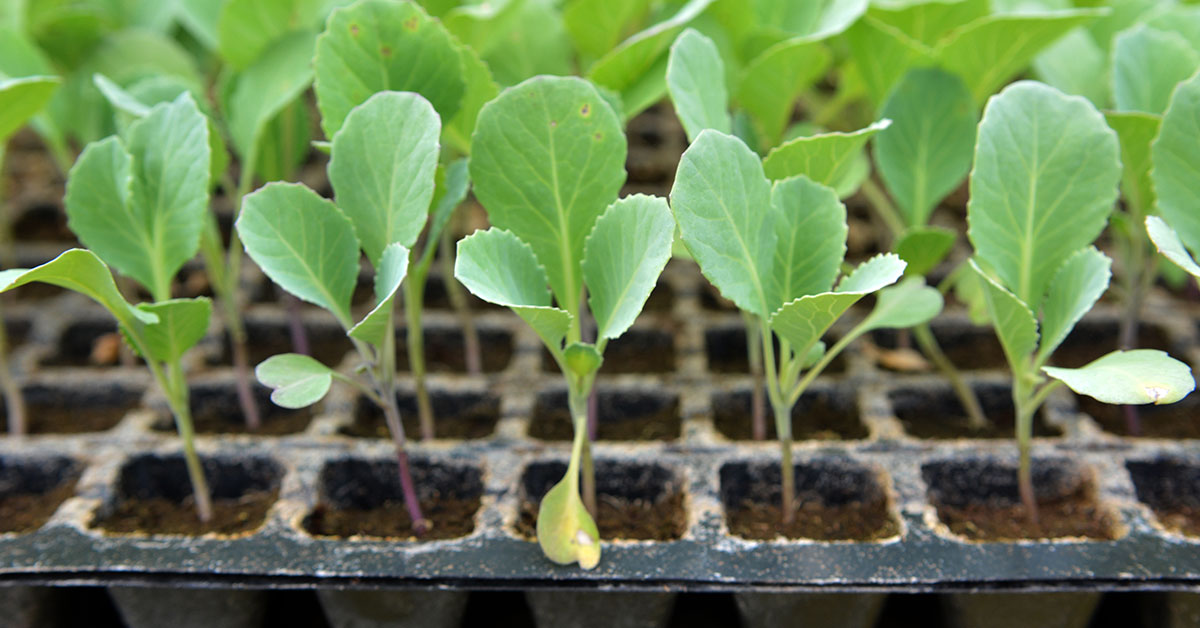

Tendersweet Cabbage is an incredible vegetable that will revolutionize your gardening experience. Whether you are a seasoned gardener or a beginner, this article will provide you with all the information you need to know about this remarkable variety. Tendersweet Cabbage, also known as Sweetheart Cabbage, is a versatile and delicious vegetable that is prized for its tender leaves, sweet flavor, and beautiful texture.
From its origins to its cultivation techniques, we will explore every aspect of Tendersweet Cabbage, including its nutritional benefits, ideal growing conditions, common pests and diseases, and harvesting and storage tips. Get ready to delve into the world of Tendersweet Cabbage and discover why it is a must-have in your garden!
What is a Tendersweet Cabbage?
A Tendersweet cabbage is a variety of cabbage known for its tender and sweet flavor. It belongs to the Brassica oleracea species and is a member of the Brassicaceae family. This particular cabbage variety is popular among gardeners and cooks alike due to its desirable taste and texture. The Tendersweet cabbage typically has a round, compact head that is medium to large in size. The leaves are smooth, with a vibrant green color. The outer leaves may have a slightly crinkled appearance, while the inner leaves are more tightly packed. The head is dense and firm, indicating its freshness and quality.
What sets the Tendersweet cabbage apart from other varieties is its sweet and delicate flavor. It has a milder taste compared to other cabbage types, making it an excellent choice for eating raw in salads or coleslaw. It also retains its sweetness when cooked, making it suitable for stir-frying, sautéing, or steaming.
When it comes to cultivation, Tendersweet cabbage is typically grown in cool climates during the spring or fall seasons. It requires well-drained soil with a pH level between 6.0 and 7.5. Adequate sunlight and regular watering are essential for its healthy growth.
The cabbage heads are ready to harvest when they reach a firm and solid state. Whether you are a home gardener or a culinary enthusiast, the Tendersweet cabbage is a fantastic addition to any vegetable garden or kitchen. Its tender and sweet nature makes it a versatile ingredient that can be enjoyed in various dishes, adding a delightful flavor and texture to your meals.
What does Tendersweet Cabbage taste like?
The Tendersweet cabbage has a mild and subtly sweet taste that is quite enjoyable. It is tender and crisp, with a delicate crunch when eaten raw. When cooked, the cabbage becomes even sweeter and develops a slightly buttery flavor. The leaves are not overly bitter, making it a versatile vegetable that can be used in various culinary preparations. Its flavor pairs well with a wide range of ingredients, making it a popular choice in salads, stir-fries, slaws, and even soups. Overall, the Tendersweet cabbage offers a refreshing and pleasant taste that is loved by many.
How to start from seed
Starting Tendersweet cabbage from seeds is a relatively simple process. Here’s a step-by-step guide to help you get started:
- Selecting the seeds: Look for Tendersweet cabbage seeds from a reliable source such as a local garden center or reputable online seed supplier. Choose high-quality seeds that are well-suited for your growing region.
- Timing: Cabbage is a cool-season crop, so it’s important to start the seeds indoors several weeks before the last expected frost date in your area. Check your local frost dates to determine the appropriate time for starting your cabbage seeds.
- Seed starting trays or containers: Fill a seed tray or individual pots with a well-draining seed starting mix. Alternatively, you can use peat pellets or homemade seed starting mixtures, which typically consist of equal parts of compost, perlite, and vermiculite.
- Sowing the seeds: Sow the Tendersweet cabbage seeds about ¼ inch deep into the prepared seed starting mix. Space the seeds about 2 inches apart. If you are using seed trays, you can sow multiple seeds per cell and thin them out later.
- Watering: After sowing the seeds, water the tray or pots thoroughly but gently. Ensure that the soil is moist but not overly saturated. Using a spray bottle or a fine mist setting on a watering can can help prevent overwatering and dislodging the seeds.
- Germination: Place the seed trays or pots in a warm location with temperatures around 70-75°F (21-24°C). Cabbage seeds usually germinate within 7-10 days. To retain moisture and create a greenhouse-like environment, you can cover the trays with plastic wrap or use a propagator lid.
- Providing light: Once the seeds have germinated and started to grow, they require bright light to develop strong and healthy seedlings. Place the trays or pots in a location where they receive at least 6-8 hours of sunlight per day. If natural light is insufficient, you can use fluorescent lights or grow lights positioned a few inches above the seedlings.
- Thinning and transplanting: When the seedlings have grown a couple of inches tall and have a few sets of true leaves, it’s time to thin them out. Remove the weaker or crowded seedlings, leaving only the healthiest ones. This step allows the remaining seedlings to have sufficient space to grow.
- Harden off and transplanting: About a week or two before transplanting your Tendersweet cabbage seedlings outdoors, you need to gradually acclimate them to outdoor conditions. This process is known as hardening off. Begin by placing the seedlings outside in a sheltered location for a few hours each day, gradually increasing their exposure to sunlight and outdoor elements over the course of a week.
- Planting outdoors: Once the seedlings have been hardened off, it’s time to transplant them into the garden. Choose a well-prepared garden bed with fertile, well-draining soil. Space the cabbage plants around 18-24 inches apart, allowing enough room for them to grow and develop their heads properly. Ensure the soil is kept consistently moist and provide ample sunlight for optimal growth.
By following these steps, you should be well on your way to growing healthy Tendersweet cabbage plants from seeds. Remember to monitor the plants for pests, provide regular watering, and fertilize as needed to promote vigorous growth. Enjoy your bountiful cabbage harvest!
Planting and growing Tendersweet Cabbage
To plant and grow Tendersweet Cabbage, follow these steps:
- Choose the right time: Cabbage is a cool-season crop, so it’s best to plant it in early spring or late summer for a fall harvest. Check your local climate and planting zone to determine the ideal planting time.
- Prepare the soil: Cabbage prefers well-draining soil rich in organic matter. Amend the soil with compost or aged manure to improve its fertility and structure. Remove any weeds or debris from the planting area.
- Sow the seeds: Start by sowing the cabbage seeds indoors about 6-8 weeks before the last frost date in your area. Plant the seeds in seed trays or small pots filled with seed-starting mix. Sow the seeds about ¼ inch deep and keep the soil consistently moist.
- Transplant the seedlings: Once the seedlings have developed a couple of sets of true leaves and are about 3-4 inches tall, they are ready to be transplanted into the garden. Harden off the seedlings by gradually exposing them to outdoor conditions over a week or so. Then, space the plants about 12-18 inches apart in rows that are 2-3 feet apart.
- Provide proper care: Cabbage plants require consistent moisture. Water them regularly, especially during dry spells, and make sure the soil is consistently moist but not waterlogged. Mulching around the plants can help retain moisture and suppress weeds.
- Fertilize: Cabbage plants benefit from regular fertilization. Apply a balanced fertilizer or compost tea every few weeks to provide the necessary nutrients. Follow the manufacturer’s instructions regarding the dosage and frequency of application.
- Pest and disease management: Keep an eye out for common cabbage pests, such as cabbage worms and aphids. Handpicking or using organic insecticides can help control these pests. Also, monitor for diseases like clubroot or black rot and take appropriate measures if detected.
- Harvest: Tendersweet Cabbage typically takes around 60-90 days to reach maturity, depending on the variety. Harvest the cabbage heads when they are firm and solid, but before they split or crack. Use a sharp knife to cut the cabbage head off at the base, leaving a few outer leaves intact.
By following these steps, you can successfully plant and grow Tendersweet Cabbage in your garden. Enjoy the process and the delicious harvest!
When to harvest
The best time to harvest Tendersweet Cabbage is when the heads are fully formed and have reached their desired size. This usually occurs around 70-90 days after transplanting or 110-130 days after sowing seeds, depending on the specific variety and growing conditions.
To determine if the cabbage is ready for harvest, gently squeeze the head. If it feels firm and solid, it is likely mature and ready to be harvested. Another way to check is to examine the outer leaves. If they start to crack or split, it is a sign that the cabbage is mature and should be harvested soon.
It’s important not to wait too long to harvest as overripe cabbage can become tough and bitter. If you are unsure about the maturity, you can always harvest a small cabbage first to taste and assess its readiness before harvesting the rest of the crop.
Remember to use a sharp knife or garden shears to cut the cabbage head from the base of the plant, leaving a few outer leaves intact to protect the inner head during storage or transportation.