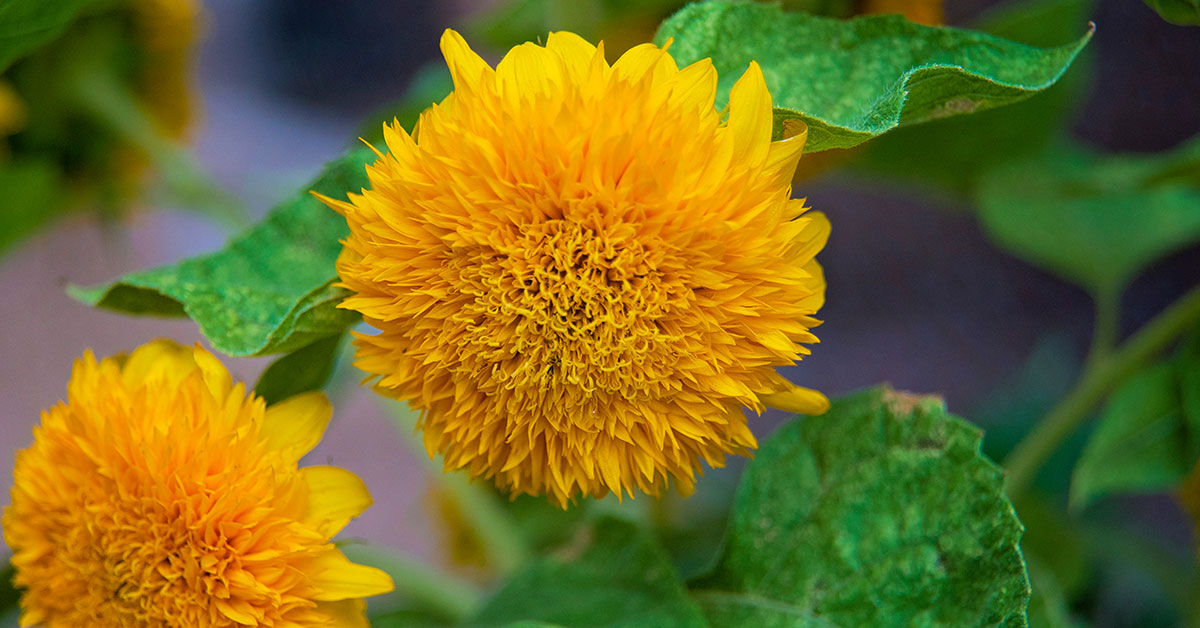

When it comes to cultivating sunflowers, the iconic Teddy Bear Sunflower (Helianthus annuus ‘Teddy Bear’) stands out as an adorable and delightful choice. With its compact size and unique fluffy double blooms, these sunflowers bring a touch of whimsy and charm to any garden or floral arrangement. Whether you have limited space or simply want to add a playful element to your landscape, growing Teddy Bear Sunflowers can be a rewarding and enjoyable experience.
In this article, we will explore the captivating world of Teddy Bear Sunflowers, sharing valuable insights on their characteristics, ideal growing conditions, and cultivation techniques. From planting the seeds to caring for the plants, we will guide you through the process of nurturing these enchanting sunflowers to create a vibrant display in your outdoor space.
What is a Teddy Bear Sunflower?
The Teddy Bear Sunflower (Helianthus annuus ‘Teddy Bear’) is a popular variety known for its unique appearance. It is a dwarf sunflower type that typically grows to a height of around 2 feet (60 centimeters). The name “Teddy Bear” refers to its characteristic fluffy, double blooms that resemble pom-poms or the cuddly appearance of a teddy bear.
The flower heads of Teddy Bear Sunflowers are relatively small, typically reaching a diameter of 4 to 6 inches (10 to 15 centimeters). The petals are densely packed, creating a fully double flower with a rounded shape. The color of the flower heads is usually a bright golden-yellow, adding a cheerful touch to gardens and floral arrangements.
Due to its compact size and adorable appearance, Teddy Bear Sunflowers are often used in container gardening, borders, or as decorative plants in smaller spaces. They are also loved by children and are a popular choice for educational gardening projects.
What does a Teddy Bear Sunflower look like?
A Teddy Bear Sunflower (Helianthus annuus ‘Teddy Bear’) has a distinct and charming appearance. Here’s a description of what it looks like:
- Size and Height: Teddy Bear Sunflowers are a dwarf variety, typically reaching a height of around 2 feet (60 centimeters). They are relatively compact compared to taller sunflower varieties.
- Flower Head: The flower head of a Teddy Bear Sunflower is the most striking feature. It is fully double, which means it has multiple layers of petals densely packed together. The flower head is round and resembles a fluffy pom-pom or the soft, cuddly appearance of a teddy bear.
- Petal Color: The petals of Teddy Bear Sunflowers are typically a bright golden-yellow color. The vibrant hue adds a cheerful and sunny touch to gardens and floral displays.
- Petal Texture: The petals have a soft and fuzzy texture, similar to the downy fur of a teddy bear. This unique texture contributes to the sunflower’s endearing appeal.
Overall, the Teddy Bear Sunflower’s appearance is characterized by its compact size, fully double flower heads with dense and fluffy petals, and the warm golden-yellow color. It’s a delightful and eye-catching variety that adds a touch of whimsy and playfulness to any garden or floral arrangement.
How to grow Teddy Bear Sunflowers
To grow Teddy Bear Sunflowers (Helianthus annuus ‘Teddy Bear’), you can follow these general guidelines:
- Select a suitable location: Choose a sunny spot in your garden that receives at least 6-8 hours of direct sunlight each day. Sunflowers thrive in full sun.
- Prepare the soil: Sunflowers prefer well-draining soil with a pH between 6.0 and 7.5. Amend the soil with organic matter, such as compost, to improve its fertility and drainage.
- Sow the seeds: You can start the seeds indoors 2-4 weeks before the last frost date or directly sow them in the garden after the danger of frost has passed. Plant the seeds about 1 inch (2.5 centimeters) deep and 6-12 inches (15-30 centimeters) apart, depending on the desired spacing and size of the mature plants.
- Watering: Keep the soil consistently moist but not waterlogged during the germination and early growth stages. Once the plants are established, they are generally tolerant of drought but will still benefit from regular watering, particularly during dry spells.
- Provide support: While Teddy Bear Sunflowers are relatively compact, some may still benefit from staking or support as they grow. Install stakes or place a small trellis near the plants to help them remain upright and prevent damage from strong winds.
- Monitor for pests and diseases: Keep an eye out for common garden pests like aphids, snails, or slugs. Use organic pest control methods or appropriate insecticides if necessary. Sunflowers are generally quite hardy and less prone to diseases, but watch for any signs of fungal issues and treat accordingly.
- Harvesting: Teddy Bear Sunflowers typically bloom within 70-90 days after sowing. You can harvest the flower heads once the petals have fully opened, but before they begin to wilt. Cut the stems with sharp pruners or garden shears, leaving several inches of stem attached for easier handling and arranging.
Remember to follow the specific instructions on the seed packet for your Teddy Bear Sunflower variety, as there may be slight variations in optimal planting depth, spacing, and care requirements. Enjoy the process of growing these delightful sunflowers and have fun watching them add charm to your garden!
Common problems with growing sunflowers
While sunflowers are generally easy to grow, they may encounter a few common problems. Here are some issues you may encounter when growing sunflowers and tips on how to address them:
- Pests: Sunflowers can attract pests like aphids, snails, slugs, and caterpillars. Monitor your plants regularly and take appropriate measures if you notice pest infestations. You can use insecticidal soap, neem oil, or introduce natural predators to control pests.
- Birds: Birds may be attracted to sunflower seeds, especially as the flower heads mature and seeds become exposed. To protect the seeds, cover the flower heads with lightweight netting or harvest them before they fully ripen.
- Powdery Mildew: Powdery mildew is a fungal disease that can affect sunflowers, causing a white, powdery growth on leaves and stems. Ensure good air circulation around the plants by providing adequate spacing and avoid overhead watering. Fungicidal sprays may help control severe infestations.
- Stem or Head Rot: Excessive moisture and poor drainage can lead to stem or head rot in sunflowers. Ensure that the soil has good drainage, and avoid overwatering. Planting sunflowers in raised beds or mounds can help improve drainage.
- Stunted Growth: Factors such as poor soil quality, insufficient sunlight, or overcrowding can result in stunted growth. Ensure sunflowers receive full sun, provide well-amended soil with organic matter, and provide adequate spacing between plants.
- Nutrient Deficiencies: Sunflowers may show signs of nutrient deficiencies, such as yellowing leaves or stunted growth. Ensure the soil is adequately fertilized with a balanced fertilizer, especially nitrogen, phosphorus, and potassium.
- Weather Conditions: Extreme weather conditions, such as strong winds or heavy rain, can cause sunflower stems to break or flower heads to droop. Consider providing support or staking for taller varieties and protecting the plants during severe weather events.
By addressing these common problems promptly, you can help your sunflowers grow healthy and vibrant, ensuring a successful and rewarding gardening experience.
When to harvest Teddy Bear Sunflowers
Teddy Bear Sunflowers (Helianthus annuus ‘Teddy Bear’) can be harvested once the flower heads are fully developed and ready for cutting. Here are some guidelines to determine the best time for harvest:
- Petal Condition: Wait until the flower petals have fully opened and are displaying their characteristic fluffy appearance. The petals should be vibrant and not showing signs of wilting or browning.
- Seed Development: Check the center of the flower head where the seeds are forming. The back of the flower head should start turning yellow or brown, indicating that the seeds are maturing. Avoid harvesting too early when the seeds are still soft and immature.
- Timing: Harvest Teddy Bear Sunflowers when they are at their peak bloom, typically around 70-90 days after sowing the seeds. This timing may vary depending on growing conditions and the specific variety of Teddy Bear Sunflower.
- Touch Test: Gently touch the back of the flower head and feel for firmness. The seeds should feel firm and plump, indicating they are mature and ready for harvest.
To harvest Teddy Bear Sunflowers, use sharp garden shears or pruners to cut the stem several inches below the flower head. Leaving a portion of the stem attached makes it easier to handle the sunflowers and arrange them in vases or floral displays.
After harvesting, you can hang the sunflower heads upside down in a dry, well-ventilated area to allow the seeds to further mature and dry. Once the flower heads and seeds are fully dry, you can gently rub or brush the seeds off the flower head for storage or future planting.
Remember to keep a few flower heads intact for decorative purposes or to save seeds for the next growing season. Enjoy the beauty of your harvested Teddy Bear Sunflowers!
Storing sunflower seeds
To store sunflower seeds for future use or planting, follow these steps:
- Harvesting: Wait until the sunflower heads have fully matured on the plant. The back of the flower heads should turn brown or yellow, indicating that the seeds are mature and ready for harvesting. Cut the flower heads from the stalk using garden shears or pruners, leaving a few inches of stem attached.
- Drying: Place the harvested sunflower heads in a dry and well-ventilated area, such as a warm and airy room or a covered outdoor space. Hang the flower heads upside down or lay them on a clean surface to allow for proper airflow. Leave them to dry for about 2-3 weeks or until the seeds are thoroughly dry. The seeds should feel hard and not have any moisture remaining.
- Seed Removal: Once the flower heads are completely dry, it’s time to remove the seeds. Gently rub or brush the flower heads with your hands to detach the seeds. Alternatively, you can use a fork or your fingers to separate the seeds from the seed head. Be patient and thorough, ensuring that you collect as many seeds as possible.
- Cleaning: After removing the seeds, you may notice some plant debris or chaff mixed in. To separate the seeds from the debris, you can use a sieve or a screen with small holes. Gently shake or rub the seeds against the sieve or screen to allow the lighter debris to fall through while retaining the heavier seeds.
- Storage: Store the cleaned sunflower seeds in airtight containers to keep them fresh and prevent moisture or pests from reaching them. Use glass jars, plastic containers, or resealable bags. Label the containers with the sunflower variety and the date of harvesting.
- Cool and Dry Location: Place the sealed containers in a cool, dry, and dark location such as a pantry or a cellar. Sunflower seeds can be stored at room temperature, but cooler temperatures (around 40-50°F or 4-10°C) help maintain seed viability for a longer period.
With proper storage conditions, sunflower seeds can remain viable for planting for up to a year or longer. Remember to periodically check the stored seeds for any signs of mold or moisture and discard any damaged or compromised seeds.
Additionally, you can save a few seeds for roasting and enjoying as a snack. Roasted sunflower seeds can be stored in airtight containers at room temperature for several months.
By following these steps, you can successfully store sunflower seeds for future planting or culinary purposes.